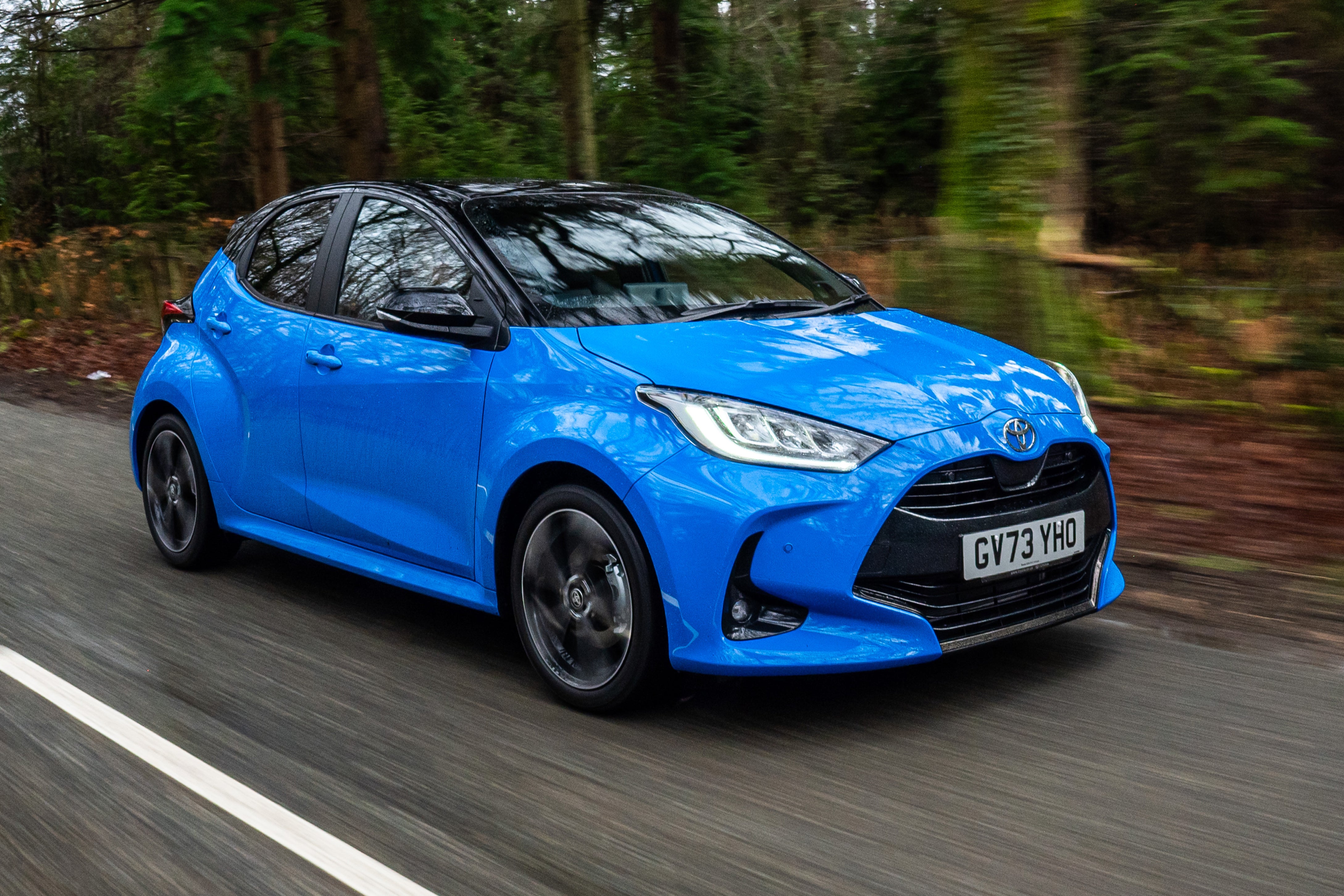
Suzuki Swift Review

Written By Andy Brady
- 2024
- Hatchback
- Petrol mild hybrid
What we love
Generous standard equipment
Excellent fuel economy
Light and enjoyable to drive
Things to consider
Small boot and tight rear seats
Interior feels a bit downmarket in places
It's smaller than most of its competitors
The DRIVE take on the Suzuki Swift, is it the right car for you?
The Suzuki Swift is a strong small car for buyers who want low running costs, generous equipment and an enjoyable driving experience.
Its compact dimensions make it easy to use in town, while the lightweight body helps it feel responsive without requiring a powerful engine. The manual version is economical and entertaining, and every trim includes equipment that often costs extra elsewhere.
Rear space and boot capacity are limited, while the three-star Euro NCAP result is difficult to overlook. Even so, the Swift remains an appealing alternative to larger and more expensive superminis.
The Suzuki Swift in more detail
The Suzuki Swift has long occupied a slightly unusual position in the small-car market, offering compact dimensions, low weight and straightforward engineering rather than trying to imitate a larger or more premium model.
The latest generation arrived in 2024 as manufacturers continued to withdraw familiar small hatchbacks from sale. Cars such as the Ford Fiesta, Kia Rio and Nissan Micra have disappeared from the new-car market, leaving fewer affordable petrol-powered alternatives for buyers who do not want an SUV or electric car.
Suzuki has kept the Swift deliberately simple, with one engine, two core trims and a choice of manual or automatic transmission. Selected Ultra models can also be ordered with ALLGRIP four-wheel drive, which remains exceptionally rare in this class.
Every version uses a 1.2-litre three-cylinder petrol engine supported by a small 12V mild-hybrid system. The electric motor-generator assists the engine during acceleration and recovers energy when the car slows, but it cannot propel the Swift independently, so there is no plug, charging cable or meaningful electric-only driving range.
The drivetrain produces 82PS and prioritises economy over outright performance. Suzuki has kept the car’s kerb weight below one tonne in its lightest form, allowing the modest engine to deliver acceptable everyday performance without working as hard as it would in a heavier hatchback.
That low weight also shapes the way the Swift drives, helping it respond quickly to steering inputs and change direction more eagerly than many small cars designed primarily around comfort and technology.
The latest Swift is almost identical in size to its predecessor, so it remains smaller than a Renault Clio, Skoda Fabia or Peugeot 208. Those compact dimensions are useful in town but inevitably limit rear passenger room and luggage capacity.
Suzuki has made more noticeable progress inside, where a two-tone dashboard, larger infotainment screen and upgraded standard equipment create a brighter and more contemporary cabin. The materials remain basic, but the clear layout and extensive use of physical controls make the Swift easy to understand.
What's the best Suzuki Swift trim and engine option?
The Suzuki Swift 1.2 Mild Hybrid Motion manual is the best all-round version because it provides the strongest balance of price, equipment, economy and driving enjoyment.
Motion includes 16-inch alloy wheels, LED headlights, heated front seats, adaptive cruise control, keyless entry, a reversing camera and rear parking sensors. It also has the same nine-inch infotainment screen, wireless smartphone connectivity and active safety systems as the more expensive Ultra.
The five-speed manual gearbox suits the car’s light and responsive character, provides the strongest official fuel economy and costs less than the CVT automatic.
Ultra adds automatic climate control, polished alloy wheels, folding door mirrors, mirror-mounted indicators and a rear heater outlet. Those additions are pleasant rather than essential, making Motion the better-value choice.
ALLGRIP four-wheel drive is only worth the extra cost for drivers who regularly face snow, steep rural roads or slippery tracks. Its additional weight reduces performance and fuel economy, while most buyers will gain little benefit during ordinary road use.
What’s the price of the Suzuki Swift?
The Suzuki Swift Motion starts at £19,999 with the five-speed manual gearbox, while Ultra costs from £21,099. Automatic and ALLGRIP versions carry an additional premium.
Suzuki frequently offers finance incentives and customer savings, so the transaction price may be lower than the official list figure.
The Swift is competitively priced beside other new small hatchbacks, particularly when its standard equipment is taken into account. A basic Renault Clio, Vauxhall Corsa or Hyundai i20 may appear similarly priced, but matching the Suzuki’s heated seats, adaptive cruise control, reversing camera and keyless entry can make those cars more expensive.
Alternatives to the Suzuki Swift
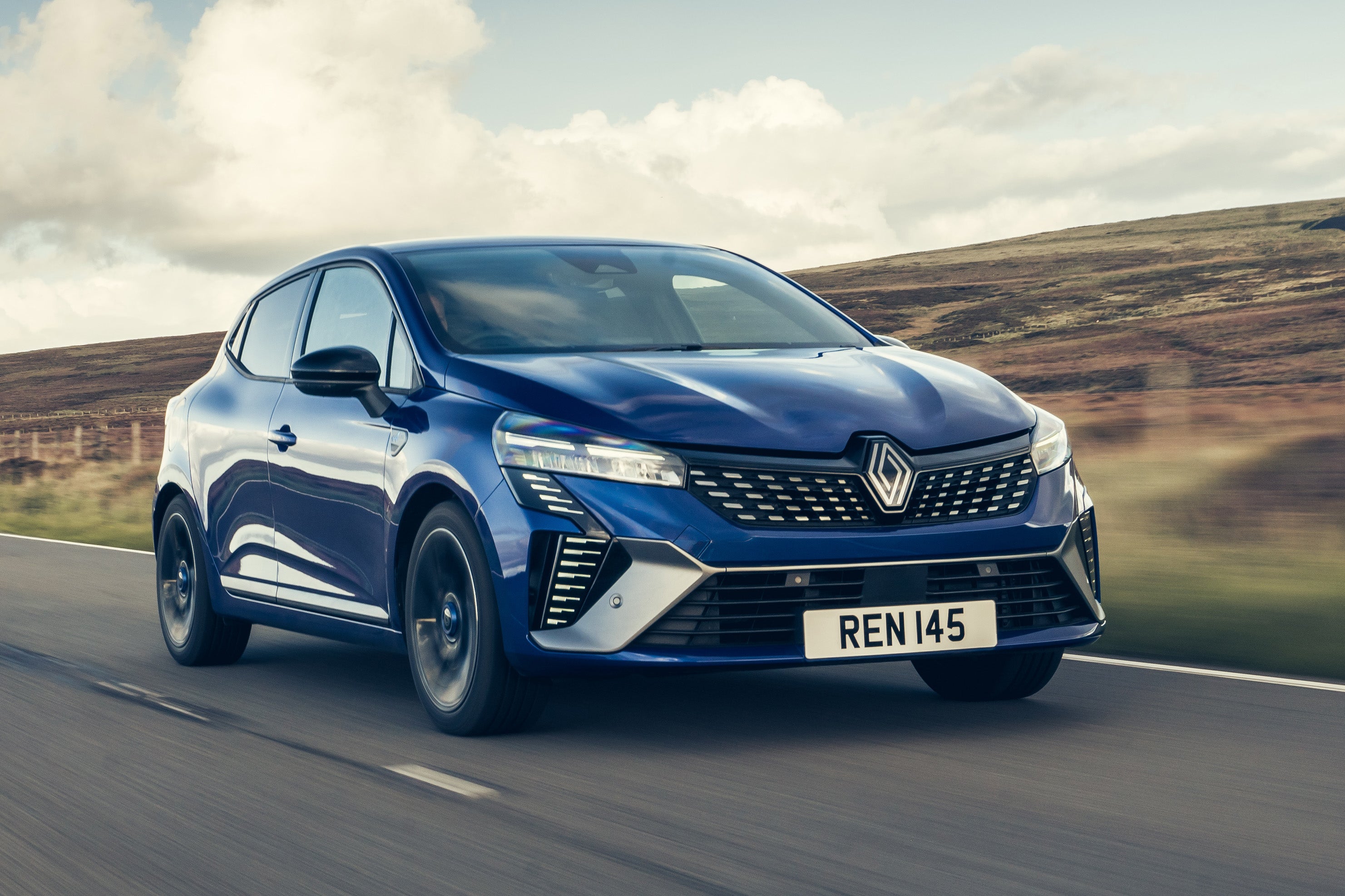
The Renault Clio is larger, more refined and considerably more practical, with a much bigger boot. Its higher trims cost more, while the Swift feels lighter and more playful.
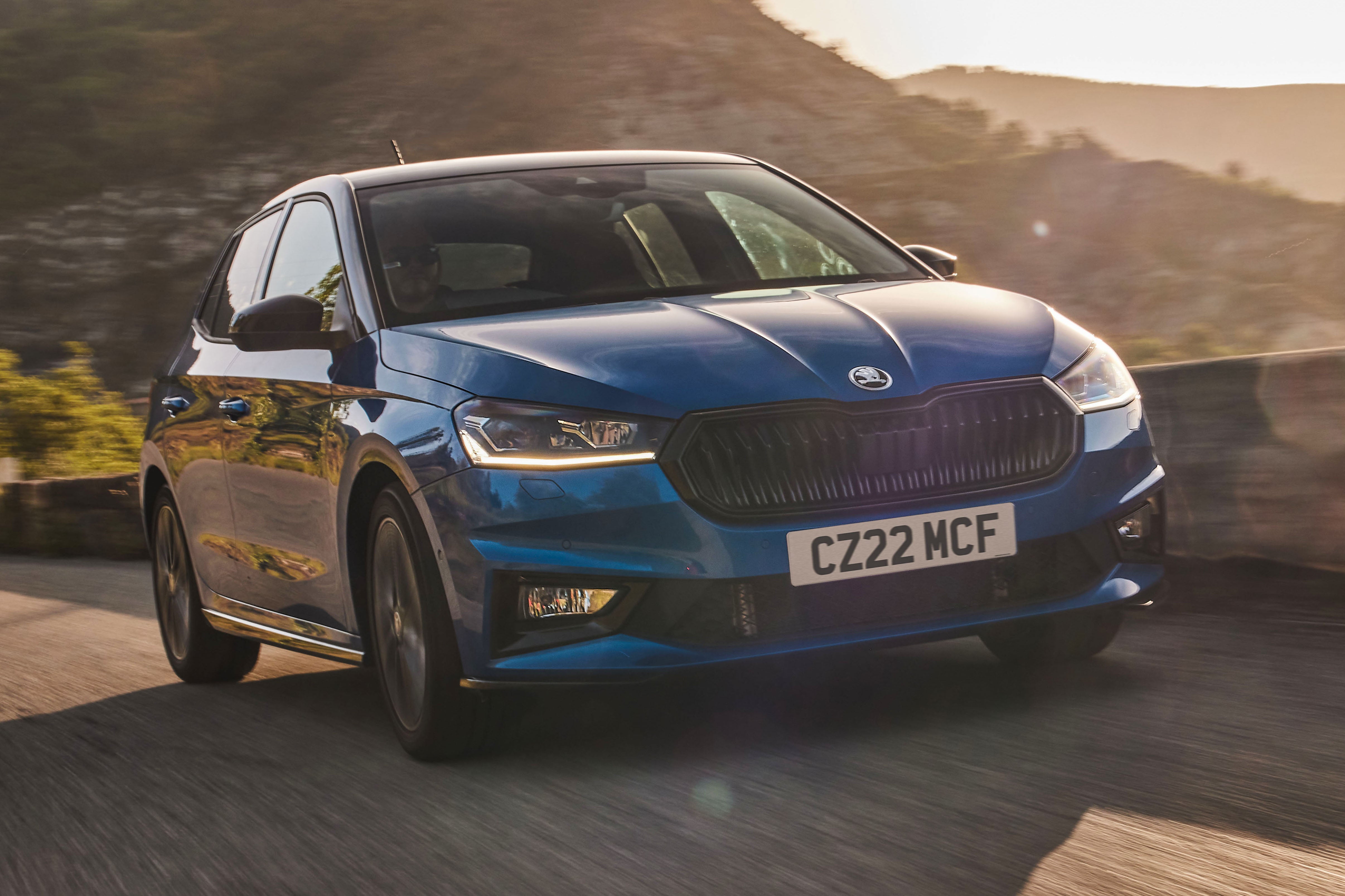
The Skoda Fabia offers excellent passenger space, a large boot and strong motorway manners. It is not available as a hybrid or with four-wheel drive.
The Dacia Sandero provides more space for less money and is one of the cheapest new cars available. Its equipment and driving experience are less polished.
The Hyundai i20 has a more substantial cabin and a broader engine range. Equivalent versions are usually more expensive.
What's the interior like in the Suzuki Swift?
The Swift has a simple, logically arranged cabin with supportive front seats and excellent standard equipment, although hard plastics and limited rear space reveal its budget positioning.
Suzuki Swift boot space and practicality
The Swift’s front seats provide a slightly raised driving position compared with some superminis, giving the driver a clear view through the windscreen. The seat and steering wheel offer enough adjustment for most people, although very tall drivers may prefer a lower seating position.
The front seats have improved cushioning compared with those in the previous Swift and remain supportive over longer journeys. Heating is standard on both trims, which is unusual at this price.
Space in the front is adequate for taller adults, with reasonable headroom and enough legroom despite the car’s compact exterior. The relatively narrow cabin means the driver and passenger sit close together, but the dashboard does not intrude excessively.
Storage includes front door pockets, cupholders, a glovebox and several small trays around the centre console. The compartments are suitable for everyday items, although none is especially generous.
Rear passenger space is more restrictive because the Swift is shorter than most current superminis. Children should fit comfortably, but adults will find knee room limited behind a tall driver, while the narrow body makes the bench feel cramped with more than two people aboard.
Three adults will not sit comfortably across the back, so the middle position is best reserved for occasional use. Isofix mounting points are fitted to the two outer rear seats, allowing two child seats to be installed without difficulty.
Behind them, the boot provides 265 litres of luggage space with the rear seats upright. That is enough for a weekly shop, several soft bags or a compact pushchair, but it falls well short of the Renault Clio, Skoda Fabia and Volkswagen Polo.
The load opening is reasonably wide, although there is a noticeable drop to the boot floor. Folding the 60:40 rear backrests increases capacity to 589 litres under Suzuki’s measurement method, but the seats do not create a completely flat extended load area.
Buyers who regularly carry bulky luggage will be better served by a larger rival, while those mainly using the car for commuting, shopping or shorter journeys should find the available space sufficient.
Suzuki Swift dimensions
The Suzuki Swift measures 3,860mm long, 1,735mm wide & 1,495mm high, making it shorter than most modern small hatchbacks and particularly easy to manoeuvre on congested streets or in tight car parks.
Light steering and good forward visibility make the car straightforward to position, while a reversing camera and rear parking sensors are standard on every version. The short body and compact turning circle also reduce the effort required for parallel parking and three-point turns.
Tech and infotainment in the Suzuki Swift
Every Swift has a nine-inch touchscreen mounted high on the dashboard, where it is easy to glance at without taking your eyes far from the road.
The system includes integrated navigation, DAB radio, wireless Apple CarPlay and Android Auto. Its graphics and response times are less polished than those in a Volkswagen Polo or Renault Clio, but wireless smartphone integration allows owners to use familiar navigation and media apps instead of relying on Suzuki’s built-in software.
Physical buttons remain for the heating, ventilation and several commonly used functions, reducing the need to search through touchscreen menus while driving. The steering wheel also includes conventional controls for adaptive cruise control, audio and driver-assistance settings.
A colour information display sits between the analogue instruments and presents fuel economy, hybrid operation and safety information clearly.
Suzuki Connect is included with three years of complimentary access and supports vehicle-status information, maintenance notifications, location services and selected remote functions through a smartphone app.
The infotainment lacks visual flair, but the combination of smartphone connectivity and physical controls makes the cabin easy to operate.
Materials available on the Suzuki Swift
Suzuki has brightened the cabin with pale grey dashboard sections and a lighter headlining, creating a less austere environment than in the previous model.
Most surfaces remain hard plastic, including the dashboard, doors and centre console. The materials feel durable rather than premium and are similar to those in entry-level versions of the Hyundai i20 or Dacia Sandero.
The switches and controls operate cleanly, while the dashboard feels securely assembled.
Motion has conventional fabric upholstery, with Ultra adding decorative door trim rather than a substantial upgrade in seat material.
The cabin should withstand everyday use well, but buyers expecting the soft-touch surfaces and detailed finishes of a Volkswagen Polo may be disappointed.
What's the Suzuki Swift like to drive?
The Swift is light, agile and easy to drive, combining responsive controls with a comfortable ride and excellent efficiency.
Suzuki Swift range and performance
Every Swift uses a 1.2-litre three-cylinder petrol engine with 12V mild-hybrid assistance.
The manual Swift is not fast, but its low weight helps it feel more responsive than the figures suggest. Acceleration is adequate around town, and the engine responds willingly when the driver uses the gearbox.
A 12.5-second 0-62mph time means motorway slip roads and overtaking require some planning, particularly with passengers or luggage aboard.
The five-speed manual gearbox has a light and precise action, although the absence of a sixth ratio means the engine can sound busier at motorway speeds than some rivals.
The CVT automatic is convenient in stop-start traffic and slightly quicker from 0-62mph, but it allows the engine to hold high revs during stronger acceleration. That prolonged engine note makes the car feel more strained on hills or when joining a fast road, while official economy is also lower than the manual’s.
ALLGRIP automatically sends power to the rear wheels when the front tyres lose traction. The system adds useful reassurance on slippery roads but increases weight and slows acceleration.
The mild-hybrid system supports the petrol engine during acceleration and restarts it smoothly after the stop-start system has operated. It cannot drive the car on electric power, so its main benefits are improved efficiency and slightly stronger low-speed response.
Performance data
| Model | Engine/battery size | Power | 0-62mph | Range/MPG |
|---|---|---|---|---|
Swift manual | 1.2-litre | 82PS | 12.5 seconds | Up to 64.2mpg |
Swift CVT automatic | 1.2-litre | 82PS | 11.9 seconds | Up to 60.1mpg |
Swift ALLGRIP manual | 1.2-litre | 82PS | 13.6 seconds | Up to 57.6mpg |
Suzuki Swift driving and refinement
The Swift’s low weight gives it a lively and responsive character, with direct steering and limited body lean helping it change direction neatly.
There is enough grip for confident progress on a winding road, while the controls feel consistent and predictable. The steering provides more feedback than many small cars, although it remains light enough for effortless town driving.
The suspension absorbs most broken surfaces effectively despite every version using 16-inch wheels. Sharp potholes can send a noticeable thump through the cabin, but the ride is generally composed and avoids the excessive firmness found in some sportier-looking rivals.
Refinement is respectable for an affordable lightweight hatchback, with the three-cylinder engine producing a noticeable thrum when worked hard but remaining subdued during gentle urban driving.
Wind and tyre noise become more apparent on the motorway, although neither is excessive for a car of this size and price. The manual model feels more relaxed when driven smoothly, while the CVT creates more engine noise during acceleration.
How safe is the Suzuki Swift?
The Suzuki Swift received three stars from Euro NCAP when tested in 2024, with its score limited by weaknesses in parts of the adult and child occupant assessments and the absence of some features rewarded under the latest protocol.
The result is disappointing for a recently introduced small car and places the Swift behind several five-star rivals, although direct comparisons should account for the year and protocol under which each model was assessed.
Standard safety equipment is extensive and includes autonomous emergency braking, adaptive cruise control, blind-spot monitoring and rear cross-traffic alert. Lane-departure warning, lane-keeping assistance, traffic-sign recognition, high-beam assistance and driver monitoring are also included on every version.
A reversing camera and rear parking sensors further improve visibility during low-speed manoeuvres.
Running costs: What it's like to live with a Suzuki Swift
The Swift combines strong fuel economy with a competitive purchase price and Suzuki’s service-activated warranty, although insurance groups are higher than some buyers may expect.
Suzuki Swift fuel economy
The manual front-wheel-drive Swift returns up to 64.2mpg, making it one of the most economical non-plug-in petrol cars in its class.
The CVT automatic achieves approximately 60.1mpg, while the additional weight and mechanical losses of ALLGRIP reduce the official figure to around 57.6mpg.
Suzuki’s lightweight approach helps the Swift deliver results close to its official figures in ordinary driving. Drivers using a mixture of urban and rural roads should be able to achieve economy in the mid to high 50s, while gentle longer journeys may produce more than 60mpg.
The mild-hybrid system is most effective in stop-start conditions, where it can recover energy during braking and assist the engine when the car accelerates again.
The 37-litre fuel tank is relatively small, but the strong economy still provides a useful range between fill-ups.
Suzuki Swift warranty and servicing
The standard manufacturer warranty covers three years or 60,000 miles, after which Suzuki’s service-activated warranty can renew cover following each qualifying dealer service until the car reaches 10 years old or 100,000 miles.
Owners must continue using participating Suzuki dealers and follow the required servicing schedule to retain the additional cover.
The Swift has traditionally performed strongly for reliability, while its simple petrol engine and mild-hybrid system are less complex than the full-hybrid or electric drivetrains used by some rivals.
Suzuki Swift insurance groups
Mainstream Swift models sit broadly between insurance groups 21 and 22, with the manual Motion generally at the lower end and automatic or higher-specification versions slightly higher.
These ratings are more expensive than the Swift’s modest power output might suggest, so younger drivers should obtain insurance quotes before buying.
How much does it cost to tax a Suzuki Swift?
Annual Vehicle Excise Duty from the second licence is £200, and the Swift does not receive a separate discount simply because it has mild-hybrid assistance.
Every version costs far less than the £40,000 Expensive Car Supplement threshold, so the additional five-year charge does not apply.
What trims are available with the Suzuki Swift?
Motion is the entry point to the range and includes 16-inch painted alloy wheels, LED headlights, heated front seats and keyless entry and start.
It also has adaptive cruise control, autonomous emergency braking, blind-spot monitoring, rear cross-traffic alert and traffic-sign recognition.
The nine-inch infotainment screen, wireless Apple CarPlay and Android Auto, navigation, reversing camera and rear parking sensors are standard.
Ultra adds polished 16-inch alloy wheels, automatic climate control, electrically folding door mirrors, mirror-mounted indicators, rear assist grips and a rear heater outlet.
Those additions improve convenience, but Motion already includes the equipment most buyers will use regularly.
Automatic transmission is available with both trims, while ALLGRIP four-wheel drive is offered on selected Ultra versions.
Ask the Drive experts: common questions
Is the Suzuki Swift a good car?
Is the Suzuki Swift available as an automatic?
How big is the Suzuki Swift’s boot?
Which Suzuki Swift is best?
Get our latest advice, news and offers
Keep me updated by email with the latest advice, news and offers from Drive.
.jpg)
.jpg)
.jpg)