Hyundai Inster Review

Written By Richard Aucock
- 2024
- Hatchback
- Electric
What we love
Distinctive styling
Flexible interior
Lots of big-car technology
Things to consider
Only four seats
Pricey compared with some rivals
Long-range ability is limited
The DRIVE take on the Hyundai Inster, is it the right car for you?
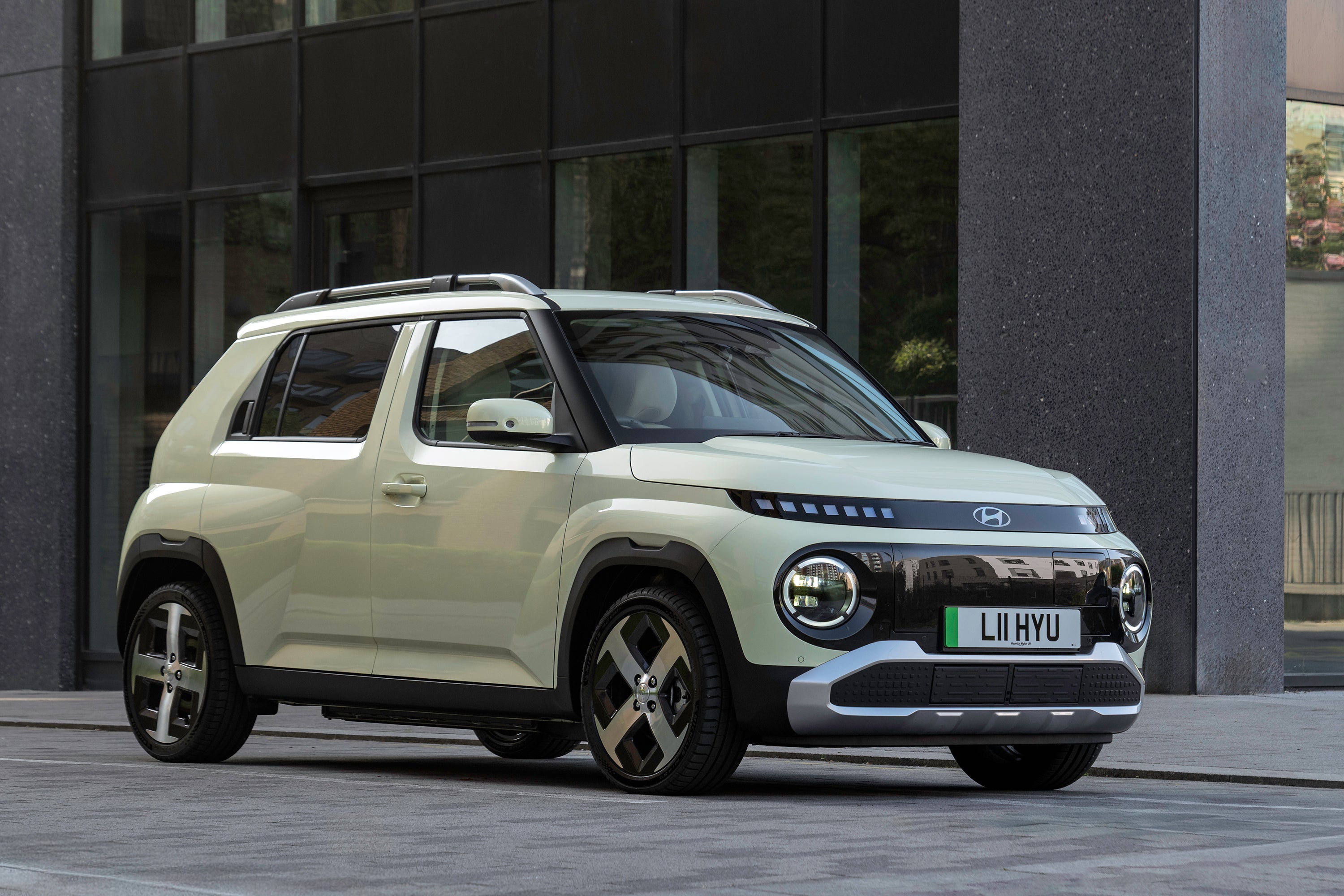
The Hyundai Inster is one of the more interesting small electric cars on sale. It looks distinctive, feels thoughtfully engineered and offers the sort of interior cleverness and technology you would normally expect from something much larger and more expensive. Around town, it makes a very strong case for itself.
The catch is that Hyundai has not gone chasing a bargain-basement price. The Inster is noticeably dearer than the cheapest city EVs, and while the larger-battery version is the one to have, even that only stretches to 229 miles officially. So the Inster works best if you value quality, packaging and character more than outright affordability or headline range.
The Hyundai Inster in more detail
The Inster is Hyundai’s smallest electric car, but it does not feel like a stripped-back budget special. Instead, Hyundai has taken the opposite approach and given it the sort of design, technology and perceived quality that make it feel like a shrunken premium product rather than a bare-minimum city EV.
That is obvious before you even climb inside. The Inster’s boxy proportions, pixel-style lighting and upright stance give it a look that stands out from more conventional small cars, and it has enough visual confidence to make rivals such as the Dacia Spring and Leapmotor T03 feel much more basic. It is short and narrow enough to work brilliantly in town, but it does not come across as cheap.
The current UK range is straightforward. The entry-level 01 uses the smaller 42kWh battery and a 97PS motor, while the 02 and Cross both use the larger 49kWh battery and a 115PS motor. Official range runs from 203 miles in the 01 to 229 miles in the 02, while the Cross manages 223 miles thanks to its chunkier styling and standard 17-inch wheels.
The reason the Inster feels more sophisticated than many of its small-EV rivals is not just the styling. Inside, there is a genuine sense that Hyundai has sweated the details. The interior is airy, cleverly packaged and full of practical touches, with sliding and reclining rear seats on the better trims and a dashboard design that borrows from larger Hyundai EVs. It is also unusually comfortable and easy to see out of.
That all makes the Inster feel appealingly grown up, but the price means it cannot get away with being merely charming. Buyers are entitled to expect a lot at this level, and some of the newer alternatives now challenge it more closely on value and range than they once did. Even so, if your priority is a city-friendly EV that feels genuinely special rather than merely cheap, the Inster has a lot going for it.
What's the best Hyundai Inster trim and battery option?
The best version for most buyers is the 02. It gets the larger 49kWh battery, the more useful 115PS motor and the sliding rear seat that really unlocks the Inster’s flexibility. It also adds heated front seats, a heated steering wheel, full LED lights, front parking sensors and wireless phone charging, all of which make it feel much more complete.
The 01 has a lower list price, but it is the one version that feels like it misses a few of the Inster’s signature tricks. The smaller battery and shorter range are one thing, but the lack of the sliding rear seat makes it less versatile, and this is one of the car’s key strengths.
The Cross is the most eye-catching version and brings some genuinely useful extra safety tech, but it is also expensive enough that you start to question whether the visual treatment is worth the premium. For most buyers, the 02 is the sweet spot.
What’s the price of the Hyundai Inster?
The Hyundai Inster range currently starts at £23,755 for the 01 with the 42kWh battery. Move up to the 02 with the larger 49kWh battery and the price rises to £26,505. The range-topping Cross starts at £28,765.
That means the Inster is not the cut-price EV some buyers might expect from a car this small. It undercuts larger alternatives, but it is still noticeably pricier than entry-level city EVs such as the Dacia Spring and Leapmotor T03. At the other end of the range, the Cross edges into the territory of bigger, more versatile electric cars.
The way to justify that is through quality, equipment and clever packaging, because the Inster scores well in all three areas. It just means this is a small EV that needs to be bought with your head and your heart, not simply because it is the cheapest route into electric motoring.
Alternatives to the Hyundai Inster
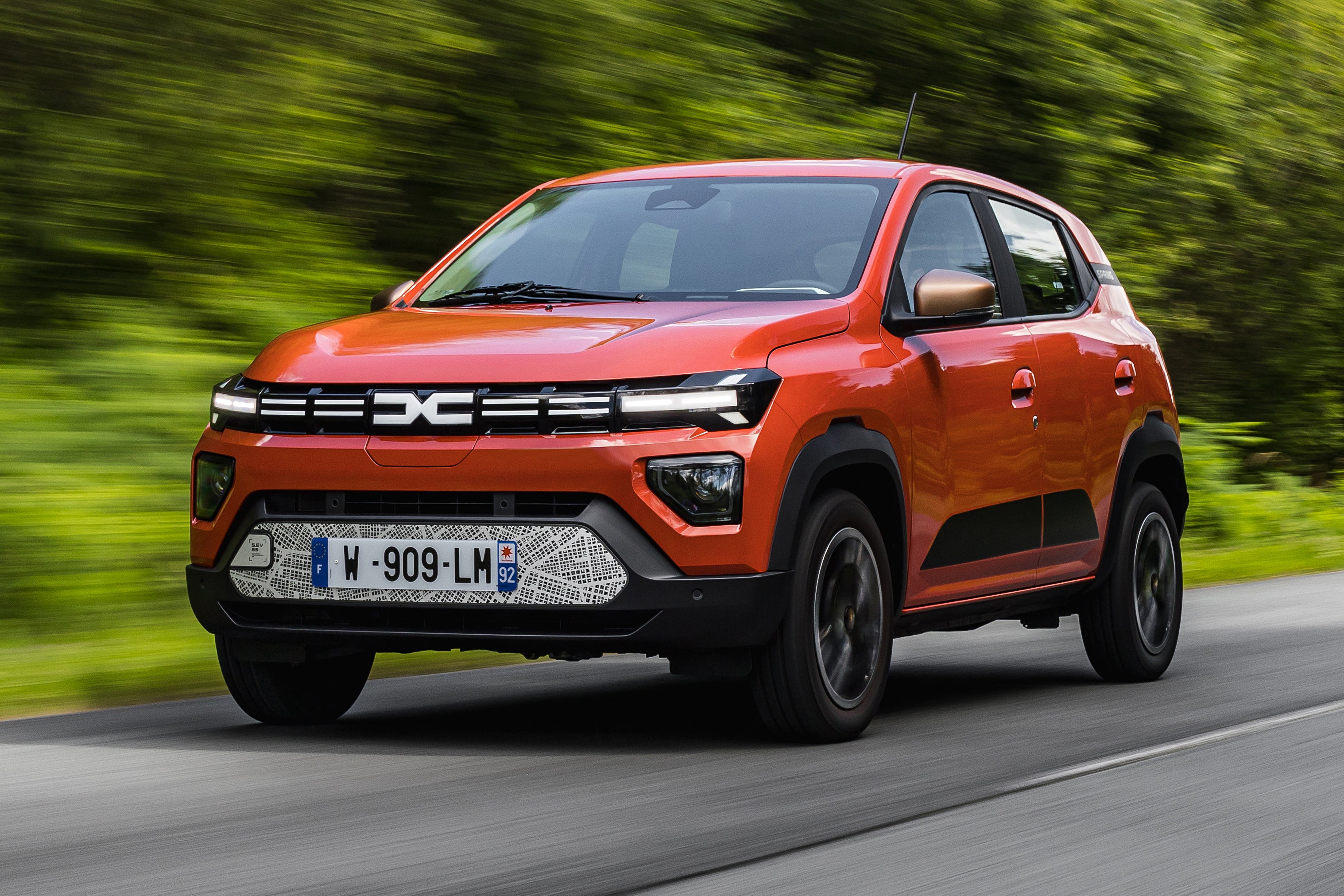
The Dacia Spring remains the obvious price-led alternative because it is one of the cheapest electric cars on sale in the UK. It makes the Inster look expensive, but it also feels much more basic, both in terms of quality and the way it drives.
The Leapmotor T03 is another direct city-EV rival with a similar boxy shape and low-price appeal, but again it does not feel as complete or as polished as the Hyundai. If you want to stay close to the Inster’s size and urban brief, those are the cars you are most likely to compare it against.
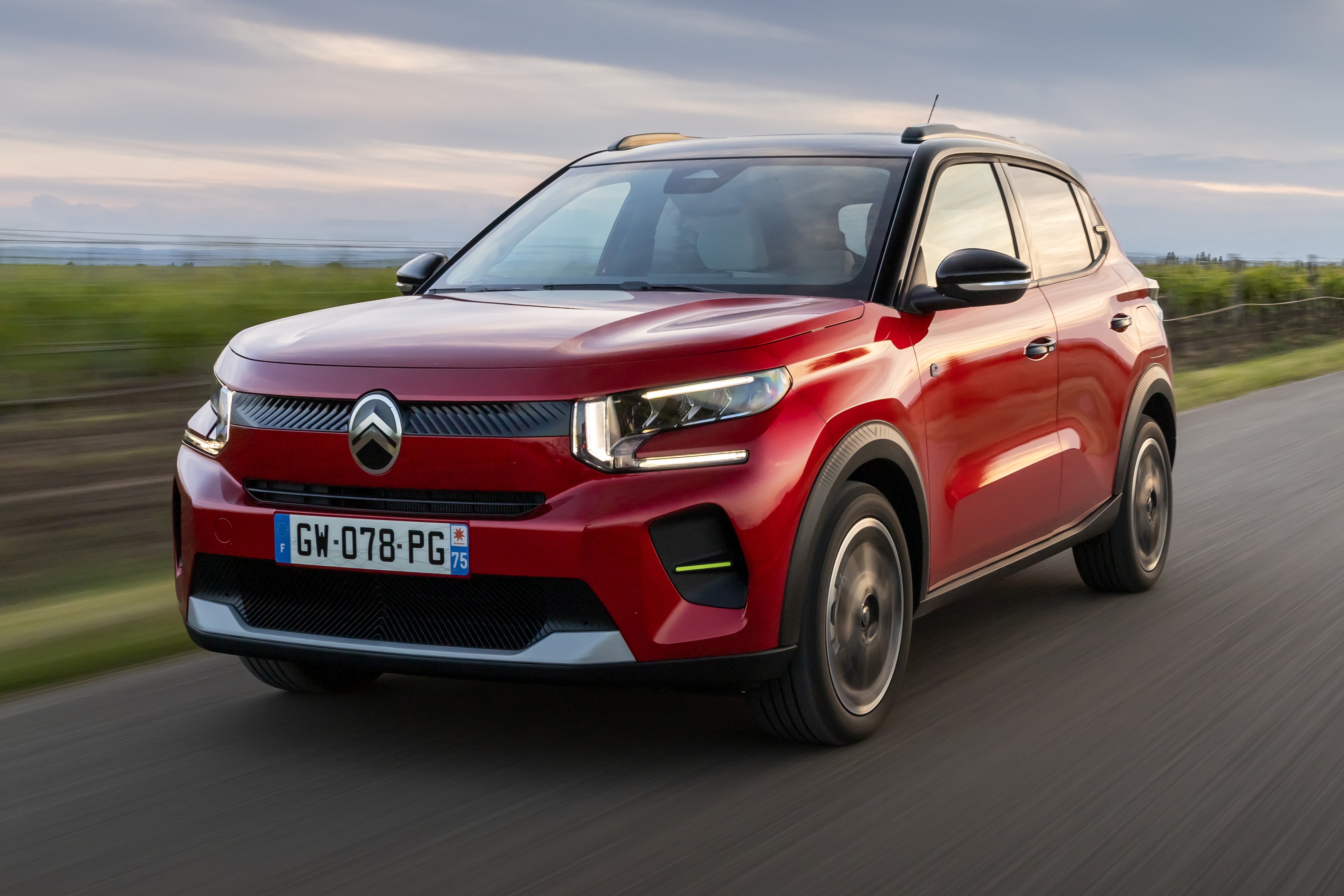
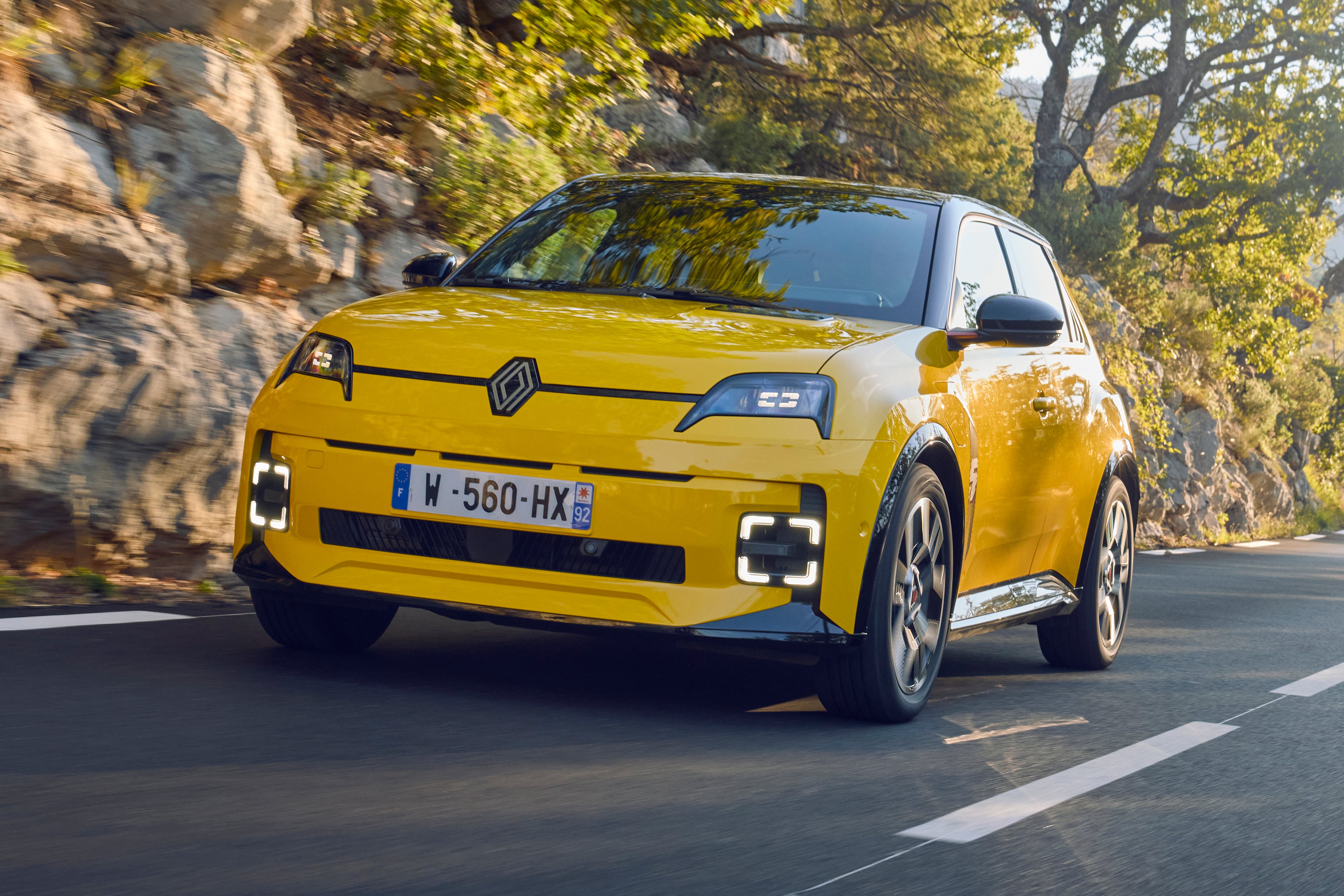
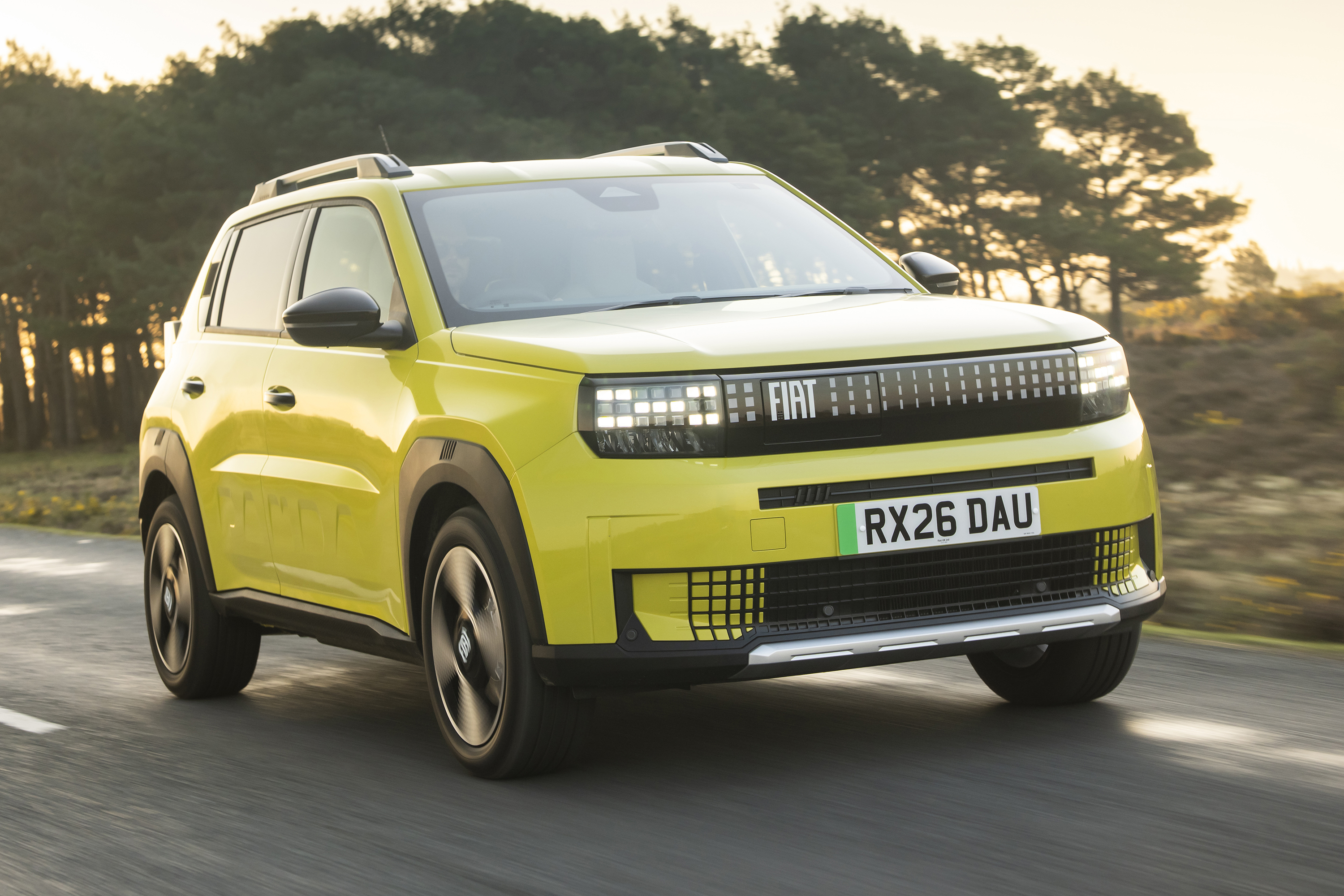
If you are willing to look at slightly larger alternatives, the Citroen e-C3 and Fiat Grande Panda Electric make a lot of sense, while the Renault 5 is the style-led rival that most clearly challenges the Inster’s desirability. Those cars all make the Hyundai’s price harder to ignore, because they offer more size or more range for broadly similar money.
What's the interior like in the Hyundai Inster?
The Inster’s interior is one of its strongest selling points. It feels airy, cleverly thought through and much more interesting than the cabins of most small electric cars. It also blends physical controls with modern displays in a way that makes it both appealing and easy to use.
Hyundai Inster boot space and practicality
The Inster’s upright shape pays off immediately once you climb aboard. The front seats are mounted high enough to give you a mini-SUV feel, visibility is excellent and there is more headroom than you might expect from a car of this size. It is very easy to get in and out of, which matters in a city car that may spend plenty of time doing short trips.
There are useful storage areas throughout the cabin, and Hyundai has clearly tried to make the Inster feel versatile as well as stylish. The 02 and Cross get a sliding and reclining rear bench, which is a particularly valuable feature because it lets you prioritise legroom or luggage space depending on the journey. For a car this small, that flexibility counts for a lot.
The compromise is that the Inster is strictly a four-seater. There is no centre rear seat and no fifth seatbelt, which will immediately rule it out for some buyers. For four people, though, it is surprisingly roomy. Rear legroom is especially impressive with the bench slid all the way back, and the reclining backrests make the rear feel more generous than many bigger superminis.
Boot space depends on which version you choose. The 01 offers 280 litres, while the sliding rear seat in the 02 and Cross means capacity ranges from 238 litres to 351 litres depending on where you set the bench. Fold the rear seats down and maximum capacity is 1059 litres. So the Inster is not a luggage champion, but it is far more adaptable than its size first suggests.
Hyundai Inster dimensions
The Hyundai Inster measures 3,825mm long, 1,610mm wide & 1,575mm high. Those compact dimensions make it notably easier to park and thread through town than a regular supermini, and they are a huge part of the car’s appeal.
What is clever is that the Inster manages to feel genuinely useful inside despite that tiny footprint. This is not a spacious family car, obviously, but it does a very good job of maximising what little road space it takes up.
Tech and infotainment in the Hyundai Inster
The Inster punches well above its size when it comes to technology. All versions get a 10.25-inch digital driver display and a 10.25-inch central touchscreen with built-in navigation, plus Apple CarPlay and Android Auto as standard.
The overall interface is easy to use, and Hyundai has wisely kept proper physical buttons and dials for key functions rather than burying everything in a screen. That makes the Inster feel more intuitive than some more expensive EVs.
Bluelink Lite is included for 10 years and brings EV route planning plus over-the-air updates. Wireless charging is standard from 02 trim upwards, and Hyundai also offers the sort of optional touches, such as a three-pin plug socket, that reinforce the Inster’s big-car feel.
It all helps the Inster feel more sophisticated than the average city EV. There is no premium audio option, but the standard system is perfectly acceptable for the class.
Materials available on the Hyundai Inster
The Inster’s cabin materials are a pleasant surprise. This is not a car that feels obviously built down to a price, and the quality of the switches, trim finishes and soft-touch surfaces in key areas give it a more upmarket feel than many rivals.
The standard black interior is perfectly acceptable, but the optional black-and-beige finish suits the car much better because it helps lift the cabin and underline its playful design. That is especially true when paired with some of the more interesting exterior colours.
The result is an interior that feels thoughtful rather than flashy. It is not luxurious in the conventional sense, but it is much nicer than you might expect at this size.
What's the Hyundai Inster like to drive?
The Inster is at its best in town, where its compact size, light steering and excellent visibility make it feel immediately at home. It is quiet, easy to place and more grown up than many city cars, although the compromises become a little clearer once speeds rise.
Hyundai Inster range and performance
The entry-level Inster 01 uses a 42kWh battery and a 97PS electric motor. It covers 0-62mph in 11.7 seconds, has a top speed of 87mph and an official WLTP range of up to 203 miles.
The 02 and Cross use the larger 49kWh battery with a 115PS motor. Both cover 0-62mph in 10.6 seconds and top out at 93mph. The 02 manages up to 229 miles officially, while the Cross drops slightly to 223 miles.
That makes the 02 the obvious pick, and it also has enough extra power to feel a little more effortless. None of the Inster versions are quick in any dramatic sense, but that is not really the point. They are designed to feel easy and relaxed in urban driving, and they achieve that well enough.
Performance data
| Model | Engine/battery size | Power | 0-62mph | Range/MPG |
|---|---|---|---|---|
Inster 01 | 42kWh | 97PS | 11.7 seconds | Up to 203 miles |
Inster 02 | 49kWh | 115PS | 10.6 seconds | Up to 229 miles |
Inster Cross | 49kWh | 115PS | 10.6 seconds | Up to 223 miles |
Hyundai Inster driving and refinement
Around town, the Inster is genuinely likeable. The steering is light, the visibility is excellent and the electric powertrain gives it the smooth, quiet feel that suits city driving so well. It is one of those cars that immediately feels easy to thread through traffic and slot into tight parking spaces.
At higher speeds, the picture is more mixed. The Inster is stable enough for such a small car, and the low-mounted battery helps it feel reasonably planted, but there is a constant jiggle to the ride on anything other than very smooth roads. This is not unusual in a short, tall car on relatively firm suspension, but it does mean the Inster feels more settled in urban use than out on a rough A-road.
There is also a fair amount of wind noise at motorway speeds, which is hardly surprising given the boxy profile. So while the Inster can handle longer journeys, it is happiest when used as intended, primarily in and around town.
How safe is the Hyundai Inster?
The Hyundai Inster has not yet been crash tested by Euro NCAP, so there is no independent star rating to quote at the time of writing.
What Hyundai has done is load it with a lot of safety technology as standard. Every Inster gets front, side and curtain airbags, Forward Collision Avoidance Assist, Lane Keep Assist, Lane Follow Assist, Intelligent Speed Limit Assist, Driver Attention Warning and Highway Drive Assist.
The Cross goes further with features such as Blind Spot View Monitor, which brings a live camera feed into the driver display when you indicate. It is the kind of feature you would normally expect on a much more expensive car, and it underlines how generous the Inster is on safety and convenience tech.
Running costs: What it's like to live with a Hyundai Inster
Running costs should be one of the Inster’s stronger areas. It is efficient, relatively simple, backed by a strong warranty and should be very cheap to charge at home if you are on the right tariff.
Hyundai Inster charging times and costs
The Inster’s efficiency is one of its better points. Hyundai quotes up to 4.3 miles per kWh for the most efficient version, and even the 17-inch-wheel models remain competitive. A standard heat pump should also help preserve range in colder weather.
On a 7kW home wallbox, the 42kWh Standard Range takes around six hours and five minutes for a full charge, while the 49kWh Long Range takes around six hours and 44 minutes. That means overnight charging is straightforward.
On a rapid charger, both battery sizes can go from 10 to 80 per cent in around 30 minutes if you find a charger powerful enough to hit their peak rates. Those peak rates are 73kW for the Standard Range and 85kW for the Long Range, so the Inster is not a charging-speed leader, but it is fast enough for occasional longer trips.
Hyundai Inster warranty and servicing
Hyundai’s five-year unlimited-mileage warranty remains a big selling point, and the battery is covered separately for eight years or 100,000 miles. That is reassuring cover for a small EV that may appeal to first-time electric-car buyers.
Hyundai also has plenty of experience with electric cars now, and there is no obvious reason to doubt the underlying durability of the Inster’s powertrain. In principle, it ought to be a dependable little thing.
Hyundai Inster insurance groups
Insurance groups run from 22 for the 01 to 27 for the 02 and 28 for the Cross. That is not especially cheap for a small car, but it reflects the Inster’s relatively high equipment levels and EV repair costs as much as anything else.
So while it should be cheap to charge, do not assume it will be quite as cheap to insure as a bargain-basement city car.
How much does it cost to tax a Hyundai Inster?
After year one, the Hyundai Inster falls under the standard annual VED rate, currently £200.
All current versions are comfortably below the £50,000 Expensive Car Supplement threshold for EVs, so there is no extra annual charge to worry about from years two to six.
What trims are available with the Hyundai Inster?
The Hyundai Inster range is made up of three trims: 01, 02 and Cross.
01 is the entry point and comes with 15-inch alloy wheels, climate control, electric folding mirrors, rear parking sensors, a rear-view camera, keyless entry and start, plus the dual 10.25-inch screen setup. It is not meanly equipped, but it is the version that misses out on some of the Inster’s more appealing flexibility features.
02 adds 17-inch alloy wheels, roof rails, full projection LED headlights, heated front seats, sliding and reclining rear seats, rear privacy glass, a heated steering wheel, front parking sensors, extra speakers and wireless charging. This is the version that best shows what the Inster can do.
Cross is broadly based on the 02 but adds the crossover styling pack, an electric sliding glass sunroof, blind spot collision avoidance, Blind Spot View Monitor, reverse parking collision avoidance and a few other trim-specific details. It looks the most distinctive, but the 02 remains the smarter buy.
Ask the Drive experts: common questions
How much does the Hyundai Inster cost?
What’s the maximum range of the Hyundai Inster?
Is the Hyundai Inster practical?
What is the best Hyundai Inster version?
Get our latest advice, news and offers
Keep me updated by email with the latest advice, news and offers from Drive.