Dacia Spring Review

Written By Matt Robinson
- 2024
- Hatchback
- Electric
What we love
Britain’s cheapest proper electric car
Very low energy and purchase costs
Useful boot for such a small car
Things to consider
Slow and unsophisticated by modern standards
Interior feels very cheap
Poor safety reputation hangs over it
The DRIVE take on the Dacia Spring, is it the right car for you?
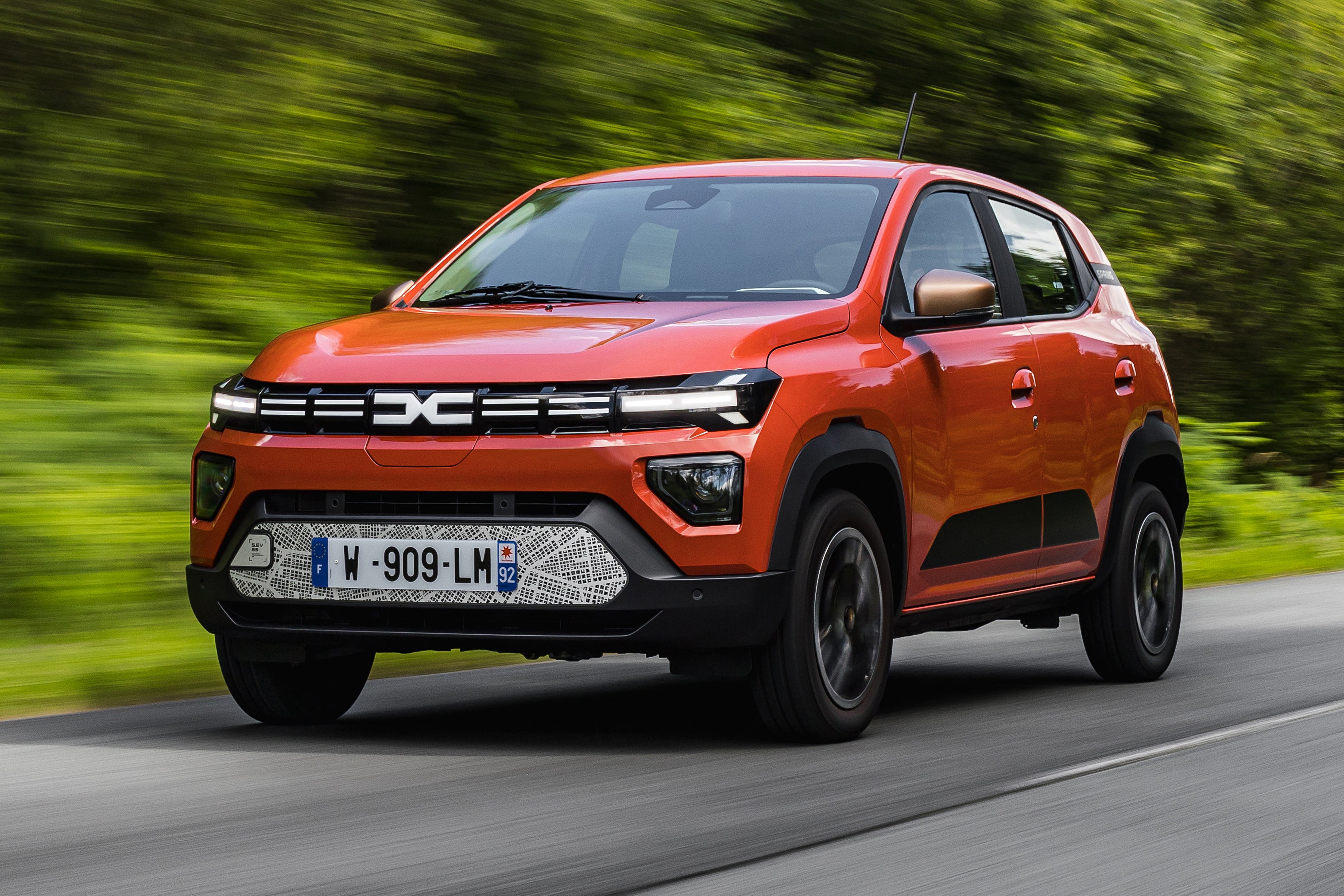
The Dacia Spring only really makes sense if one thing matters above all else: buying a brand-new electric car for the least money possible. On that measure it is hard to argue with. Nothing else on sale in the UK gives you a proper four-seat EV experience for less.
The problem is that the Spring makes its low price obvious almost everywhere else. It is cheap inside, not especially refined and still feels like a car designed with emerging markets in mind first and foremost. If your driving is mostly urban and your budget is tight, you may be willing to live with that. If not, even slightly pricier alternatives feel much more complete.
The Dacia Spring in more detail
The Spring occupies a slightly awkward place in the Dacia range. Cars such as the Sandero and Duster are great value because they feel like honest mainstream cars with a few corners cut in sensible places. The Spring goes further than that. It is cheap because it is, fundamentally, a much more compromised product.
That has always been part of the deal. The Spring starts life as a very simple small electric car based on roots that stretch back to the Renault Kwid, and it has never been engineered to feel like a mini premium EV. Instead, it exists to hit a price point nobody else can reach.
For 2026, that pitch becomes even more aggressive. The current UK car is now the Spring 70, which replaces the old 45PS and 65PS split with a single 65PS motor and a lower starting price of £11,990. That means the Spring is not just the cheapest EV in the UK. It is one of the cheapest new cars of any kind.
That matters, because it reframes how the Spring should be judged. You are not really cross-shopping it with a Renault 5 or even a Citroen e-C3. You are cross-shopping it with used electric cars, very cheap petrol city cars and, perhaps, the idea of not buying new at all.
The trouble is that some of the compromises remain quite stark. The cabin plastics are very low rent, refinement is limited and the one-star Euro NCAP result from the pre-facelift car still looms large over the model’s reputation. The updated car brings more standard safety tech, but it is still not a car you buy for peace of mind in the way you might buy a Hyundai Inster or Renault 5.
That does not make it pointless. If you want a very compact EV mainly for short urban trips, home charging and the occasional run beyond town, the Spring can absolutely do that job. The trick is going in with your eyes open, because the price is low for reasons you will notice every day.
What's the best Dacia Spring trim and battery option?
For most buyers, the best choice is the Spring Extreme 70.
Now that the UK range centres on the 70-badged car, the key decision is trim rather than battery size. Expression keeps the headline price low, but Extreme adds the larger touchscreen, rear parking camera, extra USB-C connectivity and a few visual upgrades that make the Spring much easier to live with.
Even in Extreme trim the Spring remains very cheap by EV standards, so the extra outlay is worth it. It does not turn the Dacia into a polished small car, but it helps it feel less bare-bones.
What’s the price of the Dacia Spring?
The current Dacia Spring range starts at £11,990 for the Expression 70. The better-equipped Extreme 70 is £14,490.
That undercuts every other proper EV currently on sale in the UK by a significant margin, and it is the Spring’s main reason for existing.
The question is whether the savings justify the compromises. For some buyers they absolutely will. Others will look at a used Corsa Electric or MG4, or spend a bit more on a Hyundai Inster or Citroen e-C3, and decide that the extra polish is worth paying for.
Alternatives to the Dacia Spring
The Hyundai Inster is the obvious alternative if you want another very small EV but with much more polish, better refinement and stronger overall engineering. The catch is that it costs substantially more.
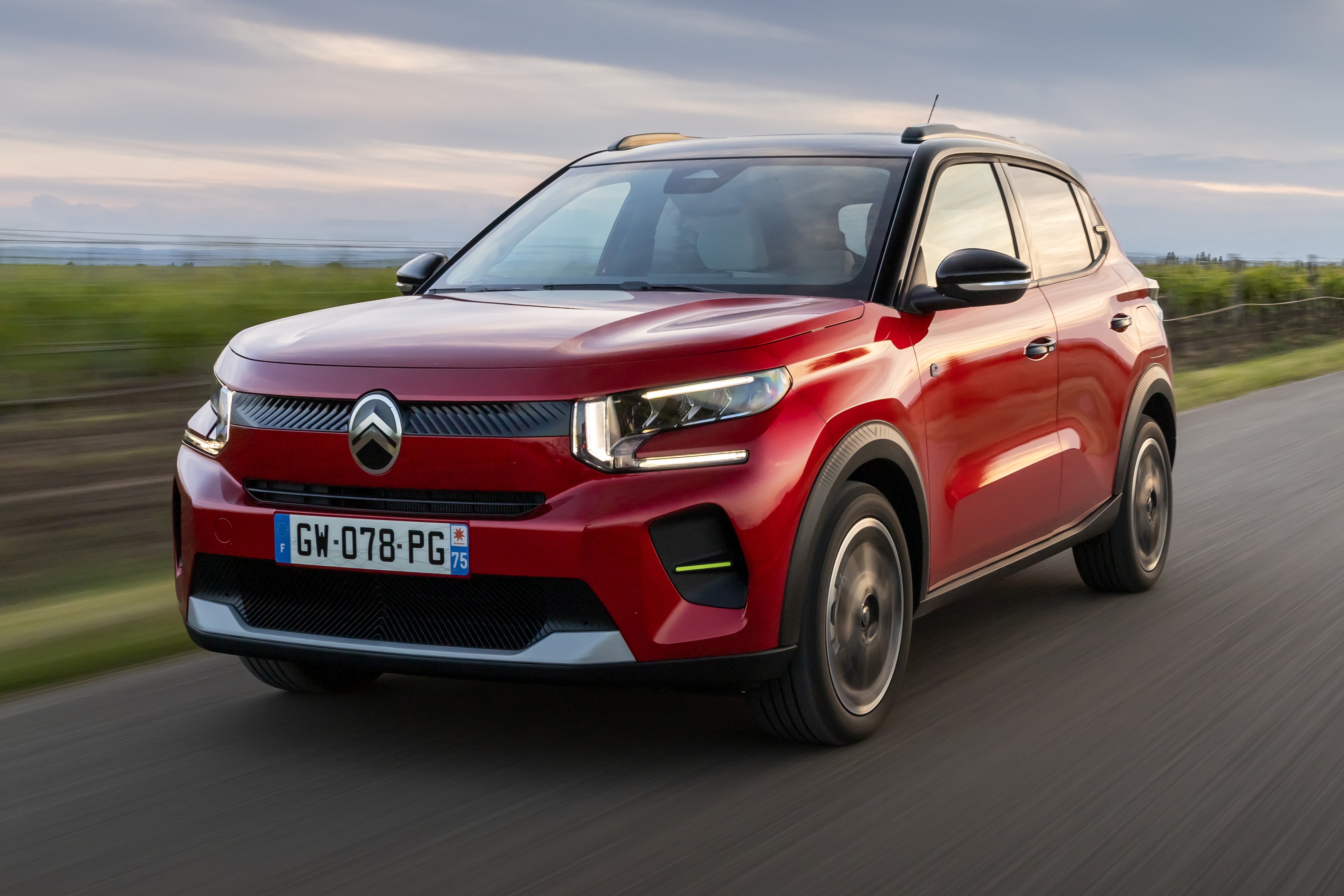
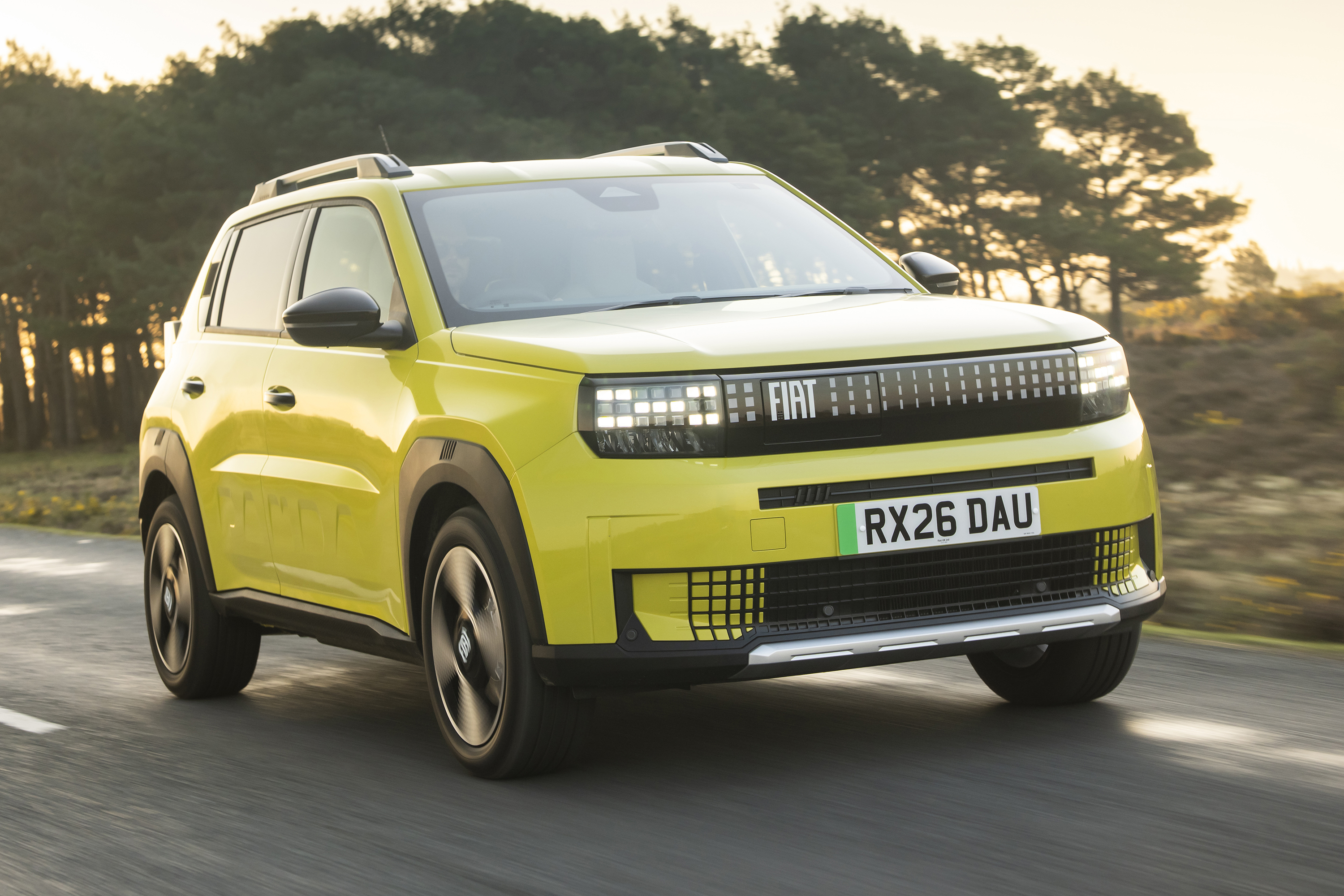
The Citroen e-C3 and Fiat Grande Panda Electric are the natural step-up options if you want a cheap-ish electric supermini that feels much more like a conventional family car. Both are larger, more mature and easier to recommend on merit.
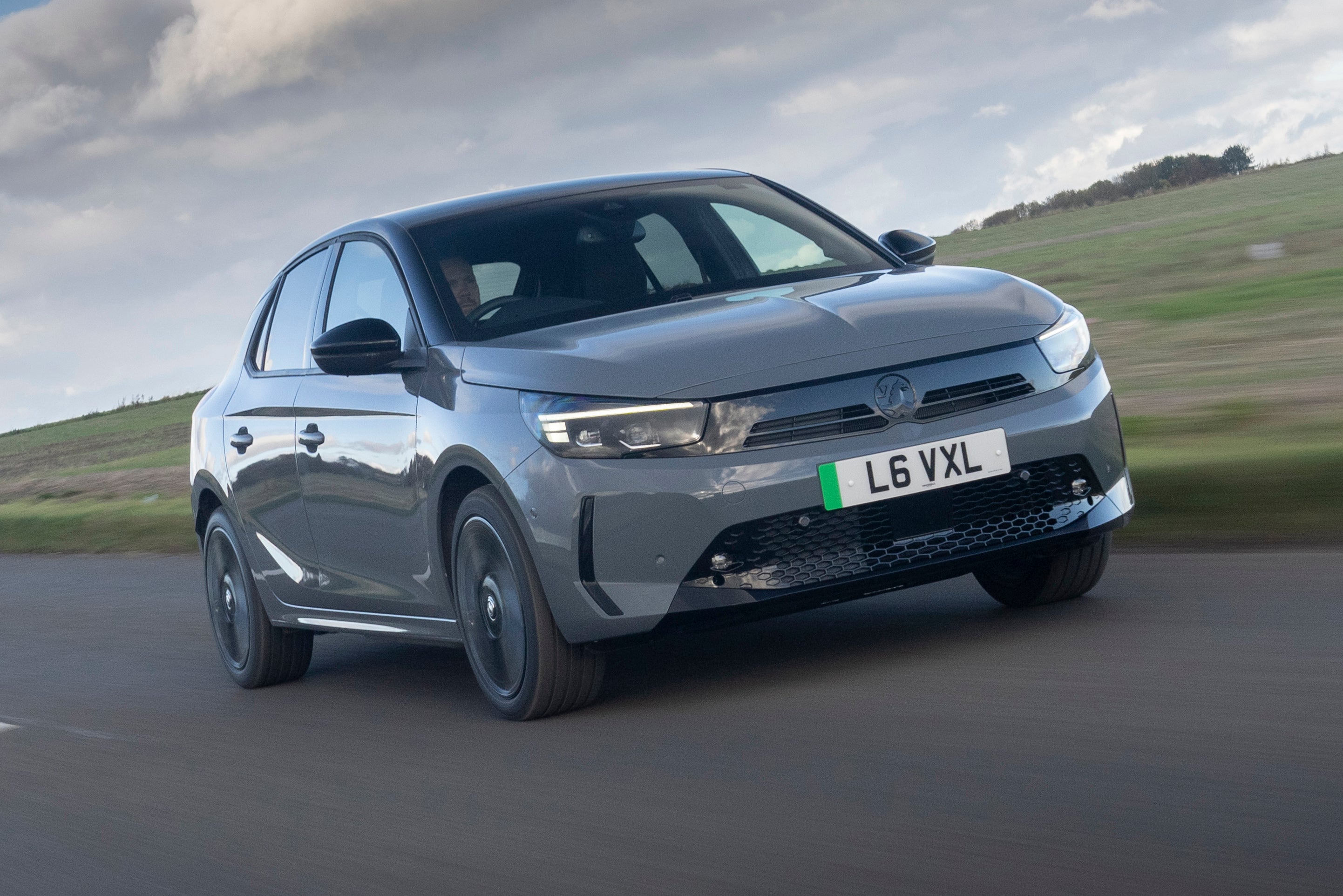
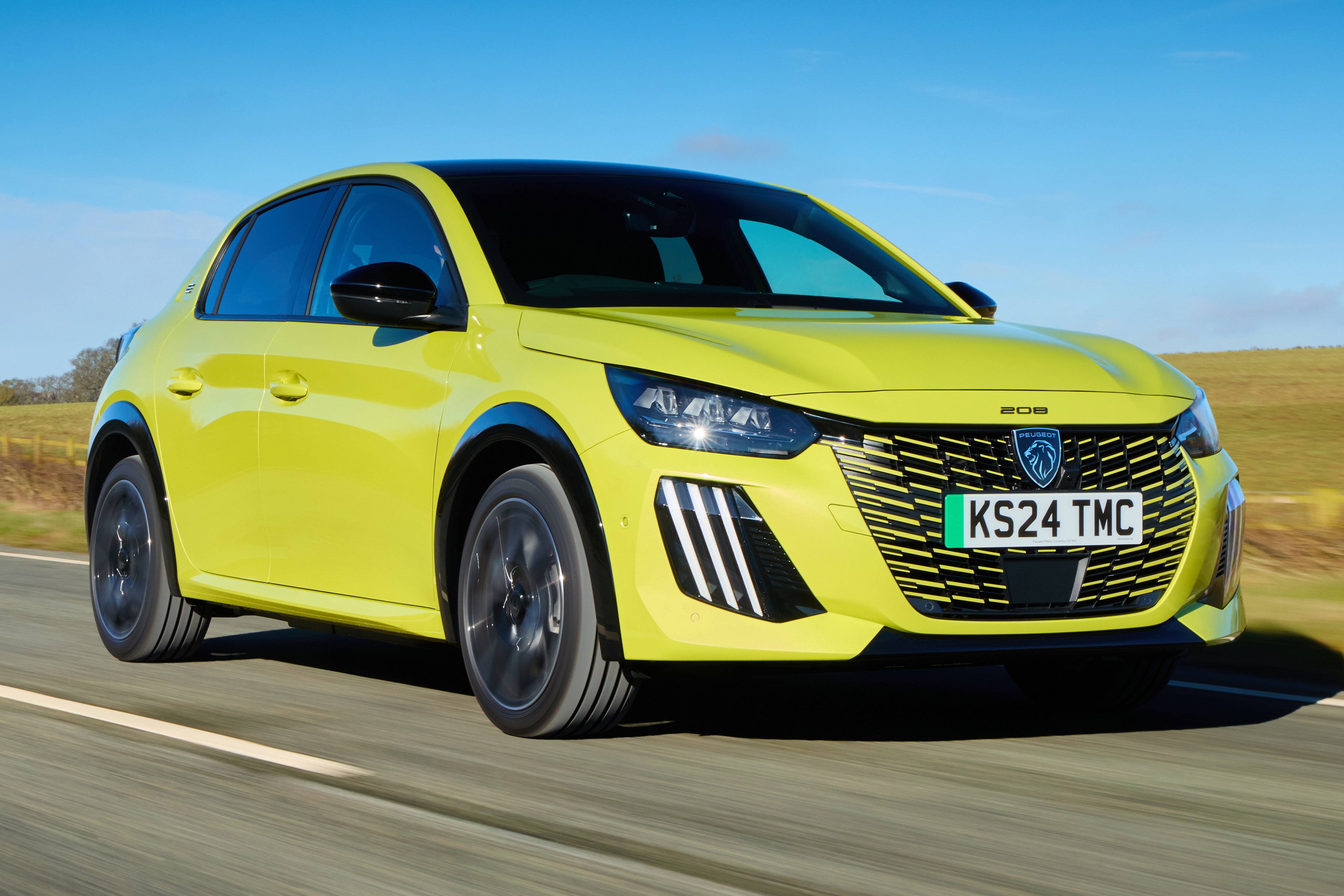
There is also a strong used-car argument against the Spring. A nearly new Vauxhall Corsa Electric, Peugeot E-208 or even an MG4 can make a lot more sense if you are open to buying second-hand, because they offer better range, refinement and safety for similar money.
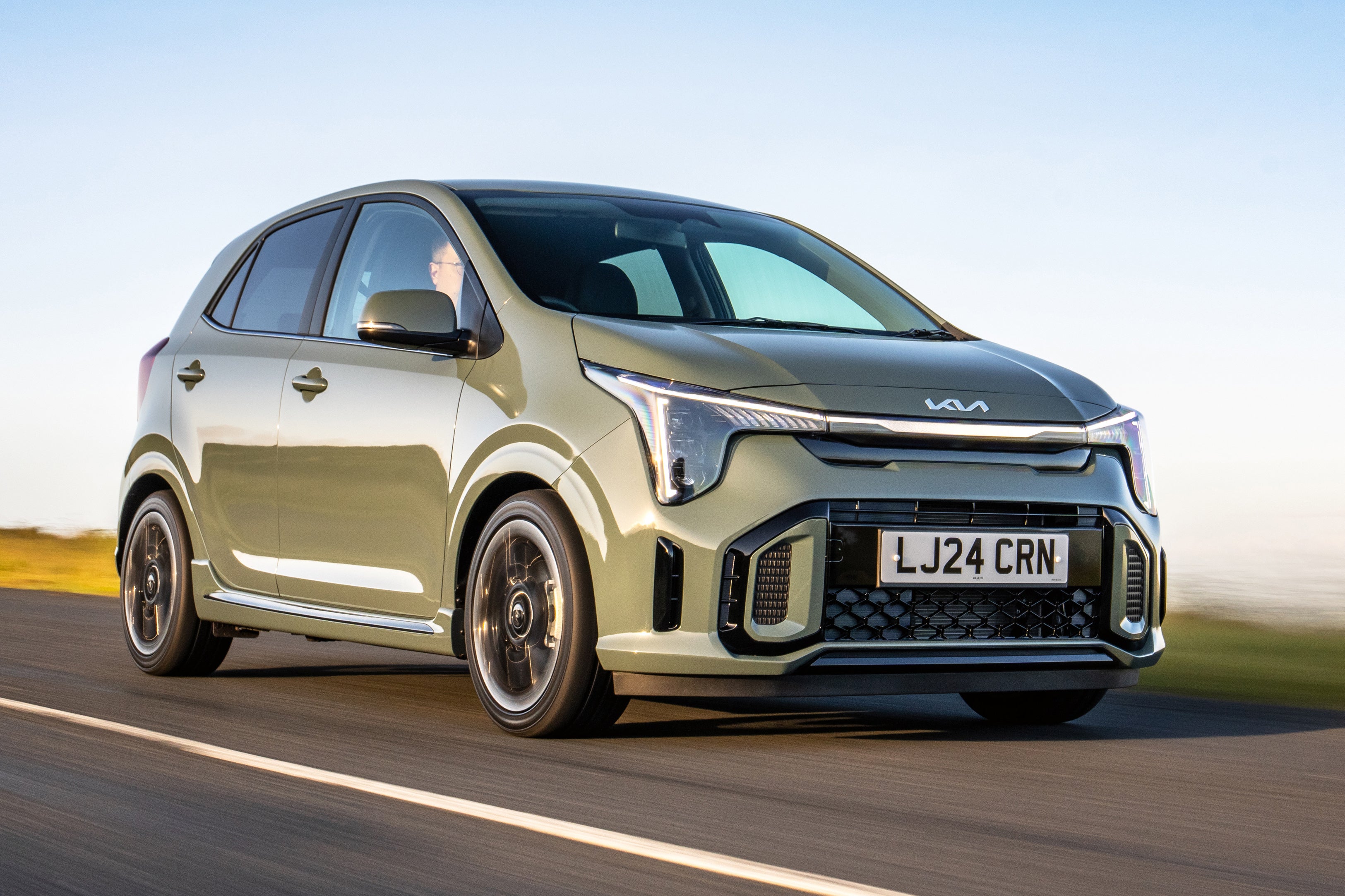
Petrol city cars such as the Kia Picanto and Hyundai i10 also remain relevant if you simply want very cheap motoring and do not need or want an EV.
What's the interior like in the Dacia Spring?
The Spring’s interior looks smarter than older bargain-basement Dacias, but it still does not take long to work out where the money has been saved.
Dacia Spring boot space and practicality
The Spring does one thing especially well for a car this small: it makes sensible use of its footprint. There is room for four adults, the seating position is upright and visibility is generally good.
Boot space stands at 308 litres, which is genuinely useful for a city car and stronger than some petrol alternatives of similar size. Fold the rear seats and total capacity rises to 1,004 litres.
There is also a small front storage area under the bonnet for charging cables, although using it properly requires the optional tray accessory. That rather sums the Spring up: the potential is there, but the execution can feel a bit bargain-basement.
Rear-seat space is acceptable for this size of car, but nobody is buying a Spring for regular long-distance four-up comfort. It works because the body is tall and upright, not because it is especially generous inside.
Dacia Spring dimensions
The Dacia Spring measures 3,701mm long, 1,583mm wide & 1,485mm high. That makes it genuinely compact and very easy to place in town.
Those dimensions are a large part of the Spring’s appeal. It is tiny enough to slot into tight spaces, but still practical enough to feel like a proper car rather than an overgrown quadricycle.
Tech and infotainment in the Dacia Spring
This is one of the areas where Extreme trim makes a stronger case for itself. Expression keeps things simple, while Extreme adds the 10.1-inch touchscreen, navigation, Apple CarPlay, Android Auto and the rear camera.
The hardware is decent enough for the money, and it is hard to complain too much given the Spring’s price. Still, the overall experience is not especially slick, and the three-speaker audio system in both trims tells you a lot about where Dacia is pitching the car.
The main positive is that the controls remain straightforward. You are not dealing with an overcomplicated software-heavy EV here. The downside is that the overall system never feels more than acceptable.
Materials available on the Dacia Spring
There is no point dressing this up: the Spring feels very cheap inside. Hard plastics are everywhere, some trim pieces look and feel flimsy, and the steering wheel has more of a van-like quality than anything remotely premium.
That said, the redesigned dashboard does at least look tidier than before, and the copper or khaki trim highlights on higher-spec cars stop the cabin feeling totally bleak. The fit is acceptable, even if the materials are rudimentary.
As with so much about the Spring, it is really a question of how much you are prepared to forgive in exchange for the low price.
What's the Dacia Spring like to drive?
The Spring is easiest to understand if you treat it as a city EV first, and anything else second. Around town it makes sense. Beyond that, its limitations become harder to ignore.
Dacia Spring range and performance
The current UK Spring range now uses a single Electric 70 motor producing 65PS and 113Nm of torque. Dacia quotes 0-62mph in 13.7 seconds and a top speed of 78mph.
The 26.8kWh battery delivers an official WLTP range of up to 140 miles.
That does not make the Spring quick, but it is brisk enough at lower speeds to feel acceptable in urban use. The problem comes when you ask it to keep pace on faster roads, where it starts to feel breathless.
Performance data
| Model | Engine/battery size | Power | 0-62mph | Range/MPG |
|---|---|---|---|---|
Spring 70 | 26.8kWh | 65PS | 13.7 seconds | Up to 140 miles |
Dacia Spring driving and refinement
Around town, the Spring is actually fairly agreeable. Its tiny size, light controls and good visibility make it easy to place and easy to park, which is exactly what you want from a city car.
Once speeds rise, the weaknesses show. The ride can feel fidgety, body control is loose and the overall sense of polish is limited. It is not the sort of car that encourages confidence on a wet B-road.
Refinement is another clear weak point. Wind and road noise build quickly, and motorway driving is not the Spring’s natural habitat. That is not a surprise given the car’s brief, but it is worth stressing because some buyers may be tempted by the low price without appreciating just how city-focused the car really is.
How safe is the Dacia Spring?
The pre-facelift Spring scored just one star in Euro NCAP testing in 2021, which remains a very poor headline result.
The current UK car does at least add more standard assistance technology, including lane-keeping support, traffic-sign recognition, driver-attention monitoring and automatic emergency braking for cars. That should help, but it does not erase the uncomfortable reality that safety is one of the areas where the Spring looks weakest.
If this is a top priority, there are better options.
Running costs: What it's like to live with a Dacia Spring
Running costs are the Spring’s strongest suit after purchase price. It is light, efficient and cheap to charge, which makes it easy to understand as a low-cost urban runabout.
Dacia Spring charging times and costs
The 26.8kWh battery is small by modern EV standards, but that means it is cheap to fill. On a 7.4kW home charger, Dacia quotes a full charge in around 4 hours 50 minutes. A domestic three-pin plug takes roughly 11 hours.
DC rapid charging peaks at 30kW, which is low, but again the small battery helps. Dacia quotes a 20 to 80 per cent charge in under 45 minutes, depending on conditions.
Dacia Spring warranty and servicing
The Spring comes with Dacia’s standard three-year or 60,000-mile warranty, while the battery is covered separately for eight years or 75,000 miles. Dacia also offers its Zen warranty extension route through dealer servicing.
That is a useful ownership reassurance, although it does not fully offset the concerns some buyers may have about long-term durability in such a cost-engineered product.
Dacia Spring insurance groups
Insurance groups sit around 20 to 21, which is lower than many larger EVs but still higher than some similarly sized petrol city cars.
That is worth bearing in mind, because cheap EVs are not always as cheap to insure as buyers expect.
How much does it cost to tax a Dacia Spring?
After year one, the Dacia Spring pays the standard annual EV VED rate, currently £200.
Because the entire Spring range sits well below the £50,000 Expensive Car Supplement threshold for EVs, there is no additional annual charge to worry about.
What trims are available with the Dacia Spring?
The current Dacia Spring range is built around Expression and Extreme.
Expression is the entry point and keeps the price headline-grabbing, but it is very basic. Extreme is the one to target, because it adds the larger touchscreen, navigation, rear camera, extra USB-C ports and a bit more visual interest.
Neither version is lavish, but Extreme does enough to make the Spring feel more like a usable everyday car than a stripped-back budget special.
Ask the Drive experts: common questions
How much does the Dacia Spring cost?
What’s the maximum range of the Dacia Spring?
Is the Dacia Spring practical?
What is the best Dacia Spring version?
Get our latest advice, news and offers
Keep me updated by email with the latest advice, news and offers from Drive.