Lexus ES Review

Written By Phill Tromans
- 2026
- Premium
- Electric
What we love
Comfortable & spacious
High-quality cabin
Generous equipment levels
Things to consider
Little engagement behind the wheel
Only one battery and power option
150kW charging lags behind fastest rivals
The DRIVE take on the Lexus Es, is it the right car for you?
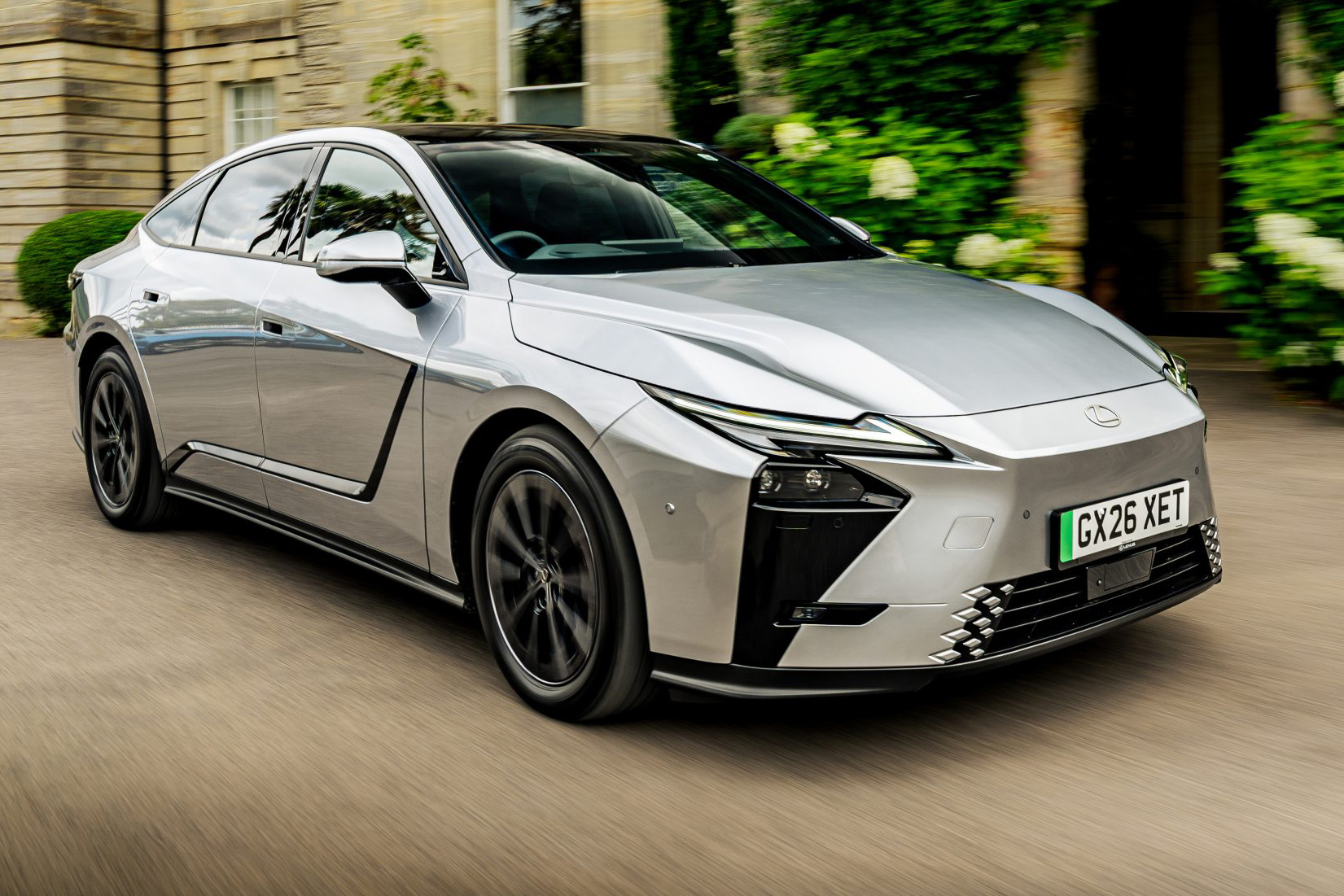
The brief of the eight-generation Lexus ES is very clear: make long journeys calm, comfortable and easy. It’s spacious, beautifully put together and packed with useful equipment across the range, and the all-electric power setup gives you up to 361 miles on a full charge. It’s not a sports saloon by any stretch of the imagination, but then it doesn’t pretend to be one. If you want a broader spread of performance and handling ability then a BMW i5 or an Audi A6 e-tron may be more up your street, but the ES is a very good car within its narrower, more comfort-focused remit.
The Lexus Es in more detail
The Lexus ES is now in its eighth generation and is a very different car from the model it replaces. In the UK, it is offered only as the all-electric ES 350e, with a 77kWh battery and a 224PS motor driving the front wheels. That gives it a much narrower brief than some premium rivals, with no hybrid or plug-in hybrid versions, no rear- or four-wheel drive and no high-performance derivative.
Its natural audience is likely to include company-car users, private-hire operators and buyers who simply want a quiet, comfortable executive saloon without the overt sportiness of some German alternatives. For that group, the ES makes a strong case. The cabin feels suitably upmarket, the seats are comfortable, rear legroom is excellent and the driving interface strikes a good balance between minimalism and ease of use.
Performance is adequate rather than exciting. The instant response from the electric motor gives useful shove for overtaking and joining faster roads, but the ES never feels especially quick by modern EV standards. It is much happier settling into a relaxed cruise.
The steering is light and predictable, the brakes are easy to modulate and the ride is soft, particularly on the smaller 19-inch wheels. The larger 21-inch options add more visual impact, but they come with a trade-off in comfort and efficiency.
Push harder and the ES starts to feel less composed, with noticeable body movement through quicker corners. That is not really what this car is about, though. Buyers looking for something more engaging will find a BMW i5 more rewarding, while the Lexus is firmly focused on comfort, refinement and low-effort progress.
Overall, the ES is a well-made, comfortable luxury saloon with a very clear sense of purpose. It may not appeal to buyers looking for excitement, but if refinement, space and ease of use matter more, it has plenty going for it.
What's the best Lexus Es trim and battery option?
There’s no battery or motor decision to make with the Lexus ES, because all UK cars use the same 77kWh battery and 224PS motor driving the front wheels. The choice then is between the three trim levels.
We think the entry-level Premium model looks like the best value. Although it’s the most basic ES it’s packed with standard kit, including a 14-inch touchscreen, 12.3-inch driver display, heated and ventilated front seats, heated steering wheel, panoramic roof, wireless phone charging and a comprehensive safety package. Keep the standard 19-inch wheels and it also delivers the best ride and the longest official range of up to 361 miles.
Premium Plus is worth considering if you particularly want its head-up display, Mark Levinson stereo, semi-aniline upholstery, soft-close doors, electronic rear-view mirror, twin wireless charging pads or the fancy illuminated bamboo trim on the door cards. It’s undoubtedly a step up in luxury, but also in price.
The Takumi model makes most sense for buyers who will regularly use the rear seats, because it adds a reclining ottoman-style seat behind the passenger seat, as well as heating and ventilation in the back, sunblinds and rear controls. It’s more of a limousine than a driver's car.
What’s the price of the Lexus Es?
The ES range starts at £59,345 for the Premium model, which is competitive for cars of this size and level of swankiness. Premium Plus costs from £68,845, while the rear-seat-focused Takumi costs £72,545. Metallic paint is £800 and special metallic colours cost £1,250. Premium and Premium Plus can also be upgraded from 19-inch to 21-inch wheels for £1,600.
The entry price undercuts the entry versions of the BMW i5, Mercedes EQE, Genesis Electrified G80 and Audi A6 Sportback e-tron. Move up to Premium Plus, however, and the Lexus is priced directly against those German rivals, so its comfort, equipment and warranty package need to matter more to you than outright performance or the fastest charging speeds.
Alternatives to the Lexus Es
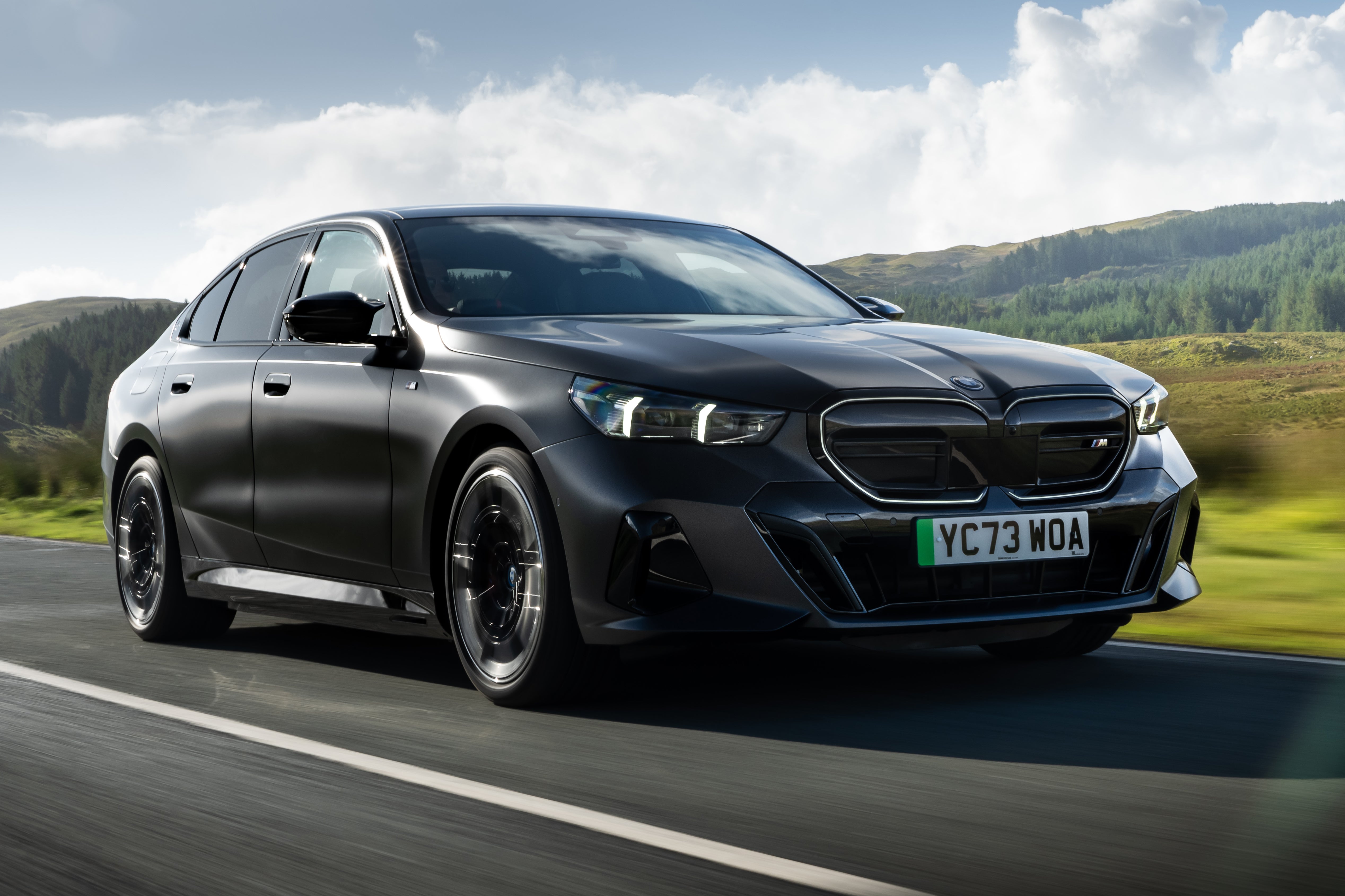
The BMW i5 is the clearest alternative for buyers who want a single car that covers more bases. It's comfortable and refined but much more enjoyable to drive with rear-wheel drive, considerably more power and a wider range of versions. It starts from just under £68,000 and offers around 380 miles of range, so it overlaps closely with the ES Premium Plus rather than the entry-level Premium.
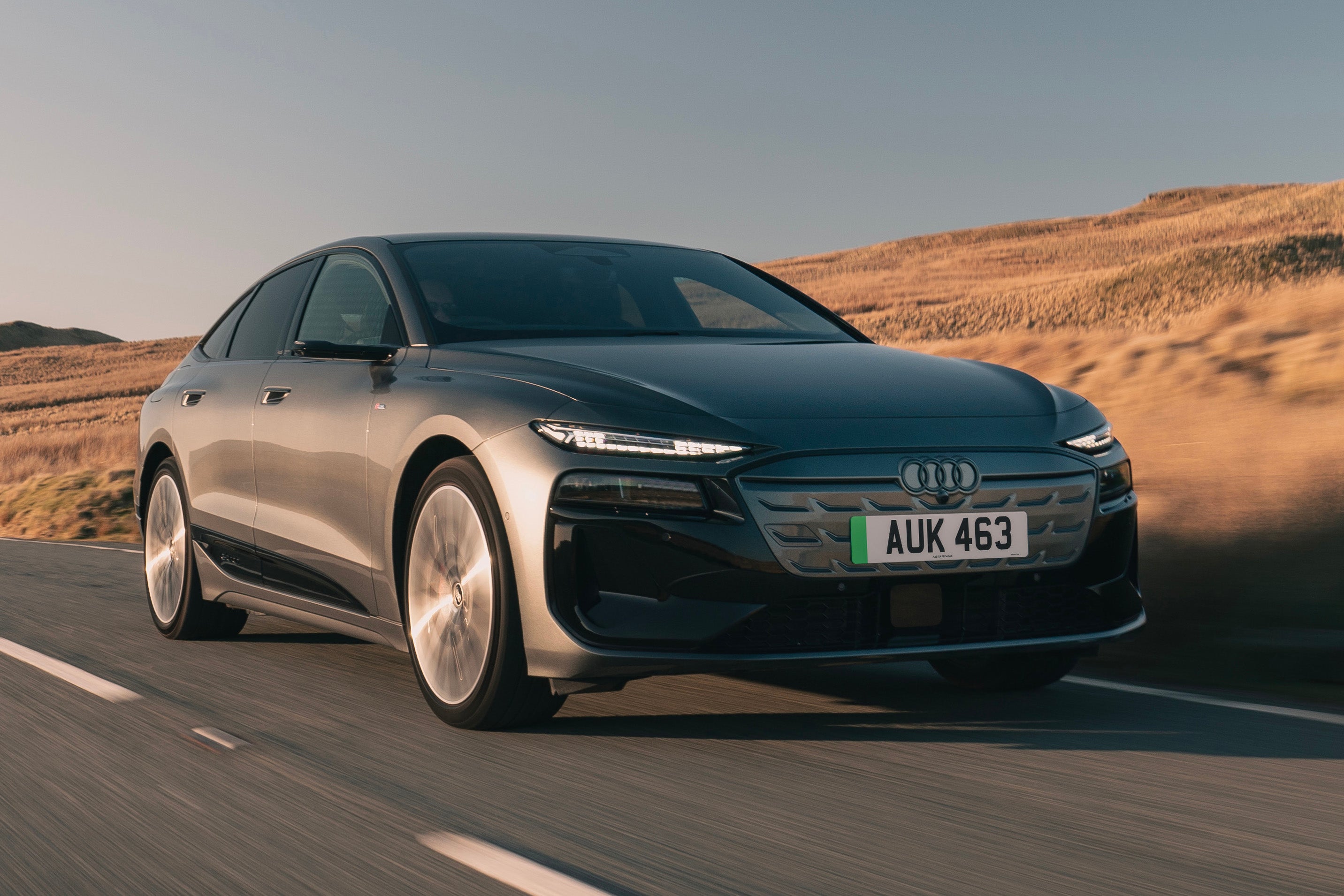
The Audi A6 Sportback e-tron takes a more technology lead approach. It offers a much broader selection of power outputs, up to 468 miles of range in the most efficient version, and a substantially faster 270kW charging speed. It also feels more stable when you drive it quickly even if it's not as much fun as the BMW. Prices start from around £63,000.
Other alternatives include the Mercedes EQE which focuses on comfort and luxury and starts from just under £70,000. The Genesis Electrified G80 is maybe closest to the Lexus in spirit, with refinement and rear seat comfort its priorities, but it's more powerful and costs more than £75,000.
The Lexus counters all of these with a lower starting price, extensive equipment and a calmer, less aggressive character.
What's the interior like in the Lexus Es?
The Lexus ES has a very well-made, comfort-focused interior, with no pretensions of sportiness. The seats are soft and supportive enough for long journeys, although there’s not much lateral support and taller drivers are likely to wish the seat dropped lower. Materials feel expensive, the slim-rimmed steering wheel is particularly pleasant to hold, and the layout avoids the worst excesses of touchscreen-only design. The large displays look modern, but useful shortcuts and a physical volume control make the main features easy to use while on the move.
Lexus Es boot space and practicality
The ES is a big saloon with a long body, which means generous space inside. The driving position may not suit everyone – a six-foot driver with a relatively long torso can find their head close to the top of the windscreen even with the seat at its lowest setting. That said, the seat itself is extremely comfortable and forward and side visibility is good.
Leg room in the back is excellent and adults will have plenty of space to stretch out. Headroom is just about good enough for taller passengers despite the sweeping roof line. Passengers in the back get air vents and two USB-C ports although the lower trim levels don't give you separate temperature controls. The rear fold-down centre armrest gives you a useful storage box and cup holders that slide out. If you're likely to take children in the back there are Isofix points fitted to the outer rear seats and higher-spec trims have rear sunblinds. The Takumi model goes further with reclining, heated and ventilated rear seats, an Ottoman style footrest that extends out behind the front passenger seat, and its own control panel.
The 512-litre boot is a useful shape and competitive for an executive saloon, although an estate or hatchback rival will be more versatile. You can’t fold down the rear seats, but there is a ski hatch that allows longer items to pass through from the boot into the cabin.
Cabin storage is mixed: the glovebox is very small and suited to little more than documents, while the door bins are reasonable rather than huge. There are two central cupholders, a useful compartment beneath the armrest with a removable tray for keys or coins, and a shallow second storage level beneath the centre console.
Lexus Es dimensions
The Lexus ES is 5,140mm long, 1,920mm wide and 1,560mm high, with a 2,950mm wheelbase. That makes it slightly longer and taller than a BMW i5, although the BMW has the longer wheelbase. The Lexus's size is immediately apparent in its excellent rear legroom, but it’s a substantial car for narrow streets and multi-storey car parks. The standard camera system helps, however.
Tech and infotainment in the Lexus Es
Every Lexus ES gets a 14-inch central touchscreen and a 12.3-inch digital driver's display. The graphics are clear, responses are quick and Apple CarPlay and Android Auto are included as standard. More importantly, the controls are not needlessly difficult to use. Haptic shortcut controls illuminate under the central screen when the car is switched on, giving you quick access to the climate settings, demister and camera system, while a proper physical volume knob lets you quickly adjust the sound without faffing around with the type of touch-sensitive controls employed on some rivals.
The steering wheel combines touch-sensitive pads with rocker switches for functions such as audio and cruise control. Most of it becomes intuitive quickly, but the cruise control is a touch more complicated than it needs to be. You have to select between cruise control, a speed limiter and an economy-related assistance mode before holding the resume switch to activate the chosen function. It’s the sort of thing that becomes fine once you’ve learned it, but a single set button would be easier.
The Premium trim includes one wireless charging pad and a 10-speaker stereo. Premium Plus adds twin charging pads, a head-up display, automatic parking, a 17-speaker Mark Levinson system and an electronic rear-view mirror that can switch to a camera feed. WE like that the driver-assistance menu is easy to reach on the touchscreen, because there are plenty of warnings and chimes (as with all modern cars) and some drivers will want to adjust them.
Materials available on the Lexus Es
The ES Premium uses leather-effect upholstery and soft-touch trim, with a clean, understated finish that still feels appropriate for an expensive executive car. It also includes configurable ambient lighting and patterned illumination in the doors. Premium Plus upgrades the seats to semi-aniline leather and adds the eye-catching illuminated bamboo door trim, which is the cabin's most distinctive decorative feature. Different colours and lighting patterns can subtly enhance the cabin’s atmosphere or put on a light show to rival a nightclub. The Takumi model builds on the same theme but directs more of its luxury towards the rear seats rather than changing the basic dashboard design.
What's the Lexus Es like to drive?
The ES is easy, calm and comfortable rather than fast or entertaining. Its electric motor responds immediately and provides enough power for everyday overtaking or joining a motorway, but it never feels especially brisk. The steering is light and predictable, the brakes are smooth and the ride is soft. On 19-inch wheels it deals with poor surfaces particularly well. Push harder and the body leans noticeably, making it clear that the ES prefers gentle inputs and relaxed progress.
Lexus Es range and performance
Although other versions exist abroad, UK versions are restricted to just the front-wheel-drive ES 350e, as Lexus doesn’t think there’s a market for hybrid or all-wheel-drive versions here. The ES 350e’s 77kWh lithium ion battery (72kWh usable) powers a 224PS electric motor with 269Nm of torque, giving it a 0-62mph acceleration time of 8.0 seconds. The top speed is 99mph.
The range varies considerably by trim and wheel choice. For those that want the most miles per charge, the Premium trim on 19-inch wheels will give you up to 361 miles according to official figures. Simply opting for the 21-inch wheels on the same trim drops the range to 333 miles, and if you go for the range-topping Takumi, the official numbers say you’ll only get up to 325 miles from a full charge.
Officially, the ES should manage 3.9 miles per kWh, which seems fairly accurate to our test drives so far.
Performance data
| Model | Engine/battery size | Power | 0-62mph | Range/MPG |
|---|---|---|---|---|
Lexus ES350e | 77kWh | 224PS | 8.0 seconds | Up to 361 miles |
Lexus Es driving and refinement
The ES feels most convincing in Normal mode, where its relaxed throttle response suits the character of the car. Sport mode sharpens the accelerator response and adds weight to the steering, but it also plays an artificial engine note through the speakers. The effect isn’t especially convincing and does little to make the ES feel sporty. Eco mode softens the response for stop-start driving, while Range mode reduces power, limits speed and can switch off the air conditioning, so is best treated as a last-resort setting rather than an everyday choice, especially in the summer.
The steering isn’t particularly direct, but nor is it vague or woolly. Most owners will start driving and barely think about it, which feels exactly the point for this type of car. The relatively slim steering-wheel rim is more pleasant to hold than the thick wheels fitted to many rivals. Four levels of regenerative braking can be selected with the paddles, with a clear display showing the chosen setting.
Ride comfort is rather good on both wheel sizes, but the 19-inch wheels take the slight sting out of sharper bumps and are the ones to go for if comfort and range matter more than appearance. The ES feels composed at ordinary speeds, but rolls noticeably if hustled through a roundabout or along a twisty road. An Audi A6 e-tron feels more willing to be driven quickly and a BMW i5 is in a league above for driver involvement.
At 70mph, wind noise is well suppressed and the cabin is calm enough for a quiet conversation. Some road noise rises through the floor, but it isn’t intrusive. Overall refinement is good, even if the car isn’t quite as hushed as its soft ride and luxury focus might lead you to expect.
How safe is the Lexus Es?
The ES comes with the latest Lexus safety package, including autonomous emergency braking, adaptive cruise control, lane-keeping assistance, lane-change assistance, road-sign recognition, blind-spot monitoring, front cross-traffic alert and systems designed to stop the car if the driver becomes unresponsive. Isofix mounting points are fitted to the two outer rear seats.
Some of the assistance systems can be fussy. The speed-limit recognition can misread signs, while the number of alerts and chimes may become wearing. Lexus has at least made the relevant settings easy to find on the touchscreen so you can shut them up.
This latest-generation ES hasn’t yet been tested by independent safety organisation Euro NCAP. The previous model scored the maximum five stars, so hopes are high that the new one follows suit.
Running costs: What it's like to live with a Lexus Es
The ES should work particularly well as a company car, attracting a 4% Benefit-in-Kind rate in the 2026/27 tax year. As with all electric cars, home charging the battery will likely be considerably cheaper than relying on public chargers.
Lexus's service-activated warranty is also a major ownership advantage, and can stretch up to 10 years and 100,000 miles. However, annual servicing every 10,000 miles is more frequent than the two-year intervals offered by some electric rivals.
Lexus Es charging times and costs
The ES can rapid-charge at up to 150kW, taking around 28 minutes to go from 10% to 80% capacity. That’s perfectly serviceable, but it is not class-leading: the Audi A6 e-tron can recharge at up to 270kW in about 21 minutes, while the BMW i5 reaches 205kW.
A 22kW onboard AC charger is standard, allowing a full charge in roughly four hours from a suitable three-phase point (of the type many company car owners could have at their workplace). A typical 7kW home wallbox should take about 10-11 hours. At an electricity rate of 26p per kWh, filling the 72kWh usable battery would cost about £19, but a dedicated EV tariff or an off-peak rate would likely be considerably less. At a rapid-charging rate of 79p per kWh, a 10% to 80% top-up would cost roughly £40.
Lexus Es warranty and servicing
The standard Lexus warranty lasts for three years or 60,000 miles. After that, completing a qualifying service at an authorised Lexus workshop activates another 12 months or 10,000 miles of cover, up to a maximum vehicle age of 10 years or 100,000 miles. The warranty can transfer to the next owner.
The traction battery has a separate Battery Care warranty, which can be renewed with eligible servicing until the car is 10 years old or has covered one million miles. Lexus says that this protects against capacity falling below 70%. Servicing is required annually or every 10,000 miles, whichever comes first. That all makes for a strong warranty package, but the yearly workshop visits are worth factoring into the ownership costs.
Lexus Es insurance groups
Insurance groups for the new ES hadn’t been confirmed at the time of writing. Its price, 224PS output and expensive body and lighting components suggest it is unlikely to be cheap to insure, although the relatively modest performance and extensive safety equipment may help.
How much does it cost to tax a Lexus Es?
All electric cars registered from 1 April 2026 pay £10 in Vehicle Excise Duty (road tax) for the first year and £200 a year thereafter. Every ES has a list price above the £50,000 threshold for the Expensive Car Supplement, so years two to six attract an additional £440 annually. That makes the total £640 a year during those five years, before dropping back to the prevailing standard rate. The supplement is based on the car's list price before discounts, including factory-fitted options.
What trims are available with the Lexus Es?
There are three ES grades: Premium, Premium Plus and Takumi. All use the same battery, motor and front-wheel-drive powertrain, so moving up the range changes the equipment rather than the performance.
Premium is the entry model, but its specification is generous enough that most buyers won’t feel short-changed. Standard features include 19-inch alloy wheels with lightweight 21-inch units available as an option. You’ll also get a 14-inch touchscreen and 12.3-inch digital driver display, heated and ventilated electrically adjustable front seats and a heated steering wheel, a panoramic roof and a 10-speaker sound system, with wireless phone charging and ambient interior lighting.
Upgrade to Premium Plus and you’ll get a beefed up 17-speaker Mark Levinson sound system, a head-up display, semi-aniline upholstery and additional front-seat adjustment, soft-close doors and a camera-based rear-view mirror, as well as the fancy illuminated bamboo door trim.
The top-spec Takumi adds a reclining rear passenger seat on the near side, with ottoman-style leg rest. The rear seats are heated and ventilated and get a massage function, and there are rear climate and seat controls in the centre armrest. The 21-inch wheels come as standard.
Ask the Drive experts: common questions
Is the Lexus ES fully electric?
What is the electric range of the Lexus ES?
How big is the Lexus ES boot?
Get our latest advice, news and offers
Keep me updated by email with the latest advice, news and offers from Drive.
.jpg)