Lexus LBX Review

Written By Rob Clymo
- 2024
- SUV
- Hybrid
What we love
Distinctive design inside and out
Easy to drive in town
Strong efficiency and likely strong reliability
Things to consider
Tight rear-seat space
Small boot, especially with E-Four
Engine gets vocal under hard acceleration
The DRIVE take on the Lexus Lbx, is it the right car for you?
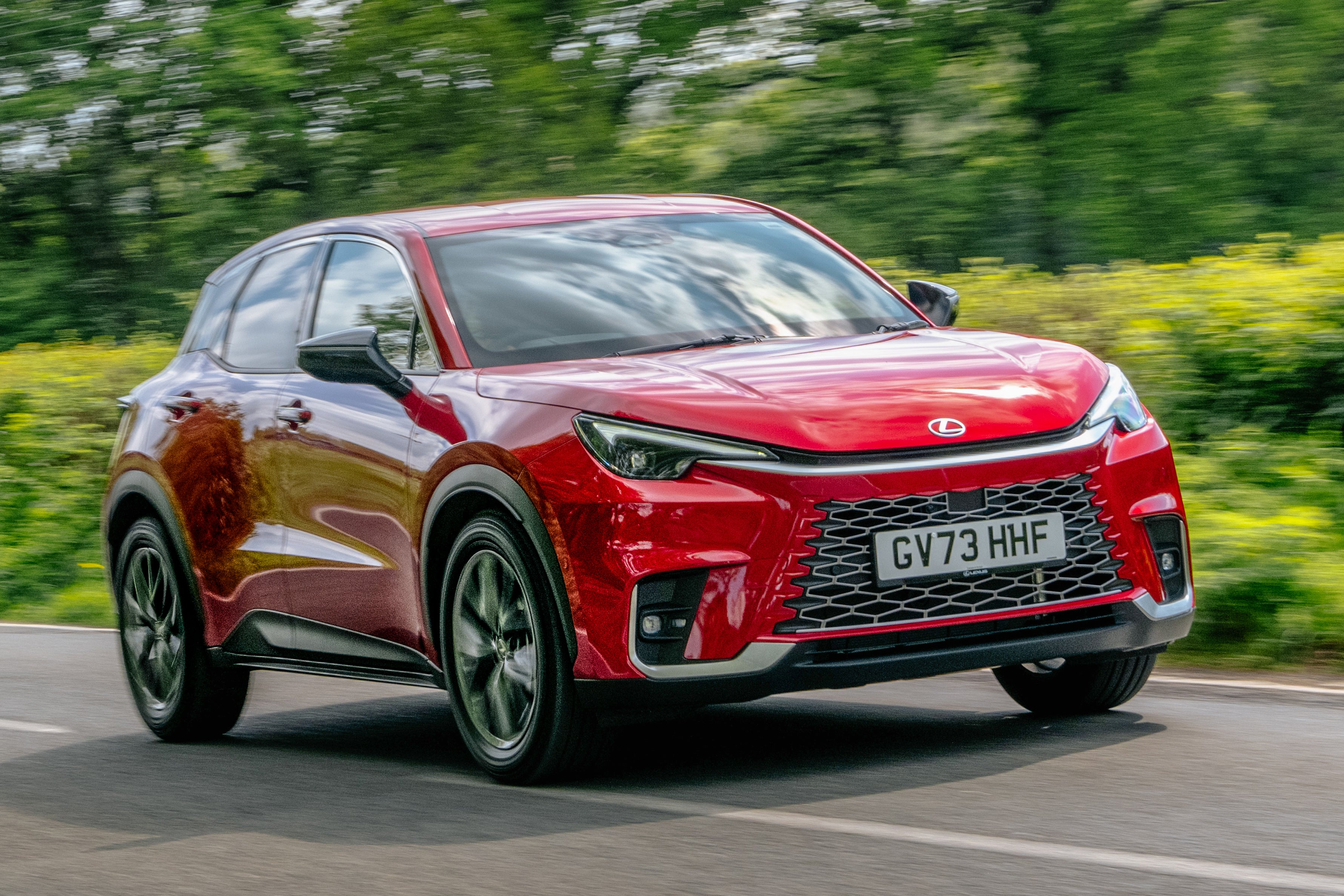
The Lexus LBX brings genuine premium appeal to a very small package. It’s easy to drive around town, feels suitably special from the front seats and its proven full-hybrid system can return more than 60mpg without needing to be plugged in. Lexus’s excellent warranty scheme strengthens the ownership case further.
Space is the main compromise. Adults will find the rear seats tight and the boot is considerably smaller than you’ll get in a Volkswagen T-Roc or Škoda Kamiq, particularly if you choose E-Four all-wheel drive.
If outright practicality isn’t essential, though, the LBX works well as a compact premium crossover. Front-wheel drive is the sensible choice, while Premium Plus or Premium Plus Design provides the best balance between luxury and cost.
The Lexus Lbx in more detail
The LBX is the smallest model Lexus has produced and takes the brand into a part of the market it hadn’t previously occupied. It’s aimed at buyers who want a compact car with a raised driving position and low running costs, but don’t necessarily want to give up the refinement, quality or dealership experience associated with a premium brand.
Underneath, the LBX is closely related to the Toyota Yaris Cross. Both use Toyota’s GA-B small-car architecture and a 1.5-litre full-hybrid powertrain, but dismissing the Lexus as simply a Yaris Cross in smarter clothes would be unfair. The LBX has its own body, cabin and suspension tuning, with Lexus putting much more emphasis on refinement and material quality.
It measures just 4.19 metres long, so it’s particularly well suited to urban driving. The downside is rear passenger and luggage space. Adults fit in the back, but they won’t have much room to stretch out, while even the larger front-wheel-drive boot holds only around 330 litres.
Mechanically, the range is refreshingly simple. Every Lexus LBX uses the same 1.5-litre three-cylinder petrol-electric hybrid system producing 136PS, driving through an e-CVT automatic transmission. Most have front-wheel drive, while selected Takumi and Takumi Design models have also been offered with Lexus’s E-Four all-wheel-drive system. The latter adds a small electric motor at the rear axle. It doesn’t transform the LBX into an off-roader, but it can provide extra traction when pulling away or on slippery surfaces.
The trim range has been rather more complicated. From 2026, it includes Urban, Premium, Premium Plus, Premium Plus Design, Vibrant Edition, Takumi and Takumi Design, with E-Four available on the two Takumi grades.
Whatever the trim, the LBX’s strengths are consistent – it’s easy to drive, impressively economical and more distinctive inside than most similarly sized SUVs.
What's the best Lexus Lbx trim and engine option?
There’s only one engine, so the main decisions concern trim and whether you need E-Four all-wheel drive. For most buyers, we’d stick with front-wheel drive.
The 136PS hybrid provides exactly the same system output either way, but the FWD car is lighter, marginally quicker, more economical and much more practical. E-Four cuts boot capacity by around 77 litres and is really only worth having if the additional traction is genuinely useful.
Premium Plus is arguably the rational sweet spot. It comes with 18-inch wheels, a 12.3-inch digital instrument display, head-up display, powered tailgate, smart entry and nanoe-X cabin air purification.
Our preference is Premium Plus Design if the price difference is modest. It retains all that equipment but adds bi-tone paint, machined 18-inch wheels and more distinctive perforated Tahara upholstery, making the LBX look and feel a little more special.
Takumi is considerably plusher, with semi-aniline leather, electrically adjustable driver’s seat, Mark Levinson audio and additional safety technology. It’s lovely, but once an LBX approaches £40,000 its limited rear and luggage space becomes harder to ignore.
Unless you particularly want the Takumi equipment or E-Four traction, Premium Plus Design captures the LBX’s appeal without taking the luxury-small-car idea too far.
What’s the price of the Lexus Lbx?
The Lexus LBX range starts at £29,995 for Urban. Premium costs £33,695, while Premium Plus is £35,695 and Premium Plus Design £36,695. The limited-run Vibrant Edition is also £36,695 in monotone form, or £37,695 with bi-tone paint. Takumi costs £38,995, rising to £39,460 for Takumi Design.
Adding E-Four all-wheel drive increases the price considerably. Takumi E-Four costs £40,995, while Takumi Design E-Four tops the current range at £41,995.
Alternatives to the Lexus Lbx
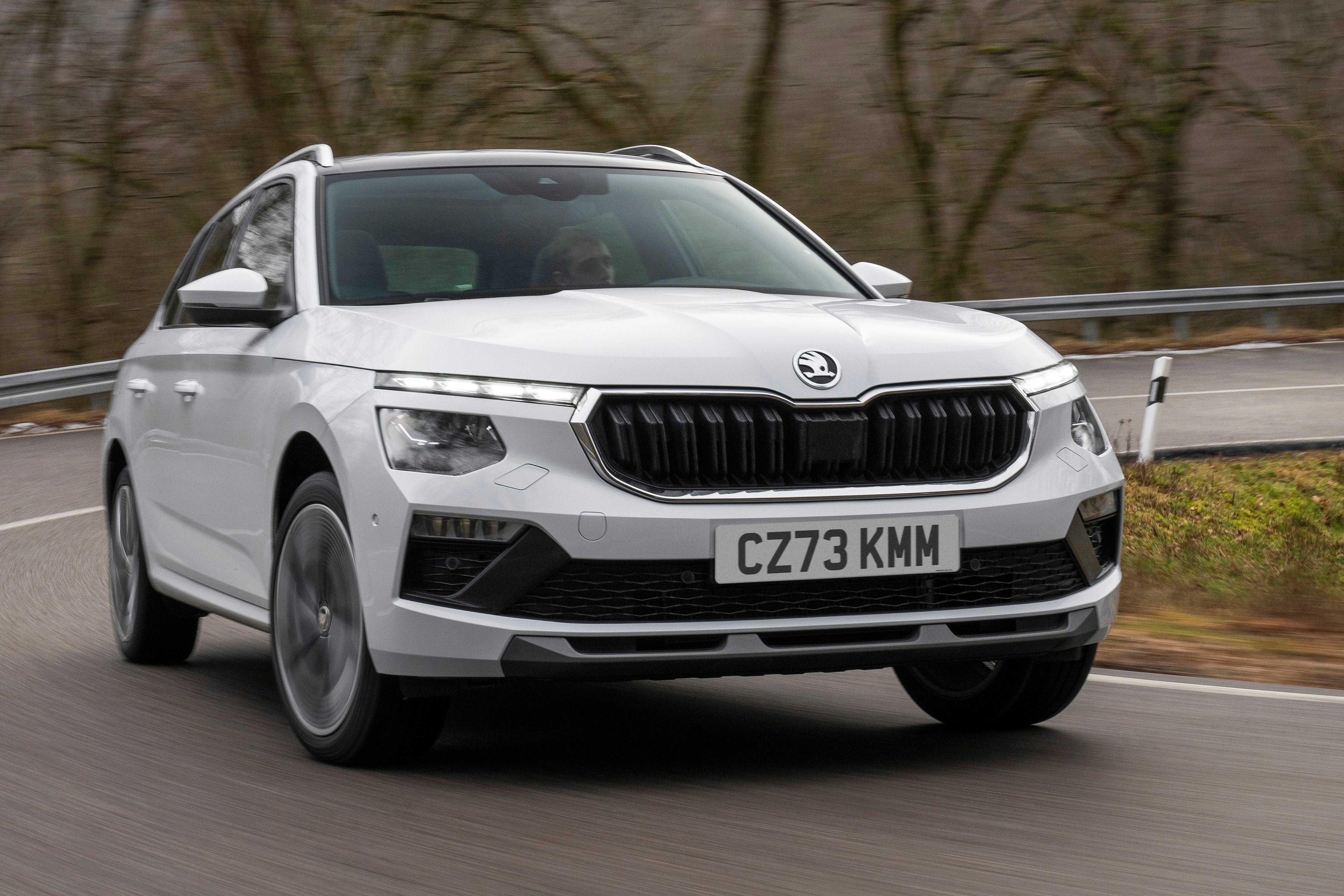
The Skoda Kamiq is the pragmatic alternative. It might not be as luxurious or as economical around town, but it has more room in the back, a useful boot and straightforward controls. It also costs less.
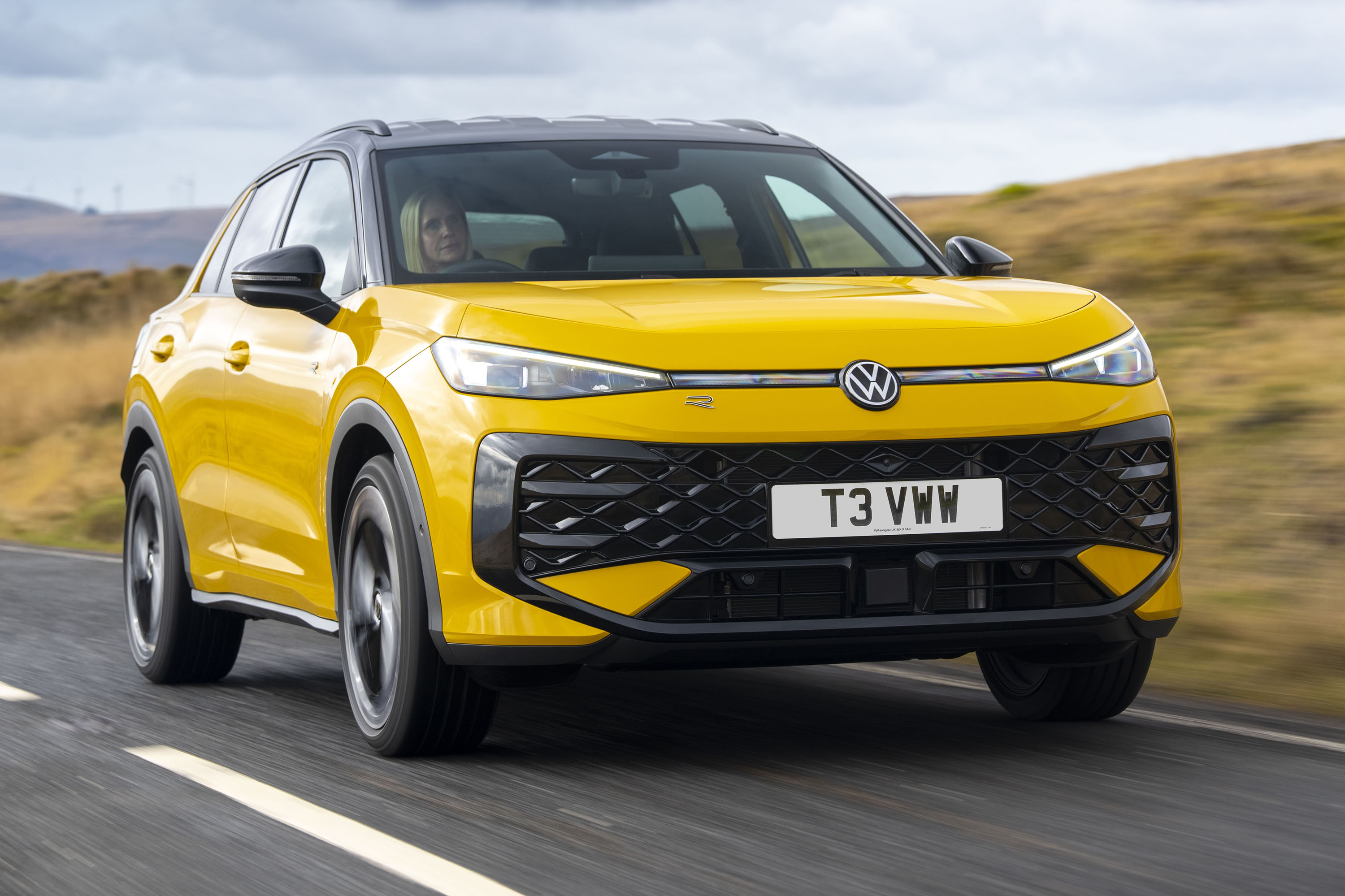
The Volkswagen T-Roc is larger and feels more substantial on longer journeys. Its cabin and boot are better suited to regular family use, although it can’t match the Lexus’s full-hybrid efficiency in town.
The MINI Countryman is another design-led premium option. It’s much larger than the LBX and has a more dramatic interior, but prices rise rapidly and its size makes it less convenient in tighter urban spaces.
The Volvo XC40 is also more spacious and feels more like a traditional premium SUV, while the Mazda CX-30 combines an upmarket cabin with relatively sensible pricing.
The obvious non-premium comparison is the Toyota Yaris Cross. Its mechanical relationship with the LBX means you get similar hybrid efficiency and compact dimensions for considerably less money. The Lexus LBX counters with a quieter, richer cabin, better materials and a more upmarket ownership experience.
What's the interior like in the Lexus Lbx?
The Lexus LBX’s cabin is one of the strongest reasons to choose it over a mainstream small SUV. The basic design is clean and modern, while the important touchpoints – including the steering wheel, dashboard and seats – feel suitably expensive. Lexus also retains physical climate controls, which makes adjusting the temperature considerably easier than in many touchscreen-heavy rivals.
Higher specifications make the best impression. Premium Plus introduces the larger digital instrument display, while Takumi brings richer upholstery, ambient lighting and Mark Levinson audio. Look lower down the doors and dashboard and there are harder plastics, but overall the LBX does a convincing job of translating Lexus quality into a smaller car.
Lexus Lbx boot space and practicality
The LBX’s compact dimensions work particularly well from the front seats. There’s enough room for two adults, the seats are comfortable and there’s a useful amount of adjustment in both the steering wheel and driving position. Visibility is generally good and the relatively short body makes the car easy to manoeuvre. Storage includes cupholders, door pockets and a compartment beneath the centre armrest. Higher grades also add wireless phone charging.
However, rear legroom is tight for taller adults, particularly behind a tall driver, and while headroom is acceptable, the LBX doesn’t disguise the fact that it sits on a relatively compact platform. The middle seat is best considered occasional. For couples or families with young children, none of this is likely to be a major problem, but anyone regularly carrying four adults should try the back seats before buying. There are Isofix mounting points on both outer rear seats.
The front-wheel-drive car has 402 litres of boot space with all five seats in use, or 400 litres with the Mark Levinson subwoofer. E-Four models fall to 317 litres, or 315 litres with the upgraded audio system. With the back seats folded, there's up to to 994 litres in front-wheel-drive models. For shopping and everyday use it’s sufficient, but a Ford Puma, Skoda Kamiq or Volkswagen T-Roc is a better choice if luggage capacity is a priority.
Lexus Lbx dimensions
The Lexus LBX is 4,190mm long and 1,825mm wide, with a 2,580mm wheelbase and a height of approximately 1,545–1,560mm, depending on derivative and measurement specification.
Those compact dimensions are central to the LBX’s appeal. It occupies much less road space than most premium SUVs and feels particularly manageable on narrow streets or in multi-storey car parks.
The trade-off is obvious inside, where rear legroom and luggage space can’t match larger alternatives.
Tech and infotainment in the Lexus Lbx
Every Lexus LBX gets a 9.8-inch central touchscreen using the Lexus Link Connect multimedia system, which includes cloud-based navigation, DAB radio, Bluetooth connectivity and the “Hey Lexus” voice assistant. Apple CarPlay works wirelessly or through a cable, although Android Auto currently requires a wired connection.
Urban and Premium models use a smaller digital instrument display, while Premium Plus and higher specifications upgrade to Lexus’s 12.3-inch configurable digital cockpit. Those cars also get a head-up display, which means essential driving information can be viewed without looking down at either screen.
The infotainment itself is relatively straightforward. The display is responsive and logically positioned, although neither its graphics nor menu structure feels particularly cutting edge compared with newer systems. That isn’t necessarily a bad thing. Lexus retains proper switches for climate control and several frequently used functions rather than forcing everything onto the touchscreen.
Premium models add wireless phone charging, while Takumi gets one of the cabin’s standout features – a 13-speaker Mark Levinson premium audio system. Takumi also includes Intelligent Park Assist and the Advanced Safety Pack.
Overall, the LBX’s technology is less flashy than some rivals but generally easier to live with. The mix of touchscreen functionality, physical controls and conventional driver information suits the car’s low-stress character.
Materials available on the Lexus Lbx
Material choice changes substantially as you move through the LBX range. Urban starts with fabric upholstery and a relatively simple cabin treatment, Premium upgrades to Tahara, Lexus’s synthetic leather material, while Premium Plus continues with a richer combination of Tahara trim and additional interior detailing. Premium Plus Design uses perforated Tahara with contrasting stitching and combines it with its more distinctive exterior treatment.
Takumi is significantly more luxurious, using semi-aniline leather alongside upgraded interior finishes, and Takumi Design instead combines Ultrasuede and leather, creating a sportier appearance.
The limited Vibrant Edition uses black and Dark Rose semi-aniline leather with red Tatami stitching and matching Dark Rose details around the cabin.
There are still some harder plastics lower down the doors and dashboard, but the areas you see and touch most generally feel convincing for a premium small SUV.
What's the Lexus Lbx like to drive?
The LBX suits urban and suburban driving particularly well. Its hybrid system moves away from rest smoothly, frequently runs on electric power at low speeds and makes stop-start traffic easy to deal with.
Steering is light without feeling completely disconnected and the compact dimensions make the car easy to place.
Ride quality is generally comfortable, although larger 18-inch wheels can make sharper bumps more noticeable. It’s more composed through corners than you might expect, too, with tidy body control and predictable responses.
The biggest weakness appears when you demand hard acceleration. The e-CVT allows the petrol engine to become vocal, which undermines the otherwise impressive refinement.
Lexus Lbx range and performance
Every current LBX uses the same basic full-hybrid powertrain. A 1.5-litre three-cylinder petrol engine works with an electric motor and a compact bipolar nickel-metal hydride battery. The combined system output is 136PS, with drive sent through an e-CVT automatic transmission.
In front-wheel-drive form, the LBX reaches 62mph in 9.2 seconds and has a top speed of 106mph. That isn’t especially fast, but the electric motor provides useful instant response from low speeds, so the car feels more lively around town than the acceleration figure might suggest.
E-Four versions add a separate electric motor to the rear axle, providing all-wheel drive, but it's primarily there to improve traction on wet or slippery surfaces rather than provide more performance. That makes the regular front-wheel-drive car the better choice for most buyers because it’s quicker, lighter and more economical, while also providing considerably more luggage space.
Under harder acceleration the three-cylinder engine becomes quite vocal as the e-CVT allows its revs to rise. That’s common to this type of hybrid drivetrain, but it contrasts with the quiet electric running you experience around town.The system doesn’t turn the LBX into a performance model. In fact, the extra weight means 0–62mph takes slightly longer at 9.6 seconds.
Performance data
| Model | Engine/battery size | Power | 0-62mph | Range/MPG |
|---|---|---|---|---|
Lexus LBX | 1.5-litre self-charging hybrid auto | 136PS | 9.2 seconds | Up to 62.7mpg |
Lexus LBX E-Four | 1.5-litre self-charging hybrid auto | 136PS | 9.6 seconds | Up to 58.8mpg |
Lexus Lbx driving and refinement
Around town, the LBX feels extremely well suited to its brief. The hybrid system can shut down the petrol engine surprisingly often in slow traffic, leaving the electric motor to move the car quietly for short periods. The transition between petrol and electric power is generally smooth and the accelerator is easy to modulate, while the steering is light enough for parking while retaining reasonable accuracy as speeds rise.
Ride comfort is also good. The suspension takes the edge off the patched surfaces and potholes found on typical UK roads without making the body feel loose or uncontrolled. There’s enough firmness to keep the LBX composed through a sequence of bends and less body roll than its raised stance might suggest.
Front-wheel-drive versions use a torsion-beam rear suspension. E-Four models have a more sophisticated double-wishbone arrangement because of the packaging required for the rear electric motor. It contributes to a slightly more settled feel over some surfaces, although the difference isn’t dramatic enough to justify choosing E-Four on that basis alone.
At motorway speeds, refinement remains reasonable. Wind and tyre noise are noticeable but not excessive. The bigger problem occurs when you ask the hybrid system for sustained acceleration.
Press the accelerator hard and the e-CVT allows the engine revs to rise considerably, which means the three-cylinder engine can sound strained compared with the calm character it displays in town.
Performance itself is adequate. The LBX has no difficulty keeping up with traffic or cruising at motorway speeds, but overtaking requires more planning than it would in a turbocharged or electric alternative.
Overall, the chassis is more impressive than the modest performance suggests. The LBX feels predictable, composed and easy to drive – precisely the characteristics most buyers are likely to value.
How safe is the Lexus Lbx?
The Lexus LBX earned a full five-star rating from independent safety organisation Euro NCAP in 2024, scoring 82% for adult-occupant protection, 83% for child occupants, 79% for vulnerable road users and 76% for safety assistance.
All models get Lexus Safety System+, including automatic emergency braking, adaptive cruise control, lane-departure alert, Lane Tracing Assist, road-sign recognition and driver monitoring. Higher specifications add further systems. The Advanced Safety Pack fitted to Takumi includes features such as Front Cross Traffic Alert and Lane Change Assist.
Running costs: What it's like to live with a Lexus Lbx
Running costs are one of the LBX’s stronger arguments. The hybrid system officially returns more than 60mpg in its most efficient form and works particularly well in town, where frequent electric running keeps fuel consumption down.
Insurance groups are reasonable for a premium model, while servicing every 12 months or 10,000 miles is straightforward. Lexus’s service-activated warranty is another significant advantage, potentially keeping eligible cars covered until they’re 10 years old.
The main thing to watch is tax. Most LBXs avoid the Expensive Car Supplement, but the two E-Four versions cost more than £40,000 before registration and attract the additional charge.
Lexus Lbx fuel economy
Front-wheel-drive LBXs officially return between 61.4 and 62.7mpg, depending on specification. E-Four is slightly less efficient, returning 58.8mpg according to official figures.
Those figures suit the LBX’s intended use particularly well. A full hybrid can recover energy when slowing down and use its electric motor for short stretches without requiring you to plug anything in.
The biggest gains come in urban and mixed driving, where the petrol engine can regularly switch off, but long motorway journeys reduce that advantage, although fuel economy should still be respectable.
Lexus Lbx warranty and servicing
The Lexus LBX initially comes with a three-year or 60,000-mile manufacturer warranty. After that, Lexus’s service-activated warranty programme can provide another 12 months or 10,000 miles of cover following each qualifying service at an authorised Lexus centre, potentially continuing until the car reaches 10 years or 100,000 miles.
That cover can also benefit a used LBX that hasn’t always been serviced within the Lexus network, provided it subsequently meets the programme conditions. Routine servicing is required every 12 months or 10,000 miles, whichever comes first.
Lexus Lbx insurance groups
The LBX sits in insurance groups 23 to 25 (of 50), which is fairly reasonable for a premium-badged SUV. Urban and Premium are group 23, while Premium Plus and Premium Plus Design move to 24. Front-wheel-drive Takumi and Takumi Design are group 25.
Interestingly, the E-Four versions sit in group 24, despite their higher purchase prices.
Insurance should therefore be manageable compared with many larger premium SUVs, although individual premiums can vary enormously depending on the driver and location.
How much does it cost to tax a Lexus Lbx?
From the second year onwards, the Lexus LBX pays the standard VED (Vehicle Excise Duty) rate for petrol and hybrid cars, which is now £200 a year.
The bigger issue is the Expensive Car Supplement. Several higher-spec Lexus LBX versions sit close to or above the £40,000 list-price threshold that applies to non-zero-emission cars, so buyers need to watch the configured price carefully. A top-spec or heavily optioned Lexus LBX can therefore attract the extra annual charge from years two to six.
What trims are available with the Lexus Lbx?
The Lexus LBX has a broader trim range than many small SUVs, starting with Urban and progressing through Premium, Premium Plus and Takumi versions, with Design derivatives adding more distinctive styling.
Urban starts from £29,995 and is well equipped for an entry-level model. It gets 17-inch alloy wheels, LED headlights, a 9.8-inch touchscreen, wireless Apple CarPlay, dual-zone climate control, front and rear parking sensors and a reversing camera. Adaptive cruise control and Lexus Safety System+ are also standard, making Urban the sensible value choice.
Premium adds a more upmarket feel with Tahara synthetic-leather upholstery, heated front seats, rear privacy glass and ambient lighting. Wireless phone charging, blind-spot monitoring and Safe Exit Assist are also included.
Premium Plus is arguably the sweet spot. It brings 18-inch alloy wheels, a larger 12.3-inch digital driver display, head-up display, powered tailgate, smart entry and nanoe-X air purification. Premium Plus Design combines the same equipment with a bi-tone exterior, machined wheels and upgraded interior detailing.
The limited-run Vibrant Edition is now only available from existing stock or on the used market. It stands out with matt-black wheels and exterior details, Dark Rose and black semi-aniline leather and distinctive red stitching.
Takumi sits towards the top of the range and is the one to choose if luxury matters most. Semi-aniline leather, a powered driver's seat with memory, 13-speaker Mark Levinson audio, Intelligent Park Assist, a 360-degree camera and additional driver assistance technology are all included.
Takumi Design adds a bi-tone exterior, machined 18-inch alloy wheels and Ultrasuede and leather upholstery.
For most buyers, Premium offers a useful step up from Urban without going overboard, while Premium Plus provides the strongest balance of technology and luxury. Takumi is the most desirable choice if you're prepared to pay for the full Lexus experience.
Ask the Drive experts: common questions
How much does the Lexus LBX cost?
Is the Lexus LBX a hybrid?
Is the Lexus LBX practical?
What is the best Lexus LBX version to buy?
Get our latest advice, news and offers
Keep me updated by email with the latest advice, news and offers from Drive.
.jpg)
.jpg)