Toyota Yaris Cross Review

Written By Andrew Brady
- 2021
- SUV
- Hybrid
What we love
Efficient hybrid powertrains
Strong reliability and ownership appeal
Smart, easy-to-use cabin
Things to consider
Rear-seat space is only average
Ride can feel a little firm
Pricier than some rivals
The DRIVE take on the Toyota Yaris Cross, is it the right car for you?
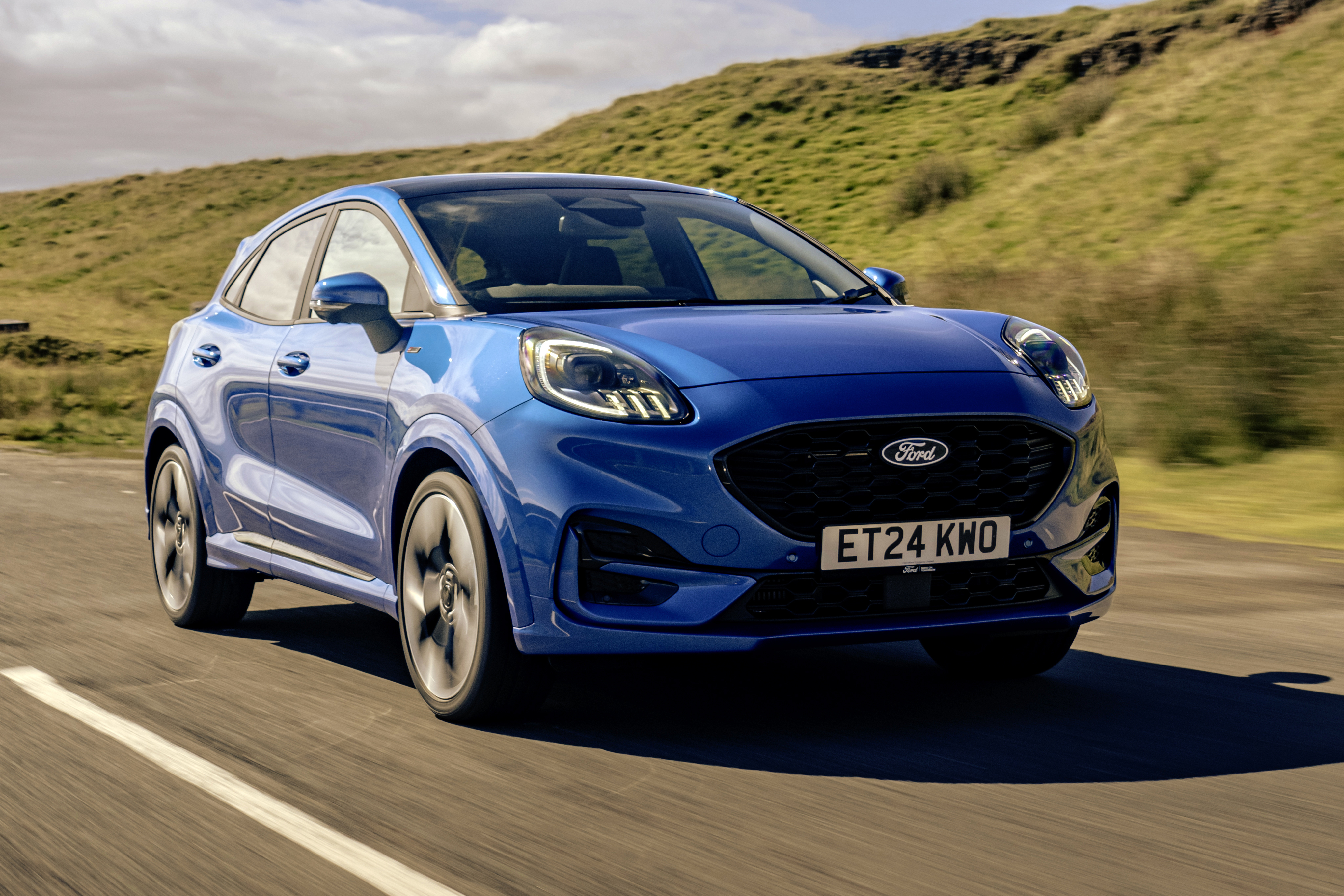
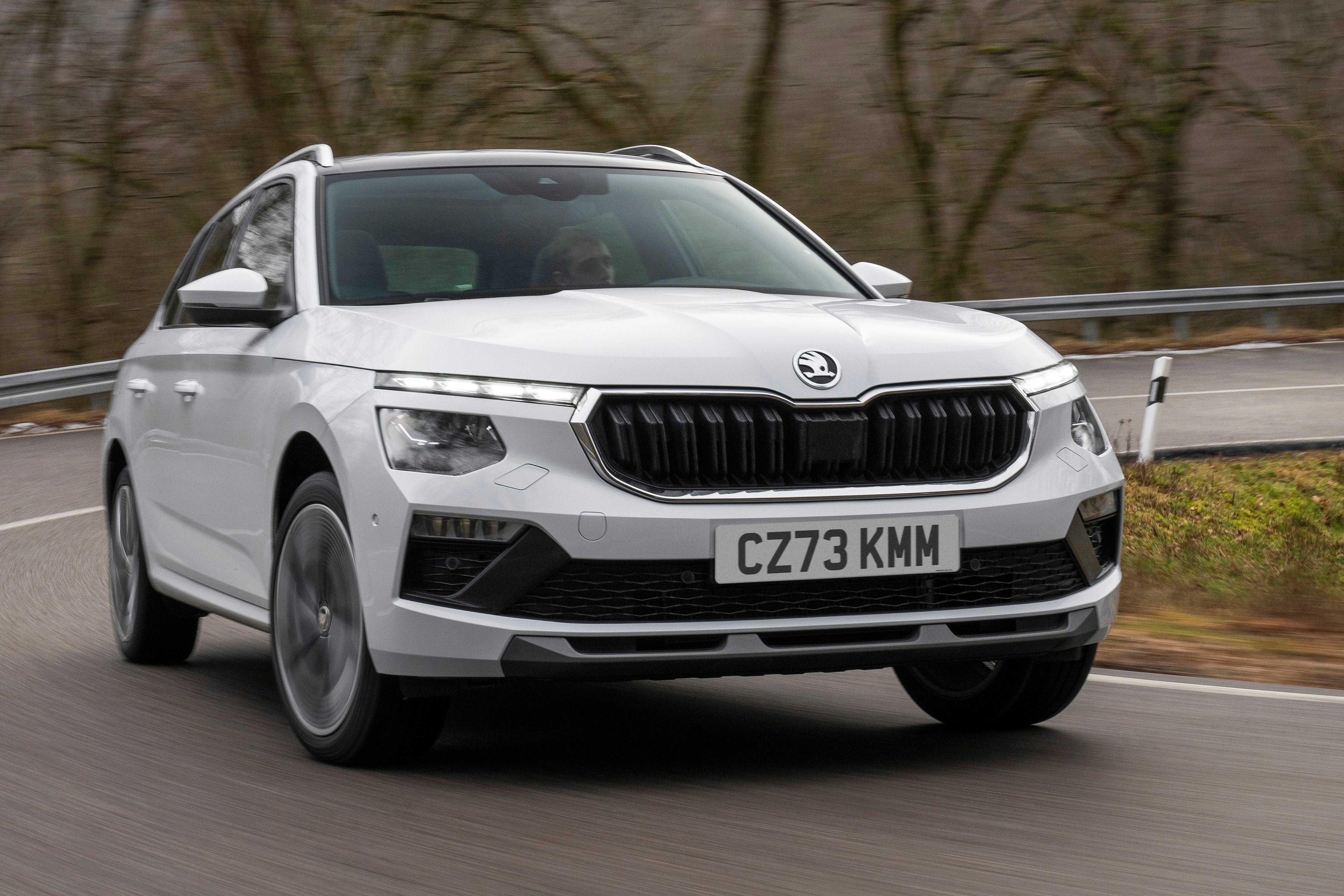
The Toyota Yaris Cross is an ideal choice for a trendy urbanite who wants a car that looks great but won't cost a fortune to run. Toyota's reliability record is almost unbeatable, while the interior of the Yaris Cross is much better than you'd expect from the brand in relatively recent history. It's not quite as sporty as a Ford Puma, though, while alternatives like the Skoda Kamiq are cheaper to buy.
The Toyota Yaris Cross in more detail
The Yaris Cross arrived at exactly the right moment for Toyota. Small SUVs were already booming, buyers were increasingly keen on hybrid power and Toyota had built a formidable reputation for making electrified cars that deliver in the real world rather than merely on paper. Put all of that together in a compact crossover wearing a familiar badge and success always looked likely.
What makes the Yaris Cross especially effective is that it does not try too hard to be something it is not. Plenty of rivals sell themselves on sportiness, visual drama or the promise of family-SUV space in a compact footprint. The Toyota is more honest than that. It is a small SUV designed primarily for urban and suburban life, with the hybrid powertrain, compact footprint and elevated driving position all aimed squarely at everyday ease.
Browse used Toyota Yaris Cross models for sale →
That does not mean it lacks character. The exterior still looks smart and distinctive enough, and the interior is a lot more modern and a lot better thought through than older Toyotas used to be. It just means the Yaris Cross is at its best when used as intended, rather than when judged by the standards of larger, roomier or more driver-focused alternatives.
The more recent update helped strengthen the line-up too. The range now spans 116PS and 130PS hybrid versions, while Toyota has also improved the infotainment and driver-assistance story. That matters because the Yaris Cross no longer looks like a single-powertrain curiosity. It feels more like a properly developed model family.
You still buy it for broadly the same reasons as before, though. It is compact, efficient and should be easy to own over the long term. That formula remains as appealing as ever.
What's the best Toyota Yaris Cross trim and engine option?
For most buyers, the best Toyota Yaris Cross is the Design with front-wheel drive. It sits in the sweet spot of the range, bringing the more desirable equipment and styling upgrades over Icon without the bigger price jump attached to Excel and GR Sport.
The powertrain choice is now a little broader than before. Toyota still offers the familiar 116PS 1.5-litre hybrid on lower grades, but there is also a more powerful 130PS version in parts of the range. In real-world driving the difference is not huge, so unless you specifically want the trim levels that come with the stronger setup, the 116PS version still makes plenty of sense.
That is why the Design remains the best buy. It has the right look, the right amount of equipment and the sort of price point that still feels just about reasonable in a class where small SUVs are no longer especially cheap.
What’s the price of the Toyota Yaris Cross?
The Toyota Yaris Cross currently starts at £26,800 for the Icon with the 116PS hybrid. The Design 116PS is £29,045, while the more powerful Design 130PS rises to £29,395.
Above that, the Excel 130PS starts at £32,845 in front-wheel-drive form, while the all-wheel-drive Excel reaches £35,245. The GR Sport 130PS sits at £33,045. There are also plenty of used Toyota Yaris Cross models for sale for considerably less.
That means the Yaris Cross is not a bargain-basement choice, and it does ask buyers to pay more than they might for some simpler petrol rivals. But you do at least get a standard hybrid powertrain, strong equipment and a more reassuring long-term ownership story than many alternatives can match.
Used examples soften the blow a little. Earlier cars are now widely available, and that broadens the Yaris Cross’s appeal considerably if you like the concept but not the list price.
Alternatives to the Toyota Yaris Cross
The Skoda Kamiq is one of the Yaris Cross’s clearest rivals because it majors on space, comfort and straightforward usability. It is not as efficient as the Toyota in regular petrol form, but it is roomier and often feels like better value.
The Ford Puma is another obvious alternative if you want a small SUV with more driver appeal. It is sharper to drive and one of the most engaging crossovers in the class, though Toyota’s hybrid economy and stronger warranty setup remain major advantages.
The Nissan Juke is a more style-led option, and like the Toyota it trades a little practicality for visual flair. It remains a popular choice, though the Yaris Cross counters with a more convincing hybrid story.
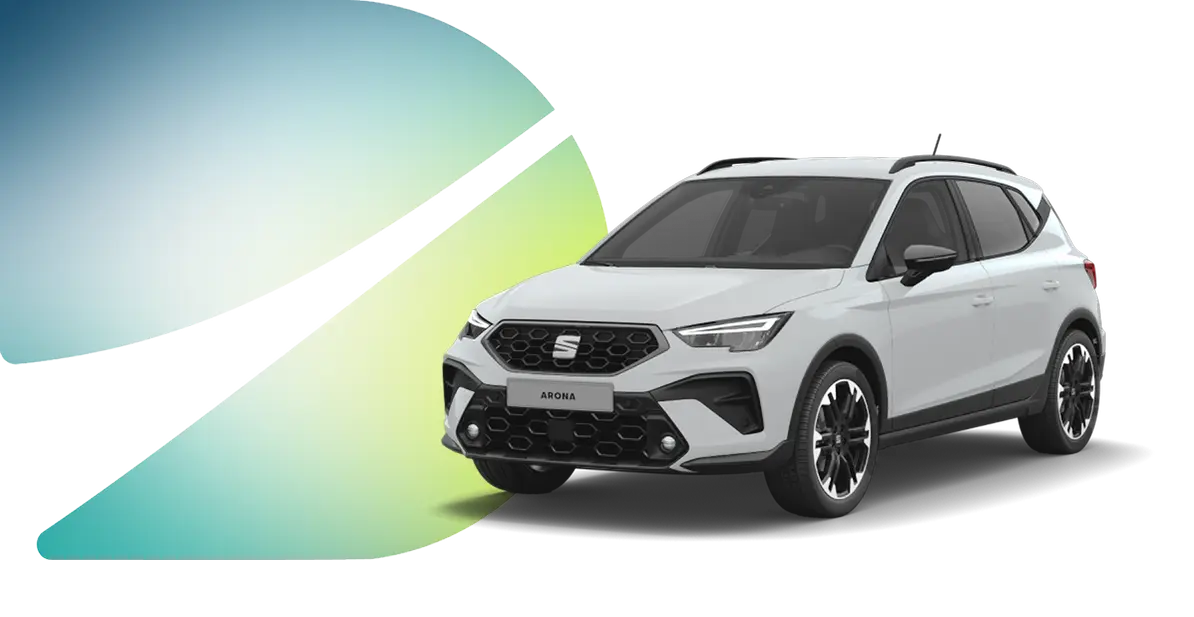
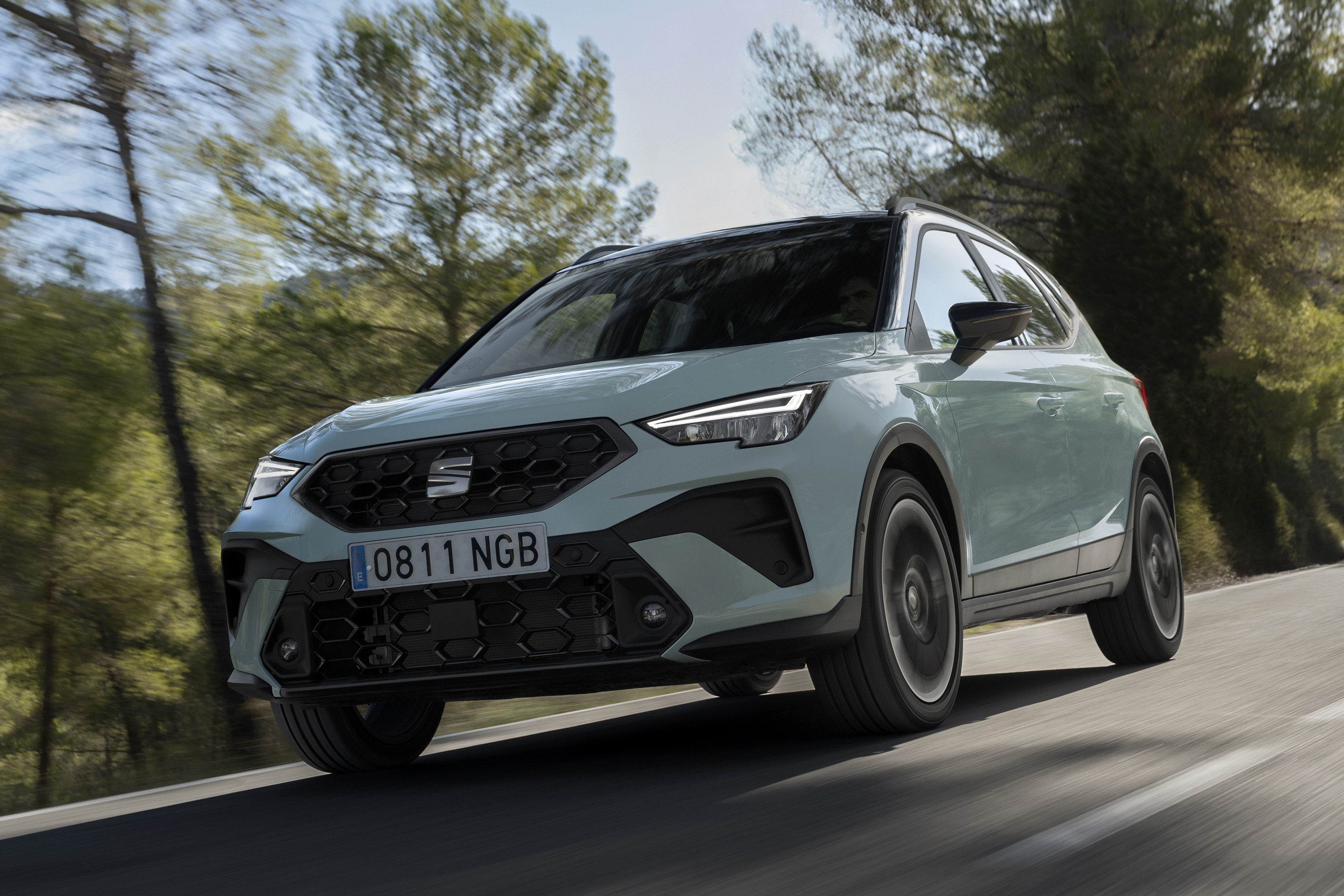
Beyond those three, the Renault Captur, SEAT Arona and Volkswagen T-Cross are all well worth considering. The Yaris Cross makes most sense if you want one of the easiest small SUVs to own over the long term rather than one that majors on excitement or outright cabin space.
What's the interior like in the Toyota Yaris Cross?
The Yaris Cross cabin is not a design showpiece, but it is easy to understand, feels solidly put together and does a good job of delivering what buyers in this class actually need.
Toyota Yaris Cross boot space and practicality
Practicality is decent enough for a small SUV, though the Yaris Cross does not lead the class here. Up front there is enough space for adults to get comfortable, and the slightly raised seating position gives it the crossover feel buyers expect.
The rear is less impressive. Access is not the easiest because the doors do not open especially wide, and once inside the back seats feel fairly tight. Adults can fit, but taller passengers may find both legroom and the slightly enclosed feel less appealing than in a Skoda Kamiq or Renault Captur.
Boot space is more competitive. The Yaris Cross offers up to 397 litres, which is a useful figure for a small SUV even if it still trails the best in class. The luggage area is wide and reasonably deep, while higher trims add a false floor that helps reduce the loading lip and adds some hidden storage.
The rear seats also fold easily, and the Design trim’s 40:20:40 split-folding arrangement adds extra flexibility. So while this is not a class packaging champion, it is practical enough for most day-to-day needs.
Toyota Yaris Cross dimensions
The Toyota Yaris Cross measures 4,180mm long, 1,765mm wide & 1,595mm high. That makes it one of the tidier small SUVs to place on the road and a particularly good fit for town driving.
Those compact dimensions are a real selling point. The Yaris Cross is small enough to thread through urban streets and slot into tighter parking spaces, yet it still gives buyers the elevated driving position and chunkier stance they want from a crossover.
Tech and infotainment in the Toyota Yaris Cross
This is one of the areas where the updated Yaris Cross has moved on most clearly. Early cars had smaller and less impressive screens on lower trims, but the current line-up is much tidier and easier to understand.
Icon now gets a 9-inch central touchscreen, while the rest of the range uses Toyota’s 10.5-inch system with navigation. Driver-display tech also varies by trim, with lower grades getting the 7-inch combimeter and upper trims gaining the larger 10.5-inch digital cluster.
The important point is that Toyota’s infotainment is much better than it used to be. The menus are logical, the response times are decent and smartphone connectivity is included, which means the Yaris Cross no longer feels left behind in this area.
Materials available on the Toyota Yaris Cross
The cabin materials are solid rather than plush. There are some tough plastics around the lower parts of the interior, but the overall construction feels durable and well judged.
That matters more than outright softness in a small SUV like this. The Yaris Cross feels like it will wear its mileage well, and that fits perfectly with its broader ownership appeal.
You could argue that rivals such as the Peugeot 2008 bring a bit more flair inside, but the Toyota counters with a more straightforward, more robust feel.
What's the Toyota Yaris Cross like to drive?
The Yaris Cross is not the sharpest small SUV in the class, but it is a very easy car to drive well and a very easy one to live with.
Toyota Yaris Cross range and performance
The line-up now spans two versions of the same 1.5-litre full-hybrid setup. The lower-output version produces 116PS, while the stronger version delivers 130PS.
The difference on paper is modest. Toyota quotes 0-62mph in 11.2 seconds for the 116PS front-wheel-drive model, while the 130PS version trims that to 10.7 seconds. All-wheel-drive versions are a little slower, but the real-world gap between the two remains relatively small.
For most buyers, the 116PS version is still sufficient. It feels more responsive around town than the numbers suggest, because the electric assistance fills in the gaps you might notice in a tiny turbo petrol.
Performance data
| Model | Engine/battery size | Power | 0-62mph | Range/MPG |
|---|---|---|---|---|
Hybrid 116 FWD | 1.5-litre | 116PS | 11.2 seconds | Up to 63.0mpg |
Hybrid 130 FWD | 1.5-litre | 130PS | 10.7 seconds | Up to 62.7mpg |
Hybrid 130 AWD-i | 1.5-litre | 130PS | 11.3 seconds | Up to 55.4mpg |
Toyota Yaris Cross driving and refinement
The Yaris Cross feels very much like a Toyota hybrid should. Around town it is smooth, quiet and easy, with the powertrain able to switch to electric running for short periods and make stop-start traffic feel much less tiresome.
The steering is light and direct enough, which suits the car’s urban character, and the relatively compact size means it never feels intimidating to thread through tighter roads or park.
Out on faster roads the Yaris Cross is still perfectly competent, but this is where some of its compromises show. The ride can feel a little firm over poorer surfaces, especially on larger wheels, and the hybrid powertrain becomes noticeably less refined if you ask for sustained acceleration.
That is not unusual for this type of system, but it does mean the Yaris Cross is at its best when driven smoothly rather than hurriedly. Drive it that way and it feels civilised, efficient and easy to get along with.
How safe is the Toyota Yaris Cross?
The Toyota Yaris Cross earned a full five-star Euro NCAP rating in 2021, and that remains an important part of its appeal.
Toyota Safety Sense is standard across the range, bringing a generous set of driver-assistance systems even on the cheaper versions. That includes pre-collision warning, adaptive cruise control, lane-departure alert and automatic high beam.
Higher trims build on that with blind-spot monitoring, rear cross-traffic alert and further additions, while the 2024 update also enhanced the assistance package more broadly. So the Yaris Cross feels very well covered in this area.
Running costs: What it's like to live with a Toyota Yaris Cross
Running costs are where the Yaris Cross really makes its case. This is a small SUV designed to be cheap to fuel and easy to own.
Toyota Yaris Cross fuel economy
Toyota quotes up to 63.0mpg for the 116PS front-wheel-drive Yaris Cross, while the 130PS version still manages up to 62.7mpg in front-wheel-drive form.
Those are strong figures for a small SUV and, just as importantly, Toyota hybrids have a habit of getting closer to their official numbers than plenty of rival drivetrains do in day-to-day use.
That means the Yaris Cross should be especially appealing to buyers doing lots of urban or mixed mileage, where the hybrid system has the best chance to show what it can do.
Toyota Yaris Cross warranty and servicing
Toyota’s warranty remains one of the Yaris Cross’s biggest selling points. New cars get a three-year or 60,000-mile manufacturer warranty, and Toyota then extends cover by 12 months or 10,000 miles after each qualifying service at an approved dealer, up to 10 years or 100,000 miles.
Servicing schedule is the more useful day-to-day detail. Toyota’s UK guidance points owners to a 12-month or 10,000-mile service interval, whichever comes first, and that is the pattern Yaris Cross buyers should budget around.
That simple, predictable approach is a big part of what makes the Toyota such an easy recommendation for cautious buyers.
Toyota Yaris Cross insurance groups
Insurance groups for the Yaris Cross run from 11 to 14. Icon sits at the lower end, while the more powerful and higher-spec versions rise a little.
That is quite reasonable for a modern small SUV with hybrid hardware and plenty of standard safety equipment.
How much does it cost to tax a Toyota Yaris Cross?
The Toyota Yaris Cross now costs £200 a year in VED after year one, which is the current standard annual rate for petrol and hybrid cars.
The Expensive Car Supplement applies above £40,000, and no version of the Yaris Cross gets anywhere near that threshold. So there is no premium-car tax sting to worry about here.
What trims are available with the Toyota Yaris Cross?
The Toyota Yaris Cross line-up consists of Icon, Design, Excel and GR Sport.
Yaris Cross Icon is the entry point and is well equipped for it. Standard kit includes 16-inch alloy wheels, the 9-inch media system, reversing camera and the core Toyota Safety Sense package.
Yaris Cross Design is the trim that makes the strongest all-round case. It adds 17-inch bi-tone alloy wheels, LED headlights, aluminium roof rails, privacy glass and the 40:20:40 split-folding rear seats.
Yaris Cross Excel is the more luxurious choice. It gains 18-inch alloy wheels, heated front seats, heated steering wheel, powered tailgate and extra parking support systems.
Yaris Cross GR Sport adds sportier styling details, dark alloy wheels and a more assertive visual treatment, but like most GR Sport Toyotas it is more about appearance than major mechanical changes.
Ask the Drive experts: common questions
Is the Toyota Yaris Cross a good small SUV?
Which Toyota Yaris Cross is best?
Is the Toyota Yaris Cross hybrid only?
Does the Toyota Yaris Cross get the Expensive Car Supplement?
Get our latest advice, news and offers
Keep me updated by email with the latest advice, news and offers from Drive.
.jpg)
.jpg)