BMW iX1 Review

Written By Andrew Brady
- 2023
- SUV
- Electric
What we love
Premium, user-friendly cabin
Easy, refined everyday driving manners
Useful family-SUV practicality
Things to consider
Pricey for a relatively compact EV
Ride is firmer than some rivals
Boot is good rather than class-leading
The DRIVE take on the Bmw Ix1, is it the right car for you?
The BMW iX1 is one of the easiest electric SUVs to recommend if you want something premium, familiar and straightforward to live with. It does not reinvent the family EV in the way the old BMW i3 once tried to, but in many ways, that’s exactly why it works.
The BMW iX1 feels normal in the best possible sense. It looks sharp without being showy, the cabin is high quality without becoming baffling, and it drives with the sort of polish buyers expect from a BMW badge. That doesn’t make it cheap, and it’s not the most radical or the roomiest EV in the class, but as an all-round premium family SUV, it remains a very convincing package.
The Bmw Ix1 in more detail
The BMW iX1 is an important car because it sits right in the middle of a part of the market that matters enormously. This is where buyers want a family-sized SUV, a premium badge, enough range to stop charging from feeling like a chore and an ownership experience that does not ask them to rethink the basics of how a car should work.
That is exactly the brief the BMW iX1 answers. It’s based closely on the combustion-engined BMW X1, and you can tell. Rather than feeling like a bespoke electric experiment, the BMW iX1 comes across as a very polished SUV that just happens to run on batteries.
Browse used BMW iX1 models for sale →
That’s a real strength. Plenty of electric SUVs still seem to believe they need to look or behave differently simply to underline the fact that they are electric. The BMW iX1 is much more measured. It gives buyers the benefits of EV driving without demanding they buy into an entirely different design philosophy.
The result is a car that should be very easy to slide into if you are coming from something like a Nissan Qashqai, Audi Q3 or BMW’s own X1. It feels contemporary and premium, but not alien.
That also means the BMW iX1 is especially easy to recommend to buyers making their first switch to an EV. It has enough range, enough quality and enough day-to-day usability to make the transition feel very natural.
What's the best Bmw Ix1 trim and battery option?
For most buyers, the best BMW iX1 is the BMW iX1 eDrive20 M Sport. The BMW iX1 eDrive20 is the more sensible powertrain because it is cheaper than the twin-motor xDrive30 and offers the stronger range figure. Its 204PS output is also absolutely sufficient for a car of this type, with more than enough shove for daily driving, motorway joining and family duties.
Trim choice is a little more nuanced. Sport trim makes a value case, but M Sport is the version that feels most aligned with what buyers in this class tend to want. It gives the BMW iX1 the right look, the right cabin atmosphere and the most natural sense of showroom appeal.
The xDrive30 is the more indulgent choice. It is very quick and impressively secure, but the extra pace is not really necessary in a family EV of this kind.
What’s the price of the Bmw Ix1?
The BMW iX1 currently starts at £48,955 for the BMW iX1 eDrive20 M Sport. The BMW iX1 xDrive30 M Sport rises to £52,895. There are also plenty of used BMW iX1 models for sale for considerably less.
That makes the BMW iX1 expensive for a relatively compact SUV, and there’s no getting around that. It sits firmly in premium territory and asks more of your wallet than plenty of mainstream electric alternatives.
The good news is that the BMW iX1 does at least feel expensive in a lot of the right ways. The interior quality is strong, the refinement is excellent, and the whole car has a neatly engineered feel that helps justify the price.
Still, value is not its strongest card. Buyers who simply want the biggest battery or the most metal for the least money will find stronger financial cases elsewhere.
Alternatives to the Bmw Ix1
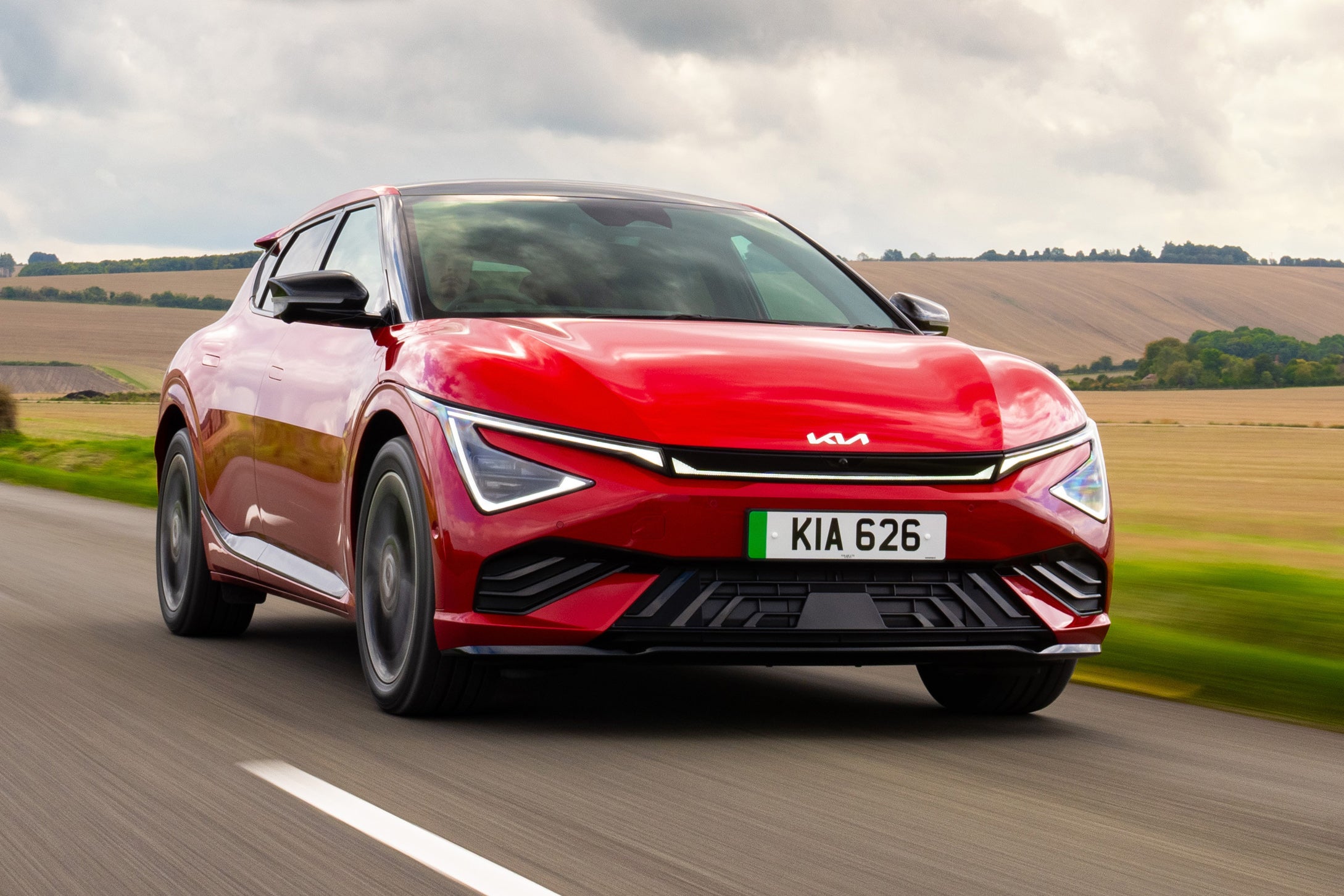
The Audi Q4 e-tron is one of the BMW iX1’s clearest rivals because it offers similar premium-badge appeal in a slightly roomier package. It feels more focused on comfort and easy-going EV usability than outright driver engagement.
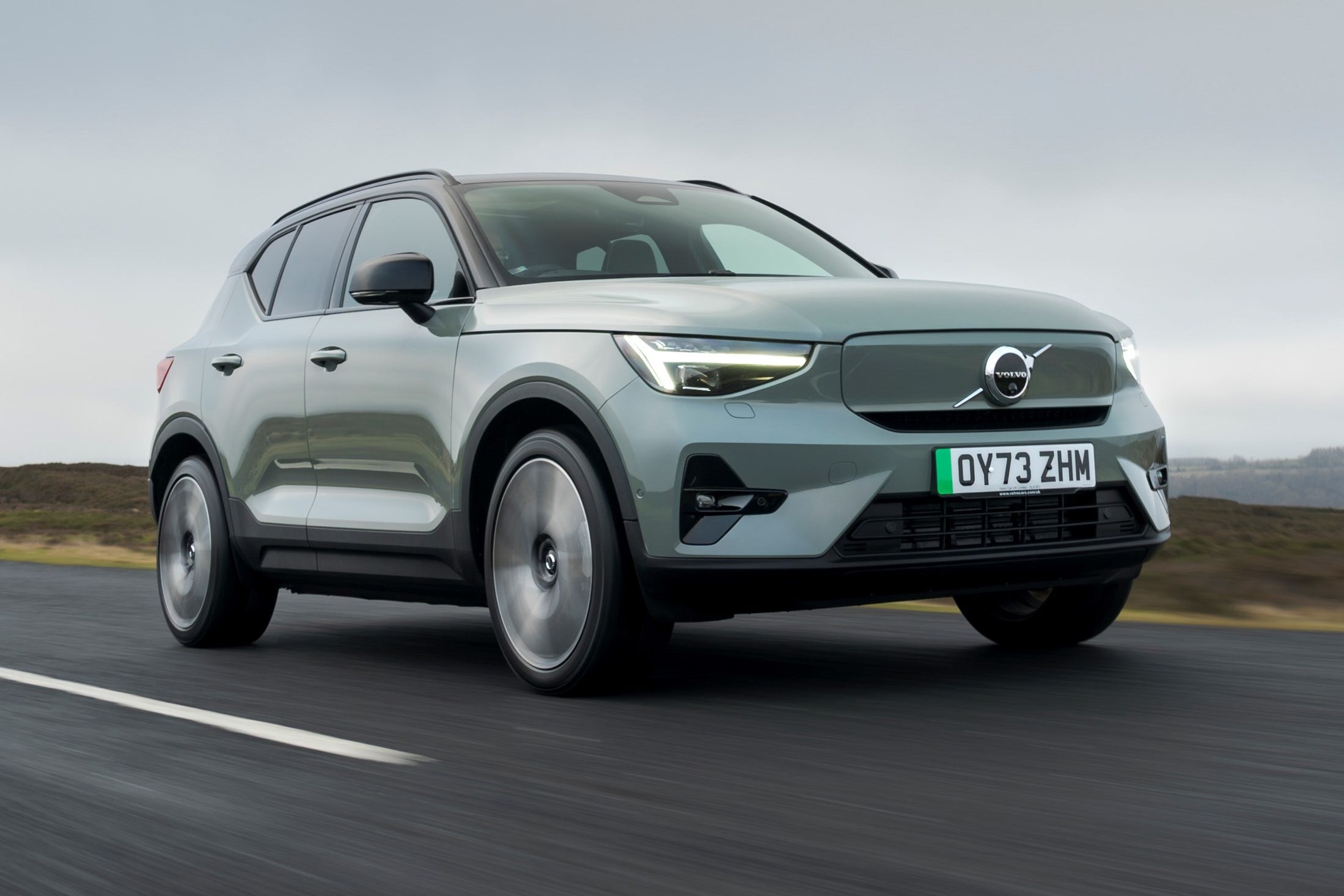
The Volvo EX40 is another natural alternative if you want a compact premium electric SUV with strong safety credentials and a more upright, chunky feel. It’s quick and classy, though not quite as polished inside as the BMW.
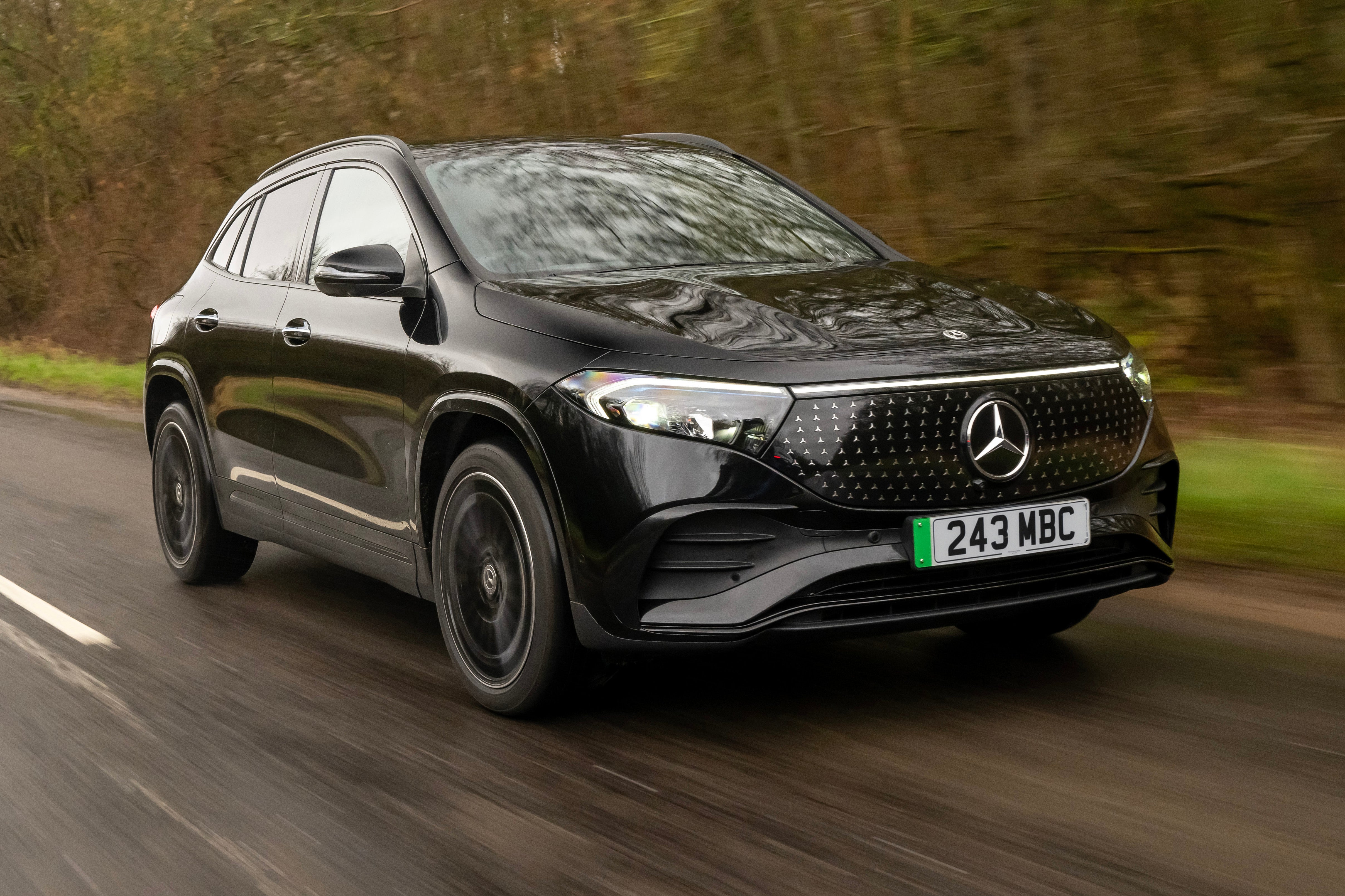
The Mercedes-Benz EQA is also firmly in the BMW iX1’s target area. It majors on refinement and badge appeal, but the BMW iX1 counters with a roomier boot and a more intuitive cabin layout.
Beyond those three, cars such as the Tesla Model Y, Hyundai Ioniq 5, Kia EV6 and Genesis GV60 all deserve consideration depending on whether you prioritise range, value, technology or rear space. The BMW iX1 makes most sense if you want something that feels premium, familiar and easy to adapt to.
What's the interior like in the Bmw Ix1?
The cabin is one of the BMW iX1’s strongest features because it balances premium feel with sensible day-to-day usability.
Bmw Ix1 boot space and practicality
The BMW iX1 offers 490 litres of boot space, which is a solid figure for a compact premium electric SUV. It also expands to 1,495 litres with the rear seats folded.
That leaves the BMW iX1 in a pretty good position among its direct rivals. It has more boot space than a Mercedes-Benz EQA and is competitive with the Audi Q4 e-tron, even if it doesn’t dominate the class outright.
The shape of the boot helps too. It is usefully square, the opening is generous, and the powered tailgate adds convenience in everyday use.
Passenger space is good rather than exceptional. Four adults will fit comfortably, and access to the rear is easy enough, but this is not one of those compact SUVs that feels secretly huge inside. The lack of sliding rear seats compared with some X1 variants is also worth noting.
Bmw Ix1 dimensions
The BMW iX1 measures 4,500mm long, 1,845mm wide & 1,616mm high.
That puts it neatly into the family-SUV bracket without making it feel oversized. The BMW iX1 is large enough to feel substantial and grown up, but still compact enough to be easy to place in town and easy to park.
Those dimensions are a big part of why the BMW iX1 works so well as a first premium EV for families. It feels familiar and manageable, not bloated or intimidating.
Tech and infotainment in the Bmw Ix1
BMW uses a 10.25-inch driver display and a 10.7-inch central touchscreen in the BMW iX1, and the whole setup looks clean, modern and premium.
The user interface is generally strong. BMW’s latest software is responsive, the graphics are sharp, and the menus are clearer than many rivals manage.
There’s a slight caveat in that BMW has moved away from the old rotary controller here, meaning more reliance on touch input than some long-time BMW users might like. Even so, the BMW iX1 remains easier to get along with than many EVs that bury everything in endless digital layers.
Wireless Apple CarPlay and Android Auto are standard, and the voice assistant works well enough if you prefer to use it.
Materials available on the Bmw Ix1
The BMW iX1 feels properly premium inside. The fit and finish are strong, the trim textures are pleasing, and even the more sustainable upholstery choices feel suitably upmarket.
It is not an especially flamboyant interior, but it gets the essentials right. Nothing feels cheap or flimsy, and the overall sense is of a cabin that has been engineered carefully rather than styled for a showroom wow moment.
That suits the BMW iX1’s character very well. It is a premium family SUV, not a rolling design manifesto.
What's the Bmw Ix1 like to drive?
The BMW iX1 is easy, quiet and predictable to drive, but it also retains just enough of BMW’s traditional crispness to stop it feeling anonymous.
Bmw Ix1 range and performance
The BMW iX1 comes in two main forms. The BMW iX1 eDrive20 uses a single front-mounted motor producing 204PS, while the BMW iX1 xDrive30 uses twin motors and all-wheel drive for a combined 313PS. Both use a battery of around 65kWh usable capacity.
The BMW iX1 eDrive20 covers 0-62mph in 8.6 seconds, which is entirely adequate for a family SUV and likely to feel brisker than the number suggests in real-world use. The BMW iX1 xDrive30 is much quicker, needing only 5.6 seconds for the same sprint.
For most buyers, the BMW iX1 eDrive20 is the better bet. It offers a stronger range, a lower price and enough pace to make the more powerful version feel more like a want than a need.
Performance data
| Model | Engine/battery size | Power | 0-62mph | Range/MPG |
|---|---|---|---|---|
iX1 eDrive20 | 65kWh | 204PS | 8.6 seconds | Up to 318 miles |
iX1 xDrive30 | 65kWh | 313PS | 5.6 seconds | Up to 289 miles |
Bmw Ix1 driving and refinement
The BMW iX1 does not try too hard to masquerade as a sports SUV, which is probably sensible. Instead, it focuses on being neat, controlled and easy to trust.
The steering is accurate, the body stays reasonably well tied down, and the BMW iX1 feels tidy in the way it changes direction. It does not have the sort of playful rear-driven balance you might associate with older BMWs, but it also does not feel clumsy or inert.
Ride comfort is good overall, though not plush. On adaptive-suspension versions, there’s enough compliance to make the BMW iX1 feel civilised over poor surfaces, but there is a slightly firm edge compared with some softer rivals.
Refinement is one of the BMW iX1’s strongest suits. Wind noise is very well suppressed, drivetrain noise is virtually absent, and the cabin remains calm at speed in the way a premium EV should. The synthetic sound effects are less convincing, but they can be switched off easily.
The BMW iX1 also makes a lot of sense in town. Visibility is decent by class standards, the controls are light enough, and the EV powertrain makes low-speed driving especially smooth.
How safe is the Bmw Ix1?
The BMW iX1 shares the latest X1’s five-star Euro NCAP safety rating, with Euro NCAP confirming in 2023 that the rating applies to the electric variant as well.
That gives the BMW iX1 a strong starting point, and it’s backed up by a wide spread of modern assistance systems. Buyers can also add more advanced driving-assistance packs if they want additional motorway and parking support.
Running costs: What it's like to live with a Bmw Ix1
The BMW iX1 is not a cheap car to buy, but it should be straightforward enough to live with if you can charge at home.
Bmw Ix1 charging times and costs
The official WLTP range for the BMW iX1 eDrive20 runs up to 318 miles in the most efficient version. The BMW iX1 xDrive30 manages up to 289 miles.
Those are competitive figures for the class and, crucially, realistic enough that the BMW iX1 should not feel stressful to use on longer trips.
Charging is solid rather than class-leading. Both versions support DC charging at up to 130kW, which allows a 10-80% charge in about 29 minutes under ideal conditions. It’ll be just under nine hours to fully charge from empty via a 7.4kW home wallbox.
Bmw Ix1 warranty and servicing
BMW provides a three-year unlimited-mileage warranty on the BMW iX1. The battery is covered separately for eight years or 100,000 miles.
Servicing follows BMW’s condition-based approach rather than a simple fixed interval. That should mean relatively little routine maintenance for most owners, though BMW dealer labour rates remain part of the premium-car experience.
Bmw Ix1 insurance groups
Insurance groups for the BMW iX1 range from 29 to 38. That makes the BMW iX1 eDrive20 relatively manageable by premium-EV standards, while the BMW iX1 xDrive30 rises into more expensive territory thanks to its stronger performance and higher value.
How much does it cost to tax a Bmw Ix1?
The BMW iX1 now pays the standard annual VED rate after year one, which is currently £200.
Because some BMW iX1 models cost more than the £50,000 threshold that now applies to electric cars (and those under that figure can be optioned beyond it), you may also have to pay the Expensive Car Supplement. Under the current 2026 rates, that adds £440 a year in years two to six, taking the total annual VED bill to £640 during that period.
What trims are available with the Bmw Ix1?
The entry-level BMW iX1 is the Sport, which is only available with the less powerful eDrive20 drivetrain. This version is still well equipped, coming with 17-inch alloy wheels, dual-zone climate control, a powered tailgate, ambient lighting, a leather steering wheel, automatic lights and wipers, and a parking assistant (including the reversing assistant, parking sensors and a reversing camera). You also get the full infotainment system with a 10.7-inch curved infotainment display, along with a 10.25-inch digital instrument cluster.
Standard kit on the BMW iX1 xLine includes 18-inch alloy wheels and adaptive M suspension. Inside, it comes with the brand’s sustainable Sensatec faux-leather trim, heated front seats, plus high-gloss black interior detailing.
The BMW iX1 M Sport adds 19-inch double-spoke bi-colour alloy wheels, M roof rails, racier exterior styling, an M leather steering wheel and sports front seats, but that's about it.
On top of these trim levels, you can also get a number of desirable option packs. These include the Technology Pack (with comfort access, folding door mirrors, adaptive LED headlights, BMW Live Cockpit Professional and wireless phone charging) as well as the Comfort Pack (with heated steering wheel and electric memory seats) and M Sport Pro Pack (with 20-inch alloy wheels, Harmon Kardon sound system and high-gloss shadowline exterior trim).
Ask the Drive experts: common questions
Is the BMW iX1 a good electric SUV?
Which BMW iX1 is best?
What is the range of the BMW iX1?
Does the BMW iX1 get the Expensive Car Supplement?
Get our latest advice, news and offers
Keep me updated by email with the latest advice, news and offers from Drive.
.jpg)
.jpg)
.jpg)