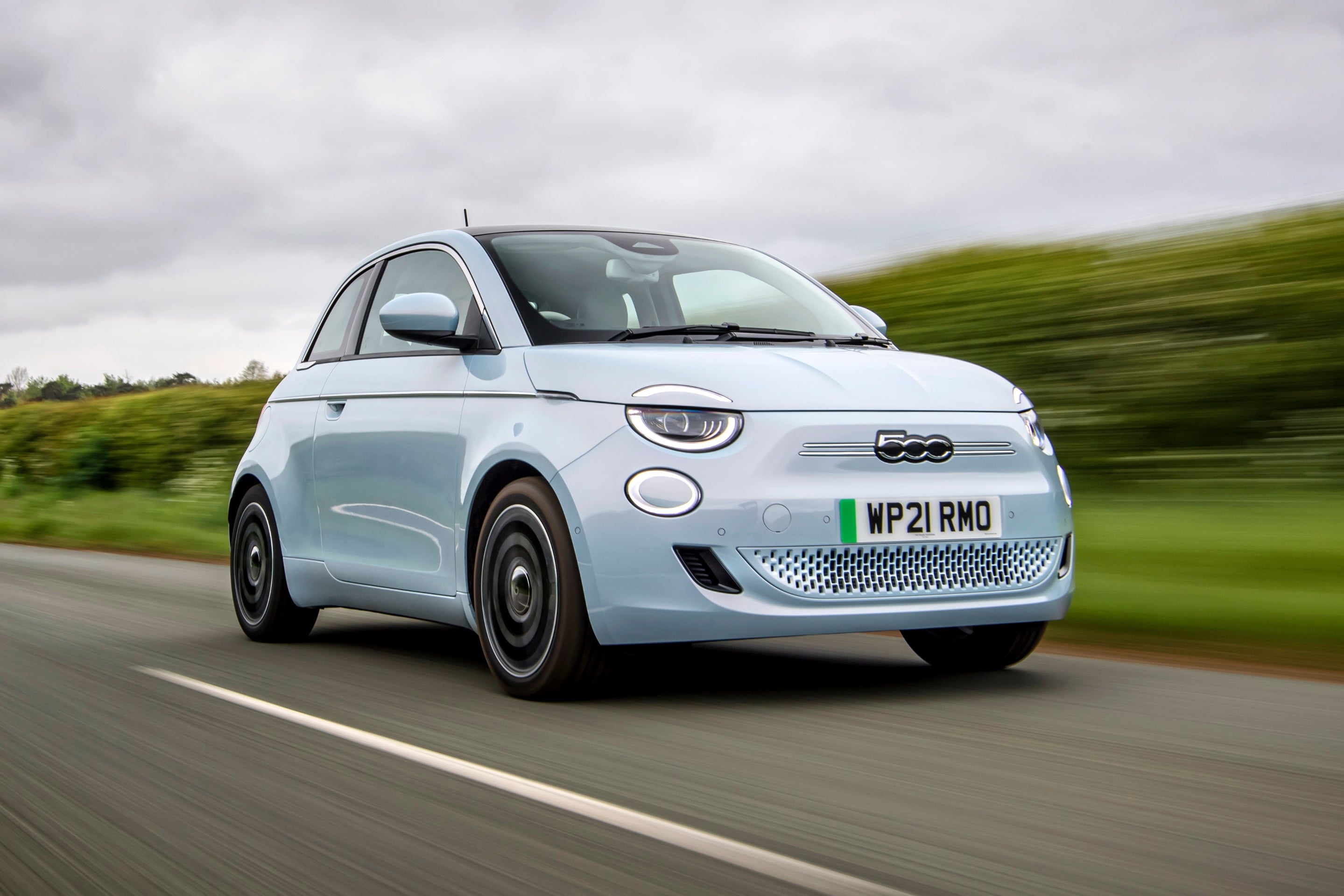
Vauxhall Corsa Electric Review

Written By Andrew Brady
- 2020
- Small hatchback
- Electric
What we love
Easy introduction to electric motoring
Improved infotainment and range on newer version
Feels mature and refined for a small car
Things to consider
Tight rear-seat space for adults
Cabin design is neat rather than exciting
Some rivals offer better value or more charm
The DRIVE take on the Vauxhall Corsa, is it the right car for you?
The Vauxhall Corsa Electric makes most sense if you want a small EV that feels normal in the best possible way. It’s easy to drive, easy to understand and easy to live with, which is exactly what many first-time EV buyers actually want.
It doesn’t try to make a big design statement and it isn’t the most fashionable option in the class, but there’s real value in how straightforward it is. The Corsa Electric feels like a regular supermini that just happens to be electric, and for plenty of buyers that’ll be more appealing than something more gimmicky or obviously style-led.
The Vauxhall Corsa in more detail
The Corsa Electric has now been around long enough to feel like an established part of the small-EV market rather than an early experiment. That matters because buyers in this class now have far more choice than they did when the car first arrived.
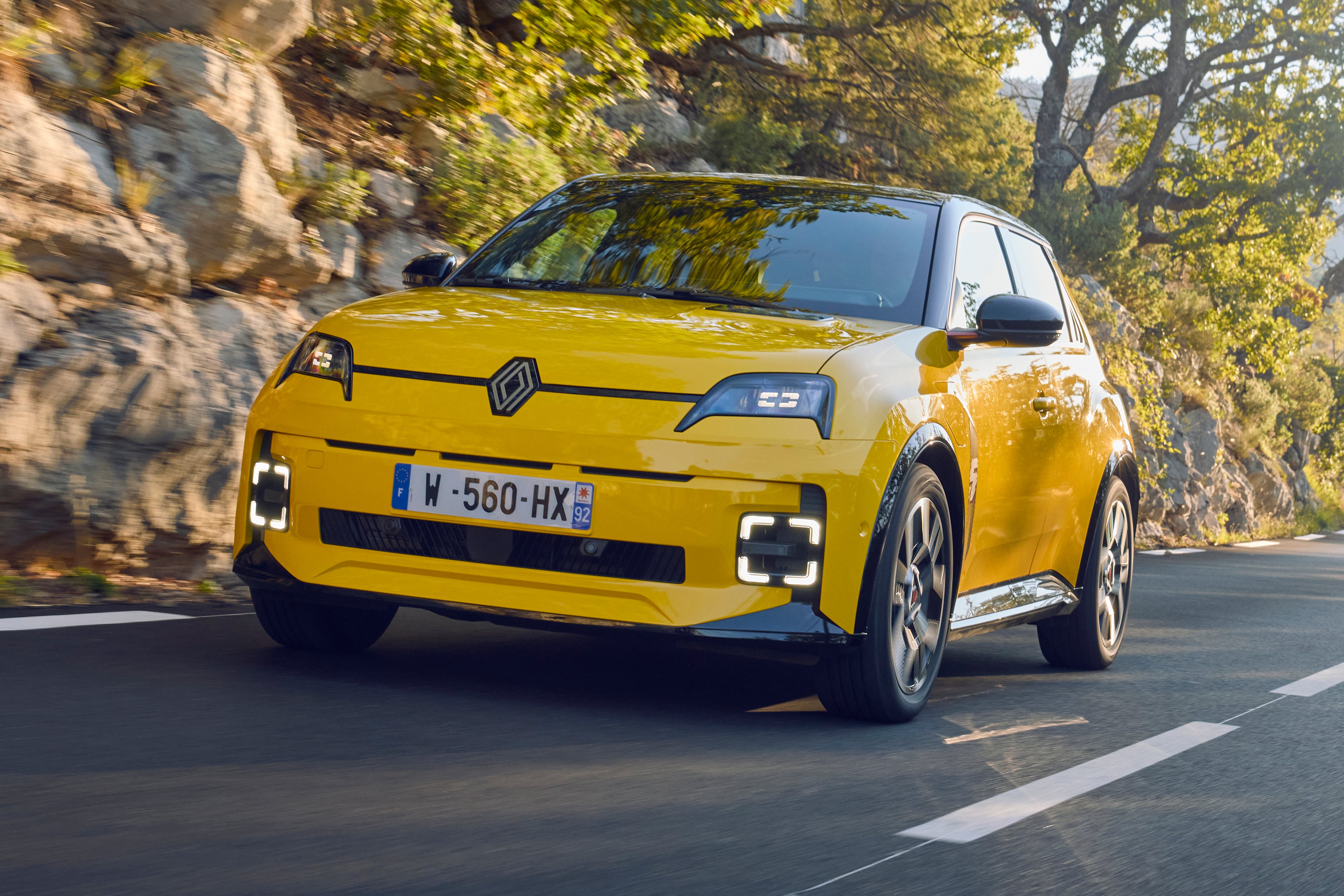
That extra competition has changed the Corsa Electric’s role slightly. It’s no longer one of the few sensible electric superminis on sale. Instead, it now has to make its case against lower-cost alternatives such as the Citroën ë-C3 and more desirable newer arrivals such as the Renault 5 E-Tech.
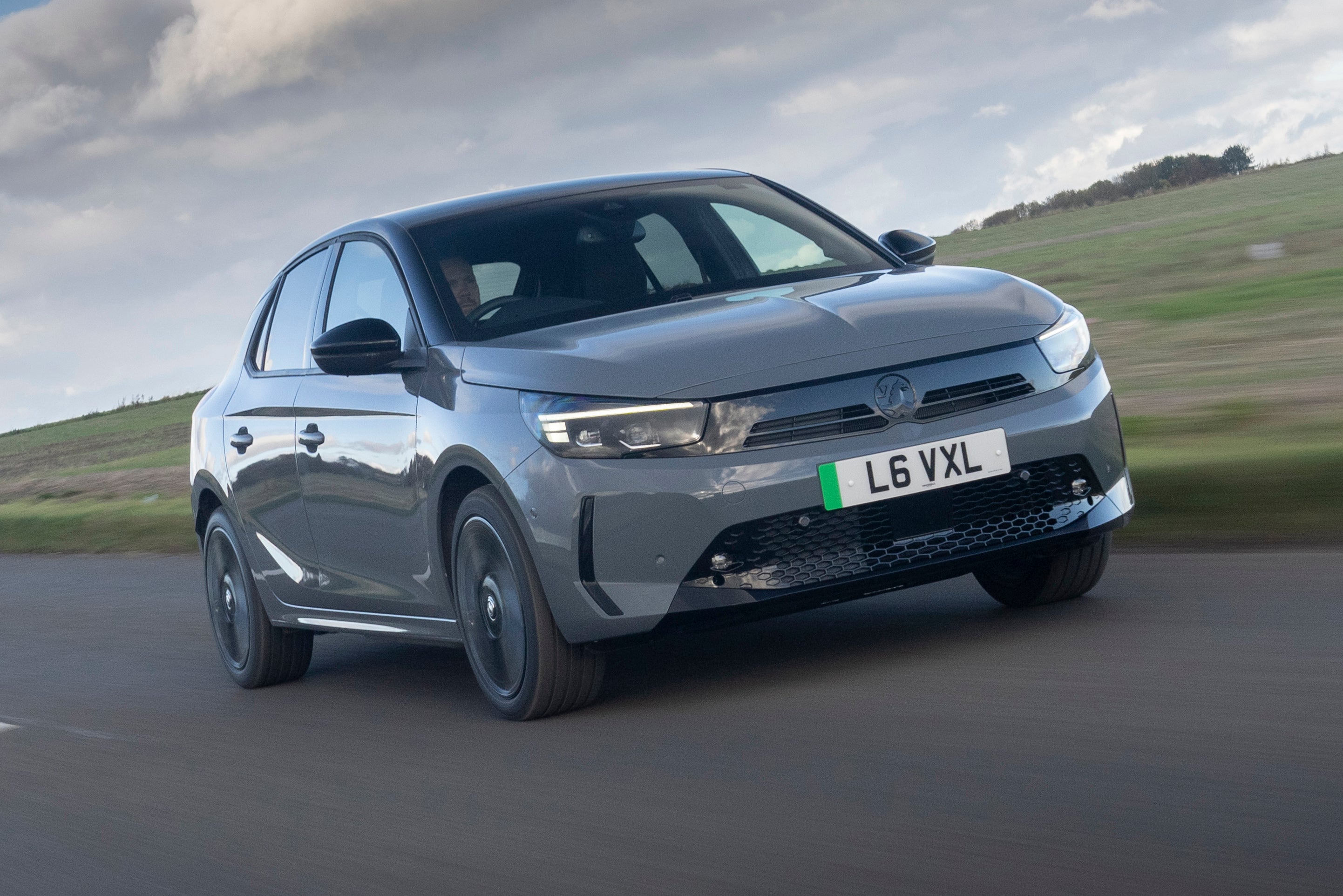
Its core appeal remains clear enough, though. The Corsa Electric is a familiar, unshowy hatchback that doesn’t demand much adaptation from drivers stepping out of petrol cars. It looks smart enough, but it doesn’t shout about being electric, and the driving experience is calm and unintimidating.
Browse used Vauxhall Corsas for sale →
The 2023 update helped. Vauxhall introduced a cleaner nose, revised infotainment and the longer-range 156PS version, which initially offered 246 miles. Further efficiency improvements subsequently increased that to a maximum of 265 miles in the current UK price guide.
Buyers now choose between a 50kWh gross battery with a 136PS motor and up to 221 miles of range, or a 51kWh gross battery with 156PS and up to 265 miles. That isn’t a huge technical gulf, but it’s enough to make the stronger car the one most buyers will really want.
The trim structure is also clearer now. The current range is built around YES, GS and Ultimate rather than a more crowded ladder. That keeps the choice simple, which suits the car’s broader no-fuss character.
Vauxhall has also announced a new Corsa GSE for later in 2026, with 281PS and 345Nm and covering 0-62mph in 5.5 seconds, which makes it a very different proposition from the regular Corsa Electric. It isn’t included in the prices or specifications below because it doesn’t yet appear in Vauxhall’s current UK price guide.
What's the best Vauxhall Corsa trim and battery option?
For most buyers, the sweet spot is the Corsa Electric GS 156PS.
The reason is simple. The longer-range 156PS version is the one that gives the Corsa Electric the most convincing spread of abilities. It has the stronger official range, more torque and vehicle-to-load functionality, yet it still keeps the Corsa within relatively sensible small-EV money.
The vehicle-to-load system allows suitable three-pin electrical appliances to be powered from the car, although the necessary adapter is a chargeable accessory rather than standard equipment.
GS is also the trim we’d target because it feels like the point where the Corsa Electric becomes properly desirable rather than merely adequate. Over the YES, it adds 17-inch alloy wheels, a panoramic rear-view camera, front parking sensors, blind-spot monitoring, navigation, wireless phone charging and keyless entry and start.
Ultimate certainly has appeal if you want every toy, but the value case weakens noticeably once you push beyond £34,000 before the grant.
What’s the price of the Vauxhall Corsa?
The current Corsa Electric range starts at £27,505 for the YES 136PS before the Electric Car Grant. The longer-range YES 156PS is £28,900.
GS models cost £31,240 in 136PS form and £32,635 with the 156PS motor, while Ultimate is £33,050 for the 136PS version and £34,445 for the 156PS car. There are also plenty of used Vauxhall Corsas for sale for considerably less.
Every current Corsa Electric qualifies for the £1,500 Electric Car Grant. This reduces the effective prices to £26,005 for the YES 136PS and £27,400 for the YES 156PS. The GS versions fall to £29,740 and £31,135 respectively, while Ultimate costs £31,550 or £32,945 after the grant. The retailer applies the discount to an eligible order.
That pricing is much easier to defend than it once was, because the electric Corsa used to look very expensive against its petrol equivalent. Even so, this still isn’t the bargain-basement choice in the class.
The key issue is that the Corsa Electric now sits in a busier market. It’s more sensibly priced than before, but buyers can find cheaper electric superminis or spend similar money on rivals with more style or a more distinctive character.
Alternatives to the Vauxhall Corsa
The Renault 5 E-Tech is the most obvious rival if you want a small EV with more design appeal and a more memorable driving experience. The Citroen e-C3 is the low-cost alternative if budget matters most, while the Fiat 500e remains the style choice for urban buyers.
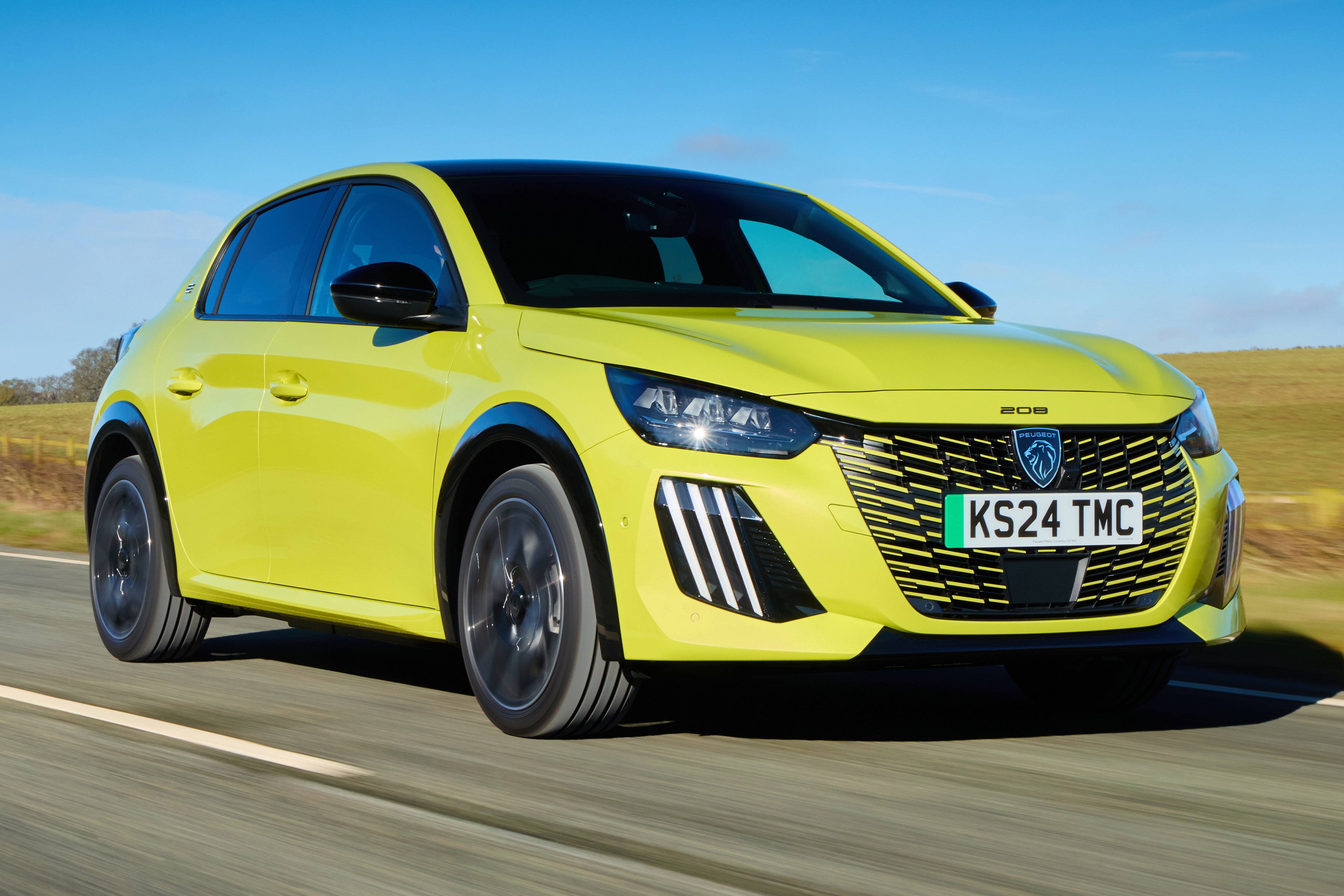
The closely related Peugeot E-208 is also worth a look if you prefer its more dramatic cabin and exterior design, although the basic engineering proposition is very similar. The MG4 is another important alternative because it offers more space and a bigger-car feel if you can live without the supermini shape.
That leaves the Corsa Electric as the reassuringly familiar option. It is not the most exciting, but it is one of the easiest to slide into without changing your expectations of how a small hatchback should work.
What's the interior like in the Vauxhall Corsa?
Inside, the Corsa Electric feels much like the petrol Corsa, and that’s both a strength and a weakness. It’s clear and easy to understand, but it isn’t the most visually adventurous cabin in the class.
Vauxhall Corsa boot space and practicality
Up front, the Corsa Electric is perfectly accommodating for a small hatchback. There’s a good amount of room for the driver and front passenger, although the battery does reduce luggage capacity compared with the petrol car.
The back seats are less impressive. Children will be fine, but adults don’t get much knee room, and headroom is only average. That means the Corsa Electric isn’t quite as versatile in the rear as some small-EV rivals.
Boot space stands at 267 litres, rather than the 309 litres offered by petrol and hybrid versions. The boot itself is a useful enough shape, even if there aren’t any clever storage tricks to talk about. Fold the rear seats and capacity rises to 1,081 litres.
So while the Corsa Electric isn’t especially roomy overall, it remains practical enough for everyday supermini duties and small-family life.
Vauxhall Corsa dimensions
The Vauxhall Corsa Electric measures 4,060mm long, 1,960mm wide including its mirrors and 1,433mm high.
Those are tidy supermini dimensions and a big part of why the Corsa Electric feels so easy to drive around town. It’s compact enough to park without stress, yet just large enough not to feel toy-like on faster roads.
Tech and infotainment in the Vauxhall Corsa
The Corsa Electric’s technology offering improved meaningfully with the 2023 update. Current models get a 10-inch infotainment screen that’s a lot more convincing than the older seven-inch setup, and wireless Apple CarPlay and Android Auto help make the system feel current.
The interface is straightforward enough, which suits the car, and Vauxhall has sensibly avoided burying everything in awkward menus. You still get proper ventilation controls, which is exactly as it should be in a small everyday car.
All current electric trims get a seven-inch digital driver display. It doesn’t feel especially futuristic, but it works well enough, and that’s more important here.
Materials available on the Vauxhall Corsa
The Corsa Electric creates a decent first impression because the upper dashboard and major controls feel reasonably solid. Spend more time with it, though, and you’ll notice plenty of harder, cheaper plastics lower down.
That isn’t unusual in this class, but it does mean the Corsa feels more sensible than special inside. It’s tidy and durable enough, but not especially rich or characterful.
In other words, the cabin does the job, but it’s unlikely to win anyone over on warmth or flair alone.
What's the Vauxhall Corsa like to drive?
The Corsa Electric is easy and predictable to drive, which is one of its biggest strengths. It doesn’t feel heavy-handed or strange in the way some early EVs did.
Vauxhall Corsa range and performance
The current range offers two versions. The standard car uses a 50kWh gross battery, of which 46kWh is usable, and a 136PS motor producing 205Nm. Official range is up to 221 miles in YES trim or 220 miles in GS and Ultimate.
The longer-range version has a 51kWh gross battery with 49kWh usable capacity. Its motor produces 156PS and 260Nm, with an official range of up to 265 miles in YES trim, 263 miles in GS or 262 miles in Ultimate.
Both officially take 8.2 seconds to reach 62mph and have a top speed of 93mph.
The stronger car is the one to target because the added range and torque matter more than the identical official acceleration figure suggests. In everyday use, both feel brisk enough, but the 156PS version is the one that makes the best case for itself as a proper all-round small EV.
Performance data
| Model | Engine/battery size | Power | 0-62mph | Range/MPG |
|---|---|---|---|---|
Vauxhall Corsa Electric | 50kWh | 136PS | 8.2 seconds | Up to 221 miles |
Vauxhall Corsa Electric Long Range | 51kWh | 156PS | 8.2 seconds | Up to 265 miles |
Vauxhall Corsa driving and refinement
Around town, the Corsa Electric feels right at home. The steering is light, the turning circle is tight enough for urban work and the instant response of the motor makes it feel eager without becoming tiresome.
It’s also more capable on faster roads than you might expect. The Corsa Electric settles down well enough on the motorway and does a decent job of suppressing wind and road noise for a small hatchback.
It isn’t especially entertaining to drive, and there are small EVs that feel more alive or playful, but that isn’t really the Corsa Electric’s point. It’s all about getting from A to B with minimal fuss.
The suspension does a respectable job with rough roads too, which helps it feel more grown-up than some firmer rivals.
How safe is the Vauxhall Corsa?
The Corsa received a four-star rating out of five from independent safety organisation Euro NCAP in 2019. Additional checks subsequently confirmed that the result also applied to the electric version.
The rating has now expired, which means it shouldn’t be compared directly with the results of newer cars tested under more demanding standards. That doesn’t mean the Corsa has physically become less safe, but it does mean its crash-test result is dated.
Even so, standard safety kit is decent. All versions get automatic emergency braking with pedestrian detection, lane-departure warning and assistance, traffic-sign recognition, driver-drowsiness monitoring, stability control, six airbags and two Isofix child-seat mountings in the rear.
So while the headline crash-test result isn’t class-leading or current, the everyday active-safety package is solid enough.
Running costs: What it's like to live with a Vauxhall Corsa
The Corsa Electric’s running costs are one of its stronger arguments, especially if you can charge cheaply at home.
Vauxhall Corsa charging times and costs
The Corsa Electric has an 11kW onboard charger as standard. Vauxhall quotes seven hours and 30 minutes for a 0% to 100% charge from a 7kW wallbox.
Using an 11kW supply, the 50kWh car takes around five hours, while the 51kWh version needs approximately five hours and 15 minutes. A three-pin socket takes around 21 hours and 45 minutes.
DC rapid charging peaks at up to 100kW, giving a 0% to 80% charge in around 30 minutes in ideal conditions.
That’s perfectly workable for a small EV, even if it no longer looks especially impressive next to some newer rivals. More importantly, it’s quick enough to make the Corsa Electric easy to live with for a mix of home charging and occasional public top-ups.
The 156PS 51kWh version also gets vehicle-to-load functionality, although the adapter required to power three-pin appliances is sold separately.
Vauxhall Corsa warranty and servicing
Vauxhall covers the Corsa Electric with a three-year vehicle warranty. The first year has unlimited mileage, while years two and three are covered up to a total of 60,000 miles.
The battery is covered separately for eight years or 100,000 miles and is guaranteed to retain at least 70% of its original capacity.
Vauxhall Corsa insurance groups
Insurance groups sit between 26 and 30 depending on version. GS models are group 26 or 28, Ultimate models 27 or 28, while the YES 2025 cars sit at group 30.
That’s a little higher than a comparable petrol supermini, but not unusual for an electric hatchback.
How much does it cost to tax a Vauxhall Corsa?
The Vauxhall Corsa Electric will be charged at the standard annual tax rate of £200, while all models sit below the £50,000 threshold for Expensive Car Supplement.
What trims are available with the Vauxhall Corsa?
The current electric range is built around YES, GS and Ultimate.
YES is effectively the entry point and it’s well equipped, with 16-inch alloy wheels, LED headlights, rear parking sensors, cruise control, heated front seats, a heated steering wheel, electronic climate control, a 7-inch digital instrument cluster, a 10-inch infotainment display and a contrasting black roof.
The 156PS YES also gets vehicle-to-load functionality and an 80% charging-limit setting. It’s a strong starting point.
GS feels more rounded. It adds 17-inch alloy wheels, front parking sensors, LED rear lights, a panoramic 180-degree rear-view camera, blind-spot monitoring, satellite navigation, wireless phone charging, keyless entry and start, electrically folding mirrors and a sportier look inside and out.
Ultimate sits at the top of the current range. It adds enhanced automatic emergency braking, adaptive cruise control, lane-positioning assistance, extended traffic-sign recognition and ReNewKnit upholstery. The driver’s seat gains lumbar support and a massage function, while both front seats are heated.
Intelli-Lux Matrix headlights aren’t standard on Ultimate. They’re available through the optional Sight and Light Pack.
The forthcoming 281PS Corsa GSE will sit above Ultimate when it arrives.
Ask the Drive experts: common questions
How much does the Vauxhall Corsa Electric cost?
What’s the maximum range of the Vauxhall Corsa Electric?
Is the Vauxhall Corsa Electric practical?
What is the best Vauxhall Corsa Electric version?
Get our latest advice, news and offers
Keep me updated by email with the latest advice, news and offers from Drive.