Volkswagen Amarok (2011-2022) Review

Written By Andrew Brady
- 2011
- Double-cab pick-up
- Diesel
What we love
V6 diesel gives it real muscle and strong towing ability
Load bed is wide enough for a Euro pallet between the arches
Cabin still feels more polished than many rival pick-ups
Things to consider
Early 2.0-litre versions can feel strained under load
Ride settles better with some weight in the load bed
Tyre choice has noticeable effect on ride and road noise
The DRIVE take on the Volkswagen Amarok, is it the right car for you?
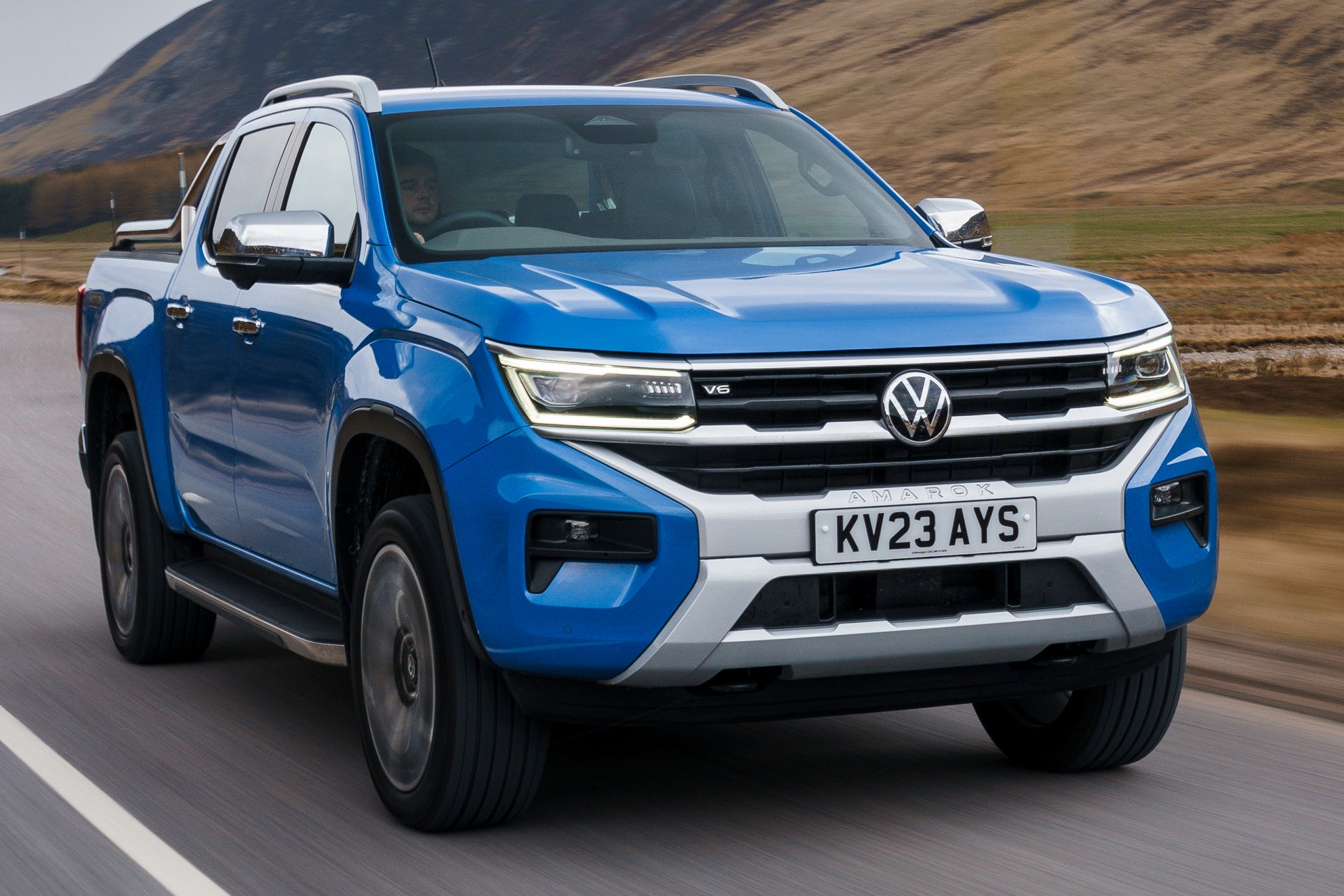
The previous-generation Volkswagen Amarok remains a very convincing used pick-up if you want something that blends genuine working ability with a more polished and more car-like feel than many rivals managed at the time. It’s not as comfortable as a family SUV, and it’s not especially cheap to run, but the Volkswagen Amarok still feels like one of the more complete double-cab pick-ups of its era. If you want a used pick-up that can work hard during the week and still feel relatively civilised the rest of the time, the older Amarok makes a very strong case.
The Volkswagen Amarok in more detail
The original Volkswagen Amarok arrived in 2011 and immediately stood out because it did not follow the usual pick-up script. Volkswagen was already well established in vans, but a double-cab pick-up felt like a different sort of challenge.
At launch, the Volkswagen Amarok looked slightly unusual in the class because it relied on relatively small-capacity 2.0-litre diesels rather than the larger engines buyers expected in a one-tonne truck. Those engines were capable enough, but they never quite gave the Amarok the muscle its weight, towing brief and premium pitch really demanded.
That changed when Volkswagen introduced the 3.0-litre V6 diesel. That engine transformed the Amarok from an interesting premium alternative into a genuinely compelling used pick-up. It gave the truck the easy low-down shove it always needed, improved towing manners and made the whole thing feel more relaxed and more complete.
It has now been replaced by the newer Amarok, so this 2011-2022 model should now be treated as a used proposition in its own right rather than as the current pick-up in the showroom. That suits it well. The old Volkswagen Amarok still has real strengths in the used market, especially if you want a more polished cabin, a practical load bed and the appeal of that V6.
What's the best Volkswagen Amarok trim and engine option?
For most used buyers, our recommendation is a Volkswagen Amarok Highline with the 3.0-litre V6 diesel.
That is the version that best captures what made the Amarok appealing in the first place. You get the stronger engine, the smoother automatic gearbox and enough standard kit to make the truck feel properly upmarket without straying into the pricier limited-edition territory.
Trendline still makes sense if you want something simpler and slightly tougher looking, but the V6 is the real prize here. It is the engine that makes the previous-generation Volkswagen Amarok feel like a premium used pick-up rather than just a smart-looking one.
What’s the price of the Volkswagen Amarok?
Used Volkswagen Amarok prices now start from around £10,000 including VAT for older, high-mileage 2.0-litre examples, with later V6 Highline and limited-edition models costing significantly more.
The best used examples are not cheap because the Amarok still carries plenty of appeal, especially in V6 form. Budget carefully, because a tempting bargain at the bottom of the market can quickly stop looking like one if specification, condition and service history are not right.
Alternatives to the Volkswagen Amarok
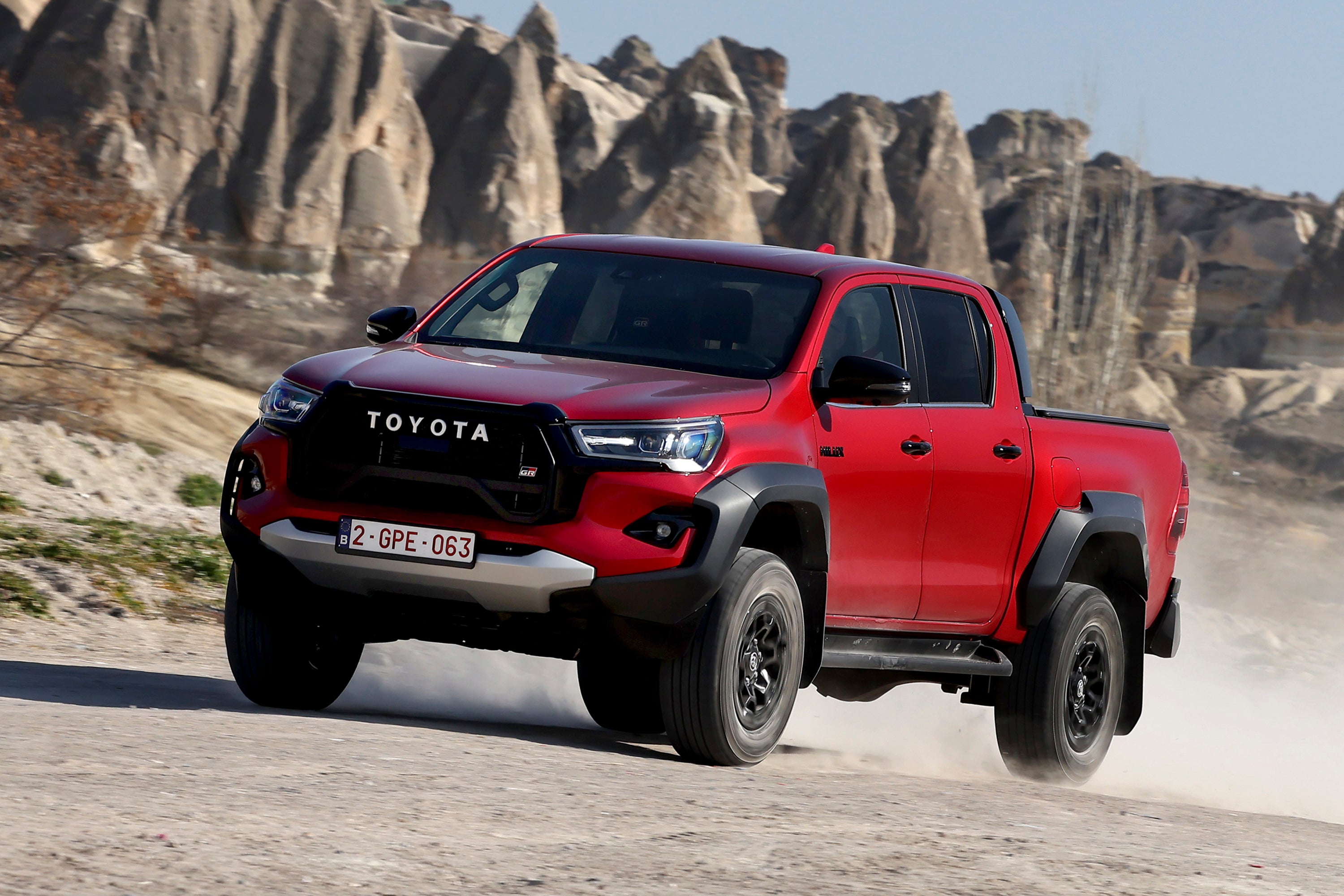
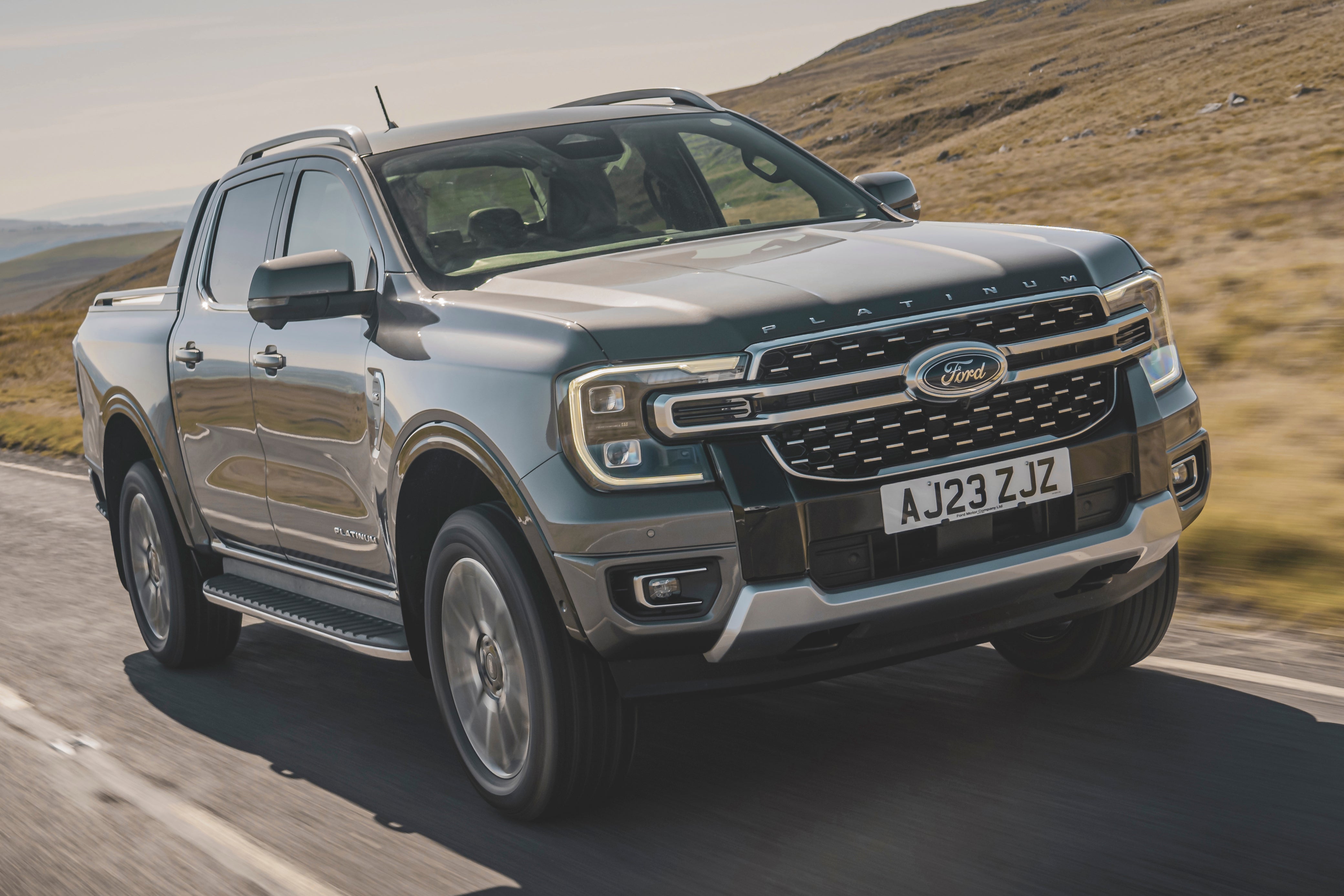
The Ford Ranger is the obvious rival and often the easiest one to recommend if breadth of range matters. The Toyota Hilux remains the dependable workhorse choice, while the Nissan Navara and Mercedes-Benz X-Class push harder on comfort and SUV-style appeal.
The older Volkswagen Amarok’s strength is that it still feels a little more polished than a Hilux or Ranger in the cabin, while also offering the sort of broad-shouldered practicality pick-up buyers actually need.
What's the interior like in the Volkswagen Amarok?
The Volkswagen Amarok’s cabin was one of the reasons it felt more premium than many rival pick-ups, and it still holds up reasonably well as a used proposition.
Volkswagen Amarok boot space and practicality
The previous-generation Volkswagen Amarok was offered as a double-cab only in the UK, which tells you a lot about where it sat in the market. This was a pick-up aimed as much at mixed work-and-family use as at pure site duty.
The big practical plus is the load bed. At 1,555mm long and 1,620mm wide, with 1,222mm between the rear wheel arches, the Amarok can take a Euro pallet sideways. That was a genuine point of difference and remains one of the most useful things about it.
Payload ranges from 1,070kg to 1,146kg depending on version, which keeps the Volkswagen Amarok on the right side of the commercial-vehicle argument. Towing capacity peaks at 3,100kg for the V6 models and 3,200kg for some of the earlier 2.0 BiTDI versions.
Inside, the double-cab layout gives the Volkswagen Amarok genuine rear-seat usefulness. It’s not a limousine, but it will carry four adults comfortably enough, and the cabin is roomy enough to make family or crew use realistic.
Volkswagen Amarok dimensions
The Volkswagen Amarok measures 5,254mm long, 1,954mm wide and 1,834mm high.
That makes it a sizeable thing in town and a poor fit for many city-centre car parks, but the upright shape, commanding driving position and good visibility make it more manageable than the numbers first suggest.
Tech and infotainment in the Volkswagen Amarok
Infotainment improved over the Amarok’s life. Later vans gained a better touchscreen setup with smartphone connectivity, and those later systems still feel fairly usable today.
Trendline models get a 6.3-inch touchscreen with DAB, Apple CarPlay and Android Auto, while Highline adds navigation and extra off-road information screens. It’s not cutting-edge now, but it remains clear, responsive and easier to use than plenty of older commercial systems.
Materials available on the Volkswagen Amarok
The Volkswagen Amarok never had a flashy interior, but it did have a cabin that felt more car-like and more carefully assembled than many rivals.
There are lots of hard plastics, as you would expect in a pick-up, but the design is sensible, the switchgear is solid and the overall quality holds up well. Highline trim adds leather and a touch more comfort, though cloth seats in lower trims may actually wear working life better.
What's the Volkswagen Amarok like to drive?
The previous-generation Volkswagen Amarok feels more polished than many pick-ups from the same era, even if it never quite escapes the compromises that come with being a one-tonne truck.
Volkswagen Amarok range and performance
Early Amaroks relied on 2.0-litre four-cylinder diesels, either single- or twin-turbocharged depending on version. They did the job, but in a vehicle of this size they could feel stretched when towing, climbing or fully loaded.
The V6 is the engine that matters most in the used market. Volkswagen introduced the 3.0-litre diesel in 2016, initially in 204PS and 224PS forms, later adding the 258PS version with an overboost function. That engine gives the Amarok the effortless shove and refinement the older four-cylinder units lacked.
Later V6 versions paired the engine with an eight-speed automatic and permanent 4Motion all-wheel drive as standard, which is the configuration most buyers should actively seek out.
Performance data
| Model | Engine/battery size | Power | 0-62mph | Range/MPG |
|---|---|---|---|---|
Volkswagen Amarok 2.0 TDI | 2.0-litre diesel manual | 140PS | Around 12.6 seconds | 36 to 37mpg |
Volkswagen Amarok 2.0 BiTDI | 2.0-litre diesel manual or automatic | 180PS | Around 10.9 seconds | 36 to 37mpg |
Volkswagen Amarok 3.0 V6 TDI automatic | 3.0-litre diesel automatic | 204PS to 258PS | Around 7.9 to 8.0 seconds | 26 to 28mpg |
Volkswagen Amarok driving and refinement
The Volkswagen Amarok is a big vehicle, and it feels it in town. Parking can be awkward, tight multi-storeys are never fun, and the ride can get bouncy when the load bed is empty.
That is the basic pick-up compromise, and the Amarok doesn’t escape it entirely. But on the open road it settles down nicely, with light steering, decent body control and the sort of long-distance manners that make it much easier to live with than some rivals.
The V6 is the engine that really elevates the experience. It’s quieter, stronger and more relaxed than the older 2.0-litre diesels, and it makes the Amarok feel much more complete on a motorway or when towing.
Off-road performance is strong, too. Permanent 4Motion versions are easy to get along with and do not ask the driver to be an expert. If your pick-up needs to work in mud, on wet grass or across rough sites, the older Volkswagen Amarok still has plenty to offer.
How safe is the Volkswagen Amarok?
The previous-generation Volkswagen Amarok scored four stars with Euro NCAP, which was respectable rather than outstanding. Adult occupant protection was strong, but pedestrian and child-safety scores were weaker.
Standard equipment included driver, passenger and side airbags, along with electronic stability control and hill-start assist. Later versions gained extra systems such as trailer stabilisation and post-collision braking.
Running costs: What it's like to live with a Volkswagen Amarok
Running costs are acceptable for a big pick-up, but nobody should expect them to be low. The Amarok is heavy, bluff-fronted and designed to work.
The older 2.0-litre diesels are officially more economical, but the V6 is so much more convincing to drive that it’s often worth the trade-off. If you are buying an Amarok because you genuinely want an Amarok, that V6 is usually the right place to spend your money.
Volkswagen Amarok fuel economy
The 3.0-litre V6 generally returns official economy of around 26 to 28mpg, which is acceptable for a pick-up of this size and performance. Older 2.0-litre versions claim figures in the mid-30s, though real-world results are usually closer to 30mpg.
As ever with a pick-up, towing, load and tyre choice all make a significant difference, so official figures only tell part of the story.
Volkswagen Amarok warranty and servicing
Any remaining manufacturer warranty will depend on the vehicle’s age, but Volkswagen Commercial Vehicles’ Approved Used scheme is the most reassuring place to start.
Current Approved Used cover applies to vehicles up to 6 years old and up to 100,000 miles at activation. Vehicles up to 3 years old receive 12 months’ warranty and roadside assistance, while vehicles aged 3 to 6 years receive a minimum of 6 months’ warranty and roadside assistance.
Later Amaroks were also part of Volkswagen Commercial Vehicles’ 5 Plus Promise era, so some younger used examples may still carry remaining benefit from that package, depending on age and service history.
Volkswagen Amarok insurance groups
Insurance sits towards the top end of the pick-up class, with most versions landing between groups 41E and 46E.
That means the Amarok is unlikely to be a cheap pick-up to insure, especially in V6 or limited-edition form, so it is worth checking quotes before you commit.
How much does it cost to tax a Volkswagen Amarok?
The Volkswagen Amarok qualifies for light-commercial vehicle taxation because its payload exceeds one tonne. From 1 April 2026, the standard annual rate for light goods vehicles is £360.
That keeps the annual tax treatment straightforward, though it’s still worth checking the exact classification of any converted or heavily modified example.
What trims are available with the Volkswagen Amarok?
As a used buy, the main Volkswagen Amarok trims are Startline, Trendline and Highline, with numerous limited editions sitting above them.
Startline is the basic workhorse, and it makes the least sense for most private buyers. Trendline is usually the better-value entry point because it balances comfort and practicality well.
Highline is the trim most used buyers should actively look for. It brought leather seats, parking sensors, a rear-view camera, xenon headlights and dual-zone climate control, which all help the Amarok feel more complete and more premium.
Limited editions add image appeal and extra kit, but they also push prices up and often bring bigger wheels that do the ride no favours.
Ask the Drive experts: common questions
Is the previous Volkswagen Amarok still worth buying?
Which Volkswagen Amarok engine is best?
Is the Volkswagen Amarok good off-road?
Should I buy the old Volkswagen Amarok or the newer one?
Get our latest advice, news and offers
Keep me updated by email with the latest advice, news and offers from Drive.
.jpg)