Volkswagen Multivan Review

Written By Andrew Brady
- 2021
- MPV
- Diesel, petrol, plug-in hybrid
What we love
Genuinely versatile cabin
Easier to drive than van-based MPVs
Excellent safety and family-friendly tech
Things to consider
Seat configuration has a big effect on everyday usability
eHybrid makes most sense if you can charge regularly
Diesel remains the better fit for frequent long-distance use
The DRIVE take on the Volkswagen Multivan, is it the right car for you?
The Volkswagen Multivan is one of the most convincing large family MPVs on sale if you need proper versatility but do not want to feel as though you are driving a commercial vehicle every day. It is spacious, cleverly packaged and much more car-like on the road than most van-based alternatives, which makes it very easy to recommend for big families or anyone who regularly carries people and bulky kit. It is not cheap, and some of the cabin materials are a bit plain at this price, but if you need flexibility that no SUV can really match, the Volkswagen Multivan deserves serious consideration.
The Volkswagen Multivan in more detail
The Volkswagen Multivan replaces the old Caravelle with a very different approach. Where the old car leaned heavily on its van origins, the newer Multivan moves closer to a large, family-focused MPV that just happens to look rather boxy. That matters because it changes the way the car feels both on the road and inside.
The big story is what sits underneath. Unlike many of its main rivals, the Multivan is not based on a commercial-vehicle platform. Instead, it uses the same broad architecture as a range of Volkswagen passenger cars, and that gives it a more car-like feel on the move along with access to more modern safety and infotainment systems. It still looks substantial, but it does not feel as intimidating as a traditional van-based people carrier.
That is only part of the appeal, though. The Multivan remains a seriously versatile machine, and that is still its biggest strength. You get seven seats as standard, clever sliding and removable rear chairs, a flat floor and enough cabin flexibility to make most seven-seat SUVs feel compromised. If you regularly carry children, sports kit, bikes, luggage or a mix of all four, the Multivan makes a lot of sense very quickly.
The current UK range is broader than some rivals manage. Life and Style trims are offered in standard and long forms, with the engine line-up spanning a 150PS 2.0-litre TDI, a 204PS 2.0-litre TSI and the 245PS eHybrid 4MOTION. That means there is now a Multivan that can suit buyers doing regular motorway miles, those who want smoother petrol power and those who can make proper use of plug-in hybrid commuting.
The question mark sits over value. The Volkswagen Multivan is not cheap, and once you start moving beyond the entry-level versions, it gets very close to premium-badged alternatives. It is also not quite as plush inside as the price may lead you to expect, particularly if you are coming out of a high-spec SUV rather than an older MPV or van.
Even so, the Multivan remains a deeply appealing thing. It is one of those rare cars that answers a very specific need better than almost anything else on sale today.
What's the best Volkswagen Multivan trim and engine option?
For most buyers, the best all-round choice is the Volkswagen Multivan Life 2.0 TDI in standard length. It gives you all of the Multivan’s core strengths without pushing the price into truly eye-watering territory, and the diesel still makes a lot of sense in a big, boxy people carrier that may spend plenty of time on the motorway.
The eHybrid 4MOTION has obvious appeal if your use case suits it. On paper, a large family MPV with meaningful electric range is a very attractive idea, and for shorter, charge-friendly routines it can make real sense. But it is expensive, heavier and not as comfortable over rougher roads, so it is not the automatic default choice.
Style trim looks tempting, and it does add some worthwhile convenience features, but Life already has enough equipment for most buyers. As with so many big family cars, the sweet spot is usually lower down the range rather than at the top.
What’s the price of the Volkswagen Multivan?
The Volkswagen Multivan currently starts at £50,683 for the standard-length Life 2.0 TDI and rises to £67,999 for the long-wheelbase Style 2.0 TSI. That gives the range a very broad spread, but it also underlines how far the Multivan now reaches into premium-car money.
The long-wheelbase versions cost a sensible amount more rather than an alarming one, so if you genuinely need the extra load length, they are easy enough to justify. The bigger jump comes when you move up trim levels and engines, especially once you start looking at Style petrol or eHybrid versions.
This is not a bargain buy. It is a specialist one. The Multivan’s defence is that there is still very little else that combines this much flexibility with this level of car-like usability.
Alternatives to the Volkswagen Multivan
The Ford Tourneo Custom is one of the biggest rivals. It is hugely practical, widely available and now much improved inside, but it still feels more van-like in the way it drives and presents itself.
The Mercedes-Benz V-Class is the obvious premium alternative. It feels more luxurious and more overtly upmarket than the Volkswagen, but it is also more expensive and can feel a bit more cumbersome on tighter roads.
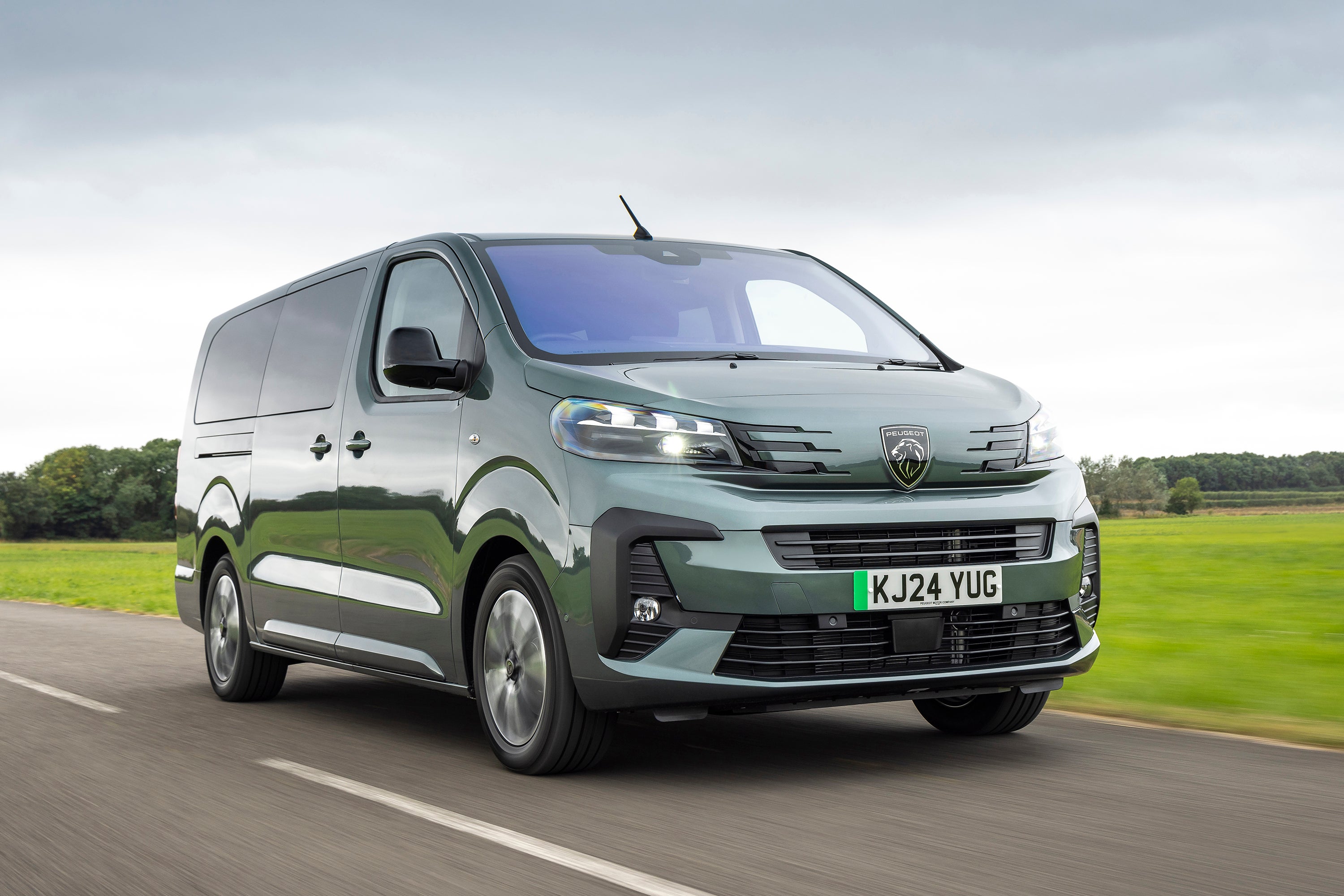
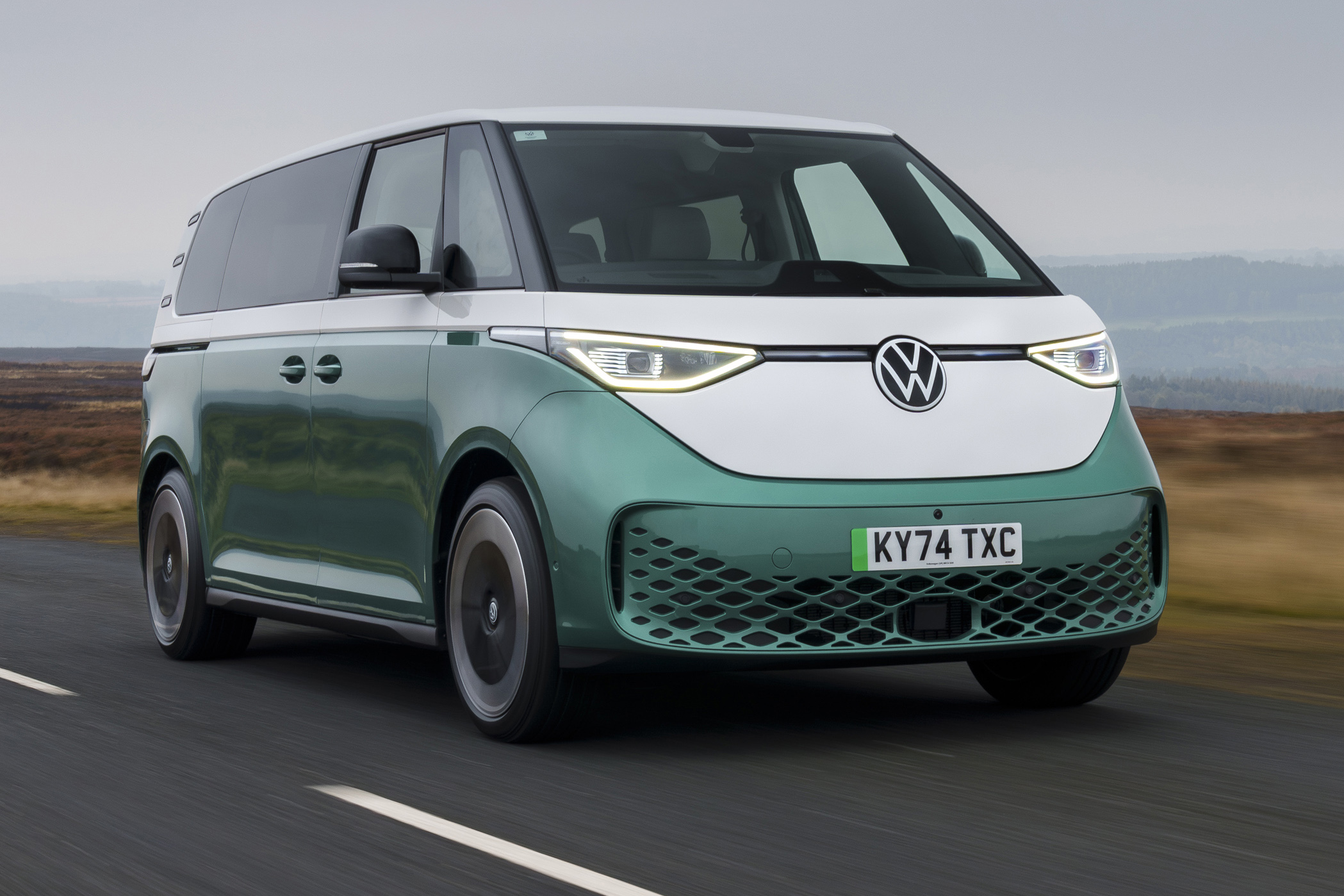
The Peugeot E-Traveller, Citroen e-SpaceTourer and Toyota Proace Verso offer a more utilitarian take on the same brief, while the Volkswagen ID.Buzz is the more style-led alternative from within the wider brand family if you can live with less outright space and different seating priorities.
If you are only occasionally using the third row and do not need removable seats, a large seven-seat SUV such as the Skoda Kodiaq is worth considering. But if maximum cabin flexibility is the whole point, the Multivan still stands apart.
What's the interior like in the Volkswagen Multivan?
The Volkswagen Multivan does a good job of making you forget you are in something this large. From the front seats, it feels much more like a big Volkswagen car than a commercial vehicle, which is exactly what many buyers will want.
Volkswagen Multivan boot space and practicality
Practicality is the Volkswagen Multivan’s main event, and it does not disappoint. The flat floor and clever seat rails make it easy to tailor the cabin to whatever you need on a given day, whether that is seven seats, a load of luggage or something in between.
The seats themselves are lighter than those in the old Caravelle, which makes them less intimidating to move around or remove altogether. The standard-length car offers 469 litres of boot space behind the third row, extending to 1,844 litres behind the second row and a van-like 3,672 litres with the rear seats removed. If you choose the panoramic roof, usable capacity rises slightly further.
That means the Multivan is one of those rare family cars that can genuinely replace both an MPV and a van for some buyers. It is not just spacious. It is properly configurable, and that is a much bigger deal.
The long version adds another layer of usefulness. It stretches the rear overhang rather than the wheelbase, which means you gain more luggage flexibility without dramatically changing how the car behaves from the driver’s seat.
Volkswagen Multivan dimensions
The standard Volkswagen Multivan measures 4,973mm long, 1,941mm wide and 1,909mm high. The long-wheelbase-style alternative stretches to 5,173mm in length.
That still makes for a very substantial vehicle, but one of the Multivan’s key strengths is that it never feels quite as cumbersome as the dimensions suggest. It is large, yes, but it is manageable.
Tech and infotainment in the Volkswagen Multivan
The Multivan’s dashboard layout is much closer to a Volkswagen Golf than a traditional van, and that is mostly a good thing. A digital instrument display and central touchscreen bring the car into line with Volkswagen’s broader passenger-car range, while wireless smartphone connectivity and modern driver-assistance systems help it feel up to date.
There are still some frustrations in the way Volkswagen structures its touchscreen menus, especially if you are used to older, button-heavy dashboards, but the overall setup is far better than the van norm. Style models also bring stronger standard tech, including Digital Cockpit Pro and integrated navigation.
Materials available on the Volkswagen Multivan
The Volkswagen Multivan uses a mix of materials that prioritise durability and easy cleaning over a more decorative, lounge-like feel. Across much of the cabin you’ll find hard-wearing moulded plastics, particularly lower down on the dashboard, centre console and door panels, while the upper dash and key touchpoints have a softer, more visually polished finish.
Seat upholstery varies by trim, with cloth, microfleece-style and leather-look finishes all appearing across the range, while higher-spec versions add smarter contrast stitching and more decorative trim inserts. The overall look is clean and contemporary rather than overtly luxurious, with muted colours and simple surfaces doing most of the visual work.
That makes the Multivan feel more like a thoughtfully designed family people carrier than a plush MPV. The materials are chosen to cope with children, luggage and regular use, so the emphasis is on practicality, wipe-clean surfaces and trim that won’t look out of place after a few busy years of family life.
What's the Volkswagen Multivan like to drive?
The Volkswagen Multivan’s biggest dynamic strength is that it feels more car-like than you expect. It does not turn into a giant Golf, obviously, but it is easier, lighter and less intimidating to drive than many large people carriers.
Volkswagen Multivan range and performance
The current UK range starts with a 150PS 2.0-litre TDI diesel and stretches to a 204PS 2.0-litre TSI petrol, while the eHybrid 4MOTION combines a 1.5-litre petrol engine and electric motor for a total of 245PS.
The diesel is the sensible choice for most buyers covering distance. It has enough punch for motorway work and suits the Multivan’s relaxed, load-carrying character well. The petrol is smoother and more refined, but it is also the thirstiest choice in the range.
The eHybrid is the most technically interesting. With 245PS and up to 57 miles of official electric range, it gives the Multivan a genuinely useful electric commuting capability that remains unusual in this class.
Performance data
| Model | Engine/battery size | Power | 0-62mph | Range/MPG |
|---|---|---|---|---|
Volkswagen Multivan 2.0 TDI DSG | 2.0-litre diesel automatic | 150PS | 11.6 seconds | Up to 43.5mpg |
Volkswagen Multivan eHybrid 4MOTION DSG | 1.5-litre plug-in hybrid automatic | 245PS | 9.4 seconds | Up to 57 miles electric range |
Volkswagen Multivan 2.0 TSI DSG | 2.0-litre petrol automatic | 204PS | 9.2 seconds | Up to 31.7mpg |
Volkswagen Multivan driving and refinement
The Volkswagen Multivan is very easy to drive for something so large. Light steering, strong visibility and a relatively tight turning circle all help it feel manageable in town, while the optional 360-degree camera makes a real difference when parking.
Out on the road, the Multivan stays composed and predictable. It leans a bit in corners, as you would expect, but it never feels unruly. The biggest surprise is how uncommercial it feels. This is a car designed to carry people first, not a van awkwardly adapted to do so.
The main weak spot is ride quality over rougher surfaces. There is a bit of clatter and jiggle that reminds you of the Multivan’s size and weight, and the eHybrid is the least settled version because of the extra mass of the battery. Even so, the overall impression is still far more car-like than most direct alternatives.
How safe is the Volkswagen Multivan?
The Volkswagen Multivan originally earned a five-star Euro NCAP rating in 2022, but after Euro NCAP’s 2025 reassessment, it now sits on a four-star rating under the newer criteria. That is still a solid result for a vehicle of this size and type.
Safety equipment is a strong point. The Multivan comes with a broad spread of driver-assistance systems, including autonomous emergency braking, lane support, a rear-view camera, and the sort of active safety kit family buyers now expect as standard.
Running costs: What it's like to live with a Volkswagen Multivan
The Volkswagen Multivan is never going to be a cheap thing to run in absolute terms, but it should still be easier to live with than many van-based alternatives. Servicing and general day-to-day use are helped by the fact it behaves more like a passenger car than a commercial vehicle.
Volkswagen Multivan fuel economy
Official figures vary widely depending on which engine you choose. The 2.0 TDI manages up to 43.5mpg, the 2.0 TSI petrol sits at up to 31.7mpg, and the eHybrid posts an official figure of up to 353.1mpg when used in the way the test cycle expects.
As ever with a plug-in hybrid, that headline number only really means much if you charge frequently and do a lot of shorter trips electrically. Ignore the battery and the eHybrid becomes a much less compelling value proposition.
Volkswagen Multivan warranty and servicing
The Volkswagen Multivan comes with a three-year, 60,000-mile warranty, which is about what you would expect in this part of the market, rather than a standout selling point.
Servicing schedules vary depending on engine and use, but this is still a relatively complex and expensive machine, so it is worth checking the maintenance regime carefully and budgeting properly if you plan to keep one beyond the initial ownership period.
Volkswagen Multivan insurance groups
Insurance groups span a wide range across the lineup. Current figures run from group 26 for the diesel to group 38 for higher-spec eHybrid versions.
That gives the diesel another quiet point in its favour for many private buyers, while the hybrid’s stronger tax position may matter more to some business users.
How much does it cost to tax a Volkswagen Multivan?
From the second year onwards, the current standard VED rate for petrol, diesel and hybrid cars is £200 a year. Cars with a list price above £40,000 also pay the Expensive Car Supplement for five years from the second licence, taking the annual bill to £640 during that period.
That is relevant here because every current Volkswagen Multivan sits above the £40,000 threshold, so all new versions are caught by the higher annual charge. This is not an EV, so the separate £50,000 zero-emission threshold does not apply.
What trims are available with the Volkswagen Multivan?
The Volkswagen Multivan range is split between Life and Style trims, each offered in standard and long forms.
Life already covers the essentials well. You get seven seats, a 10-inch infotainment system, alloy wheels, twin sliding side doors and the features that make the Multivan appealing as a practical family machine.
Style adds the more premium-feeling touches, including IQ.LIGHT matrix LED headlights, Park Assist, electric sliding doors, a power tailgate and stronger infotainment equipment. It is the version that best suits the Multivan’s more upmarket ambitions, but it also pushes the price up quickly.
For most buyers, Life remains the sensible choice. Style is easier to justify if you know you will use its added convenience features every day.
Ask the Drive experts: common questions
Is the Volkswagen Multivan based on a van?
How many seats does the Volkswagen Multivan have?
Which Volkswagen Multivan engine is best?
Is the Volkswagen Multivan better than a seven-seat SUV?
Get our latest advice, news and offers
Keep me updated by email with the latest advice, news and offers from Drive.
.jpg)