26/06/2026
Cars with solar roofs: which models use solar power?

Written By David Ross
Cars with solar roofs: which models use solar power?
As electric cars become more efficient, manufacturers are looking at every possible way to squeeze a few extra miles from a battery charge. One of the most interesting innovations is solar technology. Once reserved for wacky concept cars, solar panels are now appearing on production models, helping to generate free energy whenever a car is parked in the sun.
Before you get too excited, today's solar roofs won't eliminate the need to plug in. Instead, they act as an efficiency boost, either topping up the high-voltage battery or supplying power to the car's electrical systems. The result is lower energy consumption, slightly reduced charging costs and, in some cases, a few extra miles of driving range over the course of a year.
How do solar panels on cars work?
Solar-equipped cars use photovoltaic cells built into the roof – and occasionally the bonnet – to convert sunlight into electricity. Depending on the manufacturer, that electricity is either fed into the car's high-voltage battery or used to support the 12V electrical system which powers things such as lighting, infotainment and other onboard electronics.
The amount of energy generated depends on the size of the solar panel, how much sunlight it receives and where you live. In the UK, a solar roof won't replace charging from a home wallbox or public charger, but it can recover a useful amount of energy while the car is parked outside. Over the course of a year, some manufacturers estimate their systems can contribute several hundred miles of additional driving, while also reducing the amount of electricity owners need to buy from the grid.
Which cars have solar panels roofs?
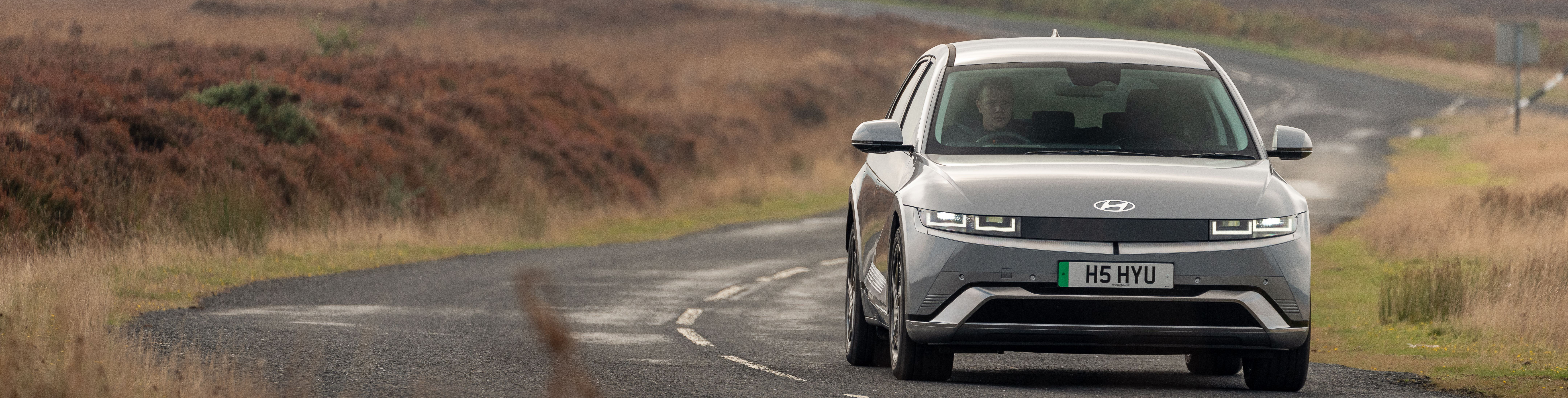
1. Hyundai Ioniq 5
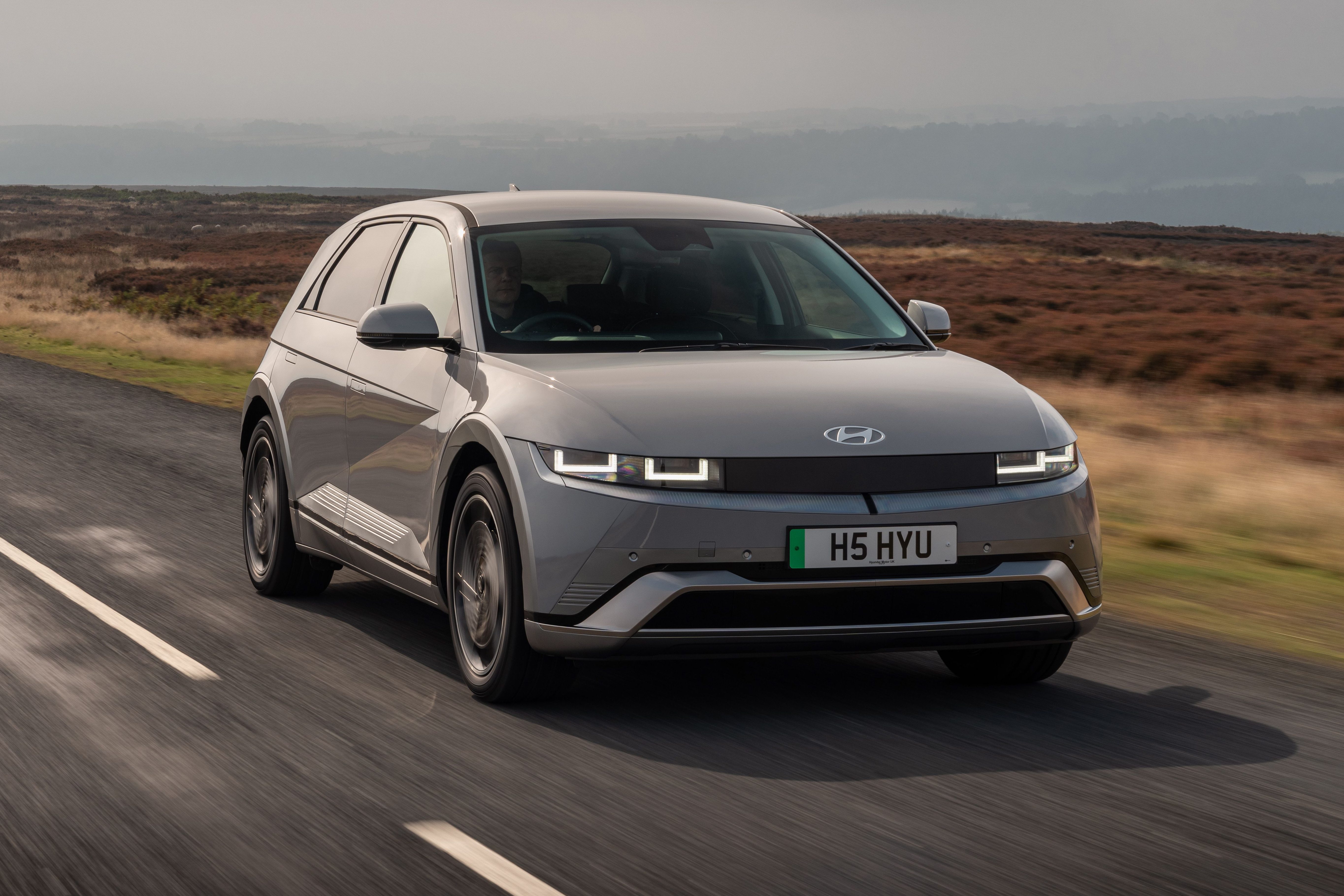
The Hyundai Ioniq 5 was one of the first mainstream electric cars to offer a solar roof, showing that the tech was not just for concept cars. Rather than replacing conventional charging, the optional roof uses photovoltaic cells to trickle charge the high-voltage battery whenever the car is parked or driving in sunlight. Hyundai estimates that, in ideal conditions, it could add around 1000 miles of driving over the course of a year.
In reality, the benefits depend heavily on where you live and how often the car is left outside. UK drivers are unlikely to see the same gains as those in sunnier climes, but it all helps. The solar roof also reduces the amount of energy drawn from the battery to support the car's electrical systems, helping to eke out a little more range. Combined with the Ioniq 5's impressive efficiency and distinctive retro-inspired styling, it's one of the best examples of production solar technology available today.
2. Mercedes CLA
.jpg)
The latest Mercedes-Benz CLA introduces one of the most sophisticated solar roof systems yet fitted to a production car. Inspired by the Vision EQXX concept, the roof incorporates around 170 ultra-thin solar cells that continuously generate electricity whenever exposed to sunlight.
Rather than attempting to charge the main drive battery directly, Mercedes uses the energy to support the car's 12V electrical system. That means features such as the infotainment system and lighting use less energy from the high-voltage battery. Mercedes estimates that, depending on climate and usage, the system can contribute a "useful amount" of free energy over the course of a year. However that much may be.
It's an approach that works within the current limitations of solar technology. Instead of making promises about dramatically increasing driving range, Mercedes uses the panels to reduce the car's everyday energy consumption.
3. Toyota Prius Plug-in Hybrid
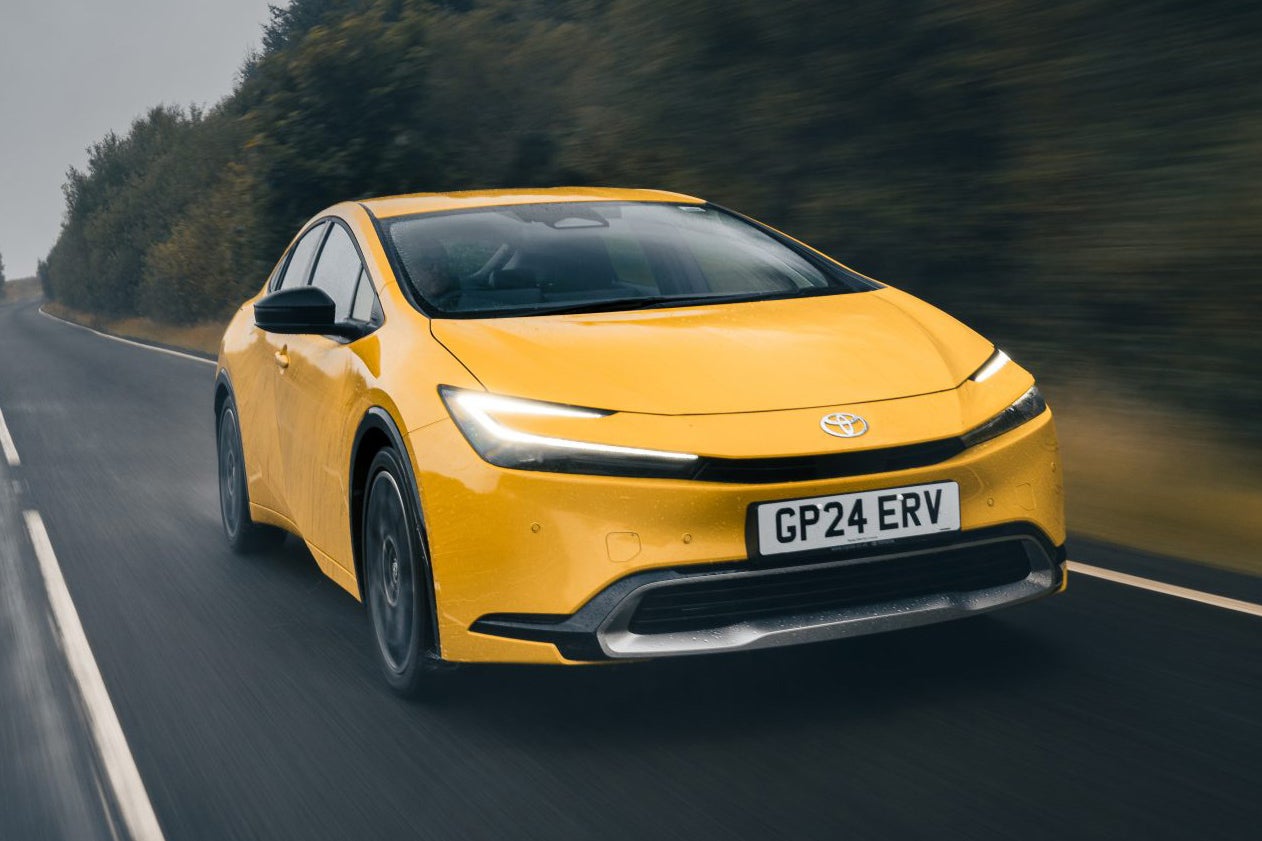
Toyota has been experimenting with solar roofs for more than 15 years, and the latest Toyota Prius Plug-in Hybrid features one of the most advanced systems currently available. Unlike earlier versions that simply powered the ventilation system, the latest roof can generate electricity for both the 12V battery and – under the right conditions – feed energy into the traction battery. Unfortunately while it's available elsewhere, Toyota hasn't launched it in the UK yet.
Toyota says this can add several miles of electric range over the course of a sunny day, although the UK weather would mean most owners would see smaller gains. Which is probably why Toyota is reluctant to launch it here.
The biggest benefit comes from reducing the amount of electricity that needs to come from the mains, lowering running costs over time. It also helps keep the auxiliary battery charged if the car is left parked for long periods. While it's no substitute for plugging in, the Prius demonstrates how solar technology is becoming a useful supplement rather than just an interesting novelty.
4. Toyota bZ4X
.jpg)
Toyota's first dedicated electric SUV, the Toyota bZ4X is available with an optional solar roof in some countries, although we're still waiting for it to come to the UK. The roof continuously generate energy from sunlight when conditions allow, helping to reduce the amount of power drawn from the grid.
Like every production solar roof currently on sale, the gains are modest rather than exceptional. The panels won't eliminate charging, but they can add some energy while the car sits parked outside at home or work. The system also helps support the vehicle's electrical systems, improving overall efficiency.
The bZ4X has a heat pump fitted as standard and aerodynamic detailing to maximise range. The solar roof gives owners another small but useful way to reduce energy consumption. Hopefully it comes to the UK sooner rather than later.
5. Hyundai Sonata Hybrid
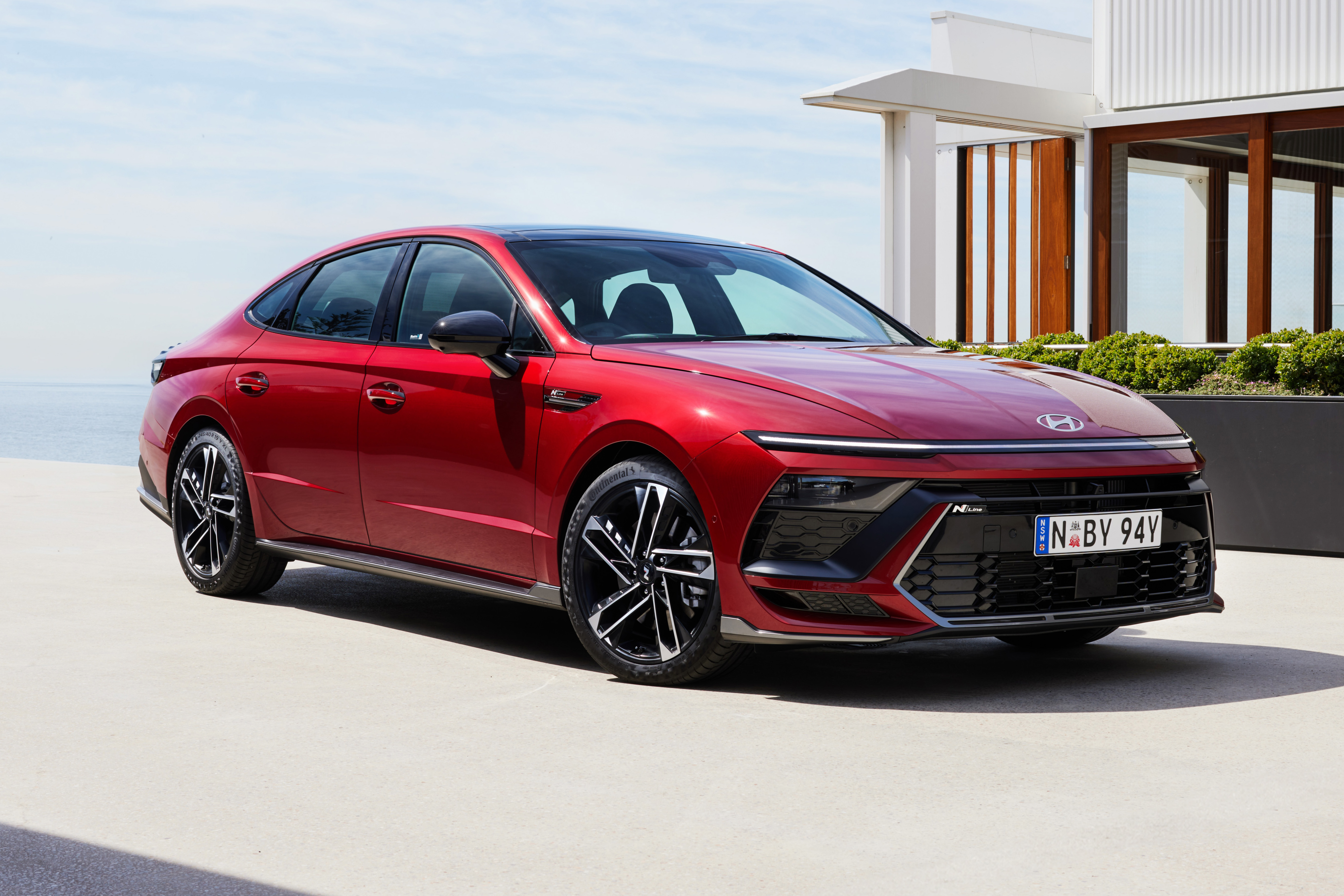
Although it has never officially been sold in the UK, the Hyundai Sonata Hybrid deserves a mention because it helped bring solar roofs into the mainstream. Introduced in 2019, its optional solar roof was designed to top up the hybrid battery while the car was parked or driving, with Hyundai claiming it could recover enough electricity to provide around 800 to 1,000 miles of additional driving over the course of a year. In favourable conditions of course.
The Sonata also shows that solar panels can be integrated neatly into a family car without making it look awful. Crucially perhaps, it's a good example of solar technology adding real-world range rather than simply being a gimmick. Much of what Hyundai learned from the Sonata has since been applied to newer electric models such as the Hyundai Ioniq 5, making it an important milestone in the development of solar tech in cars.
6. Lightyear 0
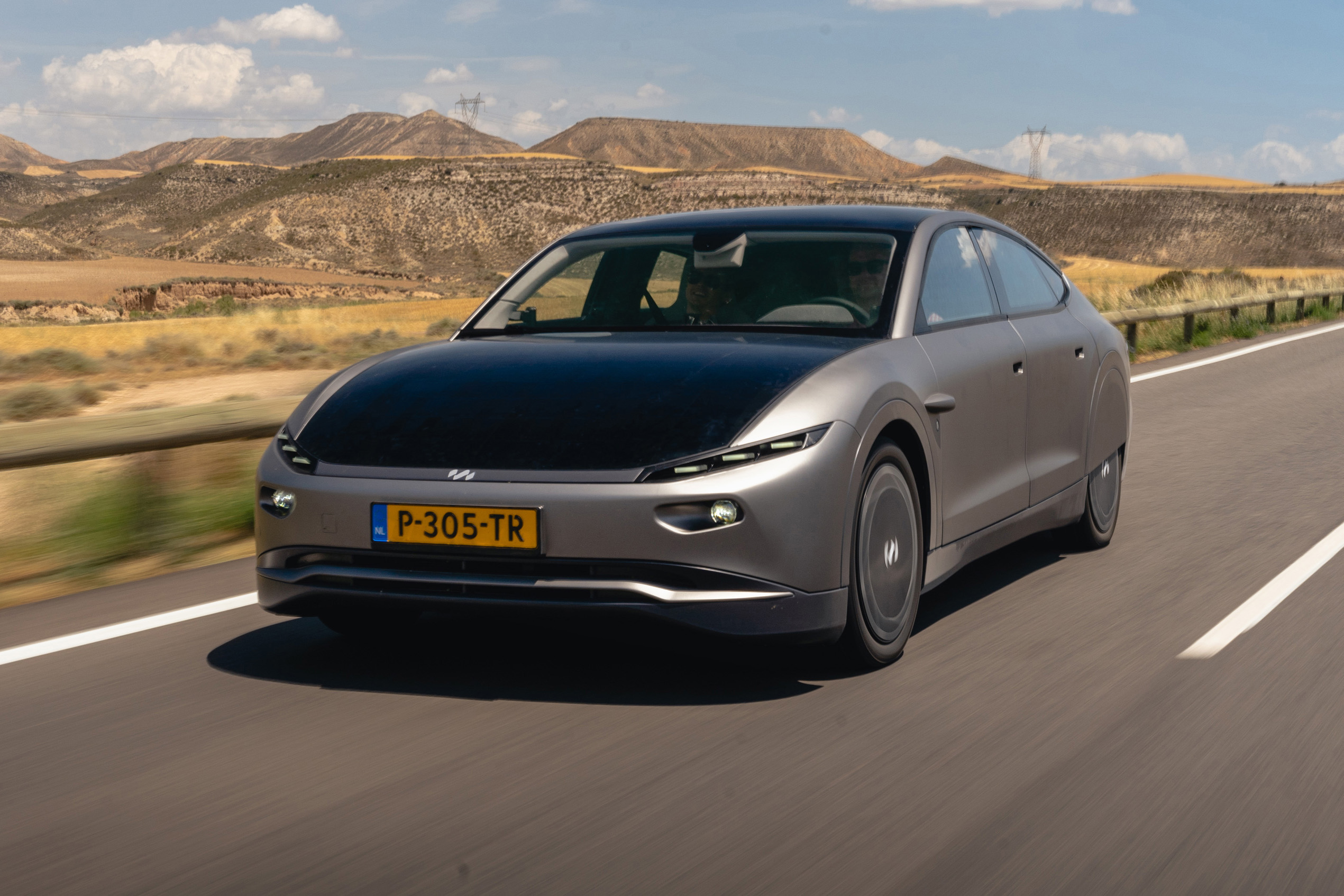
No list of solar-powered cars would be complete without the Lightyear 0. Built by Dutch start-up Lightyear, it was the world's first production car designed around solar charging rather than treating it as an optional extra. Five square metres of solar panels were integrated into the roof and bonnet, allowing the car to recover energy whenever it was exposed to sunlight.
In ideal conditions, Lightyear claimed owners could cover thousands of miles each year using solar energy alone, particularly in sunny climates. That made it unlike any other production EV. Unfortunately, its innovative engineering came at a huge cost, with prices exceeding €250,000, and production ended after only a handful of cars were built.
Although commercially unsuccessful, the Lightyear 0 proved that solar-powered motoring is technically possible. Many of the lessons learned from the project are likely to influence future production cars as solar technology becomes cheaper, lighter and more efficient.
What are the benefits of a solar roof?
While the gains are relatively modest, solar roofs offer several genuine advantages.
Reduced energy consumption
Every unit of electricity generated by the solar panels is energy that doesn't need to come from the charging cable. Over time, this can help reduce running costs, particularly if the car spends much of its day parked outside.
Helps maintain battery charge
Some systems can offset part of the energy used by the car while it's parked, helping to keep the battery topped up during extended periods away from a charger.
Improved efficiency
Whether the energy is used to support the 12V electrical system or supplement the high-voltage battery, the aim is always to make the car as efficient as possible.
Is a solar roof worth it in the UK?
The UK might not enjoy year-round sunshine, but modern solar panels can still generate electricity even on bright, overcast days. Naturally, the biggest benefits come during spring and summer when daylight hours are longer and sunlight is stronger.
For most drivers, a solar roof should be viewed as a useful bonus rather than a deciding factor when buying a car. It won't dramatically increase your range or eliminate charging stops, but it can reduce the amount of electricity you need to plug in over the course of a year. If you regularly park outside at home or at work, solar is likely to work better than if your car spends most of its life in a garage...
What this means for you
Solar roofs are still in their early days, but they're becoming a practical way of making electric cars more efficient. Rather than replacing conventional charging, they cleverly harvest energy whenever it's bright enough helping to lower your running costs.
As battery technology and solar cells continue to improve, these systems are likely to become more common across both electric and hybrid models. For now, a solar roof is a clever extra that complements an EV, rather than something that transforms it.
Currently, no mainstream car can run purely on solar power for daily use. The panels provide a top up to the main battery, usually adding a few miles of range per day.
Yes, but at a reduced capacity. Solar cells can still harvest energy from daylight even when the sun isn't directly visible, though the charging rate will be significantly lower than on a clear day.
Because the cells are typically embedded under toughened glass, they are as durable as a standard panoramic sunroof. However, if the glass is cracked, the repair can be more expensive than a metal roof, so ensure your insurance covers glass replacement.
The output is much lower in the winter due to the shorter days and the sun's lower position in the sky. It is most effective at preventing the battery from discharging while the car is parked for long periods.