Toyota bZ4X Review

Written By Richard Aucock
- 2022
- SUV
- Electric
What we love
Distinctive design inside and out
Big improvement in battery, range and charging story
Genuine all-weather appeal in AWD form
Things to consider
Still not the roomiest boot in the class
Interior quality is mixed in places
Every version is pricey by family-EV standards
The DRIVE take on the Toyota Bz4x, is it the right car for you?
The Toyota bZ4X is a better car than the original version ever suggested it might become. The early model felt like an unusual but slightly compromised first step into the EV world for Toyota, with some awkward questions around range consistency, cold-weather confidence and overall competitiveness. The updated car is much easier to recommend. It now has a broader battery range, stronger power outputs, better charging preparation and a more convincing equipment story. It still is not class-leading for boot space or cabin quality, but if you want an electric family SUV that feels distinctive, secure and a bit different from the obvious alternatives, the bZ4X now makes a much stronger case.
The Toyota Bz4x in more detail
Toyota was late to the modern EV party by the standards of some rivals, and that hesitation showed in the original bZ4X. While other brands had already built up a couple of generations of battery-electric know-how, Toyota launched its first mainstream electric SUV with a shape and name that stood out, but with a package that did not always back that confidence up.
The 2026-model-year bZ4X changes that picture quite significantly. Toyota has revised the car in the areas that mattered most, rather than just fiddling with trim or software. There are now two battery sizes, more power, improved charging capability and a revised line-up that makes more sense.
That matters because the electric family-SUV market is unforgiving. Cars such as the Skoda Enyaq, Tesla Model Y, Kia EV6, Hyundai Ioniq 5 and Volkswagen ID.4 all give buyers plenty of reasons to go elsewhere. The Toyota cannot simply rely on its badge, nor on novelty value.
What the bZ4X still does well is feel a bit different. The styling remains distinctive without being needlessly odd, and the Subaru link underneath means the all-wheel-drive version in particular still has a touch more rough-road credibility than most electric SUVs of this type.
The updated line-up also clarifies the bZ4X’s place in the market. The 57.7kWh front-wheel-drive Icon gives Toyota a more approachable entry point, while the 73.1kWh battery versions are the cars to choose if range and performance are bigger priorities. That split makes far more sense than the one-size-fits-all battery strategy of the old car.
In other words, the bZ4X has gone from being a slightly awkward curiosity to a genuinely credible Toyota EV.
What's the best Toyota Bz4x trim and battery option?
For most buyers, the best Toyota bZ4X is the Design with front-wheel drive and the 73.1kWh battery. It combines the strongest official range in the line-up with the bigger battery, the more desirable standard equipment and a price that still looks just about defensible against the car’s main rivals.
The entry-level Icon has a place because it brings the price down and still comes with a decent amount of standard equipment. It uses the smaller 57.7kWh battery, though, and while that may be enough for some users, it makes the car feel less convincing as an all-round family EV.
At the other end of the line-up, the Excel adds lots of luxury kit, while the all-wheel-drive Excel is the one to choose if you specifically want the extra traction, higher performance and more rugged character. It is also very expensive.
That means Design is the sweet spot. It is the version that feels most like a serious rival to the core family-EV class rather than a niche choice within it.
What’s the price of the Toyota Bz4x?
The Toyota bZ4X currently starts at £38,495 for the Icon with front-wheel drive and the 57.7kWh battery. The Design with the larger 73.1kWh battery is £44,295, while the Excel FWD is £47,495 and the range-topping Excel AWD is £50,045.
That means the bZ4X is still not a bargain. Even the cheapest version is substantial money, and by the time you reach the top of the range the Toyota is expensive enough that some buyers will inevitably be drawn to more spacious or more established EV alternatives.
The mitigating factor is that the new line-up makes more sense. At least buyers now have a properly cheaper entry model and a clearer reason to spend more on the bigger battery.
Alternatives to the Toyota Bz4x
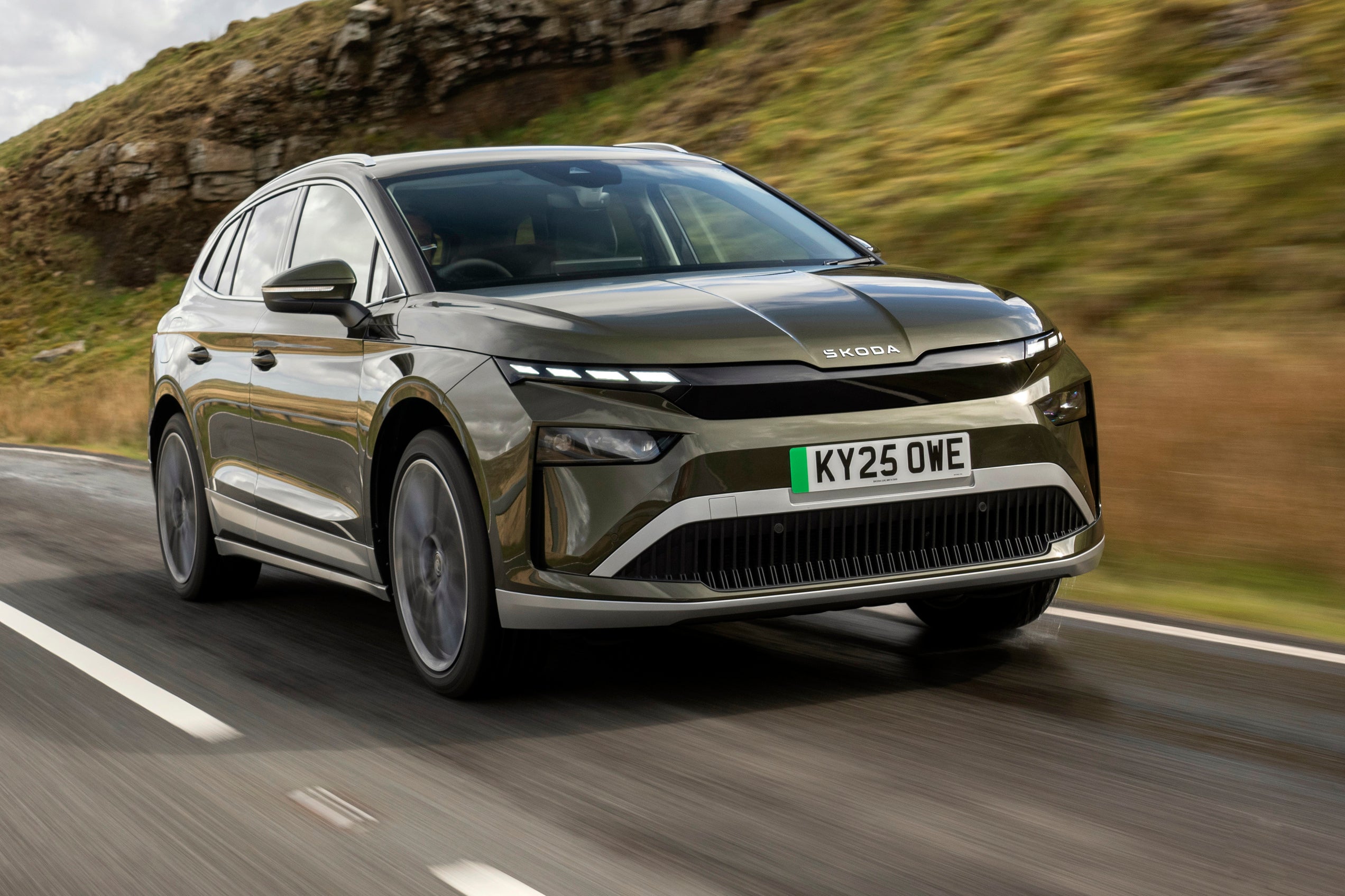
The Skoda Enyaq remains one of the most natural alternatives because it is roomy, easy to live with and generally one of the most rounded electric SUVs in the class. It is less distinctive than the Toyota, but it makes a stronger practical case.
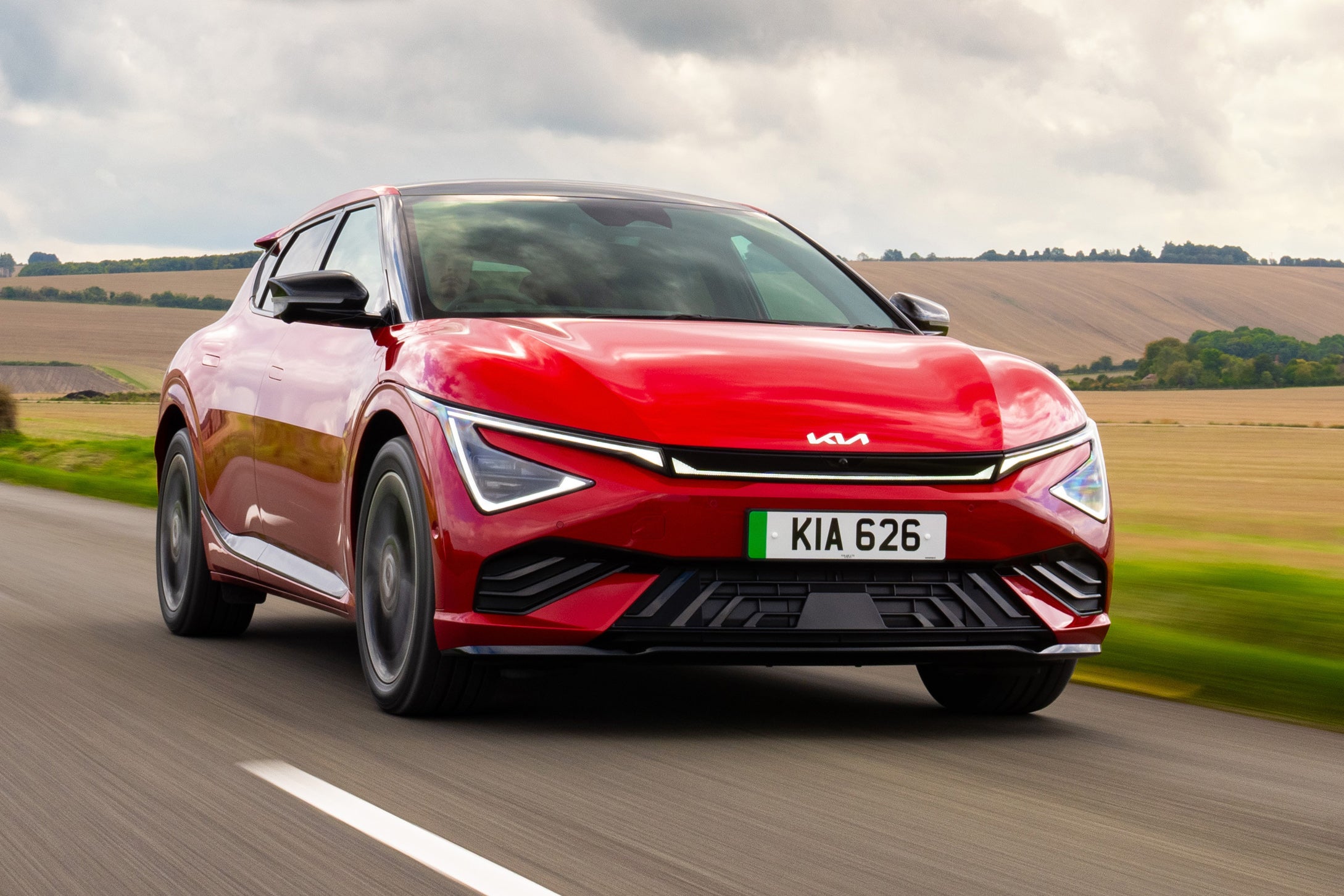
The Kia EV6 is another key rival if you want something that feels more overtly modern, charges faster and has a more premium atmosphere in places. It is still one of the benchmarks here, though the Toyota counters with a more SUV-like feel and a slightly less extrovert cabin.
The Hyundai Ioniq 5 is closely related in spirit to the EV6 but leans harder into comfort and retro-modern design. It remains a very compelling family EV and one the Toyota needs to be measured against seriously.
Beyond those three, the Tesla Model Y and Volkswagen ID.4 both make sense depending on whether you prioritise charging infrastructure, software or simplicity. The Toyota bZ4X makes most sense if you want a family EV that feels different from the mainstream and you are willing to trade some outright practicality for that individuality.
What's the interior like in the Toyota Bz4x?
The bZ4X’s cabin still feels more adventurous than most Toyotas, though it is not quite the unqualified success the exterior design suggests it should be.
Toyota Bz4x boot space and practicality
Passenger space is one of the bZ4X’s strengths. There is a generous amount of room in the front, and the long wheelbase helps rear passengers with legroom too. Families will appreciate the amount of second-row space when it comes to child seats and the general day-to-day sprawl that family life seems to create.
The disappointment is the boot. At 452 litres, it is decent enough in isolation but underwhelming compared with key rivals such as the Skoda Enyaq. There is no front boot either, which feels like a missed opportunity in an EV of this size.
That means the bZ4X is more spacious for people than for luggage. For some buyers that will not matter much, but anyone regularly loading pushchairs, dogs or holiday kit should compare it carefully with alternatives.
There is still some useful underfloor storage in the rear for cables and smaller items, which helps a little, but the overall practicality story is solid rather than standout.
Toyota Bz4x dimensions
The Toyota bZ4X measures 4,690mm long, 1,860mm wide & 1,650mm high. Those numbers put it squarely into the family-SUV class, alongside cars such as the Volkswagen ID.4 and Nissan Ariya.
On the road it feels substantial, but not oversized. It has more presence than a conventional hatchback-based crossover, yet it is still manageable enough for everyday family use.
Tech and infotainment in the Toyota Bz4x
This is one of the areas that has moved on most clearly. The updated bZ4X now gets a 14-inch multimedia display as standard across the range, which is a major improvement over the split old setup where base cars looked as though they had simply been left with the wrong screen fitted.
The system itself is slicker than older Toyota efforts and is easier to understand than some rival EV interfaces. Toyota has sensibly retained physical climate controls, too, which helps day-to-day usability enormously.
There are still a few frustrations. The high-mounted driver display and small steering wheel arrangement will not work for everyone, and some drivers will still find the steering wheel rim interferes with the instrument view depending on how they like to sit.
But overall, the bZ4X’s infotainment and digital environment now feel much more modern and much less like a first attempt.
Materials available on the Toyota Bz4x
The bZ4X’s material quality is still a bit of a mixed bag. Some of the soft-touch surfaces and fabric details help create an airy, contemporary feel, and the design itself is much more interesting than the average Toyota cabin.
The weaker point is lower down, where some plastics still feel flimsier and cheaper than you might expect at this price. That remains one of the car’s more frustrating traits, because the cabin design is good enough to deserve better execution in places.
So while the bZ4X no longer feels old hat inside, it still does not fully deliver the premium experience some of its price rivals manage.
What's the Toyota Bz4x like to drive?
The bZ4X is secure, capable and easier to enjoy than the original car’s slightly awkward reputation might suggest.
Toyota Bz4x range and performance
The updated line-up now has a much clearer technical story. The front-wheel-drive Icon uses a 57.7kWh battery and a 167PS motor, good for 0-62mph in 8.6 seconds.
Move to the larger 73.1kWh battery in front-wheel-drive Design and Excel form and output rises to 224PS, with 0-62mph cut to 7.4 seconds. At the top of the range, the all-wheel-drive Excel combines the 73.1kWh battery with 343PS and cuts 0-62mph to just 5.1 seconds.
Official WLTP range tops out at 352 miles in the Design and Excel front-wheel-drive versions. The smaller-battery Icon FWD manages up to 274 miles, while the all-wheel-drive Excel returns up to 291 miles in exchange for its stronger performance and extra traction.
This is a major improvement on the old range structure, not least because buyers can now choose between value, range and performance much more clearly.
Performance data
| Model | Engine/battery size | Power | 0-62mph | Range/MPG |
|---|---|---|---|---|
Icon FWD | 57.7kWh | 167PS | 8.6 seconds | Up to 274 miles |
Design / Excel FWD | 73.1kWh | 224PS | 7.4 seconds | Up to 352 miles |
Toyota bZ4X Excel AWD | 73.1kWh | 343PS | 5.1 seconds | Up to 291 miles |
Toyota Bz4x driving and refinement
The bZ4X drives with more assurance than some of its awkward styling and early reputation might lead you to expect. Steering is accurate and reasonably well weighted, body control is good and the car generally feels stable and planted.
It is not especially fun in the way a sharper EV can be, but it does feel secure and confidence inspiring. That suits its family-SUV brief well enough.
Ride comfort is also better than the stiff visual stance might suggest. The bZ4X does a decent job of filtering out rougher road surfaces and feels more comfortable than some tauter electric SUVs.
The all-wheel-drive model remains an unusual selling point in this class because it gives the Toyota genuine rough-road and slippery-surface ability, rather than merely a second motor for extra pace. That will not matter to every buyer, but it does give the top version a little more identity than simply being the fast one.
Toyota also says the latest suspension revisions improve both comfort and handling, and that matters because the updated car needs to feel more polished as well as more capable on paper.
How safe is the Toyota Bz4x?
The Toyota bZ4X earned a full five-star Euro NCAP rating in 2025, continuing the strong safety story already associated with the model.
Toyota Safety Sense also remains one of the car’s stronger selling points. Standard kit is generous, and the updated line-up continues to offer a broad spread of assistance features that make the bZ4X feel reassuringly well equipped.
Euro NCAP also gave the bZ4X a “Very Good” assisted-driving grade in 2025, which supports the sense that Toyota’s safety and assistance technology in this car is among the better executed packages in the class.
Running costs: What it's like to live with a Toyota Bz4x
The updated bZ4X should be easier to live with than the original car, particularly thanks to the changes around charging and battery preparation.
Toyota Bz4x charging times and costs
The bZ4X now supports rapid charging at up to 150kW and Toyota quotes an approximate 10 to 80 per cent charging time of around 30 minutes.
A new battery pre-conditioning function is an important addition, because it should help the car deliver more consistent charging performance in colder conditions. That directly addresses one of the areas where the original bZ4X drew the most criticism.
AC charging is also clearer now. The Excel grade gets a 22kW onboard charger, while other versions use 11kW AC charging.
Toyota Bz4x warranty and servicing
Toyota’s ownership story remains a strong point. The bZ4X gets a three-year or 60,000-mile manufacturer warranty, and Toyota’s service-activated warranty can then extend cover by 12 months or 10,000 miles after each qualifying dealer service, up to 10 years or 100,000 miles.
Servicing schedule matters more in practice than the headline warranty. Toyota’s UK aftercare guidance says Toyota vehicles should generally be serviced every 12 months or 10,000 miles, whichever comes first.
That means the bZ4X should be treated as a 12-month, 10,000-mile service-pattern car for budgeting purposes, which is straightforward enough and fits neatly with Toyota’s service-activated warranty setup.
Toyota Bz4x insurance groups
Insurance remains on the expensive side. Buyers should budget for premiums towards the upper end of the family-EV scale, particularly on the more powerful all-wheel-drive version.
How much does it cost to tax a Toyota Bz4x?
The Toyota bZ4X now costs £200 a year in VED after year one, which is the current standard annual rate for electric cars.
The Expensive Car Supplement for EVs now applies above £50,000. That means the cheaper front-wheel-drive versions avoid it, but the range-topping Excel AWD edges into that territory and needs to be checked carefully because it sits right around the threshold. If they do go over £50,000 (including options), then you're looking at an extra £440 in tax between years two and six.
What trims are available with the Toyota Bz4x?
The Toyota bZ4X line-up consists of Icon, Design and Excel.
bZ4X Icon is the entry point, but it now has a much stronger case than the old basic Pure ever did. Standard equipment includes the 14-inch multimedia display, twin wireless chargers, ambient lighting, heated front seats and steering wheel, powered tailgate and blind-spot monitoring.
bZ4X Design is the line-up sweet spot. It pairs the larger 73.1kWh battery with front-wheel drive and adds a panoramic view monitor, puddle lights and a windscreen de-icer over the Icon.
bZ4X Excel is the luxury trim and can be had with front- or all-wheel drive. It adds 20-inch alloys, heated and ventilated power-adjustable front seats, heated rear seats, a digital rear-view mirror and full synthetic leather upholstery. It is the most complete version of the bZ4X, though also the one where the price begins to look much harder to defend.
Ask the Drive experts: common questions
Is the Toyota bZ4X a good electric SUV?
Which Toyota bZ4X is best?
Does the Toyota bZ4X come with four-wheel drive?
Does the Toyota bZ4X get the Expensive Car Supplement?
Get our latest advice, news and offers
Keep me updated by email with the latest advice, news and offers from Drive.
.jpg)
.jpg)
.jpg)