Audi Q3 Review

Written By Matt Robinson
- 2025
- SUV
- Petrol, diesel and plug-in hybrid
What we love
Properly premium interior with everyday usability
Sliding rear bench makes it more practical than many rivals
Polished, easy-going and very easy to drive
Things to consider
Higher-spec versions carry a price premium
Larger wheels give a firmer ride
Plug-in hybrid loses a useful chunk of boot space
The DRIVE take on the Audi Q3, is it the right car for you?
The Audi Q3 is a premium compact SUV that feels classy, easy to live with and more practical than some of its style-led alternatives. It combines the badge appeal and cabin quality buyers want from a small Audi with a raised driving position, a generous boot and enough flexibility to work as a genuine family car.
It's not cheap, and some alternatives make a stronger value or driver-focused case. But if you want a premium small SUV that feels impressively complete in daily use, the Audi Q3 remains a safe bet.
The Audi Q3 in more detail
The Audi Q3 sits in one of the most hotly contested parts of the premium market. Buyers want the raised driving position and family-friendly usability of an SUV, but they also want the sense of quality and desirability that justifies the extra spend over a mainstream alternative.
The current version, launched in 2025, leans into that brief well. It's sharper-looking than before, the cabin looks slick and comes with a much more up-to-date tech offering, but the Audi Q3 hasn’t lost the calm, mature feel that made it so easy to recommend in the first place. It still feels like a compact SUV for buyers who want polish rather than drama.
Browse used Audi Q3s for sale →
The engine line-up is strong as well. There's a plug-in hybrid, although this one has nearly double the range of the last Q3 PHEV. It's also good to see that Audi is still offering a diesel engine, which is far from a given these days, with the fuel type falling out of favour. If preferred, there are pure petrol engines ranging in output from 150PS to a punchy 265PS.
There are three trims to choose from: Sport is the entry-level trim point, S line adds the sharper visual treatment, and Edition 1 gives the car the most assertive look of the regular range. We're focusing on the SUV body style version of the Audi Q3 here, which is likely to be the most popular, but there's also a sleeker-looking coupe version. If that sounds of interest, take a look at our Audi Q3 Sportback review.
The latest Audi Q3 feels properly premium in the areas that matter most. The driving position is excellent, the cabin materials are strong, and the whole car feels more substantial than many alternatives.
What's the best Audi Q3 trim and engine option?
For most, we reckon the base 1.5-litre engine makes the most sense, unless you're expecting to use your Audi Q3 for a lot of longer journeys, in which case it might be worth putting up with the less refined nature of the diesel. Unless all-wheel drive is essential, or you're really bothered about straight-line performance, the 2.0-litre versions are probably worth avoiding due to the potential fuel bills.
As for the trim level, Sport should tick most of the key boxes in terms of equipment. A lot of what's added by the S Line and Edition 1 trim levels is based on aesthetics.
The Audi Q3 SUV e-hybrid is the smarter option for company-car drivers or anyone who can charge regularly, because the electric range is long enough to make a genuine difference to day-to-day use. The trade-off is the smaller boot.
What’s the price of the Audi Q3?
The current Audi Q3 SUV range starts at £38,370, while the Q3 SUV e-hybrid starts at £45,855. Across the broader line-up, prices rise to £52,620 depending on engine, trim and drivetrain. There are also plenty of used Audi Q3s for sale for considerably less.
That means the Q3 sits firmly in premium compact-SUV territory rather than trying to be a bargain. The appeal is not value in the strictest sense, but the way the quality, image and everyday polish combine to make it well worth considering.
Alternatives to the Audi Q3
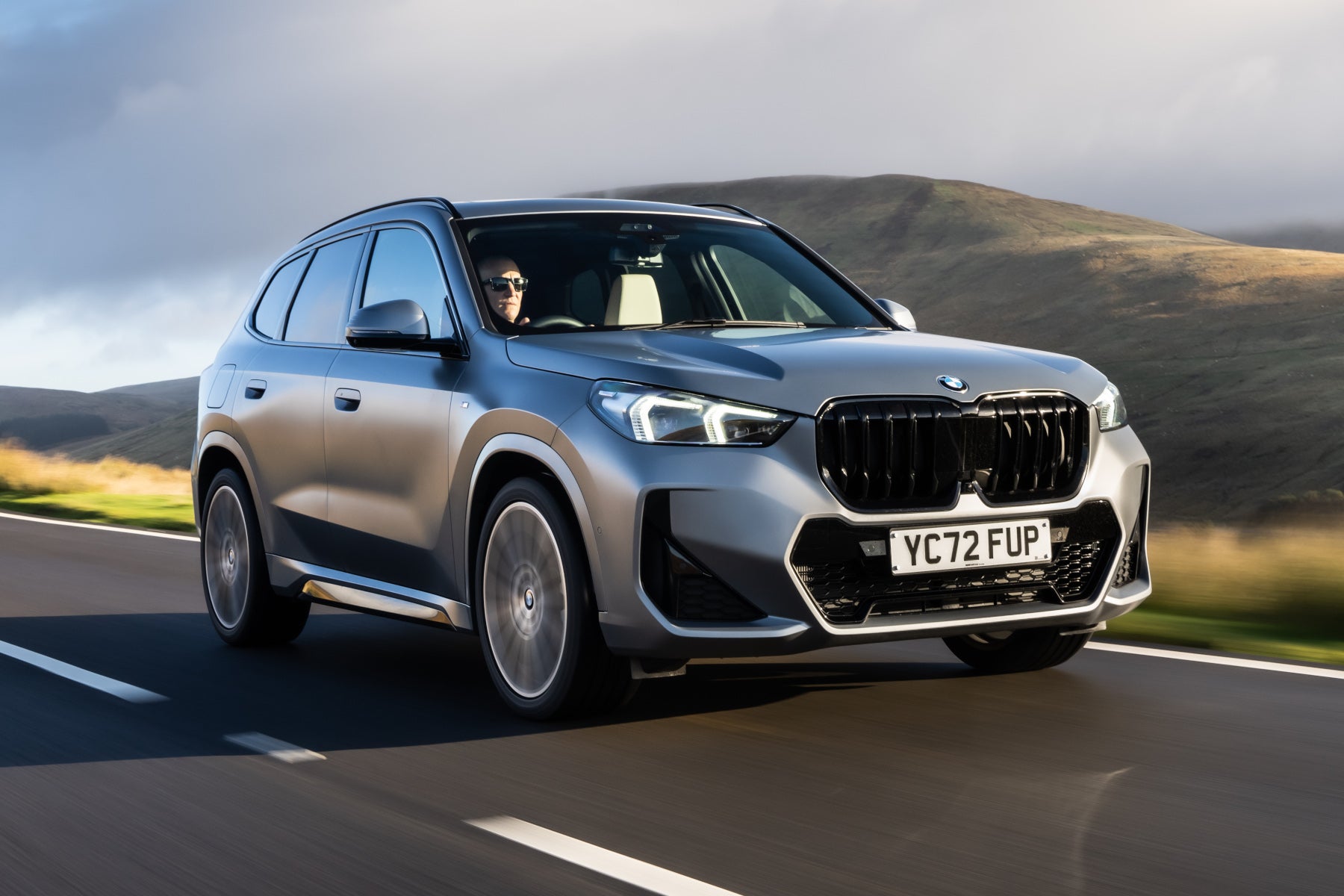
The Q3's main competition comes in the form of the BMW X1 and Mercedes-Benz GLA. The BMW is a particularly strong choice if driving fun is high on your agenda, but it's still very practical and has a wide range of available powertrains, including a sporty M35i model.
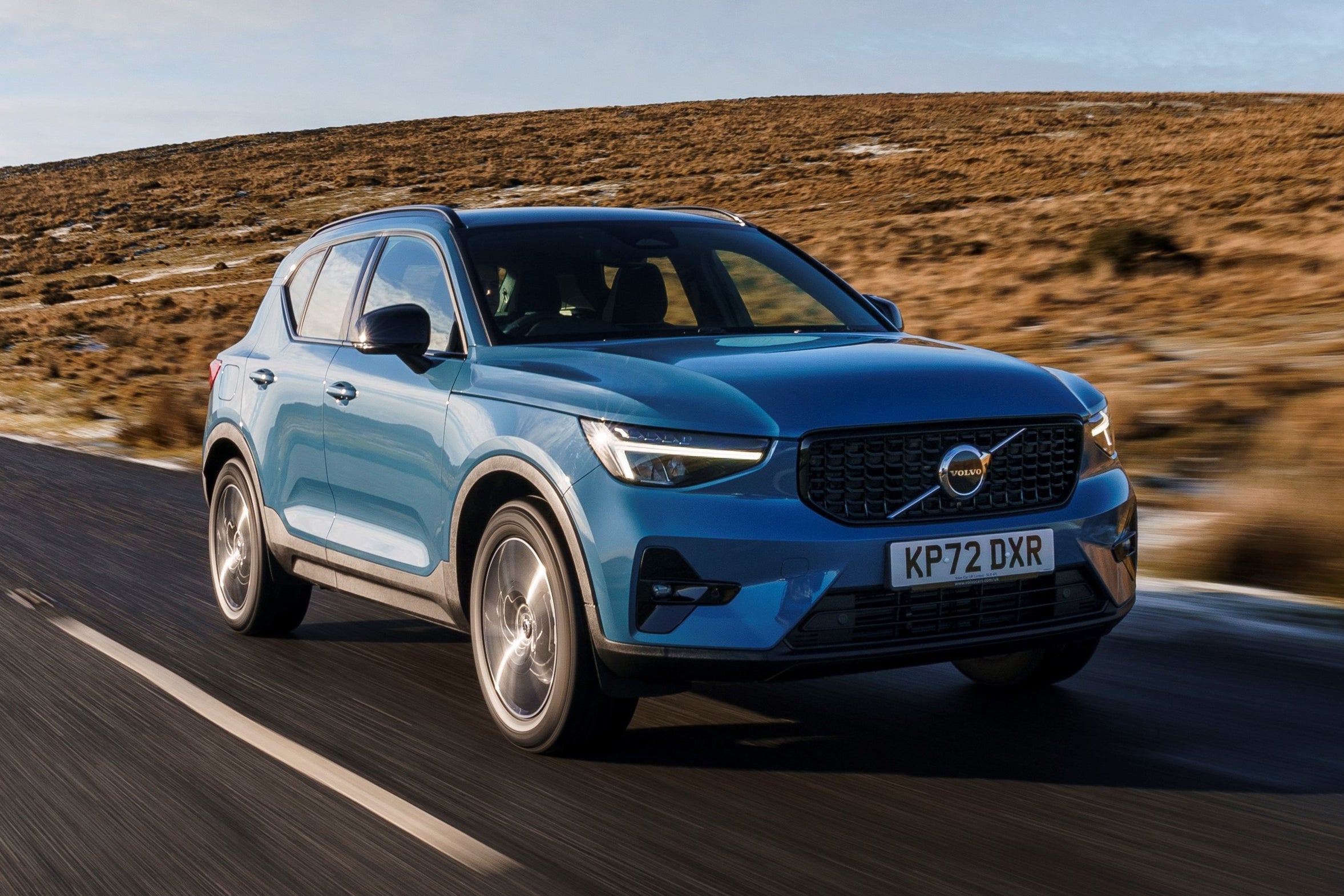
The GLA has more of a focus on comfort, unless you're looking at its spicier offshoots, the AMG GLA 35 and AMG GLA 45. The GLA is the oldest of the lot, though, having launched in 2020. The BMW is a bit fresher, coming out in 2022. There are plenty of alternatives away from the German 'Big Three', though. The Volvo XC40 is one, although it's even older than the GLA, first appearing in 2017.
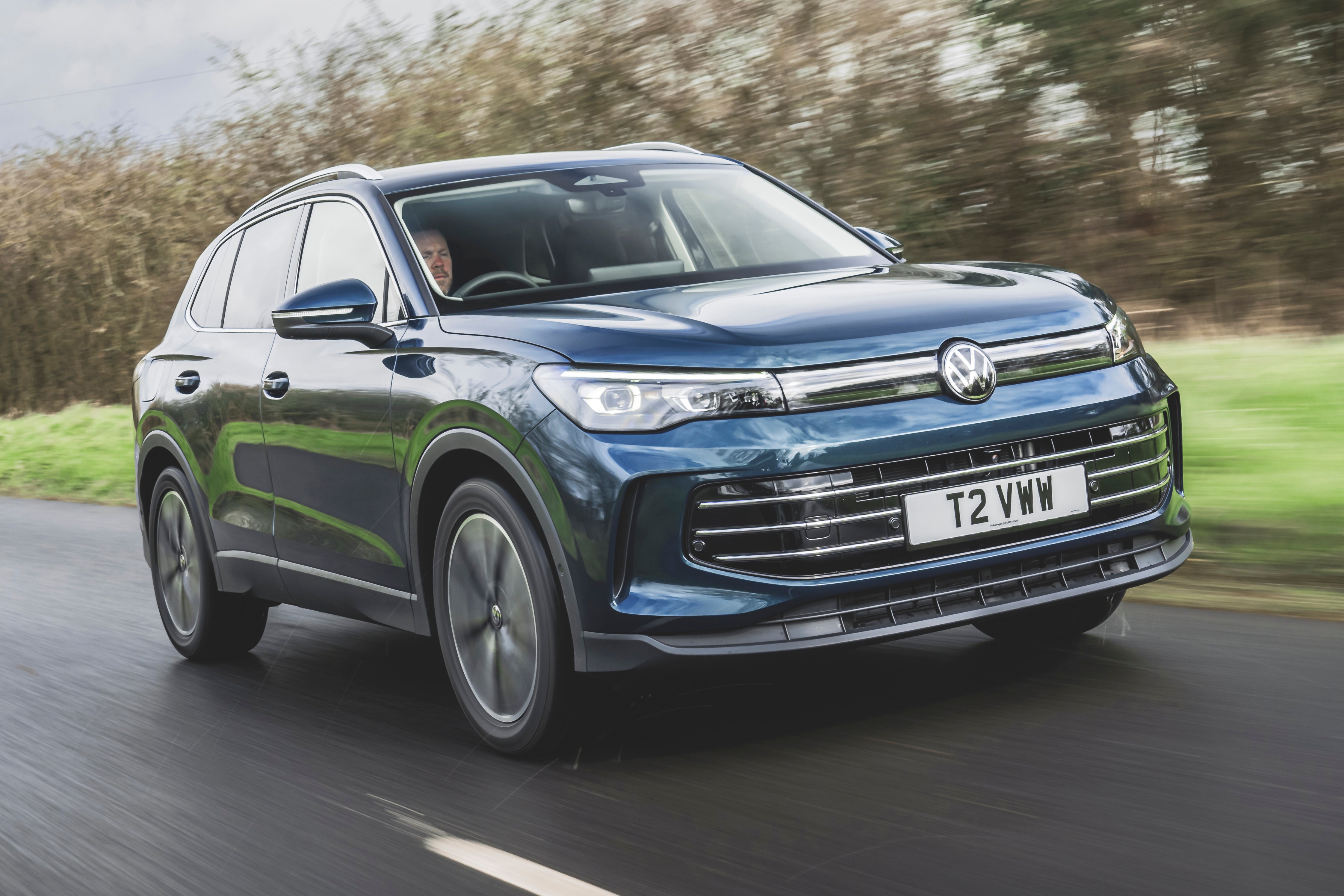
If you're considering the Q3 in the first place, it's likely the Audi badge is a key part of the appeal, but if not, the Volkswagen Tiguan is made from a lot of the same bits and pieces and is cheaper than the Q3.
What's the interior like in the Audi Q3?
The Q3's feels solid, modern and plusher than most family SUVs, and is loaded with plenty of technology. A sliding and reclining rear bench also makes it a practical cabin, letting you choose between better rear-seat comfort or more boot volume.
Audi Q3 boot space and practicality
The Audi Q3’s 488-litre boot is one of the reasons it makes such a convincing family SUV. Its ability to expand to 575 litres by sliding the rear bench forward makes it usefully large for the class, and means you can trade rear legroom for extra luggage room when you need to.
That places the Q3 strongly against its key rivals. The BMW X1 offers 540 litres, the Mercedes-Benz GLA has 435 litres, and the Volkswagen Tiguan gives you up to 652 litres in the regular petrol and diesel versions. Against that, the Audi Q3’s boot capacity stands up very well, and the combination of the sliding rear seat and the powered boot lid gives it a useful everyday practicality edge over some more style-led alternatives.
Passenger space is also strong enough for this class. Up front, the Q3 feels generous and properly premium, with excellent seat adjustment, good width and a raised driving position that gives you a clear view out.
Rear space is good rather than class-leading, but it's perfectly usable for everyday family life. Two adults can sit in the back in reasonable comfort, and there's enough legroom for normal journeys without the car feeling tight. Headroom is also good in the SUV, which helps it feel more accommodating than some lower-roofed alternatives. It's also possible to slightly recline the rear seatbacks for additional comfort.
The Q3 SUV e-hybrid drops to 375 litres because of the battery packaging under the floor. That's still usable, but it's a meaningful compromise if luggage space is one of the main reasons you are choosing a compact SUV in the first place.
Audi Q3 dimensions
The Q3 is 4,531mm long, 2,087mm wide and 1,588mm high, which means it’s compact enough for town driving and parking, but large enough inside to feel like a genuine family SUV.
Tech and infotainment in the Audi Q3
All models have a panoramic curved display that combines an 11.9-inch Audi Virtual Cockpit Plus digital instrument panel with a 12.8-inch MMI touch display. That gives the cabin a much more modern feel than the old Q3, while Audi Connect Navigation and infotainment services can be accessed through the screen or by voice using “Hey Audi”.
That means the Audi Q3 doesn't force you into higher trims just to get the tech that most buyers will actually want. The standard setup already includes navigation, smartphone integration and a much more up-to-date digital environment than before. The optional Technology Pack adds useful everyday upgrades such as Sonos 3D premium audio, Audi phone box, parking system plus, reversing camera and heated front seats. Technology Pack Pro adds a panoramic roof, 360 camera, advanced key, electric front seats and matrix headlights.
The whole setup feels clear and well integrated, which suits the Q3’s mature character. The weakness is that it now leans more heavily on screens than before, and some functions take a little more familiarisation than the old, more button-heavy Audi layouts.
Materials available on the Audi Q3
Seat materials vary depending on trim and specification, with cloth upholstery on more modest versions and combinations including leather, leather-look and sportier trim finishes on higher-spec cars. Decorative inlays also play a big part in shaping the cabin’s character, with metallic-look, gloss black and darker textured trim panels used across the dashboard and doors.
What's the Audi Q3 like to drive?
The Q3 has a strong and diverse range of engines ranging from usefully brisk to outright quick. It has tidy driving manners and is generally an easy thing to use, but it does ride on the firm side, particularly if specced with larger wheels.
Audi Q3 range and performance
The latest Audi Q3 has a diverse engine line-up encompassing petrol, plug-in hybrid and diesel options. It's particularly pleasing to see the latter type represented at a time when many manufacturers are moving away from the fuel, which still has plenty of economy benefits.
As far as the petrol engines go, you can have either a 1.5 or 2.0-litre four-cylinder unit. The 1.5-litre engine produces 150PS and 250Nm of torque, making for a perfectly respectable 0-62mph time of 9.1 seconds. It doesn't feel too sluggish, although it does need working quite hard to extract decent performance from it, at which point the 1.5 gets a bit noisy. It's smooth and refined the rest of the time, though.
The 2.0-litre engine comes in two flavours, the first producing 204PS and 350Nm of torque for a 6.1-second 0-62mph time. The second is good for 265PS, dropping the 0-62mph time to a hot hatch-bothering 5.7 seconds. The latter is the only 2.0-litre we've tried so far, and it really is a punchy machine, and even makes quite a good noise. You might not like the associated fuel bills or the purchase price, though.
The plug-in hybrid is even more powerful, blending a 1.5-litre engine with a 25.7kWh battery pack and a powerful electric motor for an impressive 272PS. It's slower than the most powerful petrol model, however, because a battery pack of that size is quite heavy.
As a result, its 0-62mph time is almost a second behind at 6.8 seconds, but it still feels quick. At least, it does once the gearbox has a think about what you're asking from it when you put your foot down. In more relaxed driving situations, though, the transitions between the e-hybrid's power sources are quite smooth.
Finally, there's a single diesel option which is good for 150PS and 360Nm of torque. It's the slowest Audi Q3, but only just, hitting 62mph from rest in 9.3 seconds. It does get a bit noisy when pushed, but it's reasonably refined as far as modern diesels go. Thankfully, a good amount of mid-range torque means you rarely need to rev it too hard.
All use seven-speed dual clutch 'S Tronic' automatic gearboxes, apart from the plug-in hybrid, which uses a six-speed unit. This time, no manual gearbox is available. If you want 'quattro' all-wheel drive, it'll have to be one of the 2.0-litre petrol units, which are fitted with the system as standard. All others are exclusively front-wheel drive.
Previously, there was a hot Audi RS Q3 at the top of the range with a potent 400PS five-cylinder engine shared with the mighty RS3. It's unclear if there'll be a new RS Q3, but we'd be surprised if it ends up with another five-pot, because it'll be hard to keep that engine alive amidst tightening emissions rules.
Performance data
| Model | Engine/battery size | Power | 0-62mph | Range/MPG |
|---|---|---|---|---|
Q3 150PS TFSI | 1.5-litre petrol automatic | 150PS | 9.1 seconds | Up to 46.2mpg |
Q3 150PS TDI | 2.0-litre diesel automatic | 150PS | 9.2 seconds | Up to 53.2mpg |
Q3 204PS TFSI quattro | 2.0-litre | 204PS | 7.1 seconds | Up to 36.3mpg |
Q3 193PS TDI quattro | 2.0-litre diesel automatic | 193PS | 7.5 seconds | Up to 45.7mpg |
Q3 265PS TFSI quattro | 2.0-litre petrol automatic | 265PS | 5.7 seconds | Up to 33.1mpg |
Q3 e-hybrid | 1.5-litre plug-in hybrid automatic | 272PS | 6.8 seconds | Up to 161.9mpg |
Audi Q3 driving and refinement
The Audi Q3 is an easy car to drive. The steering is light and accurate enough to make town driving simple, the controls all feel well judged, and the whole car has the sort of calm, polished character that buyers in this class usually want.
Around town, the Q3 feels compact enough to manoeuvre easily and refined enough that it never seems flustered by daily use. Visibility is good, the driving position is excellent and the 150PS TFSI in particular suits the car’s measured character very well. It has enough punch to feel effortless without making the chassis work too hard.
On the motorway, the Q3 is at its best. It feels settled, stable and impressively quiet for a premium compact SUV, which is one of the reasons it still makes such a strong case as an everyday long-distance family car. The 150PS TDI is especially well suited to this kind of use, but even the petrol versions keep the Q3 feeling grown up on faster roads.
It's not the most playful SUV in this class; a BMW X1 feels keener if you actively enjoy driving. The Q3 also has a firm edge to the way it rides, which is exacerbated if you spec it with larger wheels. As good as the larger designs look, it's worth opting for the smaller wheels if comfort is high on your agenda.
How safe is the Audi Q3?
The Audi Q3 received a maximum five-star rating from independent safety organisation Euro NCAP in 2025, and the assessment praised its strong occupant protection, good whiplash protection, advanced eCall system, a system to prevent secondary impacts after a collision and good child-occupant performance. It also noted the centre airbag intended to reduce occupant-to-occupant injuries in far-side impacts, though this specific element was not class-leading in every scenario.
The current car also comes with a useful spread of safety and driver-assistance technology. Depending on the version, that includes a reversing camera with park assist plus, adaptive cruise control, lane change assist and a broad range of available assistance features.
Running costs: What it's like to live with a Audi Q3
Running costs depend heavily on which version you choose. The petrol engines are the simpler answer, the diesels are the easier long-distance fit and the plug-in hybrid only really makes full sense if you use its electric range properly.
Audi Q3 fuel economy
On paper, at least, the Q3 e-hybrid is the most economical of the lot, and by far. Whether you actually achieve the claimed 166.2mpg will greatly vary depending on how you use it, of course.
That's because the current WLTP emissions programme heavily flatters plug-in hybrids, which spend much of the test running on electricity alone. If you're able to make the most of its 72-mile electric-only range and have the engine cough to live for only a few short periods, you might well manage that 166.2mpg. On the other hand, run the battery flat, and the economy figure will soon plummet.
The diesel should be economical however you drive it. It can achieve up to 52.3mpg. The 150PS petrol isn't as far behind as you might expect at 46.3mpg, but it's a big drop in economy if opting for either of the 2.0-litre units. The 204PS version is rated at up to 36.2mpg, while the 265PS TFSI manages a mere 33.2mpg.
Unusually for a PHEV, the Q3 e-Hybrid has a rapid charging feature. Although not very cost-effective in the UK, should you want to use this 50kW capability, it'll top up the battery from 10 to 80% in 26 minutes, assuming conditions are optimal. Via a 7.4kW home wallbox, it'll be about two and three-quarters hours to fully charge the battery from empty, something which will cost less than £5 on a typical UK tariff. The car can also be used at lower-powered public chargers at up to 11kW, which would make for a full charge in less than two hours.
Audi Q3 warranty and servicing
The Audi Q3 comes with Audi’s standard three-year warranty in the UK, made up of two years of unlimited-mileage cover and a third year up to 60,000 miles. That's acceptable rather than class-leading.
Servicing should be straightforward enough through the wide Audi network, which matters because the Q3 is exactly the sort of car many buyers will keep for years. Audi operates a flexible service schedule on the Q3, so service intervals will be either annually or every 9,300 miles, or every two years/18,600 miles. Servicing at an Audi dealer will likely be more expensive than at less premium brands – something to be aware of.
Audi Q3 insurance groups
The Audi Q3 spans insurance groups 22 to 36 across the current regular range. Core petrol versions sit lower down the spread, while upper-spec petrol, diesel and e-hybrid versions rise much higher.
How much does it cost to tax a Audi Q3?
For most Audi Q3 models registered under the current system, the standard annual VED rate is £200 after the first year.
The more important point with pricier Q3 versions is the expensive car supplement. For petrol, diesel and hybrid cars like the Q3, the threshold is £40,000 list price. Most versions of the Q3 are either above that, and the ones below can easily be specced beyond the threshold with options. This then adds £440 a year for five years from the second tax payment. In practice, that means affected cars cost £640 a year in VED during that period before dropping back to the standard annual rate afterwards.
What trims are available with the Audi Q3?
The current Q3 range is built around Sport, S line and Edition 1.
Q3 Sport is the straightforward entry point and already looks well equipped. Standard highlights include the 11.9-inch Audi virtual cockpit plus, 12.8-inch MMI touch display with navigation, heated front sports seats with four-way electric lumbar support, ambient lighting, dual-zone climate control, power-operated tailgate and 18-inch alloy wheels. That means it already feels like a proper premium compact SUV rather than a sparse base model.
Q3 S line is the trim many buyers will be drawn to. It builds on Sport with sport suspension, privacy glass, twin leather upholstery with embossed S logo, sharper exterior styling and the flatter-top-and-bottom steering wheel design. It's the trim to choose if you want the sharper visual package without sacrificing the Q3’s everyday polish.
Q3 Edition 1 sits at the top of the regular range and adds the strongest visual identity. It builds on S line with a black styling pack, black mirror housings, black Audi rings, Audi beam and larger 20-inch alloys, as well as upgraded steering and handling. It's the trim to choose if you want the fullest regular Q3 package and the most assertive look.
Ask the Drive experts: common questions
Is the Audi Q3 a good premium compact SUV?
How big is the Audi Q3 boot?
Is the Audi Q3 available as a plug-in hybrid?
What is the best Audi Q3 version?
Get our latest advice, news and offers
Keep me updated by email with the latest advice, news and offers from Drive.
.jpg)
.jpg)