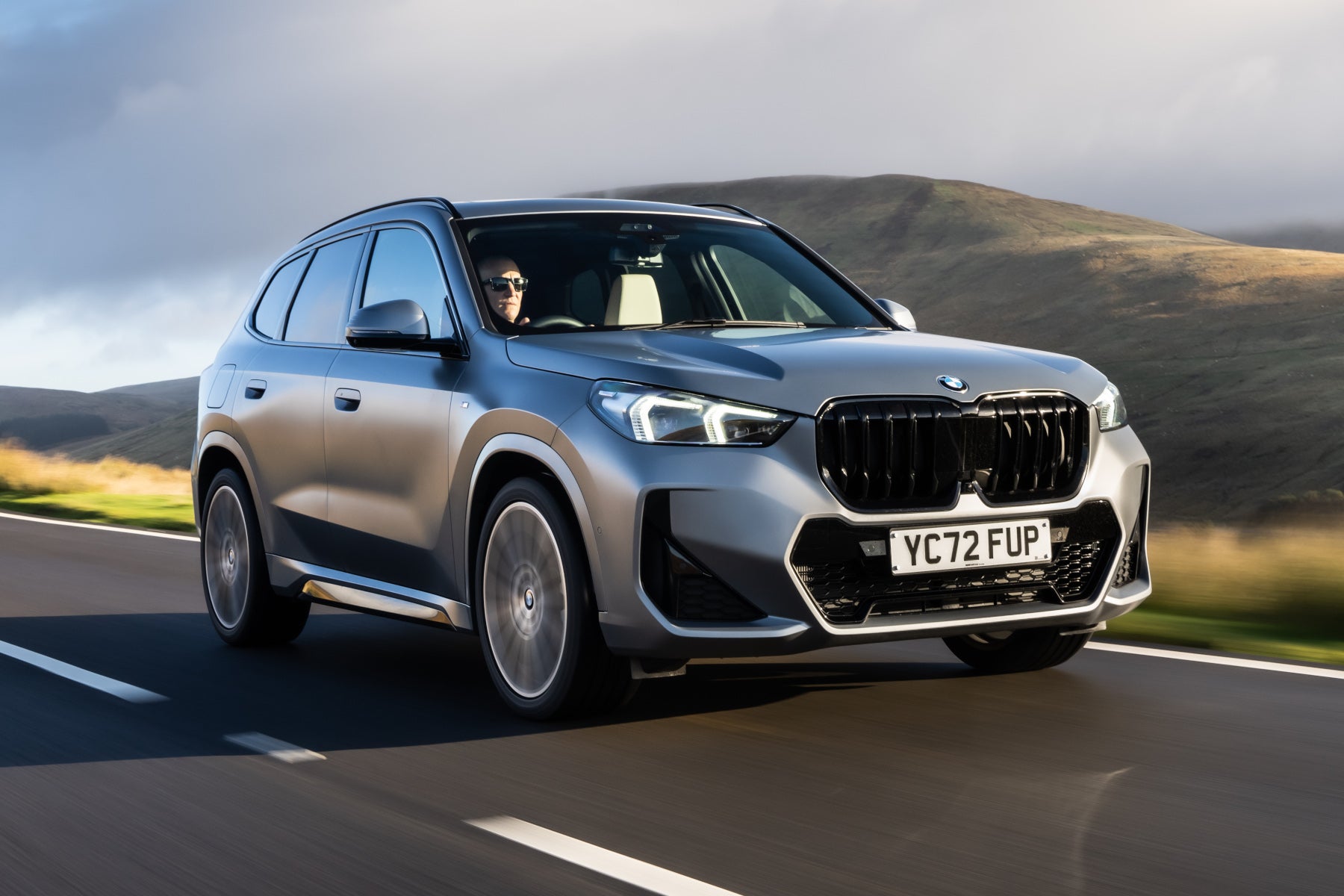
BMW X1 Review

Written By Lawrence Allan
- 2022
- SUV
- Petrol, diesel, plug-in hybrid
What we love
Spacious and upmarket cabin
One of the sharper SUVs in this class to drive
Broad engine range with strong plug-in hybrids
Things to consider
Prices climb quickly once you start adding options
Infotainment is not as intuitive as older BMW systems
Some rivals ride more softly
The DRIVE take on the Bmw X1, is it the right car for you?
The BMW X1 is one of the most convincing premium family SUVs on sale. It is spacious, smart inside and still manages to feel more engaging than most alternatives from behind the wheel. It is not especially cheap, and some rivals deliver a more cosseting ride, but if you want a small SUV that feels close to a class above in cabin space and all-round ability, the BMW X1 makes a very strong case for itself.
The Bmw X1 in more detail
The BMW X1 has improved dramatically over three generations. The first one always felt like a compromise, the second was far more convincing, and this third-generation car is the point where the BMW X1 has properly become one of the class benchmarks.
Part of that is because it no longer feels like the entry-level BMW SUV you buy because you cannot stretch to something bigger. The current BMW X1 is genuinely roomy, very well finished and available with one of the broadest engine ranges in the class. That immediately gives it an advantage over some alternatives, especially if you know exactly how you use your car and want the powertrain to match.
Browse used BMW X1s for sale →
There is a version for almost every sort of buyer. The sDrive20i petrol makes the most sense if you mainly cover shorter trips and do not need all-wheel drive. The diesels are still relevant if you spend a lot of time on the motorway. The plug-in hybrids are particularly strong, with official electric range of up to 51 miles, which is enough to make them genuinely useful day to day rather than merely box-ticking. BMW also sells the electric iX1, but that sits better as a separate proposition than as the centre of the regular BMW X1 story.
The BMW X1 also benefits from a cabin that feels thoughtfully designed for family life. There is lots of room in the back, a boot that is large by class standards and a general sense that this is a premium SUV that does not ask you to sacrifice practicality for image. Mid-spec cars and above get a sliding rear bench, which adds another layer of flexibility.
What stops it being an obvious default choice is cost. The BMW X1 starts at sensible-enough money for a premium SUV, but it is very easy to inflate the list price once you start moving up the engine and trim walk-up or dipping into the options list. The ride is also firmer than some alternatives, particularly on larger wheels.
Even so, the BMW X1 is hard to dismiss. It has the look, the badge, the quality and the practicality, and it still feels a bit more driver-focused than most rivals. That is a compelling combination.
Like the look of the X1 but want something electric? Check out our BMW iX1 review.
What's the best Bmw X1 trim and engine option?
For most buyers, the BMW X1 sDrive20i M Sport is the best place to start. The 170PS 1.5-litre petrol mild hybrid is quick enough to feel more than adequate in a family SUV, with 0-62mph taking 8.3 seconds, and it should also be one of the more affordable versions to buy and run.
If you can charge at home and your driving is mostly shorter trips, the xDrive25e plug-in hybrid is arguably the most impressive version in the range. Its official electric range of up to 51 miles is strong enough to make a real difference to day-to-day fuel use, and it feels smoother and more effortless than the regular petrol in many situations.
Trim-wise, M Sport is the one most buyers will want. Sport is not sparse, but M Sport adds the visual punch and extra cabin appeal that suit the BMW X1’s premium image best. xLine sits in the middle and will appeal if you want a slightly more traditional SUV look, but M Sport is the more desirable choice.
What’s the price of the Bmw X1?
The BMW X1 range starts at £37,940 for the sDrive20i Sport, with M Sport petrol versions sitting above that. Diesel models and plug-in hybrids push the price further into the £40,000-plus bracket, and the highest-spec versions head beyond £50,000. There are also plenty of used BMW X1s for sale for considerably less.
That means the BMW X1 sits right in the middle of the premium family SUV market. It is broadly comparable with an Audi Q3 or Mercedes-Benz GLA once you match engines and equipment, while mainstream alternatives such as the Volkswagen Tiguan or Skoda Karoq often look better value on paper.
The BMW X1’s defence is that it offers more cabin space and a stronger sense of quality than many of those rivals, but it is still a car where discipline on the options list matters.
Alternatives to the Bmw X1
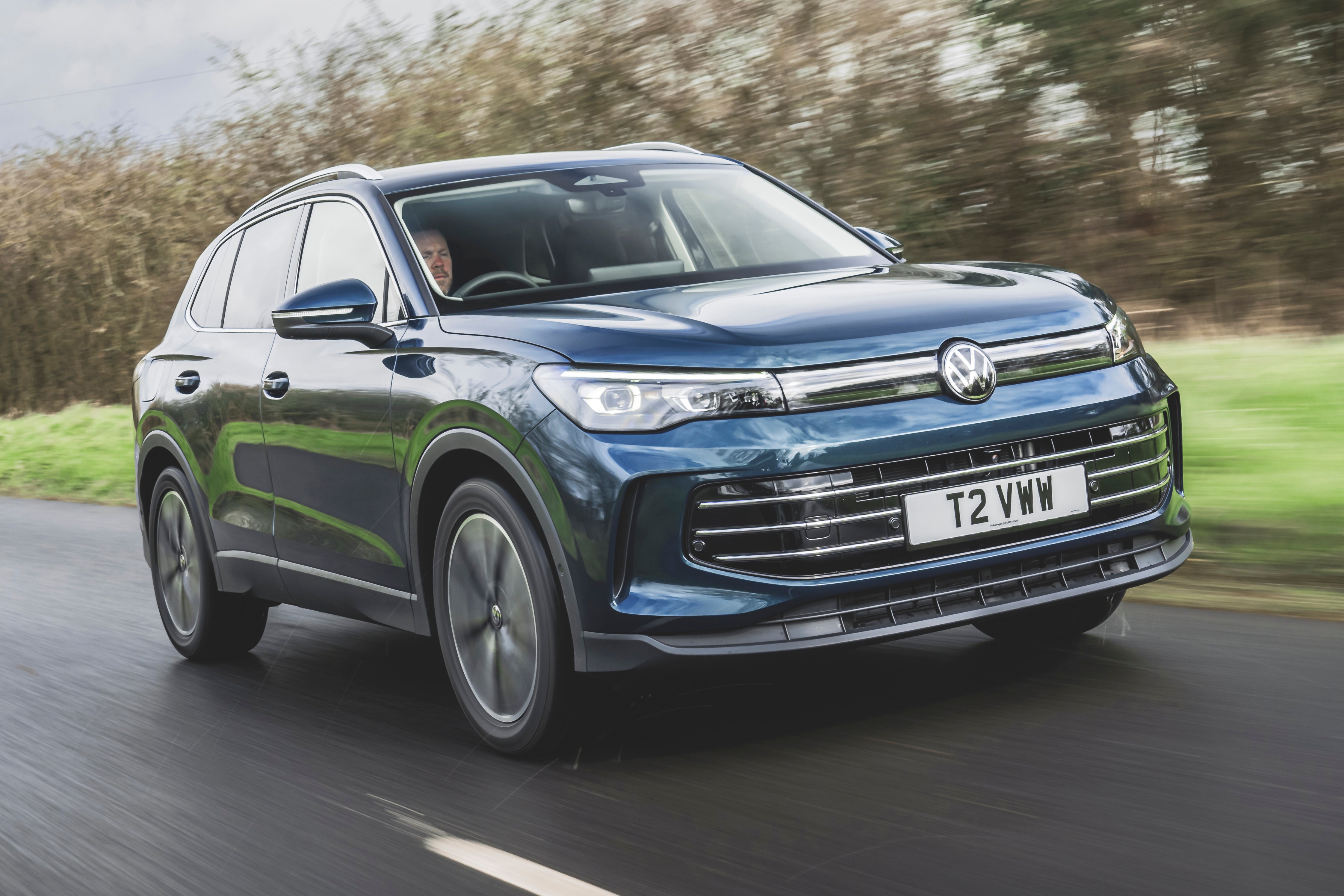
The Volkswagen Tiguan is one of the clearest alternatives if you want a similarly polished family SUV with more straightforward controls and a softer-edged feel. It does not have the same badge appeal as the BMW X1, but it is roomier than many rivals and easier to justify on value.
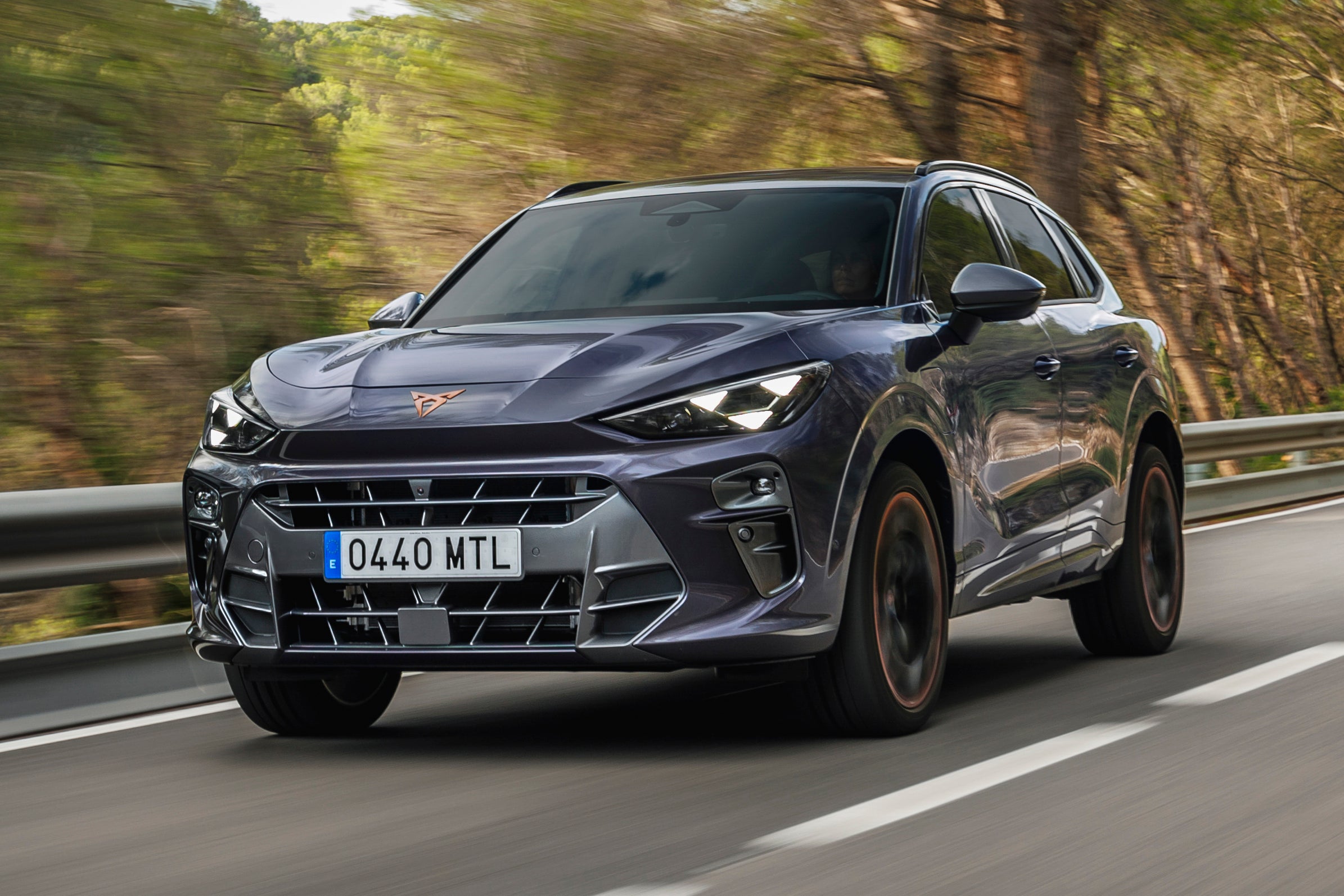
The Audi Q3 remains one of the most direct premium-badged alternatives, while the Cupra Terramar is worth a look if you want something more driver-focused and slightly more distinctive. The Volvo XC40 is still a strong rival for comfort and style, although it cannot quite match the BMW X1 for rear space. The Mercedes-Benz GLA is also in the mix, but it does not feel as roomy or as mature as the X1.
If practicality matters more than image, the Skoda Karoq deserves serious consideration, because it delivers family-friendly packaging for less money.
What's the interior like in the Bmw X1?
The BMW X1 has one of the best cabins in this class. It feels airy, modern and properly premium, but without losing sight of the practical needs that make a family SUV worth buying in the first place.
Bmw X1 boot space and practicality
Space is one of the BMW X1’s strongest cards. The front feels open and airy, helped by the low dashboard and floating-style centre console, and there is plenty of adjustment in the seats to get comfortable.
The rear is unusually generous for this class. There is enough headroom and legroom for adults to sit comfortably, and the middle seat is not as punishing as it can be in some premium SUVs. That gives the BMW X1 a clear advantage over alternatives such as the Mercedes-Benz GLA and Volvo XC40 if family space is high on your priority list.
Boot space is strong too. Diesel versions offer up to 540 litres, the petrols 500 litres, and the plug-in hybrids 490 litres because of their battery packaging. That means even the least spacious BMW X1 still offers a useful amount of luggage room, while the best versions are among the strongest in the class.
For context, the BMW X1 can edge cars such as the Volvo XC40 and Nissan Qashqai for outright luggage space, though it is not quite in Skoda Karoq territory for outright family-car versatility. Mid-spec cars and above also get a sliding rear bench, which makes the BMW X1 even more flexible if you want to trade a bit of rear legroom for extra boot capacity.
Fold the rear seats and maximum capacity rises to 1,600 litres. The 40:20:40 split also makes the BMW X1 more useful than the usual 60:40 arrangement when carrying longer items.
Bmw X1 dimensions
The BMW X1 measures 4,500mm long, 1,845mm wide and 1,642mm high, with a 2,692mm wheelbase. That makes it large for a so-called small SUV, and explains why it feels so spacious inside.
It is longer than a Volvo XC40, Audi Q3 or Mercedes-Benz GLA, though still comfortably short of larger family SUVs such as the Skoda Kodiaq. In practice, the BMW X1 feels substantial rather than cumbersome.
Tech and infotainment in the Bmw X1
Every BMW X1 gets BMW’s curved display set-up, combining a 10.25-inch driver screen with a 10.7-inch central touchscreen. It runs BMW’s latest infotainment software and, on the face of it, is one of the slickest systems in the class.
The graphics are sharp, responses are quick and there is plenty of functionality, including wireless Apple CarPlay and Android Auto. BMW’s voice assistant is also one of the better systems of its type, and it can be genuinely useful for things such as adjusting climate settings.
The issue is ease of use on the move. BMW has removed the old rotary iDrive controller, and climate controls are now embedded in the touchscreen. That means the BMW X1 looks cleaner and more modern than before, but it is not always easier to use. It is also a shame that some of the cleverer navigation functions only work with BMW’s built-in system, not when mirroring your phone.
Materials available on the Bmw X1
Material quality is another BMW X1 strength. Even the standard car feels properly premium, with dense-feeling surfaces, neatly finished trim and the sort of solidity buyers expect from a BMW.
xLine versions add Sensatec upholstery and gloss black trim, while M Sport swaps in Alcantara and Sensatec trim with blue stitching and more overtly sporty detailing. The result is a cabin that feels richer and more special than most rivals, but still family-friendly enough to cope with day-to-day use.
What's the Bmw X1 like to drive?
The BMW X1 is one of the more engaging SUVs in this class. It is not trying to be a sports car on stilts, but it feels tighter, more controlled and more responsive than most family-focused alternatives.
Bmw X1 range and performance
There is a broad BMW X1 engine line-up, which is part of the car’s appeal.
The sDrive20i is likely to be the default choice for many private buyers, and on paper it makes a lot of sense. It is quick enough, should be reasonably efficient and avoids the extra cost and weight of the all-wheel-drive models.
The diesels remain relevant too. The sDrive18d is the mileage-friendly option, while the xDrive23d gives you more punch without losing the relaxed long-distance nature that still makes diesel worthwhile for some buyers.
The plug-in hybrids are the standouts. With up to 51 miles of official electric range, they have the battery capacity to make short daily journeys realistically petrol-free if you can charge regularly. They also happen to be very quick, especially the xDrive30e, which is more than enough performance for a family SUV.
Performance data
| Model | Engine/battery size | Power | 0-62mph | Range/MPG |
|---|---|---|---|---|
BMW X1 sDrive20i | 1.5-litre petrol mild hybrid auto | 170PS | 8.3 seconds | 47.9–49.6mpg |
BMW X1 xDrive23i | 2.0-litre petrol mild hybrid auto | 218PS | 7.1 seconds | 42.2–44.1mpg |
BMW X1 sDrive18d | 2.0-litre diesel auto | 150PS | 8.9 seconds | 54.3–56.5mpg |
BMW X1 xDrive23d | 2.0-litre diesel mild hybrid auto | 211PS | 7.4 seconds | 52.3–55.4mpg |
BMW X1 xDrive25e | 1.5-litre plug-in hybrid auto | 245PS | 6.8 seconds | up to 51 miles EV range |
BMW X1 xDrive30e | 1.5-litre plug-in hybrid auto | 326PS | 5.6 seconds | up to 51 miles EV range |
Bmw X1 driving and refinement
The BMW X1 feels planted and composed in a way that suits the badge. There is plenty of grip, the steering is accurate and the body stays nicely controlled, so it feels more agile than many rivals.
That said, the BMW X1 does not chase comfort to the same degree as something like a Volvo XC40. Even on adaptive suspension, there is a firm edge to the ride, particularly on larger wheels. It is not uncomfortable, but it is not the softest choice in this class.
For keen drivers, the trade-off will be worth it. The BMW X1 changes direction neatly, feels secure at speed and remains one of the more satisfying family SUVs to drive on a challenging road. Around town it is easy enough to place, helped by decent visibility and a standard rear camera.
Refinement is more mixed. The diesel engines are still a little vocal, and even the 2.0-litre petrol xDrive23i is more obvious under load than you might expect in a premium SUV. The plug-in hybrids are likely to feel the smoothest in regular use, especially when they are running in electric mode.
How safe is the Bmw X1?
The BMW X1 was awarded a five-star Euro NCAP rating in 2022. It scored strongly across the board, including for Safety Assist, which underlines how comprehensive the standard driver-assistance package now is.
Every BMW X1 gets front collision warning with brake intervention, lane departure warning, a reversing camera and Park Distance Control. Parking Assistant can also steer the car into spaces for you. It is a strong package, and one of the reasons the BMW X1 feels so easy to live with.
Running costs: What it's like to live with a Bmw X1
Running costs depend heavily on which BMW X1 you choose, but the breadth of the line-up means there is a version that should suit most buyers. Pick carefully and it need not be an expensive SUV to own.
Bmw X1 fuel economy
The plug-in hybrids look the most impressive on paper, with official combined figures in the hundreds of mpg and electric range of up to 51 miles. As ever, those mpg numbers only make sense if you charge regularly and use the battery often.
For long-distance drivers, the diesels remain the more relevant choice. The sDrive18d returns up to 56.5mpg, while the more powerful xDrive23d manages up to 55.4mpg. Those are very strong results for a family SUV.
The petrols are decent enough rather than exceptional. The sDrive20i manages up to 49.6mpg, while the xDrive23i returns up to 44.1mpg. That should be perfectly acceptable for many buyers, but it is the plug-in hybrids that give the BMW X1 its strongest efficiency headline.
Bmw X1 warranty and servicing
BMW covers the X1 with a three-year, unlimited-mileage warranty. That is fine by premium-brand standards, though less generous than several mainstream rivals now offer. BMW Approved Used cars come with at least 12 months of BMW Insured Warranty, roadside assistance and MOT cover, which helps if you are shopping nearly new.
Bmw X1 insurance groups
Insurance groups start at around group 24 for the least powerful versions and rise into the mid-30s for the more potent models. That is about what you would expect for a premium SUV of this size and performance.
The BMW X1 is therefore unlikely to be a cheap insurance proposition for younger drivers, but the core versions should not be wildly out of line with the rest of the class.
How much does it cost to tax a Bmw X1?
The standard VED rate from the second year onwards is £200 a year for petrol, diesel and plug-in hybrid cars registered on or after 1 April 2017. The more important point for BMW X1 buyers is the Expensive Car Supplement, because most versions sit above the £40,000 list-price threshold.
That means a lot of BMW X1 models will cost £640 a year in VED from years two to six once the £440 supplement is added. It is worth checking carefully, because a few option boxes can easily tip a car over the threshold if it is not already there.
What trims are available with the Bmw X1?
The BMW X1 range starts with Sport. Standard kit includes LED lights, 17-inch alloy wheels, an automatic tailgate, two-zone climate control, the curved display with 10.25-inch driver screen and 10.7-inch centre touchscreen, Parking Assistant and cruise control.
xLine adds a bit more visual polish with dark grey mirror caps, matt aluminium grille detailing and Sensatec upholstery. It is the trim to go for if you want the BMW X1 to feel a little more SUV-like rather than overtly sporty.
M Sport is the trim most buyers will probably want. It adds 19-inch alloy wheels, Alcantara and Sensatec upholstery, blue stitching and aluminium interior trim, plus the sharper styling that suits the BMW X1 well.
As ever with BMW, option packs and individual extras can quickly inflate the list price, so the trim walk-up is only part of the story.
Ask the Drive experts: common questions
How much does the BMW X1 cost?
Is the BMW X1 a good family SUV?
What is the best BMW X1 version to buy?
Is the BMW X1 bigger than an Audi Q3?
Get our latest advice, news and offers
Keep me updated by email with the latest advice, news and offers from Drive.
.jpg)
.jpg)