BMW 3 Series Review

Written By Andrew Brady
- 2018
- Saloon
- Petrol, plug-in hybrid
What we love
Still the best car in its class to drive
Excellent cabin quality and infotainment
Broad ability from commuting to long-distance work
Things to consider
Some desirable kit still sits on the options list
Rear seat is not as roomy as the best mainstream alternatives
M Sport cars can feel firm without adaptive suspension
The DRIVE take on the Bmw 3 Series, is it the right car for you?
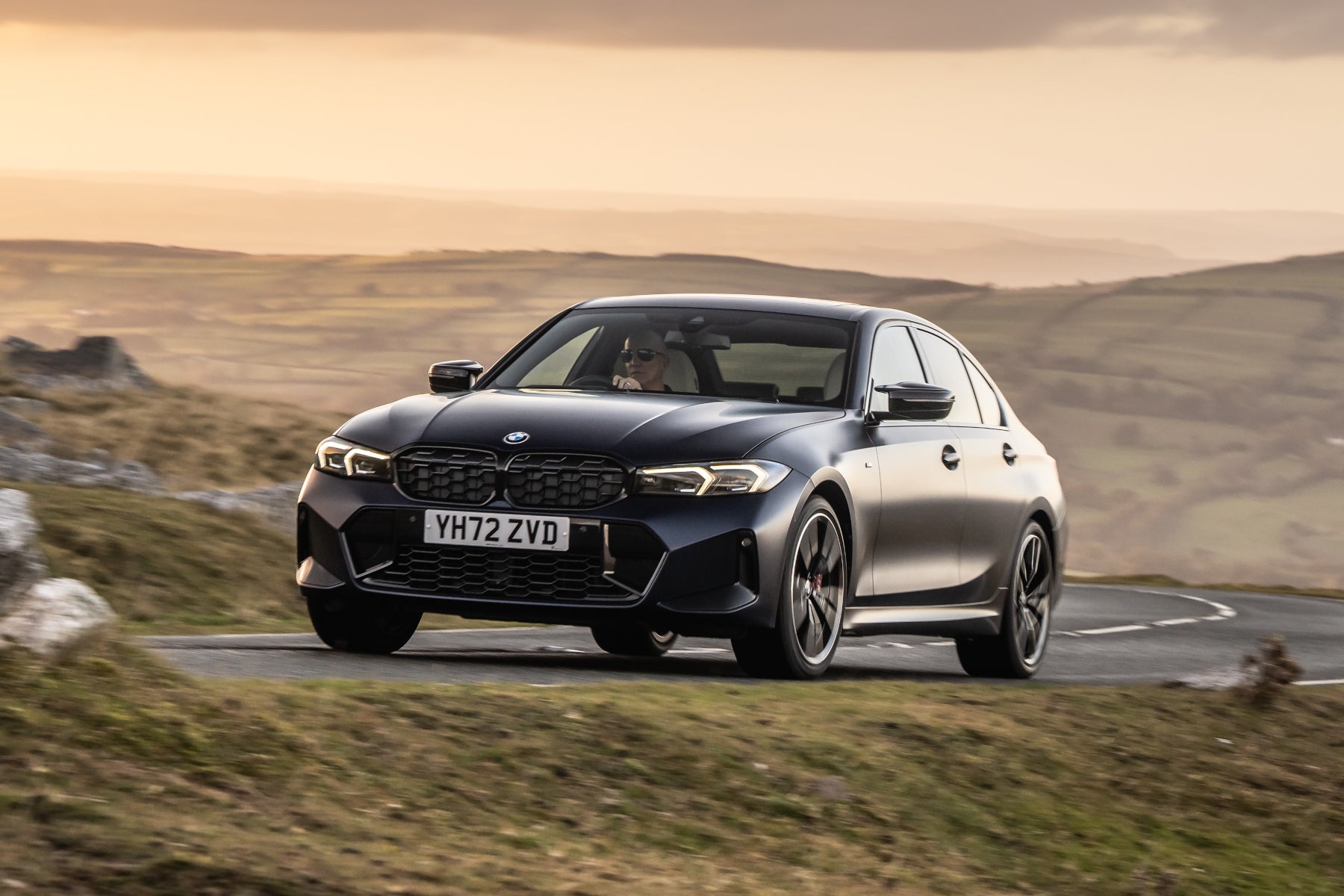
The BMW 3 Series remains the default premium sporting saloon because it still does almost everything well. It’s comfortable enough for long motorway slogs, classy enough inside, efficient in the right form and, crucially, more enjoyable to drive than most of its direct rivals. That has been the 3 Series formula for decades, and it continues to hold up even as buyers are increasingly tempted by SUVs and EVs. If you want a premium saloon that feels polished, desirable, and genuinely satisfying from behind the wheel, the BMW 3 Series is still one of the smartest choices on sale.
The Bmw 3 Series in more detail
The 3 Series has had to adapt to a very different world from the one it dominated in years gone by. Not so long ago, its main challenge came from the Audi A4, Mercedes-Benz C-Class and a handful of left-field saloons such as the Jaguar XE or Alfa Romeo Giulia. Now it also has to fight off premium SUVs, plug-in hybrids and fully electric alternatives.
That could have left the BMW 3 Series looking old-fashioned, but it hasn’t. Instead, it now feels like one of the more coherent answers to the modern premium-car brief. It gives buyers familiar saloon proportions, a genuinely premium cabin and a powertrain range that still makes sense in the real world.
Browse used BMW 3 Series for sale →
The latest updates have helped. The curved display and BMW Operating System 8.5 lift the interior’s technology, while the core engineering still feels right. The driving position is excellent, the controls are intuitive enough, and the whole car has the sort of integrated feel many newer rivals still struggle to match.
It’s also worth noting that this review focuses purely on the BMW 3 Series Saloon. The BMW 3 Series Touring estate is covered separately, and it remains the better option if maximum boot space is your priority.
For saloon buyers, though, the appeal is unchanged. The BMW 3 Series still feels like the one that blends driver appeal with executive polish most convincingly.
What's the best Bmw 3 Series trim and engine option?
For most buyers, the best BMW 3 Series is the BMW 320i M Sport. That may sound conservative, but this is exactly the point in the range where the BMW 3 Series makes most sense. The 184PS 2.0-litre petrol engine is strong enough to feel brisk, smooth enough to suit the car’s premium positioning and efficient enough not to make every journey feel like an extravagance.
The BMW 330e plug-in hybrid is also very appealing, especially for company-car users or drivers with a short regular commute and easy home charging. Its official electric range is strong, and it feels usefully brisk. But it does come with the smaller 375-litre boot and a higher price.
The BMW M340i xDrive is the indulgent choice. It’s rapid, cultured and deeply likeable, but it is also expensive enough that it makes the BMW 320i feel like the better all-rounder.
As for trim, M Sport remains the best bet. Sport trim is still well equipped, but M Sport gives the BMW 3 Series the sharper look and cabin atmosphere most buyers in this class will want.
What’s the price of the Bmw 3 Series?
The BMW 3 Series Saloon currently starts at £41,945 for the BMW 320i Sport. The BMW M340i xDrive Saloon tops the regular range at £62,475.
In between those two, the BMW 330e plug-in hybrid sits firmly in the middle of the line-up, with the expected premium over the 320i.
That makes the BMW 3 Series a proper premium purchase rather than an attainable near-premium alternative. It’s not especially cheap, and BMW’s options list can add up quickly if you get carried away.
The counterpoint is that the BMW 3 Series still feels worth spending money on. It looks smart, feels expensive inside and has enough engineering integrity that it rarely feels like a badge-led buy. There are also plenty of used BMW 3 Series for sale for considerably less.
Alternatives to the Bmw 3 Series
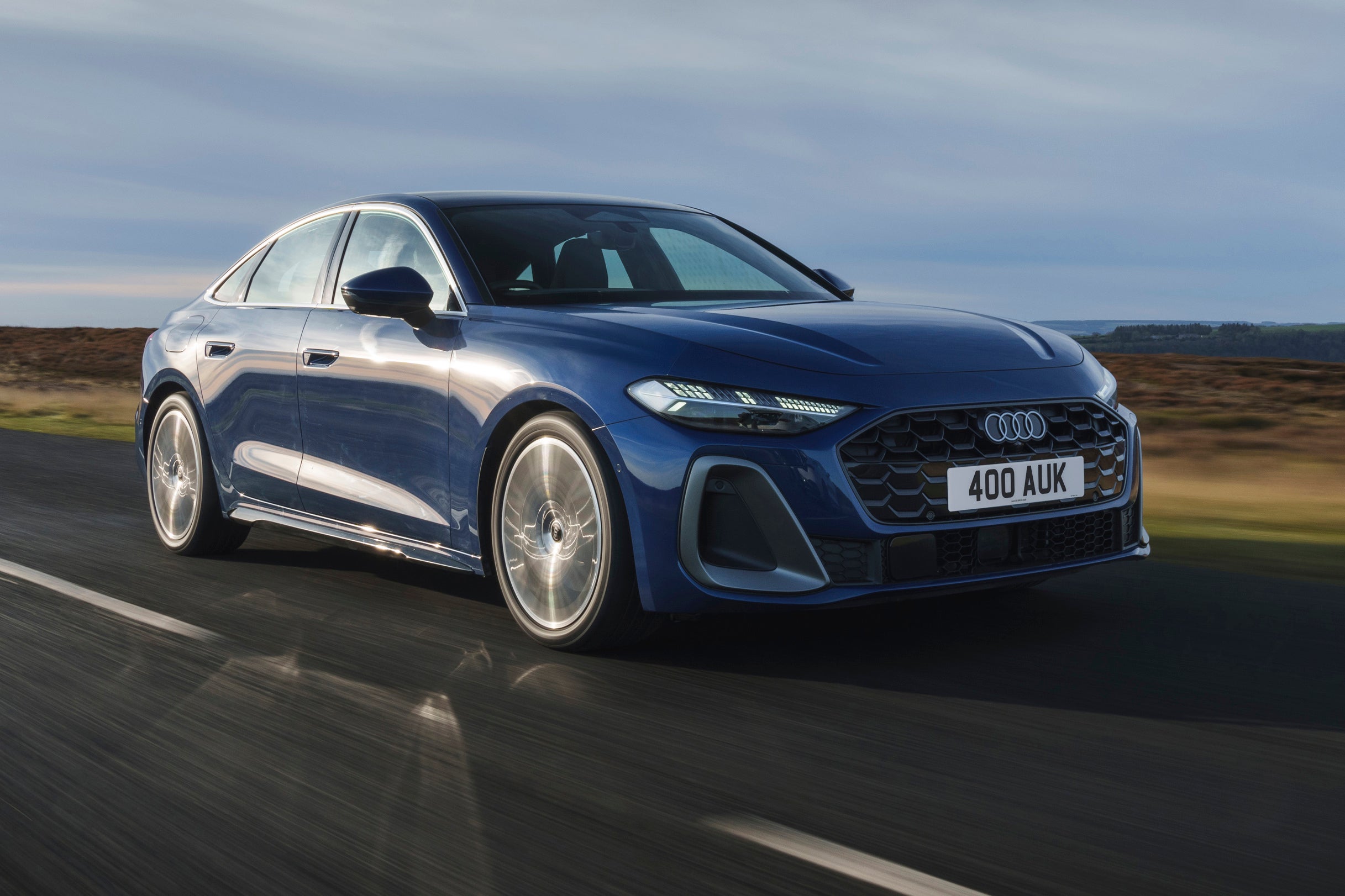
The Audi A5 Saloon is now the BMW 3 Series’ clearest rival because it effectively takes over the role the old A4 once played in this part of the market. It combines smart styling, strong technology and a more comfort-led character, even if it still isn’t as engaging to drive as the BMW.
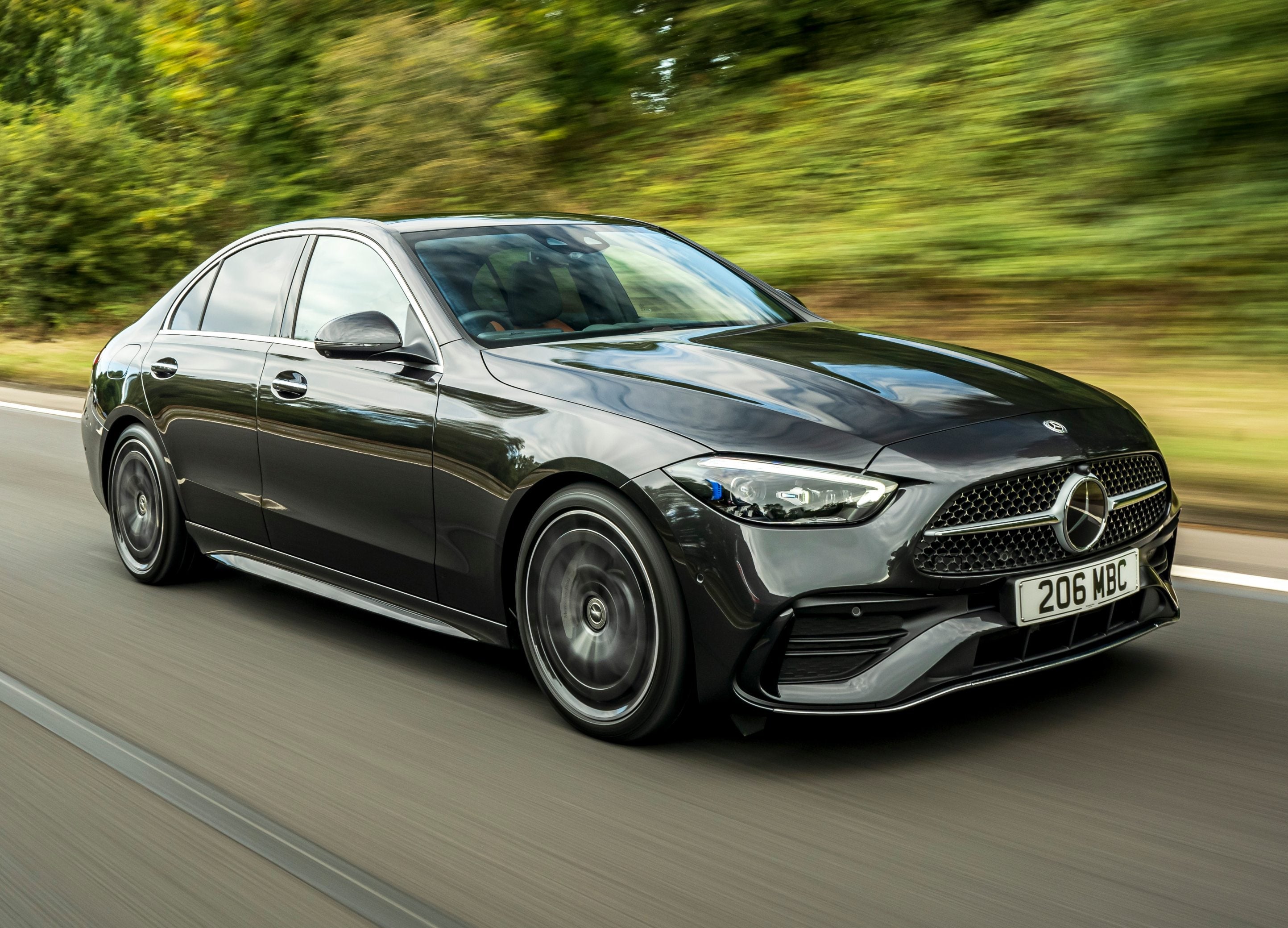
The Mercedes-Benz C-Class is another obvious alternative. It majors on image, interior presentation and comfort, and in some forms feels more overtly luxurious than the BMW 3 Series.
The Alfa Romeo Giulia is still worth considering if you want something with a little more flair and real rear-drive balance, even if it no longer feels as current inside as the BMW.
Beyond those three, buyers may also look at the Tesla Model 3, Polestar 2 or even the BMW i4 if they are ready to go electric. The BMW 3 Series makes most sense if you still want a premium combustion or plug-in hybrid saloon that feels cohesive in every area.
What's the interior like in the Bmw 3 Series?
The cabin is one of the BMW 3 Series’ greatest strengths. It feels well-made, thoughtfully designed and modern without becoming difficult to use.
Bmw 3 Series boot space and practicality
The BMW 3 Series offers 480 litres of boot space in petrol form, which is a useful figure for a premium saloon, even if it doesn’t challenge the roomiest mainstream alternatives.
Go for the BMW 330e plug-in hybrid, and that drops to 375 litres because of the battery packaging. That’s a meaningful sacrifice, and it is worth bearing in mind if you regularly carry luggage or family clutter.
The shape of the petrol car’s boot is usefully square by saloon standards, and the opening is broad enough to make loading easy. But this is still a conventional four-door saloon rather than a hatchback or estate, so bulkier items are naturally harder to manage.
Rear-seat room is decent rather than class-leading. Adults fit comfortably enough, but a Skoda Superb or Volkswagen Passat still feels more generous in the back. The centre rear seat is compromised by the transmission tunnel, though that is hardly unique to the BMW.
Bmw 3 Series dimensions
The BMW 3 Series measures 4,713mm long, 1,827mm wide & 1,440mm high. Those dimensions put it right in the middle of the executive-saloon class. It’s large enough to feel substantial and grown up, yet still compact enough to be easy to place on a tight road or in a multistorey car park.
That balance is a big part of the BMW 3 Series’ appeal. It feels more wieldy than larger executive cars, without asking buyers to give up too much cabin or boot space.
Tech and infotainment in the Bmw 3 Series
The current BMW 3 Series uses BMW’s curved display setup, pairing a 12.3-inch driver display with a 14.9-inch central touchscreen. It looks modern and premium, and it has done a lot to keep the cabin feeling fresh.
BMW’s Operating System 8.5 is one of the better infotainment systems in the class. It is sharp, reasonably intuitive and backed up by the still-excellent iDrive rotary controller, which remains a genuine advantage over touch-only rivals.
There is a slight downside in that climate controls are now more screen-based than before, but BMW has at least kept them reasonably accessible.
Wireless Apple CarPlay and Android Auto are standard, and overall, the BMW 3 Series still feels easier to use day to day than many similarly tech-heavy rivals.
Materials available on the Bmw 3 Series
The BMW 3 Series comes with a mix of upholstery and trim finishes depending on the version and options. Sportier models are available with Alcantara/Sensatec upholstery, while Vernasca leather is offered for buyers who want a more traditional leather finish. BMW also offers an optional Luxury Instrument Panel trimmed in black with double-fell seams.
For decorative trims, BMW offers options such as Ash Grey Blue open-pored fine-wood trim, while other cars in the range can be specified with darker metallic-look or sportier trim finishes, depending on model and spec.
What's the Bmw 3 Series like to drive?
The BMW 3 Series is still the class benchmark to drive because it manages to feel sharp without ever becoming exhausting.
Bmw 3 Series range and performance
If you are buying a new BMW 3 Series Saloon in the UK, the current range is centred on the BMW 320i, BMW 330e and BMW M340i xDrive.
The BMW 320i uses a 2.0-litre turbo petrol with 184PS and rear-wheel drive. It covers 0-62mph in 7.4 seconds.
The BMW 330e plug-in hybrid combines a 2.0-litre petrol engine with electric assistance for a total of 292PS. It cuts the 0-62mph time to 5.9 seconds and offers up to 63 miles of official electric range.
The BMW M340i xDrive uses a 3.0-litre six-cylinder petrol engine with mild-hybrid assistance, all-wheel drive and 392PS. It manages 0-62mph in 4.3 seconds.
For most buyers, the BMW 320i is still the best all-round package. The BMW 330e is an excellent tax-efficient alternative, while the BMW M340i xDrive is the one for drivers who want proper pace without stretching to an M3.
Performance data
| Model | Engine/battery size | Power | 0-62mph | Range/MPG |
|---|---|---|---|---|
320i | 2.0-litre | 184PS | 7.4 seconds | Up to 42.8mpg |
330e | 2.0-litre | 292PS | 5.9 seconds | Up to 63 miles EV range |
M340i xDrive | 3.0-litre petrol | 392PS | 4.3 seconds | Up to 36.2mpg |
Bmw 3 Series driving and refinement
The BMW 3 Series still has the sort of steering and front-end response that make it satisfying on an ordinary road in a way many rivals are not.
Turn into a corner, and the BMW 3 Series feels keen and well-balanced. The steering is accurate, body control is excellent, and there’s enough rear-drive adjustability in the regular petrol cars to remind you why the BMW 3 Series has long been the enthusiast’s choice in this class.
What is especially impressive is that it does all this without becoming tiresome. The BMW 3 Series still rides with enough composure and maturity to make motorway journeys easy. On smaller wheels and standard suspension, it’s actually quite supple.
M Sport cars can feel firmer, especially if they are riding on bigger wheels without adaptive damping. That is the main dynamic caveat in the line-up.
Refinement is strong, too. The four-cylinder engines are well hushed in normal use, while the six-cylinder BMW M340i xDrive is both smoother and more characterful again. The BMW 330e is particularly serene around town when using electric power.
How safe is the Bmw 3 Series?
The BMW 3 Series earned a full five-star Euro NCAP safety rating in 2019, with particularly strong adult occupant protection results.
Standard equipment includes BMW’s Active Guard Plus driver-assistance suite, along with parking sensors and a reversing camera. Buyers can also add more advanced assistance packages if they want extra motorway support.
Running costs: What it's like to live with a Bmw 3 Series
Running costs depend heavily on which BMW 3 Series you choose, but the range still gives buyers a sensible spread of options.
Bmw 3 Series fuel economy
BMW quotes up to 42.8mpg for the BMW 320i, which is respectable for a rear-drive executive saloon with this level of performance.
The BMW 330e plug-in hybrid is the standout on paper, with an official electric range of up to 63 miles and a headline fuel-economy figure that looks extremely strong if you keep it charged.
The BMW M340i xDrive is predictably thirstier, but still not outrageous given its pace. BMW quotes up to 36.2mpg.
For many private buyers, the BMW 320i remains the most convincing balance of simplicity, performance and reasonable fuel use.
Bmw 3 Series warranty and servicing
BMW provides a three-year unlimited-mileage warranty on the BMW 3 Series. BMW’s service strategy is condition-based rather than built around a simple old-school annual schedule, which means the car will call for maintenance as required. BMW also offers service-plan cover for buyers who want to smooth ownership costs.
That approach works well enough in practice, though routine BMW dealer labour is never likely to feel especially cheap once any included package expires.
Bmw 3 Series insurance groups
The less-potent BMW 3 Series models (including the petrol 320i and diesel 320d) have been placed in insurance groups 29 to 31. The powerful BMW M340i and M340d will be more expensive to insure, placed in groups 39 and 42, respectively.
As usual, the actual price you'll pay to insure a BMW 3 Series varies on a wide range of factors, including your annual mileage, where the car's stored overnight, your driving experience and even how long in advance you search for quotes. We'd recommend shopping around for quotes. The BMW 3 Series shouldn't be any more expensive to insure than premium rivals, but it might be prohibitively expensive for young or inexperienced drivers.
How much does it cost to tax a Bmw 3 Series?
The BMW 3 Series now pays the current standard annual VED rate after year one, which is £200. Cars with a list price above £40,000 also attract the Expensive Car Supplement, currently £440 a year in years two to six.
With that in mind, most new BMW 3 Series Saloon models will cost £640 a year in VED during that five-year Expensive Car Supplement period.
What trims are available with the Bmw 3 Series?
An entry-level SE trim level was initially offered, but that's since been discontinued. Sport trim is now the entry point to the range, and this includes a very decent level of standard kit, including alloy wheels, three-zone climate control, heated front seats, cruise control and all the various infotainment functionality we discussed earlier.
M Sport trim is the most popular, though, and this adds bigger wheels, sportier styling, lowered suspension and part-faux-leather upholstery. If buying the M Sport, we'd urge you to add the M Sport Pro Pack, or find a used example with it fitted. This adds a bunch of goodies, including the adaptive suspension that gives the 3 Series a plush ride to complement its agile handling.
Ask the Drive experts: common questions
Is the BMW 3 Series still a good car?
Which BMW 3 Series is best?
Does the BMW 3 Series get the Expensive Car Supplement?
Get our latest advice, news and offers
Keep me updated by email with the latest advice, news and offers from Drive.