Mercedes-Benz C-Class Review

Written By Al Suttie
- 2021
- Saloon
- Petrol mild hybrid, diesel mild hybrid, plug-in hybrid petrol, plug-in hybrid diesel
What we love
Rich, S-Class-inspired cabin
Exceptionally relaxed on a motorway
Strong engine range, especially the plug-in hybrids
Things to consider
Ride can feel fussy on larger wheels
BMW 3 Series is more enjoyable to drive
Plug-in hybrids lose a useful chunk of boot space
The DRIVE take on the Mercedes Benz C Class, is it the right car for you?
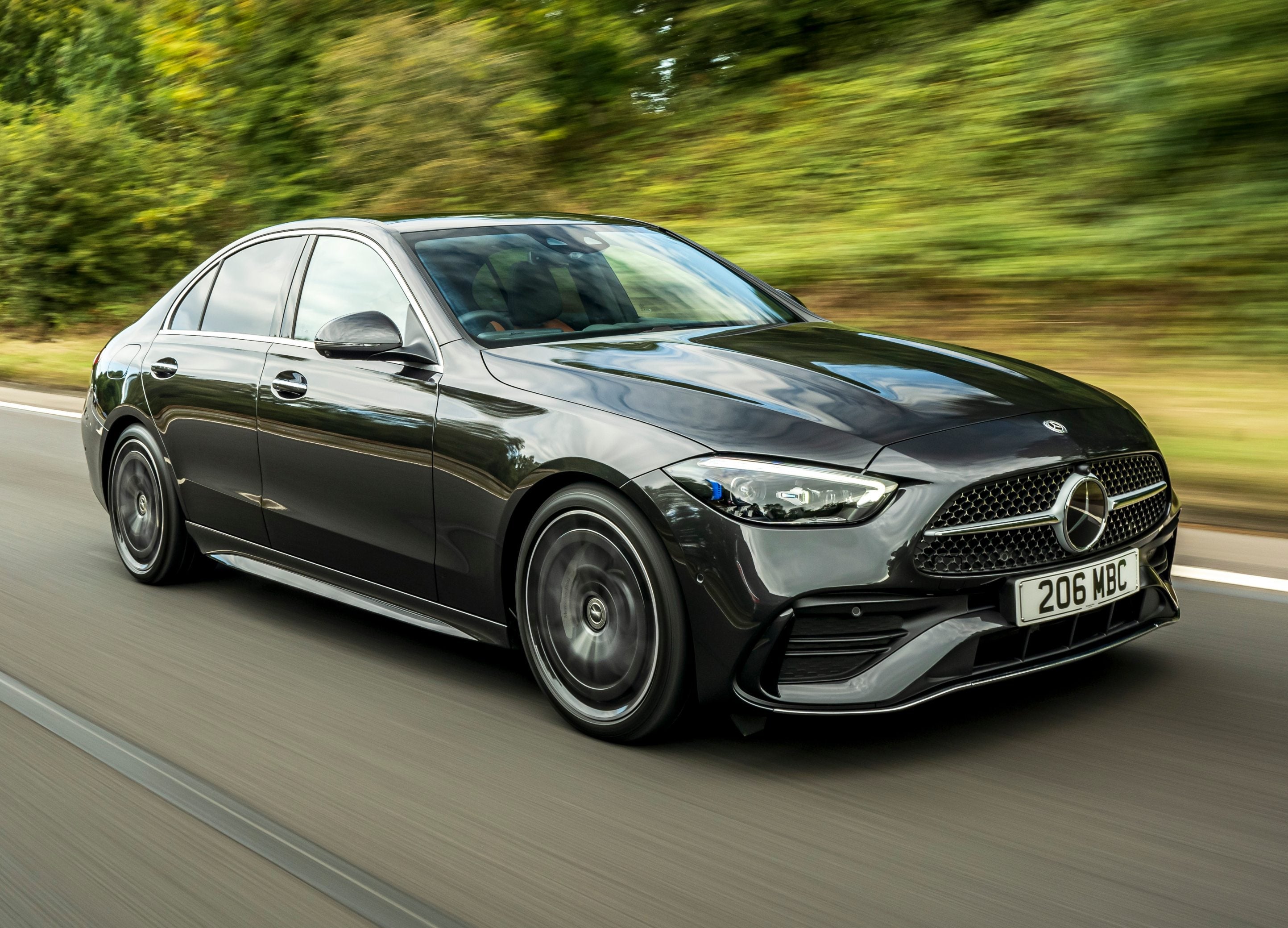
The Mercedes-Benz C-Class does an excellent job of feeling like a smaller S-Class rather than simply a regular compact executive saloon with a premium badge. That is really the heart of its appeal. The Mercedes-Benz C-Class looks smart, feels expensive inside and has the sort of long-distance calm that makes many rivals feel a bit too eager to prove a point. It is not the sharpest or most tactile car in this class, and some versions ride more firmly than you might expect, but if comfort, cabin ambience and strong plug-in hybrid efficiency matter most, the Mercedes-Benz C-Class is one of the best cars in this part of the market.
The Mercedes Benz C Class in more detail
The Mercedes-Benz C-Class has always been one of the key players in the compact executive class, but this generation feels like a more deliberate attempt than ever to bring larger-car luxury down into a smaller, more attainable saloon.
That matters because the class has changed. The Audi A4 is ageing, the BMW 3 Series is still the dynamic benchmark and the Tesla Model 3 continues to appeal if you want electric performance and a different kind of tech-heavy ownership experience. Against that backdrop, the Mercedes-Benz C-Class leans heavily into comfort, richness and day-to-day polish.
Browse used Mercedes C-Class models for sale →
It does that very convincingly. The cabin takes obvious inspiration from the S-Class, with a large portrait-style central touchscreen, a fully digital driver display and a general sense that Mercedes-Benz wants the C-Class to feel much more expensive than its size suggests.
The engine range is broader than you might expect, too. The current UK C-Class saloon line-up includes the C 200 petrol mild hybrid, C 220 d diesel mild hybrid, C 300 e plug-in hybrid petrol and C 300 de plug-in hybrid diesel. That gives buyers a genuinely wide spread of use cases, from conventional petrol ownership through to long-range plug-in capability.
That broad powertrain choice is one of the Mercedes-Benz C-Class’s biggest strengths. The C 200 makes the most sense as a straightforward premium saloon, the diesel still suits long motorway hauls and the plug-in hybrids now have enough battery range to make a meaningful difference rather than simply producing a flattering brochure figure.
The flipside is that the Mercedes-Benz C-Class is not quite as complete in some other areas. It is comfortable rather than especially entertaining to drive, the touchscreen-heavy interior can feel overcomplicated at times and the plug-in hybrids lose a lot of boot space compared with the regular models.
Even so, the overall package is very strong. The Mercedes-Benz C-Class feels like a car designed to make everyday driving feel expensive, calm and easy, and there is a lot to be said for that.
What's the best Mercedes Benz C Class trim and engine option?
For most private buyers, the Mercedes-Benz C 200 AMG Line is the best place to start. It gives you the full visual effect most buyers want, along with enough performance and refinement to suit the C-Class’s brief very well.
The C 200 is not the most powerful model in the line-up, but 204PS and the standard nine-speed automatic are more than enough for day-to-day use. It also avoids the higher cost and packaging compromises of the plug-in hybrids.
If you can charge regularly, though, the Mercedes-Benz C 300 e is arguably the most impressive all-round version in the range. Its electric range is strong enough to make shorter daily journeys realistically petrol-free, and it also happens to be very quick.
Trim-wise, AMG Line makes the most sense because Mercedes-Benz no longer really offers a stripped-back C-Class. AMG Line already gives the car the look, cabin feel and core equipment expected at this price. Premium is tempting for the added convenience and tech, while Premium Plus is the indulgent choice if you want the panoramic roof, head-up display and the rest.
What’s the price of the Mercedes Benz C Class?
The current Mercedes-Benz C-Class saloon range starts from £46,195 in the UK. There are also plenty of used Mercedes C-Class models for sale for considerably less.
That means the C-Class now sits firmly in premium territory, and there is no real pretence of offering a bargain route into executive-car ownership. Even the entry point is expensive enough that you expect a lot in return.
The good news is that the Mercedes-Benz C-Class largely delivers on that expectation in perceived quality, technology and comfort. The less good news is that prices rise quickly once you move up the engine or trim ladder, and it does not take much to push the car deep into Expensive Car Supplement territory.
Alternatives to the Mercedes Benz C Class
The BMW 3 Series remains the obvious alternative if driving enjoyment matters most. It feels sharper, more precise and more engaging than the Mercedes-Benz C-Class, even if it cannot quite match the Merc’s interior theatre.
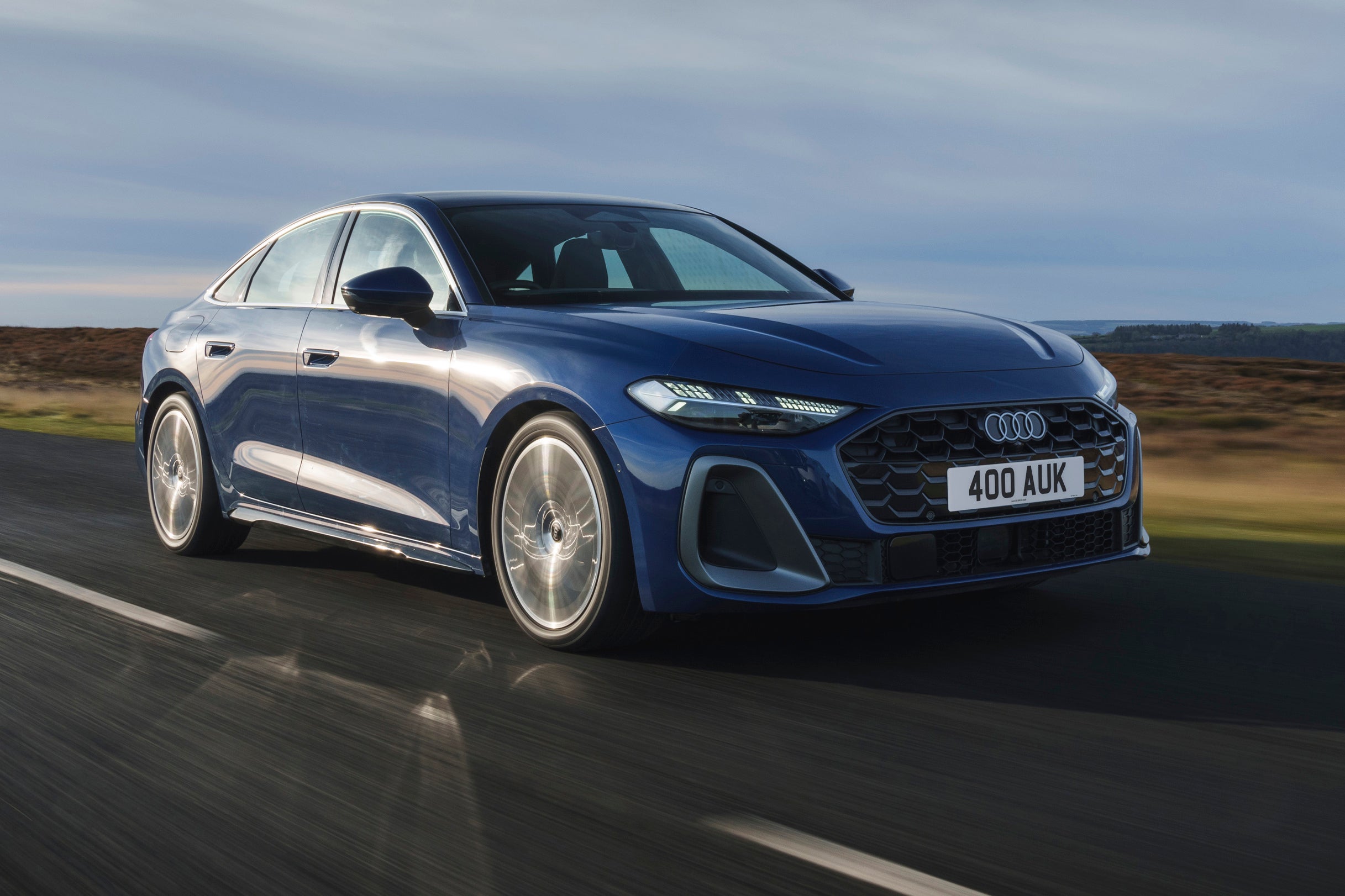
The Audi A4 is still worth considering if you want something more conservative and solidly built, although it no longer feels as fresh as the Mercedes-Benz. The Tesla Model 3 is another obvious alternative if you are ready to go fully electric and want stronger outright performance for the money.
The Lexus ES is a useful left-field rival if comfort and hybrid ease matter more than badge hierarchy, though it is larger and less sporting in feel. Within the broader market, an upper-spec Skoda Superb can also make the rational case look rather awkward for the German premium brands.
What's the interior like in the Mercedes Benz C Class?
The Mercedes-Benz C-Class cabin is one of the car’s biggest selling points. It looks rich, modern and expensive, and it does a convincing job of making the car feel more special than many direct alternatives.
Mercedes Benz C Class boot space and practicality
The front seats are easy to get comfortable in, with plenty of adjustment and a driving position that feels spot on for a compact executive saloon. Heated seats and lumbar adjustment are standard, which helps reinforce the sense that even the entry-level car is not especially entry-level at all.
There is enough storage for everyday life too, with a good-sized central bin, useful door pockets and sensibly placed cup holders.
Rear-seat space is strong by class standards. The Mercedes-Benz C-Class offers enough legroom and headroom for adults to sit comfortably, and it feels slightly more accommodating than some obvious rivals in the back. The middle rear seat is firmer and perched higher, so it is not the place to be for three-up adult travel, but as a four-seat executive saloon the C-Class works well.
Boot space depends heavily on engine choice. The regular petrol and diesel models offer 455 litres, which is competitive for the class and enough for a couple of larger suitcases or family-weekend luggage without any real drama.
The plug-in hybrids take a more noticeable hit. Both the Mercedes-Benz C 300 e and C 300 de drop to 315 litres because of their battery packaging, and that is a substantial reduction. In a car bought partly for long-distance ability, that matters.
So the Mercedes-Benz C-Class is perfectly usable as a family or business saloon, but there is a clear difference between the standard mild-hybrid models and the plug-in hybrids. If boot space matters a lot, the conventional petrol and diesel versions are the easier recommendation.
Mercedes Benz C Class dimensions
The Mercedes-Benz C-Class measures 4,751mm long, 1,820mm wide and 1,438mm high in regular mild-hybrid form.
That makes it a little larger than some buyers may expect of a compact executive saloon, and helps explain why the back-seat accommodation is better than it used to be. It still fits neatly into the class, but the Mercedes-Benz C-Class no longer feels especially compact from the inside.
Tech and infotainment in the Mercedes Benz C Class
The cabin is dominated by the 11.9-inch portrait central touchscreen and 12.3-inch digital driver display, and together they give the Mercedes-Benz C-Class some of the most obvious showroom appeal in the class.
The MBUX system looks sharp and works quickly enough, while the voice control remains one of the better built-in systems on the market. In many situations it is easier to speak to the car than to start digging through menus.
The augmented-reality navigation is another highlight when fitted, because it is not just flashy for the sake of it. In awkward junctions and unfamiliar town centres, it can genuinely make route guidance easier to follow.
The downside is that Mercedes-Benz has pushed a lot of basic functionality into the screen. Once you get used to it, it is manageable, but there is no getting away from the fact that some rivals are simpler to operate on the move.
Materials available on the Mercedes Benz C Class
Material quality is generally very strong. The Mercedes-Benz C-Class combines glossy display surfaces, stitched trim and smart detailing in a way that makes a powerful first impression.
There are still a few signs of cost saving if you look closely. Some lower-down plastics and a few switchgear details do not feel quite as rich as the overall design suggests. Even so, the Mercedes-Benz C-Class remains one of the most visually impressive cabins in the class.
What's the Mercedes Benz C Class like to drive?
The Mercedes-Benz C-Class is designed first and foremost as a luxury saloon rather than a sports saloon, and that comes through clearly from behind the wheel.
Mercedes Benz C Class range and performance
The current Mercedes-Benz C-Class saloon line-up covers mild-hybrid petrol, mild-hybrid diesel and plug-in hybrid petrol and diesel models.
The Mercedes-Benz C 200 is the straightforward default choice. It is quick enough, smooth enough and entirely suitable for the way many C-Class buyers will use their car.
The C 220 d remains the long-distance specialist. It combines strong mid-range shove with excellent official fuel economy, and for drivers who still spend a lot of time on motorways, it makes more sense than some may expect in 2026.
The plug-in hybrids are the standouts. Both the C 300 e and C 300 de are very quick, and their electric range is long enough to make the plug-in side of the equation feel properly worthwhile. The diesel plug-in is an especially unusual offering, but it could make a lot of sense for the right sort of high-mileage driver.
Performance data
| Model | Engine/battery size | Power | 0-62mph | Range/MPG |
|---|---|---|---|---|
Mercedes-Benz C 200 | 1.5-litre petrol mild hybrid auto | 204PS + 23PS boost | 7.3 seconds | Up to 45.6mpg |
Mercedes-Benz C 220 d | 2.0-litre diesel mild hybrid auto | 197PS + 23PS boost | 7.5 seconds | Up to 62.8mpg |
Mercedes-Benz C 300 e | 2.0-litre plug-in hybrid auto | 313PS | 6.1 seconds | Up to 71 miles |
Mercedes-Benz C 300 de | 2.0-litre diesel plug-in hybrid auto | 313PS | 6.2 seconds | Up to 72 miles |
Mercedes Benz C Class driving and refinement
The Mercedes-Benz C-Class feels most at home when it is being driven smoothly. The steering is light and calming rather than especially talkative, and the standard nine-speed automatic is extremely well suited to the car’s comfort-led personality.
At lower speeds, ride quality depends quite a lot on wheel size. Cars on larger wheels can feel a bit fidgety over rougher town surfaces, and that slightly blunts the otherwise luxurious impression.
Once speeds rise, though, the Mercedes-Benz C-Class settles down beautifully. This is where it really earns its keep. On a motorway it feels composed, quiet and extremely relaxed, with the sort of long-distance refinement that makes it one of the strongest cars in the class.
The BMW 3 Series is the more engaging car on a country road, but the Mercedes-Benz C-Class is the better fit if your priority is arriving relaxed rather than entertained.
How safe is the Mercedes Benz C Class?
The Mercedes-Benz C-Class earned a five-star Euro NCAP rating, and it also scored a ‘Very good’ result in Euro NCAP’s 2024 assisted-driving assessment.
Standard safety equipment is already strong, with active brake assist, lane-keeping support, blind-spot monitoring and a reversing camera all part of the package. Mercedes-Benz also offers more advanced driver-assistance systems that can take a significant amount of strain out of motorway driving, though some of the cleverest features sit within optional packs.
Running costs: What it's like to live with a Mercedes Benz C Class
The Mercedes-Benz C-Class has a broad enough engine range that running costs can look very different depending on which version you choose. Pick the right one for your use case, though, and it can be surprisingly efficient.
Mercedes Benz C Class fuel economy
The Mercedes-Benz C 200 returns 45.6mpg on the combined cycle, which is respectable enough for a petrol executive saloon.
The C 220 d is the more economical conventional choice, returning up to 62.8mpg. That makes it the obvious answer if you cover a lot of motorway miles.
The plug-in hybrids are the efficiency headline acts. The C 300 e offers up to 71 miles of electric range, while the C 300 de reaches up to 72 miles. Both can also charge at up to 55kW DC, which is unusually useful for a plug-in hybrid and makes quick top-ups much more practical than in many rivals.
Mercedes Benz C Class warranty and servicing
Mercedes-Benz covers the C-Class with a three-year, unlimited-mileage warranty. That is acceptable for a premium brand, but it no longer looks especially generous against some mainstream alternatives.
Mercedes Benz C Class insurance groups
Insurance groups run from around 33 for the entry-level C 200 into the low-40s for plug-in hybrid versions. That is firmly in executive-car territory.
The Mercedes-Benz C-Class is unlikely to be a cheap car to insure, but the core models are broadly in line with the class norm.
How much does it cost to tax a Mercedes Benz C Class?
The standard VED rate from the second year onwards is £200 a year for petrol, diesel and plug-in hybrid cars.
The more important issue is the Expensive Car Supplement, because every current Mercedes-Benz C-Class saloon starts above the £40,000 list-price threshold. That means all versions attract the extra annual charge from years two to six.
In practice, that takes annual VED to £640 from years two to six before it drops back to the standard annual rate after that period.
What trims are available with the Mercedes Benz C Class?
The current Mercedes-Benz C-Class saloon line-up is built around AMG Line, AMG Line Premium, AMG Line Urban Edition and AMG Line Premium Plus.
AMG Line is the starting point, but it is hardly basic. It already brings the full-screen interior, heated front seats, two-zone climate control, reversing camera and the sort of sporty exterior treatment most buyers will want.
AMG Line Premium adds more of the luxury and convenience kit that suits the C-Class well, including enhanced lighting and extra parking assistance features.
AMG Line Urban Edition sits as a specific special-edition rung in the current range and will appeal if you want a little more visual individuality without going all the way to the top.
AMG Line Premium Plus is the indulgent choice. It adds the panoramic roof, head-up display and the fullest version of the current C-Class equipment story, and it is the trim that makes the car feel closest to a scaled-down S-Class.
Ask the Drive experts: common questions
How much does the Mercedes-Benz C-Class cost?
Is the Mercedes-Benz C-Class a good executive saloon?
Which Mercedes-Benz C-Class is best?
Is the Mercedes-Benz C-Class better than a BMW 3 Series?
Get our latest advice, news and offers
Keep me updated by email with the latest advice, news and offers from Drive.
.jpg)