BYD Dolphin Surf Review

Written By Matt Robinson
- 2025
- Hatchback
- Electric
What we love
Excellent value and generous standard equipment
Impressive interior design and finish for the price
Strong efficiency, particularly around town
Things to consider
The Active’s 137-mile range limits its versatility
The 88PS versions are sluggish away from a standstill
Motorway refinement and rapid charging are only average
The DRIVE take on the Byd Dolphin Surf, is it the right car for you?
The BYD Dolphin Surf is one of the most convincing affordable electric cars. It combines a low starting price with a well-finished interior, useful equipment and excellent efficiency. It makes most sense as an urban car for somebody who can charge at home, although the 200-mile Boost is flexible enough for occasional longer journeys. The four-seat layout and noticeable motorway wind noise mean larger alternatives remain better suited to family use.
The Byd Dolphin Surf in more detail
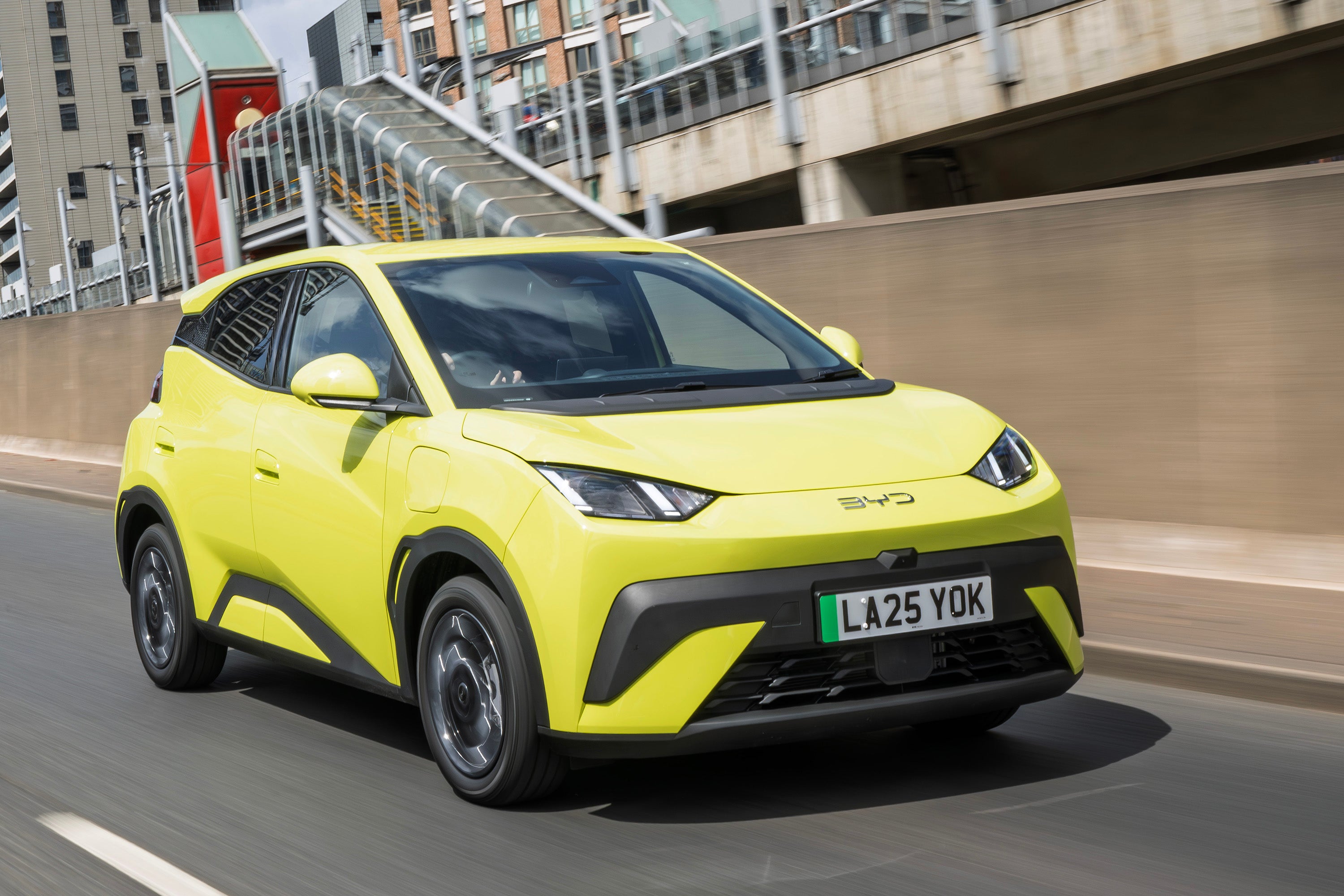
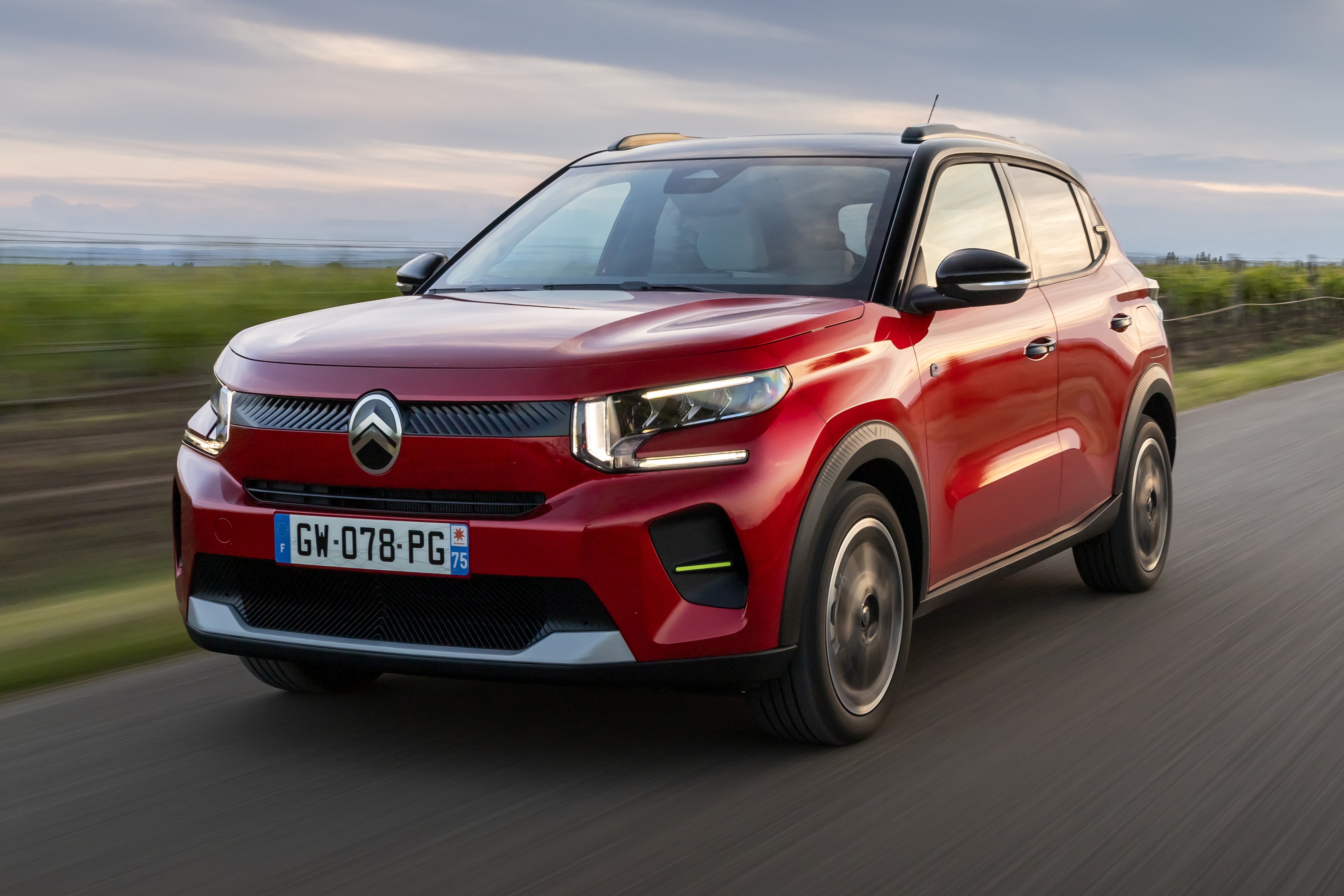
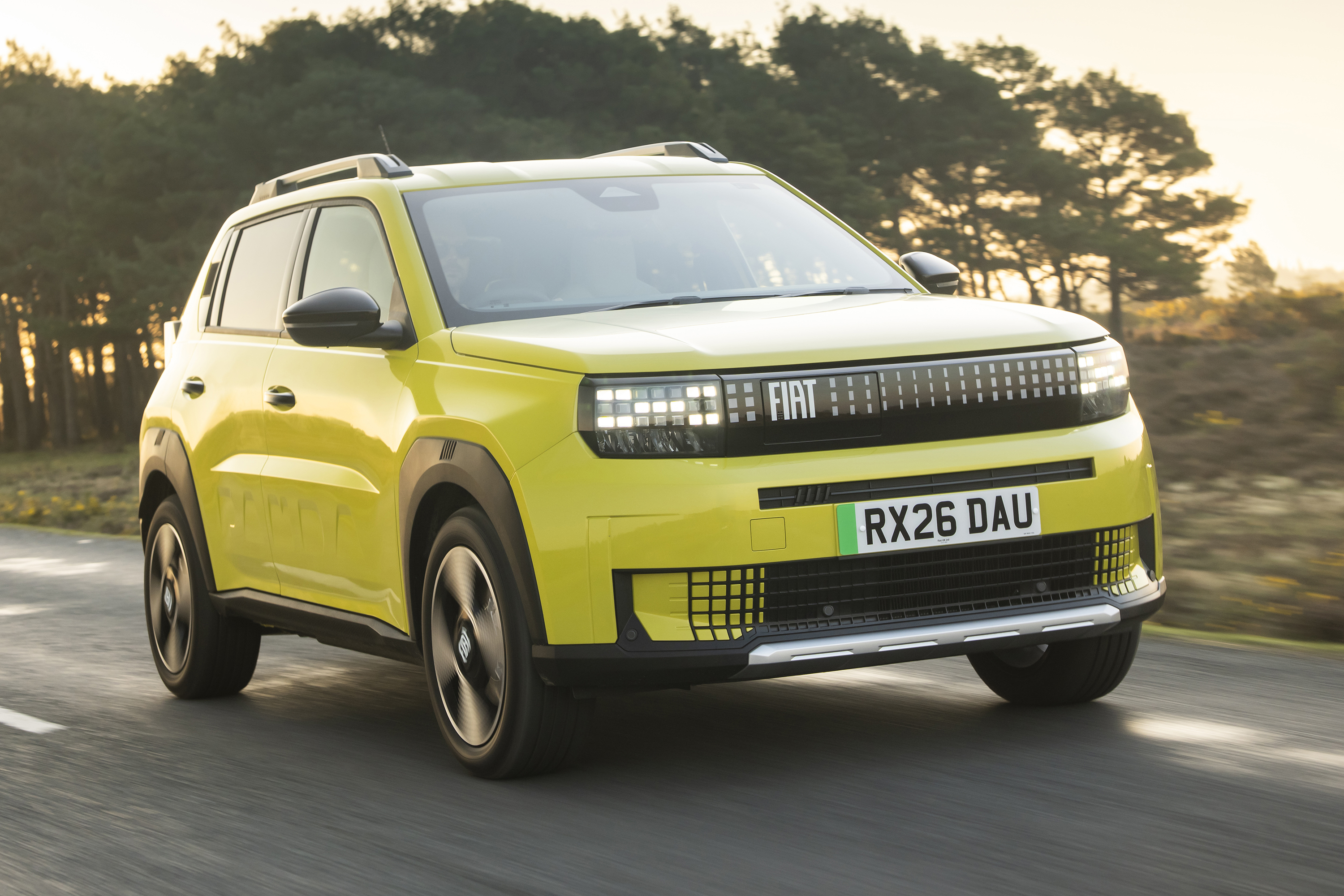
The Dolphin Surf is the smallest and least expensive model in BYD’s UK range. Despite sharing part of its name and some platform technology with the larger BYD Dolphin, it is a separate car designed to compete with affordable electric models such as the Dacia Spring, Leapmotor T03, Citroen e-C3, Fiat Grande Panda Electric and Hyundai Inster.
Known as the Seagull in China and the Dolphin Mini in some other markets, the European version has been upgraded to meet local safety, equipment and regulatory requirements. That helps explain why it costs considerably more in the UK than it does in its home market.
Even so, the £18,675 starting price is competitive. The Dolphin Surf costs more than the most basic Dacia Spring and Leapmotor T03, but it feels more substantial and has a noticeably more sophisticated cabin. It also undercuts the Citroen e-C3, Fiat Grande Panda Electric and Hyundai Inster in comparable forms.
There are three versions. Active uses a 30kWh battery, an 88PS motor and has an official range of 137 miles. Boost combines the same motor with a larger 43.2kWh battery, increasing the WLTP range to 200 miles. Comfort retains the bigger battery but adds a 156PS motor, reducing the official range slightly to 193 miles.
This is primarily an urban electric car rather than a cut-price long-distance EV. Its modest battery capacities, unexceptional rapid-charging speeds and noticeable wind noise at higher speeds make that clear. Around town, however, its compact dimensions, efficiency and good forward visibility play to its strengths.
The interior is another major advantage. Its design is clean and distinctive, while the materials and general assembly feel better than the low price suggests. Even the entry-level version includes most of the equipment buyers are likely to need.
There are compromises. The Dolphin Surf seats only four people, its low-speed ride can become unsettled over broken surfaces and the lower-powered versions respond surprisingly slowly from a standstill. None is a deal-breaker in a car designed mainly for short urban journeys, but buyers planning regular motorway travel should consider a larger and more refined alternative.
What's the best Byd Dolphin Surf trim and battery option?
The Dolphin Surf Boost is the best-balanced version. It costs £21,975 and pairs the larger 43.2kWh battery with the 88PS motor, giving it the longest official range in the line-up at 200 miles.
That additional range makes a meaningful difference. The Active’s 137-mile figure may be sufficient for short local journeys, particularly when the car can be charged regularly at home, but it leaves less flexibility for cold weather, unexpected diversions or occasional motorway trips. The Boost is more likely to work as a household’s only car rather than a dedicated second vehicle.
Performance is its main weakness. Adding the larger and heavier battery without increasing the motor output makes Boost the slowest version on paper. It takes 12.1 seconds to reach 62mph and feels unusually hesitant when moving away from a standstill. Once up to speed, however, it is adequate for urban traffic and suburban roads.
Comfort costs a further £2,000 and uses a much stronger 156PS motor. It reaches 62mph in 9.1 seconds and is the better choice for drivers who regularly use faster roads. It also adds heated front seats, a 360-degree camera, LED headlights and wireless phone charging.
The extra performance is welcome rather than essential, while the official range falls slightly to 193 miles. Boost therefore offers the strongest combination of purchase price, equipment and everyday usability.
What’s the price of the Byd Dolphin Surf?
The BYD Dolphin Surf Active costs £18,675. It has the 30kWh battery, an 88PS motor and an official range of 137 miles.
Boost is priced at £21,975 and upgrades to the 43.2kWh battery while retaining the same motor. Its 200-mile official range is the highest in the range and accounts for most of the £3,300 price increase.
The range-topping Comfort costs £23,975. It uses the same 43.2kWh battery but has a 156PS motor, cutting the 0-62mph time from 12.1 to 9.1 seconds. It also adds equipment including heated front seats, a surround-view camera and wireless phone charging.
The entry-level price compares favourably with the wider electric city-car market, although the value argument becomes less clear at the top of the range. Comfort overlaps with some versions of the Citroen e-C3, Fiat Grande Panda Electric and Hyundai Inster, all of which offer five seats or greater interior flexibility.
Finance and leasing offers can alter the comparison considerably. Buyers considering a monthly payment should also check the initial payment, interest rate, contract length, mileage limit, fees and end-of-agreement conditions.
The Dolphin Surf is still relatively new, but nearly new examples are beginning to appear below their original list prices. Used buyers should compare those cars with any subsidised new-car finance or manufacturer incentives before deciding which offers better value.
Alternatives to the Byd Dolphin Surf
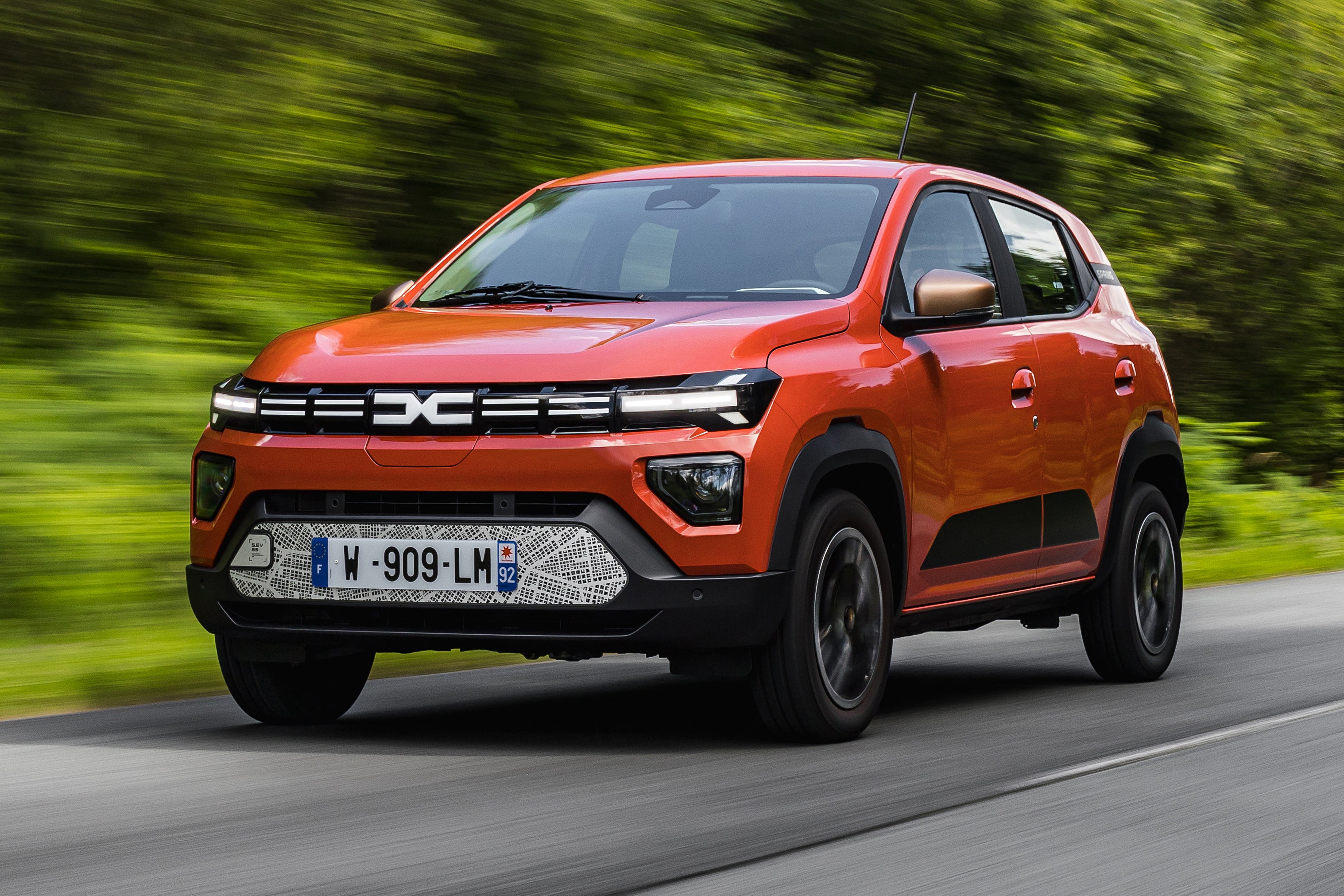
The Dacia Spring is cheaper and offers a similarly modest range in entry-level form. It is extremely simple and economical, but its cabin, refinement and driving manners feel more basic than the BYD’s.
The Leapmotor T03 is another low-cost option. Its compact body is useful in crowded towns, although it is smaller and less practical than the Dolphin Surf.
A Citroen e-C3 costs more but provides a more comfortable ride, five seats and the reassurance of a more established UK dealer network. It is a better choice for buyers who regularly carry three passengers in the rear.
The Fiat Grande Panda Electric is closely related to the Citroen and brings a more distinctive design. Like the e-C3, it is more suitable for family use but costs more than the entry-level BYD.
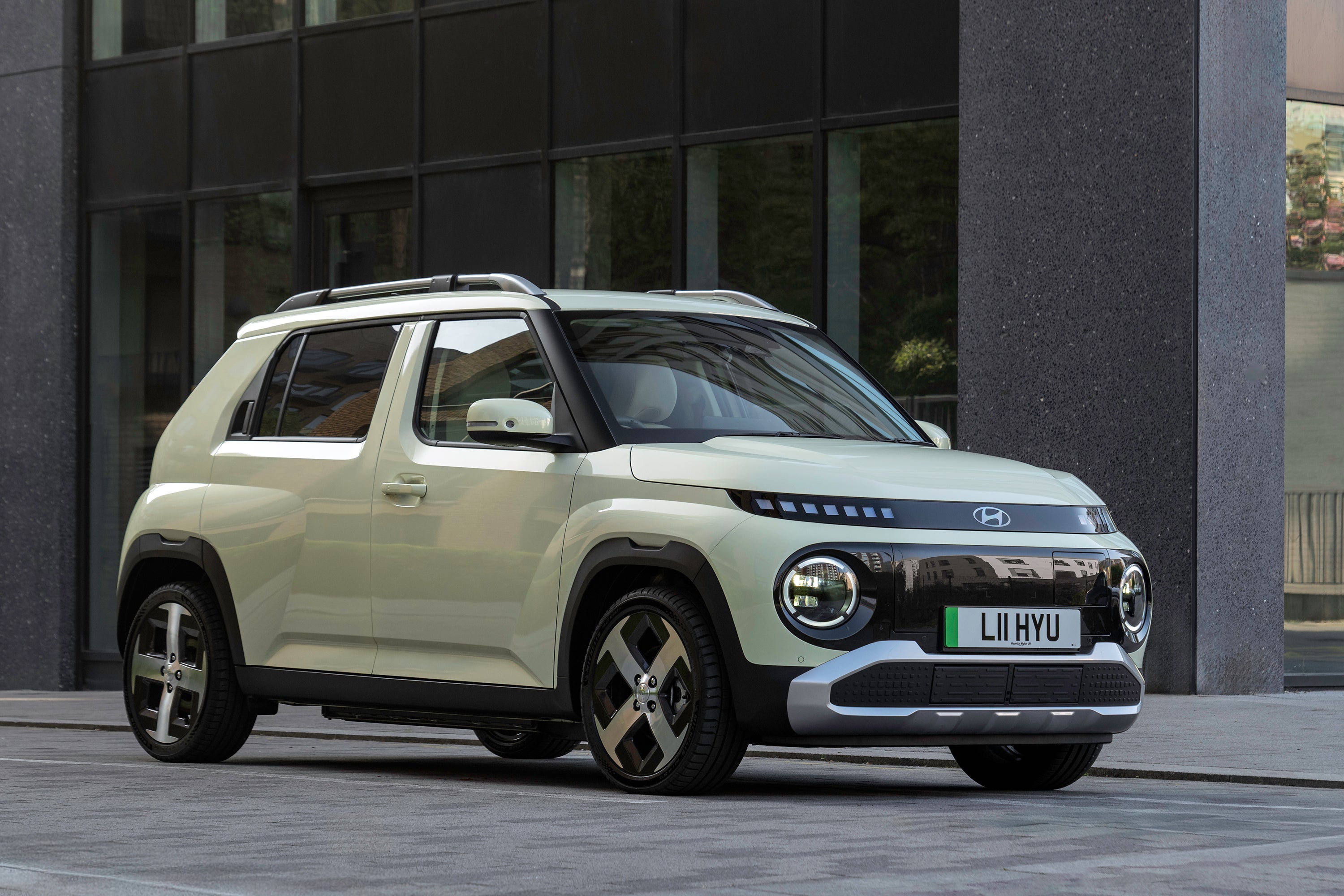
The Hyundai Inster makes particularly clever use of its compact dimensions. Its sliding rear seats provide more flexibility and it feels slightly more polished at speed, although the versions with the most useful seating arrangement are considerably more expensive than a Dolphin Surf Boost.
What's the interior like in the Byd Dolphin Surf?
The Dolphin Surf has a smart, modern cabin that feels more expensive than the car’s price suggests. There is reasonable room for four people and a useful boot, although some storage details are poorly considered and too many everyday controls rely on the touchscreen.
Byd Dolphin Surf boot space and practicality
The relatively upright driving position provides a good view through the windscreen and helps make the Dolphin Surf easy to place in town. The front pillars do not obstruct the view excessively, although rear passengers have a more restricted outlook because of the high window line.
There is sufficient seat and steering-wheel adjustment for most drivers to find a comfortable position. Front headroom is generous thanks to the tall roof, while the narrow body means the driver and passenger sit fairly close together.
Cabin storage includes a deep compartment beneath the central armrest, door pockets and a tray for a smartphone. The wireless charging pad fitted to Comfort has raised sections that help keep a phone in place. In other versions, devices are more likely to slide around.
The cupholders are wide and lack effective grips, so smaller bottles and takeaway cups can move about. It is a minor irritation, but one that is noticeable in a car intended mainly for stop-start urban driving.
The Dolphin Surf is strictly a four-seater. Rear legroom is respectable for a car measuring less than four metres long, and two adults can sit behind average-height front occupants without feeling excessively cramped. The tall roof also provides useful headroom.
The absence of a middle rear seat may rule it out for some families. The Citroen e-C3 and Fiat Grande Panda Electric accommodate five people, while the Hyundai Inster counters with a more flexible rear-seat arrangement.
Isofix child-seat mounting points are fitted to both outer rear positions and the front passenger seat. The tall body and reasonably wide-opening rear doors make fitting a child seat less awkward than the car’s compact footprint might suggest.
The boot holds 308 litres with the rear seats upright, almost matching the Citroen e-C3 and providing enough room for shopping or several small bags. It is relatively deep rather than long, which can make items at the bottom harder to retrieve.
Folding the 50:50 split rear seatbacks increases carrying capacity to 1,037 litres. They create a useful extension to the luggage area rather than a completely flat floor, but the arrangement is sufficiently versatile for occasional larger loads.
Byd Dolphin Surf dimensions
At 3,990mm long, 1,720mm wide and 1,590mm high, the Dolphin Surf is easy to thread through narrow streets and fit into small parking spaces. Its short body is simpler to judge than many electric superminis, while the upright shape helps drivers see where the car begins and ends.
Rear parking sensors and a reversing camera are standard. Comfort adds a 360-degree camera, although the Dolphin Surf is compact enough that most drivers should have little difficulty manoeuvring the other versions.
Tech and infotainment in the Byd Dolphin Surf
Every Dolphin Surf has a 10.1-inch central touchscreen. As in other BYD models, it can rotate electrically between landscape and portrait orientations using an on-screen command, a steering-wheel button or voice control.
The feature is more of a novelty than a meaningful advantage. The display works best in landscape orientation, particularly when using Apple CarPlay or Android Auto. Smartphone mirroring also prevents the screen from rotating, which limits the usefulness of the mechanism.
Portrait mode creates an additional problem because there is not enough room to show all the climate-control icons along the bottom of the display. Most heating and ventilation functions are operated through the touchscreen, and the small shortcut icons can be difficult to select accurately while driving.
The interface is reasonably responsive, with only occasional hesitation, and performs better than some systems fitted to much more expensive cars. Wireless Apple CarPlay and Android Auto are standard, making it easy to use familiar navigation, audio and messaging apps.
A small digital instrument display shows the speed, range and essential driving information ahead of the driver. Its presentation is functional rather than sophisticated, but the important details are easy to identify.
The front of the cabin includes one USB-A port, one USB-C connection and a microSD slot. Boost and Comfort add electrically adjustable front seats, while Comfort includes wireless phone charging.
The standard audio system is adequate rather than remarkable, which is acceptable at this price. Overall, the level of connectivity and screen technology is stronger than buyers might expect from an entry-level electric car.
Materials available on the Byd Dolphin Surf
Artificial leather upholstery is standard across the range, with contrasting materials and colours used on the dashboard and doors.
A fabric-covered dashboard section gives the cabin a warmer appearance than the hard, dark plastics common in affordable cars. Its resistance to marks will become clearer as cars accumulate age and mileage, but the general fit and finish feels robust.
BYD has also avoided using large areas of glossy black trim, reducing fingerprints and visible scratches. Comfort adds heated front seats but does not bring a significant change in the underlying cabin materials.
What's the Byd Dolphin Surf like to drive?
The Dolphin Surf is easy to manoeuvre and perfectly adequate around town, but it is neither especially entertaining nor particularly refined. Its steering is slow, the low-speed ride can feel choppy and the Boost is surprisingly lethargic away from a standstill.
Byd Dolphin Surf range and performance
Active and Boost use the same 88PS front-mounted motor. Active is slightly quicker because its smaller battery makes it lighter, although neither version delivers the eager low-speed response usually associated with electric cars.
Boost feels particularly hesitant when pulling away. The motor takes time to deliver its full output and acceleration remains modest as speeds rise. This is not a major problem in slow-moving urban traffic, but joining a faster road or pulling into a short gap requires more planning than expected.
Comfort’s 156PS motor provides a noticeable improvement. Its 9.1-second 0-62mph time is still not especially quick by electric-car standards, but the stronger response makes it better suited to drivers who regularly venture beyond town.
The Active’s 137-mile official range limits it mainly to local use. Cold weather, sustained higher speeds and use of the heater will reduce that figure, so buyers without convenient charging should consider whether the available margin is sufficient.
Boost provides the longest range at 200 miles, while the more powerful Comfort manages 193 miles. Both figures are competitive for a small and relatively affordable electric car.
Efficiency is a strength. The tested Boost indicated more than five miles per kWh in favourable conditions, suggesting careful urban drivers may get closer to the official range than they would in many larger and heavier EVs. Cold weather and motorway speeds will still have a significant effect.
Performance data
| Model | Engine/battery size | Power | 0-62mph | Range/MPG |
|---|---|---|---|---|
Dolphin Surf Active | 30kWh | 88PS | 11.1 seconds | 137 miles |
Dolphin Surf Boost | 43.2kWh | 88PS | 12.1 seconds | 200 miles |
Dolphin Surf Comfort | 43.2kWh | 156PS | 9.1 seconds | 193 miles |
Byd Dolphin Surf driving and refinement
The Dolphin Surf feels most comfortable in towns and cities. Its compact dimensions make it easy to guide through narrow gaps, while the light controls reduce the effort required in traffic and when parking.
The steering is unusually slow, requiring more movement than expected through tighter turns. This does not make the car difficult to drive, but it contributes to a remote and unenthusiastic character.
Body lean becomes noticeable when cornering more quickly, although it remains controlled enough for everyday use. Applying significant power while turning can make the front tyres protest, even in the lower-powered car, underlining that the chassis has been designed for affordability and ease of use rather than entertainment.
Ride comfort is mixed. At low speeds, the suspension can feel busy over broken surfaces and may struggle to absorb larger speed bumps cleanly. It settles as speed rises, but sharp potholes still send noticeable impacts into the cabin.
Even so, it feels considerably more composed than a Dacia Spring and never seems fundamentally unstable or difficult to control. The brakes require some familiarity because the transition between regenerative and conventional braking is not always completely natural.
Refinement is acceptable around town, where there is little motor noise and the narrow tyres do not generate much rumble. Wind noise becomes significantly more noticeable from around 50mph, making the cabin tiring on longer motorway journeys.
The Citroen e-C3 and Fiat Grande Panda Electric are not especially quiet at speed either, so the Dolphin Surf is not alone in this respect. The Hyundai Inster is slightly more polished, although it also costs more in its most useful forms.
How safe is the Byd Dolphin Surf?
The BYD Dolphin Surf received a five-star Euro NCAP rating in 2025. It scored 82% for adult occupant protection, 86% for child occupant protection, 76% for vulnerable road-user protection and 77% for safety assistance.
The passenger compartment remained stable in the frontal-offset test, with generally good protection for the occupants. Euro NCAP recorded marginal chest protection for the rear passenger in the full-width frontal test and found that the car lacked a countermeasure to reduce injuries caused by occupants striking one another in a far-side impact.
Automatic emergency braking, lane-keeping assistance, speed-limit recognition, adaptive cruise control and driver monitoring are standard. The emergency braking system performed well overall in tests involving other vehicles, cyclists and motorcyclists.
The driver-monitoring system proved over-sensitive during the original road test, occasionally issuing warnings despite the driver looking ahead. Buyers should check how they get on with the system during a test drive, as unnecessary alerts can become irritating.
Running costs: What it's like to live with a Byd Dolphin Surf
Strong efficiency, modest battery capacities and relatively low insurance groups should make the Dolphin Surf inexpensive to run. Its maximum charging speeds are unexceptional, but the small batteries mean a typical rapid top-up still takes about 30 minutes.
Byd Dolphin Surf charging times and costs
Active can rapid-charge at up to 65kW, while the larger-battery Boost and Comfort increase the maximum DC rate to 85kW.
Neither figure is particularly fast, but battery capacity matters as much as the headline charging rate. BYD quotes approximately 30 minutes to charge either battery from 10 to 80 per cent under suitable conditions.
Using a 7kW home wallbox, the 30kWh battery should take roughly four and a half to five hours to replenish from empty. The 43.2kWh battery requires around six and a half hours. Actual charging times depend on the temperature, starting charge level and energy lost during the process.
A three-pin domestic socket will take much longer and is better treated as an occasional fallback than a primary charging method. A professionally installed wallbox is safer, faster and better suited to regular EV use.
Charging costs depend on the electricity tariff. An off-peak home rate can make the Dolphin Surf extremely inexpensive per mile, while public rapid charging is likely to cost several times more.
The Active’s smaller battery costs less to fill, but its limited range means it will need charging more frequently. For most buyers, the Boost’s additional flexibility outweighs the higher cost of a complete charge.
Vehicle-to-load capability is standard, allowing compatible electrical appliances to draw power from the car through an adaptor.
Byd Dolphin Surf warranty and servicing
The Dolphin Surf has a six-year or 93,750-mile vehicle warranty, whichever comes first. Its electric drive unit is covered for eight years or 93,750 miles.
The Blade Battery is covered for eight years or 125,000 miles. Buyers should check the complete warranty documentation for the applicable battery-capacity conditions and exclusions.
Byd Dolphin Surf insurance groups
The Dolphin Surf occupies insurance groups 14 to 19. Active and Boost are both in group 14, while the more powerful Comfort is in group 19.
These are relatively low groups for an electric car. Comfort’s increased motor output explains its higher classification, but it still compares favourably with several slower small EVs.
Insurance group is only one factor used to calculate a premium. The driver’s age, address, claims record, occupation and annual mileage can all have a much greater effect, so buyers should obtain a quote for the exact version before committing to a purchase or finance agreement.
How much does it cost to tax a Byd Dolphin Surf?
Electric cars pay the standard annual Vehicle Excise Duty rate after their first year. The current annual rate is £200.
Every Dolphin Surf is comfortably below the £50,000 threshold for the electric-car Expensive Car Supplement, so the additional charge does not apply.
What trims are available with the Byd Dolphin Surf?
The Dolphin Surf is available in Active, Boost and Comfort trim levels. Unlike many low-cost cars, the entry version does not feel deliberately stripped of essential equipment.
Active starts at £18,675 and is paired exclusively with the 30kWh battery and 88PS motor. Standard equipment includes a 10.1-inch rotating touchscreen, wireless Apple CarPlay and Android Auto, artificial leather upholstery, air conditioning, keyless entry, adaptive cruise control, electrically adjustable and heated door mirrors, rear parking sensors and a reversing camera.
It is the best-value choice for buyers who need a second car or a dedicated urban runaround. Its 137-mile official range is the main limitation, particularly for anyone unable to charge conveniently at home.
Boost costs £21,975 and is the recommended version. It upgrades to the 43.2kWh battery, increasing the official range to 200 miles. It also adds 16-inch alloy wheels, electrically adjustable front seats, electrically folding door mirrors and automatic windscreen wipers.
The larger battery makes Boost far easier to use beyond short local journeys. Its weak acceleration is noticeable, but remains adequate for the role the car is intended to perform.
Comfort costs £23,975 and combines the 43.2kWh battery with the more powerful 156PS motor. It also adds LED headlights, tinted rear windows, heated front seats, wireless phone charging, puddle lights and a 360-degree parking camera.
Comfort is the most desirable version and the better fit for drivers who regularly use faster roads. Its equipment and performance are welcome, but its price puts it into competition with larger, more flexible and more refined electric cars.
The simple range structure makes the Dolphin Surf easy to understand. Active offers the lowest purchase price, Boost provides the best overall balance, and Comfort prioritises performance and equipment.
Ask the Drive experts: common questions
How much does the BYD Dolphin Surf cost?
What is the maximum range of the BYD Dolphin Surf?
How big is the BYD Dolphin Surf’s boot?
Is the BYD Dolphin Surf the same car as the BYD Dolphin?
Get our latest advice, news and offers
Keep me updated by email with the latest advice, news and offers from Drive.