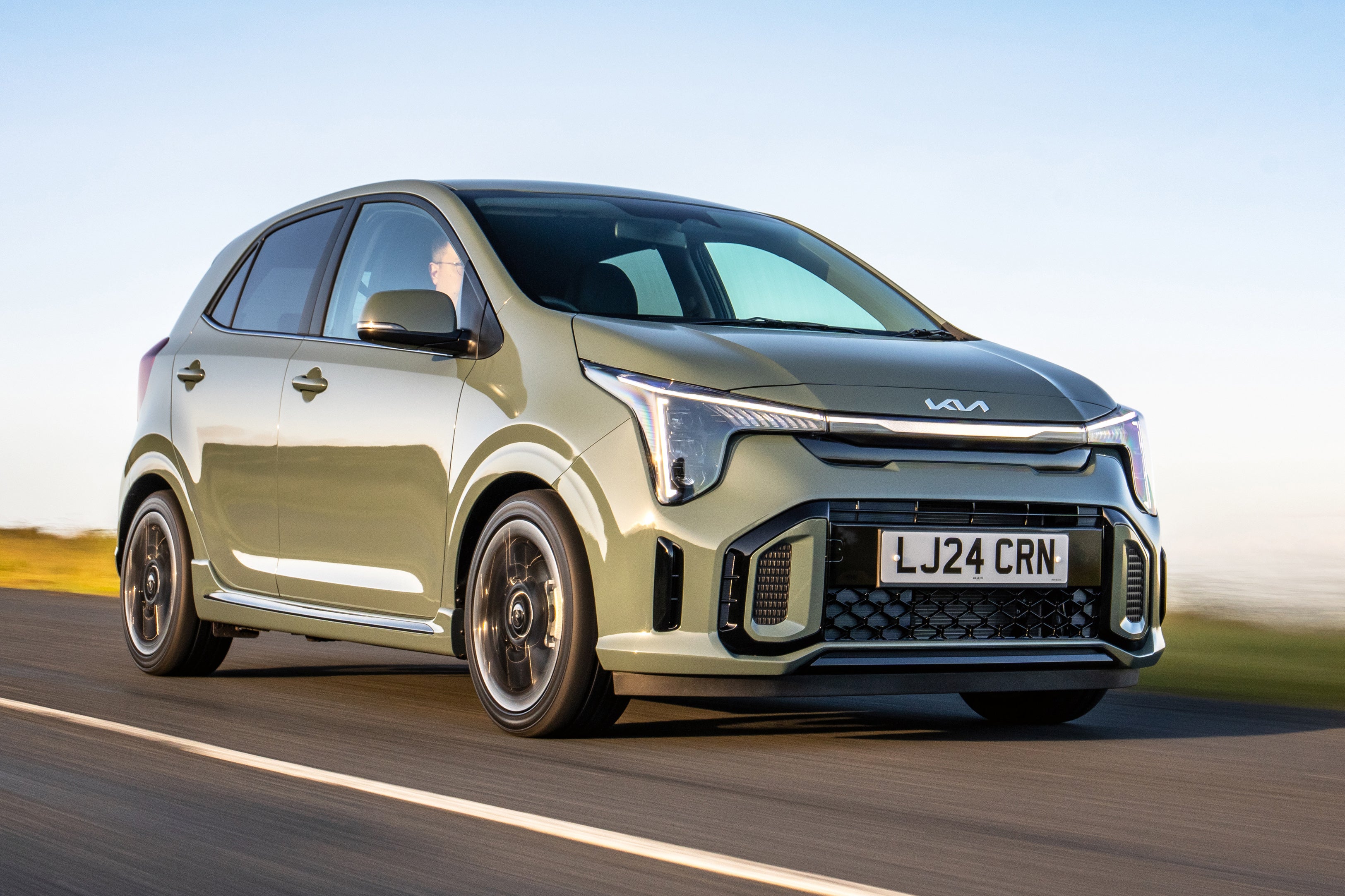
Dacia Sandero Review

Written By Phil Hall
- 2021
- Hatchback
- Petrol
What we love
Astonishing value for money
Impressively spacious for the price
Comfortable and easy to drive
Things to consider
Interior materials are clearly budget-oriented
Refinement isn't as good as in pricier rivals
Used mainstream alternatives feel more polished
The DRIVE take on the Dacia Sandero, is it the right car for you?
The Dacia Sandero is one of the easiest new cars to recommend if value is your top priority. It gives you a lot of car for the money, with genuine family-hatchback space, low running costs and a level of everyday usability that embarrasses plenty of more expensive alternatives.
There are compromises. It feels built to a budget, it isn't especially refined and it doesn't have the richer finish or driving polish of the best small hatchbacks. Its two-star Euro NCAP safety rating is another drawback.
But if what you want is a simple, roomy, comfortable new car that keeps your monthly spending under control, the Sandero makes an enormous amount of sense. The Skoda Fabia and Volkswagen Polo are more sophisticated, but neither comes close on price.
The Dacia Sandero in more detail
The Sandero's appeal is disarmingly simple. It asks a straightforward question: why spend more than you need to on a small hatchback if what matters most is roomy and affordable transport?
That logic is exactly what makes the Sandero such a compelling thing. It doesn't have the sophistication of more expensive rivals, but neither does it sacrifice the equipment most buyers expect from a modern car. This is a car built around value first.
The range when new consists of Essential, Expression and Journey trims, all powered by a 1.0-litre turbocharged three-cylinder petrol engine producing 100PS. The previous TCe 90, 65PS SCe and TCe 100 Bi-Fuel engines are no longer available in the UK new-car range.
The TCe 100 is paired with a six-speed manual gearbox and front-wheel drive. It can accelerate from 0-62mph in 9.7 seconds, which is a useful level of performance for such an affordable small car, while official fuel economy reaches 53.3mpg. There's no automatic option, which is one limitation worth considering if you spend much of your time in traffic.
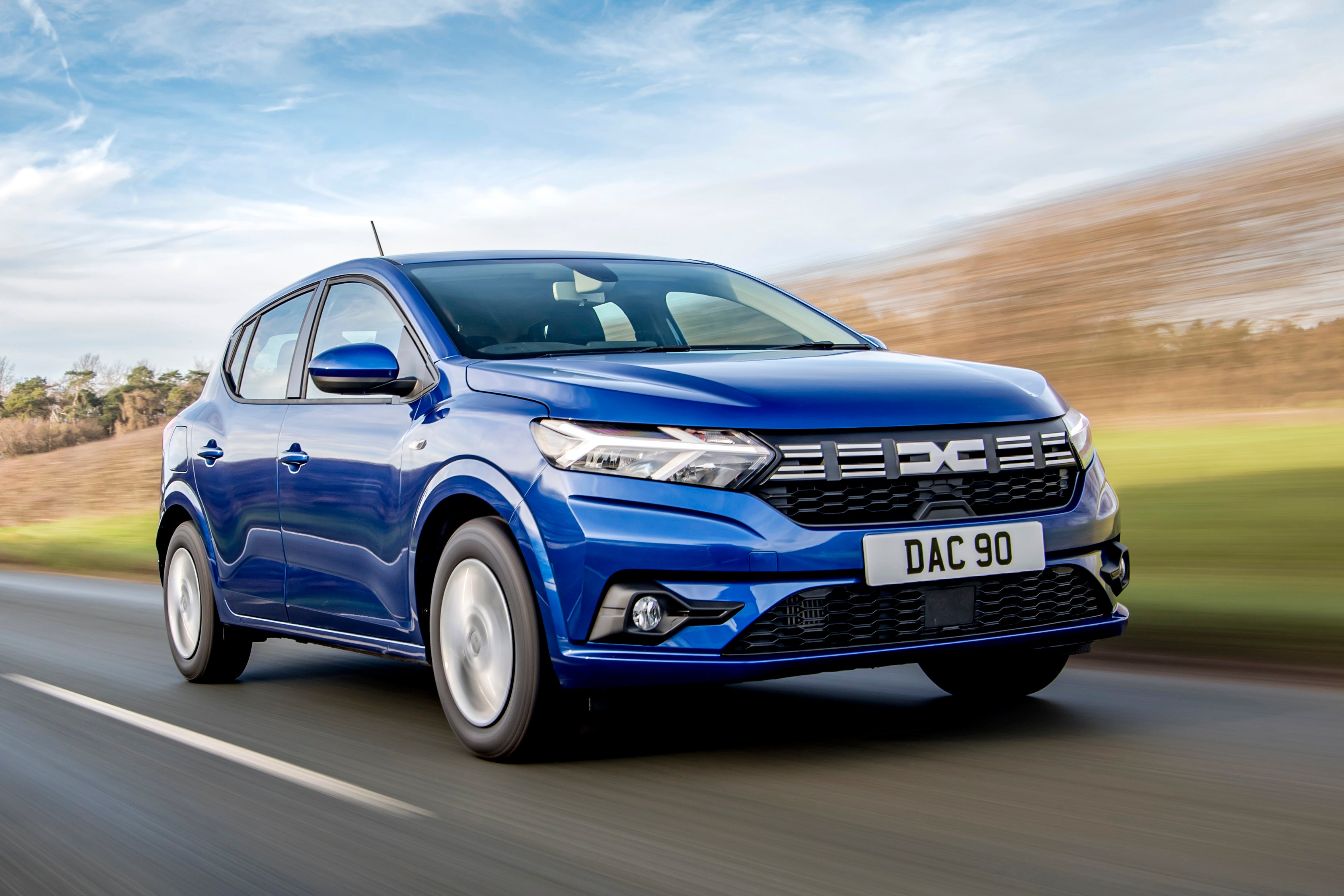
The Sandero's styling has been refreshed for 2026, with a revised grille, distinctive inverted T-shaped lighting and updated bumpers. It looks smart enough without trying to disguise its budget-friendly intentions.
Inside, there's a straightforward dashboard with plenty of physical controls and a useful amount of passenger space. Expression and Journey models benefit from a 10-inch infotainment touchscreen, while the top specification adds digital instruments, navigation and extra convenience features.
Practicality is one of the car's strongest arguments. Its generous rear legroom and useful boot make it a genuine alternative to more expensive superminis, rather than simply a cheap city runabout.
It is a budget car, of course. The materials are inexpensive, the sound insulation is modest and there are details throughout the cabin that remind you where Dacia saves money. But there's something refreshingly honest about that. It isn't pretending to be premium. It's simply trying to deliver the most useful, sensible car it can for the least money.
With prices starting at £14,765, the Sandero undercuts most small hatchbacks by several thousand pounds. If you approach it expecting a Volkswagen Polo for considerably less money, you'll be disappointed. If you want an unusually roomy, comfortable and rational answer to the question of what an affordable new car should be, it's hard to argue with.
What's the best Dacia Sandero trim and engine option?
For most buyers, the best choice is the Dacia Sandero Expression TCe 100. There's only one engine available across the current range, so the decision comes down to how much equipment you want and how much you're willing to spend.
The 100PS turbo petrol should be perfectly adequate for everyday driving. Its 9.7-second 0-62mph time is respectable for a small hatchback, and the six-speed manual gearbox should help it feel comfortable on motorway journeys.
Expression is the trim we'd target because it adds the infotainment and convenience equipment most people actually want, without pushing the price too close to better-equipped used alternatives. For £1,000 more than Essential, you get a 10-inch touchscreen with smartphone mirroring, a reversing camera, electrically adjustable door mirrors and more attractive interior finishes. These are useful upgrades that make the Sandero easier to live with every day.
Essential is appealing if keeping the purchase price as low as possible is the overriding priority. Its basic audio arrangement and simpler equipment won't suit everyone, though. Journey is worth considering if you'd like features such as automatic climate control, heated front seats, navigation and a wireless phone charger. However, at £17,065, it starts to lose some of the extraordinary value associated with the cheaper versions.
What’s the price of the Dacia Sandero?
The Dacia Sandero range starts at £14,765 for the Essential TCe 100, making it one of the least expensive new cars available in the UK. Expression costs £15,765, while the range-topping Journey is priced at £17,065. All three use the same 100PS petrol engine and six-speed manual gearbox. Even the most expensive version is affordable by the standards of modern small hatchbacks.
Metallic paint adds £650, while a spare wheel is available for £200. There are relatively few other factory options, reflecting Dacia's straightforward approach to equipment.
The Sandero substantially undercuts more sophisticated alternatives such as the Volkswagen Polo, the Skoda Fabia and the Renault Clio. Even smaller city cars such as the Kia Picanto can cost more in comparable specifications.
There are also plenty of used Dacia Sanderos available for considerably less, including earlier petrol and Bi-Fuel versions.
Alternatives to the Dacia Sandero
The most obvious alternatives depend on whether you're comparing the Sandero with new or used cars.
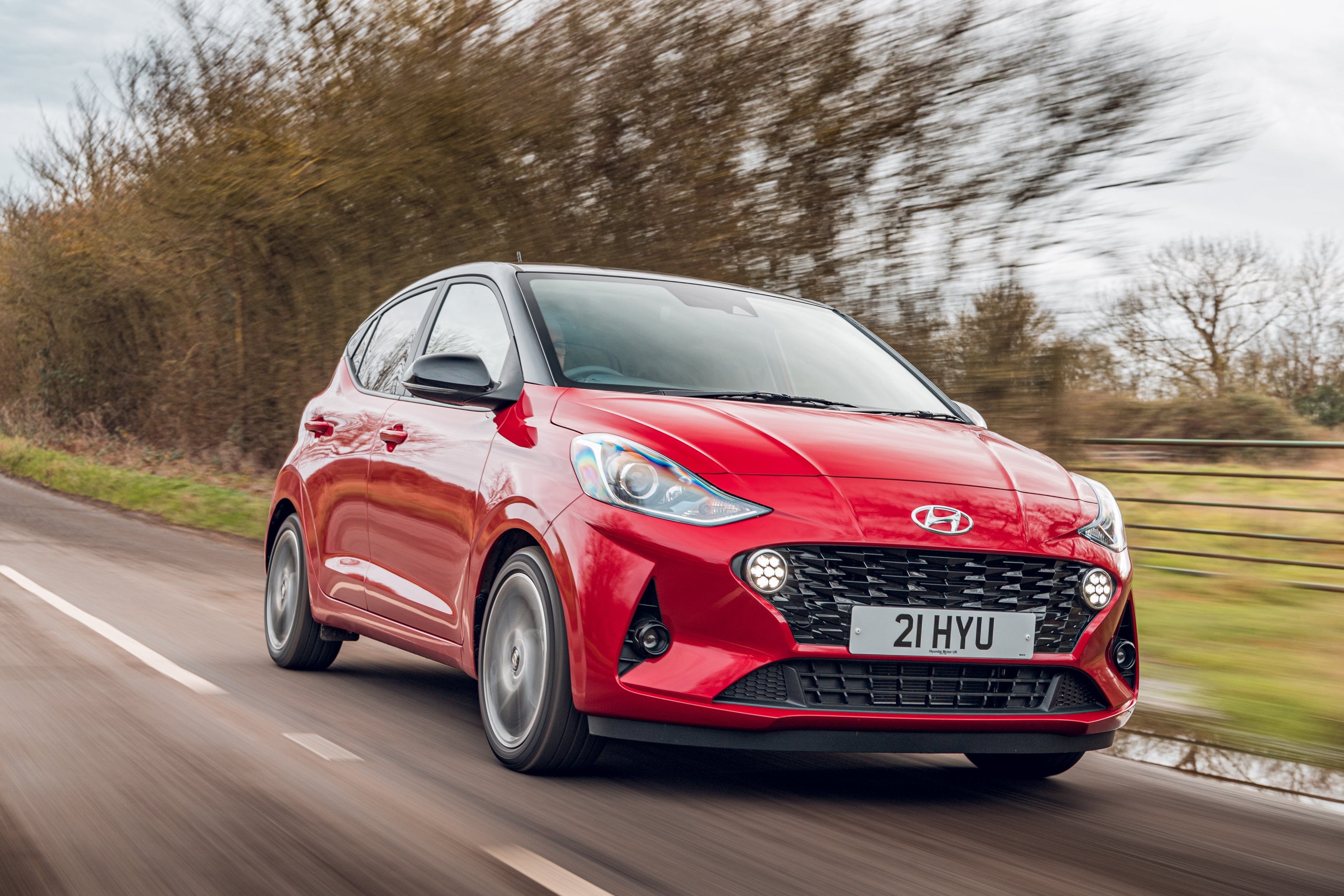
If you're looking at new models, the Hyundai i10 and the Kia Picanto are obvious budget-friendly options, though both are smaller and feel more like city cars than full family hatchbacks. They offer tidy dimensions and straightforward controls, but the Sandero has a clear advantage in passenger and luggage space.
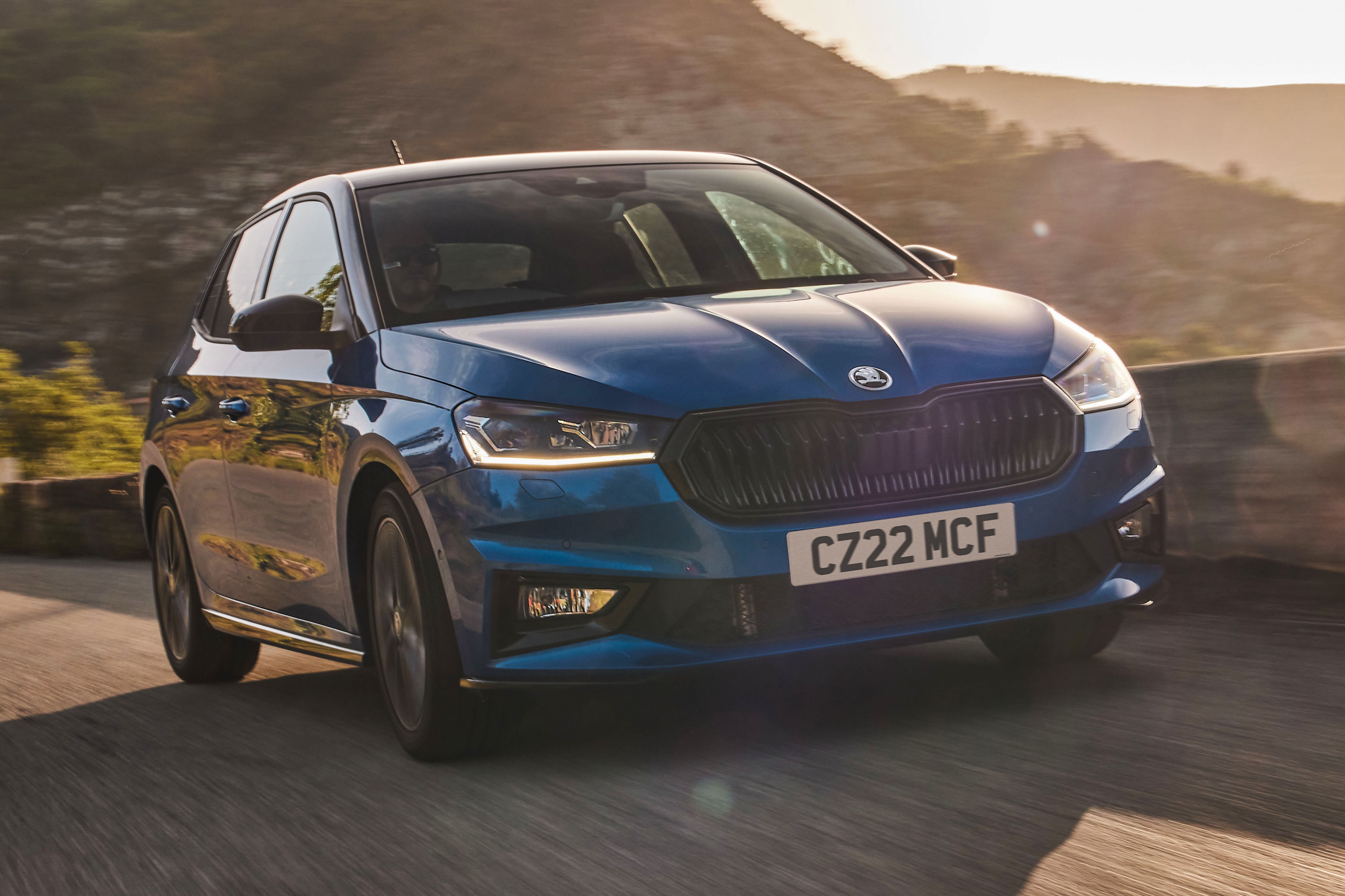
The Skoda Fabia is a particularly strong alternative if your budget stretches further. It's spacious, comfortable and more refined than the Dacia, with a higher-quality interior and a wider choice of engines and equipment.
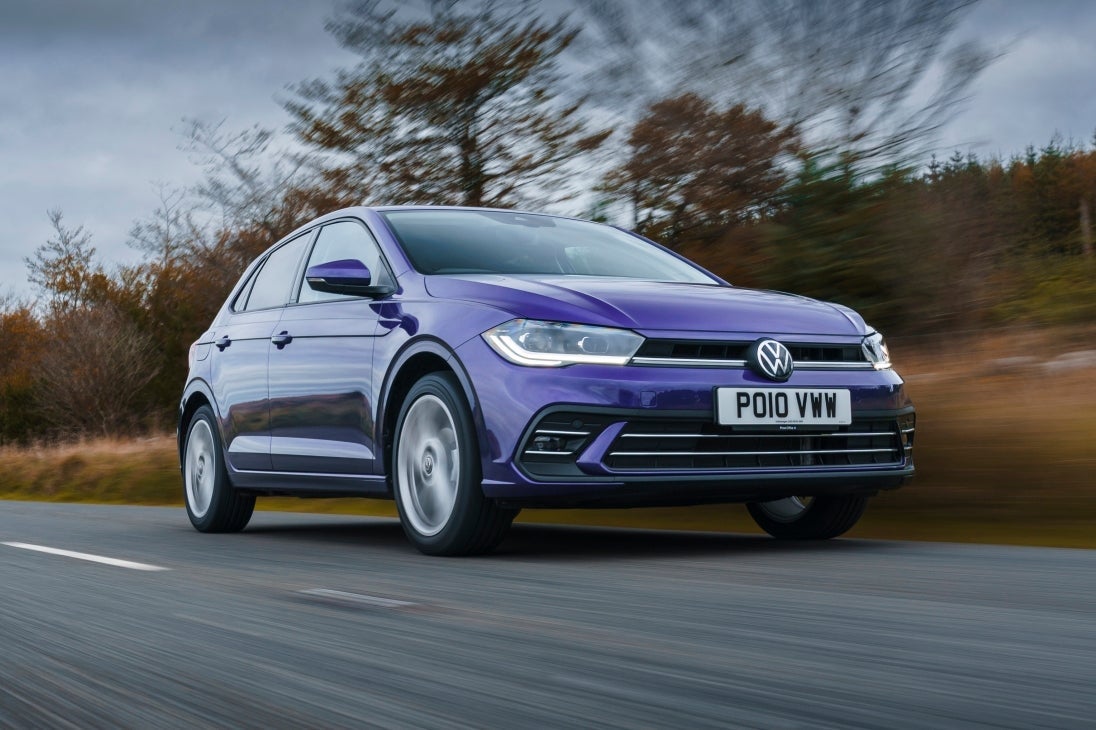
The Volkswagen Polo offers similar advantages, combining a more sophisticated driving experience with a smarter cabin. However, it costs considerably more.
The Renault Clio is another attractive option, with a more stylish interior and an available full-hybrid powertrain that promises excellent fuel economy.
If you're comparing the Sandero with used cars, a Ford Fiesta, a Polo or a Fabia also makes sense. Those cars can feel more polished and entertaining to drive, but you'll be buying something older, with more mileage and less remaining manufacturer warranty.
That's the Sandero's real trick. There are better cars, but very few combine this much space, everyday usability and new-car reassurance at the same price.
What's the interior like in the Dacia Sandero?
The Sandero's cabin looks far better than you might expect for the money. It's simple, clean and modern enough to feel contemporary, even if the low-cost materials soon give the game away.
There's plenty of passenger space, with particularly generous rear legroom for a small hatchback, while the boot is large enough for everyday family use.
The dashboard is easy to understand, with physical climate controls and conveniently positioned storage. Essential models have a basic smartphone-based audio system, while Expression and Journey add a 10-inch touchscreen. Journey also features a digital instrument display and more comfortable upholstery.
Dacia Sandero boot space and practicality
This is one of the Sandero's strongest suits. It feels noticeably more spacious than many buyers will expect from a car with such a low price tag. There's plenty of room in the front, with generous headroom and a driving position that should suit a wide range of drivers. The seats are relatively simple in their construction, but they provide reasonable support and are comfortable enough for everyday journeys.
The dashboard is uncluttered, with clearly arranged controls that don't require much familiarisation. Visibility is also good, thanks to the relatively upright bodywork and generous windows.
The Sandero feels much less intimidating around town than a larger family car, while the higher seating position compared with some conventional superminis provides a clear view of the road ahead.
Cabin storage is useful rather than elaborate. There's a decent glovebox, cupholders, door bins and space for small items around the centre console. Dacia's YouClip mounting points are also available, allowing accessories such as a phone holder, hook or additional cupholder to be attached.
The rear seats are roomy enough for adults in a way that surprises if you come to the Sandero assuming it's basically a cut-price city car. It isn't. It's a proper small family hatchback in terms of the space it offers. Legroom is particularly impressive for the price, although three adults across the rear bench will be a squeeze. Isofix mounting points are provided on the two outer rear seats.
The boot is another highlight. At 328 litres, it's a good size for the price and enough to make the Sandero genuinely useful for family life, shopping or weekends away. Fold the rear seats and total load volume rises to 1,108 litres, giving you useful extra space for larger items. The rear bench has a 60:40 split, and Journey also gets an adjustable boot floor. There's a relatively high loading lip, but the boot itself has a practical shape.
If you want one of the roomiest small cars available for this sort of money, the Sandero is hard to beat.
Dacia Sandero dimensions
The Dacia Sandero measures 4,102mm long, 1,853mm wide with its door mirrors folded and 1,496mm high. Its wheelbase is 2,604mm, which helps explain the generous cabin space, particularly in the rear.
Those are tidy dimensions for a small hatchback, but they allow the Sandero to offer considerably more room than city-car alternatives such as the Hyundai i10 and the Kia Picanto. It's slightly shorter than the Skoda Fabia and the Volkswagen Polo, although the relatively upright body shape means interior space is competitive.
The Sandero has a turning circle of approximately 10.6 metres, making it easy to manoeuvre around town. With its mirrors extended, it's 2,012mm wide, which is worth considering when parking in narrow spaces.
Tech and infotainment in the Dacia Sandero
This isn't an area where the Sandero aims to dazzle, but the better-equipped versions are perfectly usable.
There are three different multimedia arrangements across the range, reflecting Dacia's determination to keep costs down for buyers who don't need an elaborate infotainment system.
Entry-level Essential gets Media Control, which replaces a conventional touchscreen with a smartphone holder and a dedicated Dacia app. You get a DAB radio, Bluetooth connectivity, USB-C charging and steering wheel audio controls, but your phone effectively becomes the infotainment display. It's a sensible cost-saving approach if you're happy using your smartphone for navigation and entertainment, although it won't suit everyone.
Expression introduces a proper 10-inch touchscreen with Dacia's Media Display system. It provides smartphone mirroring, Bluetooth and a four-speaker audio system. Apple CarPlay and Android Auto connectivity are available through wired or wireless connections, making it straightforward to use familiar phone applications. The graphics are relatively basic and the hardware isn't as sophisticated as the systems in more expensive rivals, but the menus are reasonably straightforward and the screen is large enough to use comfortably.
Journey adds Media Nav Live, which includes built-in navigation with live traffic information and an upgraded six-speaker Arkamys audio system. It also benefits from a 7-inch digital driver display, replacing the simpler analogue instruments fitted to Essential and Expression. A wireless phone charger is standard on Journey, along with additional USB-C connections.
One of the Sandero's strengths is that Dacia has retained physical controls for important functions such as climate control. They're straightforward to operate and avoid the touchscreen frustrations found in some more expensive cars.
Materials available on the Dacia Sandero
The Sandero's materials are chosen with cost firmly in mind, and there's no escaping that. Most surfaces are hard, lightweight and obviously budget-oriented. The important thing is that they generally feel honest rather than offensively cheap. The design is neat, with a few visual flourishes to lift the mood, and the cabin looks quite smart for one of the cheapest new cars available.
Essential uses straightforward fabric upholstery, hard dashboard plastics and relatively plain decorative finishes. Expression adds fabric covering to parts of the dashboard and front door armrests, along with upgraded upholstery and a softer-feeling steering wheel. These details make a noticeable difference to the cabin's appearance. Journey goes further with distinctive blue upholstery, additional decorative trim and more convenience equipment.
None of the versions feels genuinely premium, but the overall design is attractive enough and the materials appear sensibly chosen for a car built around affordability.
What's the Dacia Sandero like to drive?
The Sandero is surprisingly likeable to drive, as long as you approach it with the right expectations. It's comfortable, easy and unthreatening rather than engaging or sophisticated.
Its relatively soft suspension does a good job of absorbing everyday bumps, while light steering and compact dimensions make town driving straightforward. The 100PS petrol engine should provide enough performance for most journeys, although we've yet to assess the latest version firsthand.
On faster roads, the Sandero's main weaknesses are limited refinement and less precise handling than some more expensive alternatives. It's a car that prioritises everyday comfort and ease of use over driving excitement.
Dacia Sandero range and performance
The current Dacia Sandero range has one engine: a 1.0-litre turbocharged three-cylinder petrol unit producing 100PS and 200Nm of torque. It's called the TCe 100 and is available in Essential, Expression and Journey trims. All versions use a six-speed manual gearbox and front-wheel drive.
That makes the line-up refreshingly easy to understand, although anyone wanting an automatic transmission will need to look elsewhere.
Dacia quotes a 0-62mph time of 9.7 seconds and a top speed of 111mph. That's respectable performance for a small hatchback, particularly one costing less than £15,000 in entry-level form.
The turbocharged engine produces its maximum torque from 2,900rpm, which should make it reasonably flexible in everyday use. Its six-speed gearbox also provides an additional ratio for motorway driving compared with older five-speed Sanderos. The TCe 100 replaces the less powerful TCe 90, while the entry-level 65PS engine and the petrol/LPG Bi-Fuel option have also disappeared from the current new-car range.
Those older engines are worth knowing about if you're shopping used. The 65PS version is particularly slow and best suited to town driving, while the TCe 90 provides a much more useful balance of performance and economy. The Bi-Fuel offered the ability to run on either petrol or liquefied petroleum gas, potentially reducing fuel costs. However, its appeal depends heavily on convenient access to LPG filling stations.
The current TCe 100 produces more power than the previous regular petrol engine and has a significantly quicker official acceleration time. On paper, it should make the Sandero a more capable all-rounder, particularly for overtaking and joining faster roads. Official combined economy is up to 53.3mpg, falling slightly to 52.3mpg in higher specifications.
There are more powerful small hatchbacks, and some rivals offer automatic or hybrid alternatives. However, the Sandero's engine appears well matched to its straightforward brief, with enough performance for everyday journeys and competitive fuel consumption.
Performance data
| Model | Engine/battery size | Power | 0-62mph | Range/MPG |
|---|---|---|---|---|
Dacia Sandero TCe 100 | 1.0-litre petrol, manual | 100PS | 9.7 seconds | Up to 53.3mpg |
Dacia Sandero driving and refinement
Comfort is one of the Sandero's better points. The suspension is soft enough to deal with rough roads impressively well, and around town it feels more forgiving than some more expensive small hatchbacks.
But that comes at the expense of handling sharpness. The steering is light and not especially precise, and if you try to drive the Sandero with enthusiasm it quickly reminds you that this isn't its game.
Most owners will find that perfectly acceptable. The Sandero is easy to drive, easy to place and easy to park, which is exactly what many budget-conscious buyers actually need.
Its relatively compact dimensions and good forward visibility make it particularly well suited to town driving. The controls are light, and the straightforward manual gearbox doesn't take much getting used to.
On country roads, there's more body roll than in sharper-handling rivals such as the Ford Fiesta or Skoda Fabia. The Sandero doesn't offer the same sense of precision or driver involvement, but its forgiving suspension gives it an agreeable, easygoing character.
The emphasis on comfort also makes it reasonably pleasant over longer distances, although it's less settled at motorway speeds than the most sophisticated small hatchbacks.
Refinement is less impressive. Road and wind noise are more obvious than in a Volkswagen Polo or Renault Clio, and the Sandero doesn't hide the fact that sound insulation is one of the places Dacia saves money.
We should note that these impressions reflect the Sandero's established chassis and earlier engine versions. We've yet to drive the latest TCe 100, although its specification gives us some indication of what to expect.
With 100PS and 200Nm of torque, the newer engine should require less effort when accelerating than the previous TCe 90. Its six-speed gearbox should also help it feel better suited to faster roads, although its three-cylinder configuration means some engine noise is likely when pushed.
The underlying suspension arrangement is relatively simple, with MacPherson struts at the front and a torsion-beam rear axle. We'd therefore expect the Sandero to retain its comfortable, forgiving character rather than suddenly becoming a particularly sharp driver's car.
Ultimately, the Sandero is designed to be affordable, comfortable and uncomplicated. It succeeds because it concentrates on those qualities rather than attempting to compete with more expensive hatchbacks for driving excitement.
How safe is the Dacia Sandero?
The Dacia Sandero has a two-star rating from independent safety organisation Euro NCAP, based on testing carried out in 2021. The assessment recorded scores of 70% for adult occupant protection, 72% for child protection, 41% for vulnerable road users and 42% for safety assistance.
The modest rating was partly due to weaknesses in its driver-assistance technology, rather than uniformly poor crash protection. The Sandero's safety equipment has since improved, although the current version hasn't received a new Euro NCAP assessment.
Standard features now include autonomous emergency braking with pedestrian and cyclist detection, lane-keeping assistance, traffic sign recognition, driver attention monitoring and an emergency call system. Journey adds blind-spot monitoring and a multi-view camera system.
These improvements are welcome, but the Sandero's existing two-star rating is a disadvantage compared with better-performing rivals.
Running costs: What it's like to live with a Dacia Sandero
The Sandero's whole reason for being is low-cost motoring, and that comes through clearly in everyday ownership. Its purchase price is among the lowest available for a new car, while the economical petrol engine should help keep fuel bills manageable.
Insurance costs are worth checking carefully, though, as the latest TCe 100 is listed in a higher group than some older Sanderos.
The standard three-year warranty can be supplemented through Dacia's service-activated Zen programme, potentially extending cover to seven years. Servicing, road tax and everyday maintenance should be relatively manageable.
Dacia Sandero fuel economy
Dacia quotes combined fuel economy of up to 53.3mpg for the TCe 100 in Essential trim, dropping slightly to 52.3mpg in Expression and Journey versions. That's strong enough to make the Sandero a relatively inexpensive car to run by modern standards, particularly given its low purchase price. Real-world consumption will depend on driving conditions, but the modest weight and small turbocharged engine should help it deliver respectable efficiency without relying on hybrid technology.
Official CO2 emissions range from 121g/km to 122g/km, so company car drivers won't benefit from the low Benefit-in-Kind rates available with electric vehicles. However, private buyers looking for low-cost petrol motoring should find the Sandero economical enough.
Dacia Sandero warranty and servicing
Dacia covers the Sandero with a three-year or 60,000-mile manufacturer warranty as standard. That's not class-leading, but the brand also offers a way to extend protection through regular servicing.
The Dacia Zen programme provides an additional year or 18,000 miles of warranty cover following a qualifying service at an authorised Dacia retailer. This can be renewed annually, subject to eligibility requirements, potentially providing up to seven years or 75,000 miles of cover in total.
That makes the Sandero more attractive for buyers intending to keep it beyond the original warranty period, although the additional protection isn't automatically included.
Servicing requirements depend on the vehicle's age and mileage, so owners should follow the schedule specified for their particular car. For used buyers, a complete maintenance history is particularly useful when establishing eligibility for further Zen warranty cover.
Dacia Sandero insurance groups
Insurance is an important consideration for buyers choosing the Sandero primarily to save money. The current TCe 100 versions are listed in insurance group 19, which is higher than the ratings associated with some earlier, less powerful Sandero models.
That means the latest car may not be quite as inexpensive to insure as buyers expect, despite its modest purchase price and relatively straightforward mechanical specification.
Some entry-level versions of the Skoda Fabia and the Volkswagen Polo sit in lower insurance groups, although they're considerably more expensive to buy new.
As always, premiums vary depending on the driver and insurer, so it's worth obtaining quotes before ordering.
How much does it cost to tax a Dacia Sandero?
The Dacia Sandero costs £200 a year in Vehicle Excise Duty from the second year onwards, which is the standard annual rate for petrol cars.
First-year road tax varies according to CO2 emissions, but it's included in the new car's on-the-road price.
Because even the most expensive Sandero costs substantially less than £40,000, there's no Expensive Car Supplement to worry about. That means owners pay the standard annual rate without the additional charge faced by buyers of more expensive cars.
This makes the Sandero straightforward to assess as a used car, as there's no outstanding premium tax supplement attached to earlier registrations.
Company car drivers will pay Benefit-in-Kind tax based on the Sandero's petrol-engine emissions, so an electric alternative will generally be more tax-efficient.
What trims are available with the Dacia Sandero?
The Dacia Sandero line-up is built around three trims: Essential, Expression and Journey. All use the same 100PS turbocharged petrol engine and six-speed manual gearbox, so the differences come down to equipment, appearance and comfort.
Essential covers the basics properly enough, with 15-inch steel wheels, air conditioning, electric front windows, cruise control, rear parking sensors and a range of standard safety features. Its Media Control system uses a smartphone holder and dedicated app instead of a conventional infotainment touchscreen. There's DAB radio, Bluetooth connectivity and USB-C charging, but it's clearly the most basic arrangement in the range. That won't bother buyers who simply want an inexpensive car, although the entry-level interior finishes and limited convenience equipment mean Essential feels noticeably more basic than the other versions.
Expression is the sweet spot because it adds the infotainment and convenience upgrades that make the Sandero feel far more complete in everyday use. It gets 16-inch Flexwheels, which are styled steel wheels designed to resemble alloys, along with body-coloured door handles and mirrors, front fog lights and upgraded interior trim. There's also a 10-inch infotainment touchscreen with Apple CarPlay and Android Auto, a reversing camera, electric rear windows and more convenient steering wheel adjustment. The additional fabric trim on the dashboard and doors helps the cabin feel less utilitarian, making Expression a worthwhile upgrade for £1,000.
Journey sits at the top with extra convenience equipment such as 16-inch alloy wheels, automatic climate control, heated front seats, keyless entry and an electric parking brake. It also gets a 7-inch digital instrument display, connected navigation, a wireless phone charger and an upgraded six-speaker Arkamys audio system. Safety and parking equipment improves too, with blind-spot monitoring, front parking sensors and a multi-view camera system. The adjustable boot floor and distinctive blue upholstery add further practicality and character.