Hyundai i10 Review

Written By David Ross
- 2020
- Hatchback
- Petrol
What we love
Roomier than most city-car rivals
Excellent ride quality for a small car
Strong standard equipment and five-year warranty
Things to consider
Automated manual gearbox is best avoided
Boot is useful rather than generous
1.0-litre engine feels strained at motorway speeds
The DRIVE take on the Hyundai I10, is it the right car for you?
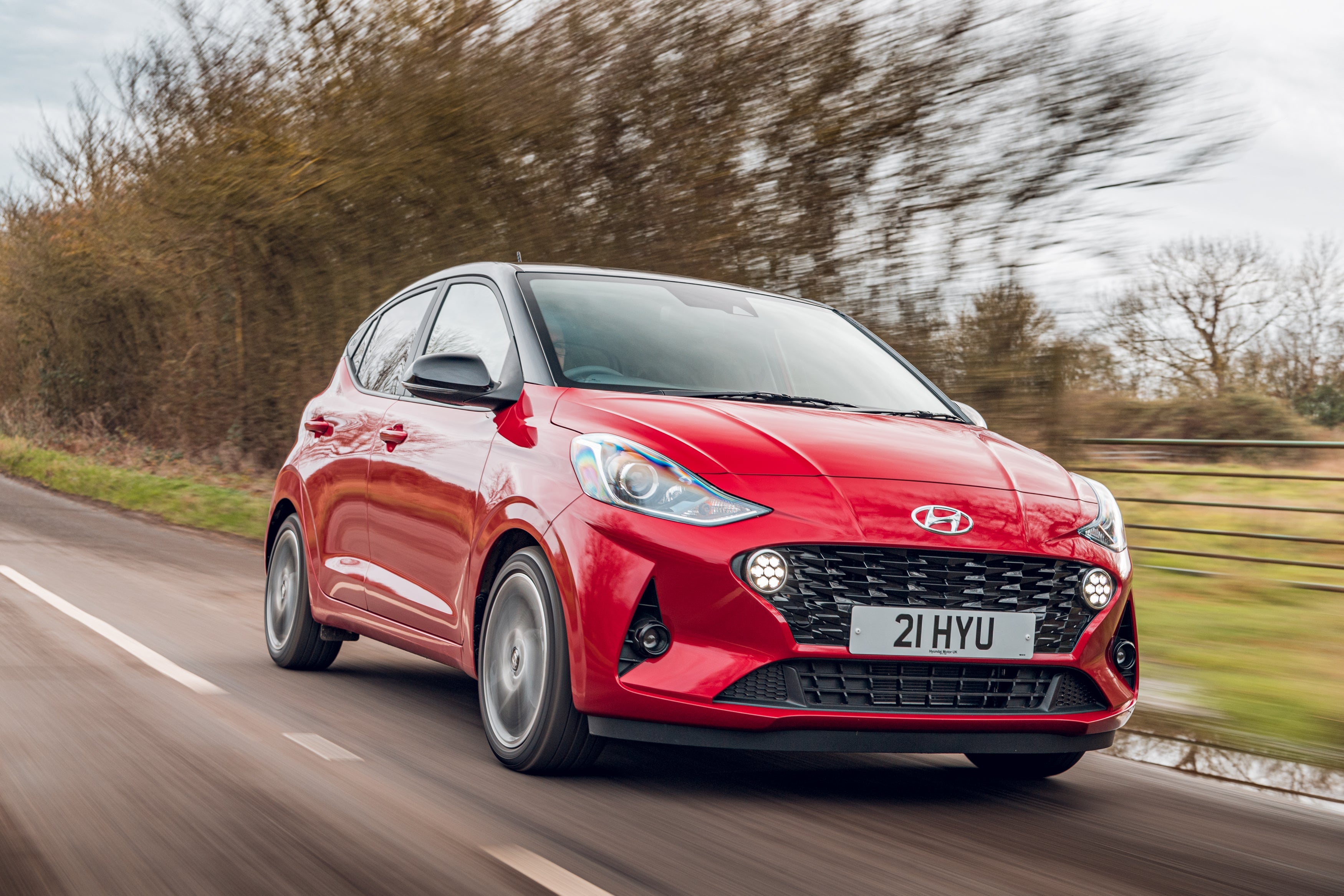
The Hyundai i10 remains one of the easiest city cars to recommend. It is comfortable, surprisingly spacious for its size and far more grown-up on the road than many alternatives. It does not have the visual charm of a Fiat 500 or the fun factor of the old Volkswagen Up, but as an all-round small car the Hyundai i10 still gets an awful lot right. If you want a city car that does not feel like a penalty box the moment you leave town, this is one of the strongest options around.
The Hyundai I10 in more detail
The Hyundai i10 has long been one of those rare small cars that makes sense on more than just price. It is small enough to squeeze through town and fit neatly into tight parking spaces, but it also feels substantial enough to cope with longer trips without constantly reminding you that you bought the cheapest thing on the forecourt.
That is a big part of its appeal. Many city cars are easy to recommend on paper, but feel compromised the moment you try to use them as your only car. The Hyundai i10 avoids that trap better than most. It has more rear-seat space than buyers often expect, a sensible cabin layout and a level of comfort that some rivals still struggle to match.
Browse used Hyundai i10s for sale →
The facelifted line-up is also easy enough to understand. There are three trims, Advance, Premium and N Line, and a small spread of petrol engines. For most buyers, the decision will come down to whether the standard 1.0-litre is enough or whether you want the extra smoothness of the 1.2-litre. The sportier N Line sits a little apart from the rest thanks to its unique 90PS turbocharged engine.
Where the Hyundai i10 falls short is mostly where you would expect. It is not especially fast, the boot is decent rather than class-leading and the automated manual transmission remains a weak point. But taken as a whole, the Hyundai i10 still feels like one of the best judged cars in this part of the market.
What's the best Hyundai I10 trim and engine option?
For most buyers, the Hyundai i10 Advance with the 1.0-litre petrol engine is the best place to start. It is the cheapest way into the range, but it already includes the key kit you will want and the little three-cylinder engine suits the car’s character well.
If you regularly do longer trips, the 1.2-litre is worth considering because it feels calmer at higher speeds. But around town and in mixed driving, the 1.0-litre is the more cheerful engine.
We would avoid the automated manual gearbox unless you absolutely must have a two-pedal set-up. The manual is much smoother and more pleasant to use.
What’s the price of the Hyundai I10?
The current Hyundai i10 range starts at £18,350 for the Advance. Premium starts at £19,650, while the N Line tops the range at £20,950. There are also plenty of used Hyundai i10s for sale for considerably less.
That still keeps the Hyundai i10 among the more affordable new cars on sale, even if it is no longer as cheap as city cars once were. The important point is that the i10 still gives you plenty for the money.
Alternatives to the Hyundai I10
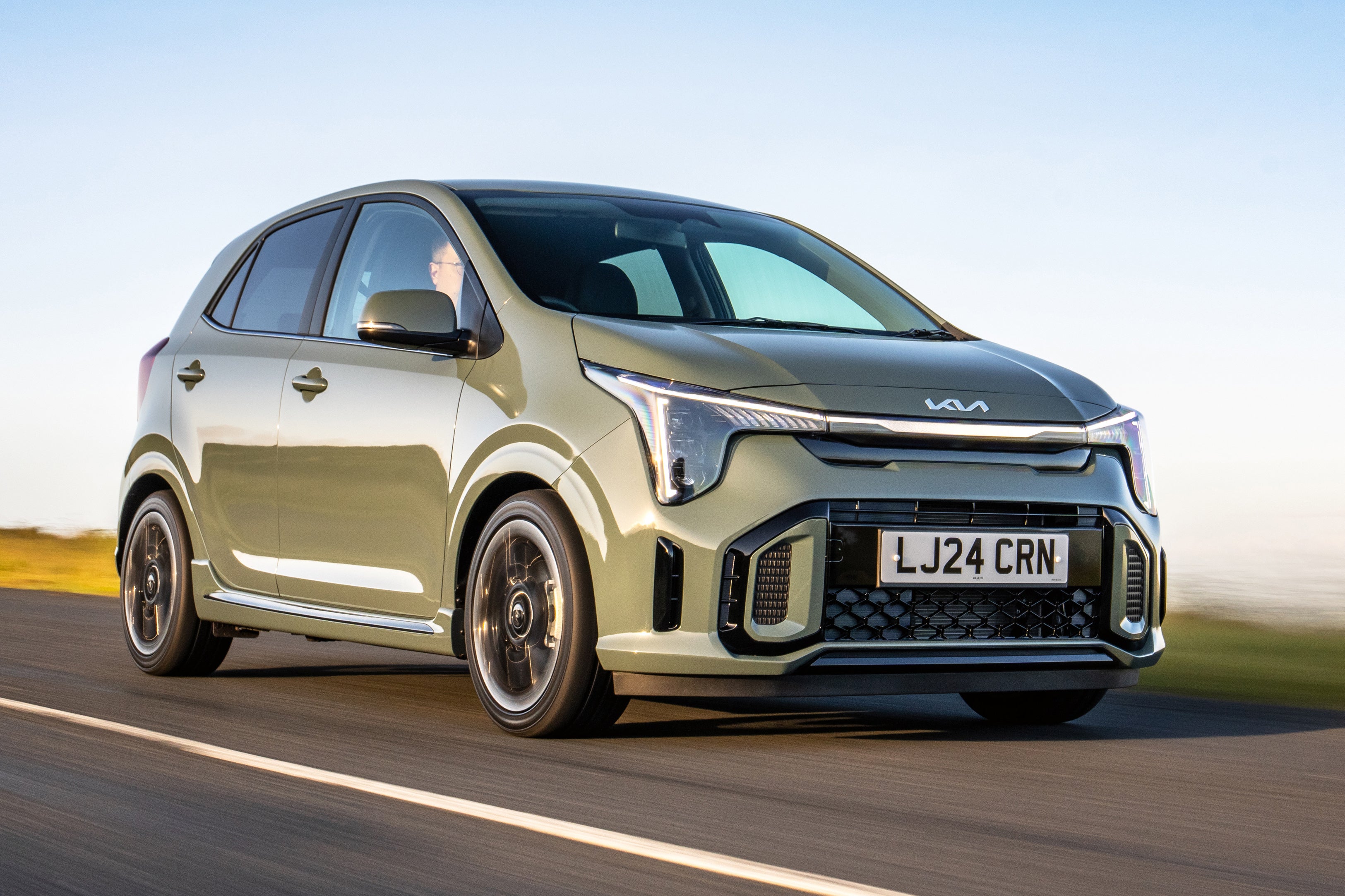
The Kia Picanto remains the most obvious alternative because it offers similar size, value and warranty appeal. The Toyota Aygo X is worth a look if you want something with more visual flair and a slightly crossover-style flavour.
The Volkswagen Up is still one of the best used alternatives if you are happy not to buy new, while the Suzuki Ignis is another interesting option if you like the idea of something a bit more quirky.
The Hyundai i10’s edge is that it blends comfort, practicality and grown-up road manners more convincingly than most other city cars.
What's the interior like in the Hyundai I10?
The Hyundai i10’s cabin is one of the main reasons the car makes so much sense. It is simple, clear and easy to use, and it avoids the gimmicks that can make some rivals feel needlessly frustrating.
Hyundai I10 boot space and practicality
The Hyundai i10 feels roomier than most city cars. There is enough space up front for taller drivers to get comfortable, and the slightly raised seating position helps with visibility and ease of entry.
Rear-seat space is another strong point for a car of this size. It is still a small hatchback, so five adults will be pushing it, but four can fit more comfortably than you might expect.
Boot space stands at 252 litres, which is decent rather than exceptional. It is enough for everyday shopping or a couple of soft bags, but it is not the Hyundai i10’s standout feature.
For context, the Hyundai i10’s 252-litre boot is comparable with a Kia Picanto and a little ahead of a Toyota Aygo X, but it trails larger superminis. The bigger story is that the Hyundai i10 makes very efficient use of a compact footprint overall.
Hyundai I10 dimensions
The Hyundai i10 measures 3,670mm long, 1,680mm wide and 1,480mm high, with a 2,425mm wheelbase.
Those numbers tell only part of the story, because the i10 feels more spacious inside than many rivals with similar exterior dimensions.
Tech and infotainment in the Hyundai I10
The Hyundai i10’s infotainment is one of the better systems in this part of the market. Advance gets an 8.0-inch touchscreen with DAB, Apple CarPlay and Android Auto, and the menus are clear enough that you do not need to spend time learning the system.
Hyundai has also kept physical controls where they matter, which makes the car very easy to use on the move. That is especially welcome in a city car, where you are often dealing with junctions, cyclists and tight roads at the same time.
Materials available on the Hyundai I10
The Hyundai i10 does not pretend to be premium, but it feels sturdily put together and the design is neater than you might expect in a car at this price.
Premium trim adds a bit more visual lift with mood lighting and nicer trim finishes, while N Line brings its own sportier detailing and red accents.
What's the Hyundai I10 like to drive?
The Hyundai i10’s strongest dynamic trait is its comfort. It rides with a maturity that makes many rivals feel brittle or busy by comparison.
Hyundai I10 range and performance
The current Hyundai i10 range uses three petrol engines.
The 1.0-litre is still the best fit for most buyers. It feels eager enough around town, and while the numbers look modest, it suits the Hyundai i10’s lightweight, city-friendly character.
The 1.2-litre is smoother and more relaxed at higher speeds, which makes it a better choice if you do more motorway work.
The N Line’s turbocharged engine gives the i10 a welcome extra shove and makes it noticeably more entertaining, but that version sits slightly apart from the mainstream range.
Performance data
| Model | Engine/battery size | Power | 0-62mph | Range/MPG |
|---|---|---|---|---|
Hyundai i10 1.0 | 1.0-litre petrol manual | 63PS | 15.6 seconds | up to 55.4mpg |
Hyundai i10 1.2 | 1.2-litre petrol manual | 79PS | 13.2 seconds | up to 53.3mpg |
Hyundai i10 N Line | 1.0-litre turbo petrol manual | 90PS | 11.4 seconds | up to 52.3mpg |
Hyundai I10 driving and refinement
The Hyundai i10 is one of the most comfortable city cars on sale. It absorbs potholes and rough surfaces with a suppleness that makes many rivals feel brittle or busy by comparison.
That does not come at the expense of control. The steering is accurate enough, there is decent grip and the i10 feels more composed than many small cars when the road opens out.
The 1.0-litre engine can feel stretched at motorway speeds, but refinement is otherwise good for the class. Road and wind noise are both better suppressed than many buyers will expect in a car this size.
How safe is the Hyundai I10?
The Hyundai i10 received a three-star Euro NCAP rating when tested in 2020. That is not a headline result to boast about, but the standard safety package is still pretty comprehensive for a city car.
All cars get Hyundai SmartSense features including forward collision avoidance assist, lane-following assist, high-beam assist and eCall, while higher trims add more convenience kit such as the rear-view camera.
What trims are available with the Hyundai I10?
The Hyundai i10 range opens with Advance. Standard kit includes 15-inch alloy wheels, rear parking sensors, an 8.0-inch touchscreen with Apple CarPlay and Android Auto, lane-following assist and the basics most buyers will want.
Premium adds 16-inch alloys, heated front seats, rear privacy glass, blue mood lighting, climate control and power-folding mirrors.
N Line sits at the top of the range with its own 90PS turbo engine, sportier body styling, heated front seats, wireless charging pad and N Line-specific interior details.
Ask the Drive experts: common questions
How much does the Hyundai i10 cost?
Is the Hyundai i10 a good city car?
Is the Hyundai i10 cheap to insure?
What is the best Hyundai i10 version to buy?
Get our latest advice, news and offers
Keep me updated by email with the latest advice, news and offers from Drive.
.jpg)
.jpg)