Ford Puma ST Review

Written By Ivan Aistrop
- 2020
- SUV
- Petrol mild hybrid
What we love
Outstanding handling for a small SUV
Huge and cleverly designed boot
Generous standard equipment
Things to consider
Current automatic lacks the old manual model’s character
Ride comfort is firm on poor roads
Several rivals offer considerably more power
The DRIVE take on the Ford Puma, is it the right car for you?
The Ford Puma ST combines the practicality of a small family SUV with the sharp responses traditionally associated with Ford’s best hot hatchbacks.
Its steering is quick, body control is excellent and the chassis remains more engaging than those of most performance SUVs. It also has a spacious 456-litre boot, sensible rear passenger room and an appealing price.
There is an important qualification. The current 170PS mild-hybrid automatic is not as fast, exciting or satisfying as the discontinued 200PS manual. It remains a capable and entertaining small SUV, but used buyers seeking the full Puma ST experience should find the earlier 1.5-litre model.
The Ford Puma in more detail
The Ford Puma ST takes the everyday versatility of the regular Puma and adds a much more focused chassis, stronger performance and a range of Ford Performance upgrades.
When it arrived in 2020, it borrowed heavily from the Fiesta ST, one of the finest affordable performance cars of its generation. The original Puma ST used the same characterful 1.5-litre three-cylinder turbocharged engine, producing 200PS and driving the front wheels through an excellent six-speed manual gearbox.
Browse used Ford Pumas for sale →
Ford retuned the suspension, fitted quicker steering and adapted the chassis to account for the Puma’s taller and heavier body. The result was remarkably successful.
Although the Puma ST could not quite replicate the Fiesta’s delicacy, it came closer than expected. It felt keen, adjustable and alive in a way few small SUVs managed, while retaining enough passenger and luggage space to work as an everyday family car.
That original version is no longer available new. The current Puma ST uses a 1.0-litre three-cylinder petrol engine with 48V mild-hybrid assistance and a seven-speed dual-clutch automatic gearbox. It produces 160PS in normal conditions, increasing temporarily to 170PS when the electrical assistance and overboost function are working together. The newer car is more economical and easier to use in traffic, but it has lost some of the urgency and interaction that made the original so memorable.
Performance remains respectable. It reaches 62mph in 7.4 seconds and has a 130mph top speed, but the engine does not feel as muscular as the old 200PS unit and the automatic gearbox removes much of the driver involvement.
The chassis remains the highlight. Ford’s engineers have preserved the sharp turn-in, strong grip and taut body control that distinguish the Puma ST from ordinary small SUVs.
The result is still enjoyable on the right road, but the current powertrain no longer feels like an equal partner in the experience.
That makes the Puma ST an unusual new-car proposition. Buyers wanting a quick, well-equipped compact SUV with excellent handling may still find plenty to admire. Enthusiasts expecting a taller Fiesta ST are likely to be disappointed unless they shop used.
What's the best Ford Puma trim and engine option?
The discontinued 200PS 1.5-litre manual is the best Ford Puma ST, provided buying used is acceptable. Its stronger engine, slick six-speed gearbox and more immediate responses make it considerably more engaging than the current mild-hybrid automatic. The engine feels eager throughout the rev range, while the manual gearbox gives the driver more control and adds a layer of interaction missing from the newer version.
For new buyers, there is only one powertrain choice: the 170PS 1.0-litre EcoBoost Hybrid with a seven-speed automatic gearbox. It comes with a generous equipment list, including Ford Performance seats, 19-inch alloy wheels, adaptive cruise control, a 360-degree camera and upgraded infotainment. The optional ST Handling Pack is worth considering for committed drivers. It adds KW suspension, different 19-inch wheels and a conventional round steering wheel in place of the standard squared-off design. The firmer suspension will not suit everyone, so an extended test drive is essential before ordering.
What’s the price of the Ford Puma?
The current Ford Puma ST costs £34,000 on the road. That makes it substantially more expensive than an ordinary Puma, but relatively affordable beside many performance SUVs. There are also plenty of used Ford Pumas for sale for considerably less.
Used values vary considerably according to powertrain, age and condition. Early 200PS manual cars can be found from around £18,000, although mileage and specification have a significant effect on price. Later 170PS mild-hybrid automatics generally cost more than £25,000 as nearly new cars. The manual is likely to remain desirable because it offers the more authentic performance experience and is no longer available new.
Alternatives to the Ford Puma
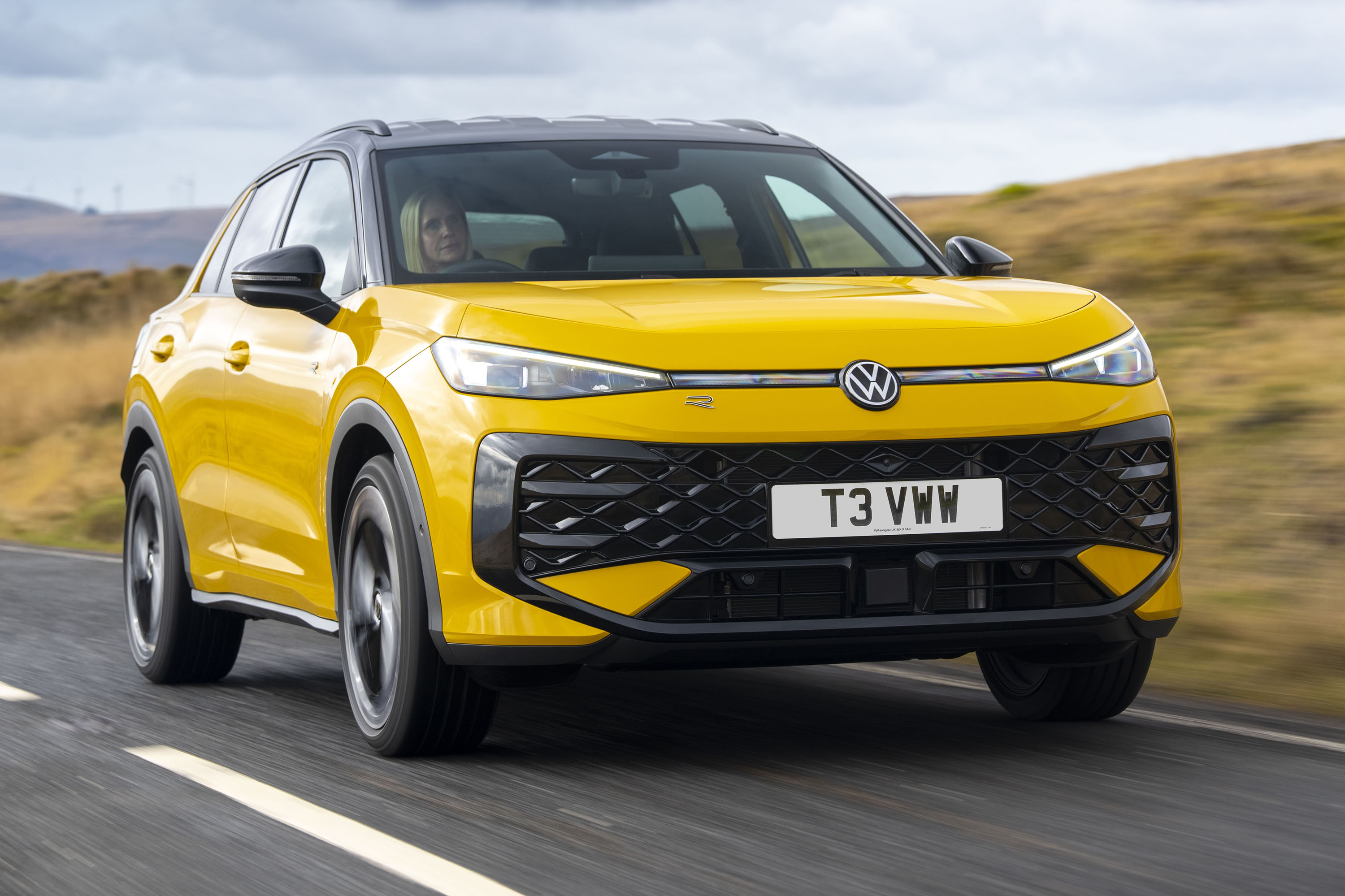
The Volkswagen T-Roc R is much faster and has four-wheel drive, but it costs more and feels less playful.
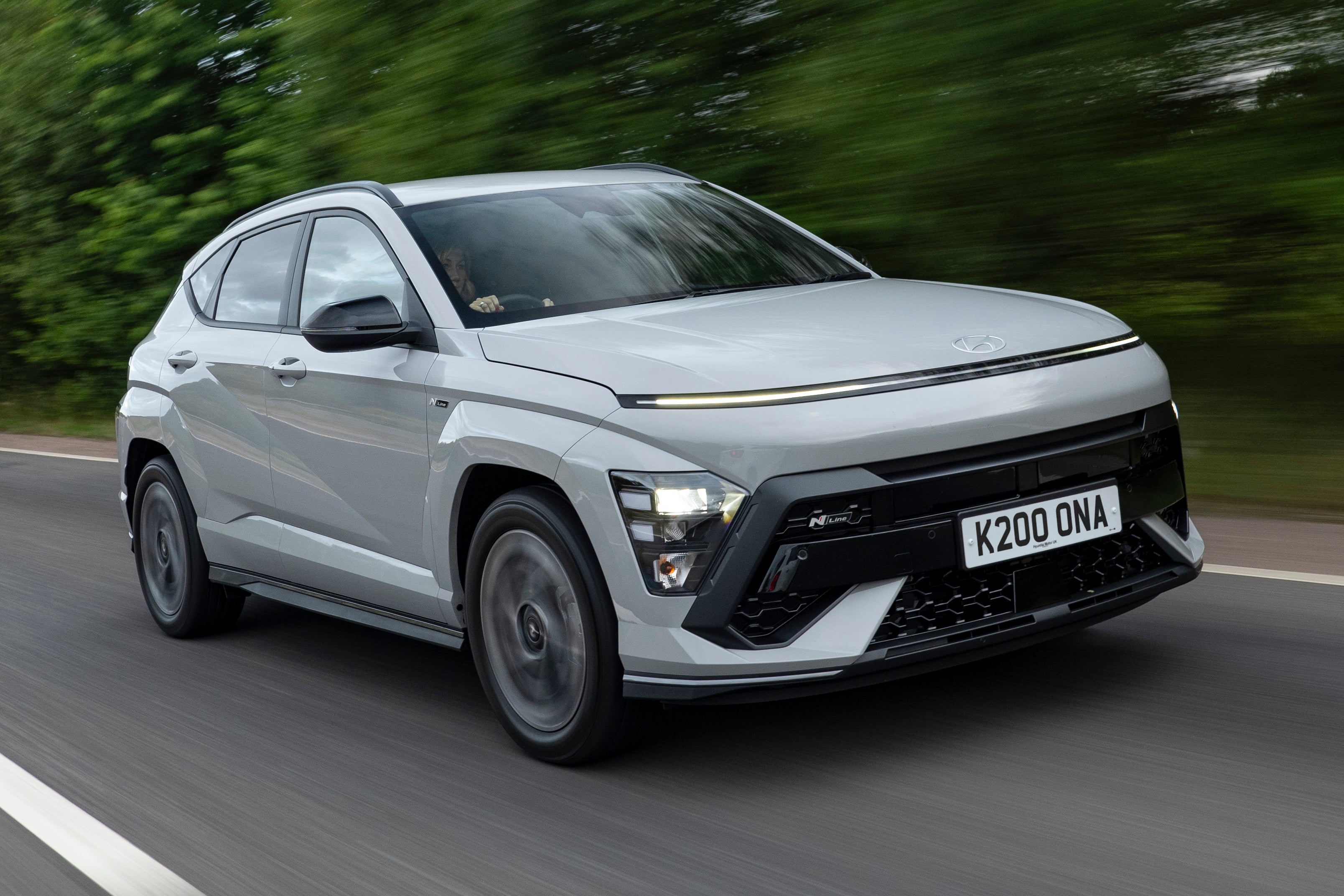
The Hyundai Kona N delivers stronger performance and a more dramatic engine, although its ride is also firm and used supply is limited.
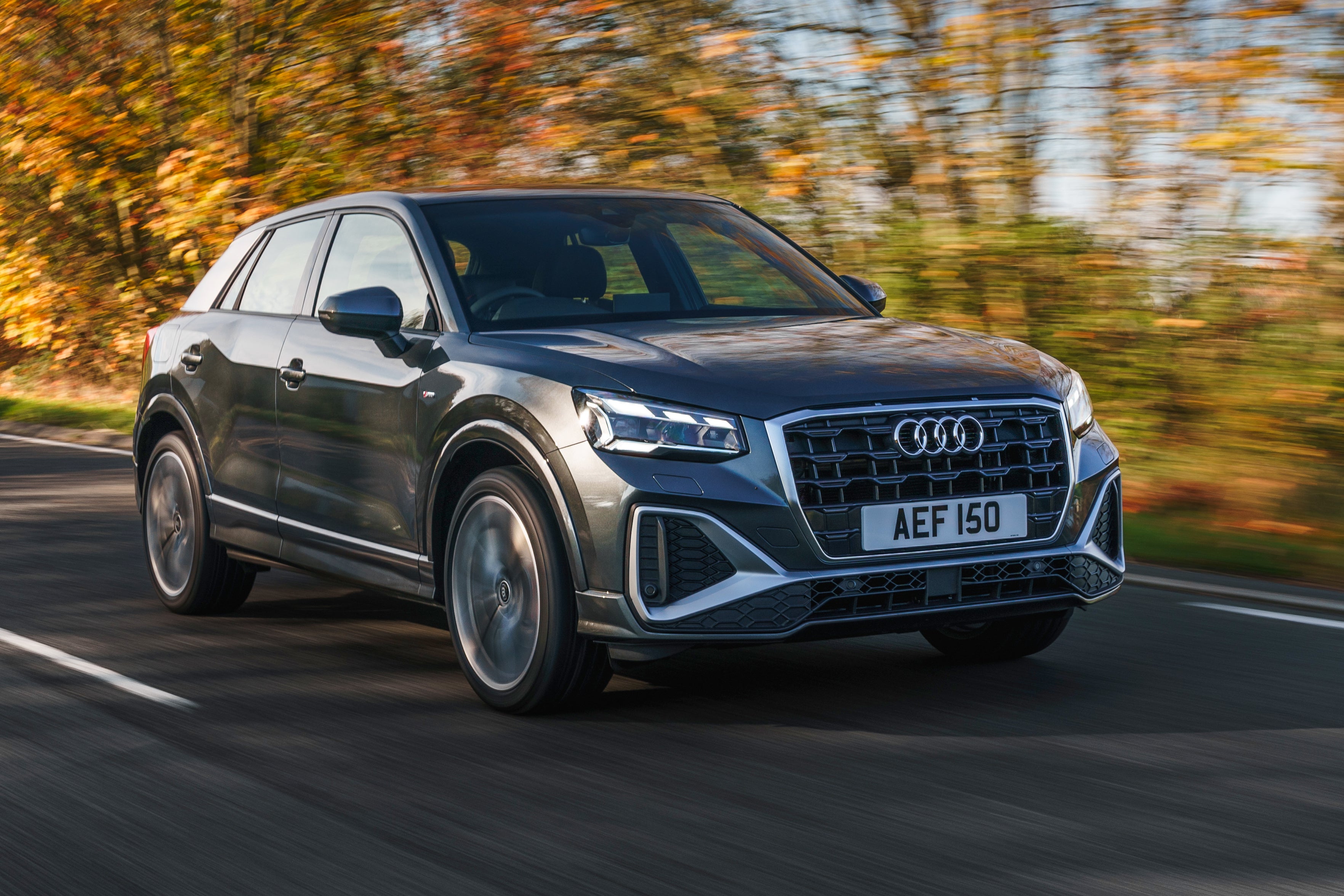
The Audi SQ2 is quicker, more refined and has a more upmarket badge. It is considerably more expensive and less involving.
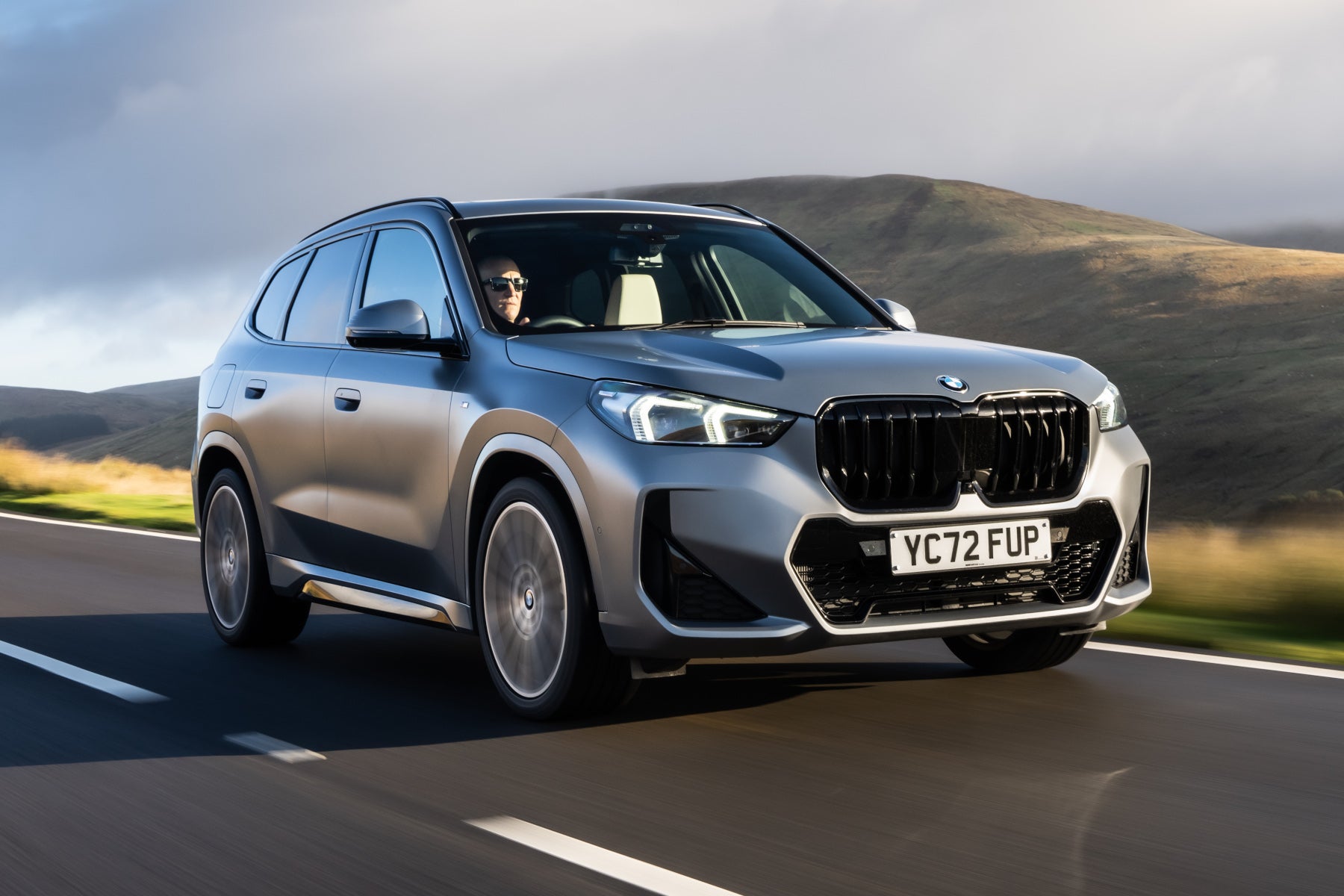
The BMW X1 M35i provides far greater performance and a more spacious cabin, but belongs to a higher price class.
The Hyundai i20 N is not an SUV, yet makes a strong used alternative for drivers who want a light, manual performance car with similar power to the original Puma ST.
The Ford Puma ST-Line X with the 155PS engine offers much of the appearance and everyday equipment for less money. It does not have the ST’s focused chassis or performance character.
What's the interior like in the Ford Puma?
Perhaps not the poshest SUV of its type, and not the roomiest, either, but does a very competitive job in both areas. It’s boot space where the Ford Puma really impresses, though, and the extra underfloor storage area is a work of utter genius.
Ford Puma boot space and practicality
This is definitely an area of strength for the Ford Puma ST, which is important given that most Pumas will be used as family cars. There’s lots of space up front and very competitive space in the rear seats as well. Six-foot adults will fit with relative ease, although you won’t want to squeeze three people across the rear bench on a regular basis. If you’re carrying children, there’ll be space to spare. It’s not class-leading back there for roominess, but it is competitive.
Special praise must be reserved for the Ford Puma ST’s boot. With 456-litres of capacity, it’s not only one of the biggest load areas in the class, but it also has the measure of many cars from the class above. And it’s not just big, it’s clever, too. Lift up the boot floor and you’ll find what Ford calls the ‘Megabox’, which is an 80-litre storage space that’s lined with waterproof plastic and has a drain plug in the bottom. That means you can fill it with ice and use it as a drinks cooler, or more likely use it to store muddy wellies safe in the knowledge that you can hose it out later.
With the false floor in place, you also get a stepless load area when you drop the 60/40 split-folding rear seats. What’s more, the backrests lie flat and level, which makes the space even more usable.
It’s easy to get comfortable at the wheel of the Ford Puma ST, thanks to the plentiful adjustment you get for both the steering column and the driver’s seat. Whether your preference is for the typical high-set position of an SUV, or the low-slung position of a hot hatch, the Puma can oblige – just crank your seat up or down to suit.
The seats themselves are also very supportive, with heavy bolstering to keep you in place under hard cornering, and adjustable lumbar support as standard. Add the fact that the steering wheel and pedals are perfectly aligned with your seat, and you have a driving position that’s just about spot on.
Visibility could be a bit better, however. Your view at the front quarters of the car is hampered slightly by the steeply angled windscreen pillars, while the thick pillars either side of the back window also mean over-the-shoulder visibility isn’t the clearest. However, front and rear parking sensors are standard, so parking manoeuvres shouldn’t be too much of a problem.
There’s a decent amount of storage in the Ford Puma ST's cabin, with a deep lidded cubby between the front seats, a couple of cup holders, deep door bins and a sizable glovebox. Most of the car’s functions are controlled via the car’s central touchscreen, which we’ll come back to in a moment. Happily, the ventilation system gets its own bank of dedicated physical controls so you don’t have to delve into endless on-screen submenus just to change the direction of the airflow. They’re logically placed and easy to use, and the same goes for the small amount of other switchgear to be found in the Puma’s cabin.
Ford Puma dimensions
The Puma ST measures 4,226mm long, 1,805mm wide & 1,533mm high.
It is compact enough for urban use and has a 10.4-metre turning circle. The quick steering can feel sensitive at first, but the cameras and parking sensors make tight manoeuvres straightforward.
Tech and infotainment in the Ford Puma
The Ford Puma ST started out with a SYNC3 infotainment system, and the good news is that it’s cracking. It combines a clear and attractive 12.3-inch digital driver’s display with an 8.0-inch central touchscreen, and works brilliantly thanks to logical menus, large on-screen icons and slick graphics. It also supports all the functionality you expect, including navigation, DAB radio, Apple CarPlay and Android Auto. You get wireless phone charging, as well as a couple of USB ports and a ten-speaker Bang & Olufsen sound system as standard, giving crystal-clear sound.
That was for the manual version and earlier automatic cars. Now, the Puma ST as a new car comes with a 12-inch infotainment display set in a landscape orientation. It comes with Apple CarPlay and Android Auto, premium Bang & Olufsen stereo, navigation, FordPass Connect, and Emergency Assistance included. There's also a wireless charging pad, plus a 12.8-inch digital instrument screen.
Materials available on the Ford Puma
The Puma ST’s cabin feels solid and reasonably well finished rather than genuinely premium.
Soft-touch material covers the upper dashboard and parts of the doors, while the main controls, steering wheel and seat trim feel suitably substantial.
Ford uses synthetic leather and synthetic suede for the current Performance seats, with red stitching and ST branding adding some visual interest.
Harder plastics are found lower down and across much of the rear cabin.
That is common among small SUVs, but the interior does not feel especially expensive for a car costing £34,000.
Build quality is reassuring. The dashboard and centre console feel securely assembled, while the switches operate cleanly.
The dark colour scheme can appear sombre, although the sports seats, metal pedals and ST-specific details give the cabin enough character to distinguish it from an ordinary Puma.
What's the Ford Puma like to drive?
The Puma ST is one of the most agile and entertaining small SUVs. Its chassis remains excellent, although the current automatic powertrain lacks the excitement of the original 200PS manual.
Ford Puma range and performance
For the earlier part of its existence, the Puma ST was available with a single powertrain, the same one found in its hot hatch sibling, the Fiesta ST. The 1.5-litre three-cylinder turbocharged petrol engine, teamed with a six-speed manual gearbox, punts out an identical 200PS, but torque was increased slightly from 290Nm to 320Nm to account for the Puma’s bulkier bodywork.
As such, the Puma ST matches the Fiesta’s 0-62mph sprint time of 6.7 seconds, and if speed limits weren’t an issue, it would keep going all the way up to a top speed of 137mph. More important than the numbers, though, is the way it feels, and the car feels every bit as fizzy and as eager as you'd hope, building speed quickly and consistently.
It’s not just the power that makes it special. The short, sharp-shifting action of the six-speed manual gearbox makes it an absolute joy to operate and adds a further level of engagement, while the pin-sharp pedal response also adds to the feeling of immediacy. It may not be the fastest car of its type, but it's as enjoyable as anything else when rushing towards the horizon. Be in no doubt, the Puma ST will join the pantheon of great fast Fords.
In late 2023, a little while after the Fiesta had been discontinued so that Ford could concentrate on production of the Puma, an additional version of the ST was released. It has a tuned-up version of the same 1.0-litre, three-cylinder turbocharged petrol engine found lower down in the Puma range, teamed with mild-hybrid assistance and a Powershift twin-clutch automatic gearbox.
This powertrain has a steady-state power output of 160PS, which can be temporarily hiked to 170PS for short periods by an overboost function. When overboost and the mild-hybrid assistance are both in full effect, torque is hiked from 200Nm to 248Nm. It has a 0-62mph time of 7.4 seconds and a top speed of 130mph.
While the handling is identical to the 1.5-litre version, the performance and its delivery leave a lot to be desired. It just doesn't zing in the same way or feel as urgent, even though the shifts in the auto 'box are smooth. However, the automatic transmission doesn't let the Puma ST pull away from a standstill without a jerky take-up of power. For race starts it's ideal, but in the normal ebb and flow of daily driving it's a massive pain and one we found nigh-on impossible to avoid regardless of how we drove. That, plus the over-large 'squircle' steering wheel needed to give a clear view of the digital dash, spoil the overall Puma ST experience in this version that is now the only choice of new car buyers.
Performance data
| Model | Engine/battery size | Power | 0-62mph | Range/MPG |
|---|---|---|---|---|
Puma ST EcoBoost Hybrid | 1.0-litre | 170PS | 7.4 seconds | Up to 47.9mpg |
Puma ST 1.5 EcoBoost used model | 1.5-litre | 200PS | 6.7 seconds | Up to 42.8mpg |
Ford Puma driving and refinement
Handling is the one area where any small sporty car should excel, and happily, it’s precisely the area in which small sporty Fords have been excelling for years. Even more happily, the Puma is no exception to that rule.
It’s not just the strong grip from the front tyres, the rock-solid body control, or the way that the super-fast steering darts the nose of the car quickly into corners. It’s also the predictability and adjustability you get from such a wonderfully balanced chassis, one that it shares with the now-defunct Fiesta ST.
There are differences, and it’s true that the Puma ST isn’t quite the dynamic equal of the Fiesta ST, although the fact that Ford’s engineers have got it so close when faced with the obstacles of physics is something of a miracle in itself.
It’s bigger, heavier and taller for a start, which means weight transfer inevitably isn’t as crisp as it is in the Fiesta, but you’d need to drive the two cars back-to-back to detect any difference, and even then, most drivers would struggle to tell. Rest assured, there’s no shortage of fun, and the Puma ST is much more of a hoot to drive than any sporty SUV rival.
The pin-sharp steering, meanwhile, is great when slicing through corners, but it can feel a little oversensitive in other situations, so you have to keep your wits about you to plot a smooth, straight course. It’s the same in the Fiesta, but it’s somehow more forgivable in a smaller, lower car.
The same goes for the firm ride you get from the stiffened and lowered suspension. Some people will find it tolerable, but others will find it too jarring for too much of the time. We recommend an extensive test drive before you buy to see which camp you fall into. If you can put up with it, though, you’ll have a car that will make you smile every single day, on every single journey.
How safe is the Ford Puma?
The Puma has actually been tested by safety experts Euro NCAP twice. In the first test in 2019, it achieved the full five-star rating, but because it’s one of the biggest-selling models around, it was retested in 2022 under the safety body’s more recent, more stringent standards. This time it received only a four-star rating, largely because the car has neither a central airbag nor an eCall emergency response system.
What it does have, however, is automatic emergency braking, lane-keep assist and lane-departure warning, along with a post-collision braking system that locks the anchors on after a smash to minimise the risk of further collisions.
You also had the option of adding a Driver Assistance Pack at extra cost (it’s quite reasonably priced) for the 1.5-litre model. This adds active park assist and a rear-view camera, along with adaptive cruise control with stop-and-go function in traffic. This pack is now included as standard with new Puma STs.
Running costs: What it's like to live with a Ford Puma
The current mild-hybrid model is reasonably economical for a performance SUV, while its insurance group and annual tax remain manageable.
Ford Puma fuel economy
The current Puma ST returns an official 47.9mpg. That is a useful improvement over the old 200PS manual, which managed approximately 41.5 to 42.8mpg depending on specification and test cycle.
The difference is less dramatic in real-world driving. Expect economy in the high 30s from the current car during mixed use, falling further if the performance is used frequently.
The earlier 1.5-litre version generally returns figures in the mid-30s.
The mild-hybrid system recovers energy when the car slows and uses it to assist the petrol engine. It does not turn the Puma ST into a full hybrid and cannot provide prolonged electric-only driving.
A 45-litre fuel tank gives the ST a respectable touring range, although drivers making frequent use of Sport mode will need to fill up more often.
Ford Puma warranty and servicing
The Puma ST has a three-year or 60,000-mile manufacturer warranty, whichever comes first.
That is typical for Ford but less generous than the five-year cover supplied by Hyundai or Toyota and Kia’s seven-year warranty. Ford Protect extended warranties and service plans are available at additional cost.
Ford Puma insurance groups
The current 170PS Puma ST is in insurance group 21. The discontinued 200PS manual generally sits in group 22.
Those ratings are relatively modest for a performance model, although younger drivers may still face high premiums because of the ST badge, power output and theft risk.
An insurance quotation should be obtained before purchase, especially when considering a modified used car.
How much does it cost to tax a Ford Puma?
From the second licence, annual Vehicle Excise Duty is £200.
The current Puma ST costs £34,000, so it remains below the £40,000 Expensive Car Supplement threshold.
Factory options would need to increase the official list price by more than £6,000 before the additional £440 annual charge became relevant, which is unlikely for most configurations.
What trims are available with the Ford Puma?
As the sportiest version of the Puma, the ST looks the part with a racy bodykit, 19-inch alloy wheels, LED lighting all round and rear privacy glass. Meanwhile, convenience features include power folding door mirrors with puddle lamps, a Quickclear heated windscreen, keyless entry and start, climate control, sports seats, part-leather-effect upholstery, heated front seats and steering wheel, automatic lights and wipers, front and rear parking sensors, and manual cruise control.
It cost extra to add the Driver Assistance Pack to the 1.5-litre model, which brought adaptive cruise control with stop-and-go function in traffic, plus the pack also gives you active park assist and a rear-view camera. This is now standard on the 1.0-litre mild hybrid model when you buy new.
For new buyers, there is also the option of the ST Handling Pack that brings different 19-inch alloy wheels, KW suspension, a black-painted roof, illuminated front scuff plates, and a round steering wheel. While we're not sure why you should have to add a handling pack to a performance model, we'd gladly pay for the proper circular steering wheel over the squared-off version that's standard.
Ask the Drive experts: common questions
Is the Ford Puma ST still available with a manual gearbox?
How fast is the Ford Puma ST?
How big is the Ford Puma ST’s boot?
Which Ford Puma ST is best?
Get our latest advice, news and offers
Keep me updated by email with the latest advice, news and offers from Drive.
.jpg)