Hyundai Kona Review

Written By Ivan Aistrop
- 2023
- SUV
- Petrol, hybrid
What we love
Spacious interior and competitive boot space
Excellent infotainment across the range
Strong standard equipment and a long warranty
Things to consider
Looks are divisive
Some cabin materials feel cheaper than the design suggests
Looks will not be to every taste
The DRIVE take on the Hyundai Kona, is it the right car for you?
The Hyundai Kona is a strong all-round small SUV if you want something that looks different, comes well equipped and is easy to live with day to day. It is roomier and more mature than the previous Kona, and the hybrid in particular makes a lot of sense for buyers who want decent efficiency without needing to plug in. It is not the sharpest small SUV to drive, and some rivals feel a bit more plush inside, but the Hyundai Kona is still very easy to shortlist if your priorities are usability, tech and value.
The Hyundai Kona in more detail
The first-generation Hyundai Kona succeeded because it offered buyers something a little different from the usual small-SUV crowd. The second-generation car keeps that spirit but adds much more of the substance buyers in this class now expect.
It is larger than before, much roomier in the back and far more convincing as a family car. The old Kona’s rear-seat space and boot were two of its weakest areas. Hyundai has fixed both, and the latest Kona now feels much more competitive on practicality.
Browse used Hyundai Konas for sale →
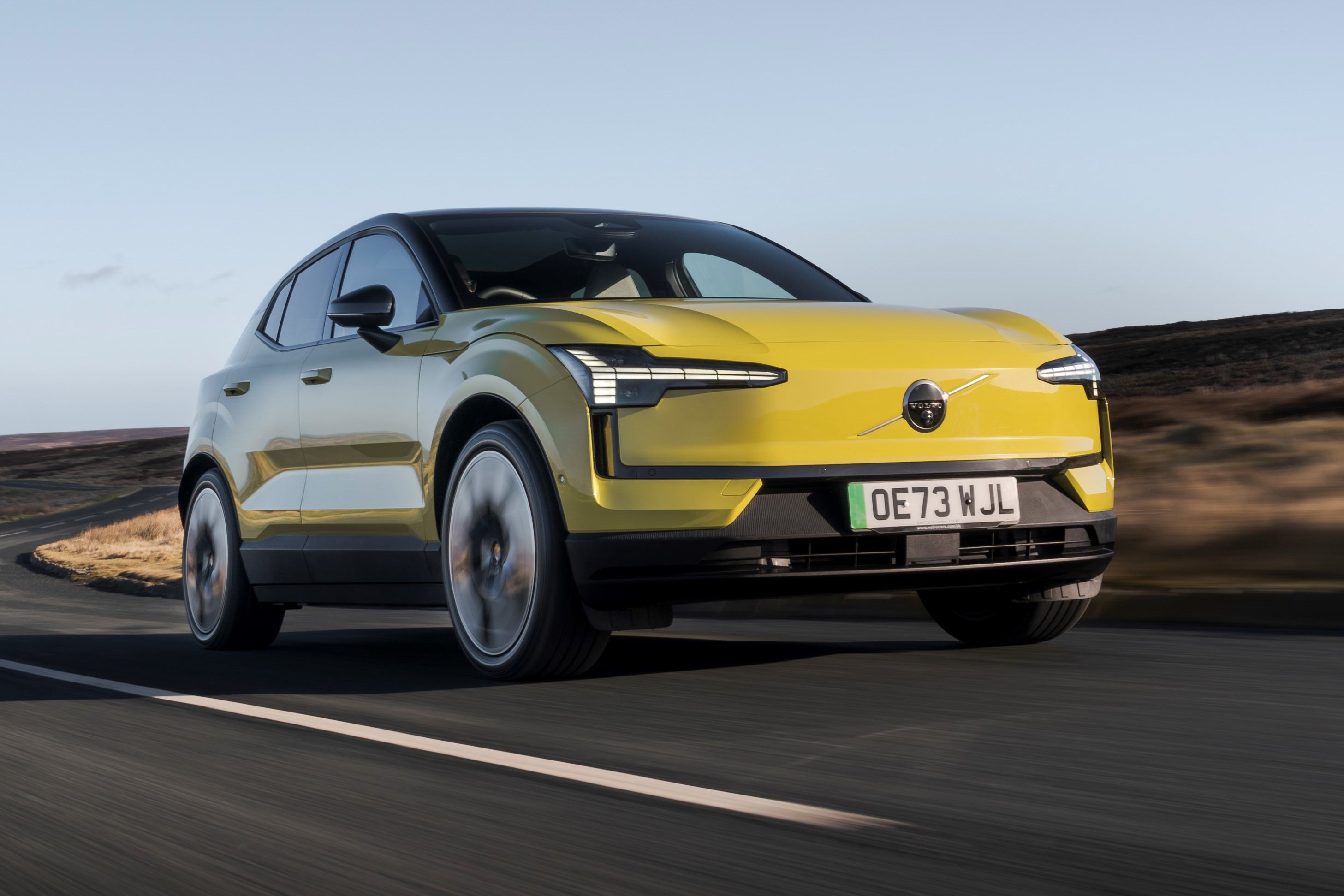
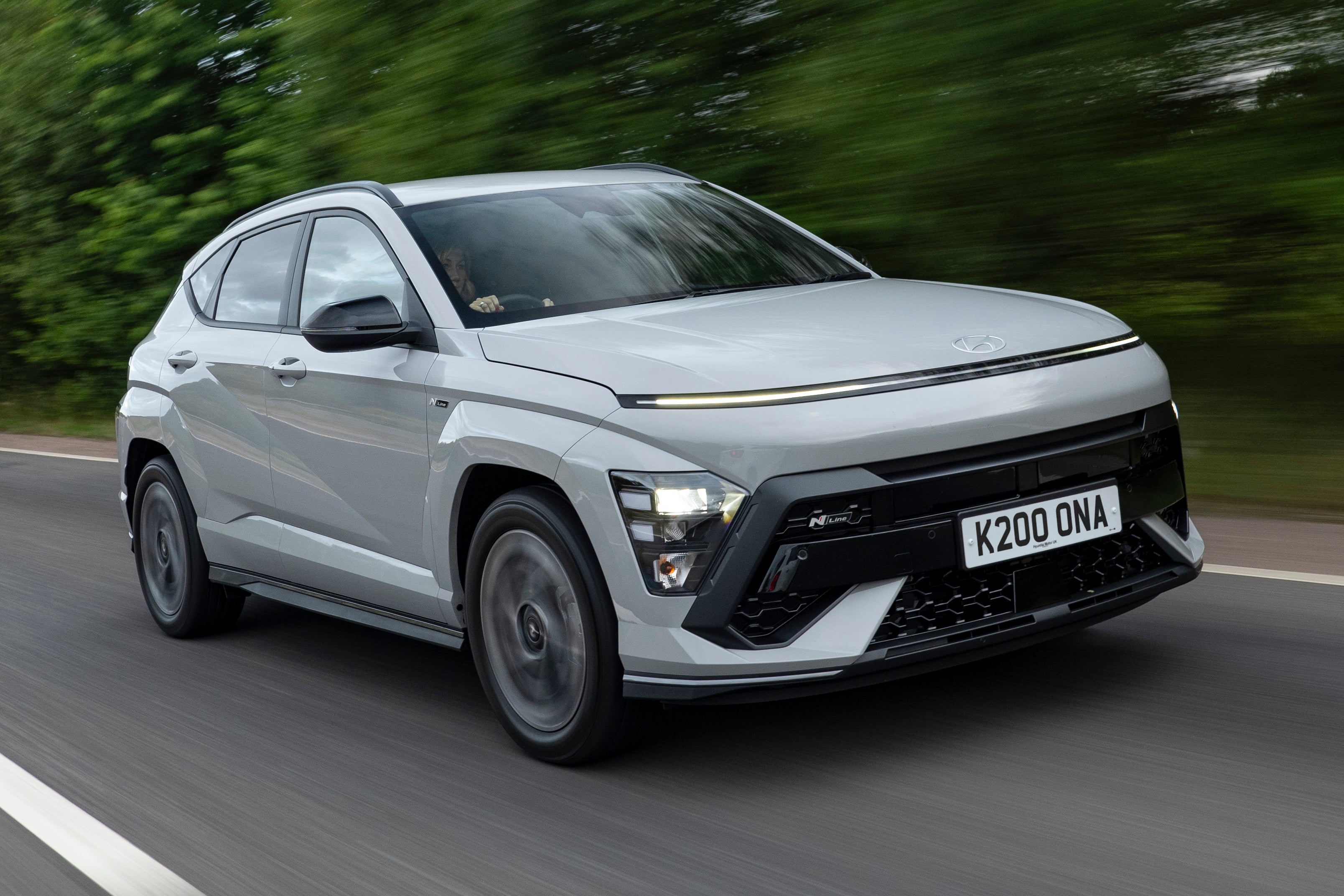
The styling will continue to divide opinion, but that is also part of the car’s appeal. In a class full of sensible, samey-looking crossovers, the Hyundai Kona still stands out. More importantly, the cabin is much easier to get along with than the extrovert exterior might suggest. The dashboard is cleanly laid out, the infotainment is very good and there are enough physical controls to stop everyday use becoming annoying.
This review focuses on the petrol and hybrid Hyundai Kona models. There's an all-electric version - check out our Hyundai Kona Electric review for more info.
That leaves three main options in the regular range. There is an entry-level 1.0-litre turbo petrol, a more powerful 1.6-litre turbo petrol and a self-charging hybrid. Of those, the smaller petrol and the hybrid make the strongest cases. The more powerful 1.6 petrol is harder to recommend because it never feels polished enough to justify its extra cost.
What's the best Hyundai Kona trim and engine option?
For most buyers, the Hyundai Kona 1.0 T-GDi N Line is the best place to start. The 1.0-litre petrol is peppy enough for everyday use, cheaper than the hybrid and better suited to the Kona than the awkward 1.6-litre turbo.
If you spend a lot of time in town or simply want the smoothest powertrain in the range, the Hyundai Kona Hybrid is well worth considering. It is not dramatically quicker than the 1.0-litre petrol, but it feels more relaxed around town and should be more economical in mixed use.
Advance trim already includes plenty, but N Line adds the styling and extra kit that make the Hyundai Kona feel more complete without pushing too far into expensive territory.
What’s the price of the Hyundai Kona?
The current Hyundai Kona petrol range starts at £27,100, while the self-charging hybrid starts at £31,505. Top-spec hybrid models in Ultimate and N Line S trim rise to £35,640. There are also plenty of used Hyundai Konas for sale for considerably less.
That means the Hyundai Kona is not quite the budget SUV some buyers may still expect from Hyundai, but it remains competitively priced once you account for the generous equipment and the five-year unlimited-mileage warranty.
Alternatives to the Hyundai Kona
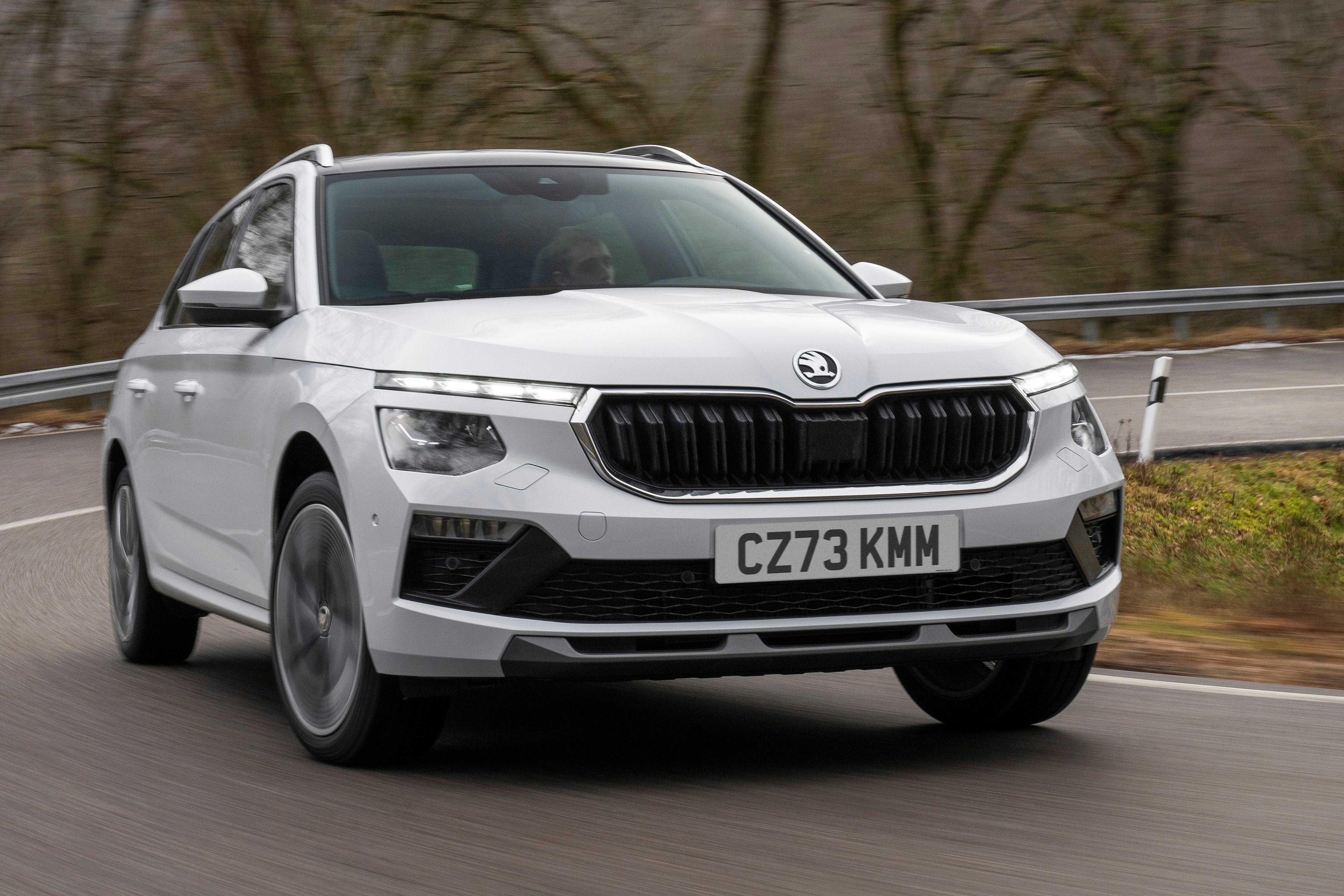
The Volkswagen T-Roc is one of the clearest alternatives if you want a small SUV with a more conventional look and a slightly more polished feel on the move. The Skoda Kamiq is also worth a close look if comfort and straightforward practicality matter more than the Hyundai Kona’s standout styling.
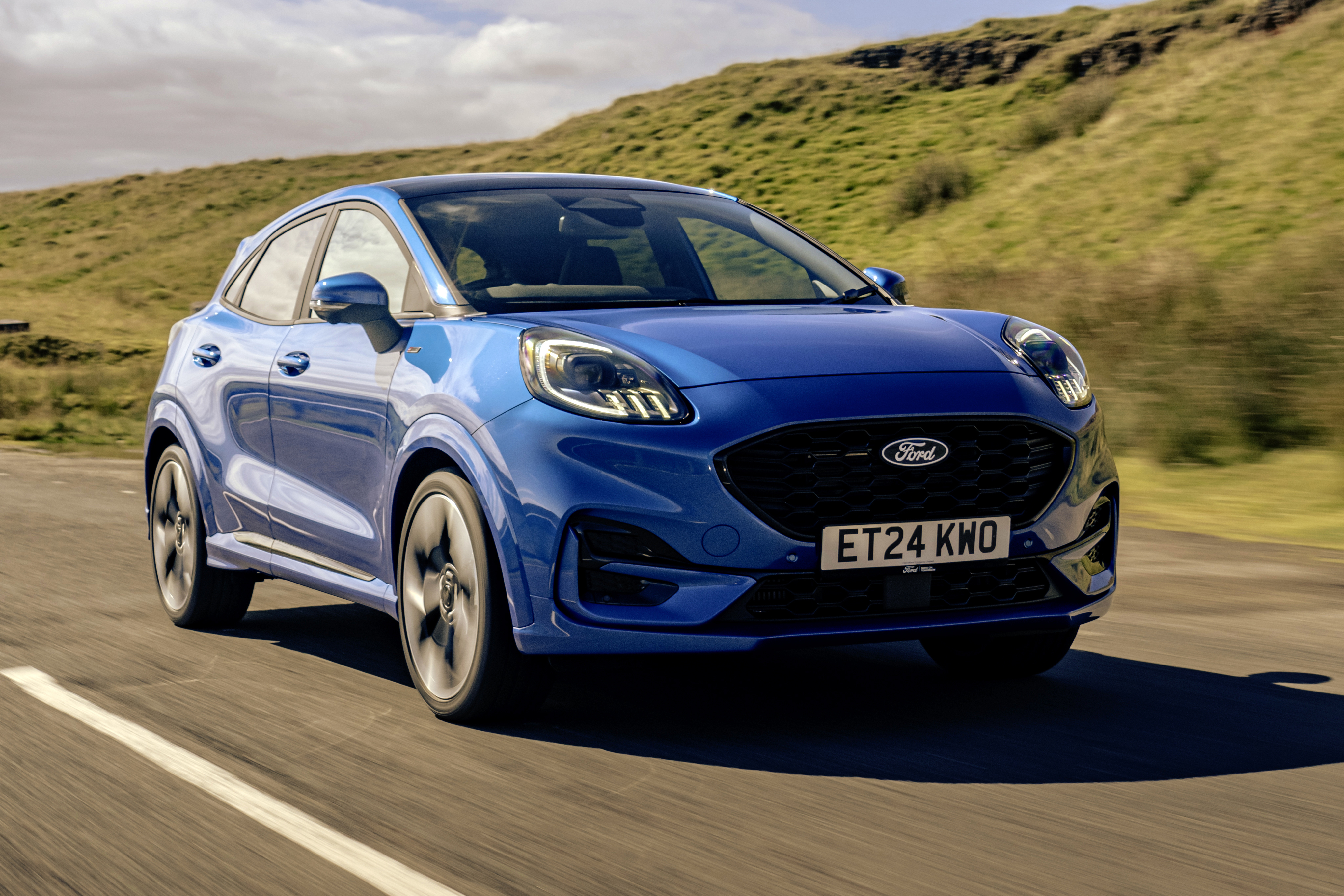
The Ford Puma remains a key rival because it is better to drive and just as easy to recommend in mainstream trim. The Renault Captur and Nissan Juke also deserve a look, while the Toyota Yaris Cross is an obvious alternative if hybrid power is high on your list.
The Hyundai Kona’s edge is that it brings strong infotainment, good practicality and generous equipment together in a package that still feels a bit different from the norm.
What's the interior like in the Hyundai Kona?
The Hyundai Kona’s cabin is one of the main reasons the car makes sense. It is roomy, modern and straightforward to use, even if material quality does not quite match the promise of the design.
Hyundai Kona boot space and practicality
The latest Hyundai Kona is much more practical than its predecessor. There is now enough rear-seat space for adults to sit comfortably, and the cabin feels noticeably more generous than before.
Boot space is a genuine strength. The Hyundai Kona offers 466 litres with the rear seats up, regardless of whether you choose petrol or hybrid power. That is 30 per cent more than the previous Kona, and it puts the Hyundai Kona firmly among the stronger cars in this class for luggage room.
For context, the Hyundai Kona’s 466-litre boot is bigger than a Ford Puma’s 456 litres, a Volkswagen T-Roc’s 445 litres and a Nissan Juke’s 422 litres. It also edges a Renault Captur Hybrid’s 422 litres. The 40:20:40 split rear seats fitted to all but the entry Advance also add useful flexibility.
Hyundai Kona dimensions
The Hyundai Kona measures 4,350mm long, 1,825mm wide and 1,585mm high. That makes it larger than before and helps explain the step forward in rear-seat space and boot capacity.
It is still compact enough to feel easy in town, but it now has much more of the footprint buyers expect from a family-friendly small SUV.
Tech and infotainment in the Hyundai Kona
Every Hyundai Kona gets an impressive infotainment set-up. All versions use the same broad twin-screen layout, with a 12.3-inch digital driver display and a 10.25-inch central touchscreen integrated into one curved housing.
The system is one of the better ones in the class. The menus are logical, the screen is responsive and the graphics are crisp. Navigation, Apple CarPlay and Android Auto are standard, and Hyundai has kept proper physical controls for the climate system, which helps everyday usability enormously.
This is an area where the Hyundai Kona punches hard, because some rivals still manage to look less modern or prove more frustrating to use.
Materials available on the Hyundai Kona
The Hyundai Kona’s interior is a bit of a mixed bag. The design is modern and interesting, but some of the materials feel a little cheap for a car at this price point.
There are harder plastics than you might expect, especially lower down and across some of the dash and door trims, though the overall build feels solid and likely to stand up well to family life.
What's the Hyundai Kona like to drive?
The Hyundai Kona is easy enough to drive and perfectly competent day to day, but it is not the class leader dynamically. There are more comfortable and more engaging alternatives in this part of the market.
Hyundai Kona range and performance
The regular Hyundai Kona range offers three main powertrains.
The 1.0-litre petrol is the pick of the conventional engines. It is not especially quick on paper, but it feels willing enough in everyday use and does not struggle as much as the numbers suggest.
The 1.6-litre turbo is more powerful, but the way it delivers that performance is not especially polished, especially with the automatic gearbox. It is hard to recommend over the cheaper 1.0-litre or the smoother hybrid.
The hybrid is the most convincing version if refinement and efficiency matter most. It is not fast, but it is smooth enough and well suited to low-speed and mixed driving.
Performance data
| Model | Engine/battery size | Power | 0-62mph | Range/MPG |
|---|---|---|---|---|
Hyundai Kona 1.0 T-GDi | 1.0-litre petrol manual | 100PS | 13.3 seconds | up to 48.7mpg |
Hyundai Kona 1.6 T-GDi | 1.6-litre petrol manual or auto | 138PS | 10.2 seconds | up to 45.6mpg |
Hyundai Kona Hybrid | 1.6-litre full hybrid auto | 129PS | 12.0 seconds | up to 60.1mpg |
Hyundai Kona driving and refinement
There are numerous areas in which the Hyundai Kona impresses, but the way it drives is not right at the top of that list. It is stable and secure enough, but there are rivals with a more settled ride and more engaging handling.
The suspension can feel a little jittery and unsettled on poorer road surfaces, while the steering does not give you much confidence when the road turns twisty. It never feels unsafe, just a bit ordinary.
The hybrid is the smoothest powertrain in the range. The 1.0-litre petrol is reasonably refined too, with a characterful three-cylinder note that is more noticeable than troublesome. The 1.6-litre turbo is the least impressive of the three, especially when paired with the automatic gearbox.
How safe is the Hyundai Kona?
The Hyundai Kona achieved a four-star Euro NCAP rating when it was tested in 2023. That is respectable rather than class-leading, but the standard safety package is generous.
All models get a strong spread of driver-assistance systems as part of Hyundai’s SmartSense package, while higher trims add features such as blind-spot collision avoidance, rear cross-traffic collision avoidance and surround-view monitoring.
Running costs: What it's like to live with a Hyundai Kona
The Hyundai Kona should be relatively easy to own. Fuel economy is competitive, the warranty is excellent and standard equipment levels are generous enough that you should not need to spend heavily on extras.
Hyundai Kona fuel economy
The 1.0-litre petrol returns up to 48.7mpg officially, which is perfectly respectable for a small SUV. The 1.6-litre turbo is a little thirstier at up to 45.6mpg.
The hybrid is the most efficient option, with an official figure of up to 60.1mpg. That makes it the natural choice if low fuel bills are high on your priority list.
Hyundai Kona warranty and servicing
Hyundai continues to cover the Kona with its five-year, unlimited-mileage warranty. That remains one of the best manufacturer warranty packages in the business.
Hyundai’s approved-used programme also includes a minimum 24-month used-car warranty and 12 months of roadside assistance on eligible cars, which adds another layer of reassurance if you are buying nearly new.
Hyundai Kona insurance groups
Insurance groups start at 14 for the cheapest versions and rise to 22 for higher-spec petrol models. Hybrid versions broadly sit between groups 16 and 18.
That means the Hyundai Kona is not especially cheap to insure, but nor should it be prohibitively expensive for the class.
How much does it cost to tax a Hyundai Kona?
The standard VED rate from the second year onwards is £200 a year for petrol and hybrid cars registered on or after 1 April 2017.
None of the current Hyundai Kona range crosses the £40,000 list-price threshold, so there is no Expensive Car Supplement to worry about
What trims are available with the Hyundai Kona?
The Hyundai Kona range opens with Advance. Standard kit includes 17-inch alloy wheels, dual-zone climate control, front and rear parking sensors, a rear-view camera, keyless entry, cruise control and the twin-screen infotainment set-up.
N Line adds sportier styling, 18-inch alloys, heated front and rear seats, heated steering wheel, ambient lighting and a powered tailgate. This is the trim that will make the most sense for a lot of buyers.
Ultimate adds three-zone climate control, heated and ventilated front seats, leather upholstery, an opening sunroof and extra safety technology. N Line S offers a similar high-spec package, but with the sportier styling treatment.
Ask the Drive experts: common questions
How much does the Hyundai Kona cost?
Is the Hyundai Kona a good small SUV?
Is the Hyundai Kona Electric covered in this review?
What is the best Hyundai Kona version to buy?
Get our latest advice, news and offers
Keep me updated by email with the latest advice, news and offers from Drive.
.jpg)