Mercedes-Benz A-Class Review

Written By Ivan Aistrop
- 2018
- Hatchback
- Petrol mild hybrid, diesel, plug-in hybrid
What we love
One of the most eye-catching cabins in the class
Comfortable and secure to drive
Premium badge appeal without stepping into a larger car
Things to consider
Not especially roomy in the back
Cabin quality is not quite as solid as an Audi A3’s
Plug-in hybrid loses useful boot space
The DRIVE take on the Mercedes Benz A Class, is it the right car for you?
The Mercedes-Benz A-Class is still one of the most desirable premium hatchbacks if what you want most is a strong badge, a big-tech cabin and a slightly softer, more relaxed feel than the sportier alternatives. It has never been the most practical hatchback in this class, and it still is not, but the Mercedes-Benz A-Class has matured into a far more complete car than its older predecessors ever were. It is comfortable, stylish and feels expensive in the ways buyers tend to notice first. The caveat is that some rivals feel better built and a touch more spacious. Even so, the Mercedes-Benz A-Class remains easy to recommend if the emotional pull matters as much as the objective scorecard.
The Mercedes Benz A Class in more detail
The Mercedes-Benz A-Class has had one of the more dramatic transformations of any premium hatchback. The earliest car was a tall, odd little thing that felt quite separate from the rest of the Mercedes-Benz range. By the time the current generation arrived, the A-Class had become a recognisable compact Mercedes-Benz, with the sort of sleek looks and cabin drama buyers increasingly expect from the brand.
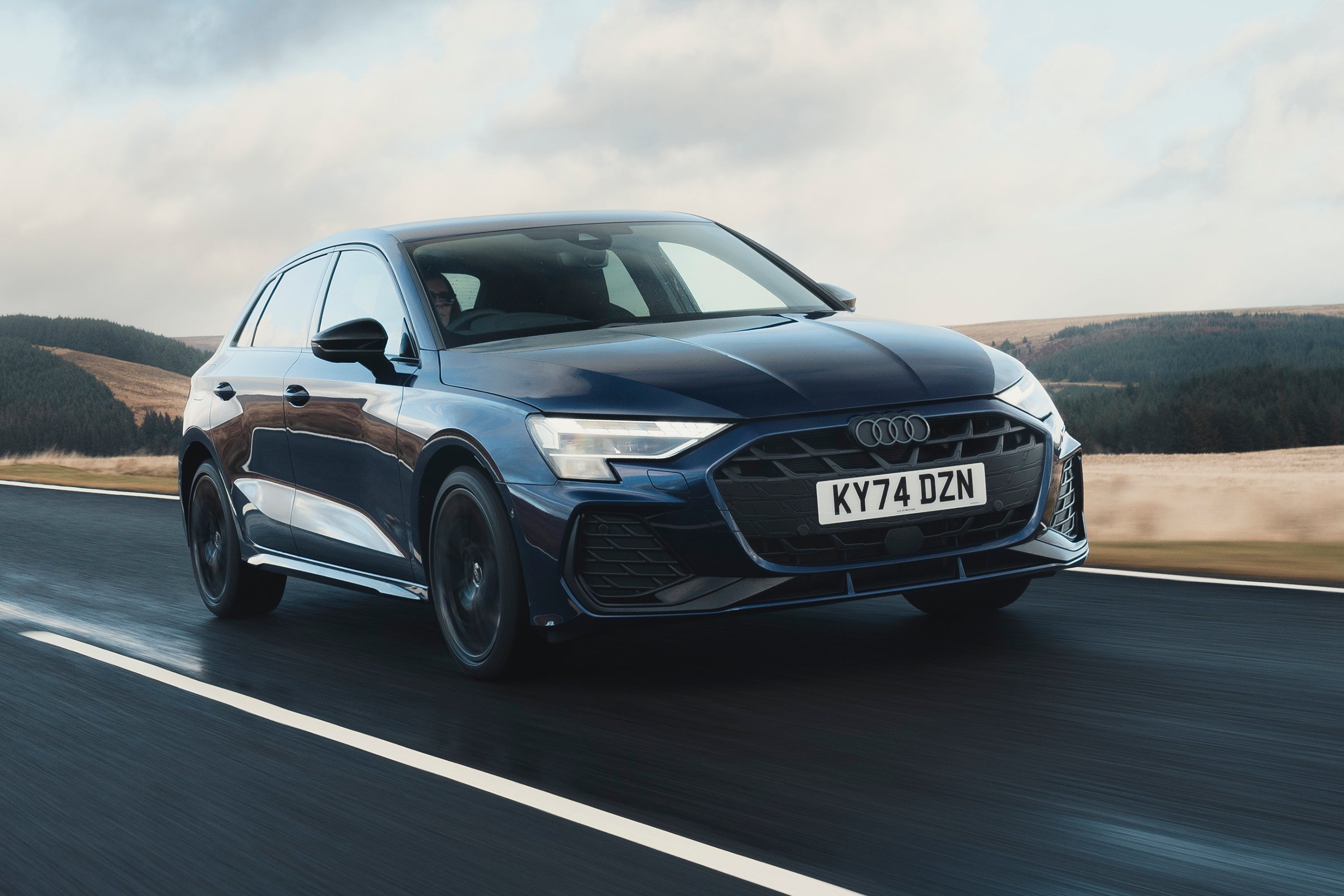
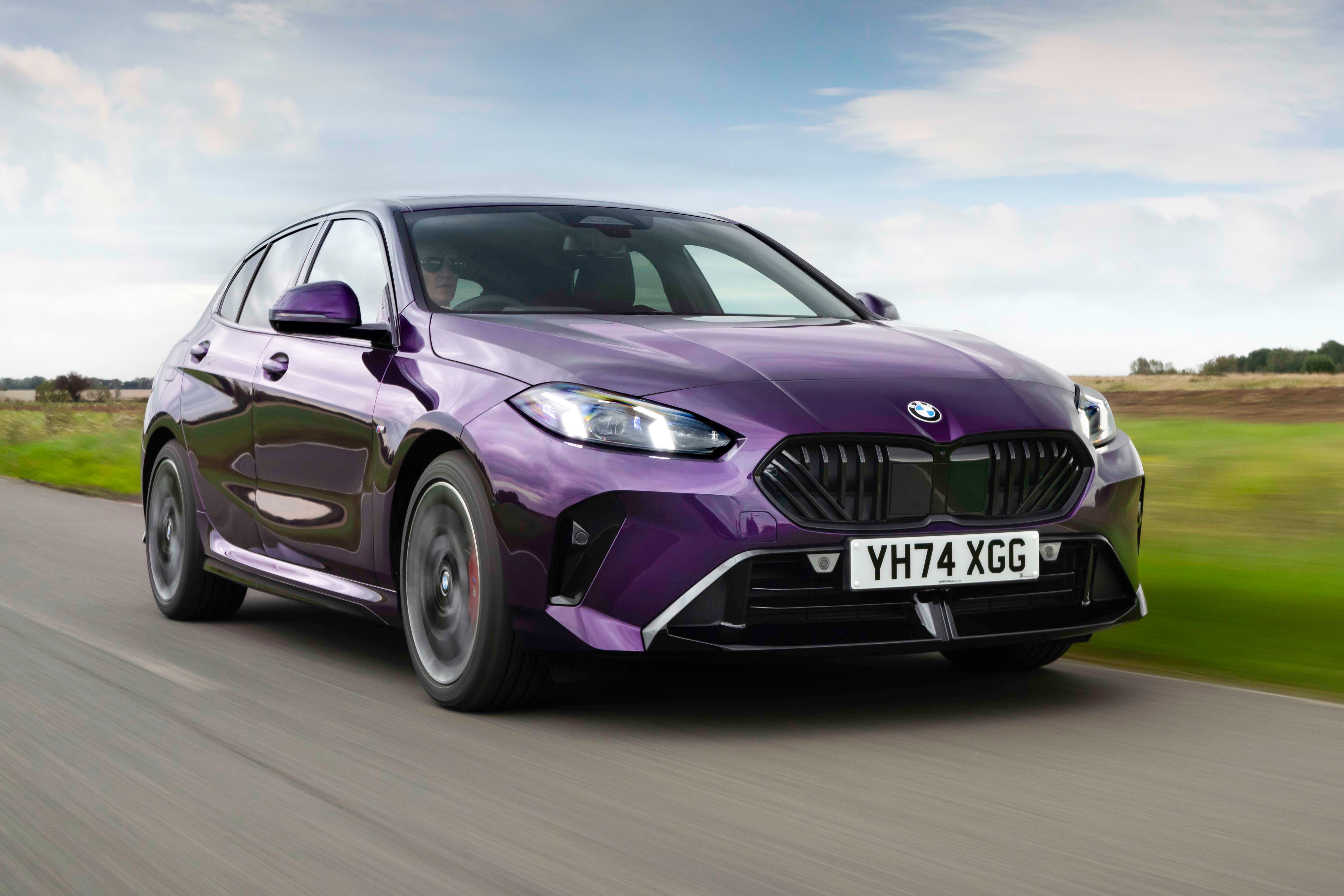
That shift was important because the competition moved on too. The latest Audi A3 and BMW 1 Series are both very polished cars, while more mainstream hatchbacks such as the Volkswagen Golf and Mazda 3 have also become increasingly convincing. The Mercedes-Benz A-Class could not survive on badge appeal alone.
Browse used Mercedes A-Class models for sale →
Its answer was to lean heavily into design and technology. Even now, the A-Class cabin still has more visual theatre than most of its direct rivals. The twin-screen layout, turbine-style air vents and ambient lighting help it feel special from the moment you get in.
It also takes a slightly different dynamic approach to the BMW 1 Series. Where the BMW tries harder to feel sporty, the Mercedes-Benz A-Class is the more comfort-led and easy-going car. That makes it well suited to buyers who care less about ultimate sharpness and more about feeling insulated from the grind of daily driving.
The current UK story is also broader than a quick glance might suggest. While the A 180 mild-hybrid petrol is still the most obvious mainstream starting point, Mercedes-Benz UK also continues to list the A 200 petrol, A 200 d diesel and A 250 e plug-in hybrid in the hatchback range.
That matters because it makes the Mercedes-Benz A-Class easier to tailor to different buyers. The petrols suit lower-mileage mixed use, the diesel still makes sense for high-mileage motorway work and the plug-in hybrid can work very well if you have somewhere convenient to charge.
What's the best Mercedes Benz A Class trim and engine option?
For most buyers, the Mercedes-Benz A 180 in Sport Executive or AMG Line Executive trim is still the version that makes the most sense. The mild-hybrid petrol is smooth enough, efficient enough and entirely suitable for the way many premium hatchbacks are actually used.
That said, the A-Class range does still offer meaningful alternatives. The A 200 petrol is the better choice if you want a bit more performance without going anywhere near AMG territory, while the A 200 d remains the mileage-friendly option for drivers who spend a lot of time on faster roads.
The A 250 e plug-in hybrid is the most interesting version for company-car users or private buyers who can charge regularly. Its electric range is strong enough to make a real difference to day-to-day running, though you do pay for that in price and boot space.
Sport Edition or Sport Executive will do the job perfectly well if you want the Mercedes-Benz A-Class experience without overspending. AMG Line Executive is likely to be the sweet spot for many buyers because it gives the A-Class the sharper look most people want, along with the interior treatment that best suits the badge.
Premium and Premium Plus versions have obvious appeal if you particularly want the augmented-reality navigation, richer lighting and a bigger sense of occasion, but this is also where prices start to climb quickly for what is, underneath it all, still a compact hatchback.
What’s the price of the Mercedes Benz A Class?
The current Mercedes-Benz A-Class hatchback range starts from around £32,495 in the UK. There are also plenty of used Mercedes A-Class models for sale for considerably less.
That makes the A-Class one of the more expensive family hatchbacks you can buy, but that is hardly a surprise. It sits firmly in premium territory and is priced accordingly.
The important thing to remember is that Mercedes-Benz does not really sell a stripped-out A-Class. Even the entry point is designed to feel premium and well equipped, which helps explain why the starting number is higher than many mainstream alternatives.
Alternatives to the Mercedes Benz A Class
The Audi A3 is the clearest alternative if you want something similarly premium but more understated and a little more solidly finished. The BMW 1 Series is the stronger choice if driving enjoyment matters most, while the Volkswagen Golf remains the premium-adjacent all-rounder that makes the rational case look very strong.
The Mazda 3 is another good left-field alternative if design and cabin quality are your priorities, though it does not carry the same badge weight. If you are open to a slightly higher-riding option, the BMW X1 and Audi Q3 are also relevant, because the price difference is not always as large as you might expect once trim and options are taken into account.
What's the interior like in the Mercedes Benz A Class?
The Mercedes-Benz A-Class still has one of the most striking interiors in the class, even if some of the wow factor is now familiar rather than genuinely new.
Mercedes Benz A Class boot space and practicality
The front seats are easy enough to get comfortable in, with plenty of adjustment and a slightly higher seating position than some rivals. Some drivers will like that because it gives a clearer view ahead, while others may wish they sat a little lower.
The dashboard design remains a big part of the car’s appeal. It looks expensive, feels packed with technology and does a lot to justify the Mercedes-Benz badge before you have even driven a mile.
Rear-seat space is acceptable rather than generous. The Mercedes-Benz A-Class is not cramped by premium hatchback standards, but neither does it move the class on for passenger room. Adults will fit, but the back seat is not especially generous for knees or feet, and access through the rear doors is a little awkward.
There is a similar story in the boot. The regular Mercedes-Benz A-Class hatchback offers 350 litres, which is serviceable enough for everyday use but not especially generous in this company. It is behind an Audi A3 on the numbers and does not feel especially clever in the way it uses its available space.
The shape is usable enough, and the rear seats split 40:20:40, which is a genuine practical advantage over the less flexible 60:40 arrangements found elsewhere. But there is a lip at the boot entrance, and the rear seatbacks do not fold perfectly flat. So while the Mercedes-Benz A-Class can manage family-hatchback duties, it is not one of the better cars in the class if outright versatility is your priority.
The A 250 e plug-in hybrid needs a separate mention here because its battery eats into luggage room. Boot capacity drops to 310 litres, which is a meaningful hit in a car that was never especially generous to begin with. That does not ruin the A 250 e, but it is one of the main compromises you make for the plug-in hybrid powertrain.
Mercedes Benz A Class dimensions
The Mercedes-Benz A-Class measures 4,428mm long, 1,796mm wide and 1,423mm high.
That puts it right in the heart of the premium hatchback class. It is compact enough to feel manageable in town, but not large enough to bring any major packaging advantage over its obvious German rivals.
Tech and infotainment in the Mercedes Benz A Class
Technology remains one of the Mercedes-Benz A-Class’s strongest selling points. Current cars now get a pair of 10.25-inch displays as standard, which helps even the lower trims feel impressively high-tech.
The MBUX system still looks good and offers plenty of functionality, while the ‘Hey Mercedes’ voice control remains one of the better systems of its type. The augmented-reality navigation available further up the range is also more useful than it first sounds, especially in awkward junctions and town-centre driving.
The weaker point is that not every aspect of the system is quite as intuitive as it first appears. The steering wheel controls are busy, and the facelifted set-up lost the older centre-console touchpad, which some users actually found quite handy. So while the A-Class has lots of tech appeal, the Audi A3 and BMW 1 Series still feel a little cleaner in day-to-day operation.
Materials available on the Mercedes Benz A Class
The Mercedes-Benz A-Class looks very premium inside, and in many places it does feel premium too. The seats, screens, vents and trim details all help create a cabin that feels more special than most mainstream hatchbacks could hope to manage.
The caveat is solidity. The Mercedes-Benz A-Class still does not feel quite as robust as an Audi A3 if you start pressing around lower down the dashboard or door trims. It is by no means flimsy, but it relies a bit more on visual glamour than outright tactile depth.
What's the Mercedes Benz A Class like to drive?
The Mercedes-Benz A-Class is at its best when treated as a refined, stylish hatchback rather than a junior hot hatch.
Mercedes Benz A Class range and performance
The current new-car Mercedes-Benz A-Class hatchback line-up includes petrol, diesel and plug-in hybrid options.
The A 180 is still the default choice and makes the most sense for many buyers. The mild-hybrid assistance helps smooth things out, and for ordinary commuting, urban driving and general family-hatchback duties it does the job without fuss.
The A 200 is the better petrol if you want a little more performance without stepping into AMG territory. The A 200 d remains the obvious choice for high-mileage drivers, because it offers the sort of easy long-distance punch and fuel economy that still make diesel worthwhile in the right use case.
The A 250 e is the most technically impressive non-AMG model in the range. It is the quickest of the regular line-up, and its electric range is long enough to make short daily journeys realistically petrol-free if you can charge at home or at work.
Performance data
| Model | Engine/battery size | Power | 0-62mph | Range/MPG |
|---|---|---|---|---|
Mercedes-Benz A 180 | 1.3-litre petrol mild hybrid auto | 136PS + 14PS mild-hybrid boost | 9.2 seconds | Up to 48.8mpg |
Mercedes-Benz A 200 | 1.3-litre petrol mild hybrid auto | 163PS + 14PS mild-hybrid boost | 8.2 seconds | Up to 47.9mpg |
Mercedes-Benz A 200 d | 2.0-litre diesel auto | 150PS | 8.1 seconds | Up to 58.9mpg |
Mercedes-Benz A 250 e | 1.3-litre plug-in hybrid auto | 218PS | 7.4 seconds | Up to 52 miles EV range |
Mercedes Benz A Class driving and refinement
The Mercedes-Benz A-Class takes a slightly softer approach than the BMW 1 Series and that suits it. It rides bumps well, never feels especially crashy and generally does a good job of isolating you from poor urban roads.
There is a little more body movement than in the sharper alternatives, but the A-Class still feels secure and composed. It is not an especially sporty hatchback, yet it is tidy enough through corners and easy to place on the road.
That makes it a very straightforward car to live with. Around town, the light controls and standard reversing camera help. On a longer journey, the more comfort-led suspension tune makes the Mercedes-Benz A-Class feel like a mature, easy-going companion.
Refinement is good rather than class-leading. The A-Class is generally civilised, but the petrol engines can sound a bit strained when worked hard and there is slightly more wind and road noise than you get in an Audi A3. The diesel is usefully relaxed once settled, while the plug-in hybrid is the smoothest of the lot when it has battery charge to lean on.
How safe is the Mercedes Benz A Class?
The Mercedes-Benz A-Class earned a five-star Euro NCAP rating in 2018, which remains the relevant crash-test benchmark for this generation.
Safety kit is strong, too. Standard equipment includes active brake assist, lane-keeping support, a reversing camera and attention assist, while higher trims add features such as blind-spot monitoring and more advanced parking assistance.
Running costs: What it's like to live with a Mercedes Benz A Class
The Mercedes-Benz A-Class should be reasonably affordable to run by premium-hatchback standards, but its appeal rests as much on image and cabin design as on raw ownership value.
Mercedes Benz A Class fuel economy
The current Mercedes-Benz A 180 returns 48.8mpg on the combined WLTP cycle, while the A 200 manages 47.9mpg. Those are respectable figures for premium petrol hatchbacks.
The A 200 d is the mileage hero, returning up to 58.9mpg, which makes it the most convincing choice for drivers who spend a lot of time on the motorway.
The A 250 e is the efficiency headline act if you can charge regularly. Mercedes-Benz quotes an electric range of up to 52 miles, which is enough to make a meaningful difference to day-to-day fuel use rather than just looking good on paper.
Mercedes Benz A Class warranty and servicing
Mercedes-Benz covers the A-Class with a three-year, unlimited-mileage warranty, which is acceptable for a premium brand but not especially generous by modern standards.
That means the A-Class cannot match the longer cover now offered by some mainstream alternatives, and it is one of the clearer areas where the badge alone does not buy you a better ownership proposition.
Mercedes Benz A Class insurance groups
Insurance starts from around group 19 for the A 180, which is fairly manageable for a premium hatchback.
That should help keep the A-Class from feeling too intimidating to insure, though younger drivers will still want to get quotes before signing up.
How much does it cost to tax a Mercedes Benz A Class?
From the second year onwards, the Mercedes-Benz A-Class pays the standard VED rate for petrol and diesel cars, which is now £200 a year.
The more important point is the Expensive Car Supplement threshold. If your A-Class has a list price above £40,000 when new, you pay an extra £425 a year from years two to six. That means annual VED rises to £625 over that five-year period before dropping back to the standard rate afterwards.
In simple terms, an A-Class below the threshold costs £200 a year from year two onwards, while a pricier version above the threshold costs £625 a year from years two to six, then returns to the standard annual rate after that.
What trims are available with the Mercedes Benz A Class?
The current Mercedes-Benz A-Class hatchback line-up centres on Sport Edition, Sport Executive, AMG Line Executive, AMG Line Premium and AMG Line Premium Plus.
Sport Edition is the most affordable route in and still gives the A-Class a strong amount of standard kit, which is important because Mercedes-Benz does not really do a genuinely stripped-out hatchback anymore.
Sport Executive adds more of the comfort and convenience features many buyers will actually want, which is why it is a more natural starting point if you intend to keep the car for a few years.
AMG Line Executive is likely to be the sweet spot for many buyers because it adds the styling treatment most people want on an A-Class, along with sports seats and the visual drama that suits the car well.
AMG Line Premium adds more luxury and technology, including augmented-reality navigation, a better sound system and blind-spot assistance. AMG Line Premium Plus pushes further still with larger wheels, multibeam LED headlights, a panoramic roof, head-up display and a 360-degree camera.
That makes the trim walk-up easy enough to understand. Sport trims are the sensible buys, AMG Line Executive is the desirable one and Premium Plus is the indulgent one.
Ask the Drive experts: common questions
How much does the Mercedes-Benz A-Class cost?
Is the Mercedes-Benz A-Class a good premium hatchback?
Which Mercedes-Benz A-Class is best?
Is the Mercedes-Benz A-Class better than an Audi A3?
Get our latest advice, news and offers
Keep me updated by email with the latest advice, news and offers from Drive.
.jpg)
.jpg)
.jpg)