MG HS Review

Written By Al Suttie
- 2024
- SUV
- Petrol, plug-in hybrid
What we love
Keen pricing and strong standard equipment
Cabin quality is much improved
Plug-in hybrid has a genuinely useful EV range
Things to consider
Petrol engine gets noisy when pushed
Infotainment could be quicker and easier to use
Too many warning chimes and alerts
The DRIVE take on the Mg Hs, is it the right car for you?
The MG HS makes a strong case for itself if you want a family SUV with plenty of space, lots of equipment and a price that undercuts the obvious alternatives. The cabin is better than you might expect, rear passenger room is strong and the plug-in hybrid brings a very useful electric range. It is not the sharpest or most refined car in this class, but the MG HS gets a lot right for the money and is very easy to shortlist on value alone.
The Mg Hs in more detail
The MG HS sits in one of the busiest parts of the market, where family buyers can choose from a long list of petrol, hybrid and plug-in hybrid SUVs. That makes value more important than ever, and MG has leaned hard into that with the latest HS.
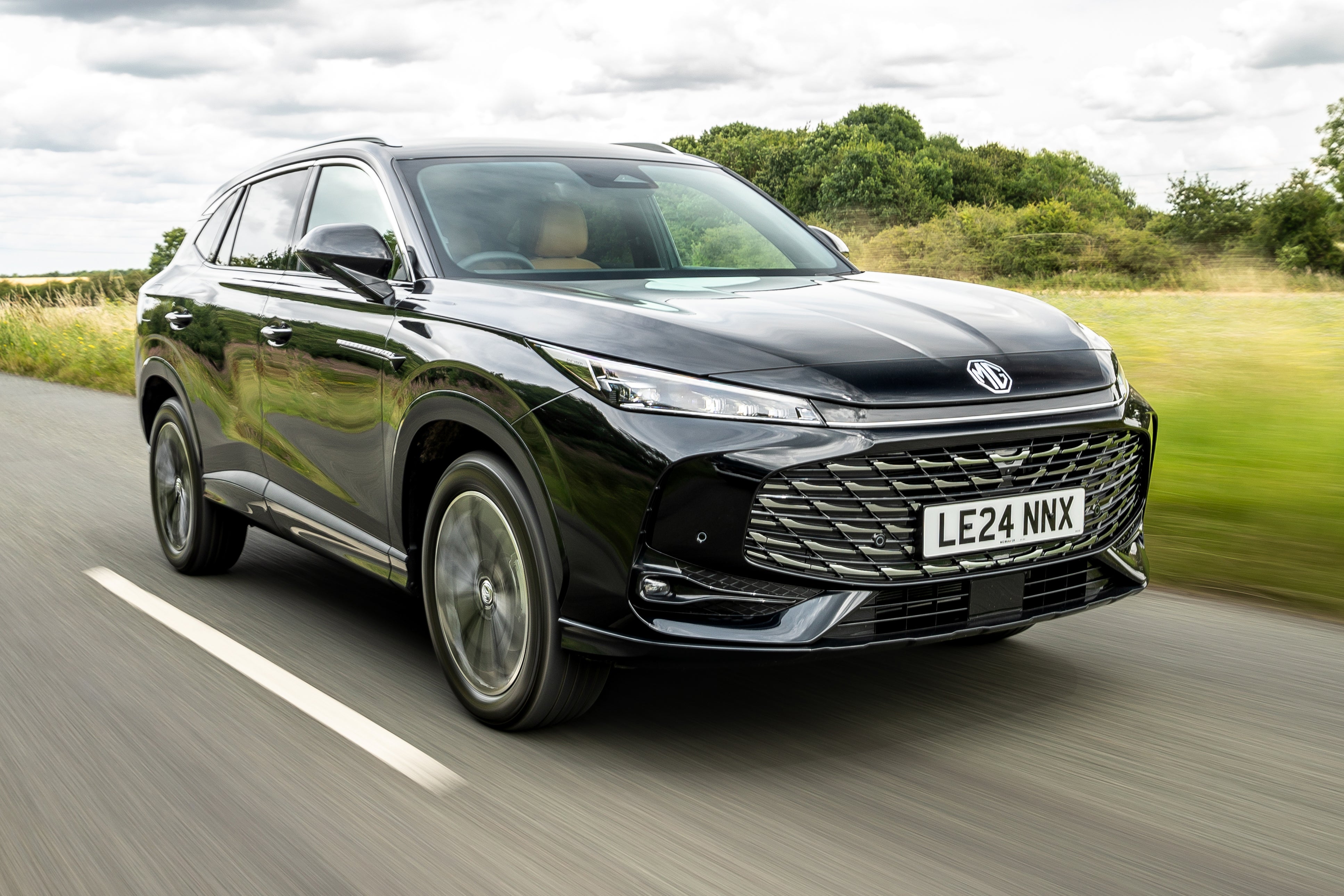
This second-generation car is a much stronger effort than before. It still majors on price and equipment, but now looks more resolved and feels much more convincing inside. The broad twin-screen layout gives the cabin a modern feel, the main touchpoints are neatly finished and there is enough space in the back to make it a realistic family car rather than just an affordable SUV with the right shape.
The line-up is simple. There is a 1.5-litre petrol model with either a six-speed manual or seven-speed dual-clutch automatic gearbox, plus the plug-in hybrid. That PHEV uses the same basic petrol engine with electric assistance for a much stronger combined output and a quoted electric-only range of up to 75 miles. On paper and in practice, it is the most interesting version.
The MG HS is not flawless. The infotainment system still needs sharpening up, the warning chimes are too eager and the petrol engine is not especially refined if you use all of its performance. Even so, the HS gets the big things right. It is spacious, well equipped and easy to understand, and MG’s seven-year warranty only adds to the appeal.
What's the best Mg Hs trim and engine option?
The plug-in hybrid is the MG HS to have. It is smoother, quicker and more convincing than the petrol model, and the official electric range gives it real day-to-day appeal if you can charge at home or at work. With 307PS and 0-62mph in 6.8 seconds, it is also much faster than the regular petrol version.
If you are sticking with petrol, the manual makes more sense than the automatic. The seven-speed dual-clutch gearbox can feel a little jerky at very low speeds, while the manual is easier to drive smoothly.
Trim-wise, Trophy is the one most buyers will want. SE already comes with plenty of equipment, but Trophy adds the sort of features that make the HS feel richer inside, including heated front seats, synthetic leather upholstery, wireless phone charging, 360-degree camera and a powered tailgate.
What’s the price of the Mg Hs?
The MG HS petrol range starts at £26,495 for the SE manual. The Trophy manual costs £28,995, while choosing the automatic adds another £1,500.
The plug-in hybrid starts at £32,495 in SE trim and rises to £34,995 in Trophy form. There are also plenty of used MG HSs for sale for considerably less.
That leaves the MG HS looking very competitively priced against alternatives such as the Ford Kuga Plug-in Hybrid, Hyundai Tucson Plug-in Hybrid and Kia Sportage Plug-in Hybrid. The gap is especially noticeable once you compare standard equipment, because MG gives you a lot without forcing you deep into the options list.
Alternatives to the Mg Hs
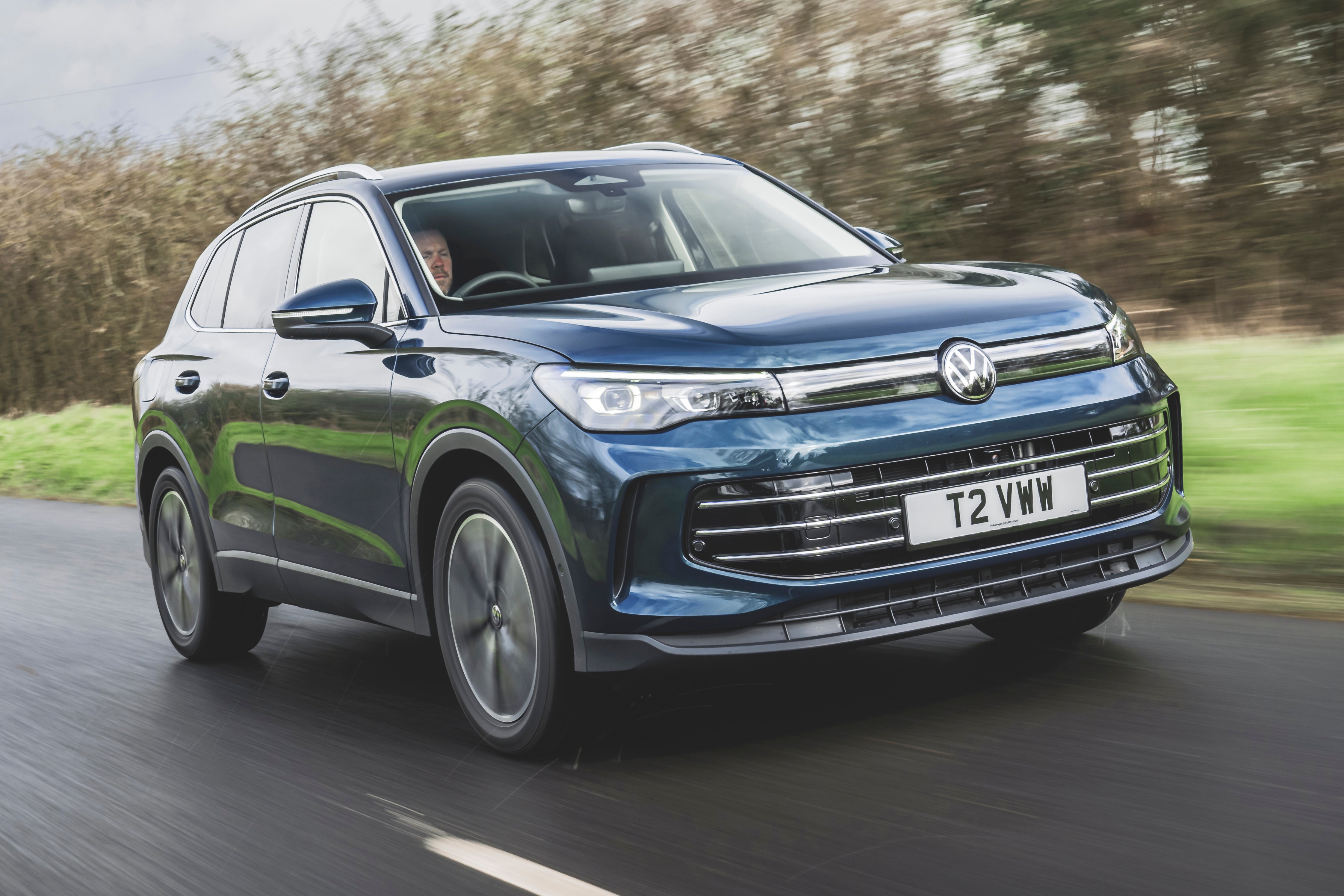
The Volkswagen Tiguan is one of the clearest alternatives if you want a more polished family SUV with a broader engine range and a more intuitive interior. It is more expensive than the MG HS, but it is also one of the class benchmarks.
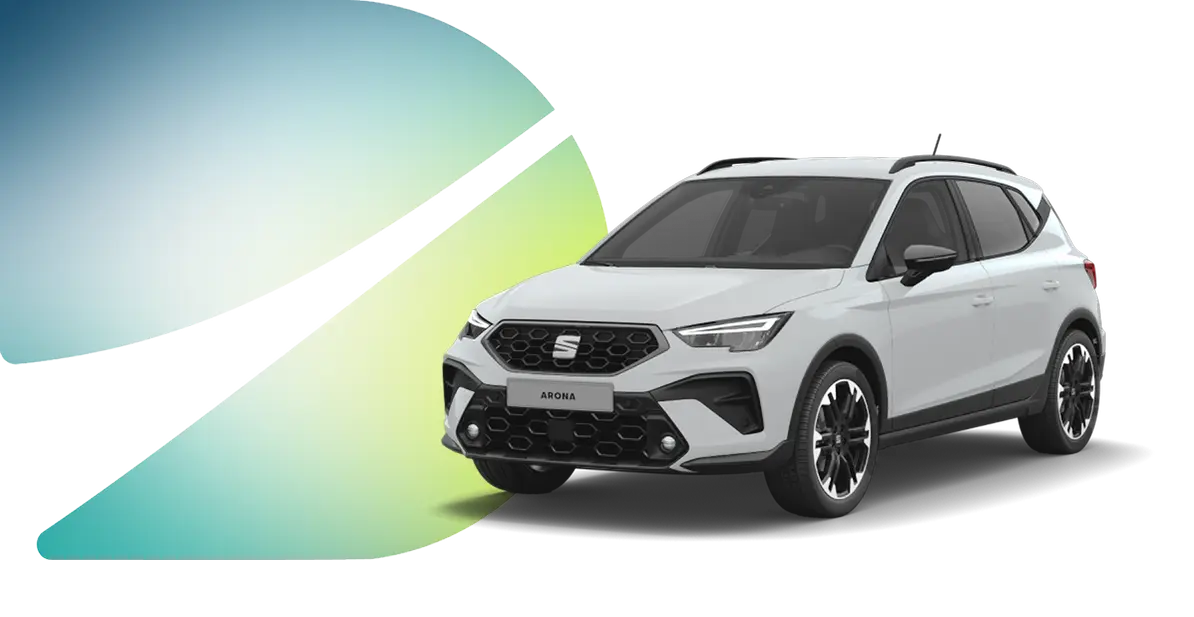
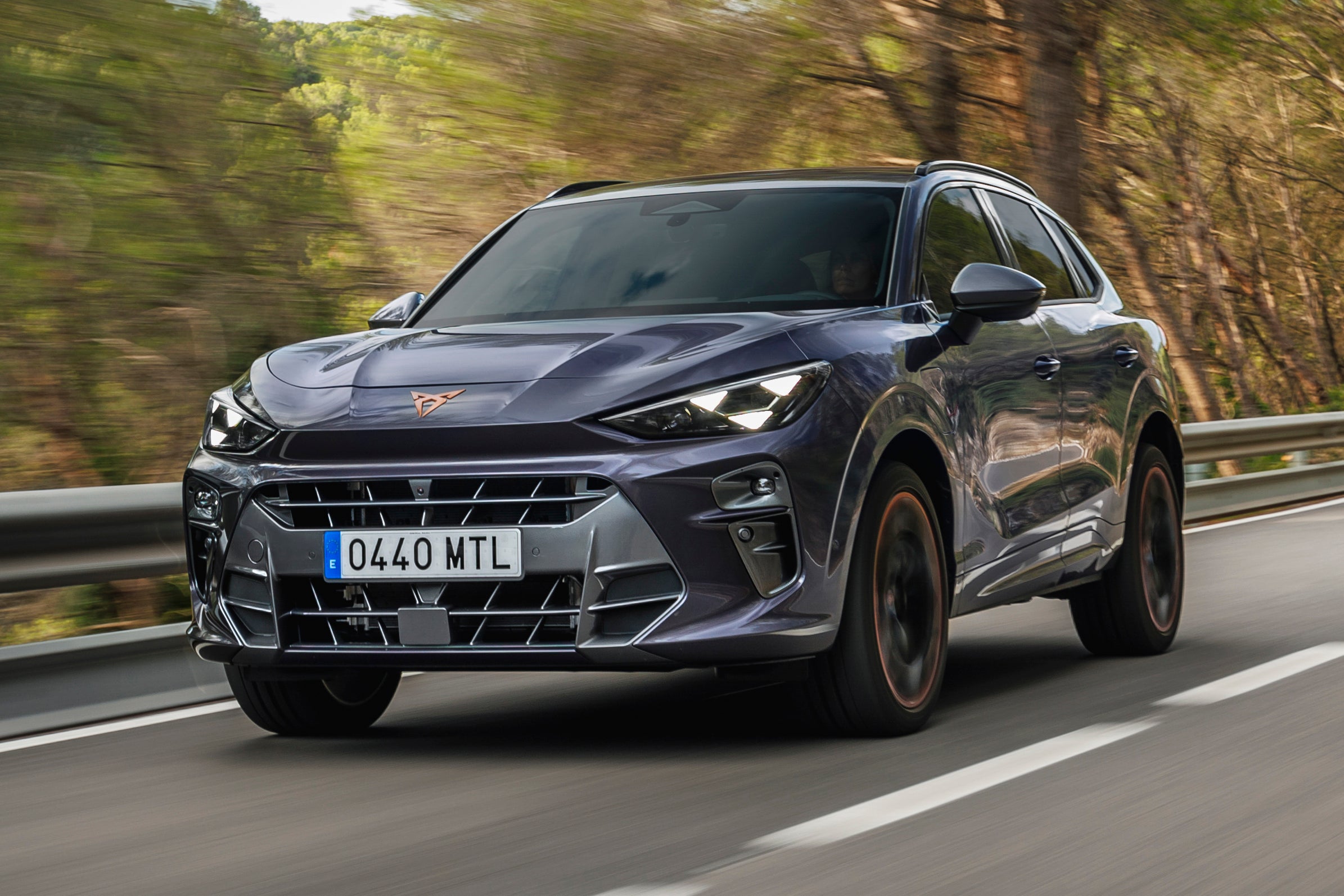
The SEAT Ateca is worth a look if you want something a little simpler and more conventional. It is getting older now, but it is still tidy to drive and easy to live with. Buyers who need a plug-in hybrid should also look closely at the Cupra Terramar, which feels more upmarket and driver-focused, albeit at a noticeably higher price.
Outside those, the Ford Kuga remains a strong all-rounder and still has the edge for driver appeal, while the Kia Sportage and Hyundai Tucson both make sense for their family-friendly practicality and broad equipment counts. The MG HS fights back hardest on price and standard kit.
What's the interior like in the Mg Hs?
The MG HS has taken a clear step forward inside. It now feels properly competitive in terms of design and quality, with a cleaner dashboard layout, stronger materials and enough equipment to make it feel more expensive than it is.
Mg Hs boot space and practicality
The MG HS is usefully spacious for a family SUV. There is plenty of room in the front, and the rear seats offer enough headroom, legroom and shoulder room for two tall adults to sit comfortably. A third passenger in the middle is possible for shorter trips, but the outer seats are the place to be.
Rear access is good, and there is decent space under the front seats for rear passengers’ feet. Isofix mounts are fitted to the two outer rear seats, which makes the MG HS an easy car to live with for younger families.
Boot space is another strong point. The petrol model offers 507 litres with the rear seats in place, while the plug-in hybrid drops to 441 litres because of the battery packaging. That means the petrol car is right in the mix with the best in class, while the plug-in hybrid remains decent rather than outstanding.
For context, a Kia Sportage and Citroen C5 Aircross both offer more luggage room, while a Volkswagen Tiguan also edges the plug-in hybrid HS for outright practicality. Even so, the MG HS still does well for a family SUV at this price. The boot is a useful rectangular shape, the load sill is not too awkward and the split-folding rear seats help with flexibility.
Mg Hs dimensions
The petrol MG HS measures 4,655mm long, 1,890mm wide and 1,664mm high. The plug-in hybrid is slightly longer at 4,670mm, but otherwise very similar in overall footprint.
That makes the MG HS a proper mid-size SUV rather than a slightly puffed-up hatchback. It is a bit larger than some alternatives, which helps explain the roomy rear seats and strong boot figures.
Tech and infotainment in the Mg Hs
The MG HS gets a 12.3-inch central touchscreen and a matching 12.3-inch driver display, giving the dashboard a modern twin-screen look. On first impression it looks every bit as smart as more expensive alternatives.
The infotainment includes Apple CarPlay and Android Auto, though both need a cable rather than working wirelessly. Trophy versions also add wireless phone charging.
The issue is not the screen size or clarity, but how the system works. Menus are not always arranged as logically as they should be, there are not enough useful shortcuts and some functions take too many presses to reach. Like several rivals, the MG HS also pushes climate controls into the touchscreen, which is less convenient than using physical buttons.
Materials available on the Mg Hs
The MG HS no longer feels like a bargain-bin cabin. Most of the surfaces you regularly see and touch are soft enough and neatly finished, while the overall build quality is a big step up from older MGs.
Trophy models add synthetic leather upholstery and a bit more visual richness, but even the standard trim feels perfectly acceptable. It is not quite as plush as a Mazda CX-5, though it is close enough to keep the MG HS fully competitive.
What's the Mg Hs like to drive?
The MG HS is easy to drive and generally well judged, even if it does not stand out for driver appeal. The plug-in hybrid is the smoother and more convincing version, while the petrol model is more ordinary but still perfectly usable.
Mg Hs range and performance
There are two MG HS powertrains in the current UK line-up, but really three set-ups buyers will be weighing up: the petrol manual, the petrol automatic and the plug-in hybrid.
The standard petrol MG HS uses a 1.5-litre turbocharged four-cylinder engine with 169PS, and on paper that is enough to make it competitive rather than exciting. In practice, it has decent low- and mid-range shove for day-to-day driving, so it never feels especially slow, but it does need working harder than the best rivals when you want stronger acceleration. That is when it starts to sound a bit coarse.
Between the two petrol gearboxes, the manual is the better fit. It is slightly quicker, slightly more efficient and easier to drive smoothly at low speeds. The seven-speed dual-clutch automatic looks tempting on paper, but it can feel a bit jerky when pulling away from rest, which takes some of the shine off it in town.
The plug-in hybrid is the headline powertrain. It uses the same basic 1.5-litre petrol engine in combination with an electric motor for a combined 307PS, which is a serious output in a family SUV like this. The result is a much stronger turn of pace, with 0-62mph taking 6.8 seconds, and it feels noticeably more effortless than the regular petrol car in everyday driving.
It also suits the MG HS better dynamically. The electric assistance gives it stronger pick-up at lower speeds, the delivery is smoother and the two-speed automatic gearbox is less fussy than the petrol car’s dual-clutch unit. Add in the long official EV range and the plug-in hybrid is the version that gives the MG HS its strongest point of difference in this class.
Performance data
| Model | Engine/battery size | Power | 0-62mph | Range/MPG |
|---|---|---|---|---|
MG HS 1.5T manual | 1.5-litre petrol manual | 169PS | 9.4 seconds | Up to 39.2mpg |
MG HS 1.5T auto | 1.5-litre petrol DCT auto | 169PS | 9.6 seconds | Up to 37.9mpg |
MG HS Plug-in Hybrid | 1.5-litre plug-in hybrid auto | 307PS | 6.8 seconds | Up to 75 miles |
Mg Hs driving and refinement
The MG HS is at its best when driven calmly. Around town it is easy enough to place, and the controls are light enough to make family use straightforward.
The plug-in hybrid rides more neatly than the petrol car, dealing with rougher surfaces with a bit more control. The petrol version can feel bouncier on undulating roads, especially at higher speeds, but both cars are broadly comfortable enough for family use.
Steering feel is limited, so the MG HS is not the SUV to choose if you enjoy driving for its own sake. A Ford Kuga is more engaging, and the Tiguan feels more polished overall. That said, the MG HS still feels secure and tidy enough through corners.
Refinement is respectable rather than outstanding. Wind noise is reasonably well contained, and tyre noise is not excessive, but the petrol engine becomes gruffer when worked hard.
How safe is the Mg Hs?
The current MG HS earned a five-star Euro NCAP rating in 2024. That is a reassuring result, and it backs up MG’s strong standard safety equipment count.
Every MG HS comes with the MG Pilot driver-assistance package, which includes automatic emergency braking, lane-keeping assistance, blind-spot monitoring, rear cross-traffic alert, speed-limit warning and driver attention monitoring. Front and rear parking sensors are standard, while the automatic petrol and plug-in hybrid models also include adaptive cruise control and traffic jam assistance.
Running costs: What it's like to live with a Mg Hs
The MG HS makes most sense as a value-led family SUV, and that extends to running costs. The petrol model is acceptable rather than outstanding for economy, while the plug-in hybrid can make a lot of sense if you charge it regularly and do plenty of shorter journeys.
Mg Hs fuel economy
The petrol MG HS returns up to 39.2mpg in manual form and 37.9mpg with the automatic. That is respectable enough for a mid-size petrol SUV, but nothing more.
The plug-in hybrid is the more interesting one. Its official electric-only range is up to 75 miles, which is very strong for a family SUV at this price. That makes it a realistic option for shorter commutes and local family duties without using the petrol engine much at all.
MG quotes very high official combined economy figures for the plug-in hybrid, but as with any PHEV, the real-world result depends heavily on how often you charge it. If you keep the battery topped up, it should be very cheap to run. If you rarely plug it in, the appeal fades quickly.
Mg Hs warranty and servicing
The MG HS comes with MG’s seven-year warranty. In the UK, MG covers its new cars for unlimited mileage in the first 12 months, then up to 80,000 miles between months 13 and 84.
Servicing is every 12 months or 15,000 miles, whichever comes first. That is simple enough, and the long warranty remains one of the MG HS’s biggest selling points.
Mg Hs insurance groups
Insurance groups are reasonable for a family SUV of this size. Current petrol versions sit in the mid-20s, while the plug-in hybrid is a little higher.
That means the MG HS is unlikely to be the cheapest SUV in the class to insure, but it should still compare reasonably well with similarly sized alternatives.
How much does it cost to tax a Mg Hs?
The standard VED rate from the second year onwards is £200 a year for petrol and plug-in hybrid cars registered on or after 1 April 2017. No current MG HS model crosses the £40,000 list-price threshold, so there is no Expensive Car Supplement to worry about.
In practice, that means every current MG HS costs £200 a year in VED from year two onwards.
What trims are available with the Mg Hs?
The MG HS range is simple, with just two trims: SE and Trophy.
SE already comes very well equipped. Standard features include 19-inch alloy wheels, LED lights front and rear, automatic headlights and wipers, rear privacy glass, electric windows, front parking sensors, the 12.3-inch infotainment screen, a 12.3-inch driver display, sat-nav, six-speaker audio, rear camera and MG Pilot safety systems.
Trophy adds the extra kit most buyers will probably want if budget allows. That means heated front seats, synthetic leather upholstery, powered lumbar adjustment for the driver, an electrically adjustable front passenger seat, wireless phone charging, rear parking sensors, a 360-degree camera, automatic air conditioning and a powered tailgate.
As with other recent MG models, there are no complicated option packs to get bogged down in. The trim walk-up is easy to understand, which suits the MG HS well.
Ask the Drive experts: common questions
How much does the MG HS cost?
Is the MG HS a good family SUV?
Is the MG HS available with four-wheel drive?
Is the MG HS plug-in hybrid worth it?
Get our latest advice, news and offers
Keep me updated by email with the latest advice, news and offers from Drive.
.jpg)
.jpg)