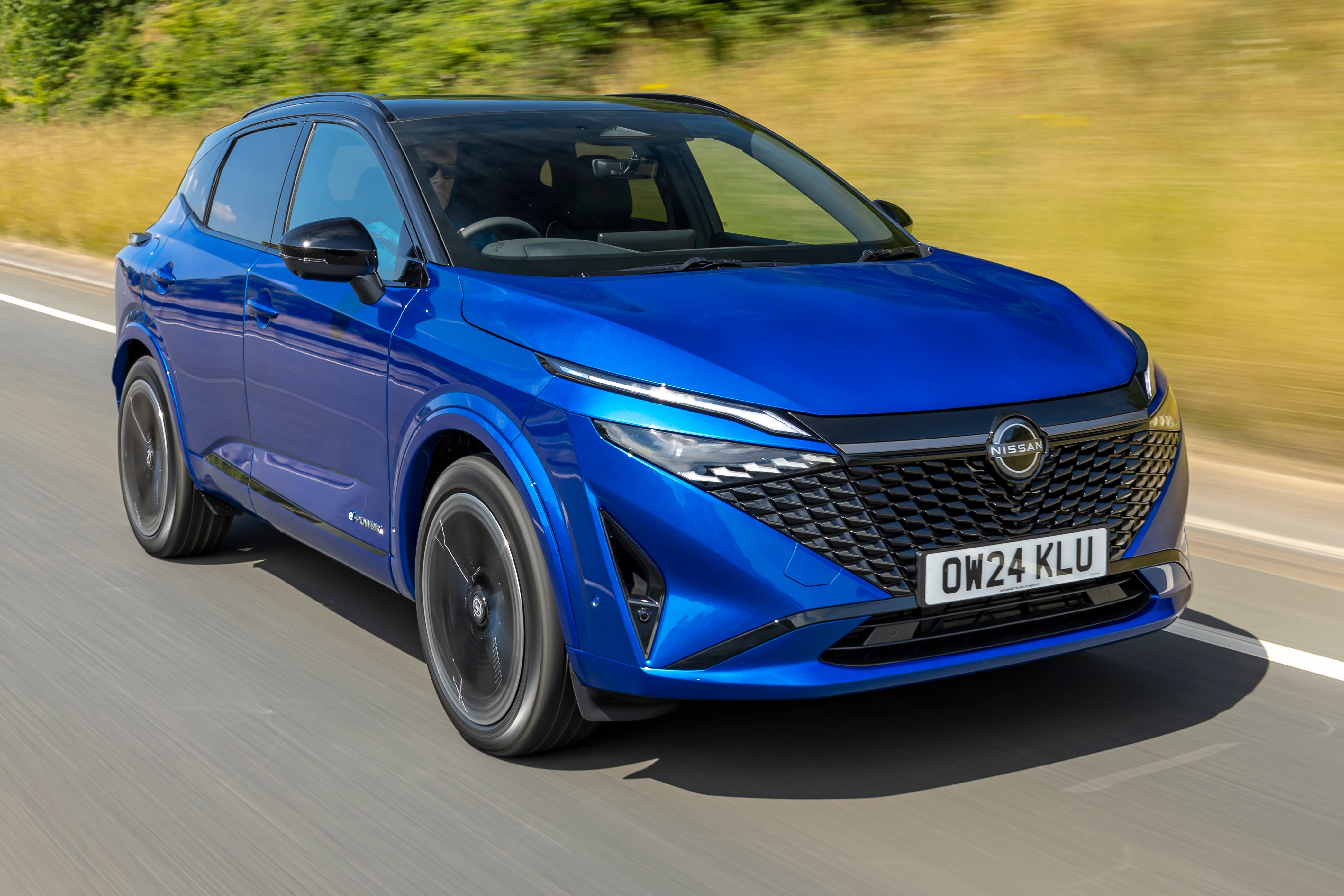
Nissan Qashqai Review

Written By Andrew Brady
- 2021
- SUV
- Petrol, hybrid
What we love
Strong all-round family SUV
Hybrid model is smooth and efficient
Updated infotainment is much better than before
Things to consider
Mild-hybrid petrol engines are only adequate
Firm ride on 20-inch alloy wheels
The nicest versions are expensive
The DRIVE take on the Nissan Qashqai, is it the right car for you?
The Nissan Qashqai has long been a popular choice for family buyers, and it’s now more versatile than ever. The 2024 update sharpened the styling and improved the infotainment, while the latest third-generation e-Power system has strengthened its case with better performance, refinement and fuel economy. It’s comfortable, sensibly practical and easy to drive, while the latest Google-based infotainment helps keep the cabin feeling modern. As long as you don’t care about an especially exciting driving experience, the Nissan Qashqai remains a very competitive mainstream family SUV.
The Nissan Qashqai in more detail
The Nissan Qashqai has been a fixture of UK family-car life for years, and that popularity hasn’t come from doing one thing brilliantly. Instead, it’s always been about getting the fundamentals right. It’s easy to drive, easy to live with and pitched squarely at buyers who want a dependable, modern family SUV without paying premium-badge money.
The current third-generation car already had those strengths, but the 2024 facelift helped keep it competitive in a crowded class. Styling changes at the front brought it closer to the Ariya and gave it a sharper, more modern face, while the cabin benefited from improved technology and a more convincing overall finish. The update also introduced the more style-focused N-Design trim.
Browse used Nissan Qashqais for sale →
The biggest mechanical story is the choice between the 1.3-litre mild-hybrid petrol and the latest e-Power hybrid. The current mild-hybrid range uses the 158PS engine, with either a six-speed manual or Xtronic automatic gearbox. Both are front-wheel drive.
Used buyers will also find plenty of 140PS manual cars, and there are still some unregistered examples in dealer stock. Earlier 158PS Xtronic models were also available with four-wheel drive, whereas current factory-order versions are front-wheel drive.
The standout option remains e-Power, which uses its petrol engine to generate electricity while an electric motor drives the wheels. The latest third-generation system produces 190PS in its normal setting and up to 205PS in Sport mode, while also improving efficiency and refinement.
Earlier e-Power cars, sold from 2022, used the original 190PS system. Those versions are still smooth, quick and appealing used buys, but they aren’t as economical or as quiet as the latest setup. Nissan says the new system is up to 5.6dB quieter.
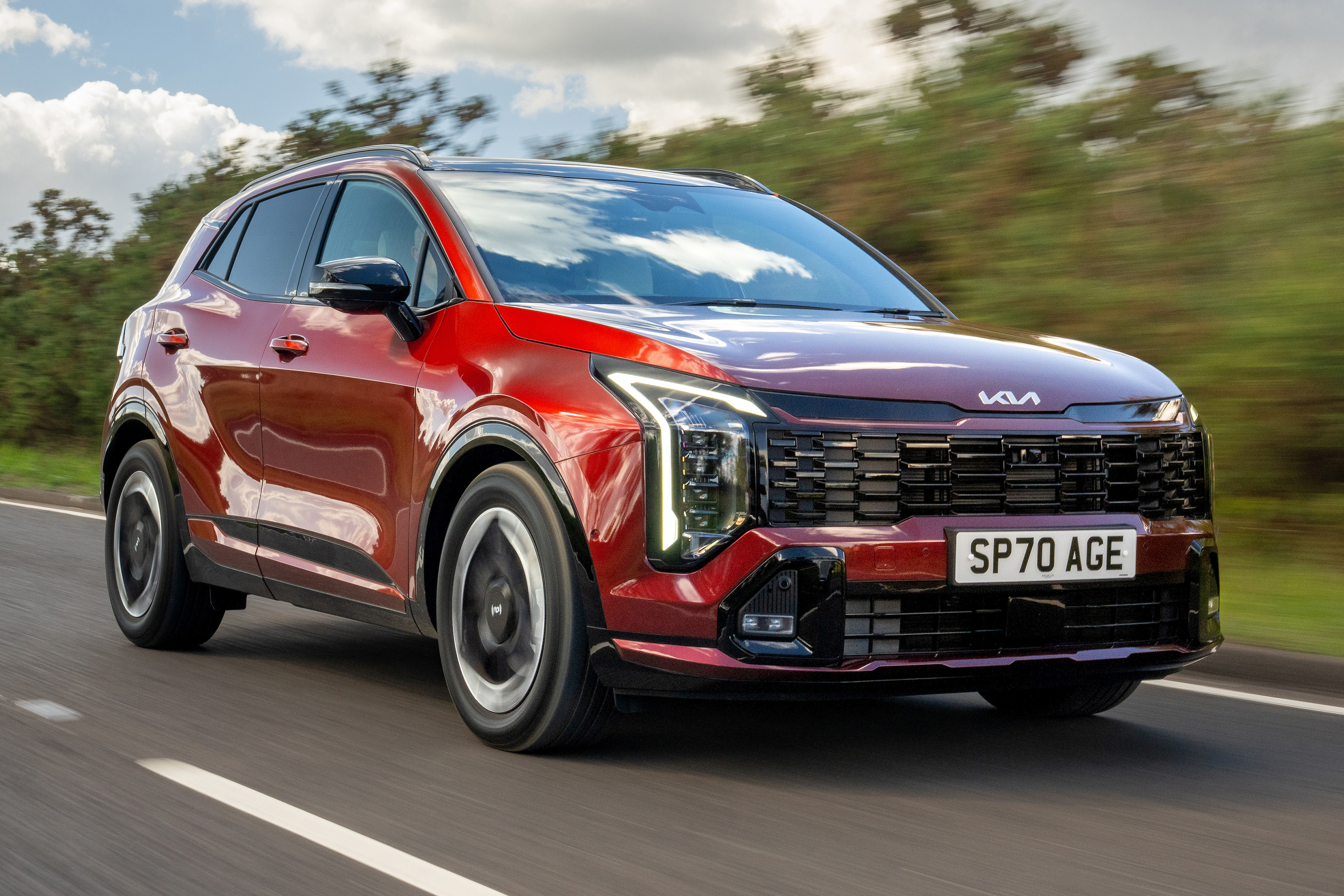
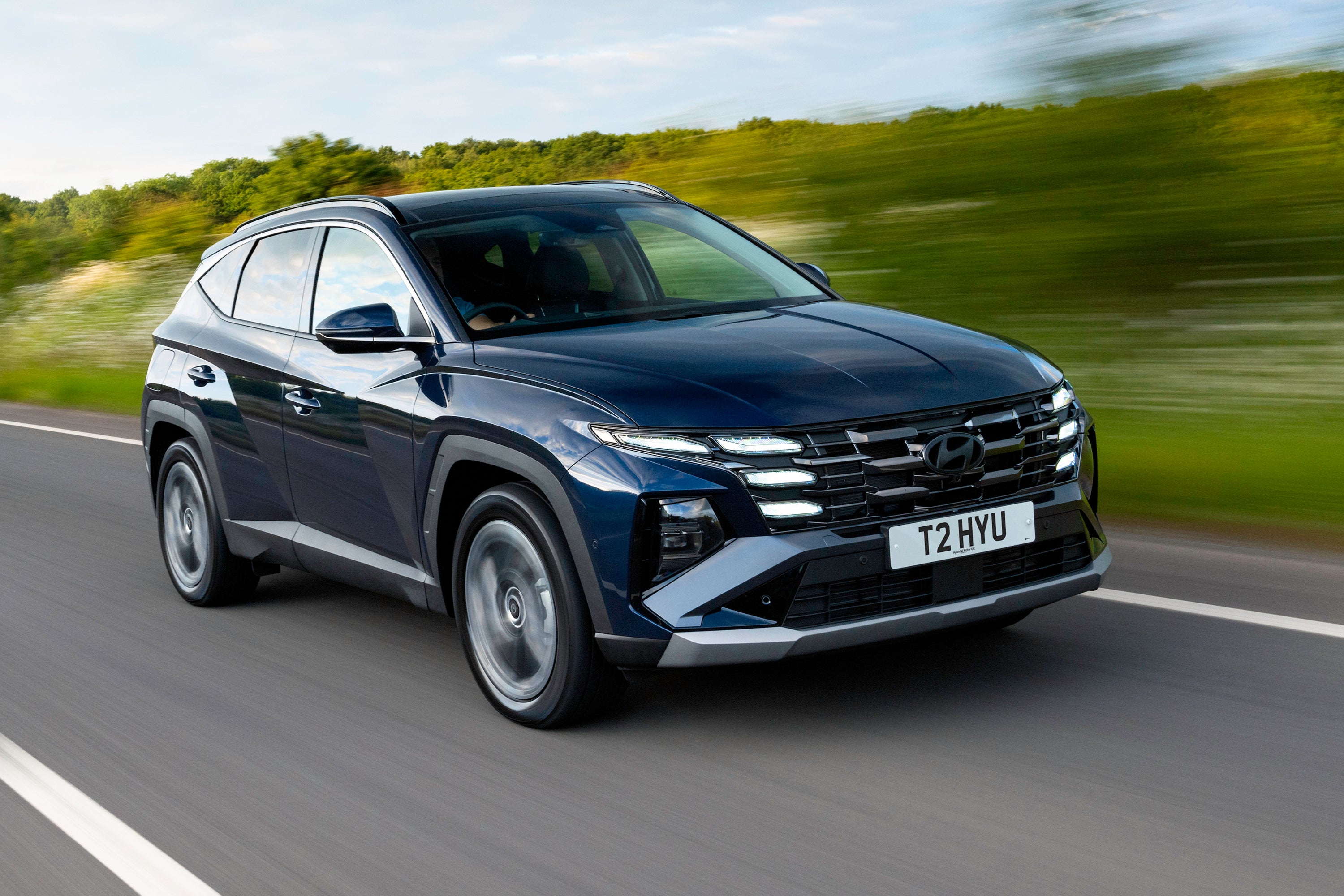
That matters because the Qashqai’s rivals are strong. Cars such as the Kia Sportage, the Volkswagen Tiguan, the Hyundai Tucson and the Peugeot 3008 all make a good case for themselves, while electric options such as the Skoda Enyaq are there for buyers ready to make the jump.
Even so, the Qashqai still makes a lot of sense. It’s roomy enough for family life, well equipped in the right trims and easy to get on with. As a complete package rather than a single-issue star, it remains one of the best-balanced cars in its class.
What's the best Nissan Qashqai trim and engine option?
For most new-car buyers, the best Nissan Qashqai is the latest e-Power in N-Connecta trim. The e-Power system suits the Qashqai’s relaxed character much better than the regular petrol engine because it feels smoother, quieter and more responsive in everyday use.
It also offers by far the strongest efficiency in the range, with Nissan currently quoting up to 64.2mpg compared with around 44–46mpg for the mild hybrids.
The 158PS mild-hybrid petrol still has a place. If you want the cheapest new Qashqai and mostly cover modest mileages, the manual version is perfectly acceptable, and Acenta Premium comes with plenty of equipment as standard. Its 9.5-second 0–62mph time is respectable rather than exciting.
Used buyers may also encounter the discontinued 140PS manual. It’s slower, at 10.2 seconds to 62mph, but can be cheaper to buy and insure. Earlier 158PS Xtronic models were available with four-wheel drive, too. The original 190PS e-Power also remains a strong used choice. It doesn’t match the latest version’s economy or refinement, but it provides the same basic electrically driven character.
N-Connecta is the sensible trim sweet spot because it brings Google built-in infotainment, a 3D Around View Monitor, wireless smartphone charging, heated front seats and a heated steering wheel without tipping too far into expensive territory.
What’s the price of the Nissan Qashqai?
The Nissan Qashqai range currently starts at £30,635 for the mild-hybrid manual Acenta Premium. N-Connecta starts at £33,105, while N-Design and Tekna are both £35,025 with the manual powertrain.
The 158PS Xtronic automatic starts at £32,955 in Acenta Premium form. N-Connecta costs £35,425, N-Design and Tekna £37,645 and Tekna+ £41,125.
The latest e-Power line-up begins at £34,875 for Acenta Premium. N-Connecta costs £37,345, N-Design and Tekna £39,655, while the range-topping e-Power Tekna+ costs £43,225. There are also plenty of used Nissan Qashqais for sale for considerably less.
The Qashqai is no longer a bargain-basement family SUV, but it remains competitively priced given the amount of technology and equipment on offer. It’s also easy to find nearly new or used, which helps if the newest versions are beyond budget.
Alternatives to the Nissan Qashqai
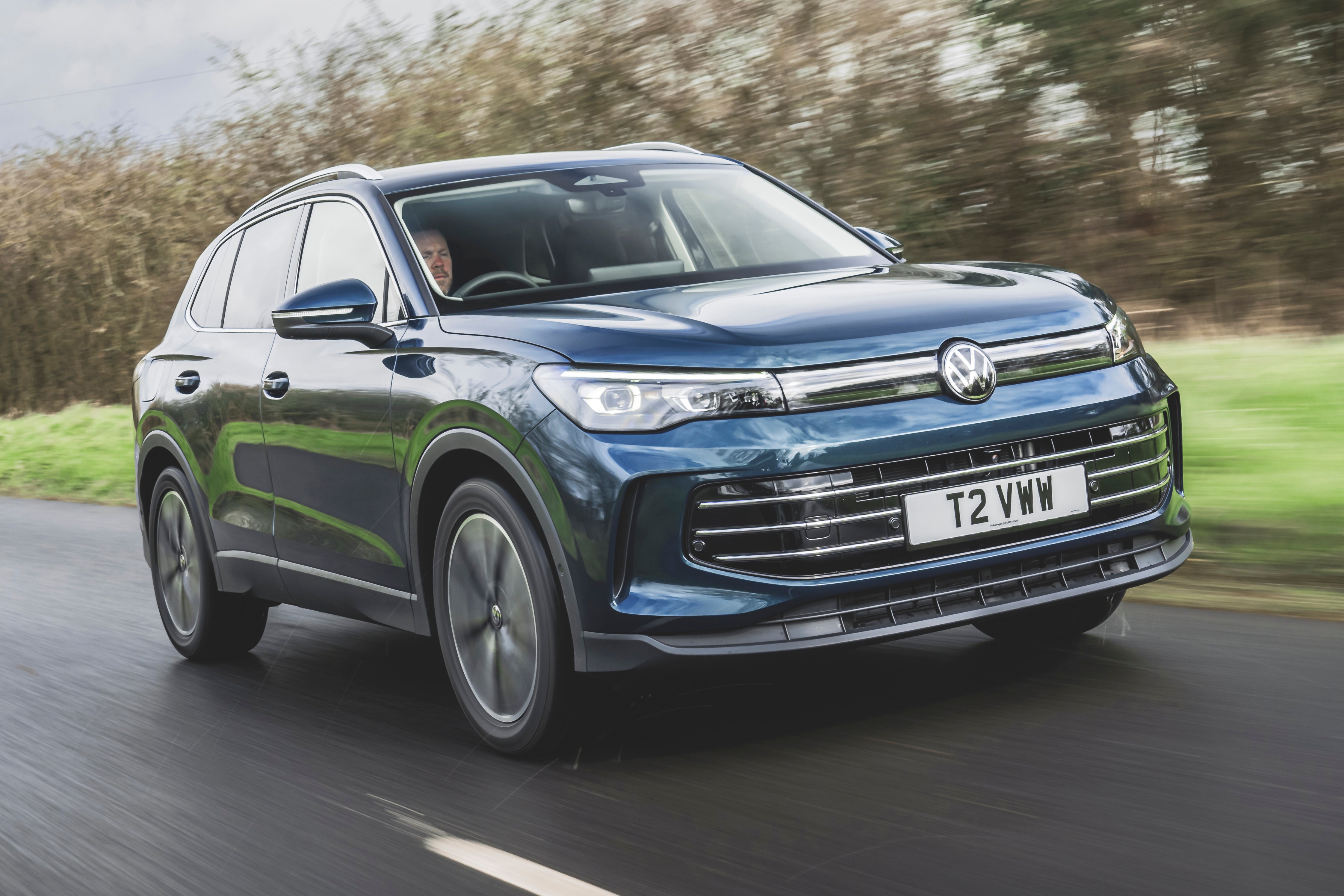
The Volkswagen Tiguan is one of the Qashqai’s clearest rivals if you want a family SUV with a more polished, mature edge. It feels a little more substantial inside and out, and it suits buyers who prioritise refinement and a slightly more premium feel, though it can get expensive quickly.
The Skoda Karoq is the rational alternative. It isn’t as flashy, but it’s practical, easy to live with and still one of the most sensible family SUVs in this size bracket. If rear-seat space, visibility and day-to-day usability matter more than design flourish, the Karoq makes a strong case.
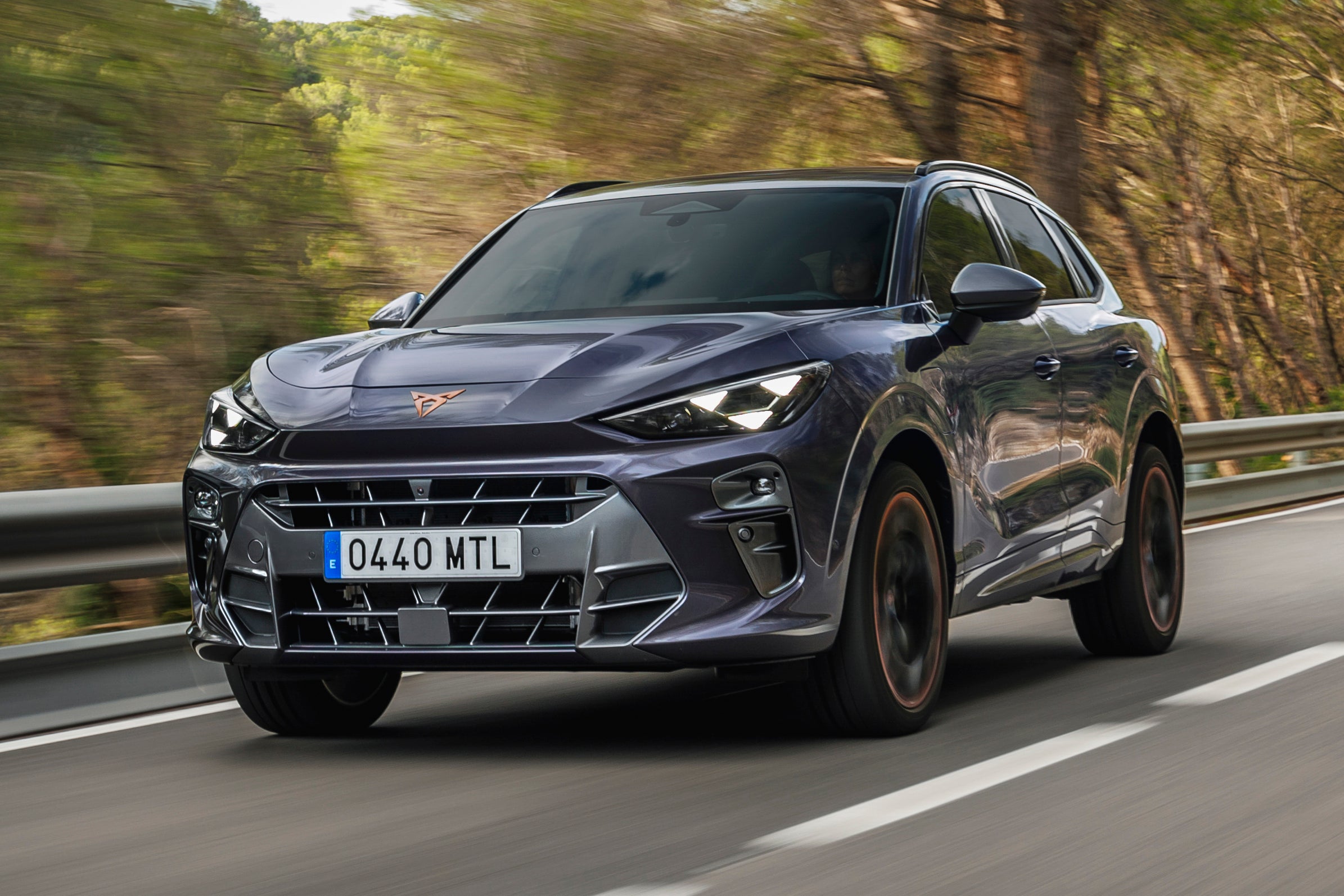
The Cupra Terramar is the style-led option. It brings a more assertive design and sportier cabin feel than the Qashqai, although it’s less of a pure value proposition.
Beyond those three, the Kia Sportage and Hyundai Tucson remain strong all-rounders, while the Peugeot 3008 is worth considering if interior design matters to you.
The Qashqai still makes most sense if you want a mainstream family SUV that’s good across the board rather than one with a single standout party trick.
What's the interior like in the Nissan Qashqai?
The Qashqai’s cabin feels properly up to date. It’s roomy, easy to get comfortable in and suitably polished, even if a few lower-grade plastics still remind you it’s a mainstream SUV.
The 2024 update made a noticeable difference to the technology, while the physical climate controls remain refreshingly simple to use. Every current version gets a 12.3-inch central touchscreen and 12.3-inch digital driver display. Higher trims add richer upholstery, ambient lighting and extra soft-touch finishes, but you don’t need to buy the most expensive version to get a cabin that feels modern and well equipped.
Nissan Qashqai boot space and practicality
The Nissan Qashqai does a good job of feeling substantial without becoming awkwardly large. Up front, the seats are comfortable, the driving position is nicely elevated and the chunky dashboard and centre console give it a more big-car feel than some rivals.
Rear-seat space is good rather than exceptional. There’s enough legroom and headroom for adults, and the rear doors open to 85 degrees, making it relatively easy to fit child seats or help younger passengers in and out.
The middle rear seat is less convincing, though, because the floor hump and narrower cushion mean fitting three adults across the back is a stretch.
Boot space varies by trim and equipment. Nissan quotes 455–504 litres beneath the luggage cover with the rear seats raised, and 1,379–1,447 litres with them folded for the mild-hybrid versions.
The latest e-Power offers up to 504 litres with the seats raised and up to 1,440 litres with them folded, so choosing the hybrid doesn’t impose a major practicality penalty.
Higher trims get Nissan’s flexible luggage-board system, which helps divide the boot or create a flatter loading area. Overall, the Qashqai remains usefully practical, although alternatives such as the Skoda Karoq and Kia Sportage can offer more outright space.
Nissan Qashqai dimensions
The Nissan Qashqai measures 4,425mm long, 1,835mm wide excluding its mirrors and 1,625mm high, with a 2,665mm wheelbase. With the door mirrors extended, it’s 2,084mm wide. Those dimensions place it right in the heart of the family-SUV class, which is why it feels roomy enough for everyday use without becoming cumbersome in tighter urban settings. In practical terms, it’s wide enough to feel substantial on the road and roomy in the cabin, but still small enough to manage on a typical British driveway or in a multi-storey car park.
Tech and infotainment in the Nissan Qashqai
Infotainment is one of the current Nissan Qashqai’s stronger areas. Every version gets a 12.3-inch central touchscreen, a 12.3-inch digital instrument display and wireless Apple CarPlay and Android Auto.
N-Connecta models and above add NissanConnect with Google built-in, which brings Google Maps, Google Assistant, compatible apps through Google Play and over-the-air updates. Those trims also get a 15W wireless phone charger and Nissan’s 3D Around View Monitor with multiple camera views.
That system matters because it keeps the Qashqai in line with the best modern family SUVs rather than leaving it feeling a generation behind. Google Maps is familiar and easy to use, while Google Assistant can handle navigation and other functions without forcing you through several on-screen menus.
Acenta Premium cars still get the same-sized central display and wireless smartphone connectivity, but they miss out on Google built-in and use a conventional reversing camera rather than the more sophisticated around-view system.
Note that pre-facelift cars don’t have Google built-in. Earlier third-generation Qashqais use Nissan’s older infotainment software, and screen specification varies with model year and trim.
Materials available on the Nissan Qashqai
The Nissan Qashqai’s materials and finish are convincing for a mainstream family SUV. You’ll still find some harder plastics lower down, but the main touchpoints and dashboard trims do enough to make the cabin feel smart and suitably expensive.
Acenta Premium uses black cloth, while N-Connecta combines cloth with synthetic-leather inserts. N-Design uses synthetic suede and synthetic leather, together with a suede-style dashboard treatment. Tekna switches to black synthetic leather.
Tekna+ adds quilted upholstery with suede-style inserts and additional soft-touch trim. Nissan’s current brochure describes this as premium quilted upholstery, with synthetic materials used in parts of the seat construction.
Even in the highest trims, though, the Qashqai doesn’t feel overdone or flashy. It simply feels properly polished.
What's the Nissan Qashqai like to drive?
The Nissan Qashqai is easy-going rather than exciting, and that suits it. It’s comfortable, secure and refined enough to make daily family driving feel straightforward, particularly in e-Power form.
The mild hybrids are perfectly adequate, but the latest e-Power feels much more responsive because the electric motor always drives the front wheels. Ride comfort is generally good, although large wheels add some firmness, while the steering favours lightness and ease rather than feedback.
Nissan Qashqai range and performance
The current Nissan Qashqai range starts with a 1.3-litre mild-hybrid petrol engine producing 158PS. It’s offered with a six-speed manual gearbox or Nissan’s Xtronic automatic, with both driving the front wheels. The manual produces 260Nm and covers 0–62mph in 9.5 seconds, while the Xtronic has 270Nm and cuts the acceleration time to 9.2 seconds.
Earlier examples were also available with a 140PS version of the same 1.3-litre engine. This came with a manual gearbox and took 10.2 seconds to reach 62mph. It’s now chiefly a used or remaining-stock proposition. The 158PS Xtronic was also previously available with four-wheel drive.
Then there’s e-Power. The original system introduced in 2022 used a 1.5-litre petrol engine as a generator while a 190PS electric motor drove the front wheels. It covered 0–62mph in 7.9 seconds.
The latest third-generation e-Power follows the same basic principle but has been extensively revised. It develops 190PS in Standard mode and 205PS in Sport mode, with 0–62mph taking 7.9 or 7.6 seconds respectively.
The figures only tell part of the story. Both generations of e-Power feel smoother and more immediate than the mild hybrids because the electric motor is doing the actual work of moving the car. The new version is quieter and considerably more efficient.
Performance data
| Model | Engine/battery size | Power | 0-62mph | Range/MPG |
|---|---|---|---|---|
Nissan Qashqai Mild Hybrid 158 Manual | 1.3-litre mild-hybrid petrol manual | 158PS | 9.5 | Up to 44.8mpg |
Nissan Qashqai Midl Hybrid 158 Xtronic | 1.3-litre mild-hybrid petrol auto | 158PS | 9.2 seconds | Up to 45.6mpg |
Nissan Qashqai e-Power | 1.5-litre hybrid automatic | 205PS | 7.6 seconds | Up to 64.2mpg |
Nissan Qashqai driving and refinement
The Nissan Qashqai isn’t a car bought for driver thrills, but it’s a calm, reassuring family SUV. There’s enough grip, body control is tidy and the steering is accurate enough to inspire confidence, even if a Ford Kuga or SEAT Ateca would be more enjoyable on a twisting road.
Ride comfort depends quite heavily on wheel size. Cars on 17-inch or 18-inch wheels are the ones to go for if comfort matters most. Current N-Design and Tekna versions use 19-inch wheels, while Tekna+ gets 20-inch wheels and a multi-link rear suspension.
The mild-hybrid engines are quiet enough in normal driving, though they become more vocal if they’re worked hard. The automatic feels a little more relaxed in traffic than the manual.
Both generations of e-Power are more refined, especially in town, where they feel almost EV-like in the way they move off and respond to the throttle. The latest system is quieter still, with Nissan claiming a reduction of up to 5.6dB compared with the original version. Engine speed has also been calibrated to correspond more naturally with road speed, helping reduce the disconnected revving sensation associated with some hybrids.
Overall, the Qashqai’s driving experience is best described as easy and undemanding, and that’s exactly what many family buyers will want.
How safe is the Nissan Qashqai?
Independent safety organisation Euro NCAP reassessed the Nissan Qashqai in 2025 following updates made by Nissan and awarded it four stars under the newer test protocol. It scored 78% for adult occupant protection, 85% for child occupant protection, 65% for vulnerable road-user protection and 62% for safety assist.
The passenger compartment remained stable in the frontal-offset test, while the Qashqai scored maximum points in the side-barrier test. Rear-passenger chest protection in the full-width frontal test was rated marginal.
Safety equipment is generous. Autonomous emergency braking, lane-departure warning and prevention, blind-spot intervention, driver-attention monitoring and rear automatic braking are standard.
The Qashqai originally achieved five stars in 2021, but the newer four-star result was earned against tougher criteria and shouldn’t be interpreted as the car somehow becoming less safe.
Running costs: What it's like to live with a Nissan Qashqai
Running costs depend heavily on which engine you choose. The mild-hybrid petrols return roughly mid-40s MPG officially, while the latest e-Power can manage more than 60mpg and has lower CO2 emissions.
The e-Power also now has a longer service interval than the earlier version, although the Qashqai’s three-year warranty remains fairly ordinary by class standards.
Nissan Qashqai fuel economy
The latest e-Power is comfortably the most economical current Qashqai. Nissan’s current consumer figures quote 62.8–64.2mpg, with up to 777 miles possible from a full 55-litre tank in the most efficient version.
The 158PS mild hybrid returns around 44.1–45.6mpg, depending on gearbox and specification. That’s respectable enough, but the difference becomes significant for higher-mileage buyers.
Company-car drivers also benefit from the new e-Power’s lower CO2 output. Nissan’s fleet figures put current e-Power versions at 25–26% Benefit-in-Kind tax in 2026/27, compared with around 34–35% for the mild hybrids. Earlier 190PS e-Power cars officially managed around 53.3–55.4mpg, so the latest version represents a substantial efficiency improvement.
Nissan Qashqai warranty and servicing
Nissan covers the Qashqai with a three-year/60,000-mile manufacturer warranty, whichever comes first. Electrified components including the e-Power electric motor and lithium-ion battery get five years or 60,000 miles of cover.
The mild hybrid requires servicing every 12 months or 18,000 miles. Nissan has extended the latest e-Power’s interval to 12 months or 12,500 miles, up from 9,000 miles on the original e-Power system.
Extended warranty cover is available once the original warranty expires, including plans for cars up to 10 years old and 100,000 miles, subject to Nissan’s terms.
Nissan Qashqai insurance groups
Insurance groups vary quite widely across the third-generation Qashqai range. Older 140PS mild-hybrid versions start as low as group 11 (of 50), while later 158PS models generally sit higher, depending on trim and transmission. The latest e-Power versions range from around group 26 to 29.
That means used buyers can find relatively inexpensive-to-insure versions, while the more powerful and highly equipped e-Power models sit towards the upper end of the scale. It’s worth checking the exact derivative before buying, as seemingly similar Qashqais can have quite different insurance ratings.
How much does it cost to tax a Nissan Qashqai?
The Nissan Qashqai now costs £200 a year in Vehicle Excise Duty (VED) after year one, but watch out for the Expensive Car Supplement, which applies if the list price is more than £40,000 for petrol and hybrid models. Some of the higher-trim Qashqais cross that threshold, and others can be pushed over it by options, so it is worth checking carefully before ordering. If that applies, an extra £440 is payable for five years from the second year of registration.
In simple terms, lower and mid-spec Qashqais are straightforward on tax, but pricier Tekna and Tekna+ models need a closer look.
What trims are available with the Nissan Qashqai?
The Nissan Qashqai range is split across Acenta Premium, N-Connecta, N-Design, Tekna and Tekna+, giving buyers a choice between value, styling and extra comfort rather than simply adding more equipment at every step.
Acenta Premium is the entry point, but it already comes with a strong level of standard kit. You get 17-inch alloy wheels, a 12.3-inch touchscreen and matching 12.3-inch digital driver display, plus wireless Apple CarPlay and Android Auto. Dual-zone climate control, Nissan’s Intelligent Key, a reversing camera, LED headlights, adaptive cruise control and blind-spot intervention are also included.
N-Connecta is the sweet spot for most buyers. It moves to 18-inch alloy wheels and adds NissanConnect with Google built-in, a 3D Around View Monitor, 15W wireless phone charging, front and rear parking sensors, rear USB-C ports and privacy glass. Heated front seats and a heated steering wheel are also standard, along with roof rails. Automatic versions get ProPILOT, while manual cars use Nissan’s Drive Assist system. It is a useful step up from Acenta Premium without pushing the Qashqai too far up the price range.
N-Design takes a more style-focused approach. It gets 19-inch black alloy wheels, two-tone paint, a panoramic glass roof and body-coloured lower exterior trim. Inside, there is a mix of synthetic suede and synthetic leather upholstery, suede-style dashboard trim and 64-colour ambient lighting. A heated windscreen is included, too.
Tekna concentrates more on comfort and convenience. It also gets 19-inch black alloy wheels and a panoramic glass roof, but adds black synthetic leather upholstery, an eight-way powered driver’s seat with memory, a heated windscreen, a hands-free powered tailgate and memory door mirrors. A Bose audio system and head-up display are available depending on the exact specification.
Tekna+ sits at the top of the range and adds 20-inch alloy wheels, multi-link rear suspension, quilted upholstery with suede-style inserts, powered front seats with massage, Bose 10-speaker audio, a 10.8-inch head-up display and matrix LED headlights.
For most buyers, N-Connecta is the strongest all-round choice. Tekna is the better option if comfort matters more than styling, while Tekna+ is the most luxurious version but also the one most likely to push the Qashqai into more expensive territory.
Ask the Drive experts: common questions
Is the Nissan Qashqai a good family SUV?
Which Nissan Qashqai engine is best?
How economical is the Nissan Qashqai e-Power?
Does the Nissan Qashqai pay the Expensive Car Supplement?
Get our latest advice, news and offers
Keep me updated by email with the latest advice, news and offers from Drive.
.jpg)