MINI Countryman (2017-2024) Review

Written By Phil Hall
- 2017
- SUV
- Petrol and plug-in hybrid
What we love
Good to drive for a family SUV
High-quality and distinctive interior
Useful passenger space and practical petrol-model boot
Things to consider
Ride can be firm on larger wheels
Plug-in hybrid sacrifices boot space
Specifications vary considerably between used examples
The DRIVE take on the Mini Countryman, is it the right car for you?
The 2017 to 2024 MINI Countryman is a strong used choice if you want MINI character with enough space for family life. It is more entertaining to drive than most compact SUVs, has a well-finished interior and offers a useful 450-litre boot in petrol form. The 136PS Cooper is the best all-rounder, while the Cooper S E plug-in hybrid suits drivers who can charge regularly. A firm ride is the main compromise.
The Mini Countryman in more detail
The second-generation MINI Countryman arrived in 2017 and marked a significant step forward from the model it replaced. It was longer, wider and substantially more practical, turning the Countryman from an enlarged MINI into a credible family SUV.
It remained unmistakably a MINI. The upright windscreen, contrasting roof, large circular dashboard display and chunky styling carried over the familiar brand cues, but the additional size created a much more useful interior.
At around 4.3 metres long, the Countryman sits between traditional supermini-based crossovers and larger family SUVs. It is similar in footprint to an Audi Q2 or Volkswagen T-Roc, although the tall body and flexible rear seating make good use of the available space.
Browse used MINI Countrymans for sale →
MINI facelifted the Countryman in 2020, bringing revised styling, updated lighting and newer cabin technology. Those later cars are the ones we would concentrate on when buying used.
There were diesel engines earlier in the model’s life, but the most relevant later choices are the 136PS Cooper, 178PS Cooper S, 220PS to 222PS Cooper S E plug-in hybrid and 306PS John Cooper Works.
The Cooper uses a 1.5-litre three-cylinder turbocharged petrol engine and is the sensible choice. It has enough performance for family use without the higher running costs of the faster models.
The Cooper S moves to a 2.0-litre four-cylinder engine and provides a noticeable step up in pace. Front-wheel-drive and ALL4 four-wheel-drive versions were offered, although most buyers do not need the additional weight and complexity of four-wheel drive.
The Cooper S E combines a 1.5-litre petrol engine with an electric motor driving the rear wheels. This gives it electric all-wheel drive and enough battery capacity for short local journeys without using petrol.
At the top of the range, the John Cooper Works uses a 306PS version of the 2.0-litre turbo engine with ALL4 and an automatic gearbox. Its performance is impressive, but higher insurance costs and a firmer ride make it a more specialised choice.
The Countryman’s greatest strength is the way it combines those mechanical options with a genuinely premium-feeling cabin. It looks distinctive inside, the materials are strong for the class and most of the important controls remain straightforward to use.
Practicality is good rather than exceptional. Petrol versions have a 450-litre boot and a flexible rear bench, while the plug-in hybrid loses luggage space because of its battery and electrical hardware.
The ride is the main weakness. The Countryman handles with more precision than most SUVs of this size, but larger wheels and sports suspension can make it feel unnecessarily busy on broken UK roads.
What's the best Mini Countryman trim and engine option?
The 136PS Cooper is the best all-round choice. Its 1.5-litre three-cylinder engine has enough performance for most drivers, while fuel consumption and insurance costs are easier to manage than they are with the Cooper S or John Cooper Works.
Later automatic Cooper models reach 62mph in 9.7 seconds. That is not quick by modern standards, but the engine responds well at everyday speeds and rarely feels strained in normal use.
The Cooper S is better suited to drivers who want more performance. Its 178PS 2.0-litre engine cuts the 0-62mph time to 7.4 seconds in front-wheel-drive automatic form or 7.3 seconds with ALL4. That is quick enough to make the Countryman feel genuinely energetic without bringing the running-cost burden of the John Cooper Works.
The Cooper S E plug-in hybrid reaches 62mph in 6.8 seconds and provides electric all-wheel drive. It is particularly appealing if most weekday journeys are short enough to fit within its electric range and you can charge at home. Do not choose the PHEV simply for its headline fuel-economy figure. It works best when charged frequently. Run it mainly with an empty battery and the extra weight works against efficiency.
The 306PS John Cooper Works is substantially faster, reaching 62mph in 5.1 seconds. It is entertaining and impressively capable, but its performance is more than most family SUV buyers need.
For trim, Classic provides enough equipment for most people. Exclusive suits buyers who want a richer-looking cabin, while Sport adds more aggressive styling and often larger wheels. Those wheels look good but make the ride noticeably firmer.
What’s the price of the Mini Countryman?
Prices for this generation starts at around £9,000 for earlier petrol examples. A budget of roughly £10,000 to £14,000 buys a useful selection of 2017 to 2019 Cooper models, depending on mileage, gearbox and specification. Current listings include 2017 petrol Coopers at around £9,000 to £10,000. There are also plenty of used MINI Countrymans for sale so you've got plenty of choice..
Cooper S models generally cost more. Earlier examples can start around £10,000 to £12,000, while later facelifted cars with lower mileages may rise beyond £20,000.
Plug-in hybrid Cooper S E models also span a broad range. Earlier cars can be found from around £12,000, while 2021 to 2023 examples commonly sit in the high teens or low £20,000s.
There is enough choice that buyers can afford to be selective. A complete service history, good tyres and sensible condition matter more than finding a rare paint colour or expensive option package.
Alternatives to the Mini Countryman
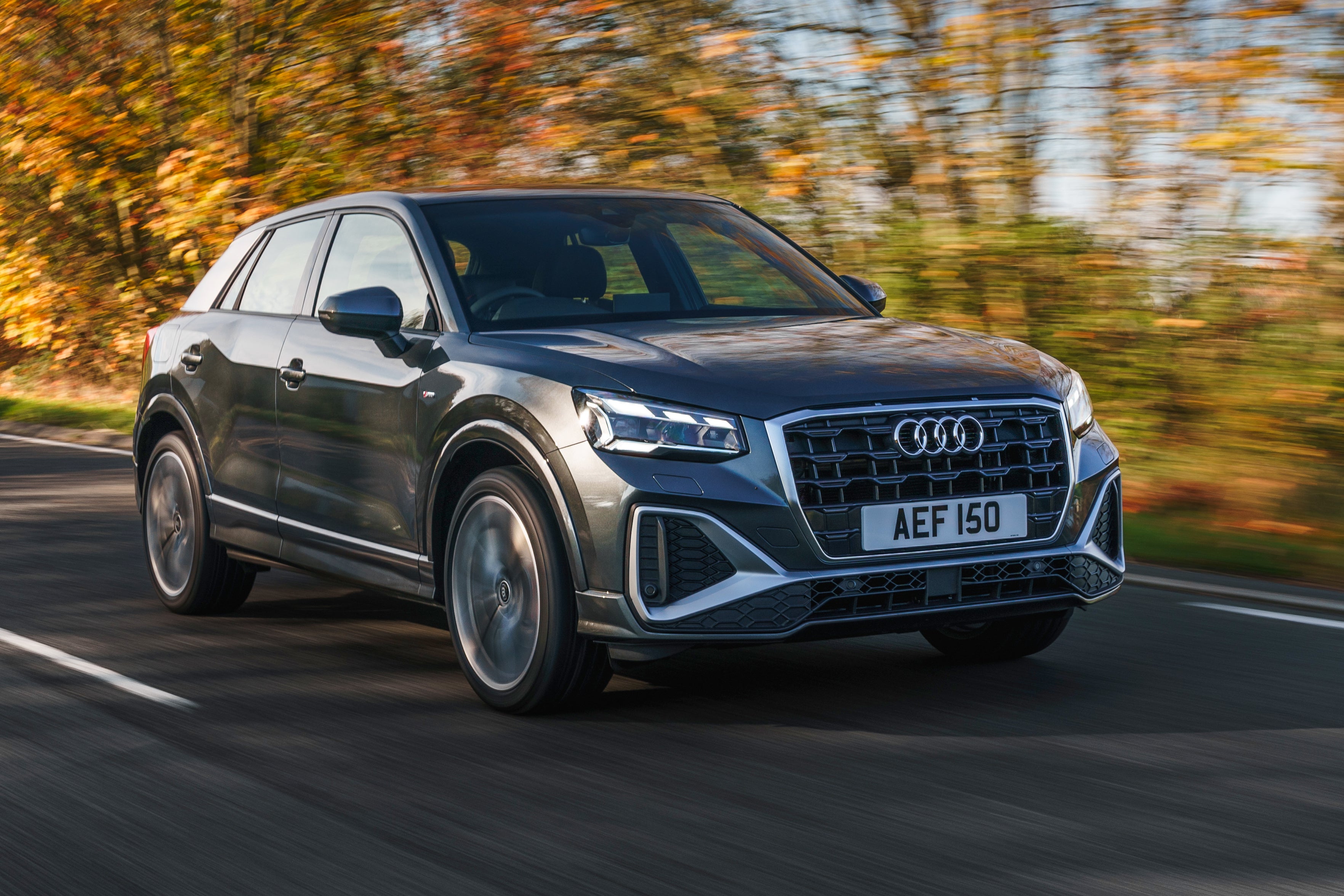
The Audi Q2 is one of the closest premium alternatives. It has a cleaner, more conservative cabin and feels similarly upmarket, although the Countryman is more practical and more entertaining to drive.
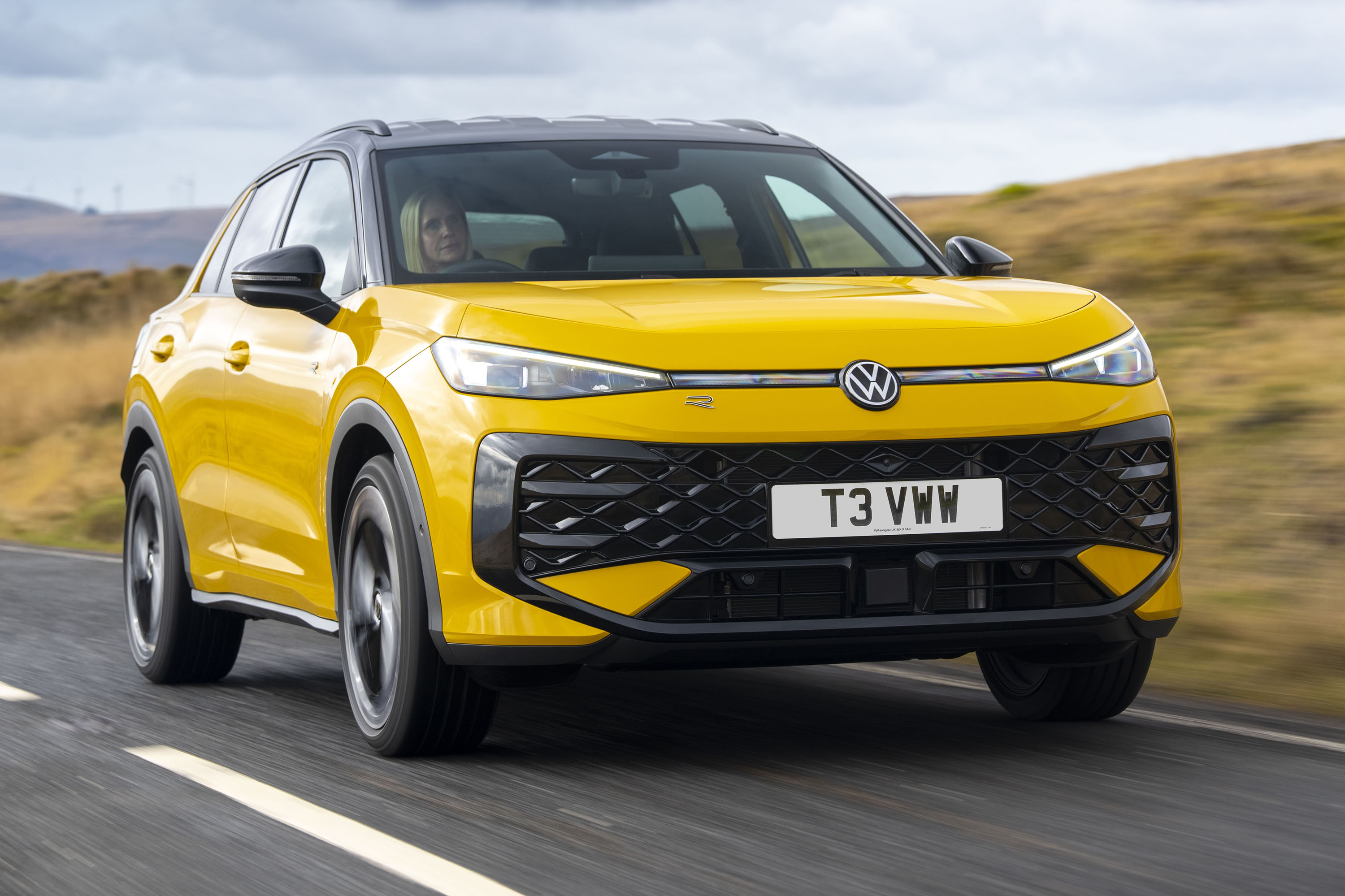
The Volkswagen T-Roc offers a broader range of engines and a more conventional driving experience. It is easier to recommend for buyers who prioritise ride comfort over character.
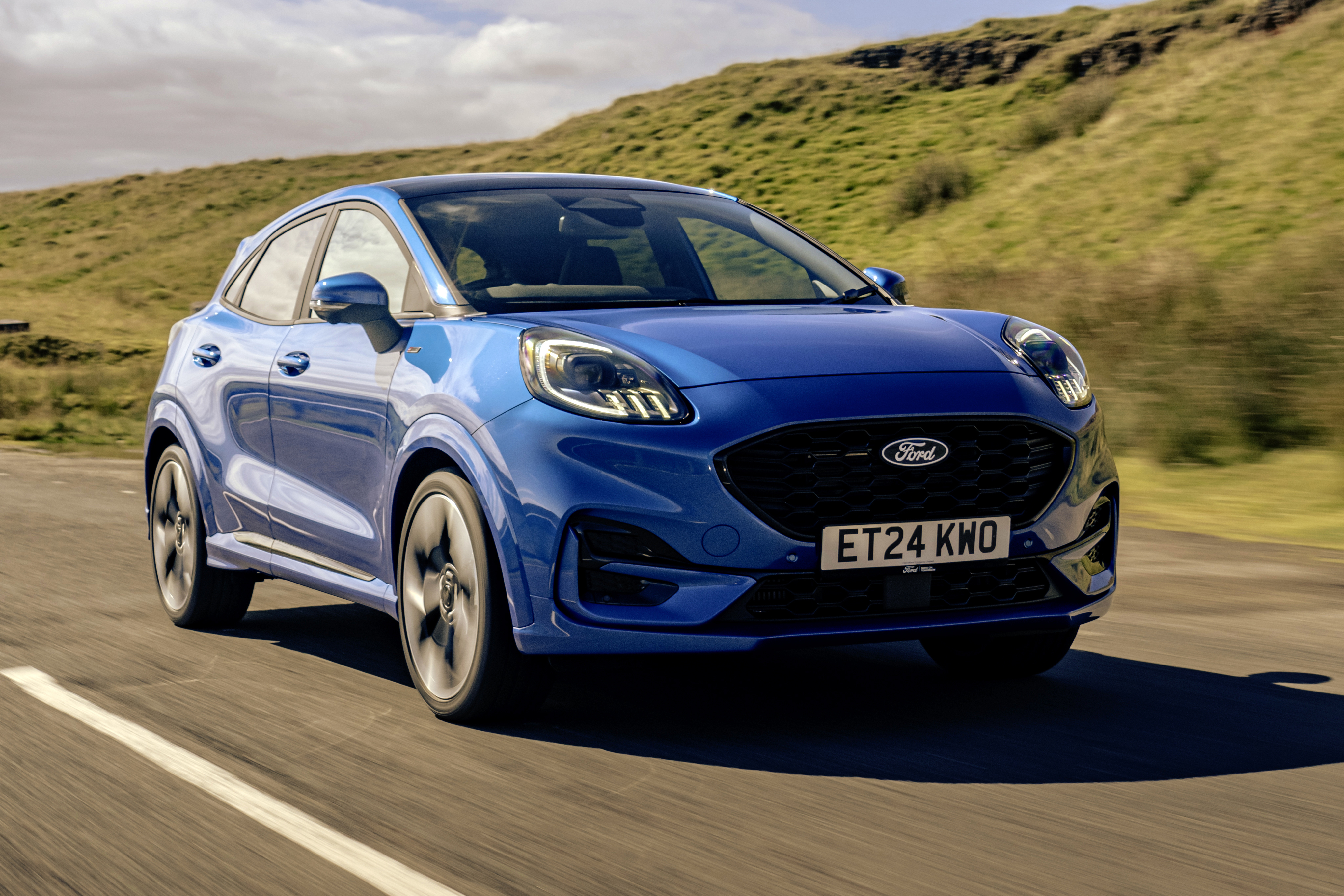
A Ford Puma is smaller but excellent to drive, efficient and practical for its size. It does not feel as premium inside, but used prices are attractive.
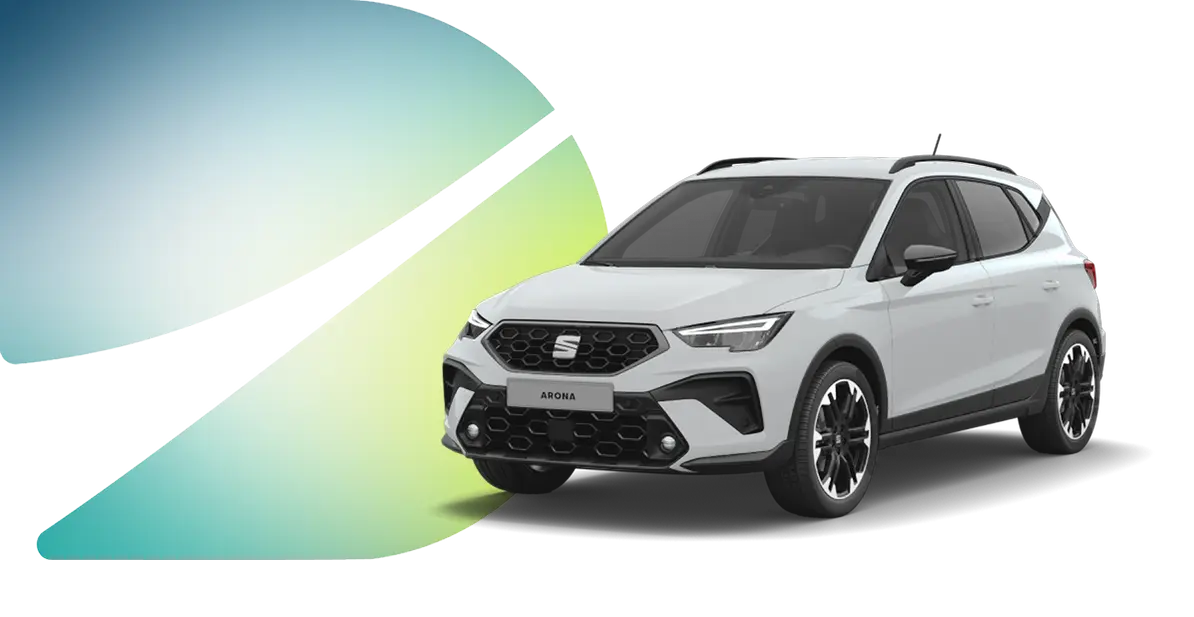
The SEAT Ateca is the stronger choice if outright space matters. It has a larger cabin and boot, while its more straightforward interior may appeal to buyers who find the MINI’s styling too busy.
The Skoda Karoq is similarly sensible and comfortable. It lacks the Countryman’s character but makes a more relaxed family car.
What's the interior like in the Mini Countryman?
The Countryman has one of the most distinctive and best-finished interiors in the compact SUV class. It offers plenty of space for four adults, useful rear-seat flexibility and a premium feel that has aged well.
Mini Countryman boot space and practicality
The raised seating position makes the Countryman easy to get into and gives the driver a useful view ahead.
There is plenty of adjustment in the seat and steering wheel, so drivers of most sizes should find a comfortable position. The seats provide good support, although some examples lack the centre armrest fitted through optional comfort packages.
Visibility is generally good, but the thick windscreen pillars can obscure traffic at awkward junctions. The broad rear pillars also restrict the view when reversing. Rear parking sensors are common, while a reversing camera is a worthwhile option to look for.
Front occupants have plenty of headroom, legroom and shoulder space. Storage includes useful door pockets, cupholders and a central compartment.
The rear is one of the Countryman’s strengths. Two adults have generous legroom and headroom, while three passengers can fit across the bench for shorter journeys. The sliding rear seat allows owners to trade passenger space against boot capacity. This is particularly useful when carrying a pushchair or bulky luggage without folding the seats. Isofix child-seat mounting points are fitted to the outer rear seats, and the wide rear doors make fitting a child seat relatively straightforward.
Petrol Countryman models have 450 litres of boot space with the rear seats in use. That is competitive for a compact SUV and enough for a family’s weekly shopping or several suitcases. Folding the seats expands capacity to 1,390 litres.
The plug-in hybrid is less practical. Its battery and electric motor reduce the boot to 405 litres, while maximum capacity with the rear seats folded falls to 1,275 litres. That remains usable, but buyers who regularly carry bulky luggage will be better served by a petrol model.
Mini Countryman dimensions
The second-generation Countryman measures 4,299mm long, 1,822mm wide and 1,557mm high, with a 2,670mm wheelbase.
That makes it substantially larger than a MINI Hatch but still compact enough for urban driving.
Light steering makes parking straightforward, while the upright body provides a useful sense of where the corners are. Rear sensors help, and a reversing camera is worth seeking out on the used market.
Tech and infotainment in the Mini Countryman
Later Countryman models use an 8.8-inch central touchscreen positioned within MINI’s familiar circular dashboard surround. The system is based on BMW’s iDrive architecture and remains one of the better infotainment setups fitted to a car of this age.
It can be operated by touch, but the rotary controller between the front seats is often easier to use on the move. Menus are logically arranged and responses are quick. Apple CarPlay is available on later cars, although Android Auto was not offered on this generation.
Physical climate controls are another advantage. They sit relatively low on the dashboard, but remain much easier to use than the touchscreen-only systems fitted to many newer cars.
The 2020 facelift introduced a small digital instrument display on many versions, while higher-specification cars may also have a head-up display.
Navigation, wireless phone charging and upgraded audio systems were available depending on trim and option packs. The spec can vary substantially between used examples, so check each individual car rather than assuming its trim badge tells the whole story.
Materials available on the Mini Countryman
Cabin quality is one of the Countryman’s strongest attributes. Soft-touch materials cover most important surfaces, the switches feel substantial and the interior generally stands up well to age.
Classic models use simpler upholstery, while Exclusive versions tend to have richer materials and leather sports seats. Sport cars bring more aggressive seats and darker trim, while special editions can feature unique colour and upholstery combinations.
A panoramic glass roof is a desirable option because it makes the cabin feel lighter, although buyers should check its operation and seals carefully.
What's the Mini Countryman like to drive?
The Countryman is one of the more enjoyable compact SUVs to drive. Its steering is responsive, body control is good and the faster models have plenty of performance. The trade-off is a ride that can feel too firm on larger wheels.
Mini Countryman range and performance
For a used purchase, the later petrol and plug-in hybrid engines are the ones to concentrate on.
The Cooper’s 1.5-litre engine is sufficient for most buyers. It has a distinctive three-cylinder note and develops useful torque at low engine speeds, making it easy to drive around town.
The Cooper S feels substantially stronger. Its four-cylinder engine responds more urgently and makes overtaking easier, while the chassis is composed enough to deal with the additional performance.
ALL4 improves traction rather than transforming the way the Countryman drives. It is useful in poor weather but adds weight and mechanical complexity.
The Cooper S E plug-in hybrid uses the petrol engine to drive the front wheels and an electric motor to power the rear axle. The transition between the two is generally smooth and the resulting electric four-wheel-drive system operates unobtrusively.
Its official electric range is around 26 miles. That looks modest today but can still cover short commutes, school runs and local errands.
The John Cooper Works is in another league for performance. Its 306PS engine and ALL4 system launch the Countryman to 62mph in 5.1 seconds, making it considerably faster than most compact SUVs of its era.
Performance data
| Model | Engine/battery size | Power | 0-62mph | Range/MPG |
|---|---|---|---|---|
MINI Countryman Cooper automatic | 1.5-litre | 136PS | 9.7 seconds | Up to 44.8mpg |
MINI Countryman Cooper S automatic | 2.0-litre | 178PS | 7.4 seconds | Up to 44.1mpg |
MINI Countryman Cooper S ALL4 automatic | 2.0-litre | 178PS | 7.3 seconds | Up to 40mpg |
MINI Countryman Cooper S E ALL4 PHEV | 1.5-litre | 220PS to 222PS | 6.8 seconds | Up to 26 miles of EV range |
MINI Countryman John Cooper Works ALL4 | 2.0-litre | 306PS | 5.1 seconds | Up to 40.9mpg |
Mini Countryman driving and refinement
The Countryman feels more agile than its upright shape suggests. The steering is quick and accurate, while body roll is well controlled. Even a Cooper can be driven briskly along a country road without feeling cumbersome.
The Cooper S adds enough performance to make the chassis more entertaining. It feels secure rather than playful, but there is more driver involvement than in most rival SUVs.
The John Cooper Works is genuinely fast and uses its four-wheel-drive system effectively. It has tremendous grip, although its firmer chassis and larger wheels amplify the Countryman’s existing ride-quality weakness.
Even ordinary versions can feel firm. Broken surfaces and sharp potholes send more movement into the cabin than they would in a Skoda Karoq or Volkswagen T-Roc. Cars on 18-inch or 19-inch wheels are the least forgiving. If comfort matters, a Cooper on smaller wheels is the better choice.
The plug-in hybrid carries extra battery weight but remains well balanced. Its brake pedal is unusually natural for a PHEV, with a smooth transition between regenerative and conventional braking.
Refinement is generally good. The petrol engines remain subdued during normal driving, while road and wind noise are well contained at motorway speeds. The PHEV is particularly quiet around town when running on electricity. The engine joins in smoothly when more performance is required.
How safe is the Mini Countryman?
Euro NCAP awarded the MINI Countryman five stars when it tested the car in 2017.
It scored 90 per cent for adult occupant protection, 80 per cent for child occupant protection, 64 per cent for pedestrian protection and 51 per cent for safety assistance.
The relatively low safety-assistance score reflects the equipment standards of the time rather than a weakness in the Countryman’s basic structure.
Automatic emergency braking was available, alongside six airbags, stability control, Isofix child-seat mounting points and an emergency-call system.
The 2017 rating has now expired under Euro NCAP’s current system, so it should not be compared directly with a five-star result awarded to a new car.
Running costs: What it's like to live with a Mini Countryman
The Cooper offers the best balance of economy and performance. The plug-in hybrid can be inexpensive to run when charged regularly, while the Cooper S and John Cooper Works trade efficiency for greater performance.
Mini Countryman fuel economy
The 136PS Cooper returns official figures of roughly 38.7 to 44.8mpg depending on specification. Around 40mpg should be achievable in mixed real-world use with sensible driving, making it the most straightforward petrol choice for everyday ownership.
The Cooper S is only slightly thirstier on paper, with official figures around 39.2 to 44.1mpg. Make regular use of its additional performance and real-world consumption will fall.
The 306PS John Cooper Works was quoted at around 38.7 to 40.9mpg in official testing, although owners exploiting its performance should expect considerably less.
Plug-in hybrid fuel consumption depends heavily on charging habits. The Cooper S E has an official electric range of around 26 miles. Drivers whose daily mileage fits inside that figure can complete much of their routine travel without using petrol. Once the battery is depleted, the PHEV carries considerably more weight than the normal petrol car, so efficiency falls. It therefore makes little sense for owners who cannot charge regularly. A home wallbox will replenish the relatively small battery comfortably overnight.
Mini Countryman warranty and servicing
The original MINI warranty has expired on most cars from this generation, so service history and condition matter more. MINI uses condition-based servicing, with the car displaying when maintenance is due. Check that the digital service record is complete.
MINI Approved Used cars currently include a minimum 12-month unlimited-mileage warranty, roadside assistance and MOT cover.
Mini Countryman insurance groups
Later Cooper models start around insurance group 17. The Cooper S begins around group 24, while the plug-in hybrid starts around group 26. The 306PS John Cooper Works sits significantly higher at around group 33.
How much does it cost to tax a Mini Countryman?
Most examples from this generation were registered after 1 April 2017 and therefore pay the current standard annual Vehicle Excise Duty rate of £200 after the first year. Plug-in hybrid models no longer receive the old alternative-fuel discount, so they also pay the standard £200 rate where registered from April 2017.
Cars with an original list price above £40,000 can also attract the £440 Expensive Car Supplement during the second to sixth years after first registration.
This is most relevant to highly specified Cooper S, plug-in hybrid and John Cooper Works models.
Because tax depends on the individual car’s registration date and original list price, check its status before buying.
What trims are available with the Mini Countryman?
Later Countryman models are most commonly found in Classic, Sport and Exclusive trim.
Classic is the sensible starting point. It includes LED lighting, the central infotainment system, navigation, Apple CarPlay, cruise control and rear parking sensors.
Sport gives the Countryman a more aggressive appearance with John Cooper Works-inspired bumpers, sports seats and larger wheels.
It looks good, but those larger wheels can make the already firm ride less comfortable.
Exclusive puts more emphasis on luxury. It commonly includes leather sports seats, additional interior finishes and larger alloy wheels.
MINI also offered numerous option packs and special editions throughout the Countryman’s life.
Comfort packs added features such as heated seats and upgraded climate control, while higher-specification packs could include a reversing camera, folding mirrors and front parking sensors.
Navigation upgrades brought features such as additional digital displays, head-up information and wireless phone charging.
Special editions such as Untamed appeared towards the end of production and can be desirable, but buyers should not pay a large premium for styling alone.
Ask the Drive experts: common questions
Which used MINI Countryman should I buy?
How big is the MINI Countryman’s boot?
Is the MINI Countryman plug-in hybrid worth buying?
Is the MINI Countryman four-wheel drive?
Get our latest advice, news and offers
Keep me updated by email with the latest advice, news and offers from Drive.
.jpg)
.jpg)
.jpg)