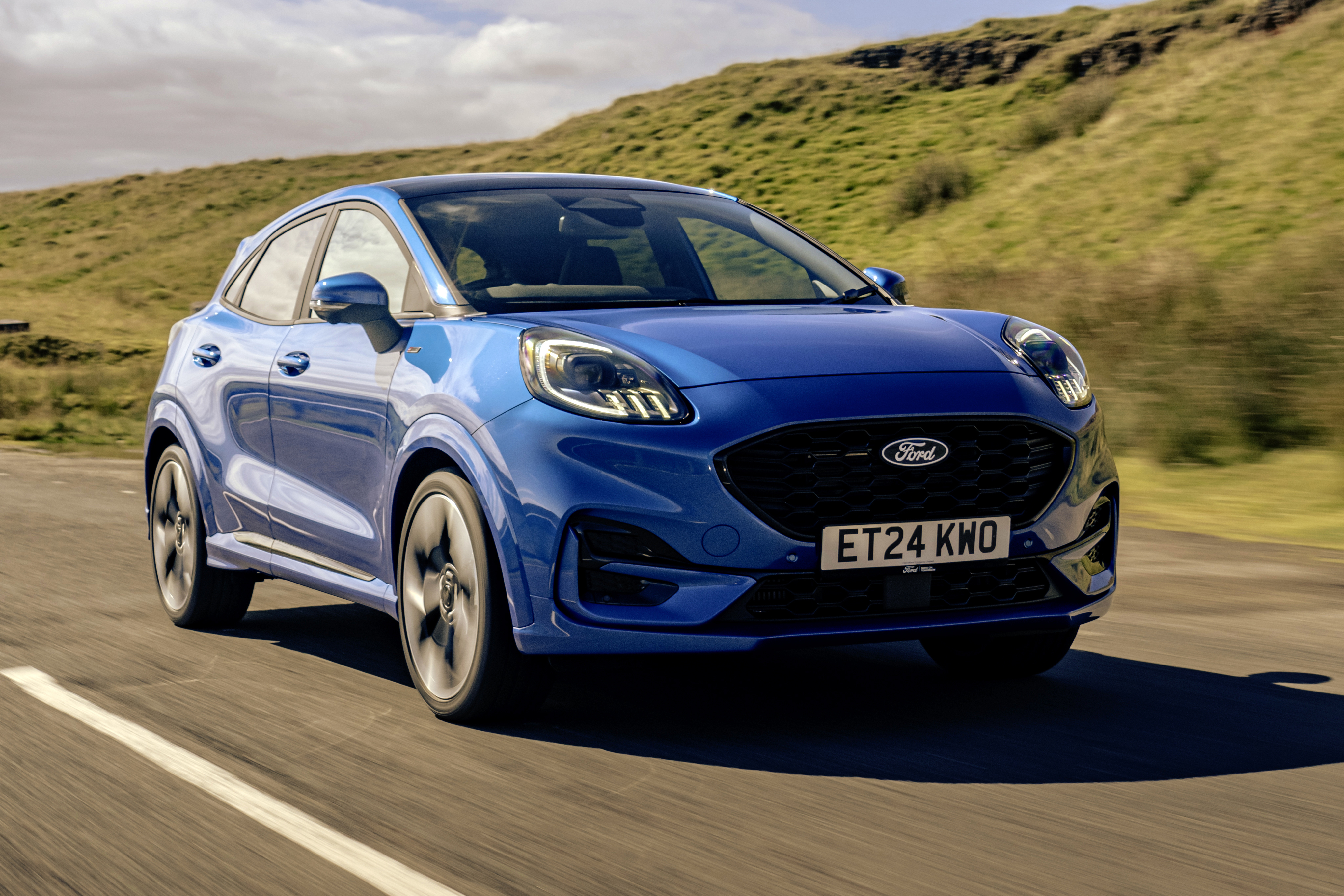
Ford Puma Review

Written By Andrew Brady
- 2019
- SUV
- Petrol mild hybrid
What we love
One of the best small SUVs to drive
Clever MegaBox makes the boot genuinely useful
Strong equipment levels across the range
Things to consider
Rear-seat space is only average
Not especially quiet on the motorway
Too many controls moved to touchscreen
The DRIVE take on the Ford Puma, is it the right car for you?
The Ford Puma remains one of the most convincing small SUVs on sale. It’s compact and easy to live with, yet its 456-litre boot is unusually useful and it’s more enjoyable to drive than most rivals. The 125PS mild hybrid provides all the performance most buyers need while officially returning more than 50mpg, and even the entry Titanium is well equipped.
Rear-seat space is less generous than in a Skoda Kamiq, while the facelifted dashboard has moved too many everyday controls onto its touchscreen. The Volkswagen T-Roc is also a little more grown-up on longer journeys. Neither is as entertaining as the Puma, though. If you want a practical small SUV that doesn’t make driving feel like a chore, the Ford remains one of the class leaders.
The Ford Puma in more detail
The Ford Puma succeeded because it fixed almost everything the old EcoSport got wrong. Where that car felt awkward and unsophisticated, the Puma arrived with smart styling, a much better cabin and the sort of crisp handling that made it feel like a Fiesta in crossover form.
Buyers noticed. Since arriving in 2019, the Puma has regularly been among Britain’s best-selling cars.
Browse used Ford Pumas for sale →
The 2024 facelift didn’t alter that basic formula. Exterior changes were fairly modest, but the cabin received a much more obvious overhaul. The old 8-inch touchscreen was replaced by a 12-inch SYNC 4 display, while a 12.8-inch digital instrument panel sits behind the squared-off steering wheel. That makes the Puma look more modern inside, although moving the climate controls onto the touchscreen was a backwards step for usability.
Practicality remains a major strength. There are 456 litres of luggage space and the clever waterproof MegaBox beneath the boot floor provides 80 litres of deep additional storage. It’s one of those features that sounds gimmicky until you use it for muddy boots, wet sports kit or tall luggage.
The current petrol range is entirely based around Ford’s 1.0-litre EcoBoost 48-volt mild-hybrid engine. Most versions use the 125PS model, with either a six-speed manual or seven-speed dual-clutch automatic gearbox. The 155PS version is now automatic-only and restricted to selected higher specifications, while the Puma ST uses a 170PS version of the same basic engine with a seven-speed automatic.
Earlier Pumas offered substantially more choice. Used buyers will find non-hybrid 1.0-litre petrol engines, a 120PS 1.5-litre EcoBlue diesel and manual 125PS and 155PS mild hybrids.
There was also an entirely different original Puma ST. Sold from 2020, it borrowed the 200PS 1.5-litre three-cylinder engine and six-speed manual gearbox from the Fiesta ST and reached 62mph in 6.7 seconds. That version was discontinued with the facelift but is significantly more engaging than today’s 170PS automatic ST.
There’s also now a fully electric version, which you can read about in our Puma Gen-E review.
What's the best Ford Puma trim and engine option?
For most buyers, the Ford Puma ST-Line X 125PS manual remains the sweet spot. The 125PS 1.0-litre EcoBoost mild hybrid has 210Nm and reaches 62mph in 9.8 seconds with the manual gearbox. That isn’t rapid, but it’s lively enough for town, A-road driving and motorway use while officially returning up to 52.3mpg. The six-speed manual also suits the Puma’s enjoyable character. If you spend a lot of time in traffic, the seven-speed automatic is a perfectly sensible alternative and is actually fractionally quicker to 62mph.
The 155PS engine is worth considering if you regularly carry passengers or want easier overtaking performance. It produces 240Nm and reaches 62mph in 8.7 seconds, but it’s now automatic-only and available on a much smaller selection of trims.
ST-Line X is our preferred specification because it adds genuinely useful equipment including the B&O stereo, wireless phone charging, powered tailgate, keyless entry and nicer synthetic-leather and suede-effect upholstery. Titanium remains the smartest value choice, while the BlueCruise Edition is interesting for drivers who spend a lot of time on compatible motorways.
The 170PS ST is quicker and more focused, but today’s automatic version isn’t as special as the old 200PS manual ST.
What’s the price of the Ford Puma?
The Ford Puma starts at £27,145 for a 125PS Titanium with the six-speed manual gearbox. Choosing the automatic takes that to £28,945. ST-Line starts at £28,045 with the manual or £29,845 as an automatic, while the ST-Line Black Package costs from £28,945. ST-Line X starts at £29,695 with the 125PS manual. The 125PS automatic costs £31,495, while the 155PS automatic is £32,245.
The limited BlueCruise Edition starts at £33,995 with the 125PS automatic and costs £34,745 with 155PS, making it the most expensive standard derivative in the current price list. There are also plenty of used Ford Pumas for sale for considerably less.
The 170PS Puma ST costs £34,000.
That’s no longer bargain territory for a small SUV, particularly higher up the range. However, Titanium and ST-Line X remain competitive once their standard equipment is considered, and Ford regularly offers finance incentives and customer savings.
Alternatives to the Ford Puma
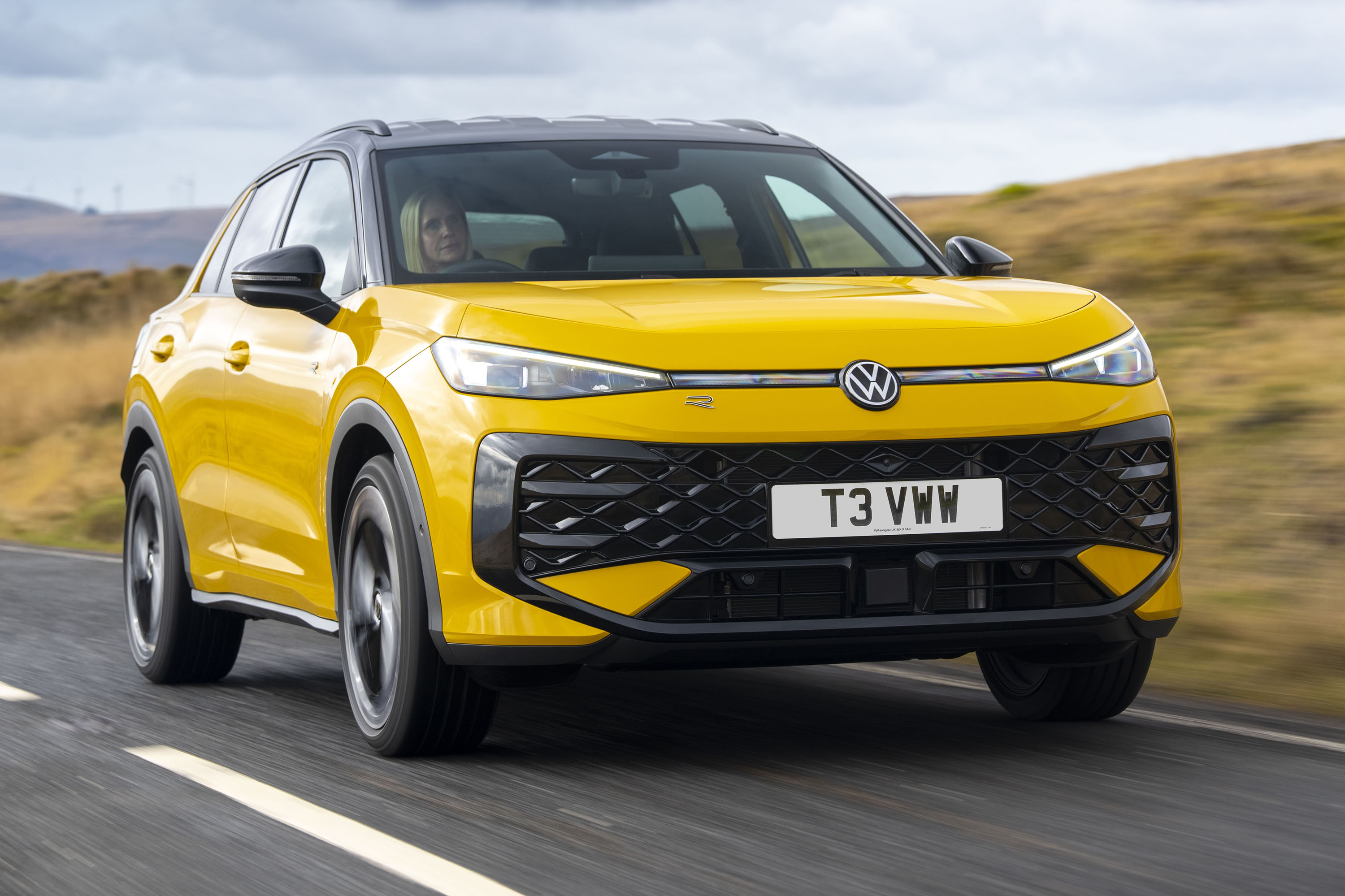
The Volkswagen T-Roc is one of the clearest alternatives. It feels more substantial on longer journeys, has a more spacious cabin and its newer interior technology makes it feel fresher, although the Ford is still the more entertaining car to drive.
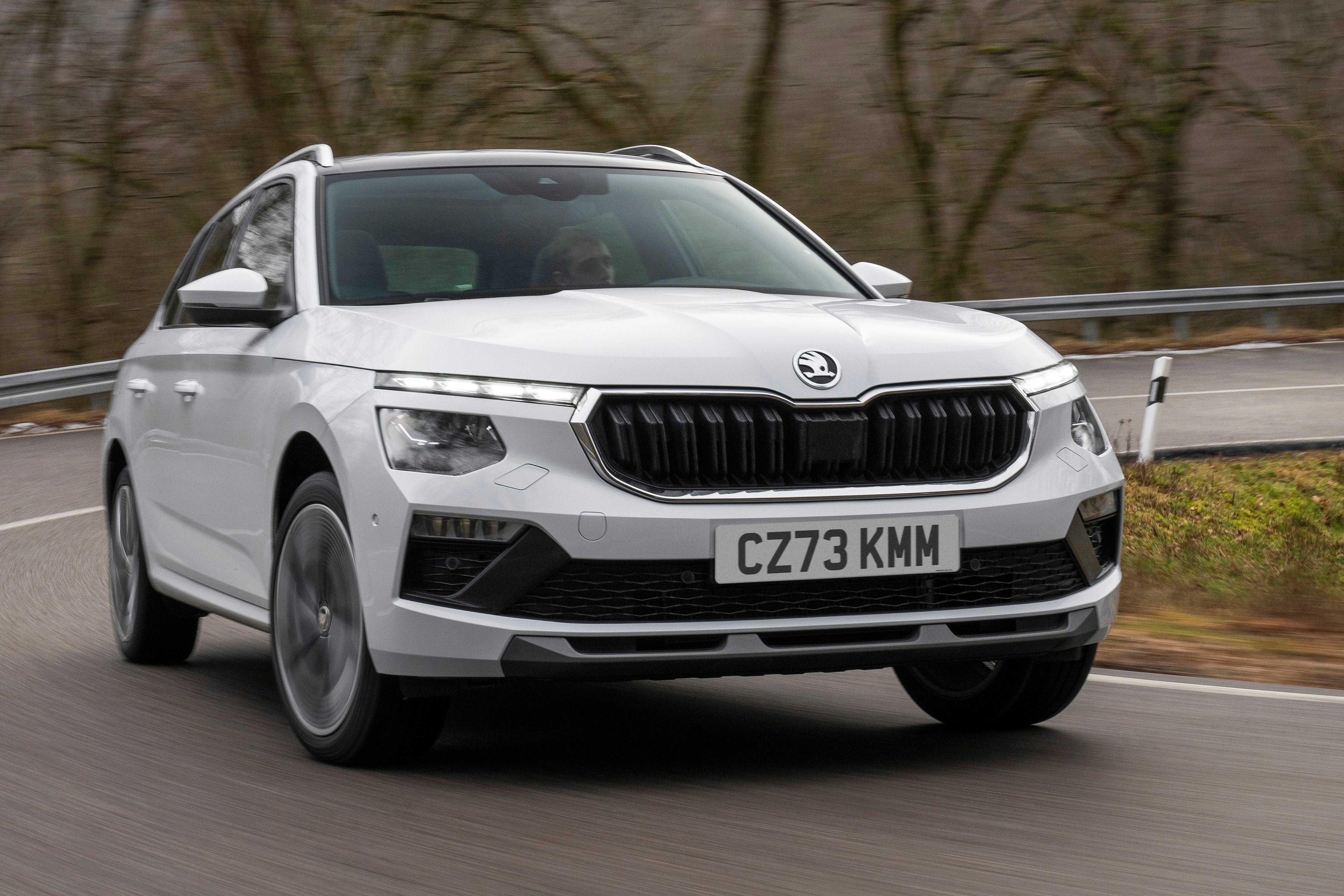
The Skoda Kamiq prioritises comfort and usability. Rear-seat passengers get more room, the controls are straightforward and the ride is softer, making it a particularly sensible family choice. It can’t match the Puma’s handling or clever boot, though.
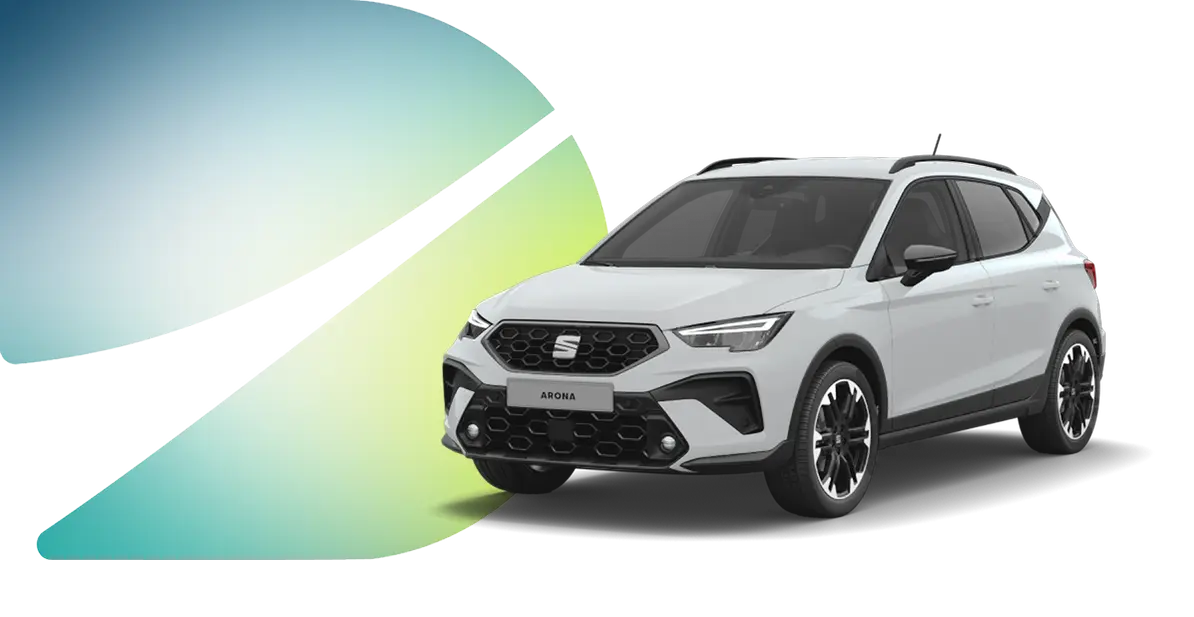
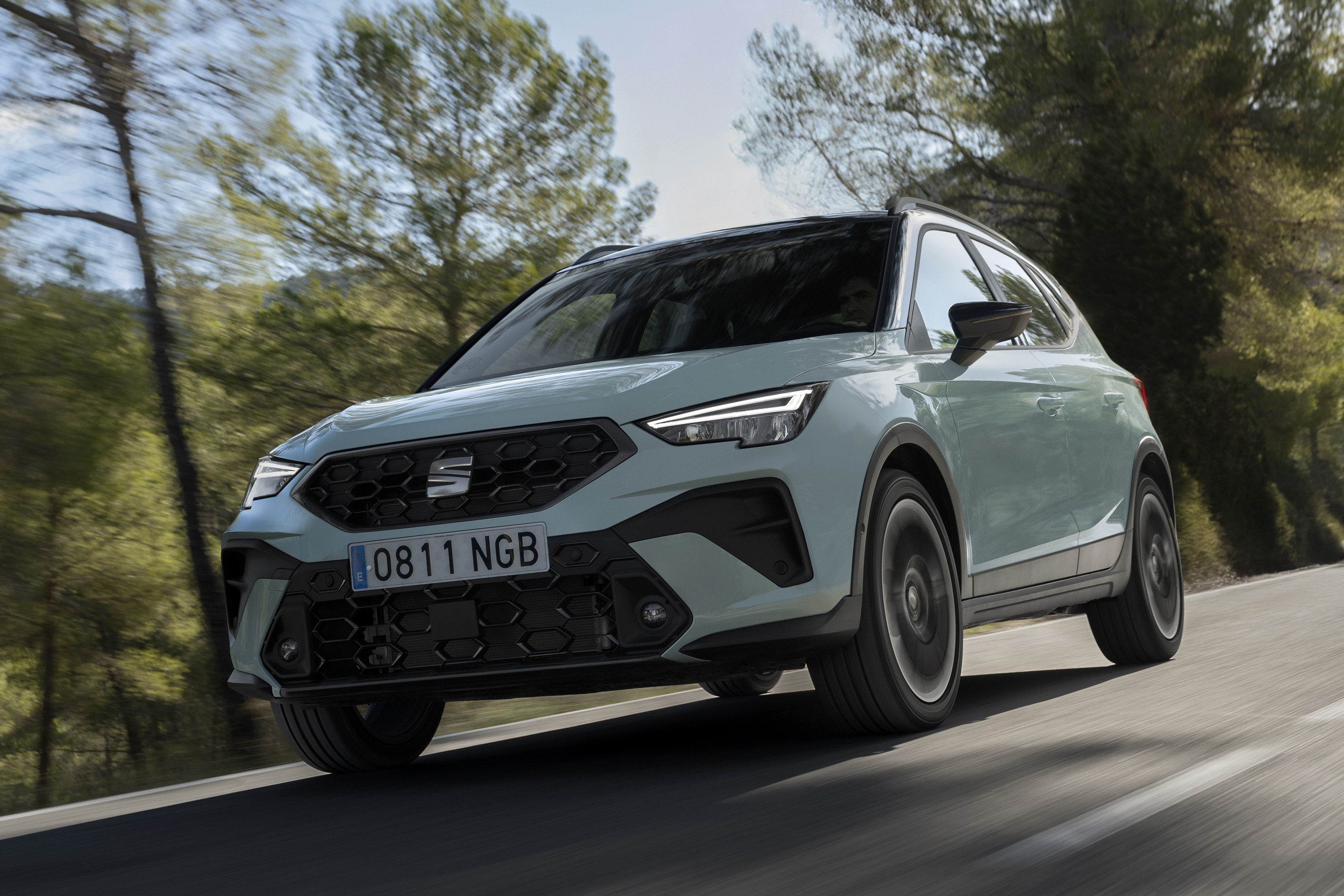
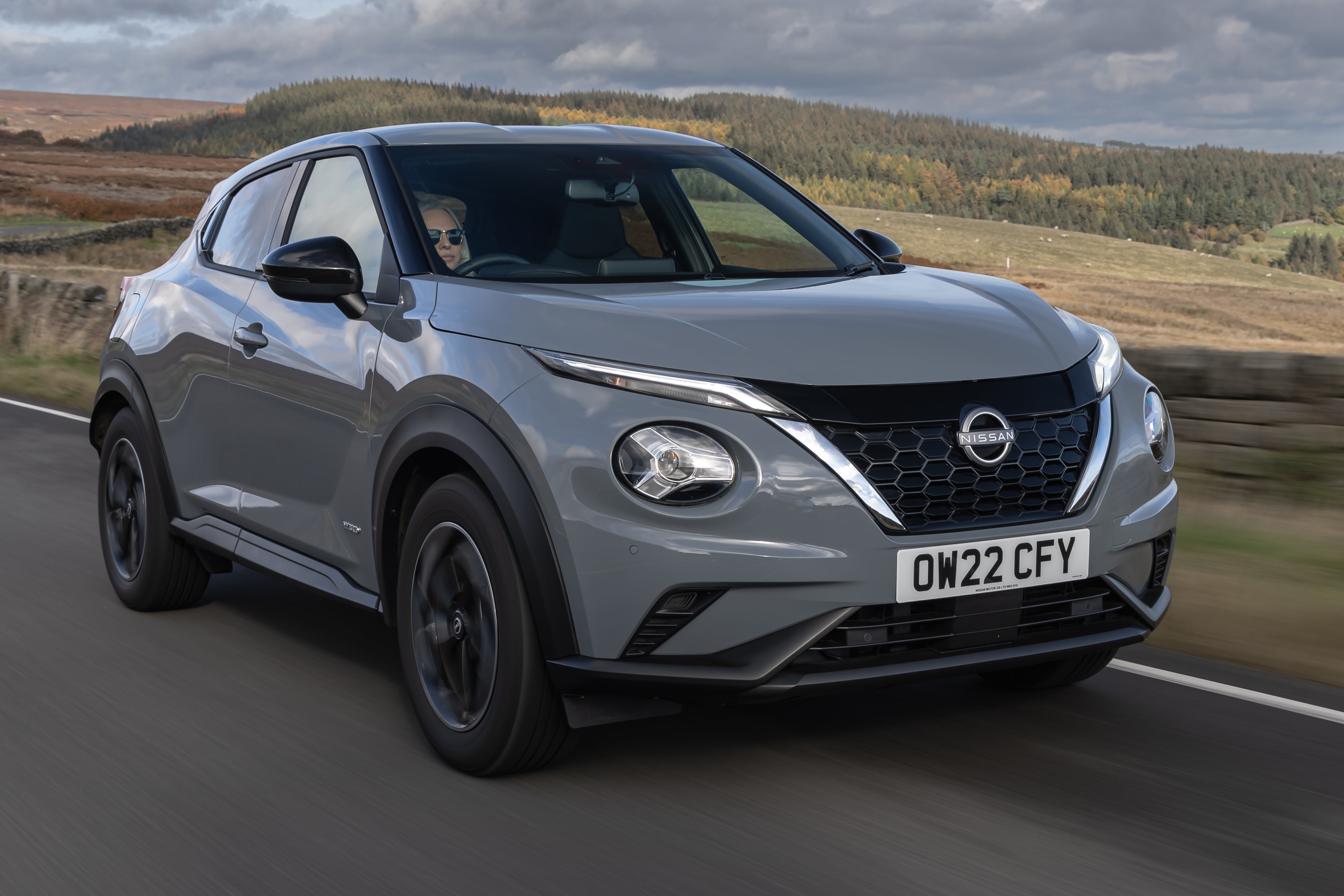
The SEAT Arona offers much of the Kamiq’s practicality with a slightly sportier character and generally competitive pricing, while the Renault Captur is one of the Puma’s strongest practicality rivals. Its sliding rear bench lets you trade passenger room for luggage capacity and makes it particularly versatile. The Peugeot 2008 has a more dramatic cabin, while the Nissan Juke has similarly distinctive styling.
The Puma’s appeal is that few rivals combine compact dimensions, a genuinely useful boot and enjoyable handling quite as successfully.
What's the interior like in the Ford Puma?
The Ford Puma’s cabin is functional rather than luxurious, but the 2024 facelift gave it a much more modern appearance. A 12.8-inch digital instrument display and 12-inch central touchscreen dominate the dashboard, while the squared-off steering wheel creates a clearer view of the instruments. The driving position is comfortable and there’s plenty of adjustment, while the cabin feels solidly assembled.
Its biggest weakness is usability. Ford removed many of the physical climate controls during the facelift, so simple functions now require the touchscreen. The older dashboard looked dated by comparison, but it was easier to operate while driving.
Ford Puma boot space and practicality
The Puma is one of the smaller cars in its class, but it uses its available space extremely well. Front-seat occupants have plenty of room. The seats offer useful adjustment and the driving position is slightly raised without putting you excessively high above the road. Storage is decent, with useful door pockets and a centre console beneath the sliding armrest.
Rear-seat space isn't quite so impressive. Adults can fit behind adults, but legroom is only average and the rising window line makes the rear compartment feel more enclosed than in a Skoda Kamiq or Renault Captur. Headroom is acceptable, although taller passengers will notice that this isn’t one of the roomiest small SUVs. Families with younger children should have little difficulty, and Isofix mounting points are fitted to the outer rear seats.
The boot is where the Puma makes up for its passenger-space limitations, with 456 litres of space with the rear seats upright – excellent for a car with such compact exterior dimensions. A major part of that figure comes from the 80-litre MegaBox beneath the conventional boot floor. It’s a deep, waterproof plastic compartment with a drain plug in the bottom, useful for muddy walking boots, wet sports equipment, plants and other items you wouldn’t necessarily want sitting on the normal carpet. It can also accommodate unusually tall items because the floor is so deep.
The rear seatbacks split 60:40 and fold down when you need more room. Ford’s published maximum seats-down figures have varied between technical and consumer material, but the 456-litre five-seat capacity is consistent. There’s no sliding rear bench as you’ll find in a Renault Captur, but the combination of a square load area and MegaBox still makes the Puma one of the most useful cars in the class for luggage.
Ford Puma dimensions
Dimensions vary slightly according to trim because the different bumpers and exterior styling change the overall length. A regular Puma is around 4,186mm long, with ST-Line derivatives reaching approximately 4,207mm and the ST around 4,226mm. All are 1,805mm wide excluding the mirrors or 1,930mm with them extended. Height is approximately 1,533 to 1,550mm depending on specification.
Those dimensions make the Puma relatively easy to use in town. It’s shorter than many family hatchbacks and substantially more compact than SUVs such as the Volkswagen Tiguan, although the small footprint inevitably contributes to the fairly modest rear-seat room.
Tech and infotainment in the Ford Puma
The 2024 facelift completely transformed the Puma’s dashboard technology. Every current version gets a 12-inch landscape touchscreen running Ford SYNC 4, alongside a configurable 12.8-inch digital instrument display.
Wireless Apple CarPlay and Android Auto are standard, so you don’t need to plug your phone in each time you get into the car. FordPass Connect provides connected services through the car’s built-in modem, while lower trims use a six-speaker stereo. ST-Line X, BlueCruise Edition and ST upgrade to a 10-speaker B&O system with a more powerful amplifier and Beosonic sound tuning.
The graphics are clear and the SYNC 4 system responds quickly enough, so the technology itself isn’t the issue. The problem is that Ford removed most of the old dashboard’s separate climate-control buttons. Heating and ventilation settings now sit on the touchscreen, creating extra distraction for functions that used to require a simple press or twist.
Connected Navigation is included on BlueCruise Edition and can be added to most other versions. A rear-view camera is standard on BlueCruise Edition and ST but remains an option on most conventional trims. A 360-degree camera is included with BlueCruise Edition and ST and can form part of the Driver Assistance Pack elsewhere.
Automatic versions can also be specified with Ford’s BlueCruise-capable assistance package. BlueCruise Edition includes ongoing access to the system rather than simply the usual introductory trial.
Materials available on the Ford Puma
The Puma’s interior materials depend heavily on the trim level, although none tries to imitate a luxury SUV.
Titanium uses black cloth upholstery with grey stitching, and ST-Line and ST-Line Black Package switch to black cloth with red stitching, while their exterior styling provides a sportier appearance without changing the fundamental cabin materials dramatically.
ST-Line X brings a more upmarket combination of Premium Synthetic Leather and Synthetic Suede inserts, again with red stitching.
BlueCruise Edition has the most distinctive interior. It combines partial Premium Synthetic Leather with dark-blue fabric seat inserts and matching stitching, along with unique scuff plates and floor mats.
The ST uses Ford Performance seats finished in Premium Synthetic Leather and Synthetic Suede.
There are still plenty of hard plastics around the dashboard and doors. They’re durable and the cabin feels well assembled, but material richness isn’t one of the Puma’s main selling points.
What's the Ford Puma like to drive?
Driving remains one of the Puma’s biggest strengths. The steering is responsive, the car changes direction eagerly and there’s more feedback than you get from most small SUVs. It feels light and agile without becoming nervous or tiring. Ride comfort is good enough for everyday use, too. Refinement is respectable rather than outstanding, particularly on the motorway where tyre and wind noise become more obvious.
Ford Puma range and performance
Every current petrol Ford Puma uses a 1.0-litre three-cylinder EcoBoost engine with 48-volt mild-hybrid assistance. The mainstream engine produces 125PS and 210Nm and with the six-speed manual gearbox it reaches 62mph in 9.8 seconds and has a 119mph top speed. The seven-speed dual-clutch automatic is actually fractionally quicker at 9.6 seconds, with a 118mph maximum.
The 155PS version increases torque to 240Nm and is paired exclusively with the seven-speed automatic in the current UK range. It reaches 62mph in 8.7 seconds and has a 124mph top speed.
At the top sits the Puma ST. Its 1.0-litre mild hybrid produces up to 170PS and 248Nm during its peak boost mode. It also uses the seven-speed dual-clutch gearbox and reaches 62mph in 7.4 seconds, with a 130mph maximum.
For most buyers, the 125PS model is all that’s needed. The engine is willing and the car’s relatively low weight means it rarely feels overwhelmed. The manual gearbox is particularly enjoyable to use, although the automatic is easier in stop-start traffic.
Earlier Pumas broaden the choice considerably. Used buyers can find a non-hybrid 95PS or 125PS 1.0-litre petrol, a 120PS 1.5-litre diesel and manual 155PS mild hybrids.
Most interesting is the original Puma ST, which used a 200PS 1.5-litre engine, six-speed manual gearbox and optional limited-slip differential. It reached 62mph in 6.7 seconds and was a far more serious performance car than today’s automatic 170PS model.
Performance data
| Model | Engine/battery size | Power | 0-62mph | Range/MPG |
|---|---|---|---|---|
Ford Puma 1.0 EcoBoost Hybrid | 1.0-litre petrol mild hybrid manual | 125PS | 9.8 seconds | up to 51.4mpg |
Ford Puma 1.0 EcoBoost Hybrid auto | 1.0-litre petrol mild hybrid auto | 125PS | 10.2 seconds | up to 49.6mpg |
Ford Puma 1.0 EcoBoost Hybrid auto | 1.0-litre petrol mild hybrid auto | 155PS | 8.7 seconds | up to 50.4mpg |
Ford Puma ST | 1.0-litre petrol mild hybrid auto | 170PS | 7.4 seconds | up to 44.8mpg |
Ford Puma driving and refinement
The Puma feels sharp, keen and well balanced in a way few small SUVs can match. Its steering is quick without becoming nervous, the front end responds eagerly when you turn into a bend and the compact dimensions make it easy to place on narrower roads. There’s genuine enjoyment to be had here, even with the standard 125PS engine.
What’s particularly impressive is that this doesn’t come at the expense of everyday usability. Current Titanium, ST-Line, ST-Line Black Package and ST-Line X cars are all listed by Ford with the standard suspension setup, which is a change worth noting because earlier ST-Line derivatives used firmer sports suspension.
As a result, the current mainstream range rides bumps and broken surfaces reasonably well, without the obvious comfort penalty you might expect from the sportier-looking trims. Bigger wheels can still transmit a little more sharpness into the cabin. The current ST has its own sports suspension and feels more focused, but it still isn’t the hardcore proposition that the old 200PS manual ST could be.
Around town, the standard Puma is easy to drive. The steering lightens naturally at low speeds and its short body makes manoeuvring straightforward. Visibility forwards is good, although the rising rear window line and chunky rear pillars make the view behind less impressive. Parking sensors help, while cameras are available or standard further up the range.
On the motorway, the Puma is stable and the 125PS engine has enough performance to maintain progress comfortably. The 155PS model makes overtaking easier.
Refinement is merely average. The three-cylinder engine has a noticeable note when worked hard, while wind and tyre noise become more apparent at motorway speeds, particularly on larger wheels.
How safe is the Ford Puma?
The Ford Puma currently has a four-star Euro NCAP rating, awarded under the organisation’s tougher 2022 protocols. It scored 75% for adult-occupant protection, 84% for child-occupant protection, 70% for vulnerable-road-user protection and 69% for safety assistance. The Puma had previously received five stars in 2019, but that result was achieved under older criteria and expired at the beginning of 2026.
Standard equipment includes Pre-Collision Assist with automatic emergency braking, Lane Keeping Aid, speed-sign recognition, Driver Alert and cruise control with an intelligent speed limiter. More advanced equipment including blind-spot monitoring, cross-traffic alert, adaptive cruise control, lane centring and a 360-degree camera is available through assistance packs, while BlueCruise Edition includes Ford’s hands-free motorway assistance technology.
Running costs: What it's like to live with a Ford Puma
The Puma should be relatively inexpensive to run by small-SUV standards. The 125PS manual officially exceeds 50mpg, while even the 155PS automatic remains close to that figure. Insurance groups are fairly reasonable on mainstream versions and none of the current petrol models is expensive enough to attract the Expensive Car Supplement.
Servicing can also be spaced as far apart as two years or 18,000 miles, although Ford’s Intelligent Oil Life Monitor can request an oil change sooner if your usage requires it.
The ST inevitably costs a little more for fuel and insurance, but not dramatically so.
Ford Puma fuel economy
The most economical current Puma is the 125PS manual, officially returning up to 52.3mpg according to official figures. The 125PS seven-speed automatic manages between 48.7 and 49.6mpg.
Interestingly, the more powerful 155PS automatic is slightly more efficient on paper than some 125PS automatic derivatives, returning 49.6mpg. The 170PS Puma ST officially manages 47.9mpg.
Those are competitive figures for a petrol small SUV, although the Puma remains a mild hybrid rather than a full hybrid. The electric motor assists the petrol engine and recovers energy under braking, but it can’t propel the car for meaningful distances without the engine running.
Drivers doing lots of urban mileage may therefore find a full-hybrid Renault Captur or Toyota Yaris Cross more economical.
Ford Puma warranty and servicing
Ford covers the Puma with a three-year or 60,000-mile manufacturer warranty, whichever comes first. That includes repair or replacement of qualifying manufacturing defects using genuine Ford parts. Corrosion perforation protection runs for 12 years. Every new Ford also receives 12 months of Ford Assistance, covering roadside rescue, recovery and home assistance in the UK and Europe.
Using a participating Ford dealer for scheduled servicing can renew Ford Assistance for another 12 or 24 months, depending on the vehicle’s service interval. Current Pumas use Ford’s variable servicing system, allowing up to two years or 18,000 miles between routine services. The Intelligent Oil Life Monitor takes account of factors including journey length, engine temperatures and driving conditions and can call for an oil change earlier.
That’s convenient for lower-mileage drivers, although Ford’s three-year overall vehicle warranty is less generous than the five- or seven-year cover available from some rivals.
Ford Puma insurance groups
Current mild-hybrid Puma insurance groups run from 12 to 21 (of 50). Mainstream 125PS versions generally sit around groups 12–13, depending on trim and gearbox, making them relatively affordable by current small-SUV standards. The 155PS versions move into roughly groups 14–18 as performance and equipment increase.
The 170PS Puma ST sits around group 21. That’s still reasonably manageable for a performance-oriented derivative, but insurance should be checked carefully because individual premiums can vary much more than the group numbers suggest.
How much does it cost to tax a Ford Puma?
Every current Puma pays the standard £200 annual VED rate from its second year. The Expensive Car Supplement applies to petrol and hybrid cars with an original list price of more than £40,000, but no standard current Puma gets close enough to that figure for it to be a concern. Even the range-topping £34,745 BlueCruise Edition remains comfortably below the threshold. That means owners simply pay the normal £200 annual rate from the second year onwards.
What trims are available with the Ford Puma?
The petrol Ford Puma range consists of Titanium, ST-Line, ST-Line Black Package, ST-Line X, BlueCruise Edition and the performance-focused ST.
Titanium starts from £27,145 and is already well equipped, with 17-inch alloy wheels, LED headlights, a heated windscreen, 12-inch SYNC 4 touchscreen and 12.8-inch digital driver display. Wireless Apple CarPlay and Android Auto, climate control, cruise control and rear parking sensors are also standard. It’s the sensible choice if you want to keep the price down.
ST-Line costs from £28,045 and adds sportier styling, black and machined alloy wheels, a larger rear spoiler and red interior stitching. The £28,945 ST-Line Black Package builds on this with 18-inch Magnetite wheels, a black roof, mirror caps and exterior detailing.
ST-Line X starts at £29,695 and is our pick of the range. It adds 18-inch wheels, synthetic leather and suede upholstery, a 10-speaker B&O sound system, wireless phone charging, keyless entry and a powered tailgate. It strikes the best balance between equipment and price.
The £33,995 BlueCruise Edition puts more emphasis on technology, adding a 360-degree camera, adaptive cruise control, blind-spot monitoring and Ford’s BlueCruise hands-free motorway driving system, along with unique styling details.
For most buyers, Titanium offers everything you really need, but ST-Line X feels like the sweet spot. The ST is the one to choose if performance matters more than keeping costs down.
Ask the Drive experts: common questions
How much does the Ford Puma cost?
Is the Ford Puma a good small SUV?
Is the Ford Puma practical?
Is the Ford Puma an SUV?
Get our latest advice, news and offers
Keep me updated by email with the latest advice, news and offers from Drive.
.jpg)
.jpg)