Nissan Ariya Review

Written By Lawrence Allan
- 2022
- SUV
- Electric
What we love
High-quality, spacious cabin
Comfortable, refined driving manners
Strong standard equipment
Things to consider
Rivals can charge faster
Haptic controls are not for everyone
Boot space trails the best cars in this class
The DRIVE take on the Nissan Ariya, is it the right car for you?
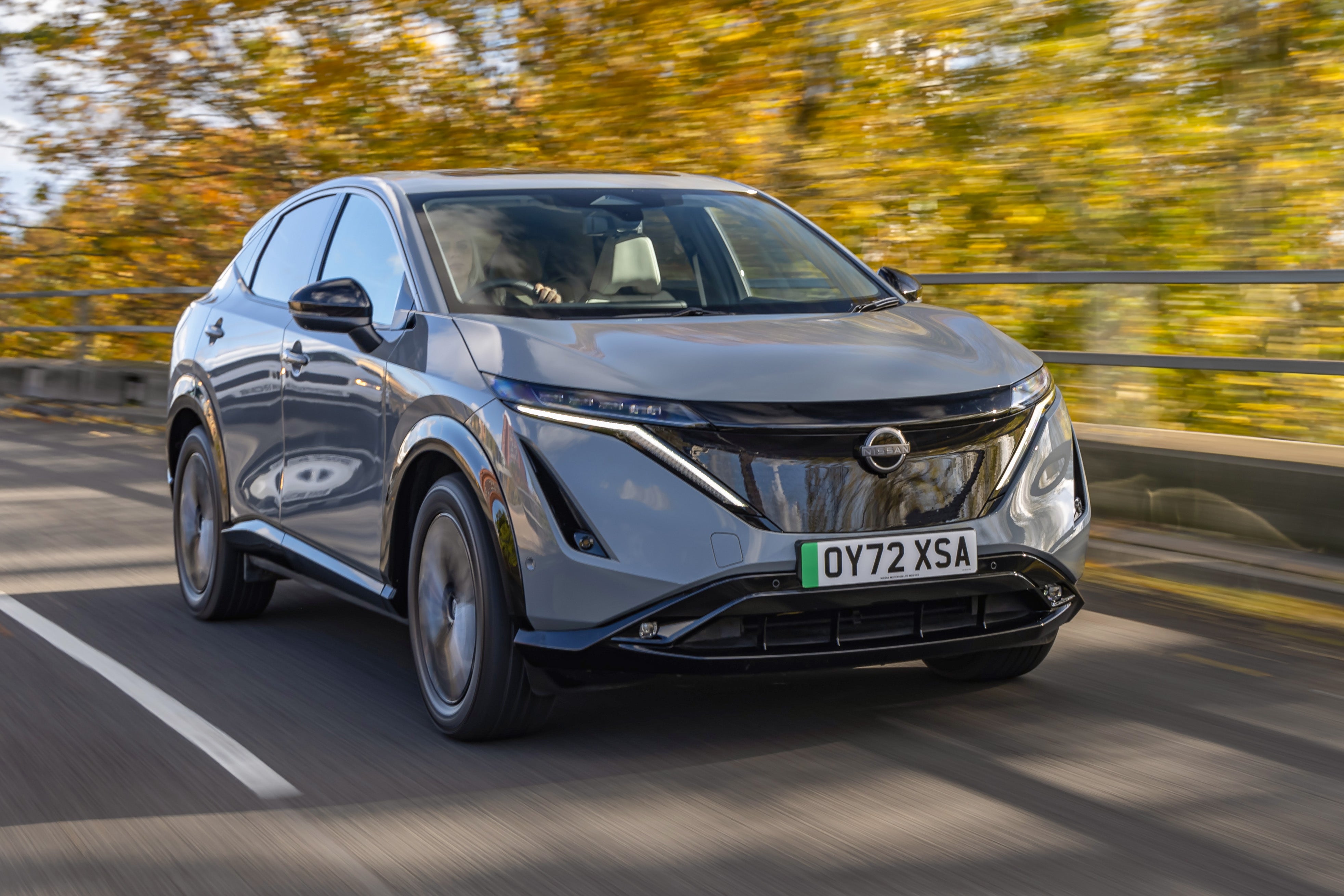
The Nissan Ariya is an electric SUV that majors on comfort, cabin quality and ease of use rather than gimmicks or headline-grabbing performance. It feels like a big step on from the Leaf and a more convincing rival to cars such as the Skoda Enyaq, the Kia EV6 and the Hyundai Ioniq 5. The catch is that it's not the most practical or the fastest-charging option in the class. Even so, if you’re after a polished all-rounder with a genuinely upmarket interior, the Nissan Ariya is easy to shortlist.
The Nissan Ariya in more detail
Nissan was one of the first mainstream brands to make electric cars feel normal rather than experimental, but for a while it looked as if others had moved the game on more quickly. The Leaf was an important pioneer, yet the market did not stand still. Electric SUVs became the place where buyers wanted to spend their money, and Nissan needed something more ambitious than a family hatchback to stay relevant. That car is the Nissan Ariya.
It's a family-sized electric SUV with a smoother, more premium feel than most recent Nissans. The styling is smart without trying too hard, and the interior is where the biggest progress has been made. The Ariya does not just feel like an electric version of something cheaper. It has a genuinely more expensive atmosphere than the Qashqai and Juke, and enough design flair inside to make a strong first impression.
There are two battery sizes, several power outputs and both front-wheel-drive and e-4ORCE four-wheel-drive versions. That means the Nissan Ariya can be a relaxed family EV, a longer-range cruiser or a noticeably brisk dual-motor SUV depending on which version you choose. There's also a Nismo model at the top of the range, though that's more niche than mainstream.
The Ariya makes sense in normal use. It's roomy, very quiet, comfortable over poor roads and well equipped. Nissan has not chased an artificially sporty setup, and the car is better for it. The weak point is outright practicality. Rear-seat space is very good, but the boot is not as generous as the best alternatives, especially in four-wheel-drive form. Charging speeds are also respectable rather than class-leading.
So the Nissan Ariya is not the electric SUV that wins every category on paper. It's the one that feels thoughtfully finished and consistently well judged. If you want a family EV that feels easy to live with day after day rather than one that shines in just one or two areas, it deserves to be on your list.
What's the best Nissan Ariya trim and battery option?
For most buyers, the best Nissan Ariya is the 87kWh Advance. That version gives you the most useful range in the line-up, enough performance for everyday use and a generous amount of kit without pushing the price too far into premium-badge territory.
The smaller-battery 63kWh car still makes sense if you mostly drive locally or do not want to spend more than you have to, because its 251-mile WLTP range should be enough for plenty of households. Even so, the bigger-battery version is easier to recommend because it gives the Ariya the sort of long-distance flexibility buyers in this class expect.
As for trim, the current range is simpler than it used to be. Advance already includes the key comfort and safety features, including heated front seats, a heated windscreen, powered front seats, a powered tailgate and Nissan’s 360-degree camera system. Evolve adds more luxury, including the panoramic roof, Bose audio and extra seat comfort, but it's more of a want than a need. Nismo is the expensive outlier rather than the sensible choice.
In simple terms, 63kWh Advance is the budget-friendly Ariya, 87kWh Advance is the sweet spot and Evolve is the one to choose if you want the more premium feel to match the car’s cabin design.
What’s the price of the Nissan Ariya?
The Nissan Ariya range now starts at £37,500 for the 63kWh Advance. Evolve starts at £44,000, while the range-topping Ariya Nismo is priced from £56,630. Nissan’s current UK site highlights those three trims most prominently, so the old Engage-led structure from earlier Ariya reviews is no longer the best guide to the line-up.
That entry price makes the Nissan Ariya competitive against key mainstream rivals rather than obviously expensive. It's still not the cheapest electric SUV of this size, and value-focused alternatives such as the Skoda Enyaq and some Volkswagen ID.4 versions can look stronger on price alone, but the Nissan gives you a richer cabin and a lot of standard equipment to offset that.
Used prices also look more approachable now than they did when the car was new, so there's a good case for considering a nearly new example if you like the Ariya but do not want to spend new-car money.
Alternatives to the Nissan Ariya
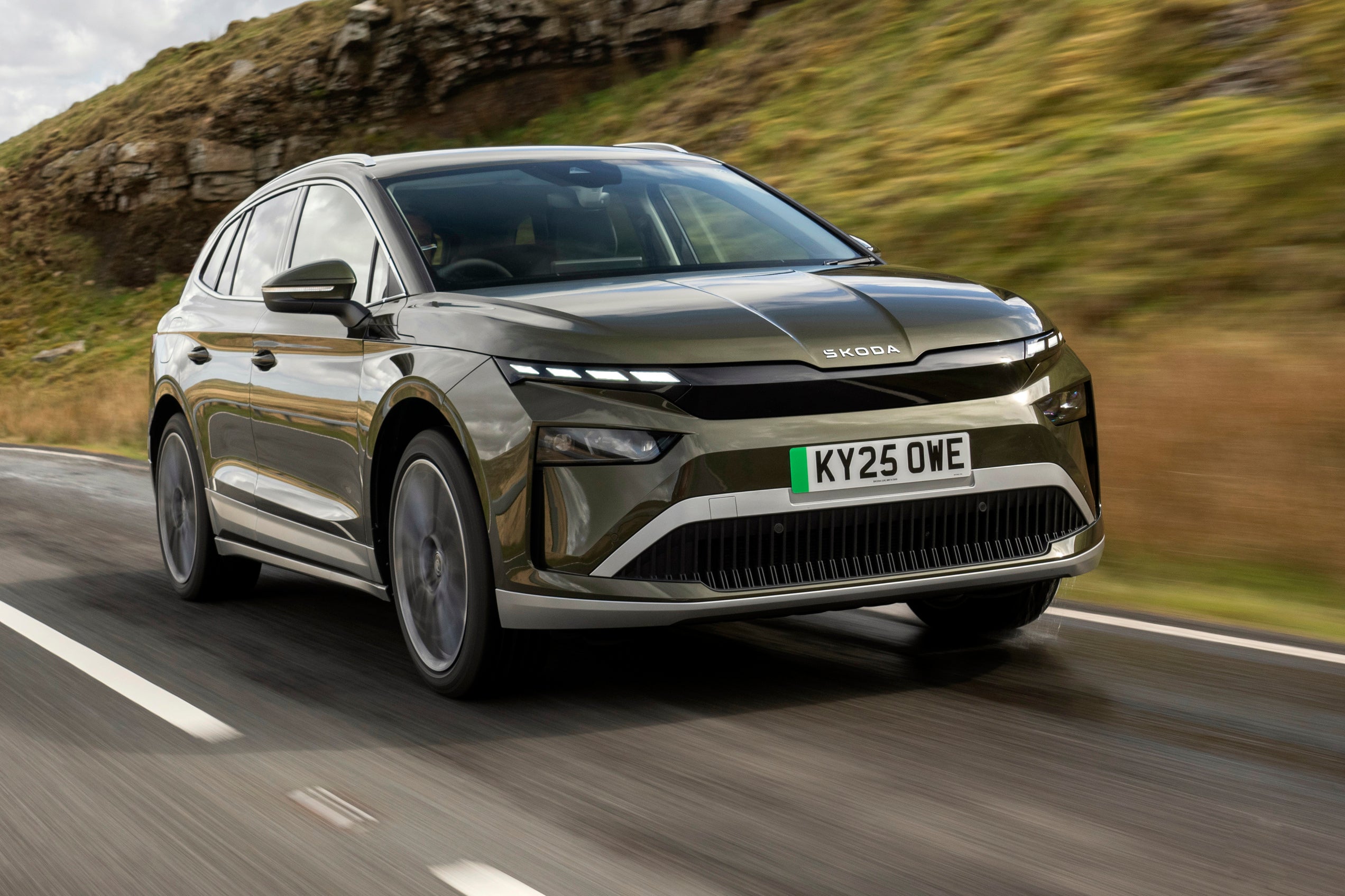
The Skoda Enyaq remains one of the Ariya’s strongest rivals because it's roomier and usually more practical, especially in the boot. If your family car needs to carry lots of luggage or bulky kit, the Skoda is the more rational pick.
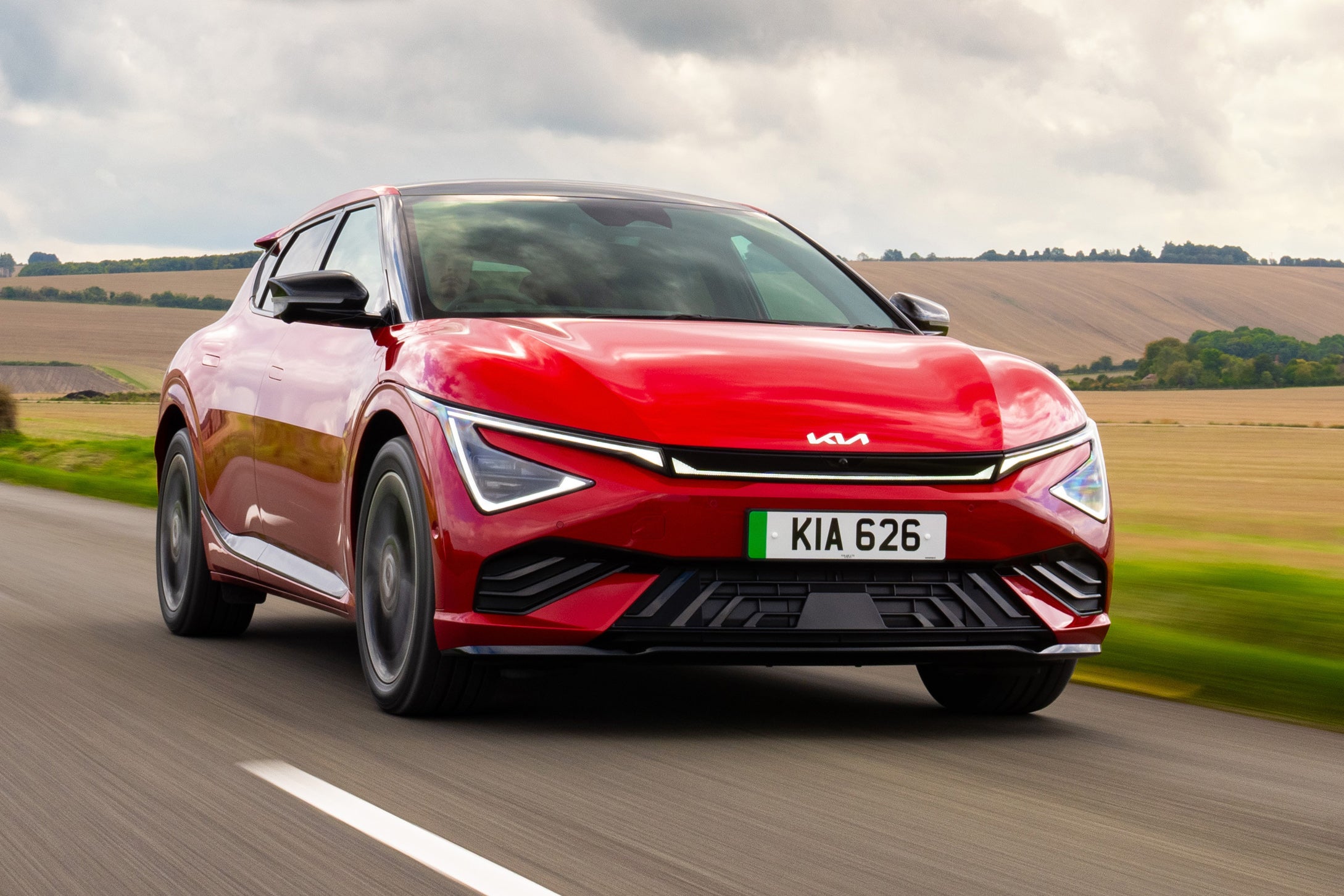
A Kia EV6 or a Hyundai Ioniq 5 suits buyers who care more about charging speed and more dramatic design. Both feel a little more futuristic, both are excellent long-distance EVs and both can recharge more quickly on the right rapid charger. The trade-off is that the Nissan Ariya feels a little more conventional and calming inside, which some buyers will prefer.
The Volkswagen ID.4 is worth a look if you want a similarly sized electric SUV with a softer, less design-led feel and often a lower price. A Tesla Model Y is the obvious choice for outright practicality, performance and charging-network convenience, but it's less tactile and less plush inside than the Nissan.
The Nissan Ariya makes the most sense if you want something that sits between the purely rational and the overtly futuristic. It's not the class leader in every area, but it's one of the most rounded cars in the class.
What's the interior like in the Nissan Ariya?
The cabin is one of the Nissan Ariya’s biggest strengths. It feels airy, well made and more expensive than most Nissans that came before it, even if some of the touch-sensitive controls take a bit of getting used to.
Nissan Ariya boot space and practicality
The Nissan Ariya gets a lot right when it comes to passenger space. Up front, the flat floor and lack of a bulky centre tunnel help the cabin feel open, while the driving position strikes a good balance between SUV-style visibility and a seat height that does not leave you feeling perched awkwardly above the car. There's plenty of adjustment, and higher trims bring even more electrical adjustment and memory functions.
Rear-seat space is particularly impressive for legroom. Adults will be very comfortable in the back, and the wide cabin plus mostly flat floor make the middle seat less of a punishment than in many family SUVs. Headroom is not quite as generous as the legroom, especially with the panoramic roof fitted, but it's still good enough for most adults.
The disappointment is the boot. Front-wheel-drive Nissan Ariya models offer up to 468 litres, while four-wheel-drive versions drop to 408 litres. That's usable, and the shape itself is neat enough, but it's behind the best cars in this class. A Skoda Enyaq or Volkswagen ID.4 gives you more luggage space, and there's no front boot either.
That said, the Ariya is still easy enough to live with. The tailgate opening is wide, the underfloor storage in two-wheel-drive versions is useful for charging cables and the cabin itself has enough oddments space to stop it feeling short of practical touches. It just is not the EV to choose if boot space is near the top of your wish list.
Nissan Ariya dimensions
The Nissan Ariya measures 4,595mm long, 1,850mm wide & 1,660mm high. That places it right in the heart of the family electric SUV market, close in footprint to cars such as the Volkswagen ID.4 and Skoda Enyaq.
In practical terms, the Ariya is long enough to offer very good rear-seat space without feeling excessively bulky on the road. It's taller than a Kia EV6 but not so tall that it feels awkward in town or difficult to place. The dimensions make sense for buyers who want SUV presence without stepping into something genuinely large.
Tech and infotainment in the Nissan Ariya
Every Nissan Ariya gets two 12.3-inch displays housed in one sweeping panel across the dashboard, and visually it works well. The setup looks modern without feeling overcomplicated, and it suits the Ariya’s calm, lounge-like interior better than a giant single tablet would.
Equipment is generous. Navigation, connected services, over-the-air updates and wireless Apple CarPlay are all part of the package, while Android Auto is wired rather than wireless. The route planning can also take charging stops into account, which is exactly the sort of feature an electric family car needs.
The system itself is good rather than exceptional. Response times are decent and the menus are clear enough, but the graphics are not quite as slick as the best systems from Hyundai, Kia or Tesla. The bigger issue is the Ariya’s reliance on haptic controls. The touch-sensitive climate panel looks smart, and the steering-wheel controls fit the car’s clean design, but conventional buttons would be easier to use on the move.
So the Nissan Ariya’s tech feels up to date, but it's the cabin design and general ambience that make the stronger impression rather than the infotainment software alone.
Materials available on the Nissan Ariya
The Nissan Ariya does a good job of making its materials feel more special than the badge might lead you to expect. Much of the dashboard and door trim uses soft-touch finishes, and the wood-effect panel across the dash gives the cabin a cleaner, more expensive look than the usual dark plastic approach.
Higher trims add more of the plusher touches that really lift the interior, including Ultrasuede-style trim and, in some versions, blue Nappa leather upholstery. Even without going that far, the Ariya feels carefully finished and properly assembled.
It's not flawless. Some lower areas still use harder plastics, as they do in most rivals, and not every trim gets the same richness of finish. Even so, the overall impression is strong. This is comfortably one of the best Nissan interiors in recent memory.
What's the Nissan Ariya like to drive?
The Nissan Ariya is more about calm, composed progress than excitement, and that suits it well. It's comfortable, quiet and tidy enough in corners, even if it's not the most entertaining electric SUV in this class.
Nissan Ariya range and performance
The Nissan Ariya line-up offers more variety than some rivals. The entry-level 63kWh model has 217PS, front-wheel drive and a 0-62mph time of 7.5 seconds. It's the lightest Ariya and still feels usefully brisk for everyday driving.
Move up to the larger 87kWh battery in front-wheel-drive form and power rises to 242PS, though the bigger battery means the 0-62mph time is actually a fraction slower at 7.6 seconds. That's not something you're likely to notice from behind the wheel, and the extra range is the real reason to choose it.
Then come the e-4ORCE four-wheel-drive versions. The lower-output dual-motor car makes 306PS and reaches 62mph in 5.7 seconds, while the more powerful e-4ORCE version offers 394PS and cuts that to 5.1 seconds. Nismo tops the line-up with 435PS and a 5.0-second 0-62mph time.
Range depends heavily on which version you choose. Nissan quotes up to 251 miles for the 63kWh car and up to 330 miles for the 87kWh front-wheel-drive model. The 87kWh e-4ORCE drops to up to 319 miles in current UK specifications, while the Nismo is quoted at up to 269 miles.
For most buyers, the 87kWh front-wheel-drive car is the one to focus on. It offers the best blend of performance and range without the extra cost or efficiency penalty of the quicker all-wheel-drive versions.
Performance data
| Model | Engine/battery size | Power | 0-62mph | Range/MPG |
|---|---|---|---|---|
Nissan Ariya 63kWh 2WD | 63kWh | 217PS | 7.5 seconds | Up to 251 miles |
Nissan Ariya 87kWh 2WD | 87kWh | 242PS | 7.6 seconds | Up to 330 miles |
Nissan Ariya 87kWh e-4ORCE | 87kWh | 306PS | 5.7 seconds | Up to 319 miles |
Nissan Ariya 87kWh e-4ORCE | 87kWh | 394PS | 5.1 seconds | Up to 310 miles |
Nissan Ariya Nismo | 87kWh | 435PS | 5.0 seconds | Up to 269 miles |
Nissan Ariya driving and refinement
Nissan has pitched the Ariya well. The steering is accurate enough, body control is tidy and the car feels secure and settled rather than soft or clumsy. It does not encourage you to drive it like a hot hatch, but that's not really the point.
Where the Nissan Ariya shines is ride comfort. Many electric SUVs feel overly stiff in an effort to control their battery weight, but the Ariya does a better job than most of rounding off broken surfaces and staying composed. On British roads, that matters more than a bit of extra cornering sharpness.
Refinement is strong too. Around town it's quiet and smooth, and at motorway speeds there's little to disturb the calm apart from some wind noise that becomes noticeable simply because there's no engine to drown it out. The brake pedal is also well judged, which is worth mentioning because some EVs still feel awkward when blending regenerative and friction braking.
The one caveat is that the front-wheel-drive Ariya can occasionally feel a bit scrabbly if you use full power from a standstill, especially compared with rear-wheel-drive rivals that put their torque down more cleanly. In everyday driving, though, it's easy, comfortable and consistently pleasant.
How safe is the Nissan Ariya?
The Nissan Ariya comes with plenty of safety kit as standard, including intelligent lane keep assist, blind spot intervention, rear cross-traffic alert, front- and rear automatic emergency braking with pedestrian and cyclist detection and predictive forward collision warning.
You also get Nissan's 'ProPILOT with Navi Link' as standard from Advance grade upwards, which is basically advanced adaptive cruise control with steering assistance to keep you in your lane. Automatic parking comes as standard here, too, while Evolve grade gets 'ProPilot Park', which is even cleverer.
Euro NCAP awarded the Nissan Ariya a full five stars for safety following its stringent crash tests in 2022.
Running costs: What it's like to live with a Nissan Ariya
The Nissan Ariya should be inexpensive to run if you can charge at home, and its efficiency is competitive, but some rivals make long-distance EV life easier by offering faster charging and slightly better practicality.
Nissan Ariya charging times and costs
The Nissan Ariya can charge at up to 130kW on a DC rapid charger. That's decent rather than standout, because a Kia EV6, Hyundai Ioniq 5 or Tesla Model Y can charge faster under the right conditions.
Nissan quotes a 20 to 80 per cent charge time of 28 minutes for the 63kWh car and 30 minutes for the 87kWh version. The larger-battery Ariya also comes with a 22kW on-board charger in current UK specifications, which is useful if you have access to suitable three-phase charging, though most home users will still rely on a 7kW wallbox.
At home, Nissan says to expect around 10 hours for the smaller battery and about 14 hours for the larger one on a 7kW charger. In cost terms, the Ariya makes best sense if most of your charging is done overnight at home. Rapid public charging is convenient, but it's a much more expensive way to keep any EV topped up.
Nissan Ariya warranty and servicing
Nissan covers the Ariya with a three-year or 60,000-mile vehicle warranty, while the lithium-ion battery is covered for eight years or 100,000 miles.
That battery cover is in line with the norm for this class, but the rest of the warranty is only average rather than generous. Several rivals now offer longer general cover, so Nissan is not leading the field here.
Nissan also offers service plans for the Ariya, which can help make maintenance costs more predictable. As with most EVs, servicing should be simpler than with an equivalent petrol or diesel SUV, but it's still worth checking the cost of dealer plans if you want fixed budgeting.
Nissan Ariya insurance groups
Insurance groups for the Nissan Ariya start around group 31 and rise into the low-to-mid 40s (out of 50) depending on version. The quicker four-wheel-drive models sit at the expensive end of that spread, which is not unusual for a large, heavy electric SUV with strong performance.
In other words, the Ariya is unlikely to be cheap to insure, but it's broadly in line with what you should expect in this class. The more powerful e-4ORCE and Nismo versions are the ones most likely to sting.
How much does it cost to tax a Nissan Ariya?
The Nissan Ariya now costs £200 a year in VED after year one, which is the current standard annual rate.
For EVs, the Expensive Car Supplement now applies only if the list price is more than £50,000. That extra charge is payable for five years from the second year of registration. In the Ariya range, the cheaper versions avoid it, but the Nismo clearly falls into expensive-car territory and heavily optioned examples of other variants may do too. That means you're looking at an extra outlay of £440 from year two.
What trims are available with the Nissan Ariya?
The current Nissan Ariya line-up is simpler than before, with Advance, Evolve and Nismo doing the main work.
Advance is the core model and, for most buyers, it will be enough. It comes with heated front seats and windscreen, powered front seats, a power tailgate, dual 12.3-inch displays, a 360-degree camera system, a heat pump and a broad spread of driver-assistance kit. It does not feel like a stripped-out entry car, which is important at this price.
Evolve is the more luxurious Ariya. It adds the panoramic glass roof, ventilated front seats, heated rear seats, Bose audio, the powered sliding centre console, head-up display and extra interior trim flourishes that make the Ariya feel more special. It's the trim that best matches the car’s premium-leaning cabin design, but it's a more expensive indulgence rather than the obvious value pick.
Nismo sits at the top as the niche performance version. It gets the most powerful dual-motor setup, firmer suspension tuning, 20-inch wheels, more aggressive styling and a sportier cabin treatment. It looks interesting, but it's expensive enough that it feels more like a halo model than the Ariya most buyers should be considering.
In simple terms, Advance is the sensible buy, Evolve is the luxury choice and Nismo is the specialist one.
Ask the Drive experts: common questions
Is the Nissan Ariya a good electric SUV?
What is the maximum range of the Nissan Ariya?
Which Nissan Ariya is best?
Does the Nissan Ariya pay the Expensive Car Supplement?
Get our latest advice, news and offers
Keep me updated by email with the latest advice, news and offers from Drive.
.jpg)
.jpg)
.jpg)