Nissan Micra Review

Written By Richard Aucock
- 2025
- Hatchback
- Electric
What we love
Smart alternative to the Renault 5 E-Tech
Sensible pricing and strong standard kit
Easy, grown-up driving manners
Things to consider
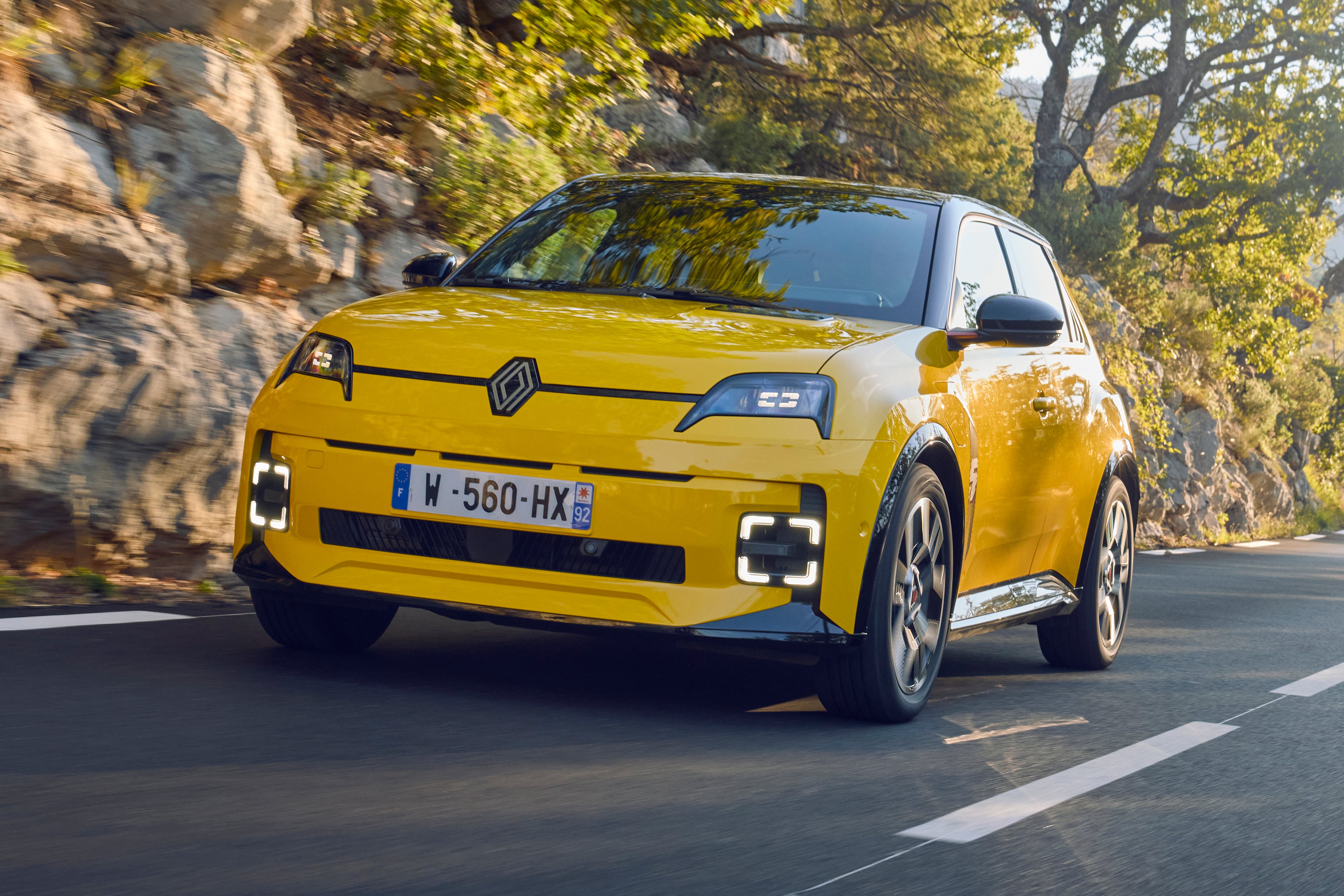
Doesn’t have the visual charm of the Renault 5
Rear space is tight for adults
Cabin still feels very Renault-derived
The DRIVE take on the Nissan Micra, is it the right car for you?
The Nissan Micra is a smart alternative to the Renault 5 E-Tech rather than a radically different small EV. It shares the same core strengths, including decent range, useful charging performance and a polished small-car driving experience, but wraps them in a more restrained design.
The trade-off is that it doesn’t feel quite as distinctive or charming as the Renault, and rear-seat space is still tight. Even so, if you like the Renault 5 underneath but want something a little less showy, the Nissan Micra makes a lot of sense. Its latest grant-adjusted pricing makes an already competitive package look even stronger.
The Nissan Micra in more detail
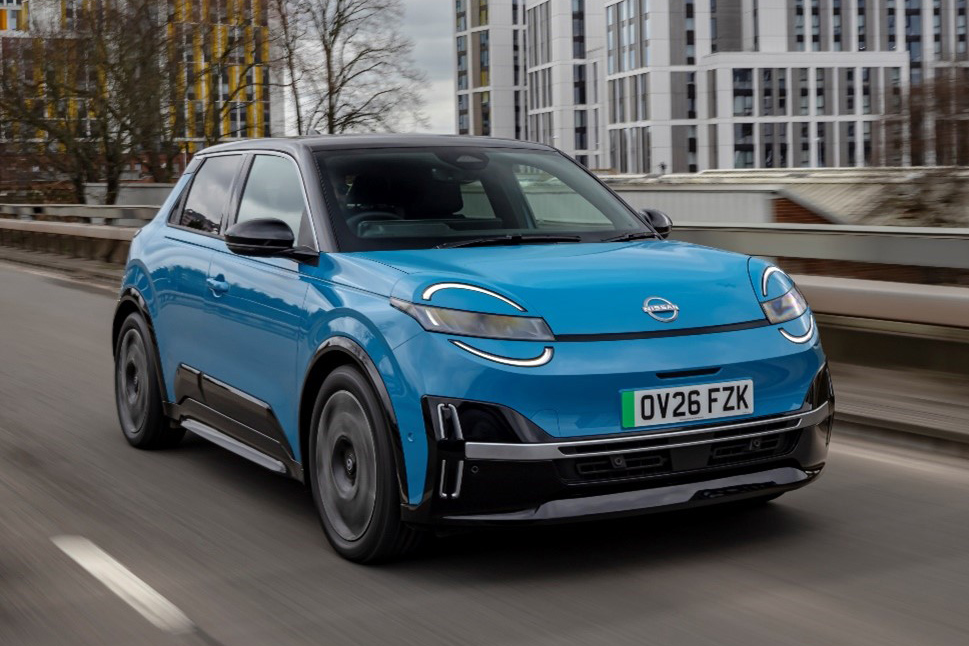
The Nissan Micra is an alternative take on the Renault 5 E-Tech. The two companies shared development, with Renault taking the lead on engineering but offering Nissan the opportunity to create a bespoke exterior design. The stylists jumped at this, and have created a distinctive-looking machine that has a character distinct from the Renault 5 E-Tech.
The Nissan Micra has a more upright front end, making it appear more grown up, and the side profile is ‘quieter’, with a characterful feature line running from front to rear. The highlights are the big, round LED front and rear lights, which hark back to classic Nissan Micras, while a subdued palette of six colours eschew the vivid yellow and green of the Renault 5 E-Tech for more mature silver, white, black, blue and red.
It's the same story inside, where the Nissan Micra blends the Renault 5 E-Tech cabin with calmer, more zen-like colours and trims. What Nissan doesn’t alter is the core technology – and rightly so, because the Renault 5 E-Tech has already won plaudits for its electric car finesse and leading-edge infotainment technology.
The Nissan Micra has a similarly decent electric range – up to 260 miles with the larger of two battery choices – can use public rapid chargers at a decent rate, and has a similarly comprehensive smartphone app to make day-to-day life with an EV that bit easier.
Nissan has even chosen to match Renault on pricing for the new Micra, meaning the choice is down to you. Do you want vibrancy and excitement, or a more mature and grown-up approach? If it’s the latter, the Nissan Micra may well be of interest…
What's the best Nissan Micra trim and battery option?
We reckon the best Nissan Micra is the 52kWh Advance. The larger battery gives the useful reassurance of a longer range, and in a small EV like this that extra buffer matters more than a small saving on the list price.
The 40kWh version still has a role. If your driving is mostly urban and local, up to 196 miles of official range should be enough, and the cheaper Engage or Advance will do the job. But the larger 52kWh version stretches the Micra’s usefulness without turning it into an expensive indulgence, which is why it is the better all-round choice.
Advance is also the trim sweet spot. It adds the more useful technology, including dual 10.1-inch screens with Google built-in and Google Maps, adaptive cruise control, front parking sensors, blind-spot warning, rear cross-traffic alert and a rear-view camera. Those are exactly the kinds of upgrades that make a modern small EV easier to live with.
Evolve does add welcome extras such as heated seats, a heated steering wheel and a Harman Kardon system, but it feels more like a want than a need. In simple terms, Engage is the value option, Advance is the smartest buy and Evolve is the one to choose if you want the nicest version rather than the best-value one.
What’s the price of the Nissan Micra?
The Nissan Micra range starts at £21,495 for the 40kWh Engage. The 40kWh Advance is £23,495, while the 52kWh Advance now costs £23,245. At the top of the line-up, the 52kWh Evolve comes in at £26,115.
Those prices include the Electric Car Grant. The 40kWh versions qualify for a £1,500 reduction, while the 52kWh Advance and Evolve receive the full £3,750 grant. Before the grant, the 40kWh Engage costs £22,995 and the 40kWh Advance is £24,995. The 52kWh Advance has a £26,995 list price, while the 52kWh Evolve is £29,865.
That means the larger-battery Advance is currently cheaper than the equivalent 40kWh model after the grants are applied. It’s an unusual situation, but one that makes the 52kWh Advance the obvious choice while the current pricing structure remains in place.
The pricing keeps the Nissan Micra right in the mix among small electric cars. It matches the Renault 5 E-Tech closely, undercuts the Hyundai Inster and the MINI Cooper Electric in comparable forms and looks competitive next to cars such as the Fiat 500e and Citroën ë-C3.
It also means the Nissan Micra has a stronger case than some earlier small EVs that asked buyers to spend too much money for too little range. Here, the balance between price, range and equipment feels very well judged.
Alternatives to the Nissan Micra
The Renault 5 E-Tech is the most obvious rival because it is, in effect, the same car underneath. The choice between the two is less about engineering and more about character. If you want more visual charm and stronger retro appeal, the Renault is hard to ignore. If you want something calmer and slightly more grown-up in feel, the Nissan Micra may be the better fit.
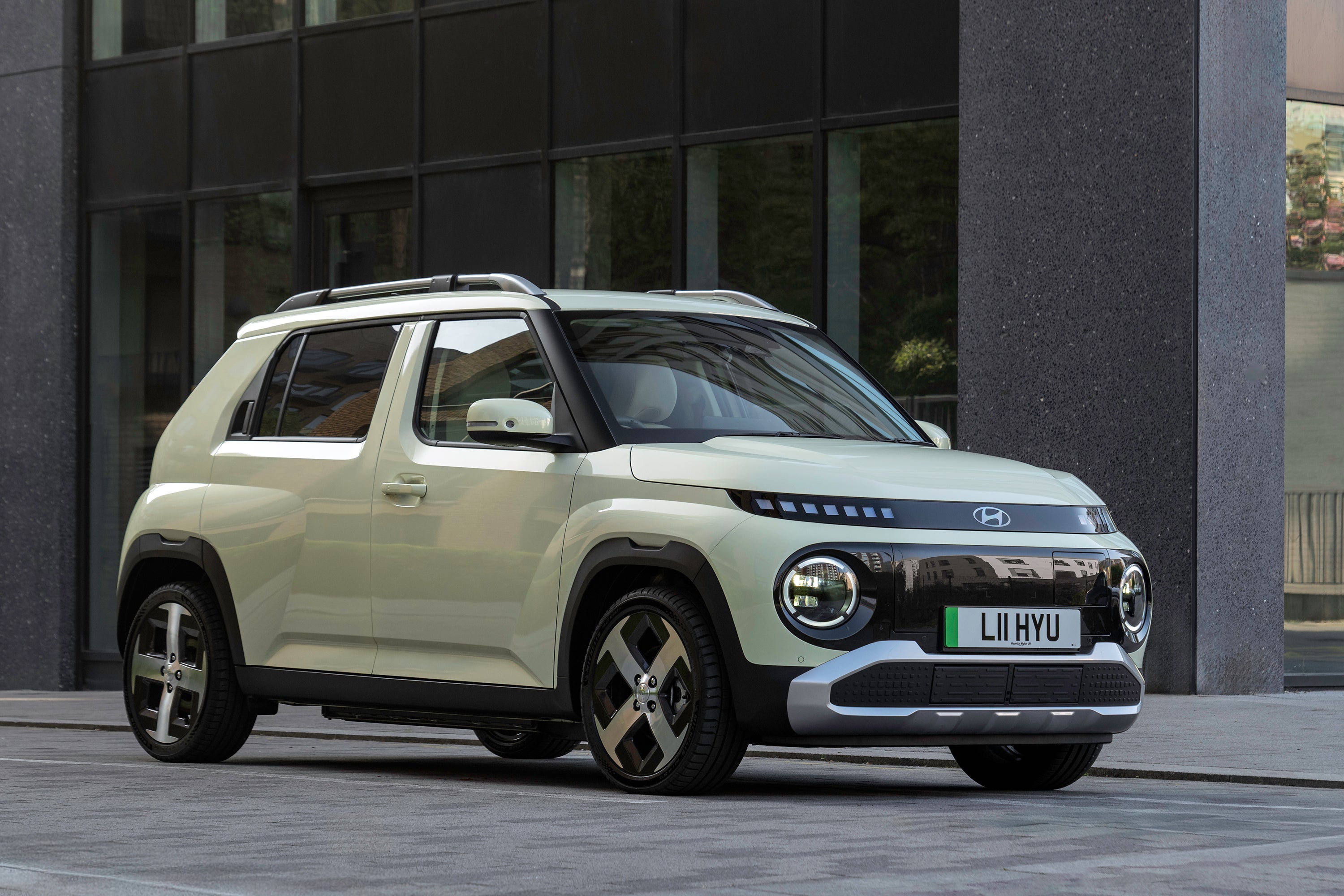
The MINI Cooper Electric is another natural alternative. It has stronger badge appeal and a more distinctive interior, but it is tighter in the back and can get expensive quickly. A Hyundai Inster is worth a look if you want something more upright and space-efficient, while the Citroen e-C3 remains appealing if value and family usability matter more than design polish.
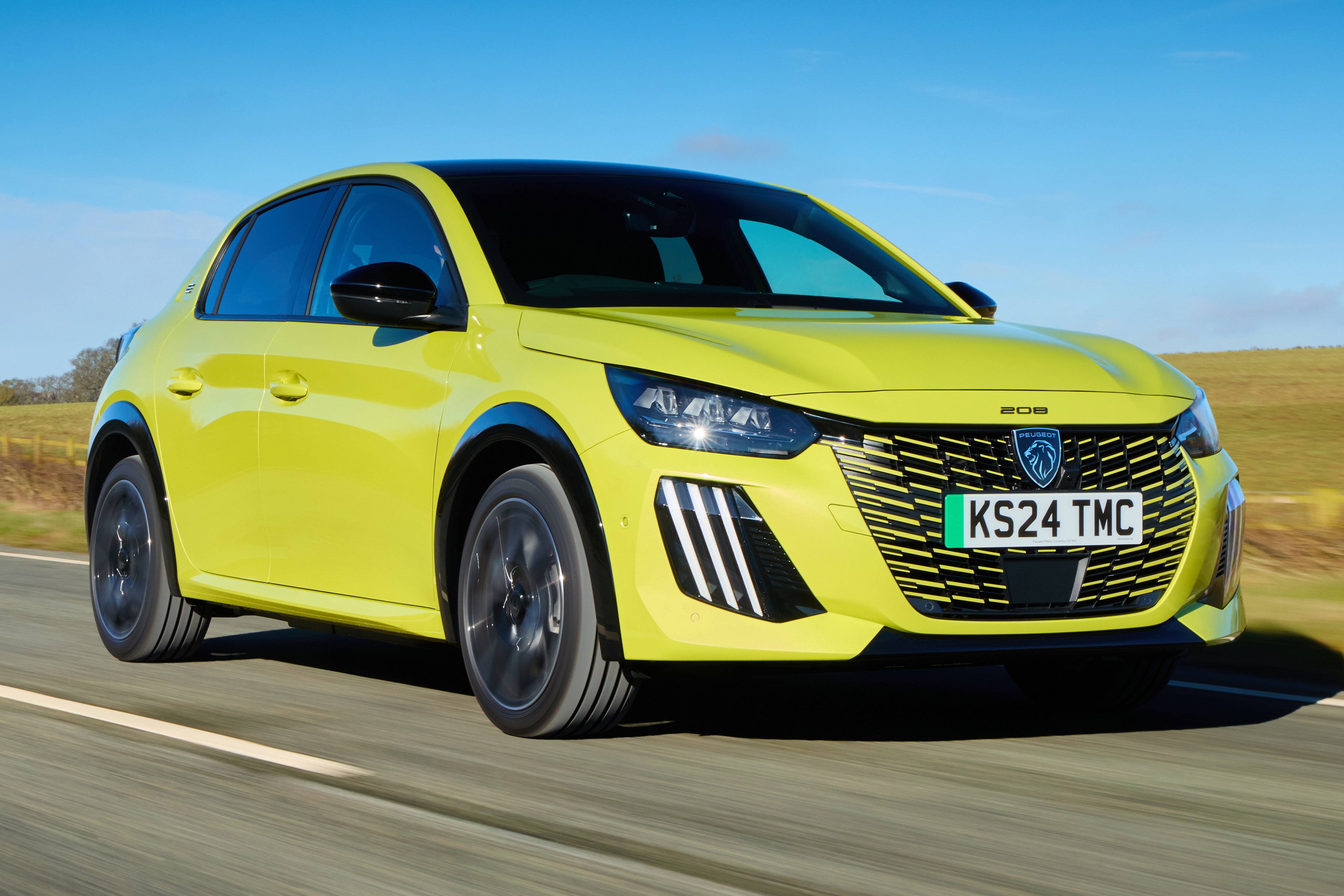
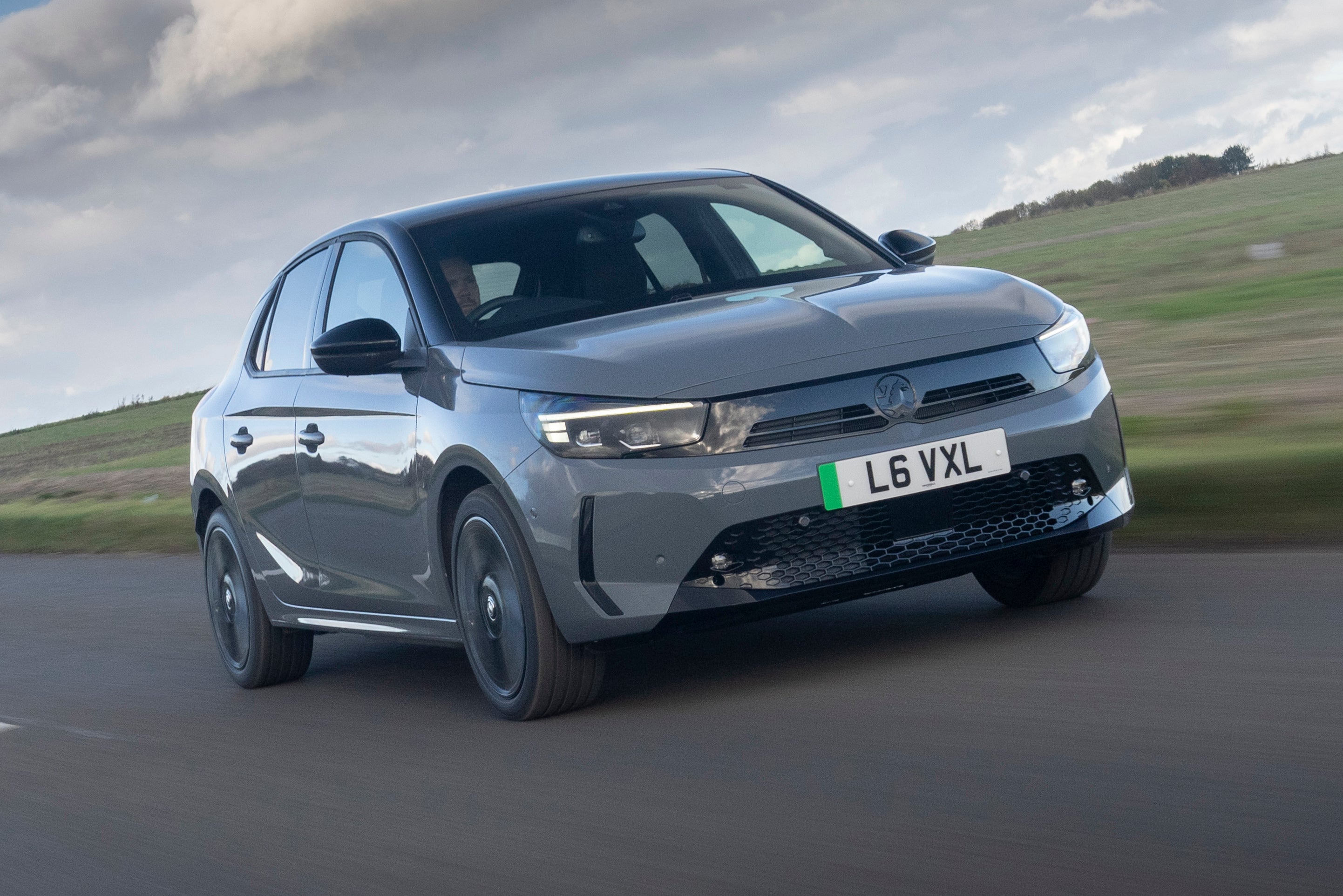
The Peugeot E-208 and Vauxhall Corsa Electric are roomier, more conventional alternatives, though they sit a little above the Micra on price in some versions. The Nissan Micra makes the most sense if you want a small EV that feels polished and modern without shouting about itself.
What's the interior like in the Nissan Micra?
The Nissan Micra’s interior is modern and well laid out, even if it can’t quite hide its Renault roots. It feels smart enough for the money and gets genuinely useful technology, but rear space is still the obvious compromise.
Nissan Micra boot space and practicality
The Nissan Micra is a small car, and it feels like one when you climb into the back. Up front, things are much better. The seats are generously sized, there’s enough adjustment to get comfortable and the dashboard layout keeps key controls within easy reach. The slightly raised seating position also helps with forward visibility and gives the Micra a more substantial feel than a conventional supermini.
Rear space is the weak point. Knee room is acceptable and headroom isn’t disastrous, but the floor is high and foot space beneath the front seats is limited. Adults can fit, but they’re unlikely to want to spend too long there. As with the Renault 5, this is a car best suited to two adults and occasional rear-seat use, or to households with smaller children rather than taller teenagers.
Boot space stands at 326 litres, which is respectable for a car of this size. It isn’t huge, but it’s large enough for the weekly shop, a couple of soft bags or the sort of day-to-day hauling small cars tend to do. Fold the rear seats and capacity rises to 1,106 litres.
There’s also underfloor storage for the charging cable, which stops it taking up useful space in the main boot.
The overall verdict is that the Nissan Micra is practical enough for most urban and suburban use, but it isn’t a small EV chosen for rear-seat space or outright family carrying ability. If those are your priorities, a Citroën e-C3 or Hyundai Inster is likely to be a better fit.
Nissan Micra dimensions
The Nissan Micra measures 3,974mm long, 1,774mm wide & 1,498mm high. That puts it firmly into the supermini-sized EV bracket, making it short enough for town work and easy parking while still offering five doors and a useful boot.
In real terms, it’s compact enough to feel at home in city streets and tight car parks, but big enough not to feel like a compromised quadricycle-style EV. The short length is part of the appeal, though it does explain the tighter rear-seat packaging.
Tech and infotainment in the Nissan Micra
Technology is one of the Nissan Micra’s stronger points. Even the entry-level car gets a 7.0-inch driver display and a 10.1-inch infotainment screen, while Advance and above add dual 10.1-inch displays and the more impressive Google built-in setup, with integrated Google Maps, Google Assistant and Google Play access.
That matters because it makes the Micra feel more like a modern connected EV than a cheap city car with a tablet glued to the dashboard. Google Maps route planning can handle charging stops and battery preconditioning, and the system should feel immediately familiar to anyone who already uses Google services day to day.
Wireless Apple CarPlay and Android Auto are standard, which is another plus, though the wireless phone charger is reserved for Advance and above. The screen itself could be a little brighter and crisper, but the underlying software is strong and easy to live with.
Nissan has also sensibly kept physical heater controls. That might sound minor, but in a small everyday car it makes a real difference to ease of use.
Materials available on the Nissan Micra
The Nissan Micra’s cabin materials are good enough for the money, even if they don’t completely disguise the fact that this is still a relatively affordable small EV. The dashboard and trim mix do enough to lift the interior above the bargain-basement feel some city EVs still suffer from.
Upper trims do the best job of showing that off. Evolve brings synthetic leather and fabric upholstery, along with a more premium-feeling interior finish, while Engage and Advance are a little plainer, particularly in darker trims. Even so, the overall impression is tidy, modern and sensible.
This isn’t an interior that relies on gimmicks. It’s straightforward, reasonably well finished and easy to live with, which suits the Micra’s slightly more grown-up brief.
What's the Nissan Micra like to drive?
The Nissan Micra feels more grown-up than many small cars, and that’s one of its biggest strengths. It’s easy to drive, stable at speed and polished enough to feel like more than a basic city EV.
Nissan Micra range and performance
The Nissan Micra comes with a choice of two battery and motor combinations. The 40kWh version uses a 120PS motor with 225Nm of torque and manages 0–62mph in 9.0 seconds. The larger 52kWh car gets 150PS and 245Nm, cutting the 0–62mph time to 8.0 seconds.
Neither version is especially fast, but both should be more than adequate for the sort of driving this car is built for. The 52kWh car is the one most buyers will want, because the extra shove and extra range make it feel less compromised outside town.
Official range is up to 196 miles for the 40kWh battery and up to 257 miles for the 52kWh version in current UK specifications. That puts the Nissan Micra into a useful sweet spot. It isn’t the last word in long-distance EV ability, but it’s a credible all-rounder rather than a pure city car.
For most people, the larger-battery Micra is the one to have because it makes the car feel more versatile and, under the current grant structure, costs less than the 40kWh Advance.
Performance data
| Model | Engine/battery size | Power | 0-62mph | Range/MPG |
|---|---|---|---|---|
Nissan Micra Standard Range | 40kWh | 120PS | 9.0 seconds | Up to 196 miles |
Nissan Micra Extended Range | 52kWh | 150PS | 8.0 seconds | Up to 257 miles |
Nissan Micra driving and refinement
The Nissan Micra feels polished from the moment you move off. Throttle response is smooth, low-speed control is easy and it avoids the jerky surge some small EVs can suffer from in stop-start traffic.
Ride comfort is decent, though the 18-inch wheels can pick up more texture from poor surfaces than you might expect in a car pitched at urban driving. It isn’t harsh, but there’s a bit of ripple and shudder on rougher roads. At higher speeds, though, the Micra feels planted and more substantial than many small petrol cars.
The steering is nicely judged in normal mode, while Sport mode adds weight that feels slightly unnecessary. Handling is tidy and secure rather than playful. The multi-link rear suspension helps the Micra feel stable and composed in corners, though it stops short of being genuinely entertaining.
Refinement is one of the more pleasant surprises. There’s little of the fussy, busy feel you often get in small cars, and the EV drivetrain gives it the sort of smoothness that makes even everyday journeys feel more relaxed. The brakes can be slightly snatchy as regeneration and friction braking blend together, but otherwise the Nissan Micra feels impressively grown-up.
How safe is the Nissan Micra?
The Nissan Micra has a four-star rating from Euro NCAP, an independent safety organisation that tests how well cars protect occupants and other road users. Its assessment is based largely on testing of the closely related Renault 5 E-Tech, although Euro NCAP also carried out additional tests where differences between the two cars could affect the result.
The passenger compartment remained stable in the frontal offset test, and protection was generally good or adequate. The Micra scored particularly well in the side-barrier and side-pole tests, although protection of the driver’s chest in the frontal test and the rear passenger’s chest in the full-width test was rated as marginal.
The standard safety kit is generous. Autonomous emergency braking, six airbags, lane-departure warning and prevention, emergency lane-keeping assistance, speed-limit assistance and driver monitoring are all included.
Advance and Evolve add more assistance technology, including adaptive cruise control, blind-spot monitoring, rear cross-traffic alert, rear automatic emergency braking and a rear-view camera. Evolve also gets ProPILOT Assist with Navi-link, which is a system that helps control the car’s speed and steering on motorways and can adjust your speed automatically based on the road ahead and upcoming bends or junctions.
Nissan deserves credit for keeping the shortcut button that lets you quickly call up your preferred driver-assistance settings. That makes the systems easier to live with day to day than those in some rivals.
Running costs: What it's like to live with a Nissan Micra
The Nissan Micra should be cheap to run by EV standards if you can charge at home, and its decent efficiency means it makes sensible use of its relatively modest battery.
Nissan Micra charging times and costs
The Nissan Micra’s charging performance is competitive for this class. The 52kWh battery can DC rapid-charge at up to 100kW, while the 40kWh battery tops out at 80kW. In both cases, Nissan quotes a 15% to 80% charge in around 30 minutes.
That’s quick enough to make the Micra workable beyond purely urban use, especially if you choose the larger battery. It isn’t a dedicated long-range motorway machine, but it doesn’t feel stranded in the city either.
An 11kW AC onboard charger is standard across the range. On a suitable 11kW home or public charger, the 52kWh battery can charge from 10% to 100% in around five hours and 45 minutes. A typical 7kW home wallbox will take longer, but either battery should still be easy to replenish overnight.
At 25p per kWh, filling the 40kWh battery would theoretically cost around £10, while the 52kWh battery would cost about £13 before charging losses. On a public rapid charger charging 75p per kWh, a 15–80% top-up of the larger battery would cost a little over £25.
In other words, the Nissan Micra makes the most sense if most of your charging is done at home and rapid charging is something you use only occasionally.
Nissan Micra warranty and servicing
Nissan covers the Micra with a three-year or 60,000-mile manufacturer warranty, while its electrified powertrain components are covered for five years or 60,000 miles. The battery gets separate eight-year or 100,000-mile cover.
Nissan also offers service-activated warranty cover for the Micra. Once the original manufacturer warranty ends, servicing the car through the Nissan network can activate an additional year of cover at a time, potentially extending the warranty to six years or 100,000 miles. Terms and eligibility conditions apply.
That makes the overall package more competitive than the basic three-year warranty suggests, although you’ll need to keep using participating Nissan dealers to benefit from the additional cover.
The Renault-derived platform also means there’s already a decent base of experience behind much of the hardware. Long-term reliability will only become clearer with time, but there’s nothing obviously alarming in the Micra’s core engineering.
Nissan Micra insurance groups
Insurance groups for the Nissan Micra currently range from around 19 to 24 (of 50), depending on battery and trim. The 40kWh versions generally sit towards the lower end of that range, while the more powerful and better-equipped 52kWh cars tend to be higher.
Those ratings are a little higher than you might find for some comparable petrol superminis, but they’re not unusual for a small EV with relatively costly battery and electrical hardware.
Insurance should still be manageable in class terms, though younger drivers and buyers comparing it with older petrol superminis may notice the difference.
How much does it cost to tax a Nissan Micra?
The Nissan Micra now costs £200 a year in VED after year one, while the EV Expensive Car Supplement only applies to cars with a list price of more than £50,000, and the Micra sits well below that threshold.
What trims are available with the Nissan Micra?
The Nissan Micra line-up is simple, consisting of Engage, Advance and Evolve.
Engage is the entry point and covers the basics well. It gets the smaller battery, 18-inch alloy-look wheels, climate control, the 7.0-inch driver display, 10.1-inch infotainment screen, rear parking sensors and a heat pump. That gives it a decent baseline for a modern small EV.
Advance is the trim most buyers should target. It brings proper 18-inch alloy wheels, Google built-in infotainment, a rear-view camera, front parking sensors, wireless charging, adaptive cruise control and a better safety pack. It is the trim that turns the Micra from a decent small EV into a properly rounded one.
Evolve sits at the top with two-tone paint, heated seats, a heated steering wheel, Harman Kardon audio, ProPilot Assist with Navi-link and one-pedal driving. It looks attractive on paper, but it is more about added comfort and polish than outright value.
In simple terms, Engage covers the essentials, Advance is the smartest buy and Evolve is the high-spec choice.
Ask the Drive experts: common questions
Is the Nissan Micra a good electric car?
Which Nissan Micra is best?
What is the range of the Nissan Micra?
Is the Nissan Micra the same as the Renault 5?
Get our latest advice, news and offers
Keep me updated by email with the latest advice, news and offers from Drive.
.jpg)