Peugeot e-308 SW Review

Written By Rob Clymo
- 2024
- Estate
- Electric
What we love
One of the very few electric estates available
Roomy, comfortable and easy to drive
Good range for an electric estate
Things to consider
Performance is adequate rather than exciting
Quite expensive to buy new
Some SUVs make a stronger value case
The DRIVE take on the Peugeot 308, is it the right car for you?
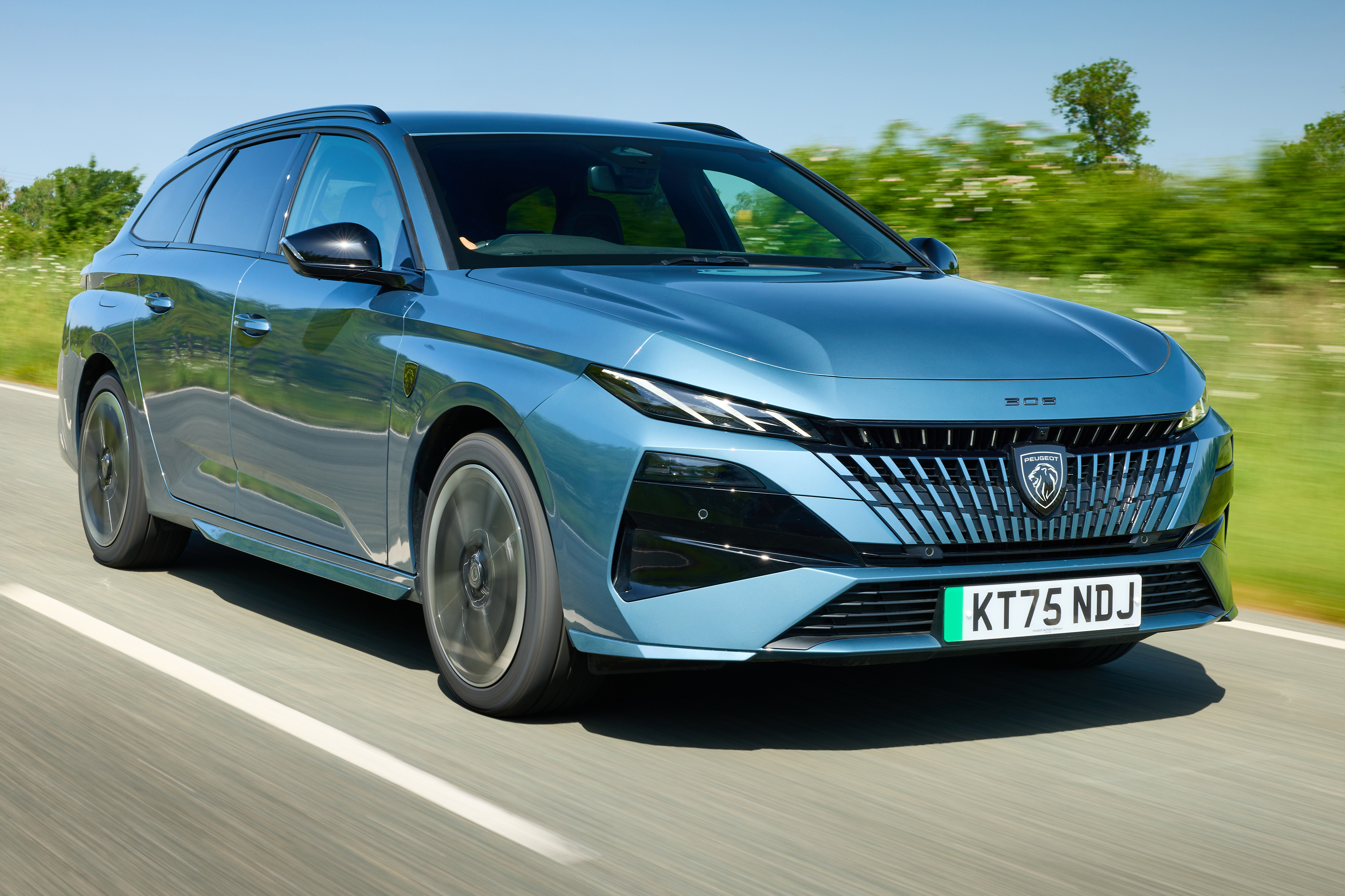
The Peugeot e-308 SW is one of the very few electric estates on sale, and that alone gives it a clear point of difference. It combines a useful boot, decent rear space and the lower, more car-like feel that many buyers still prefer over an SUV. It is not especially quick, and some crossover-shaped EVs make a stronger value case, but if you want an electric family car with proper load-lugging ability and no SUV bulk, the Peugeot e-308 SW is easy to shortlist.
The Peugeot 308 in more detail
Estate cars are now a niche within a niche, and electric estates are rarer still. Most family buyers needing extra space default to an SUV, while many manufacturers have simply stopped offering electric wagons altogether. That makes the Peugeot e-308 SW a fairly unusual thing in the current market.
Its closest relative is the Vauxhall Astra Sports Tourer Electric, because both are Stellantis products and share much of their hardware. The MG5 also remains relevant as the long-standing affordable electric-estate option, but the Peugeot feels more modern, more stylish and more polished than the older MG.
That sense of polish matters. The Peugeot e-308 SW is not just a practical tool. It looks smart, it feels more design-led than most estates, and the interior does a decent job of making the car feel a little more special than its fairly niche brief might suggest.
There is also a regular e-308 hatchback if you do not need the extra load area, but our Peugeot e-308 review covers that separately. Here, the point is to see whether the estate version adds enough usefulness to justify its position in a market crowded with SUVs.
Broadly, it does. The Peugeot e-308 SW is roomy enough for family duties, the boot is genuinely useful and the electric drivetrain suits the car’s easygoing character well. It is not the most exciting EV in the class, but it is an unusually likeable one.
What's the best Peugeot 308 trim and battery option?
There is only one battery and motor combination in the Peugeot e-308 SW, so as with the hatchback the key choice is trim rather than powertrain.
For most buyers, the best Peugeot e-308 SW is the Allure. It already comes with a strong amount of useful kit, including 18-inch alloy wheels, front and rear parking sensors, a reversing camera, heated front seats, climate control and the main infotainment features that matter every day.
GT adds extra visual punch and some more premium-feeling extras such as adaptive cruise control, blind-spot monitoring, wireless phone charging and matrix LED headlights. It does make the car feel a little more special, but it also pushes the price up and does not transform the ownership experience.
What’s the price of the Peugeot 308?
The Peugeot e-308 SW currently starts from £30,695 on the road in Allure trim after the £1,500 Electric Car Grant. GT sits at £32,695 and GT Premium rises to £34,495, again on the road and with the grant applied.
That means the Peugeot e-308 SW is not a cheap family estate, and it is easy to find electric SUVs that sit in similar territory. The argument in its favour is not bargain pricing, but the fact that it gives you estate-car practicality in a more stylish and less bulky package than the usual crossover alternatives.
Used values are also worth watching, because lightly used examples should become a much more tempting route into ownership than full list price.
Alternatives to the Peugeot 308
The Vauxhall Astra Sports Tourer Electric is the most obvious alternative, because it shares much of the Peugeot’s engineering and asks the same question of buyers. Which one you prefer will come down largely to style and interior taste, and the Peugeot feels a little more design-led inside.
The Peugeot e-308 SW also overlaps with electric SUVs such as the Renault Scenic E-Tech and Hyundai Kona Electric, both of which offer better rear-seat flexibility and a more mainstream family-car image. Neither gives quite the same estate-car feel, though, which is exactly why the Peugeot exists.
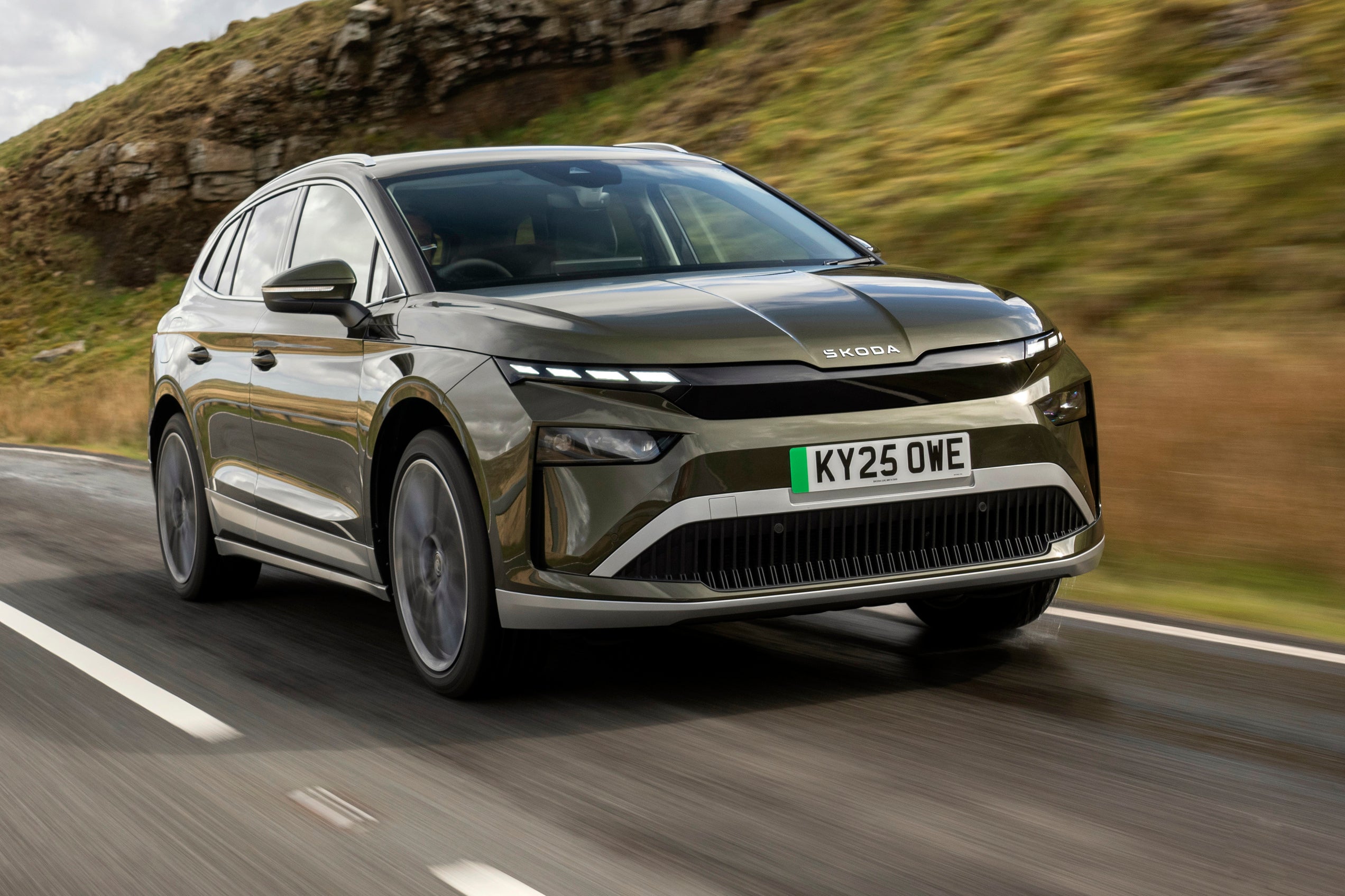
Beyond those, the Skoda Enyaq and Tesla Model Y are worth a look if you are prepared to move into SUV territory for more outright practicality. The Peugeot e-308 SW makes most sense if you want proper family-car usefulness without the height, bulk and image of a crossover.
What's the interior like in the Peugeot 308?
The Peugeot e-308 SW feels smart, modern and more interesting than many mainstream estates. It also backs up that visual appeal with enough space and comfort to make it a convincing family car.
Peugeot 308 boot space and practicality
The obvious reason to choose the Peugeot e-308 SW over the hatchback is practicality, and broadly it delivers. Up front, there is plenty of room for two adults, and the driving position feels low and natural in the way estate-car buyers often prefer.
Rear-seat space is decent rather than class-leading. There is enough room for a pair of adults, and the extra roof length helps the back feel more open than the hatchback, but it is not an enormous step up in passenger room. Families with two children will find it works well, while three adults across the back is more of a squeeze.
Boot space is one of the car’s main selling points. The e-308 SW offers 548 litres, which is down on the petrol 308 SW’s 608 litres because of the battery packaging, but still a very useful amount of space. It gives the Peugeot a clear advantage over the hatchback and helps justify choosing the estate body in the first place.
That figure also means the Peugeot e-308 SW looks stronger than the old MG5 on outright boot capacity, and it remains one of the most practical EV estates currently available. Fold the rear seats and capacity rises to 1,574 litres. The 40:20:40 split-folding rear bench adds useful flexibility, even if the extended load floor is not perfectly flat.
Peugeot 308 dimensions
The Peugeot e-308 SW measures 4,635mm long, 1,852mm wide & 1,475mm high. That makes it notably longer than the hatchback, but still compact enough to manage easily in town or on a typical family driveway.
In practical terms, it gives you the extra load space you want from an estate without tipping over into something that feels bulky or unwieldy. That is a large part of the e-308 SW’s appeal.
Tech and infotainment in the Peugeot 308
Infotainment is centred around Peugeot’s familiar 10-inch touchscreen, which is angled neatly towards the driver, plus the 10-inch digital instrument display. The setup feels modern enough, and Apple CarPlay and Android Auto are both included.
GT trim adds Peugeot’s i-Toggles shortcut strip and a slightly richer infotainment experience, including connected navigation and wireless smartphone features. The overall system works reasonably well, even if some menus and animations can feel a little overdrawn.
The biggest caveat is still Peugeot’s i-Cockpit layout. The small steering wheel and high-set instruments will work brilliantly for some drivers and irritate others. It is not necessarily a deal-breaker, but it absolutely needs trying before you commit.
Materials available on the Peugeot 308
The Peugeot e-308 SW’s interior majors on style. There is a good mix of materials, angular design flourishes and interesting trim finishes that help it feel more distinctive than most mainstream estates.
Allure already feels reasonably smart, while GT lifts things with Alcantara, darker trim details and a more overtly premium flavour. It is not quite premium-badge grade, but it does enough to feel more special than the average family workhorse.
What's the Peugeot 308 like to drive?
The Peugeot e-308 SW is easy, predictable and pleasant to drive. It is not a performance EV, but it suits buyers who want a comfortable and undemanding family car.
Peugeot 308 range and performance
The Peugeot e-308 SW uses a 55.4kWh usable battery and a front-mounted electric motor producing 156PS and 270Nm. Officially, it can manage up to 275 miles on a full charge, which is a solid figure for an electric estate of this size.
Performance is perfectly adequate rather than exciting. The 0-62mph time is 9.8 seconds, which means it feels brisk enough off the line and responsive enough in normal driving, but it is never going to pin you back in your seat.
For most buyers, those figures will be perfectly acceptable. The e-308 SW is not about pace. It is about making electric-estate ownership straightforward.
Performance data
| Model | Engine/battery size | Power | 0-62mph | Range/MPG |
|---|---|---|---|---|
e-308 SW | 55.4kWh | 156PS | 9.8 seconds | Up to 275 miles |
Peugeot 308 driving and refinement
The Peugeot e-308 SW is a pleasant car to drive. The low stance, supportive seats and tidy body control help it feel more like a conventional estate than an SUV alternative, which is exactly what many buyers will want.
It is not especially sharp, but it is composed enough on a country road and stays well planted when pressed. The steering is light and easy rather than rich in feel, and the small wheel once again gives it a slightly more eager impression than the actual responses suggest.
Ride comfort is good. The e-308 SW feels settled, and while you hear some tyre and wind noise at speed, it is generally refined enough to feel like a very easy long-distance companion. The electric powertrain helps here, because the absence of engine noise gives it a calmer overall character.
Overall, the Peugeot e-308 SW is not thrilling, but it is easy to trust, easy to drive and easy to live with.
How safe is the Peugeot 308?
Euro NCAP has not separately tested the Peugeot e-308 SW, but the 308 hatchback received a four-star rating in 2022 and that provides a useful guide to the car’s overall safety picture.
Standard safety equipment is strong enough, with automatic emergency braking, lane-keeping assistance, driver attention warning and speed-limit recognition included. GT adds extra features such as rear cross-traffic alert, longer-range blind-spot monitoring and Peugeot SOS emergency assistance.
Running costs: What it's like to live with a Peugeot 308
The Peugeot e-308 SW should be straightforward enough to run if you can charge at home, though the modest battery means it is not the ideal choice for buyers doing constant long-distance motorway mileage.
Peugeot 308 charging times and costs
The Peugeot e-308 SW supports rapid charging at up to 100kW. Peugeot quotes 20 to 80 per cent charging in around 32 minutes on a suitable DC rapid charger, which is competitive enough even if it is not class-leading.
At home, the car’s 11kW onboard charger helps keep AC charging practical, and a typical wallbox will make overnight charging straightforward. Because the battery is not especially large, home charging costs should remain relatively manageable by EV standards.
That means the e-308 SW’s running-cost case is best if you mostly charge at home and use the car for the sort of mixed family mileage it is clearly designed for.
Peugeot 308 warranty and servicing
Peugeot’s standard manufacturer warranty is three years or 60,000 miles. The battery is covered separately for eight years or 100,000 miles.
Peugeot Care also applies here, extending vehicle cover up to eight years or 100,000 miles through service activation, subject to the relevant terms and conditions.
Servicing intervals follow Peugeot’s current EV guidance, with an initial operation at one year or 8,000 miles followed by scheduled services every two years or 16,000 miles.
Peugeot 308 insurance groups
Insurance groups for the Peugeot e-308 SW are in the same sort of bracket as the hatchback. Allure sits in group 24, while GT sits in group 25, which should translate into fair-to-middling premiums rather than anything especially punitive for an electric family car.
How much does it cost to tax a Peugeot 308?
The Peugeot e-308 SW now costs £200 a year in VED after year one. The EV Expensive Car Supplement applies only to electric cars with a list price of more than £50,000. The Peugeot e-308 SW sits comfortably below that threshold, so there is no premium-car sting to worry about here.
What trims are available with the Peugeot 308?
The Peugeot e-308 SW comes in Allure and GT trim.
Allure is the sensible starting point and already includes a strong amount of kit. Highlights include 18-inch alloy wheels, power-folding mirrors, front and rear parking sensors, a reversing camera, heated front seats, climate control and cabin pre-conditioning.
GT is the more design-led choice. It adds adaptive cruise control, rear-cross traffic alert, blind-spot detection, keyless entry, wireless phone charging, Alcantara trim, matrix LED headlights and Peugeot’s 3D digital instruments. It certainly looks and feels richer, but it is also the less value-focused version.
In simple terms, Allure is the sensible buy and GT is the indulgent one.
Ask the Drive experts: common questions
Is the Peugeot e-308 SW a good electric estate?
What is the range of the Peugeot e-308 SW?
Is the Peugeot e-308 SW practical enough for a family?
Does the Peugeot e-308 SW get the Expensive Car Supplement?
Get our latest advice, news and offers
Keep me updated by email with the latest advice, news and offers from Drive.
.jpg)
_1.jpg)
.jpg)