Vauxhall Astra Sports Tourer Electric Review

Written By Andy Brady
- 2023
- Estate car
- Electric
What we love
Comfortable and well-equipped cabin
Impressive efficiency results in a very useable real-world range
Easy and unintimidating to drive
Things to consider
Not actually that practical for an estate
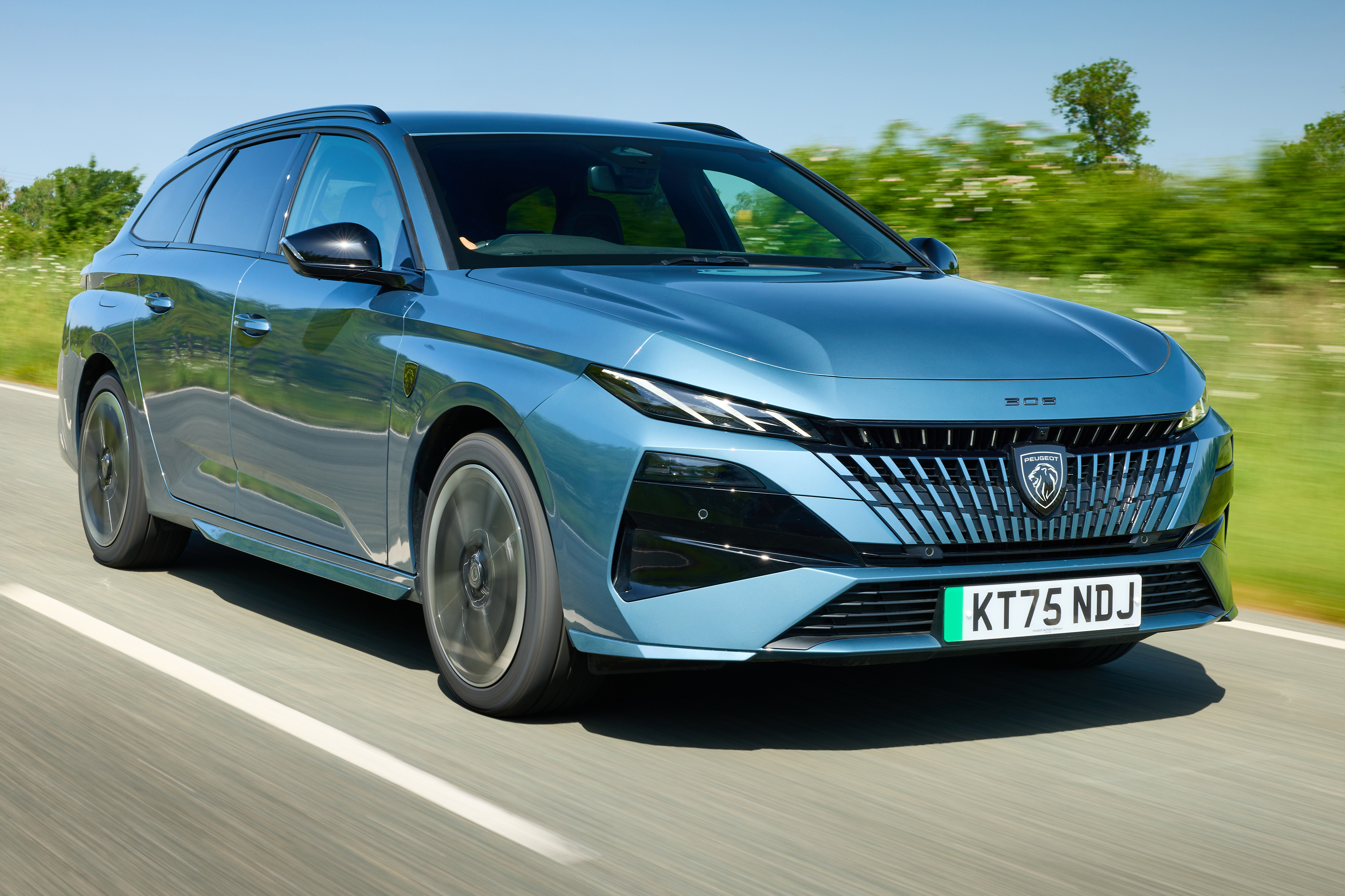
Peugeot e-308 SW is more stylish inside and out
It's quite expensive to buy new
The DRIVE take on the Vauxhall Astra, is it the right car for you?
The Vauxhall Astra Sports Tourer Electric makes sense if you want an EV that isn’t an SUV. It offers a lower driving position, neat estate styling and easy everyday comfort.
The updated model is now much easier to recommend than before. A larger battery lifts range to up to 275 miles, while prices start at £29,995 before the Electric Car Grant. That’s around £10,000 less than when it first launched, making it far more competitive. Crucially, there’s no longer a price premium over the Astra Electric hatchback, despite the estate offering a much larger boot.
However, it still isn’t the practical standout its body style suggests, and similarly priced electric SUVs offer more rear-seat space and versatility. Even so, if you specifically want an electric estate rather than a crossover, it remains one of the few genuinely credible options.
The Vauxhall Astra in more detail
The Astra has been a family-car mainstay for decades, and Vauxhall sells this generation with a wide spread of body styles and powertrains. The Sports Tourer Electric is exactly what it sounds like: an Astra estate with a fully electric drivetrain, aimed at buyers who want more luggage space than the hatchback without moving into an SUV.
That makes it relatively unusual. Electric estates are still rare, so the Astra Sports Tourer Electric has few direct rivals. The Peugeot E-308 SW is the closest alternative, while the MG5 EV once undercut it on price but is no longer on sale new. Beyond that, buyers are pushed towards larger or pricier electric estates, or SUVs such as the Škoda Enyaq and Kia Niro EV.
This gives the Vauxhall a clear niche, but also means it has to work hard to justify the estate format. The good news is that it’s easy to live with. It’s smooth, comfortable and unintimidating to drive, with a simple cabin layout, sensible physical controls and enough range for family use or commuting.
The Astra range was updated in 2026 with subtle styling changes, including a revised Vizor front end, illuminated badge and updated lighting. Inside, there are new materials, improved infotainment software and revised seats, but the overall shape remains familiar.
The key change is under the floor. The current Sports Tourer Electric uses a 58.3kWh gross battery (55.4kWh usable) and offers up to 275 miles of range. It also adds battery preconditioning, three-stage regenerative braking and vehicle-to-load capability, while retaining 156PS and 270Nm.
Earlier cars used a 54kWh battery with up to 256 miles of range and the same performance figures. They lack the newer tech and efficiency features but remain relevant on the used market.
The 2026 update has also improved value. The Sports Tourer Electric now costs the same as equivalent Astra hatchback and hybrid models, with a further £1,500 reduction from the Electric Car Grant.
However, practicality is still its weak point. While the estate body increases boot space over the hatchback, the battery packaging limits overall capacity and rear-seat space isn’t as generous as some buyers might expect.
In short, the Astra Sports Tourer Electric is a sensible and versatile electric estate, but not a class-leading load carrier.
What's the best Vauxhall Astra trim and battery option?
For most new-car buyers, the Vauxhall Astra Sports Tourer Electric Griffin is the version to choose. There’s only one battery and motor combination, so the decision is purely about trim. Every version gets the 58.3kWh gross battery, 156PS motor and up to around 275 miles of range.
Griffin is unusually well equipped for an entry-level version. Electric models get unique 18-inch alloy wheels, while standard equipment includes the illuminated Vizor front end, black roof, roof rails, tinted rear windows, satellite navigation, wireless Apple CarPlay and Android Auto, adaptive cruise control and front and rear parking sensors. It also gets heated front seats, a heated steering wheel, keyless entry, an AGR-certified driver’s seat and acoustic laminated side glass. That’s enough equipment to make it feel complete without moving any further up the range.
GS adds sportier styling, black alloy wheels, the PurePanel Pro display, a reversing camera, sports seats, keyless start and dual-zone climate control. It’s a more polished tech and design upgrade, but not essential.
Ultimate brings Intelli-Lux HD headlights, a head-up display, wireless charging and advanced driver assistance. Its ReNewKnit seats add heating, electric adjustment and massage, plus a heated windscreen and powered tailgate. It’s the most luxurious version, but also the least value-focused.
Used buyers have more choice, including earlier Design, Griffin, GS and Ultimate versions. Equipment varies by year, so specification should always be checked carefully. An earlier 54kWh GS is often the used sweet spot, combining strong equipment with lower prices. Ultimate can also be tempting if heavily discounted.
What’s the price of the Vauxhall Astra?
The Vauxhall Astra Sports Tourer Electric starts at £29,995 for Griffin, £31,495 for GS and £33,995 for Ultimate. These are official on-the-road prices before the £1,500 Electric Car Grant, which reduces them to £28,495, £29,995 and £32,495 respectively. The discount is applied at the point of sale.
It’s priced the same as the Astra Electric hatchback, and electric, hybrid and plug-in hybrid versions all share identical trim pricing, with the EV effectively £1,500 cheaper after the grant. This is a big shift from the original Sports Tourer Electric, which launched from £39,995 and later dropped to around £36,000 depending on trim.
Used examples vary widely in original list price despite sharing the same 54kWh battery and 156PS motor, so depreciation comparisons need care.
Overall, the current pricing makes the Astra Sports Tourer Electric far more competitive, even against electric SUVs offering more space or faster charging.
Alternatives to the Vauxhall Astra
There still aren’t many direct electric-estate rivals. The Peugeot E-308 SW is the closest match and shares much of the Astra’s platform, battery and electric running gear. It has a more style-led cabin and exterior, although it isn’t meaningfully more practical.
The MG5 EV was the value-led alternative, but it’s no longer available new. It remains worth considering as a used purchase if carrying capacity and low cost matter more than refinement, technology or design.
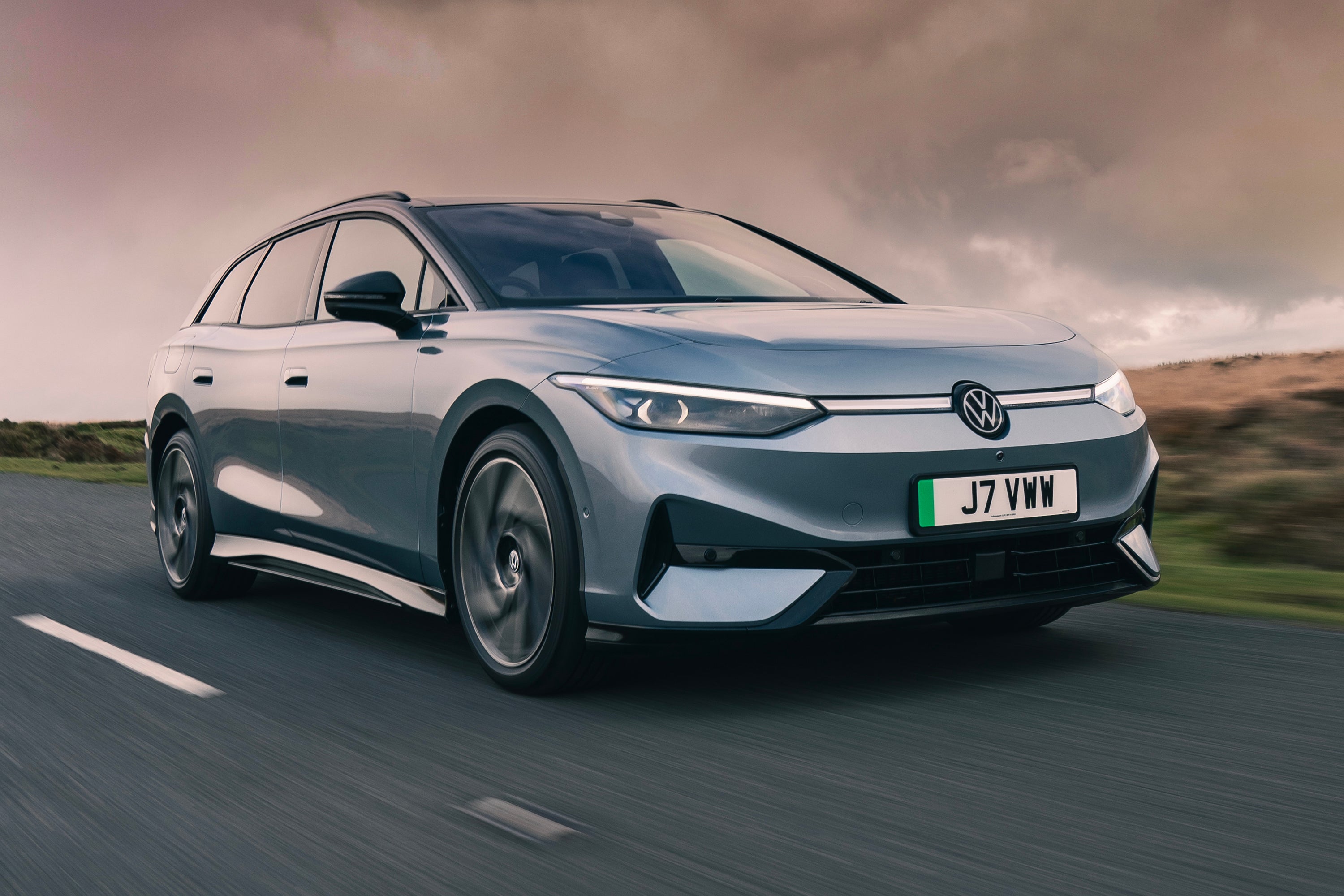
The Volkswagen ID.7 Tourer is a much larger and more sophisticated electric estate with considerably greater range and space, but it also sits in a substantially higher price bracket.
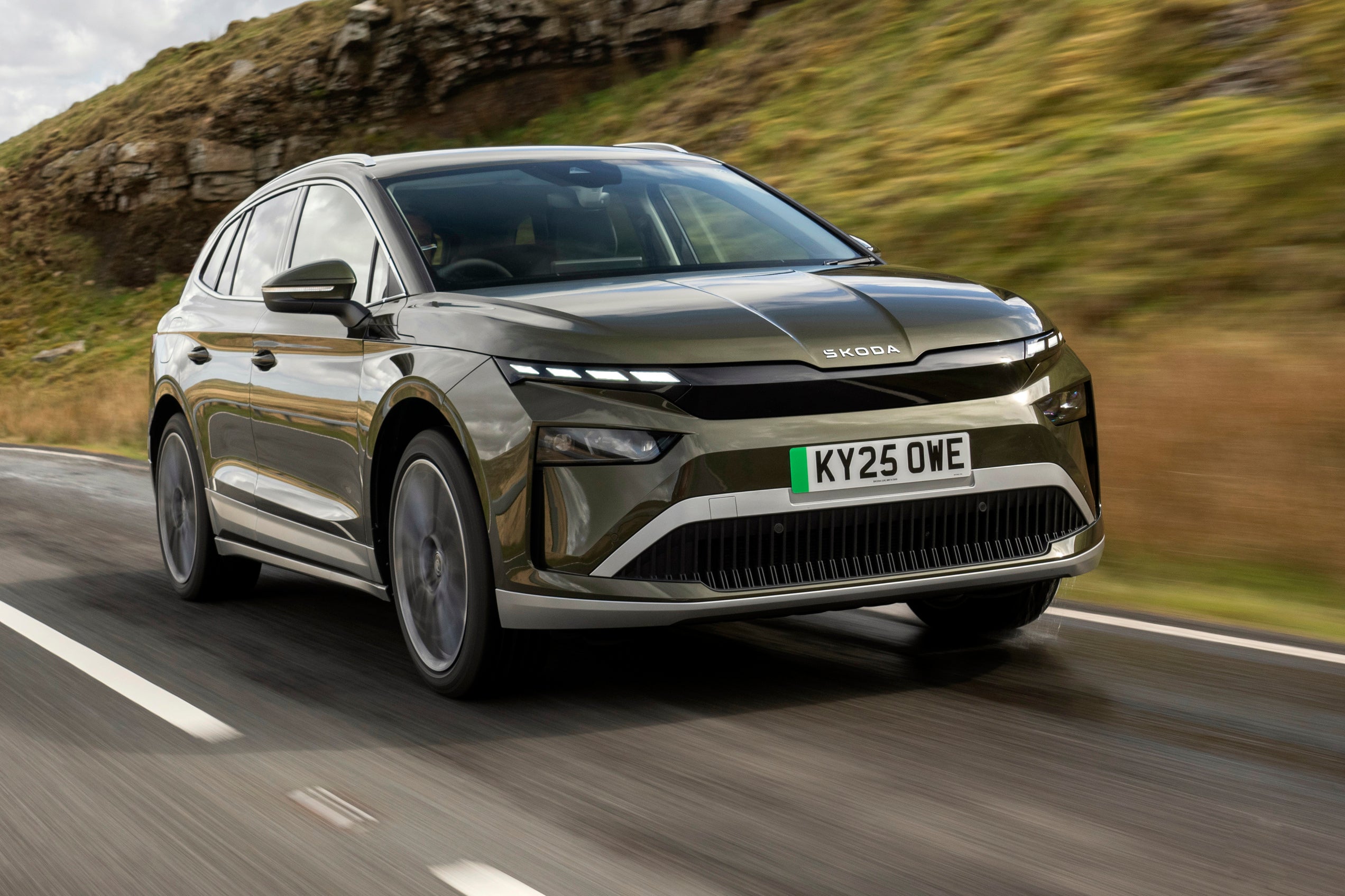
The real alternatives at Astra money are electric SUVs. Cars such as the Skoda Enyaq, Kia Niro EV and Renault Scenic E-Tech all make strong cases, and many buyers will find them easier to justify on passenger space, boot capacity or image.
What the Astra Sports Tourer Electric offers is a lower-slung, more conventional estate-car feel. If that matters to you, it remains a genuinely distinctive option.
What's the interior like in the Vauxhall Astra?
The Astra Sports Tourer Electric’s cabin is modern and well equipped without being overloaded with technology. It feels much like the hatchback inside, with a logical dashboard layout and strong seating comfort.
The 2026 update brings scratch-resistant satin-grey finishes replacing some gloss-black trim, plus revised displays, seven-colour ambient lighting and standard Intelli-Seat design. Physical controls remain for key functions like climate, audio and drive modes, making it easier to use than touchscreen-heavy rivals.
Earlier 54kWh models share the same basic layout but feature different trims, seats and infotainment software, with equipment varying by trim and model year.
Vauxhall Astra boot space and practicality
This is the area where you expect the Astra Sports Tourer Electric to excel. In some ways it does, but it’s also the section that most clearly reveals the compromises of fitting a battery into an estate body.
The boot holds 516 litres with the rear seats upright, which is useful enough for family life and considerably more than the Astra Electric hatchback’s 352 litres. Fold the rear seats and capacity increases to 1,553 litres.
The low loading lip is useful, while the estate shape is handier for bulky items, pushchairs or dogs than the hatchback. The rear seat backs split 40:20:40, making it possible to carry longer items without folding the entire second row.
Even so, the figures aren’t especially impressive by general estate-car standards. Non-electric Astra Sports Tourers provide up to 597 litres, so the battery costs the electric version 81 litres of space beneath the parcel shelf.
For passengers, things are less impressive. Those in the back may still find it a little tight, especially taller adults, while front-seat occupants are much better served. Compared with a Škoda Enyaq or Renault Scenic E-Tech, the Astra simply doesn’t feel especially roomy.
Compared with the hatchback, though, it brings useful extra versatility, and dog owners may appreciate how much simpler it is for a pet to hop into the lower boot.
Vauxhall Astra dimensions
The Vauxhall Astra Sports Tourer Electric measures 4,642mm long, 2,062mm wide including mirrors and 1,443mm high. Those dimensions make it long enough to feel usefully estate-like, but still low and compact enough to feel more car-like than an SUV on the road. Compared with an Enyaq or Niro EV, it is lower and less bulky, which some buyers will prefer, even if those SUV alternatives make better use of their footprints for cabin space.
Tech and infotainment in the Vauxhall Astra
Every current Astra Sports Tourer Electric gets a 10-inch digital instrument display and a 10-inch central touchscreen, along with satellite navigation and wireless Apple CarPlay and Android Auto.
The revised software is clearer than before, while Vauxhall has sensibly retained physical controls for regularly used functions. Over-the-air updates and connected journey planning are also included, with the electric-car navigation able to help identify charging stops.
Griffin uses the standard PurePanel arrangement. GS and Ultimate get the more neatly integrated PurePanel Pro setup, with both screens housed behind an edge-to-edge glass panel.
GS also adds a 180-degree reversing camera, while Ultimate gets a head-up display and wireless phone charging.
The system isn’t perfect. There are slicker and prettier interfaces elsewhere, and some menus can still take longer to navigate than they should. However, the combination of smartphone mirroring, physical shortcuts and familiar screen layouts makes it reasonably easy to live with.
Earlier 54kWh models also have twin 10-inch screens, but their software and standard connectivity vary by trim and year. Used buyers should check whether features such as navigation, wireless smartphone integration, a reversing camera and wireless charging are actually fitted.
Materials available on the Vauxhall Astra
The Astra’s cabin is functional rather than plush. Some of the major touchpoints feel respectable enough, and the vegan-leather steering wheel helps lift the impression, but there are still plenty of harder plastics and some trim pieces that feel built to a cost.
The 2026 update replaces some glossy surfaces with more durable satin-grey finishes and introduces a greater proportion of recycled fabrics. It doesn’t transform the basic cabin, but it makes the interior look calmer and should reduce fingerprints and visible scratches.
Ultimate does the best job of lifting the atmosphere. Its ReNewKnit material has a suede-like texture but is made entirely from recycled fibres. The front seats also gain additional electric adjustment, heating, lumbar support, memory and massage functions.
Earlier Ultimate versions used Alcantara and a different selection of trim materials, so they aren’t directly comparable with the current model.
Overall, the finishes are more sensible than special, but they suit the Astra’s straightforward character and should stand up reasonably well to family use.
What's the Vauxhall Astra like to drive?
The Astra Sports Tourer Electric handles in a safe and predictable way, and that fits its brief well. It isn’t especially fun or exciting, but it’s easy to trust and easy to place.
More importantly, it majors on calm, straightforward progress, which suits an electric family estate better than a forced sense of sportiness.
Vauxhall Astra range and performance
The current Astra Sports Tourer Electric uses a 58.3kWh gross battery, of which 55.4kWh is usable, and a single front-mounted motor producing 156PS and 270Nm.
Vauxhall quotes a 0-62mph time of 9.5 seconds and a top speed of 106mph. Its maximum official WLTP range is 275 miles.
The previous Sports Tourer Electric used a 54kWh battery with the same 156PS and 270Nm outputs. At launch, it was quoted at 0-62mph in 9.2 seconds and a maximum official range of 256 miles. Later versions were listed at around 255 miles, depending on their trim and model year. Those earlier versions are no longer available new but remain widely available used.
The Astra’s stats are respectable numbers rather than headline-grabbing ones. The Astra Sports Tourer Electric is quick enough to feel easy and responsive in everyday driving, but it never feels notably urgent by EV standards.
What it offers is smooth, fuss-free progress and a useful range if it’s driven in a measured manner. The updated car’s additional 19 or 20 miles make it more versatile, although it still isn’t a dedicated long-distance EV.
Performance data
| Model | Engine/battery size | Power | 0-62mph | Range/MPG |
|---|---|---|---|---|
Vauxhall Astra Sports Tourer Electric | 58.3kWh | 156PS | 9.5 seconds | Up to 275 miles |
Vauxhall Astra driving and refinement
While it shares its platform with the likes of the Citroen C5 X and DS 4, the Vauxhall Astra Sports Tourer Electric isn't as soft and floaty as its French relations. We think that's a good thing - it's less likely to make those in the back feel travel sick, while it also feels a bit more agile on rural roads.
The Sports Tourer is slightly longer than the hatchback (with a greater distance between the front and rear wheels), which ought to be a good thing for comfort at higher speeds. You'll barely notice the difference, though, even if you drive the cars back to back.
The regular Vauxhall Astra Electric isn't the most refined electric car and the Sports Tourer amplifies that - as with most estate cars, you'll notice slightly more wind and road noise than the hatchback. There's a bit of a whine from the electric motor, and we noticed a clear thrum from the 18-inch alloy wheels.
That said, it's still a very civilised way to travel, with a clear advantage in terms of refinement compared to a petrol-powered Vauxhall Astra Sports Tourer.
How safe is the Vauxhall Astra?
The current-generation Astra received a four-star rating from Euro NCAP, an independent safety organisation, in 2022. The Sports Tourer and the 2026 facelift haven’t been separately assessed, so that remains the relevant published rating.
The Astra performed well in the side-barrier and pole-impact tests, but chest protection in the frontal tests was rated as marginal. It also lacks a centre airbag between the front occupants, which contributed to it falling short of five stars.
Standard equipment on the current Sports Tourer Electric includes automatic emergency braking, lane-departure warning and assistance, speed-sign recognition, adaptive cruise control, high-beam assistance and front and rear parking sensors.
GS adds a 180-degree reversing camera. Ultimate gets the broader Intelli-Drive package, incorporating blind-spot monitoring, lane-change assistance, lane-positioning assistance and rear cross-traffic alert.
Earlier versions have a different spread of assistance equipment, so used buyers should check the individual car. A reversing camera, blind-spot monitoring or the most advanced lane-assistance systems shouldn’t be assumed to be standard across every trim and model year.
Running costs: What it's like to live with a Vauxhall Astra
The Astra Sports Tourer Electric should be straightforward to own if you can charge at home. Its official efficiency of around 4.1 to 4.2 miles per kWh (m/kWh) is respectable, although it isn’t a class standout.
The lower purchase price also changes the financial picture considerably. Current buyers pay substantially less than early adopters did, while the Astra Sports Tourer Electric now undercuts equivalent hybrid and plug-in hybrid versions after the Electric Car Grant.
Vauxhall Astra charging times and costs
The current Astra Sports Tourer Electric has an 11kW onboard charger as standard and can DC rapid-charge at up to 100kW.
Vauxhall quotes 32 minutes for a 20% to 80% charge from a suitable rapid charger. The same top-up takes around three hours and 20 minutes from an 11kW AC point or approximately five hours using a normal 7.4kW home charger.
Those figures are perfectly workable for a family estate, and overnight home charging is the obvious fit. Rapid charging is competitive enough without being class-leading, particularly as several newer rivals can accept substantially more than 100kW.
The previous 54kWh model also supported 100kW rapid charging, taking around 26 minutes for a 20% to 80% top-up, with a full charge taking up to eight hours on a 7kW wallbox.
The current model adds battery preconditioning and vehicle-to-load functionality, neither of which were offered on earlier cars.
Running costs depend heavily on charging location, with cheap home tariffs making it very affordable, while public rapid charging can be significantly more expensive.
Vauxhall Astra warranty and servicing
Vauxhall’s standard warranty lasts three years. The first year has no mileage limit, while years two and three are covered up to a total of 60,000 miles.
The high-voltage battery is covered for eight years or 100,000 miles and is guaranteed to retain at least 70% of its original usable capacity during that period.
The official maintenance schedule requires an initial inspection at 8,000 miles or one year. After that, servicing is required every 16,000 miles or two years, whichever comes first.
Vauxhall Astra insurance groups
Current insurance groups are 26 for Griffin and GS and 27 for Ultimate. Earlier Design, Griffin, GS and Ultimate versions generally sit between groups 26 and 30, depending on their model year and specification.
That’s broadly in line with what you’d expect for an electric family car of this size and performance. Premiums are unlikely to be especially cheap, but they shouldn’t be wildly out of step with comparable EV rivals.
How much does it cost to tax a Vauxhall Astra?
The Astra Sports Tourer Electric costs the current standard annual VED rate of £200.
The Expensive Car Supplement applies to zero-emission cars with an original list price of more than £50,000. Every current Astra Sports Tourer Electric sits comfortably below that threshold, so none attract the additional £440 annual charge.
Earlier 54kWh versions were also below the current £50,000 EV threshold when new, despite their considerably higher prices. Used buyers therefore shouldn’t need to worry about the supplement either.
What trims are available with the Vauxhall Astra?
The current Astra Sports Tourer Electric range consists of Griffin, GS and Ultimate.
Griffin is a very good place to start. Electric versions have unique 18-inch alloy wheels, while standard equipment includes the illuminated Vizor front end, black roof, roof rails, heated front seats, a heated steering wheel, adaptive cruise control, satellite navigation, wireless Apple CarPlay and Android Auto, tinted rear windows and keyless entry.
It also gets front and rear parking sensors, an AGR-certified driver’s seat and acoustic laminated side glass. That’s a generous standard specification and makes Griffin the strongest-value version.
GS adds black 18-inch wheels, a sportier front bumper, the edge-to-edge PurePanel Pro display treatment, a 180-degree reversing camera, sports seats, keyless start and dual-zone climate control. It looks more distinctive, but it doesn’t add enough essential equipment to displace Griffin as the sensible choice.
Ultimate sits at the top with diamond-cut wheels, Intelli-Lux HD headlights, a head-up display, wireless phone charging, a heated windscreen and Vauxhall’s broader Intelli-Drive assistance package.
Its ReNewKnit front seats are heated and offer additional adjustment, lumbar support, memory and massage functions. The Sports Tourer also gets a powered tailgate as standard.
Used buyers will encounter several earlier versions. The Astra Sports Tourer Electric launched with Design, GS and Ultimate trims. Griffin was introduced later and eventually replaced Design as the entry point.
Earlier versions of Griffin, GS and Ultimate don’t have exactly the same equipment as today’s trims. Features including cameras, headlights, upholstery, seat heating, wireless charging and assistance technology have varied during the model’s life.
Ask the Drive experts: common questions
How much does the Vauxhall Astra Sports Tourer Electric cost?
What is the range of the Vauxhall Astra Sports Tourer Electric?
Is the Vauxhall Astra Sports Tourer Electric practical?
What is the best Vauxhall Astra Sports Tourer Electric version?
Get our latest advice, news and offers
Keep me updated by email with the latest advice, news and offers from Drive.
.jpg)