Peugeot 408 Review

Written By Andrew Brady
- 2023
- Crossover
- Hybrid, plug-in hybrid
What we love
Interesting alternative to generic family SUVs
Classy, spacious-feeling cabin
Classy and relatively spacious interior
Things to consider
Many buyers will find a conventional SUV to be more versatile
Plug-in hybrids get expensive quickly
The driving position still will not suit everyone
The DRIVE take on the Peugeot 408, is it the right car for you?
The Peugeot 408 is one of the more unusual family cars you can buy, and that is exactly why it works. It offers much of the space and raised seating position that draw buyers towards SUVs, but wraps them in a sleeker, lower and more distinctive shape. It will not suit everyone, because a traditional SUV still makes a clearer practical case for many families, but if you want something roomy, stylish and a little different, the Peugeot 408 is easy to shortlist.
The Peugeot 408 in more detail
The Peugeot 408 sits in an odd but interesting part of the market. It is not really a hatchback, not quite an SUV and not simply an estate car with a sloping roof. Instead, it blends elements of all three into a fastback crossover that is designed to tempt buyers who like the commanding feel of an SUV but do not want to drive something as upright or as predictable as a Volkswagen Tiguan or Kia Sportage.
That means the Peugeot 408 is a niche choice, but not a pointless one. Its long wheelbase and big footprint give it more interior space than its shape initially suggests, while the driving position is slightly raised compared with a regular family hatch or estate. You also get a very big boot, which is one of the 408’s strongest practical cards.
Inside, the Peugeot 408 makes an even better case for itself. The dashboard design is dramatic, the materials are strong by mainstream standards and the infotainment setup is much better than older Peugeots used to offer. It feels like a car Peugeot wants you to choose with your head and your heart.
There is now an E-408 too, but our Peugeot E-408 review covers that in more detail. In this review, the focus is on the hybrid and plug-in hybrid petrol versions.
The main challenge for the Peugeot 408 is that it is asking buyers to think differently. If all you want is the easiest possible family-car decision, a more conventional SUV or estate often makes more immediate sense. But if you want something with real identity that still works in everyday life, the 408 remains a compelling left-field option.
What's the best Peugeot 408 trim and engine option?
For most buyers, the best Peugeot 408 is the Hybrid 145 in Allure trim. It keeps the purchase price under better control than the plug-in hybrid, still offers useful efficiency gains over a plain petrol car and gives you enough power for the 408’s relaxed, comfort-led character.
The Plug-in Hybrid 240 is the more desirable choice on paper. It is quicker, it gives you a useful official electric range of up to 50 miles and it will make much more sense if you can charge regularly at home or at work. But it also takes the Peugeot 408 into a much pricier part of the market, and unless your driving pattern really suits a PHEV, it becomes harder to justify.
As for trim, Allure already covers the essentials well. The 10-inch infotainment system, digital driver display, LED lights and reversing camera mean it does not feel like a stripped-out base version. GT adds some worthwhile visual and convenience upgrades, while GT Premium is the indulgent one.
In simple terms, Allure is the smartest buy, GT is the style-led choice and GT Premium is the luxury version.
What’s the price of the Peugeot 408?
The Peugeot 408 now starts at £29,995 in Hybrid 145 Allure form. The Plug-in Hybrid 240 starts from £36,495, and higher trims push the price up towards the £40,000 mark.
That means the Peugeot 408 is not a bargain choice. It sits above a lot of mainstream family hatchbacks and estates, but below the premium-badge alternatives it vaguely overlaps with. In that sense, it still feels sensibly judged.
The issue is that once you get into the higher-spec plug-in hybrid versions, the 408 starts to brush up against some very strong alternatives. At that point you really need to want the Peugeot’s design and character rather than simply shopping on logic.
Alternatives to the Peugeot 408
The Citroen C5 X is the Peugeot 408’s most obvious rival because it follows a very similar brief. It is similarly unconventional, similarly spacious and even more comfort-focused, though it does not feel quite as sharp or as premium inside.
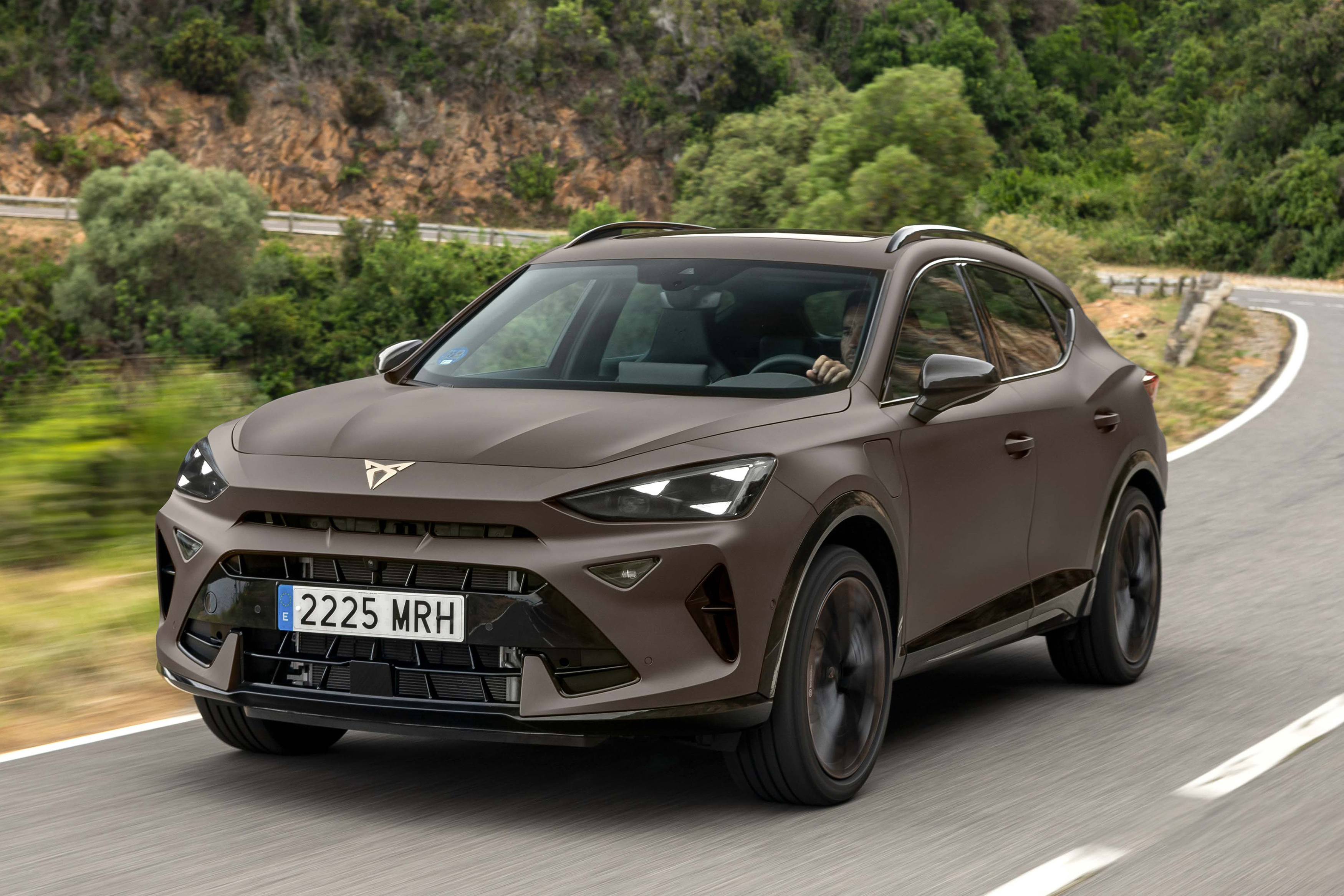
The Cupra Formentor is the style-led alternative. It is a little more overtly sporty in feel and image, and it suits buyers who want their family car to look and feel more assertive. It is less roomy in the back than the Peugeot 408, though.
The Renault Arkana is another crossover-coupe style rival, but it is smaller and less upmarket-feeling inside. It makes sense if you like the silhouette but do not need as much cabin space or boot room.
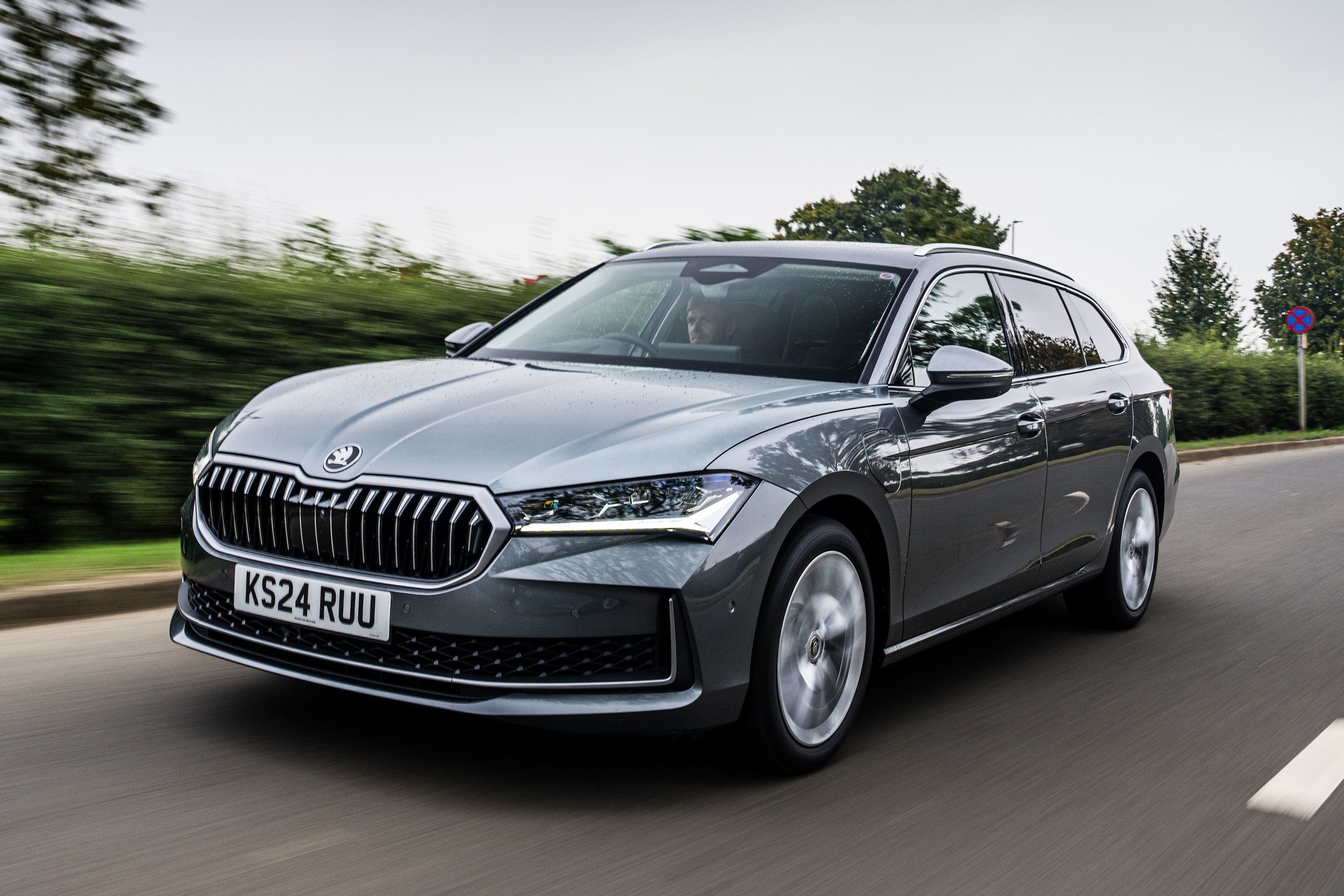
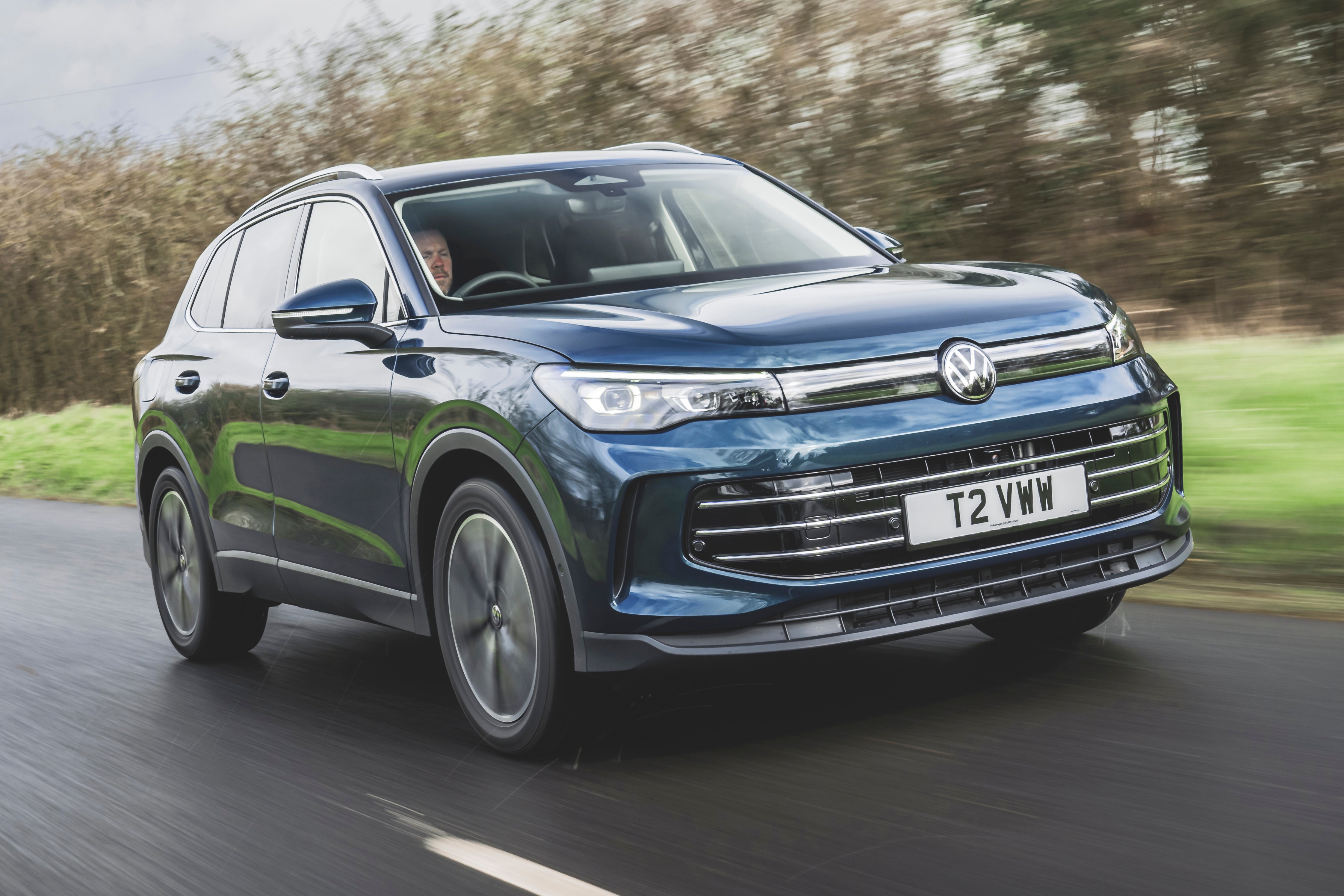
Beyond those three, a Skoda Superb Estate remains the more practical, rational answer if outright space matters more than style, while a Volkswagen Tiguan makes a stronger case if you want a conventional SUV. The Peugeot 408 makes the most sense if you want something that splits the difference between those classes while looking a lot less predictable.
What's the interior like in the Peugeot 408?
The Peugeot 408’s cabin is one of its best features. It looks and feels a cut above many mainstream alternatives, and it gives the car the kind of showroom appeal a left-field choice like this really needs.
Peugeot 408 boot space and practicality
The Peugeot 408 is surprisingly practical given its shape. Up front, there is plenty of room, and the slightly raised seating position gives you a more commanding feel than a conventional hatchback or estate. It still feels like a car rather than an SUV, but it offers a useful halfway-house driving position that many buyers will like.
Rear-seat space is good. Peugeot quotes 183mm of rear knee room, and that tallies with the sense of space you get in the back. Adults should be comfortable, though the sloping roofline does take a slight bite out of outright headroom compared with a more upright SUV.
The boot is another strong point. Hybrid versions offer up to 536 litres, which is a very healthy figure and enough for bulky family luggage, a buggy or a big weekly shop. Plug-in hybrid versions drop to 471 litres because the battery eats into the underfloor storage area, but that is still usable enough by class standards.
Fold the rear seats and there is up to 1,611 litres of space in the hybrid, or 1,545 litres in the plug-in hybrid. That means the Peugeot 408 is more practical than its sleek shape suggests, even if a conventional estate still does the same job more neatly.
Peugeot 408 dimensions
The Peugeot 408 measures 4,690mm long, 1,859mm wide & 1,478mm high. That makes it larger than a Peugeot 308 SW and gives it a noticeably bigger footprint than many family hatchbacks.
In practical terms, it feels long on the road, but not especially awkward. You get the sense of driving a substantial family car without the extra bulk and height of a traditional SUV. That is part of the 408’s appeal.
Tech and infotainment in the Peugeot 408
Technology is one of the Peugeot 408’s stronger areas. Every version gets a 10.0-inch central touchscreen and a 10.0-inch digital instrument display, which immediately makes the car feel modern and well equipped.
The customisable i-Toggles shortcut panel beneath the main screen is also worth mentioning, because it is one of the smarter Peugeot ideas in recent years. It gives you quicker access to your most-used functions and helps avoid some of the frustration touchscreen-heavy systems can cause.
Apple CarPlay and Android Auto are standard, and the screen itself is neatly integrated into the dashboard rather than looking like an afterthought. The system is not perfect, but it is easy enough to use and it suits the 408’s polished cabin well.
Materials available on the Peugeot 408
The Peugeot 408 feels more upmarket than a lot of mainstream family cars. Soft-touch finishes, neat trim detailing and the strong overall design all help give it a richer impression than buyers might expect from the badge alone.
GT and GT Premium trims lift that further with Alcantara, more elaborate ambient lighting and extra trim flourishes, but even Allure does a respectable job of feeling well finished. Peugeot’s move upmarket is more convincing here than it was in some older models.
What's the Peugeot 408 like to drive?
The Peugeot 408 leans more towards comfort and refinement than outright sportiness. It feels composed rather than exciting, which suits the sort of buyer likely to choose it.
Peugeot 408 range and performance
The current Peugeot 408 line-up is centred on the Hybrid 145 and the Plug-in Hybrid 240. Older petrol-only and lower-powered plug-in variants are around on the used market, but the new-car range is now simpler.
The Hybrid 145 is the accessible option. It uses a 1.2-litre petrol engine with mild-hybrid assistance and should suit buyers who want better everyday efficiency without needing to plug in.
The Plug-in Hybrid 240 uses a 1.6-litre petrol engine and electric motor, giving the 408 much stronger performance and the ability to cover up to 50 miles on electric power alone in official testing. That makes it the more versatile option if you can charge regularly.
There is an electric version too, but our Peugeot E-408 review covers that in more detail.
For most buyers, the Hybrid 145 is the sensible choice. The Plug-in Hybrid 240 is the one to choose if your charging setup and budget make it viable.
Performance data
| Model | Engine/battery size | Power | 0-62mph | Range/MPG |
|---|---|---|---|---|
408 Hybrid 145 | 1.2-litre | 145PS | 10.2 seconds | Up to 56.5mpg |
408 Plug-in Hybrid 240 | 1.6-litre | 240PS | 7.8 seconds | Up to 123.8mpg / 50 miles |
Peugeot 408 driving and refinement
The Peugeot 408 feels light and easy to drive, helped by the small steering wheel that has become a Peugeot signature. Around town it is simple enough to place, visibility is decent and the raised ride height helps give you a slightly more commanding feel than a regular hatchback.
It is not especially sporty, though. The steering is light rather than rich in feel, and the plug-in hybrids in particular carry enough extra weight that you notice it if you start pressing on. A Cupra Formentor is more engaging if that matters to you.
Where the Peugeot 408 works best is in refinement. Wind and road noise are well suppressed, the suspension is generally comfort-oriented and it feels like a good long-distance car. The petrol engine is only really obvious if pushed hard, and the plug-in hybrid is at its smoothest when you are able to use plenty of electric running.
Overall, the 408 drives like a well-sorted family car that happens to look unusual rather than a radically different proposition. That is no bad thing.
How safe is the Peugeot 408?
The Peugeot 408 received a four-star Euro NCAP rating in 2022. That is not disastrous, but it is slightly disappointing by modern family-car standards and worth knowing if safety ratings are a major priority.
Standard equipment is strong, though. You get lane-keep assistance, driver-attention alert and autonomous emergency braking, while higher trims add more advanced systems such as adaptive cruise control, lane positioning assist and broader driver-assistance packs.
Running costs: What it's like to live with a Peugeot 408
The Peugeot 408 should be reasonably affordable to run in Hybrid 145 form, while the Plug-in Hybrid 240 can be very efficient if it is used in the right way. The key is matching the powertrain to your lifestyle.
Peugeot 408 fuel economy
The Hybrid 145 is officially rated at up to 56.5mpg, which is a strong enough figure for a large family fastback like this and should make it a relatively painless car to live with day to day.
The Plug-in Hybrid 240 is much more use-case dependent. Official fuel economy spans 92.7 to 123.8mpg, but those numbers only really make sense if you keep the battery charged and do enough short journeys to benefit from electric running.
Peugeot says the 408 Plug-in Hybrid offers up to 50 miles of electric range in WLTP testing. Used well, that can make it very cheap to run. Used badly, it will feel much less impressive.
Peugeot 408 warranty and servicing
Peugeot’s standard warranty is three years from first registration. In the first two years it is unlimited mileage, while the third year is capped at 60,000 miles.
Servicing intervals are more precise than generic Peugeot wording sometimes suggests. The Hybrid is due every 12 months or 16,000 miles, while the Plug-in Hybrid is listed as every 12 months or 20,000 miles. The plug-in hybrid battery is separately covered for up to eight years or 100,000 miles.
Peugeot 408 insurance groups
Insurance groups for the Peugeot 408 should be viewed in two clear bands. Older 1.2-litre petrol versions sat in groups 19 to 21, while the plug-in hybrids fell into groups 28 to 31. In current range terms, that means the Hybrid 145 should sit below the PHEV for insurance cost, while the Plug-in Hybrid 240 is likely to be the pricier one to cover.
As always, actual quotes matter more than the group alone, but the Peugeot 408 is not out of step with rivals once you compare like-for-like power and specification.
How much does it cost to tax a Peugeot 408?
The Peugeot 408 now costs £200 a year in VED after year one, which is the current standard annual rate.
The Expensive Car Supplement applies to cars with a list price of more than £40,000. If a Peugeot 408 crosses that threshold, you pay an extra £440 a year for five years from the second year of registration, on top of the standard £200 annual VED rate. That means a qualifying car costs £640 a year for those five years.
That is particularly relevant for higher-spec plug-in hybrid versions, which can sit close to or above the threshold depending on trim and options.
What trims are available with the Peugeot 408?
The Peugeot 408 line-up is centred on Allure, GT and GT Premium.
Allure already comes with a lot. Standard highlights include the 10-inch infotainment screen, 10-inch digital driver display, LED lights, navigation, reversing camera and strong safety kit. It covers the essentials well and does not feel basic.
GT is the more design-led choice. It adds the sharper visual details, upgraded ambient lighting, a heated steering wheel and more advanced assistance features that help the Peugeot 408 feel more premium and more distinctive.
GT Premium sits at the top and is the indulgent version. It adds Alcantara trim, a Focal premium sound system, a wireless phone charger and the 360-degree Vision Pack. This is the trim that best shows off the 408’s more upmarket ambitions.
In simple terms, Allure is the smartest buy, GT is the style-led choice and GT Premium is the luxury version.
Ask the Drive experts: common questions
Is the Peugeot 408 an SUV?
Which Peugeot 408 is best?
Is the Peugeot 408 practical?
Is the Peugeot 408 worth buying over an SUV?
Get our latest advice, news and offers
Keep me updated by email with the latest advice, news and offers from Drive.
.jpg)