Suzuki S-Cross Review

Written By Andrew Brady
- 2021
- SUV
- Petrol mild hybrid
What we love
Generous standard equipment
Strong reputation for reliability
Optional ALLGRIP four-wheel drive
Things to consider
Interior feels dated beside newer rivals
Rear passenger space is only average
Road and wind noise are noticeable
The DRIVE take on the Suzuki S Cross, is it the right car for you?
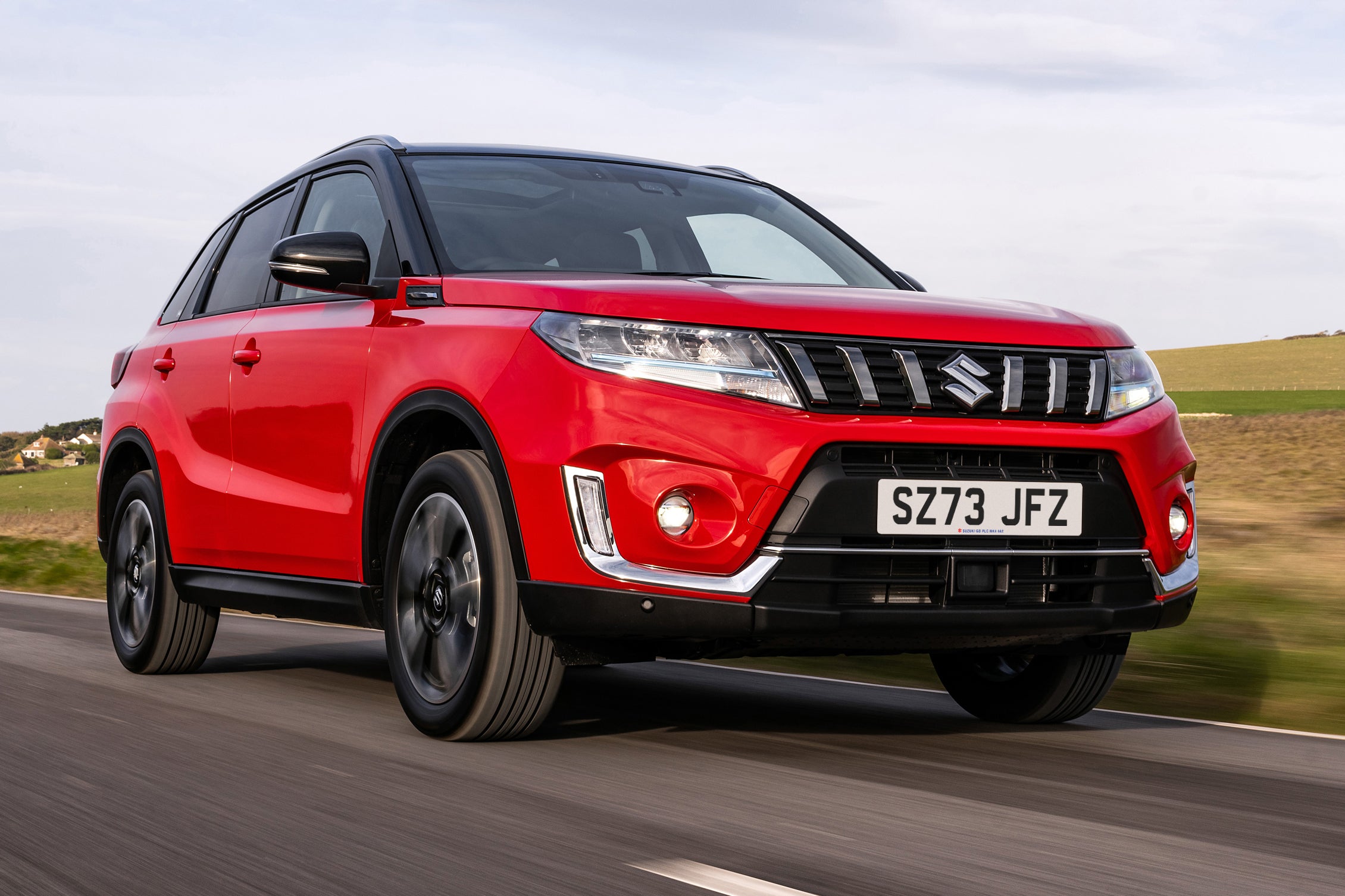
The Suzuki S-Cross is a sensible SUV for buyers who value straightforward controls, dependable engineering and plenty of equipment for the money.
Its compact dimensions make it easy to use in town, while the 1.4-litre mild-hybrid engine provides useful performance and respectable fuel economy. ALLGRIP four-wheel drive also gives it more ability on slippery roads and muddy tracks than most similarly priced rivals.
The cabin lacks the polish and refinement of newer family SUVs, but the S-Cross remains practical, easy to drive and reassuringly uncomplicated.
The Suzuki S Cross in more detail
The Suzuki S-Cross sits between the smaller Vitara and mainstream family SUVs such as the Nissan Qashqai, Kia Sportage and Hyundai Tucson.
The current generation arrived in late 2021 as a heavily revised successor to the SX4 S-Cross. Although Suzuki presented it as a new model, much of the underlying structure and cabin architecture was carried over.
That continuity is reflected in a cabin that looks less modern than those of many rivals, with a traditional dashboard, basic displays and widespread hard plastic. It also helps keep the S-Cross relatively light and mechanically straightforward, contributing to useful performance, respectable economy and a strong reputation for dependability.
Suzuki originally offered two electrified petrol engines. The 1.4-litre Boosterjet uses 48V mild-hybrid assistance, while the 1.5-litre full hybrid combined an electric motor with an automated manual gearbox.
The full hybrid has since left the current UK range, leaving the 1.4-litre mild hybrid as the sole engine.
Buyers can choose a six-speed manual or six-speed automatic gearbox, with front-wheel drive fitted as standard. ALLGRIP four-wheel drive is available on selected Ultra versions and can send power to the rear wheels when the front tyres lose traction.
The S-Cross is not a serious off-roader, but the system provides useful reassurance on wet grass, muddy tracks and snow-covered roads. Its compact dimensions also make it easier to use on narrow rural lanes than many larger family SUVs.
There are two trim levels, Motion and Ultra.
Motion includes most of the equipment buyers are likely to need, including heated front seats, adaptive cruise control, front and rear parking sensors and smartphone connectivity.
Ultra adds leather upholstery, a larger infotainment screen, a panoramic sunroof and a 360-degree camera.
The S-Cross is smaller than many cars marketed as family SUVs, so buyers should not expect the passenger space or luggage capacity of a Kia Sportage or Skoda Karoq. Its 430-litre boot remains useful, however, while the upright seating position and large windows provide the everyday convenience many SUV buyers want.
What's the best Suzuki S Cross trim and engine option?
The Suzuki S-Cross 1.4 Boosterjet Mild Hybrid Motion manual is the best all-round version because it combines the strongest economy with a generous standard specification and the lowest price in the range.
Motion includes 17-inch alloy wheels, LED headlights, dual-zone climate control, heated front seats, keyless entry and front and rear parking sensors. A reversing camera, adaptive cruise control, blind-spot monitoring and smartphone connectivity are also standard.
The manual gearbox has a light clutch and an easy shift action, while the 129PS engine feels livelier than its modest output suggests.
Ultra adds leather upholstery, polished alloy wheels, integrated navigation, a larger touchscreen, a 360-degree camera and a panoramic sunroof. These additions make the cabin more inviting but do not improve passenger space or refinement.
ALLGRIP is worth considering for drivers who regularly use slippery rural roads, tow a small trailer or need to cross wet fields. Front-wheel drive remains the cheaper and more economical choice for ordinary road use.
What’s the price of the Suzuki S Cross?
The Suzuki S-Cross Motion manual currently starts at £23,999 after Suzuki’s advertised customer saving.
Motion automatic costs from £25,599, while the Ultra manual is priced from £26,499. The Ultra automatic costs from £28,099, while Ultra models with ALLGRIP start at £28,299 for the manual and rise to £29,899 for the automatic.
Full-hybrid cars are also available second-hand, but their hesitant automated manual gearbox makes the 1.4-litre mild hybrid the more convincing choice.
Alternatives to the Suzuki S Cross
The Skoda Karoq is roomier, more refined and better finished inside. Equivalent cars generally cost more, while four-wheel drive is restricted to selected versions.
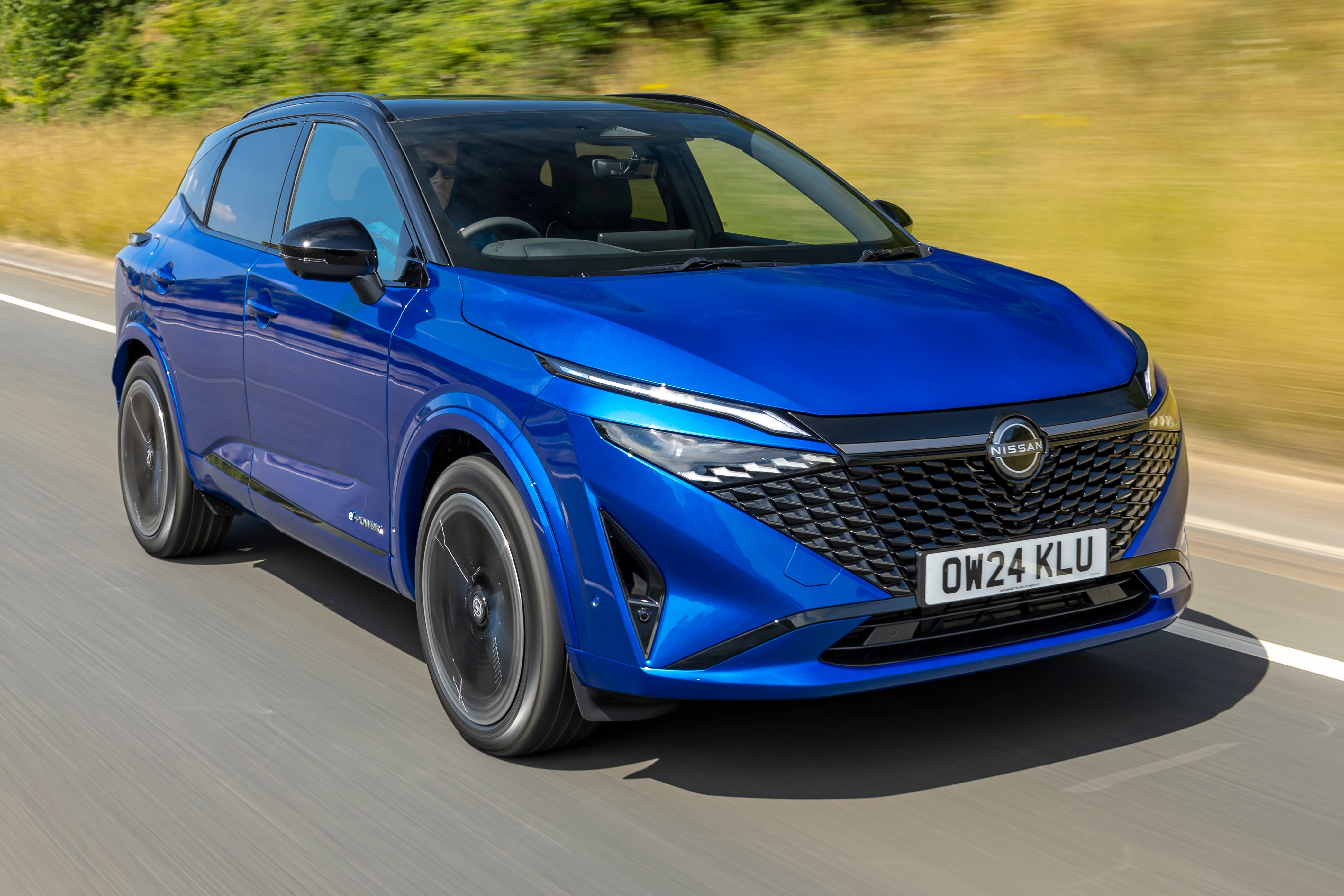
The Nissan Qashqai has a far more modern cabin and stronger motorway refinement. The Suzuki is simpler and usually cheaper.
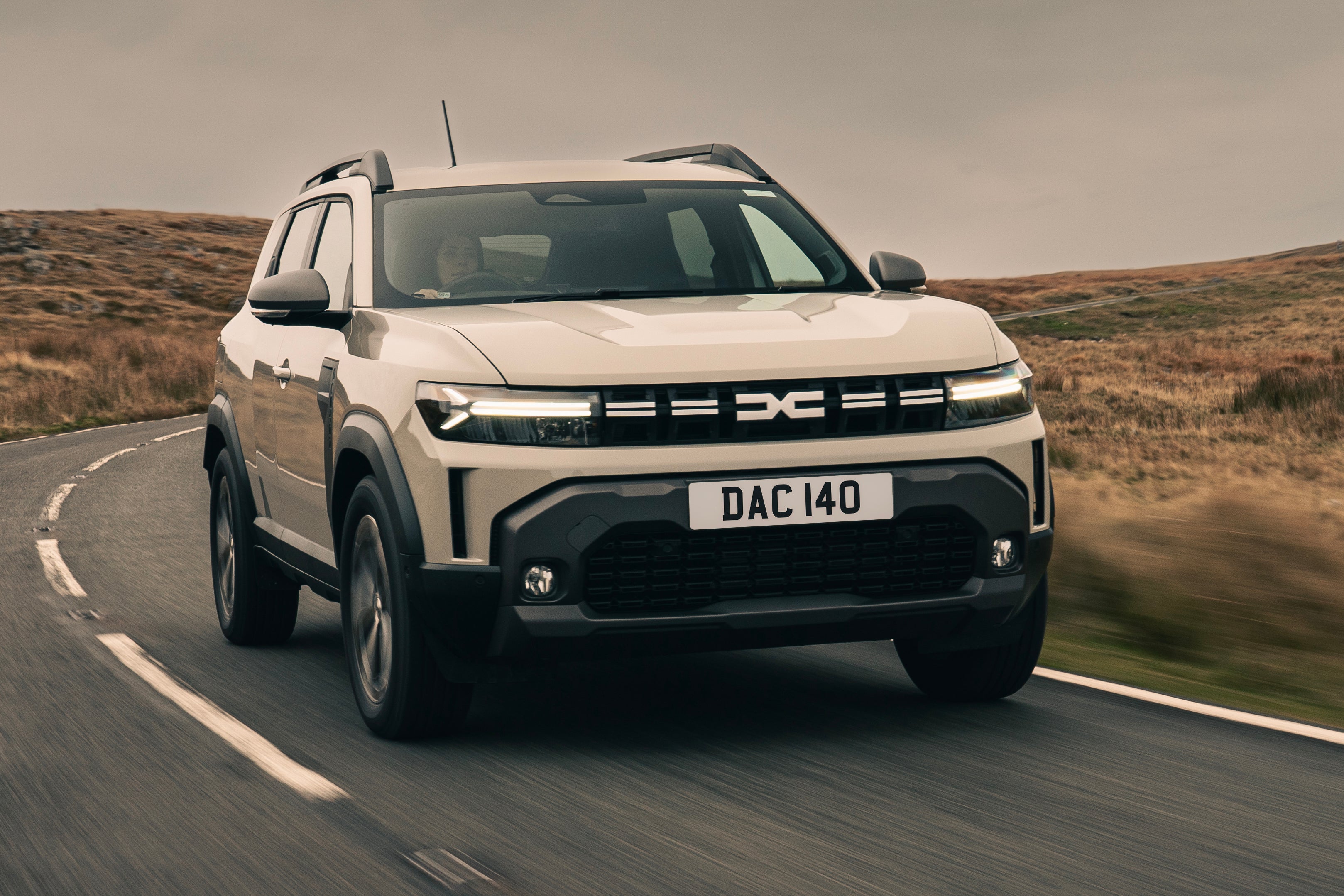
The Dacia Duster provides more space and stronger off-road ability for the money. Its cabin feels similarly basic, while some versions are less refined than the S-Cross.
The Suzuki Vitara is slightly smaller and cheaper, with much the same engine and four-wheel-drive technology. The S-Cross provides a larger boot and a little more rear passenger room.
What's the interior like in the Suzuki S Cross?
The S-Cross has a functional and hard-wearing cabin with good visibility, simple controls and comfortable front seats, although its design and materials feel dated beside those of newer rivals.
Suzuki S Cross boot space and practicality
The Suzuki S-Cross's exterior dimensions stand at 4300mm long, 1785mm wide and 1593mm tall. In non-shocking news, that's precisely the same length and width as the old SX4 S-Cross, but new roof rails add more height. Again, the assertion that this is an 'all-new car' doesn't really hold up to scrutiny...
The S-Cross's external size makes it a full 125mm shorter than a Nissan Qashqai, and slightly narrower and lower, too. It's longer than a VW T-Roc, though. The exterior space reflects what is a more compact offering in the class, and larger families with more stuff to carry are better off looking elsewhere.
We've no complaints with space up-front, with the panoramic roof on Ultra trim not impeding headroom and good storage including a centre armrest cubby. In the rear, however, things are not especially generous in terms of space.
A couple of kids or teenagers will be fine, but six-footers will find headroom quite limited (particularly with that panoramic roof fitted) because the seats are mounted higher than those in the front. Legroom isn't too bad, nor is shoulder room, but there are certainly more accommodating family SUVs out there. At least you do get reclining rear seat backs: not all rivals do.
The Suzuki S-Cross's boot capacity of 430 litres with the seats up is more than a typical hatchback, at least. It's also a good square shape, with a wide tailgate opening and an adjustable boot floor to make a flat load area with the seats folded. Hooks, a removable luggage cover and cubbies on either side also make it fairly practical, but the seats only fold in a simple 60/40 split and don't slide back and forth.
Suzuki S Cross dimensions
The Suzuki S-Cross measures 4,300mm long, 1,785mm wide & 1,585mm high, making it shorter and narrower than many mainstream family SUVs.
Its compact footprint helps on narrow roads and in multi-storey car parks, while light steering reduces the effort required for low-speed manoeuvres.
Motion includes front and rear parking sensors plus a reversing camera, while Ultra adds a 360-degree camera that provides a clearer view of obstacles around the car.
Tech and infotainment in the Suzuki S Cross
Entry-level Suzuki S-Cross models come equipped with a 7.0-inch touchscreen infotainment system with Bluetooth, DAB radio, Apple CarPlay and Android Auto. Annoyingly, we couldn't get the latter to connect to our Samsung phone, but we can't necessarily blame the car for that.
Upgrading to Ultra trim changes the screen size to nine inches, plus brings built-in sat-nav. Both screens have a broadly similar interface, however. They're bright and clear enough, but a bit laggy and slow to load menus at times, while the touch-sensitive shortcut buttons are a bit fiddly.
Nevertheless the sat-nav works quite well, and Ultra trim also brings a 360-degree camera system. A neat touch is that the camera system gives you a tour of the immediate exterior of the car on start-up, which is great if your neighbour's old deaf cat has a habit of sleeping behind the car.
There are a couple of USB connectors in the Suzuki S-Cross, but no USB-C to charge up the latest gadgets. The standard stereo isn't brilliant but it does a fairly decent job with your tunes, although there's no audio upgrade like in some rivals.
Materials available on the Suzuki S Cross
The S-Cross cabin prioritises durability over visual appeal, with hard plastic used across much of the dashboard, doors and centre console.
The surfaces feel robust and the switches operate with a reassuringly solid action, but the dated design, traditional instruments and manual handbrake make the interior look older than the cabins in most current family SUVs.
Motion uses cloth upholstery, while Ultra adds leather seat trim, a leather-effect dashboard insert and a panoramic sunroof. These upgrades lift the atmosphere slightly without disguising the basic plastics beneath.
The doors also feel light when closed, although the cabin should withstand everyday family use well. Buyers who regularly carry children, pets or outdoor equipment may appreciate the easily cleaned finishes, while those seeking a more upmarket environment will find the Skoda Karoq and Nissan Qashqai considerably more convincing.
What's the Suzuki S Cross like to drive?
The S-Cross is light, easy to place and more agile than many family SUVs, although refinement and steering feel fall short of the class leaders.
Suzuki S Cross range and performance
You can get the Suzuki S-Cross with two engines: a 1.4-litre Boosterjet petrol (with a small amount of mild-hybrid electrical assistance), or a 1.5-litre 'full hybrid' that was first introduced on the Suzuki Vitara.
The 1.4-litre engine was initially available with a six-speed manual or six-speed automatic gearbox, but the introduction of the hybrid late in 2022 saw the auto dropped from the mild-hybrid model. That's not necessarily a bad thing; the manual gearbox has a light clutch and a decent throw, so is easy enough to use.
With 129PS and 235Nm of torque, the entry-level Suzuki S-Cross engine is more than eager enough, especially when you consider the car's relatively light kerbweight. We'd actually say it feels quicker than its 9.5-second 0-62mph time suggests, with a real urgency in the mid-range. It does get a bit thrashy at high revs, but you won't need to take it there that often.
If you want a Suzuki S-Cross with an automatic gearbox, you'll now need a hybrid model. A word of warning about the gearbox, though: it's an automated manual transmission, which can be a bit erratic in its responses.
The hybrid setup works fine, although it doesn't feel as well polished as hybrid versions of rivals like the Hyundai Tucson and Kia Sportage. It's not fast, either - accelerating to 62mph in 12.7 seconds in front-wheel-drive Motion trim, or 13.5 seconds as a four-wheel-drive Ultra. That's considerably slower than the regular petrol model...
Performance data
| Model | Engine/battery size | Power | 0-62mph | Range/MPG |
|---|---|---|---|---|
S-Cross Motion 2WD | 1.4-litre | 129PS | Up to 52.3mpg | |
S-Cross Ultra ALLGRIP | 1.4-litre | 129PS | Up to 47.8mpg | |
S-Cross Motion 2WD automatic | 1.4-litre | 109PS | Up to 48.7mpg | |
S-Cross Ultra ALLGRIP automatic | 1.4-litre | 109PS | Up to 46.3mpg |
Suzuki S Cross driving and refinement
The S-Cross’s low weight helps it respond neatly to steering inputs and limits body lean through bends.
Its steering is very light, which suits urban driving but provides little feedback on faster roads. Grip is reassuring and the car remains predictable, even though it lacks the precision of a Ford Kuga or SEAT Ateca.
The suspension absorbs most smaller bumps effectively without feeling overly soft. Sharper potholes can produce a noticeable thump, but the ride remains broadly comfortable on typical British roads.
Wind and tyre noise are more apparent at motorway speeds than they are in a Nissan Qashqai or Skoda Karoq, while the engine becomes vocal during stronger acceleration. A steady cruise is reasonably comfortable, but drivers covering frequent long motorway journeys may prefer a more refined rival.
ALLGRIP versions offer selectable driving modes for different conditions. Auto uses front-wheel drive wherever possible and sends power rearwards when extra traction is required, while Snow prepares the system for slippery surfaces and Lock provides stronger low-speed traction.
The S-Cross can cope confidently with muddy tracks, wet grass and winter roads, although its road-focused tyres and modest ground clearance limit more serious off-road use.
How safe is the Suzuki S Cross?
The current S-Cross has not been awarded a contemporary Euro NCAP rating.
The previous SX4 S-Cross received five stars in 2013, but that result was achieved under a much older and less demanding test protocol and should not be applied directly to the current car.
Standard safety equipment is extensive and includes autonomous emergency braking, adaptive cruise control, blind-spot monitoring and rear cross-traffic alert.
Lane-departure warning, lane-keeping assistance, traffic-sign recognition and driver monitoring are also included.
The broad assistance package is competitive for the price, but buyers prioritising the latest independent crash-test performance may prefer a newer rival with a current Euro NCAP assessment.
Running costs: What it's like to live with a Suzuki S Cross
The S-Cross combines reasonable fuel economy with moderate insurance costs and Suzuki’s service-activated warranty.
Suzuki S Cross fuel economy
The manual front-wheel-drive S-Cross returns up to 52.3mpg, making it the most economical current version.
The automatic returns approximately 48.7mpg, while ALLGRIP reduces economy further because of its additional weight and drivetrain losses. The least economical automatic four-wheel-drive version achieves around 46.3mpg.
Real-world results in the mid to high 40s should be achievable in mixed driving, particularly with the manual model.
Suzuki S Cross warranty and servicing
The standard manufacturer warranty covers three years or 60,000 miles, after which Suzuki’s service-activated warranty can renew cover following each qualifying dealer service until the car reaches 10 years old or 100,000 miles.
Owners must continue using participating Suzuki dealers and follow the required maintenance schedule to retain the additional cover.
The S-Cross has a strong reputation for mechanical reliability, while the long-serving 1.4-litre Boosterjet engine and relatively simple mild-hybrid system are well established.
Suzuki S Cross insurance groups
Current S-Cross models sit broadly between insurance groups 18 and 22, with manual front-wheel-drive cars generally at the lower end and automatic or ALLGRIP versions towards the top.
These ratings are broadly competitive for a compact family SUV, although premiums vary significantly according to the driver, location and insurer.
How much does it cost to tax a Suzuki S Cross?
Annual Vehicle Excise Duty from the second licence is £200, and mild-hybrid versions do not receive a separate discount. Every current S-Cross costs less than £40,000, so the Expensive Car Supplement does not apply.
What trims are available with the Suzuki S Cross?
Motion is the entry point to the range and includes 17-inch alloy wheels, LED headlights, keyless entry and dual-zone climate control.
Heated front seats, front and rear parking sensors and a reversing camera are also standard.
The seven-inch infotainment system includes DAB radio, Apple CarPlay and Android Auto, while the safety package covers adaptive cruise control, autonomous emergency braking, blind-spot monitoring and rear cross-traffic alert.
Ultra adds polished 17-inch alloy wheels, leather upholstery, a panoramic sunroof and a larger nine-inch infotainment screen with navigation.
It also includes a 360-degree camera and additional interior trim.
ALLGRIP four-wheel drive is available with selected Ultra versions, while both trims can be ordered with an automatic gearbox.
Ask the Drive experts: common questions
Is the Suzuki S-Cross a full hybrid?
Is the Suzuki S-Cross available with four-wheel drive?
How big is the Suzuki S-Cross’s boot?
Which Suzuki S-Cross is best?
Get our latest advice, news and offers
Keep me updated by email with the latest advice, news and offers from Drive.
.jpg)
.jpg)