Dacia Duster Review

Written By Al Suttie
- 2024
- SUV
- Mild hybrid petrol, full hybrid
What we love
Excellent value for money
More capable off road than most small SUVs
Distinctive design and a much more grown-up feel than before
Things to consider
Some cabin plastics still feel cheap
Infotainment is functional rather than slick
Full hybrid is not as convincing as the mild hybrid on value
The DRIVE take on the Dacia Duster, is it the right car for you?
The Dacia Duster remains one of the easiest family SUVs to recommend if you care more about what a car can actually do than what badge sits on its nose. It is roomy enough, comfortable enough and useful enough to cover most family-car duties without fuss, but it also has a bit more character and off-road ability than the average small SUV. The latest version looks tougher, feels more modern and is better sorted than its predecessor, yet it still undercuts most rivals on price. It is not especially plush, and some alternatives are more polished on the road, but the Dacia Duster continues to make a very strong case for itself.
The Dacia Duster in more detail
The Dacia Duster has been one of the big success stories of the affordable-car market because it never tried to be something it was not. Previous versions succeeded by being simple, sturdy and usefully cheaper than the competition, while still offering the kind of practicality and SUV appeal buyers actually wanted.
This third-generation Dacia Duster follows the same basic thinking, but it is a noticeably more sophisticated effort. The styling is bolder, the interior looks more modern, the road manners are tidier and the line-up is easier to understand than before. So although the formula has not really changed, the end result feels more mature.
Browse used Dacia Dusters for sale →
That is important, because the compact SUV market has become much more crowded. The Duster is now competing not just with mainstream small SUVs such as the Ford Puma, Volkswagen T-Roc, Peugeot 2008 and Renault Captur, but also with ever-better value alternatives from brands that have sharpened their own pricing and equipment strategies.
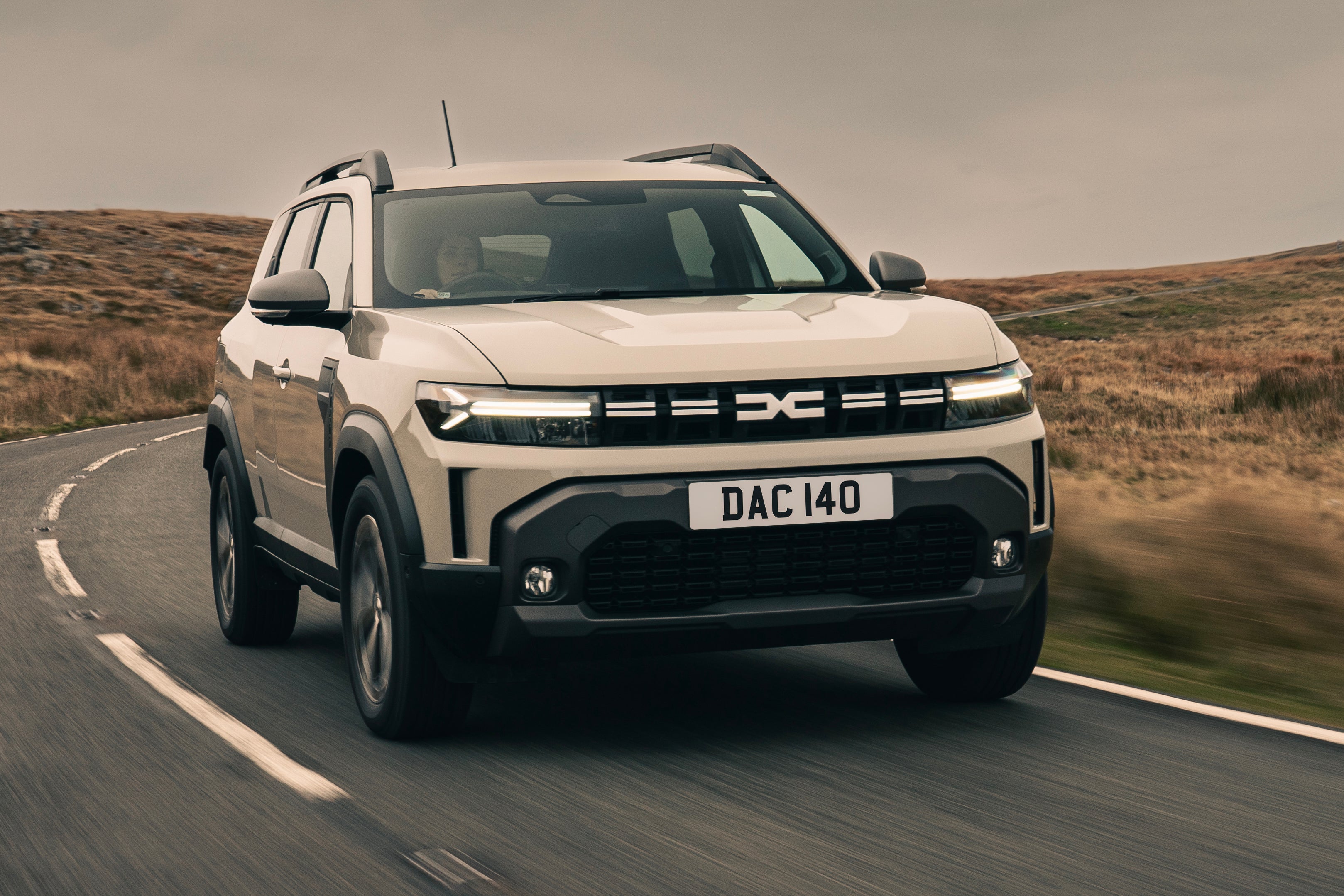
Even so, the Dacia Duster still stands out. Partly that is because Dacia has not tried to sand away the car’s rugged edges entirely. The high ground clearance, tough-looking cladding and honest cabin materials give it a sense of purpose that many softer, more fashion-led crossovers lack. It still feels like the sort of car you could happily take down a muddy lane, onto a farm track or over a rough campsite approach without wincing.
The current UK range also reflects that simpler, more focused approach. The line-up now centres on the mild hybrid 140 and the full hybrid 155, with Expression, Journey and Extreme trims making up the main walk-up. That is a more coherent range than the older mix of LPG, hybrid 140 and mild hybrid 130 variants that shaped much of the early coverage.
In practice, that means the Dacia Duster now feels less like a budget oddball and more like a well-judged mainstream SUV that just happens to cost less than most of its rivals. The cheap plastics and slightly sluggish infotainment are still there to remind you how Dacia keeps the price down, but the overall impression is much stronger than that might suggest.
What's the best Dacia Duster trim and engine option?
For most buyers, the Dacia Duster mild hybrid 140 in Journey trim is likely to be the sweet spot. The 1.2-litre mild-hybrid petrol is punchy enough to suit the Duster well, and it avoids the added cost and slightly less convincing value equation of the full hybrid.
Journey trim is the sensible point in the range because it brings the larger infotainment screen with navigation, front parking sensors, climate control and the extra cabin and convenience kit many buyers will actually want, without pushing the car too far beyond the Duster’s value-led brief.
If you regularly drive on rough tracks, tow on slippery surfaces or genuinely need more off-road reassurance, the 4x4 version remains the specialist choice. For everyone else, the front-wheel-drive mild hybrid is the one that makes the strongest all-round case.
What’s the price of the Dacia Duster?
The current Dacia Duster range runs from £21,845 to £27,595 in the UK.There are also plenty of used Dacia Dusters for sale for considerably less.
That is one of the main reasons the Dacia Duster remains so appealing. Even if you no longer get the extremely bare-bones version that once grabbed the headlines, the Duster is still notably cheaper than many obvious rivals, especially once you compare like-for-like trim and engine levels.
At the lower end of the range, it looks like strong value against smaller mainstream alternatives. Higher up, a Dacia Duster can still undercut many similarly powered and equipped rivals by several thousand pounds. That does not make it automatically better than those cars, but it gives it a very strong head start.
Alternatives to the Dacia Duster
The Renault Captur is one of the clearest alternatives if you want something a little more polished and modern-feeling inside while staying within the same wider family of engineering. The Peugeot 2008 is also worth a look if you prefer a more style-led cabin and a slightly more urban feel.
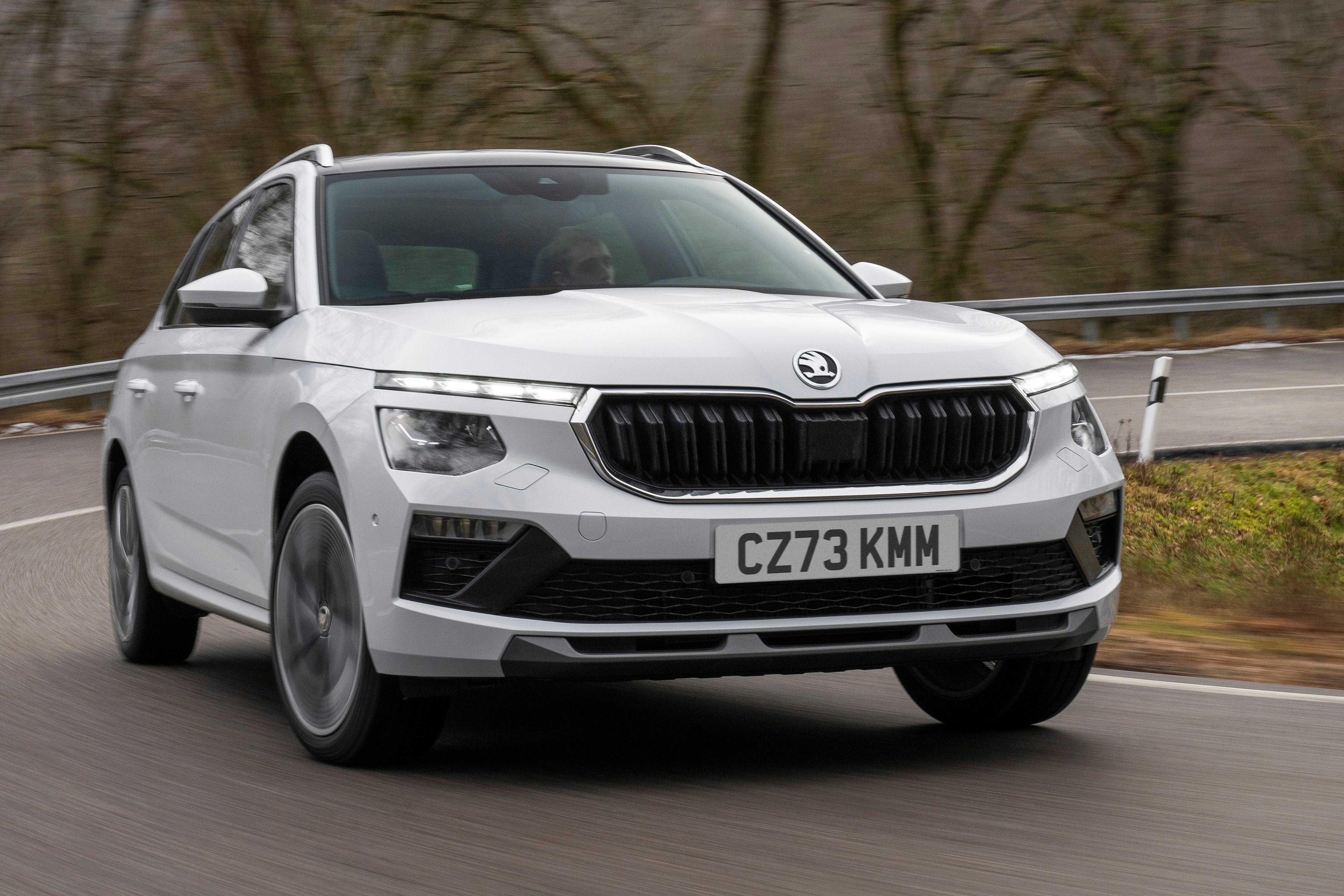
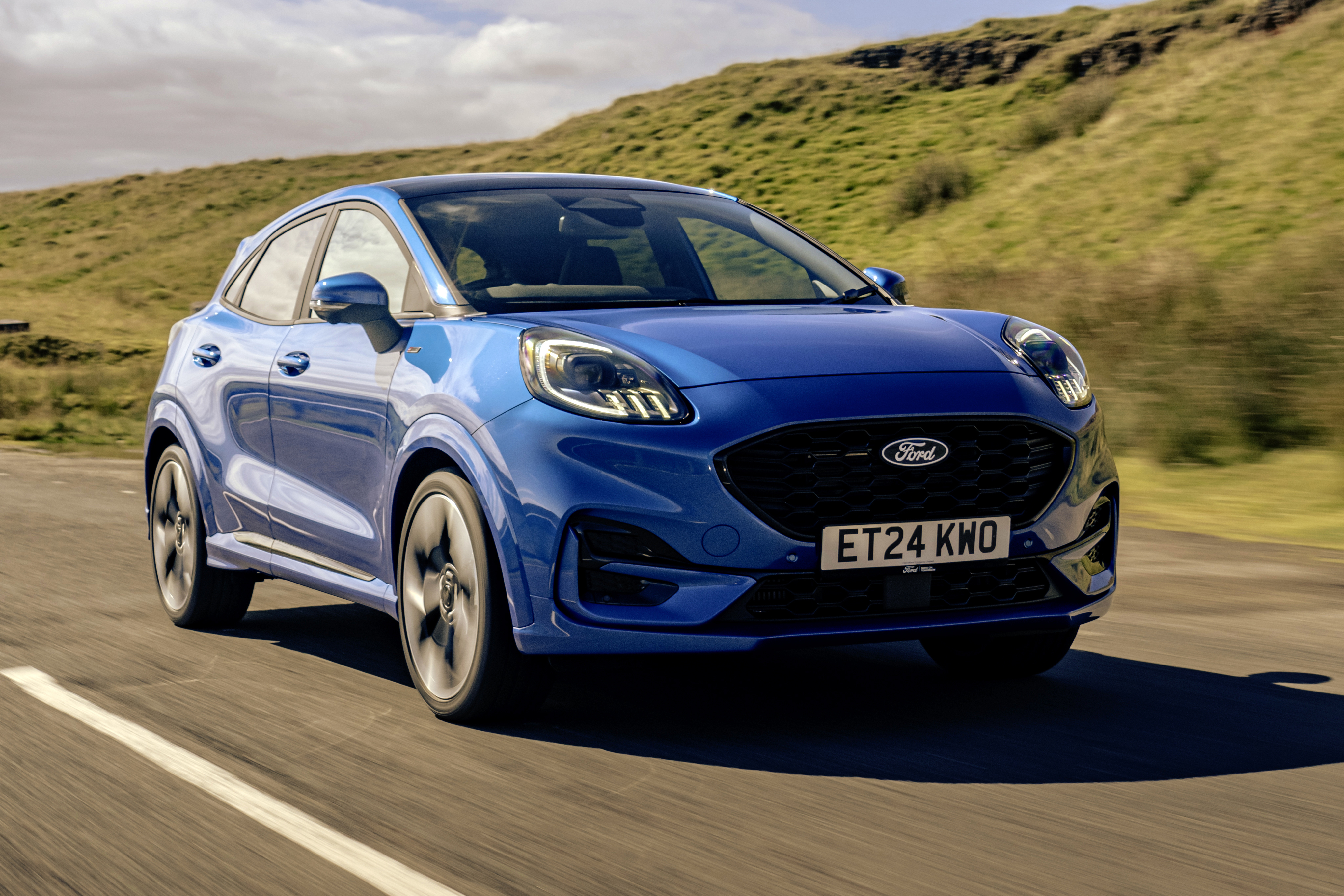
The Ford Puma remains one of the strongest rivals if you care about driving enjoyment, while the Volkswagen T-Roc brings a more polished badge and more mature motorway manners. The Skoda Kamiq is another sensible alternative if family usability is your main concern.
If ruggedness is what attracts you to the Dacia Duster, the Suzuki Vitara is one of the few obvious alternatives that still offers some of the same honest, no-nonsense appeal. Even then, the Duster still feels like the more off-road-minded thing.
What's the interior like in the Dacia Duster?
The Dacia Duster’s interior is one of the car’s biggest improvements over the old model. It still does not pretend to be plush, but it looks more interesting and more modern than before, and it suits the car’s straightforward character well.
Dacia Duster boot space and practicality
The Dacia Duster is usefully practical in a way that should satisfy most families. The front seats offer good visibility and a pleasantly upright driving position, and there is enough adjustment for most drivers to get comfortable without much effort.
Rear-seat access is easy thanks to the wide-opening doors and the relatively high ride height. That same ride height also makes the Duster feel more convenient when loading children into car seats than many lower-slung hatchbacks or crossovers.
Space in the rear is good rather than exceptional. There is enough room for adults to sit comfortably in the outer seats, and headroom is strong because the roofline stays sensibly square. Three abreast is possible because the floor is fairly flat and the centre seat is broad enough, but shoulder room is tighter than in a larger SUV.
Boot space depends on which version you choose. The mild hybrid 140 offers up to 517 litres, while the full hybrid 155 offers 430 litres. That means the mild hybrid is the version to choose if luggage capacity matters most.
In practical terms, the Duster’s 517-litre boot is a very strong number for this class. It comfortably beats many small SUV alternatives and gives the car a genuine family-car advantage. The hybrid’s 430 litres is less impressive, and that changes the value case quite significantly depending on which version you choose.
The Dacia Duster is not perfect here. The loading lip is fairly high, and there is a step down to the load floor, so heavier items are not quite as easy to slide in and out as they would be in a lower estate or hatchback. Still, the basic luggage area is usefully square and easy enough to exploit.
Dacia Duster dimensions
The Dacia Duster measures 4,343mm long, 1,813mm wide and 1,616mm high. Ground clearance is 209mm in current UK specification, which remains one of the Duster’s big selling points.
Those figures explain a lot about how the car feels. It is compact enough to be easy to place and easy to park, but tall and upright enough to feel more substantial than many similarly sized crossovers. The Duster is not a big SUV, but it has a more robust stance than most of its direct rivals.
Tech and infotainment in the Dacia Duster
The Dacia Duster’s infotainment story depends heavily on trim. Expression and above get the 10.1-inch touchscreen set high in the centre of the dash, which is the system most buyers will care about.
Functionally, it covers the essentials well enough. Apple CarPlay and Android Auto are both available, the menus are clear enough and the higher trims bring built-in navigation. The screen’s placement is good too, because it sits high and close to the driver’s natural eyeline.
The weak point is speed. The system is not especially quick to respond, and there is a slight delay to some inputs that reminds you this is a value-focused SUV rather than a tech showcase. It is not a disaster, but it does feel less slick than the systems used in some rivals.
The good news is that Dacia has not pushed everything into the touchscreen. There are still proper physical controls for the heating and ventilation, which makes the Duster easier to live with than many supposedly more modern alternatives.
Materials available on the Dacia Duster
The Dacia Duster makes no attempt to hide the fact that it is built to a budget. Most of the plastics are hard and durable rather than soft and plush, and you will not mistake it for a Volkswagen or Peugeot if you run your fingers around the cabin.
That said, the design does a decent job of lifting the ambience. The shapes are interesting, the finishes are better mixed than before and the overall assembly feels solid enough. So while the Duster is not rich in tactile luxury, it is much more convincing than some buyers might expect from the badge or the price.
What's the Dacia Duster like to drive?
The Dacia Duster drives in a way that suits its character. It is not sporty, and Dacia has wisely resisted the temptation to make it feel artificially sharp. Instead, the emphasis is on comfort, security and easy-going everyday manners.
Dacia Duster range and performance
The current Dacia Duster line-up now centres on two main powertrains in the UK.
The mild hybrid 140 is the one that makes the strongest all-round case. It is usefully quicker than the old 130hp unit, and in normal driving it feels alert enough to suit the Duster’s relatively light, straightforward character.
The full hybrid 155 adds automatic convenience and stronger urban manners. Around town, it can spend a useful amount of time running quietly on electric power alone, and that helps the Duster feel more refined at lower speeds. The problem is that the real-world economy advantage is not transformative, while the extra purchase price and smaller boot make it a little harder to justify.
Older launch coverage also discussed the Eco-G LPG model and mild hybrid 130 4x4. Those versions are now much less central to the current UK range story, though the 4x4 concept still matters to the Duster’s identity because it underlines the car’s rough-road credibility.
Performance data
| Model | Engine/battery size | Power | 0-62mph | Range/MPG |
|---|---|---|---|---|
Dacia Duster mild hybrid 140 | 1.2-litre petrol mild hybrid manual | 140PS | 9.4 seconds | 52.3mpg |
Dacia Duster full hybrid 155 | 1.6-litre full hybrid automatic | 155PS | 9.9 seconds | 55.3mpg |
Dacia Duster driving and refinement
The Dacia Duster’s suspension sits in a sensible middle ground. It is softer and more forgiving than a lot of small SUVs, which helps it deal well with poor surfaces, potholes and broken B-roads, but it is also more controlled than the old model was.
The result is a car that feels calm and predictable rather than entertaining. It corners neatly enough, with less body lean than before, and there is no sense of drama or fuss, but neither is there much in the way of involvement. That is perfectly acceptable in a family SUV like this.
The steering is light enough around town and accurate enough on faster roads. More importantly, the Duster feels easy to place. The upright shape and good visibility give it a confidence-inspiring feel in tight spaces and on narrow roads.
Refinement is acceptable rather than excellent. There is more wind noise than in the class best, and the hybrid’s petrol engine can become quite vocal when it cuts in under load. The mild hybrid is the more natural, more coherent powertrain from behind the wheel.
One area where the Dacia Duster really stands apart is on rougher surfaces. That 209mm of ground clearance gives it a level of shrug-it-off ability that many rivals simply do not have, and it remains much happier than most small SUVs when the tarmac ends.
How safe is the Dacia Duster?
The Dacia Duster earned a three-star Euro NCAP rating in 2024. That is not an especially flattering headline in a market where many rivals post four or five stars, and it is something buyers should be aware of.
Euro NCAP’s detailed results show stronger child-occupant performance than some of the headline impression might suggest, but the Duster was marked down for vulnerable road-user protection and for its safety-assist performance. Dacia has been fairly open about not chasing top NCAP scores if it means adding cost for features its buyers may not prioritise.
That said, the Duster still includes a useful spread of standard safety kit, including automatic emergency braking, lane-keeping assistance, traffic-sign recognition, rear parking sensors and cruise control. So it is not devoid of safety technology. It just does not match the most comprehensively equipped rivals in this area.
Running costs: What it's like to live with a Dacia Duster
The Dacia Duster’s running-cost story is one of the main reasons it continues to appeal. It is not just cheap to buy. Chosen carefully, it should also be reasonably affordable to own.
Dacia Duster fuel economy
The full hybrid 155 returns up to 55.3mpg, while the mild hybrid 140 manages up to 52.3mpg. On paper, that gives the hybrid an edge, but it is not a huge one.
That is why the mild hybrid still makes such a compelling case. In return for only a small efficiency sacrifice on paper, you get a simpler-feeling powertrain, a bigger boot and a lower purchase price.
The full hybrid will suit buyers who spend a lot of time in slower urban traffic, because that is where its electric running is most noticeable and most beneficial. Outside that environment, it is a bit less persuasive than the headline numbers initially suggest.
Dacia Duster warranty and servicing
Dacia’s standard warranty remains three years or 60,000 miles, which is acceptable rather than outstanding.
The more relevant ownership point is the brand’s Dacia Zen scheme, which can extend cover up to seven years or 75,000 miles if the car is serviced within the Dacia network under the right conditions. That gives Dacia a more competitive ownership story than the basic warranty headline suggests.
Dacia Duster insurance groups
Insurance groups run from 17 for the cheapest version to 25 for the pricier models. That is a reassuringly sensible spread for a family SUV and one more area where the Duster keeps ownership costs in check.
How much does it cost to tax a Dacia Duster?
From the second year onwards, the Dacia Duster pays the standard VED rate for petrol and hybrid cars, which is now £200 a year.
The helpful thing here is that the Duster sits comfortably below the Expensive Car Supplement threshold, so there is no luxury-car tax sting waiting higher up the range. That means Duster buyers can budget on the regular annual rate rather than worrying about a much larger tax bill from years two to six.
What trims are available with the Dacia Duster?
The current Dacia Duster line-up is built around Expression, Journey and Extreme.
Expression is the entry point in the main range, but it is not especially sparse. It includes the 10.1-inch touchscreen, rear parking camera, electric rear windows, automatic lights and wipers, and 17-inch alloy wheels.
Journey is likely to be the trim many buyers will want because it adds built-in navigation, front parking sensors, climate control, a multi-view camera and a generally richer equipment mix that suits the Duster very well.
Extreme takes the more rugged route, with features such as modular roof bars, washable upholstery, heated front seats, a heated steering wheel and hill-descent control on the appropriate versions. If you want the Duster’s tougher, more outdoorsy character to come through most clearly, this is the trim to choose.
Ask the Drive experts: common questions
How much does the Dacia Duster cost?
Is the Dacia Duster a good family SUV?
Which Dacia Duster is best?
Is the Dacia Duster good off-road?
Get our latest advice, news and offers
Keep me updated by email with the latest advice, news and offers from Drive.
.jpg)