Used Volkswagen Tiguan for sale: everything you need to know
The Volkswagen Tiguan is a mid-sized SUV that is a popular choice for used buyers who want space and practicality with a more upmarket feel.
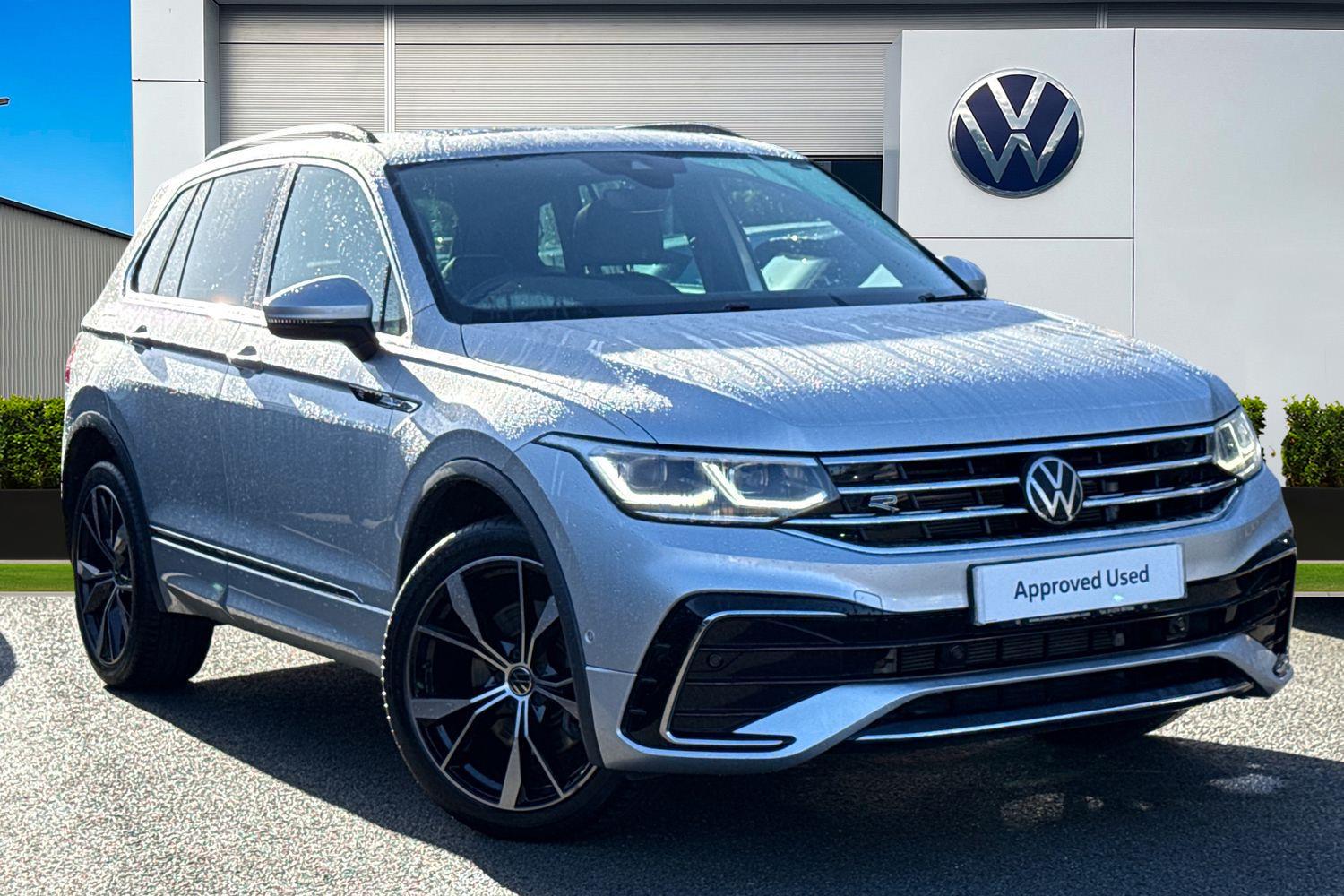
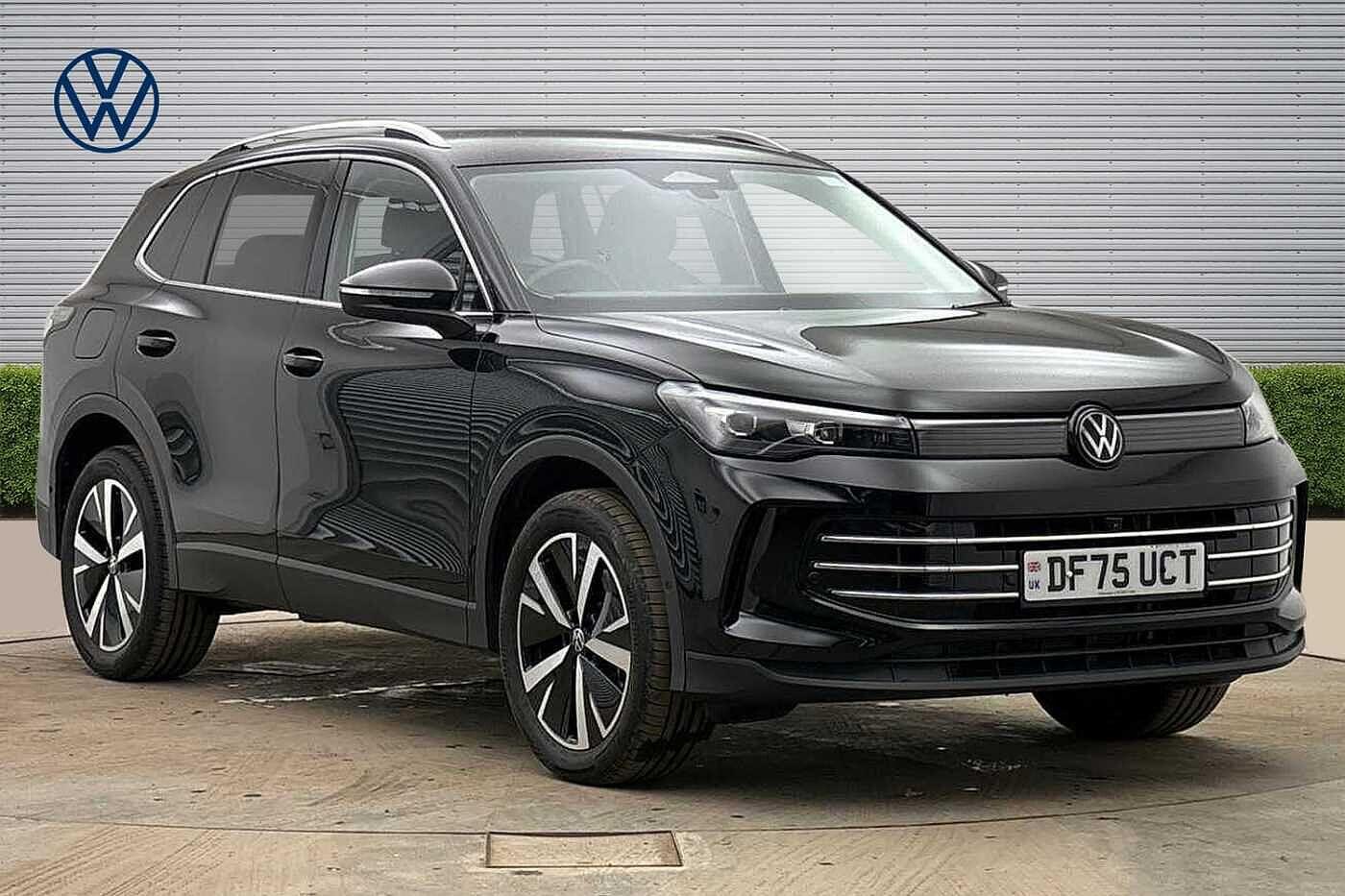
The previous generation Tiguan was introduced in 2016 so there are many examples available at a range of price points, while the current version has been on sale since 2024, and offers the latest technologies and the most efficient engine options. While diesel versions will suit higher mileage drivers, the impressive 1.4 and 1.5 TSI petrol options are best suited to most drivers.
How much does a used Volkswagen Tiguan cost?
The earliest examples of the second generation Tiguan are available from as little as £3,000, but at this price point most will have over 100,000 miles and will have one of the diesel engine options. Expect to pay £6,000 and upwards for a Tiguan with around 75,000 miles, and with petrol versions currently being the more desirable option they tend to attract a price premium over the more common diesel versions. The latest second generation cars will be around £30,000 with low mileage, with high-specification R-Line or eHybrid versions attracting the highest prices.
Second generation cars start at around £20,000 for lower specification cars with around 30,000 miles, while the most recent examples with less than 10,000 miles are closer to £40,000.
Which used Volkswagen Tiguan should you buy?
For second generation Tiguans, the 1.4 TSI version with 150PS or the later 1.5 TSI also with 150PS is the best all-rounder, as it offers a good blend of efficiency and performance as well as being impressively refined.
Higher mileage drivers may want to choose a diesel option, in which case the 2.0 TDI is quick enough while still being economical. Higher-powered Tiguan models come with 4MOTION four-wheel-drive, but unless you regularly drive in very poor weather or on dirt tracks, the extra weight and complication is not necessary.
On the current generation Tiguan, for most buyers the 1.5 eTSI engine with 150PS is the best pick, as again it provides useful performance alongside good fuel economy. If you have the ability to charge at home then the eHybrid is also a good option, with impressive range in all-electric mode giving the potential for substantial fuel savings.
Which Volkswagen Tiguan trim is best?
For the second generation Tiguan, SE on earlier examples and Match on later versions is a sensible choice, as it comes with useful extras over the base model such as climate control, navigation and adaptive cruise control depending on the year of manufacture.
All trim levels on the current Tiguan are well equipped, with the least expensive Life trim getting adaptive cruise control, climate control, wireless charging and a reversing camera. However the Match trim above it gives you more engine options, so this may be a better choice for some buyers.
What should you check when buying a used Volkswagen Tiguan?
On second generation Volkswagen Tiguans, early cars fitted with the 1.4 TSI engine can be affected by timing chains becoming slack if oil changes have not been carried out on time or to the correct specification, so a thorough check of the service history is a must. Automatic cars with DSG gearboxes and 4MOTION four-wheel-drive versions have specific service requirements too, so ensure that these actions have been carried out - every 40,000 miles for DSG gearboxes and every three years for 4MOTION systems.
Tiguans equipped with the higher specification Discover Pro infotainment system have been known to experience screen freezes and blackouts. Although this was rectified on later models, it is worth checking the functionality of the system.
With current generation Tiguans the main issues appear to be software related, with some owners experiencing problems with infotainment glitches and electrical systems. A thorough test drive including a test of the various functions is recommended.
How much does a Volkswagen Tiguan cost to run?
Despite its size, the Tiguan is capable of decent economy even with the smaller capacity TSI petrol units. On second generation cars official figures claim 40.1mpg, which means achieving close to that in the real world is possible, while diesel versions are capable of economy well into the high 40s. Current generation Tiguans are better still, with 40mpg or more possible from the eTSI model.
Insurance costs can vary significantly depending largely on the engine option. 1.4 TSI Tiguans in S or SE trim are in group 11, while a 2.0 TDI with 4MOTION is in group 20 for the second generation car. On current generation Tiguans, insurance groups range from 15 for a 1.5 TSI in Life trim up to 32 for 2.0 TSI models. eHybrid versions are rated differently, ranging from group 27 in Life trim to 31 in R-Line specification.
Early examples of the Tiguan registered before April 2017 are charged according to their CO2 emissions, which means the most efficient versions can be significantly cheaper than the less efficient versions. However, the majority of used Tiguans on the market will be newer than this, so will pay the standard VED rate, and models with a list price of more than £40,000 will pay the Expensive Car Supplement from years two to six. Current generation Tiguans will also pay the standard rate, and as the majority of versions had a list price of over £40,000 when new they will also be subject to the Expensive Car Supplement.
What are the alternatives to a used Volkswagen Tiguan?
Just as the Golf became the go-to hatchback for many car buyers, it’s a similar story for its SUV cousin, the Volkswagen Tiguan. A feelgood interior, space and comfort aplenty and powered by an efficient line-up of petrol and diesel engines, with plug-in hybrids also available in more recent years.
Variety adds spice to life, of course, so steering away from the VW doesn’t mean downgrading by opting for a mid-size SUV from a rival brand. One of the more popular is the Kia Sportage — its build quality and reliability surpass the Tiguans, even though its interior plastics are less of a tactile delight. Loads of room aboard with an array of efficient engines, including self-charging and plug-in types of hybrid.
If effortless comfort is more of a draw for you and you’re happy to sacrifice driver engagement in the process, the Citroen C5 Aircross could be worth a look. It doesn’t feel as special inside as the VW, but there’s proper leg-stretching space in the back, high levels of equipment and trick suspension components which iron out most road surface imperfections.
Fancy something more upmarket, combining efficiency, handling dynamism and room for your family and their clutter? The BMW X3 could be exactly what you’re looking for. As well as petrols, diesels and PHEVs, for the past few years the fully electric BMW iX3 version has also been available.
Need something bigger than a Volkswagen Tiguan?
While the old VW Tiguan Allspace — since replaced by the Volkswagen Tayron — offered a seven-seater interior, the rearmost row of seats were more designed for use than kids than adult-sized passengers.
If a more usable third-row is vital for you and your family’s needs, it’s hard to look past the all-round excellence of the Volvo XC90. Yes, the petrol engines can be thirstier than a hot bulldog in summer, but the diesels and PHEVs are much more pocket-friendly, even if the Volvo itself is on the pricey side.
A less expensive alternative can be found in the shape of the Kia Sorento, which also trumps the Tiguan for seven-seater space. It’s generously appointed, well made, has the reassuring balance of the remainder of its seven-year manufacturer’s warranty, but just don’t expect it to feel as posh inside as the VW, let alone the Volvo.
Read our full Volkswagen Tiguan review