12/10/2026
The best cars with WiFi: Top picks for 2026

Written By David Ross
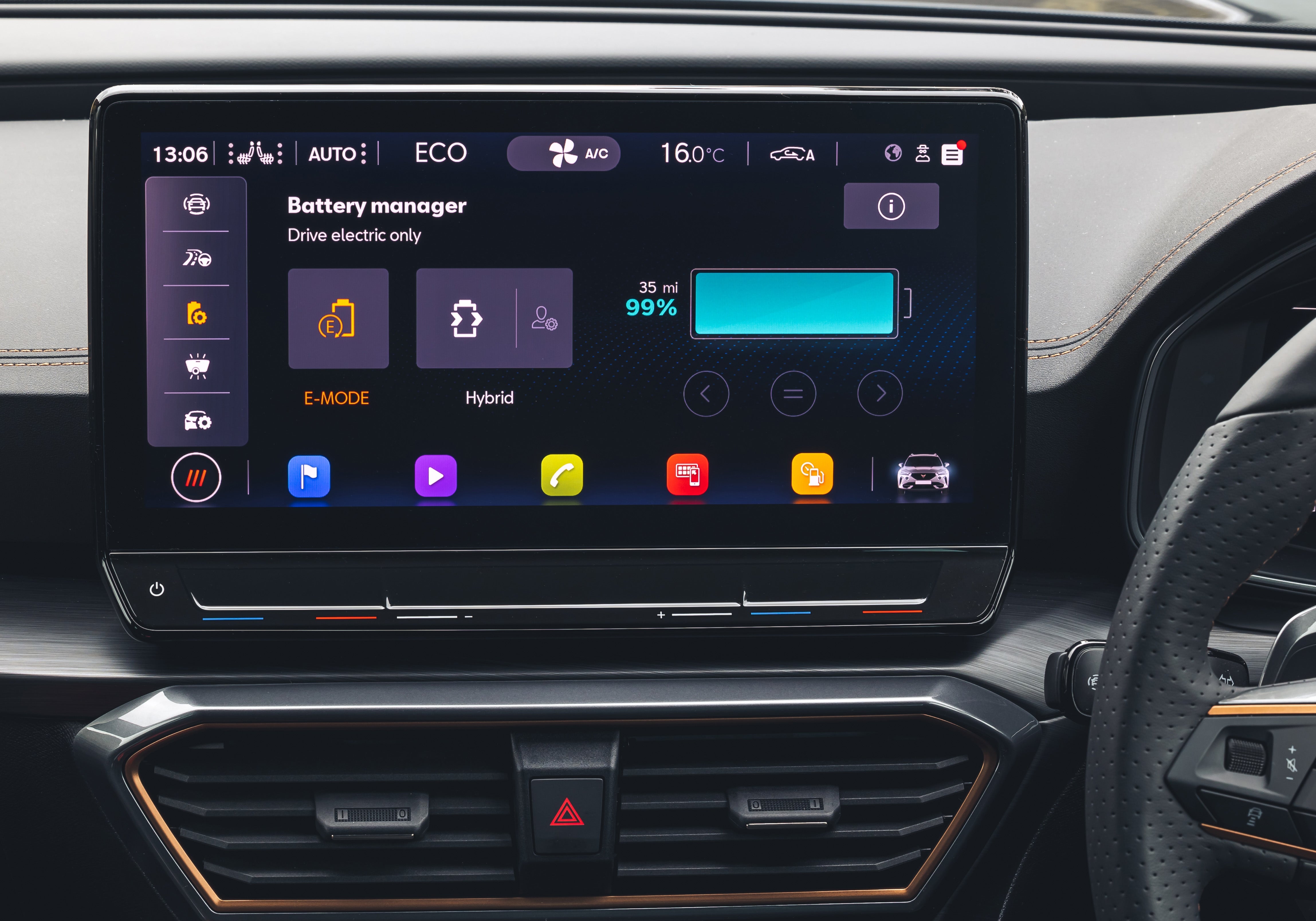
Whether you're keeping the kids entertained on a long journey, joining a video call between meetings or using live traffic updates to avoid delays, staying connected has become a useful feature. That's why many new cars now include built-in Wi-Fi, allowing passengers to connect phones, tablets and laptops without relying on a mobile hotspot.
We explain how in-car Wi-Fi works, whether it's worth paying for and highlight some of the best cars currently available with internet connectivity.
What is in-car Wi-Fi?
In-car Wi-Fi turns your vehicle into a wireless internet hotspot. Rather than relying on your phone to provide an internet connection, the car uses its own mobile data connection to create a secure Wi-Fi network that passengers can connect to.
Most modern systems use either an integrated SIM card or an eSIM built into the vehicle. The car connects to the mobile network before sharing that connection with devices inside the cabin.
Unlike a smartphone hotspot, the vehicle uses larger external antennas - usually housed within the roof-mounted shark-fin aerial –helping maintain a stronger signal in areas where mobile reception can be patchy. That means more reliable internet access on longer journeys and less drain on your phone's battery.
Many connected cars also use that same internet connection for features such as live traffic information, online navigation, remote vehicle functions and over-the-air software updates.
Best cars with built-in Wi-Fi
1. Volkswagen ID.7
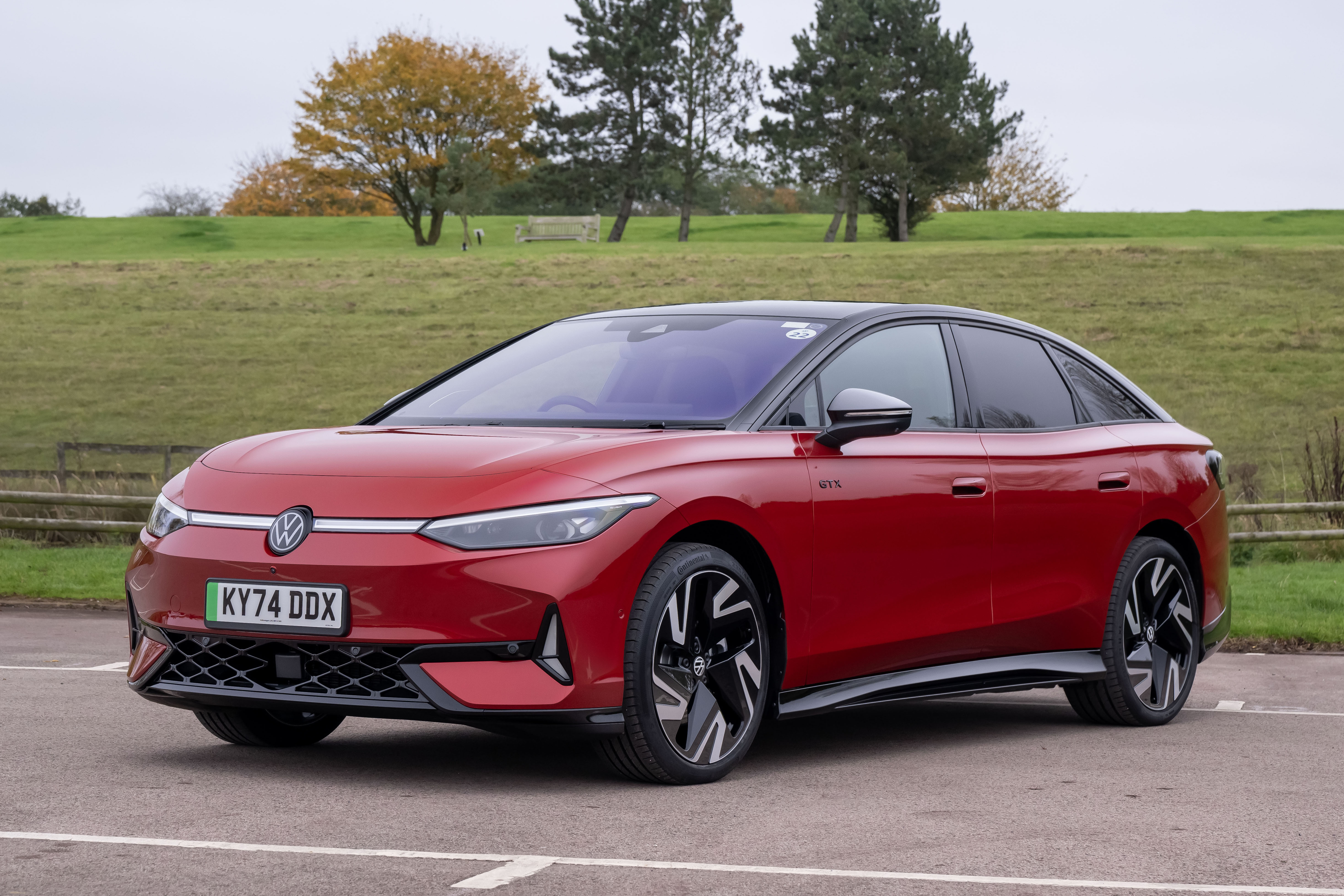
If connectivity is high on your priority list, the Volkswagen ID.7 is one of the most advanced electric cars currently on sale. Its large infotainment display is built around Volkswagen's latest software platform, with integrated internet services forming a central part.
The built-in hotspot supports multiple passengers, while online route planning automatically factors charging stops into longer journeys. Remote climate control, charging management and software updates all rely on the car's permanent internet connection, making the ID.7 feel more like a connected device than a conventional car.
For high-mileage owners, the ID.7's connected features really come into their own. Live traffic information constantly adjusts routes to avoid delays, while the charging planner recommends the most efficient stops based on battery level, driving style and weather conditions. The Wi-Fi hotspot means passengers can remain online throughout the journey, making the ID.7 ideal for those long family holiday drives.
2. Volkswagen Golf
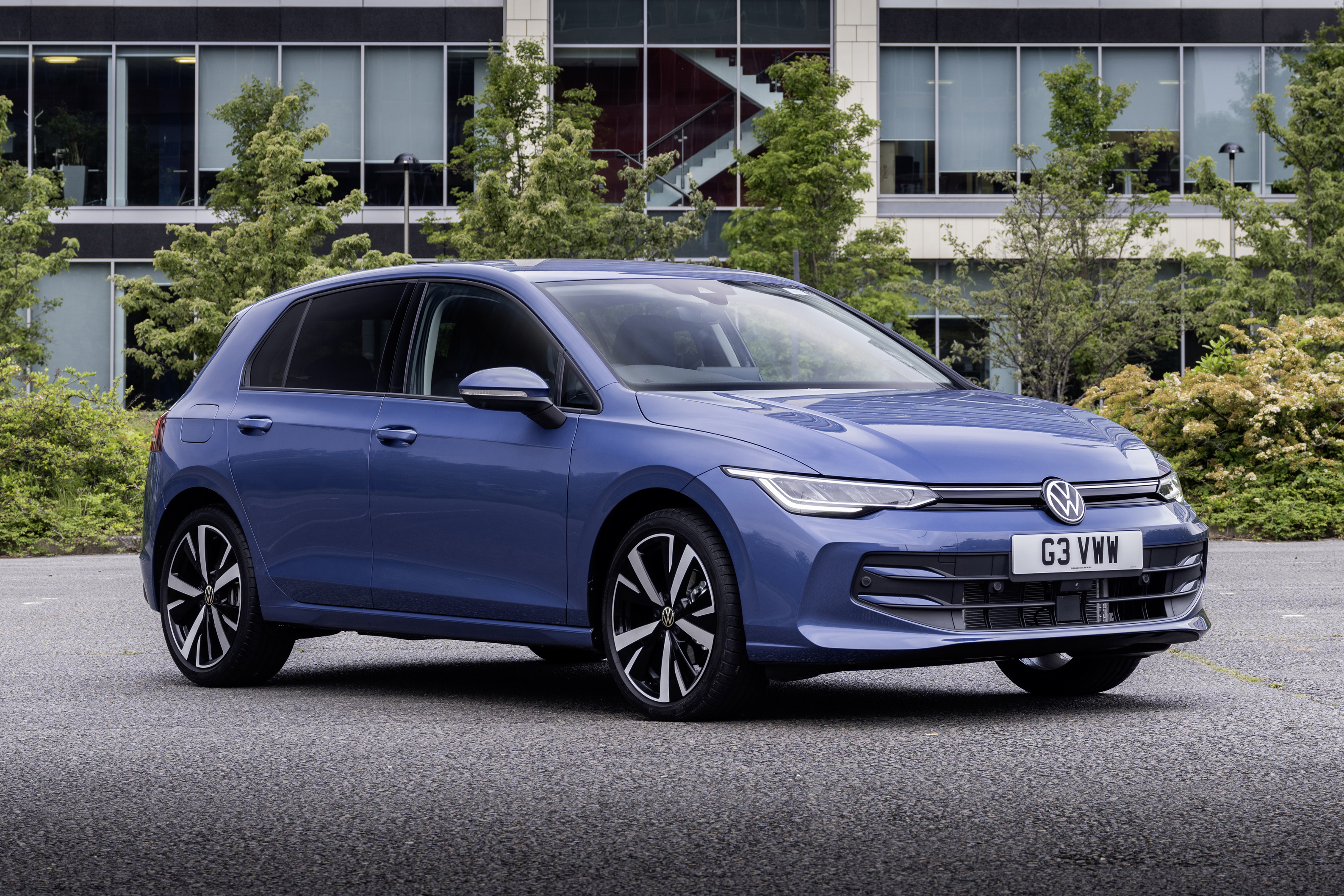
The Volkswagen Golf continues to be one of the easiest cars to recommend for buyers who want modern technology without unnecessary complexity. Every current model includes Volkswagen's connected services, while higher trims add an integrated Wi-Fi hotspot that supports multiple devices.
The system works seamlessly with live navigation, online voice control and over-the-air software updates. Families will appreciate how easily tablets and games consoles stay connected on long journeys, while you also get accurate live traffic information.
Another advantage of the Golf is how well integrated everything feels. The infotainment system is quick to respond and switching between navigation, media and connected services is straightforward. Owners can also use the Volkswagen app to remotely check the car's status, lock or unlock the doors on compatible models and even locate the vehicle in a busy car park. It's an excellent example of technology that genuinely makes everyday ownership easier rather than adding unnecessary complexity.
3. Škoda Enyaq
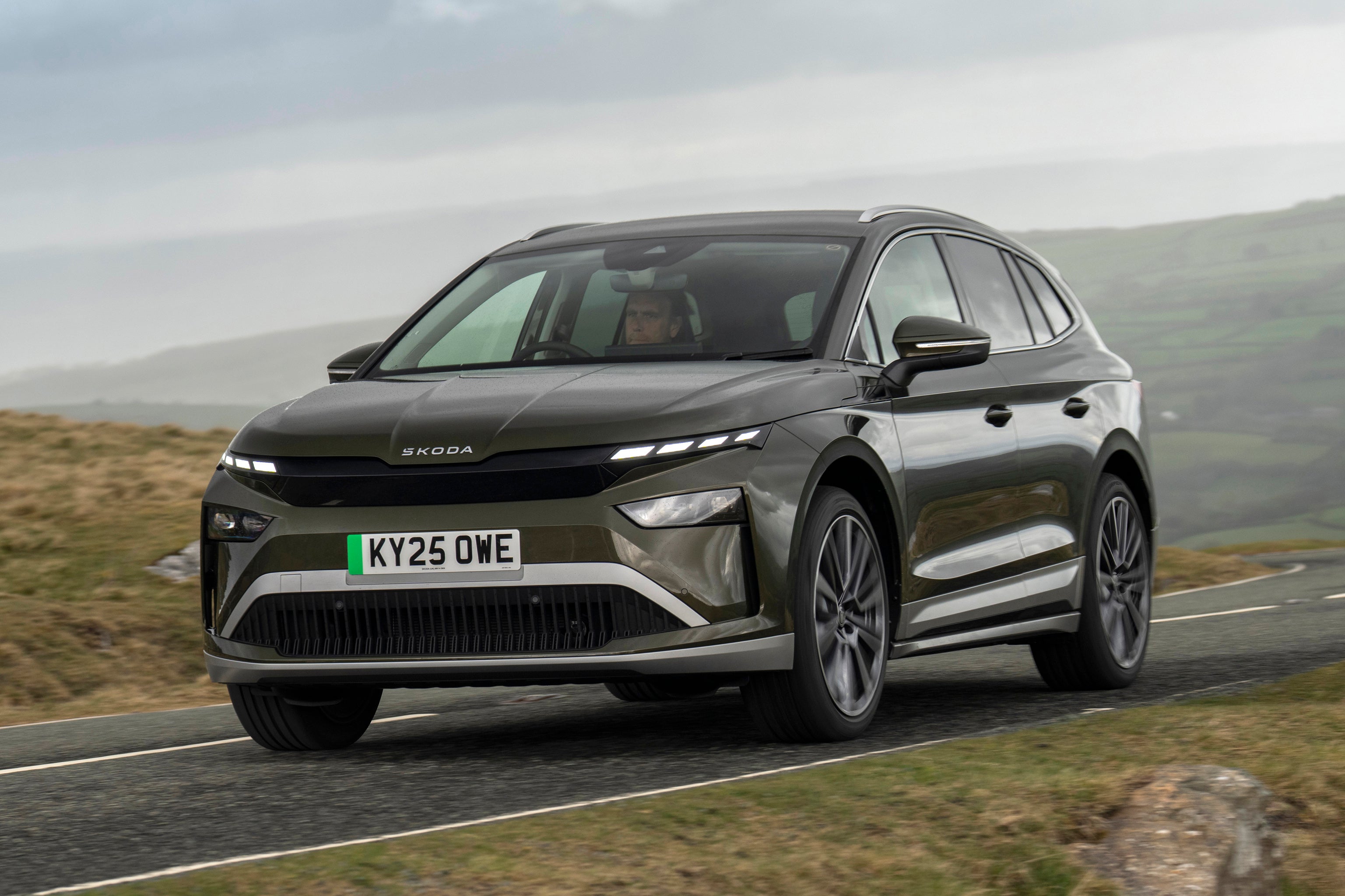
The Škoda Enyaq features an integrated hotspot to keep everyone online, while the car's internet connection powers charging route planning, live charger availability and regular software updates.
Multiple USB-C charging ports throughout the cabin add to the connected feel, making this an excellent choice for families travelling with several devices. It's one of the easiest electric SUVs to live with day to day.
Families will appreciate how well the Enyaq combines technology with practicality. Large door bins, plenty of storage and generous rear legroom make it easy to travel with children, while the built-in hotspot keeps everyone entertained. The connected services also allow owners to pre-heat or cool the cabin remotely before setting off.
4. BMW i5
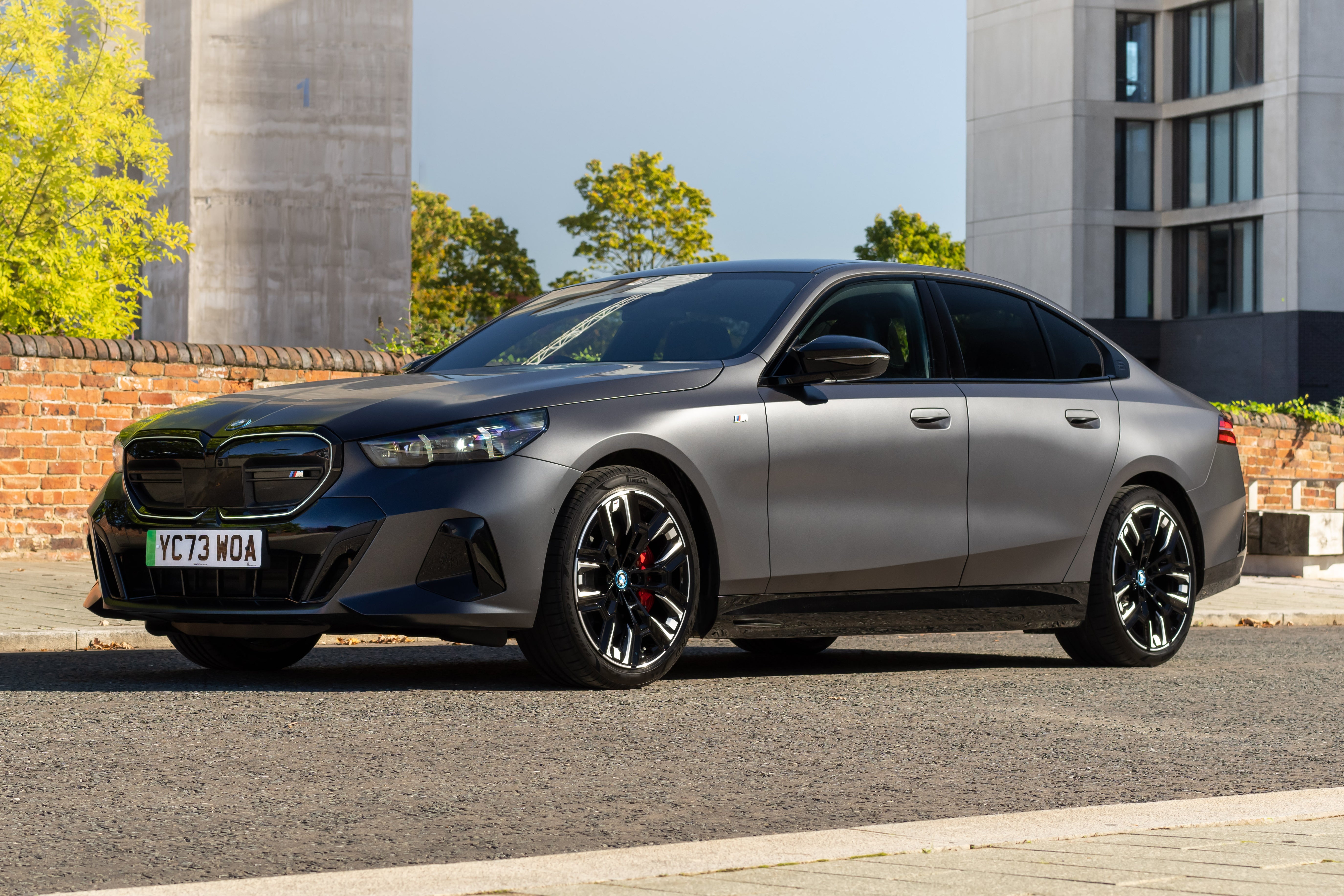
The BMW i5 takes a slightly different approach by allowing owners to use a Personal eSIM linked to their existing mobile contract. That creates a seamless 5G connection without needing a completely separate subscription.
Combined with BMW's curved infotainment display, passengers can stream content, browse online or even play games through AirConsole while charging or waiting for passengers.
Those who use the i5 for business will no doubt appreciate its ability to remain connected wherever the journey takes them. Video conferencing, cloud-based navigation and remote calendar integration all work seamlessly alongside the car's own connected services. BMW's Operating System is among the easiest to use, while regular software updates continue to add features and improve performance long after the car has been delivered.
5. Mercedes-Benz E-Class
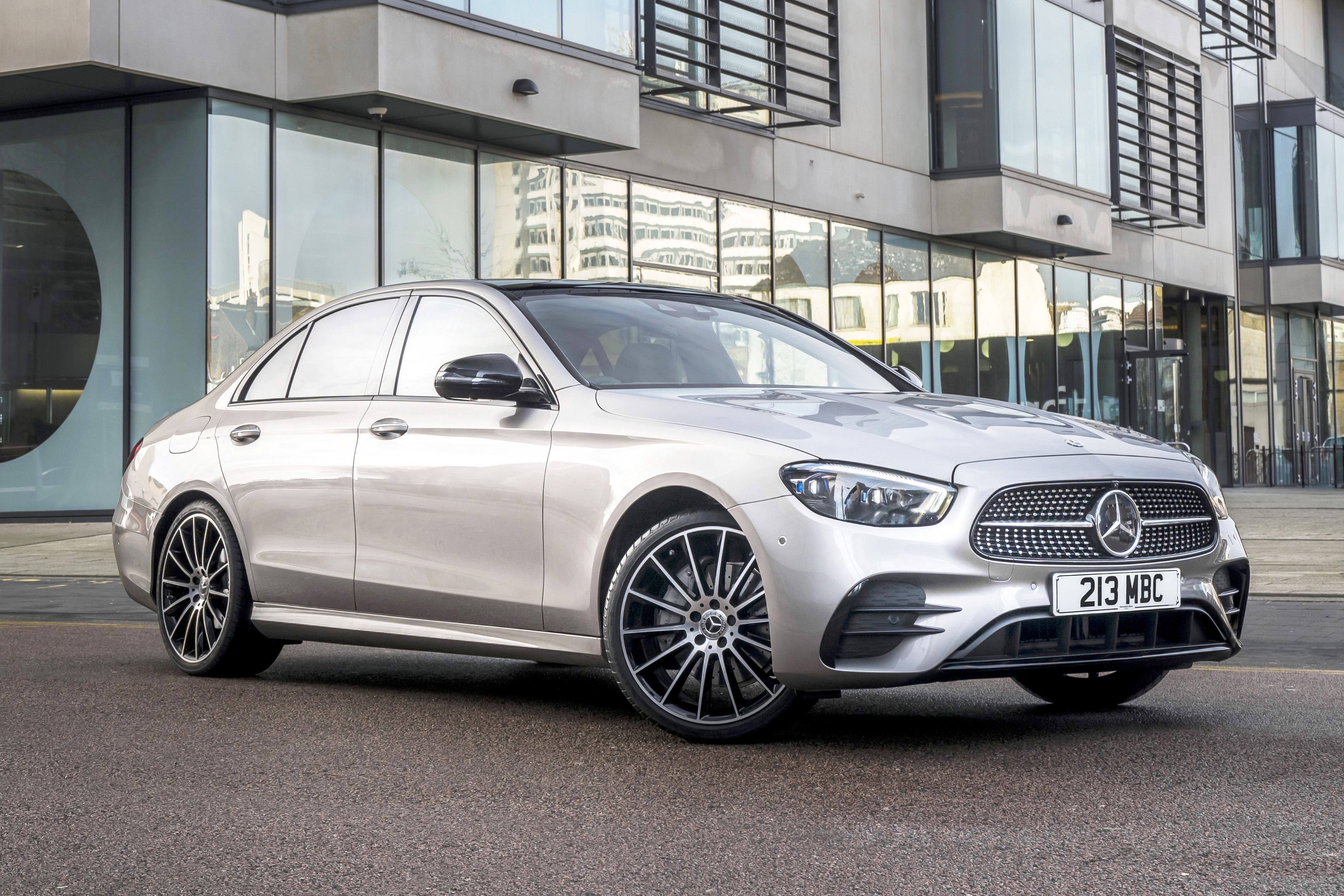
The latest Mercedes-Benz E-Class is designed around connected services. Alongside its integrated hotspot, the car supports cloud-based navigation, video streaming and remote vehicle functions through the Mercedes app.
Its impressive MBUX infotainment system makes switching between online services simple, while over-the-air updates ensure new features continue to arrive whenever needed.
Mercedes has also invested heavily in voice control, allowing many connected features to be operated simply by saying "Hey Mercedes". Drivers can search for destinations, adjust climate settings or ask for weather updates without lifting a finger. The system learns your routines over time too, making everyday tasks feel increasingly intuitive the longer you own the car.
6. Audi A6
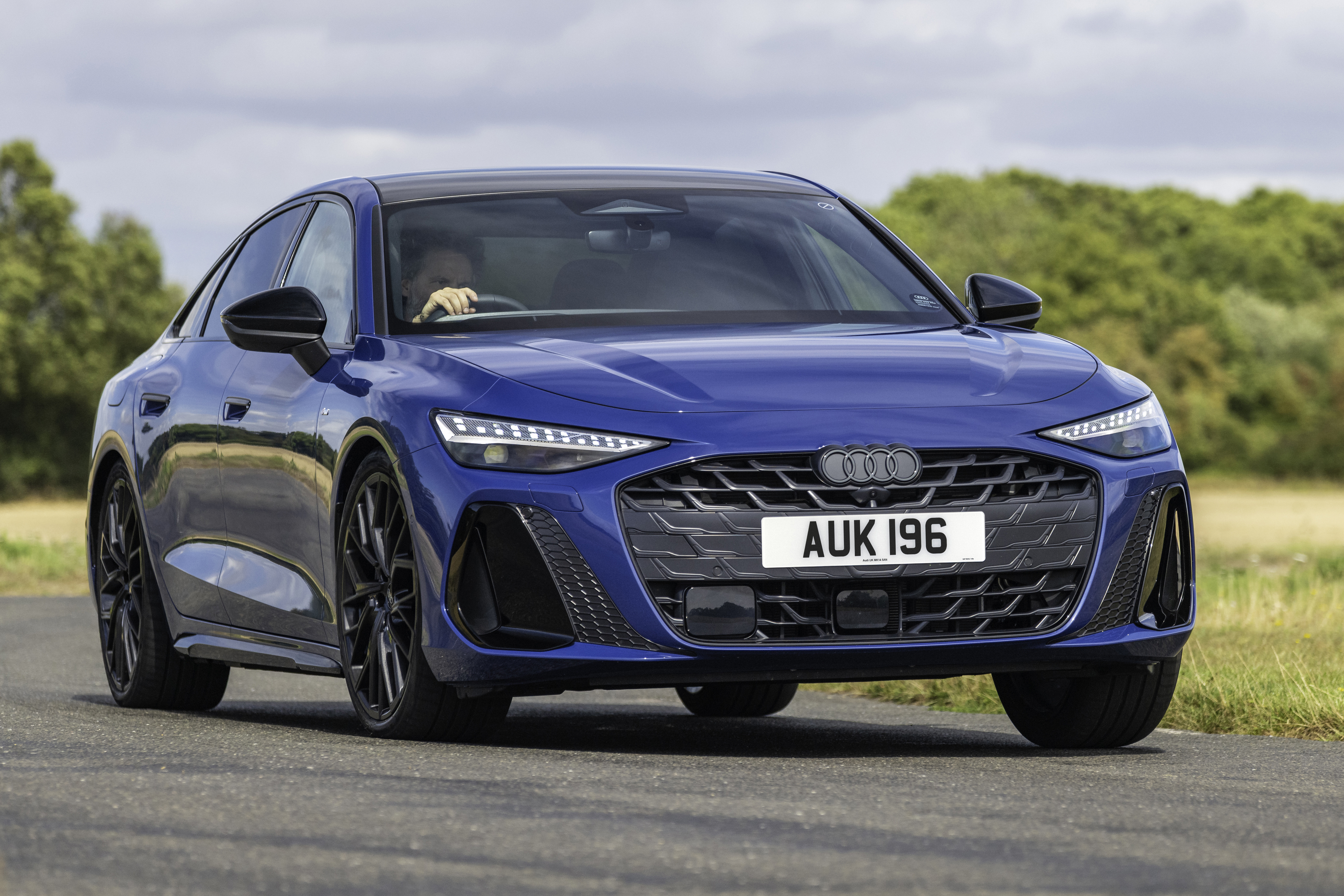
Audi Connect remains one of the most polished connected-car systems available. The Audi A6 combines excellent navigation with a fast, reliable Wi-Fi hotspot that's particularly well suited to drivers covering long motorway distances.
The system supports live traffic information, online route planning, weather updates and connected parking services, while passengers can stream music or work online throughout the journey. For frequent European travellers, Audi's roaming options also make cross-border driving particularly straightforward.
The A6 also benefits from Audi's slick Virtual Cockpit, which integrates connected services directly into the digital instrument display. Live fuel prices, parking information and weather updates are all available without taking your eyes away from the road for long. Combined with excellent cabin refinement, it's one of the most relaxing executive cars for covering hundreds of motorway miles while staying connected throughout the journey.
7. Volvo EX90
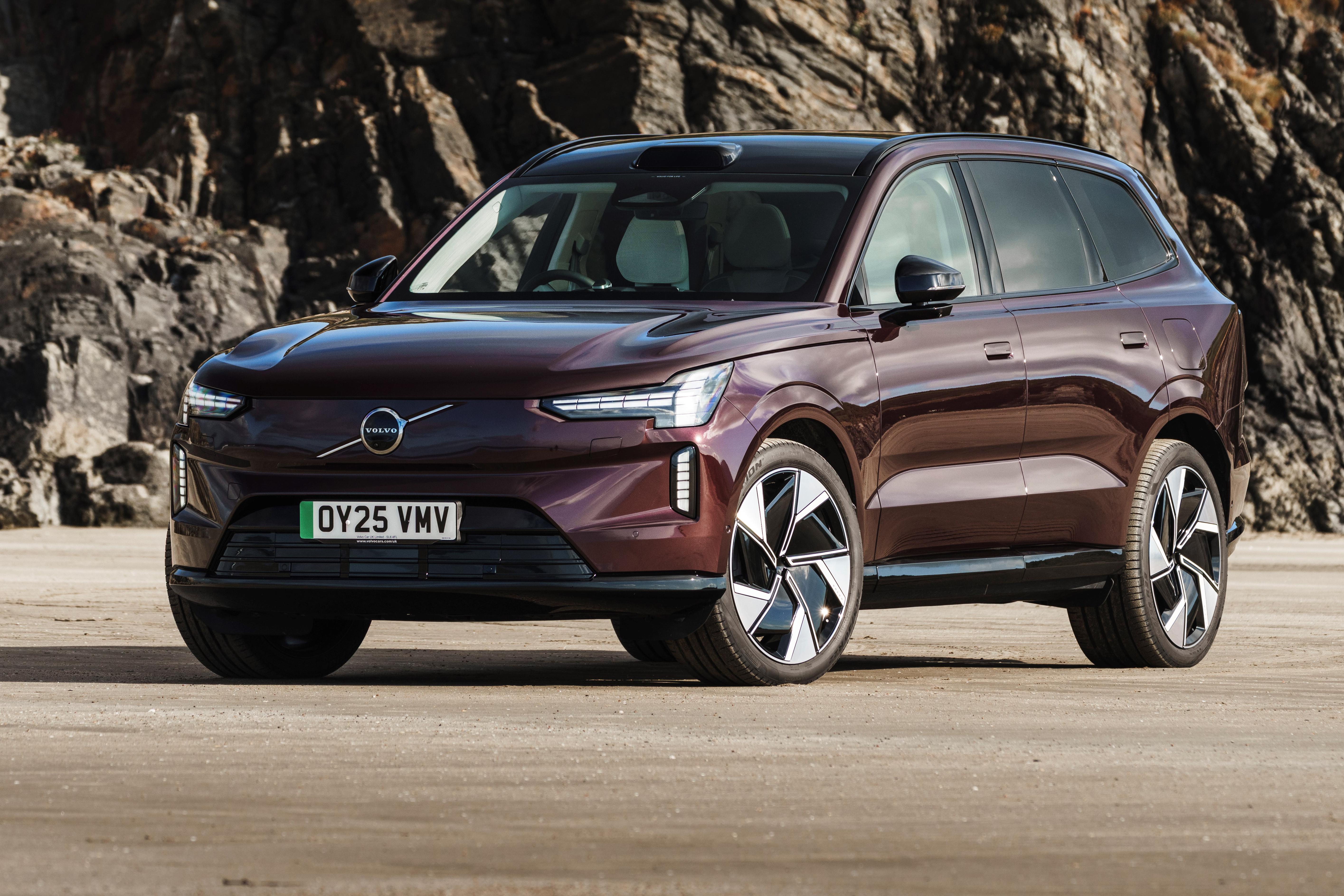
The flagship electric Volvo EX90 SUV uses Google Built-in as the heart of its infotainment system. Fast internet connectivity powers Google Maps, Google Assistant and a reliable in-car hotspot for passengers.
The connection also supports safety features, remote vehicle monitoring and software updates. Volvo has designed the EX90 around safety as much as connectivity. The vehicle's online systems support advanced driver assistance features by providing up-to-date mapping and traffic information, while software updates can introduce new functions, although you do have to pay.
Combined with Volvo's reputation for comfort and refinement, the EX90 is an excellent choice for families who value technology that works quietly in the background rather than demanding constant attention.
8. Tesla Model 3
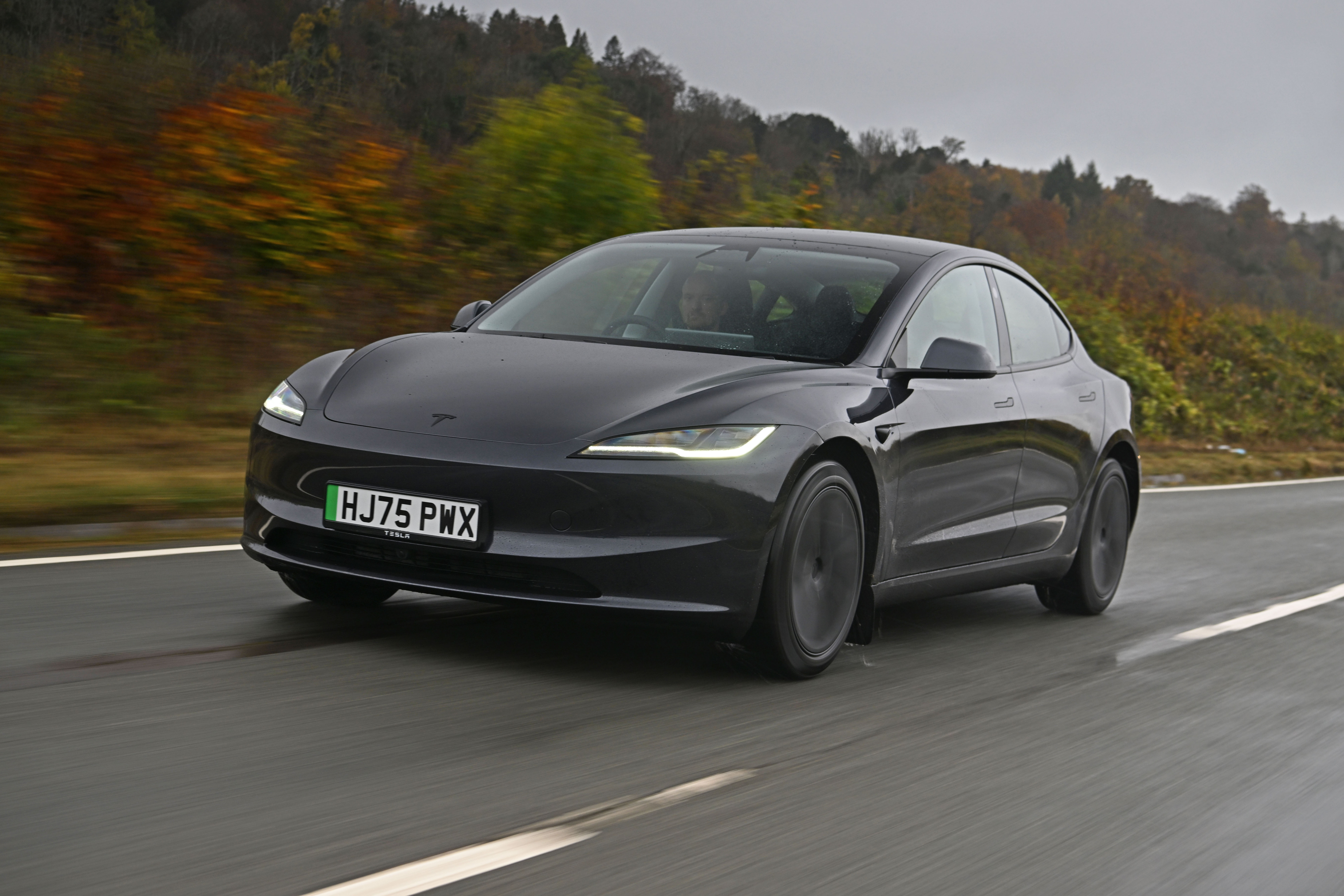
Tesla has long led the way when it comes to connected vehicles as the Tesla Model 3 shows. Premium Connectivity unlocks satellite mapping, music streaming, live traffic information and an integrated Wi-Fi hotspot, all managed through the minimalist central touchscreen.
Regular software updates frequently introduce new functions, meaning the Model 3 can gain features months or even years after leaving the factory. One of Tesla's biggest strengths remains its software.
Regular over-the-air updates can improve everything from navigation and entertainment to energy efficiency and charging performance. Unlike many rivals, owners don't need to visit a dealer to benefit from these improvements, helping the Model 3 feel modern and up to date even after several years on the road.
9. Kia EV9
.jpg)
The Kia EV9 is one of the most technologically advanced family SUVs currently on sale. Every model includes connected services through Kia Connect, while higher-spec versions feature a built-in Wi-Fi hotspot that keeps everyone connected on longer journeys. Live traffic information, cloud-based navigation and remote charging management all rely on the car's integrated internet connection.
With seating for up to seven people and USB-C charging points throughout the cabin, the EV9 has been designed with families in mind. Whether the little ones are streaming films while the older ones play Roblox, it's one of the best connected experiences available in a mainstream electric SUV.
The EV9's internet connection also helps with many of the car's day-to-day features. Owners can remotely check the battery charge, schedule charging sessions, pre-condition the cabin before setting off and send destinations directly to the navigation system using the Kia Connect app. Regular over-the-air software updates keep the infotainment system current, ensuring the EV9 continues to gain improvements and new features.
10. CUPRA Terramar
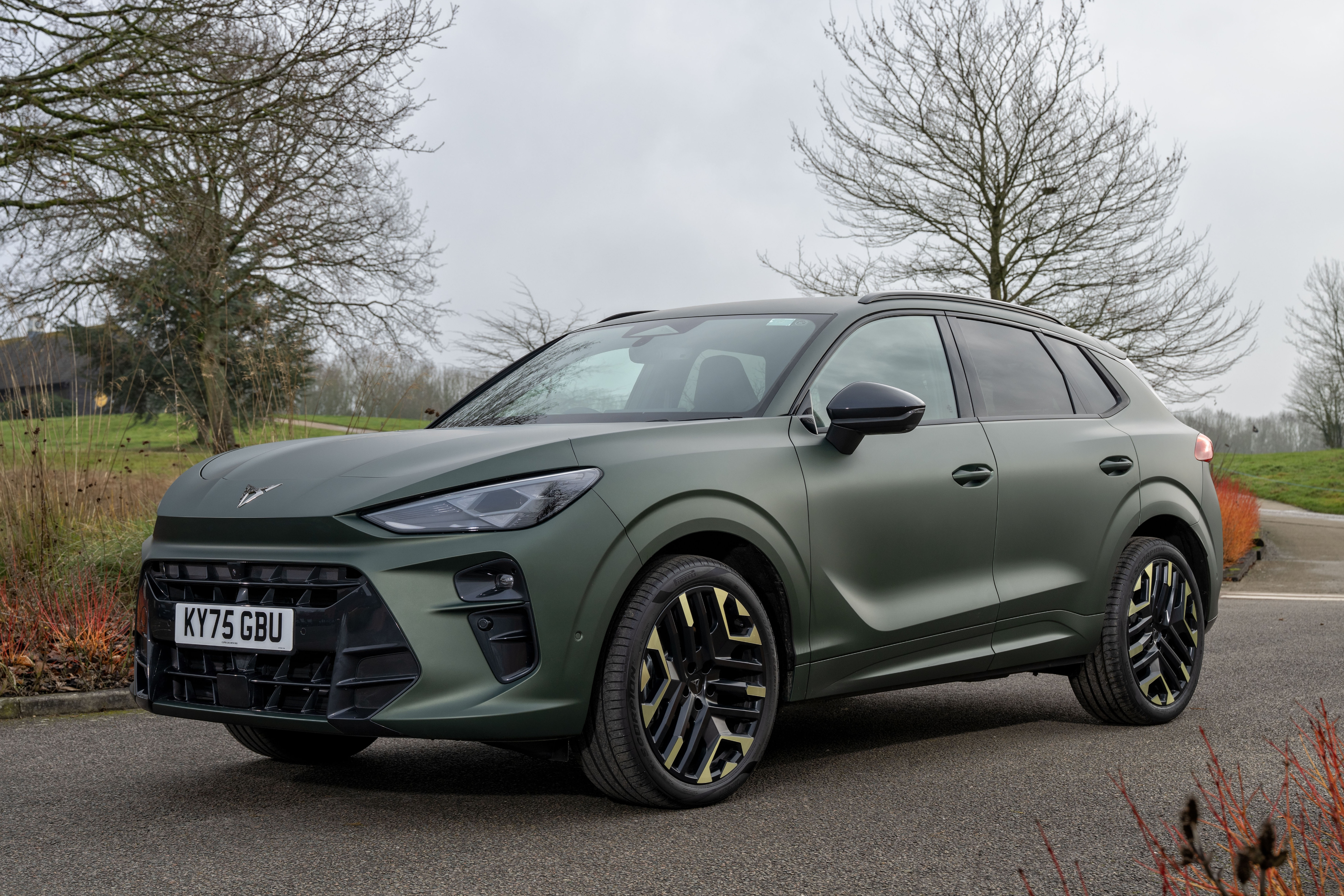
One of the newest additions to its range, the CUPRA Terramar combines sporty styling with the latest generation of Volkswagen Group connected technology. Depending on trim level, it offers a built-in Wi-Fi hotspot, connected navigation and remote vehicle functions through the CUPRA Connect app. The system supports over-the-air software updates, live traffic information and online route planning, while passengers can keep multiple devices connected throughout the journey.
The Terramar's large touchscreen makes managing connected services straightforward, and the SUV's spacious cabin means it's well suited to family life. If you want something with a little more visual flair than a traditional family SUV, it's an excellent alternative to the Volkswagen Tiguan.
The Terramar also features CUPRA's latest digital cockpit, which focusses on connected services. Wireless Apple CarPlay and Android Auto come as standard, while the integrated navigation system uses live traffic data to suggest faster routes when congestion builds. Remote access via the CUPRA Connect app lets owners check vehicle status, lock or unlock the doors and locate the car, making everyday ownership that bit more convenient.
How does it work?
Using in-car Wi-Fi is straightforward. Once the service has been activated, passengers simply connect to the vehicle's Wi-Fi network in the same way they would connect at home.
Most systems work like this:
Activation: Wi-Fi is enabled through the infotainment system or the manufacturer's smartphone app.
Data subscription: Many manufacturers include a free trial before you need to purchase a monthly or annual data plan. Some brands also allow you to link the car to your own mobile contract.
Multiple devices: Most systems allow between five and eight devices to connect simultaneously, making them ideal for families when the kids all have phones and iPads.
Because the connection is integrated into the car, it can continue downloading map updates, software improvements and traffic information while passengers browse the internet, stream music or watch videos.
Is built-in Wi-Fi worth paying for?
That depends on how you use your car. If you mostly travel alone and already have unlimited data on your phone, using your handset as a hotspot may be perfectly adequate.
However, if you regularly travel with family, use your car for work or spend hours on the motorway each week, built-in Wi-Fi offers several advantages. It provides a stronger connection thanks to the car's larger aerial, allows multiple devices to stay online at the same time and avoids draining your phone's battery.
It also enables many of the connected features that modern cars increasingly rely upon, from live navigation and remote climate control to software updates and charging services for electric vehicles.
What this means for you
Built-in Wi-Fi has become much more than a convenience feature. It's now an important part of how many modern cars operate, supporting everything from navigation and entertainment to remote vehicle management.
If you regularly travel with passengers or rely on your car throughout the working day, choosing a model with integrated internet connectivity is well worth considering. When comparing trim levels, it's also worth checking whether connected services and Wi-Fi are included as standard or require an optional subscription.
Many new cars now offer built-in Wi-Fi, particularly family cars, premium models and electric vehicles. Some include it as standard, while others require a subscription.
Usually only for a limited period. Many manufacturers include a free trial before asking owners to purchase a data plan or connect the vehicle to an existing mobile contract.
Popular models include the Volkswagen Golf, Volkswagen ID.7, Audi A6, Škoda Enyaq, BMW i5, Mercedes-Benz E-Class, Tesla Model 3 and Volvo EX90.
Generally yes. The car uses larger external antennas for a stronger signal, doesn't drain your phone's battery and allows several passengers to stay connected at the same time.