Audi A1 Review

Written By Andrew Brady
- 2018
- Hatchback
- Petrol
What we love
Smart looks and strong showroom appeal
Roomier and more practical than an Audi A1 used to be
Easy to drive and simple to live with
Things to consider
S line models have a sportier, firmer ride
Trim choice makes a noticeable difference
Rear-seat space is better suited to occasional use
The DRIVE take on the Audi A1, is it the right car for you?
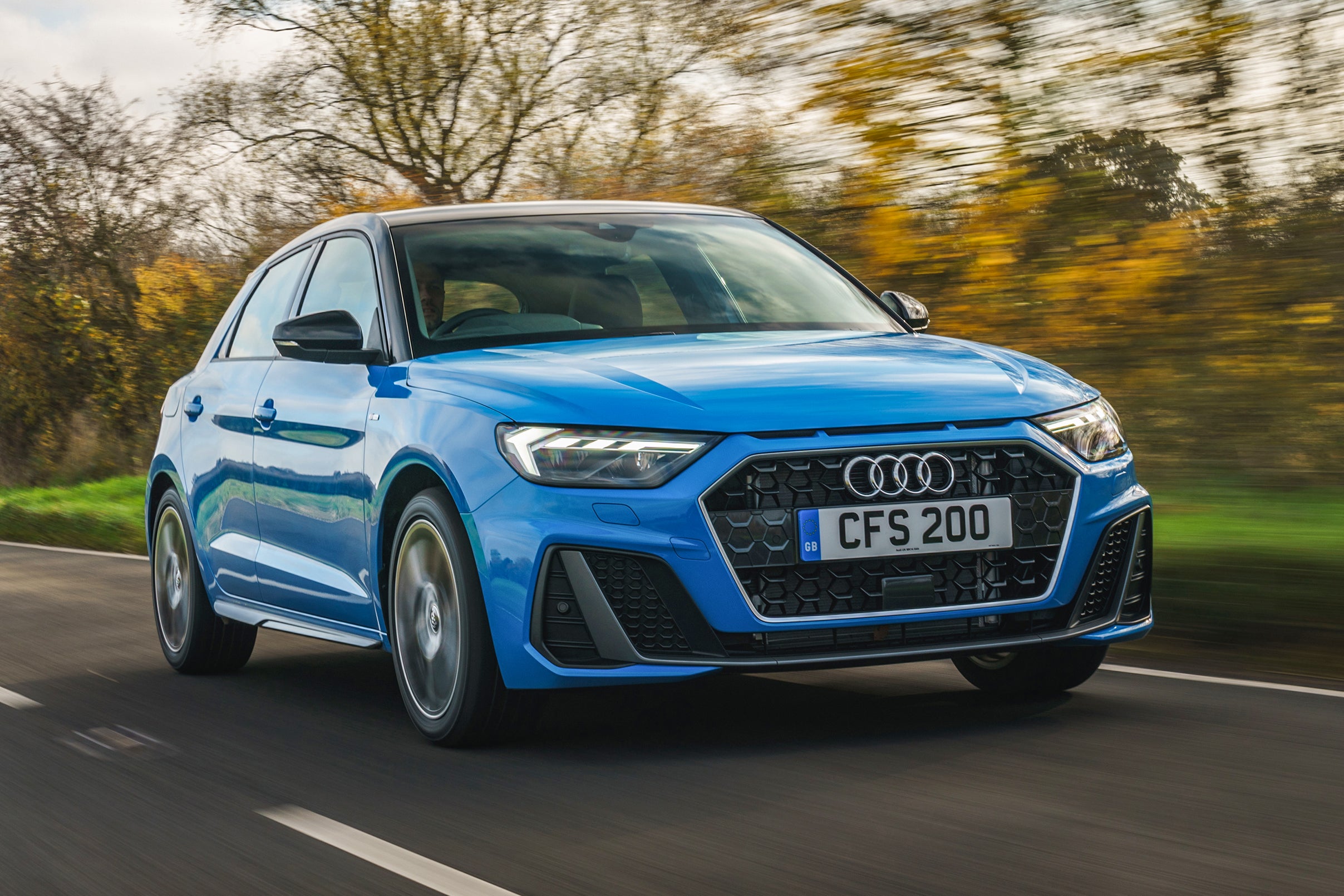
There’s a lot to admire in the way the Audi has styled the A1 Sportback. It has just the right blend of sporty and chic for those who will be drawn to the premium end of the supermini market. Audi has also judged the cabin very well, with enough space in the cabin for it to work as your only car, though many will end up as the second car in a household. Every A1 Sportback comes well fitted out with standard luxury and safety kit, showing up many of its mainstream rivals. Even the most basic A1 makes rivals seem a bit mean with their equipment, which makes the Sportback fit right in as a scaled-down - rather than scaled-back - small Audi.
The Audi A1 in more detail
The current Audi A1 is a very different car from the first-generation model. It's bigger, more practical and more confident-looking, and it has moved away from being a tiny fashion-led Audi towards being a proper small hatchback with wider appeal.
That shift makes a lot of sense. The A1 is now sold only as a five-door Sportback, which immediately makes it more useful for families, couples and anyone who wants one car to do a bit of everything. It still has the crisp styling and compact footprint buyers want from an Audi hatchback, but there's now enough rear-seat and boot space for it to feel genuinely useful day to day.
Browse used Audi A1s for sale →
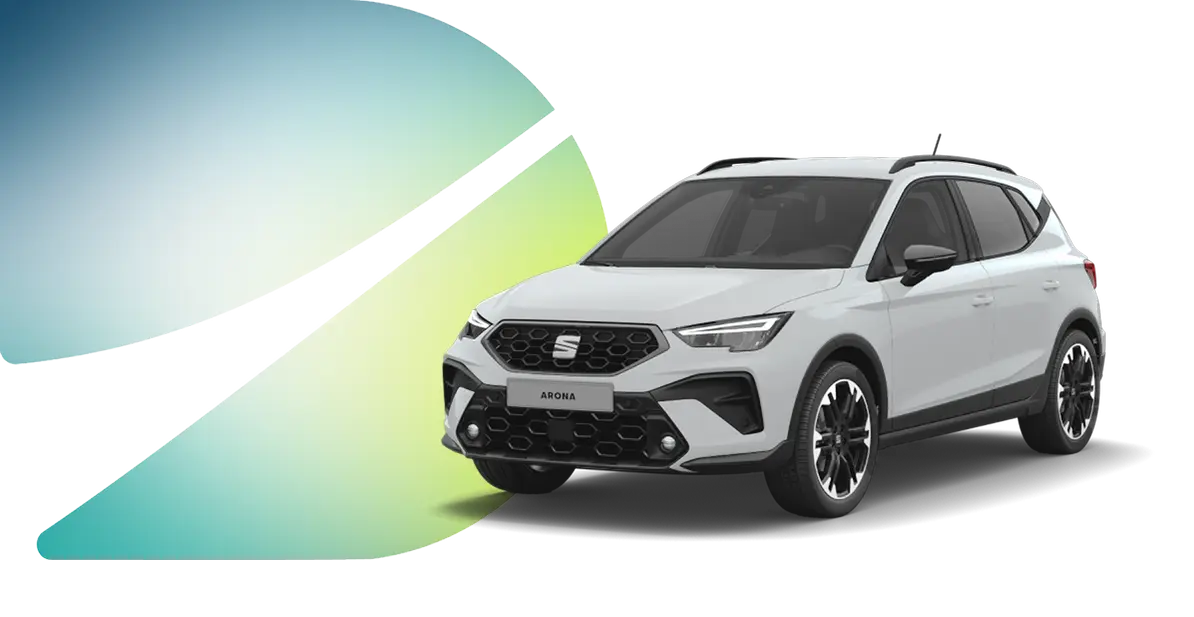
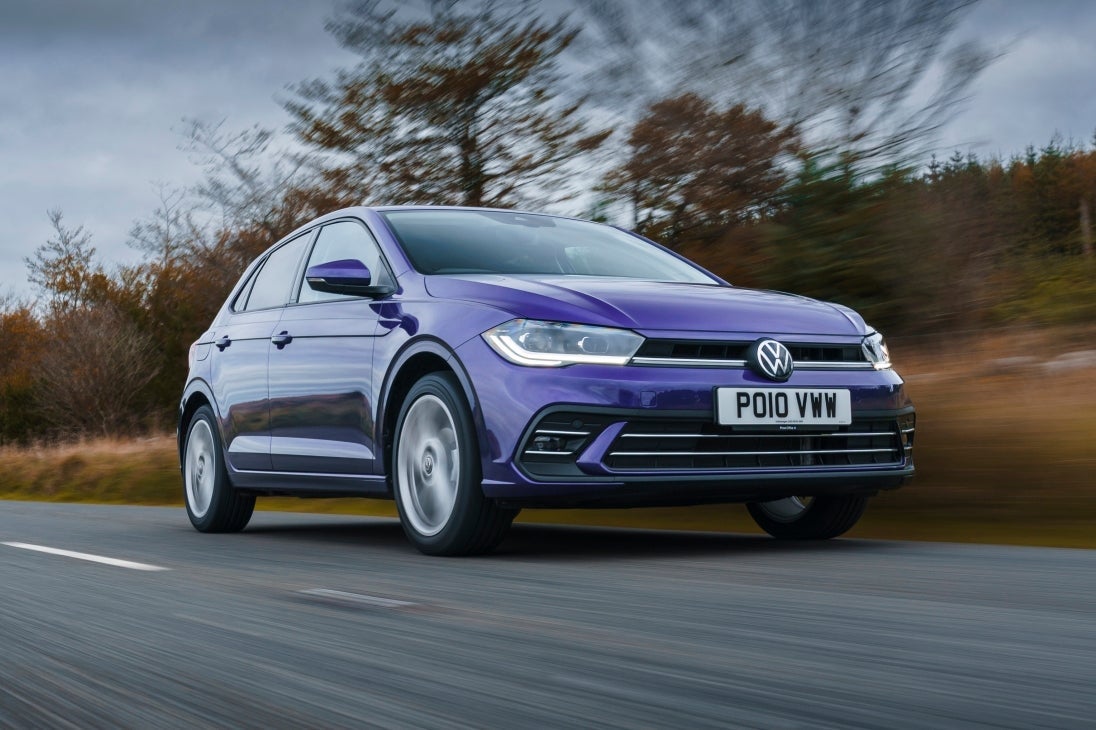
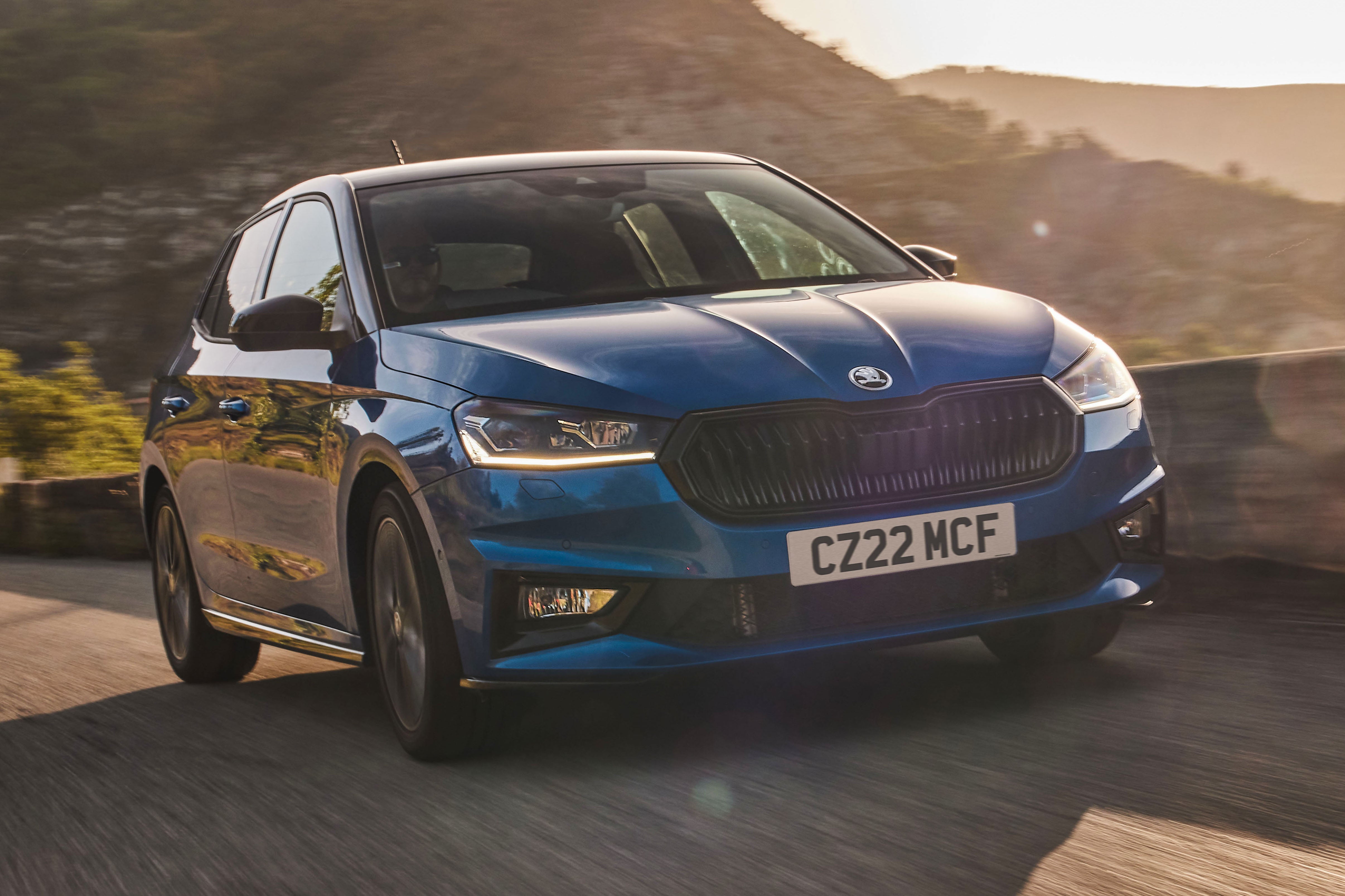
The A1 also sits in an interesting part of the market. It's more expensive than mainstream superminis such as the Volkswagen Polo, the Skoda Fabia and the SEAT Ibiza, yet it promises a more premium feel and stronger badge appeal. Against a MINI, it's less overtly style-led but more practical.
That’s really what the Audi A1 is selling. It's not trying to be the most playful or best-value supermini on sale. Instead, it aims to give buyers a small hatchback that feels smart, easy to own and just that bit more aspirational than the mainstream alternatives.
The catch is that the badge does a little more of the heavy lifting than it perhaps should. The A1 looks premium, and in some areas, it feels it, but not every part of the cabin lives up to that promise. Nor is the driving experience quite polished enough on the sportier suspension setups. So while the Audi A1 remains a desirable small hatch, the best versions are the ones that lean into comfort and everyday usability rather than trying too hard to feel sporty.
Get that right, though, and the A1 still makes plenty of sense. In Sport trim with the right engine, it feels like a tidy, high-quality small hatch that can easily pass as your only car. That keeps it relevant in a class where a premium badge alone is no longer enough.
Audi announced in 2026 that it was discontinuing the A1, but at the time of writing, there were still new cars in stock.
What's the best Audi A1 trim and engine option?
For most buyers, the best option is the Audi A1 30 TFSI in Sport trim. It gives the A1 enough performance to feel easy and relaxed in everyday driving, while keeping running costs sensible and avoiding the firmer edge of S line suspension.
If your budget stretches further, the 35 TFSI adds a stronger turn of pace and feels more relaxed beyond town, but the 30 TFSI remains the more natural all-rounder in a small hatch like this.
Trim is important with the A1. Sport gives you the equipment most buyers actually want, including rear parking sensors and cruise control, while avoiding the harsher ride and bigger wheels that come with the S line trim.
What’s the price of the Audi A1?
The Audi A1 Sportback range currently starts at £24,870 in the UK, with Sport available from £24,295 and higher trims climbing from there depending on engine and specification. The range now centres on Sport, S line and Black Edition trims, with engine outputs spanning from 95PS to 150PS.
That puts the A1 into premium supermini territory rather than mainstream hatchback money. It's not outrageously expensive by modern standards, but it's still a noticeable step above the cars it shares much of its substance with. But there are also plenty of used Audi A1s for sale for considerably less.
The key question is whether the styling, badge and showroom appeal are worth that extra spend to you. For plenty of buyers, the answer will still be yes. If that's your answer, just bear in mind you can no longer factory order the car - you'll need to hunt out an in-stock example.
Alternatives to the Audi A1
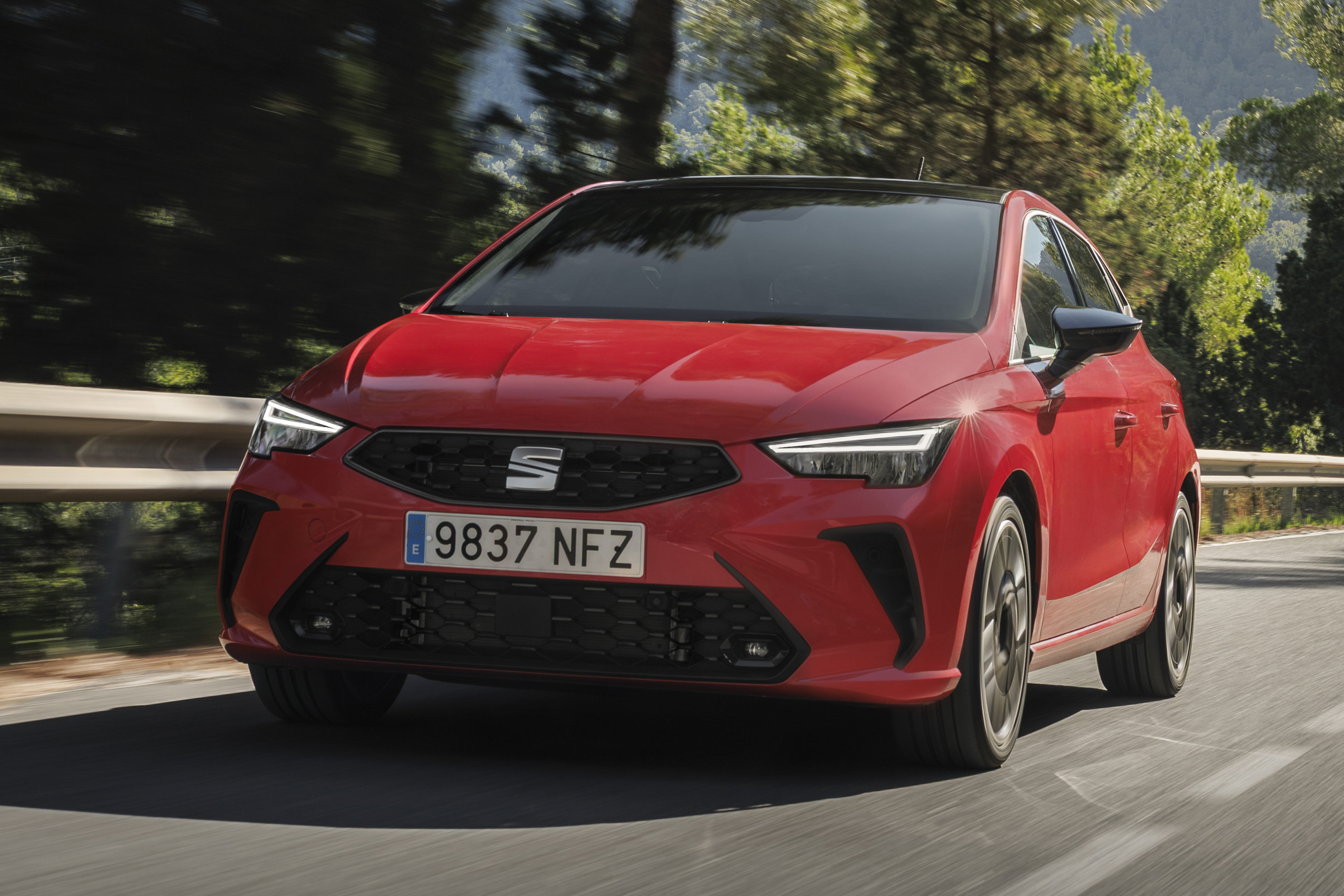
The Volkswagen Polo, the Skoda Fabia and the SEAT Ibiza are the key alternatives because they share much of the Audi’s underlying engineering, yet usually cost less to buy. The Polo is the closest match in feel, while the Fabia majors on value, and the Ibiza has a slightly sharper edge.
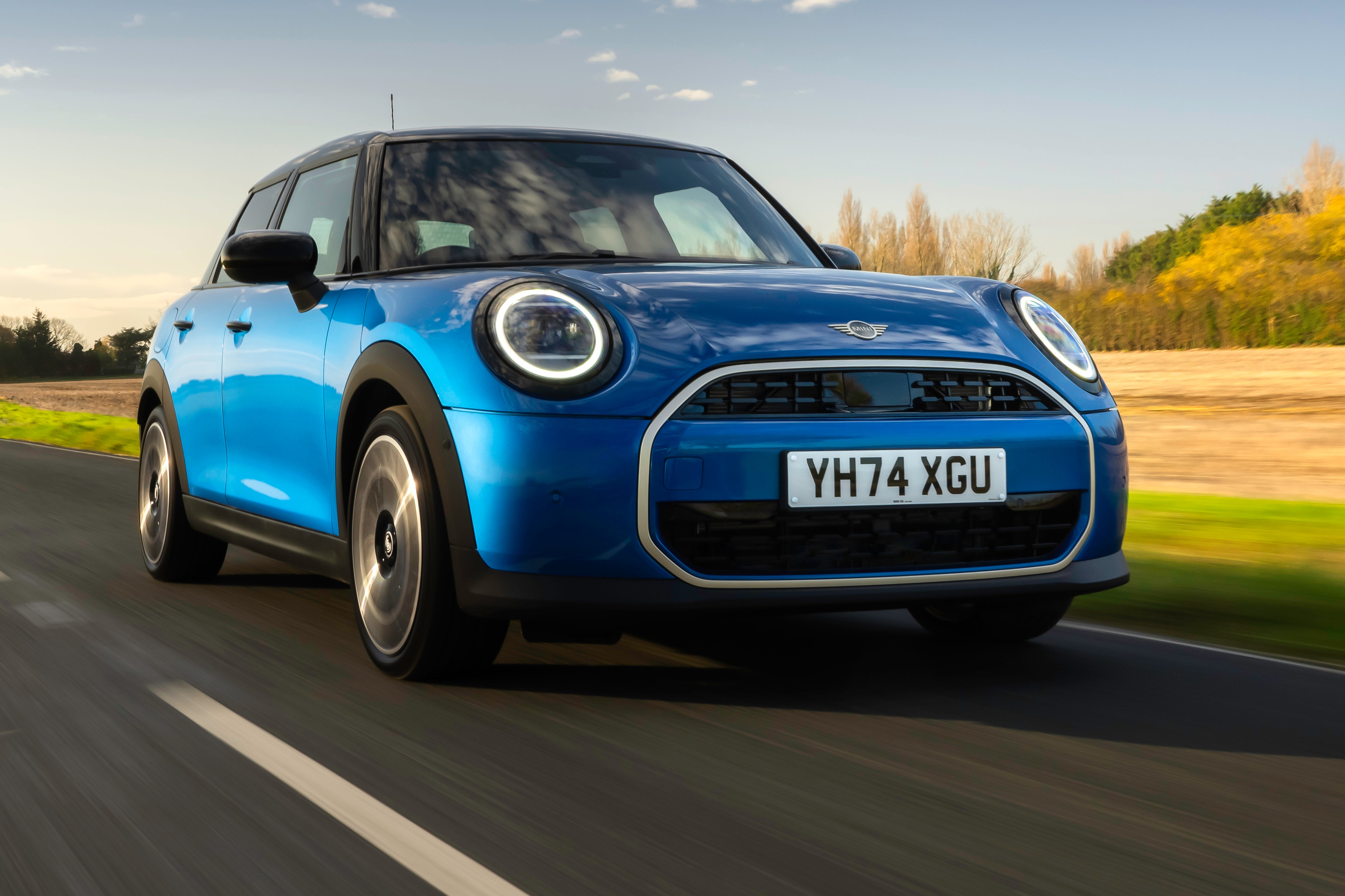
The MINI Cooper should also be in the mix if you want a premium small hatch with more overt style and a more playful image, even if it's not as roomy or as straightforwardly practical as the Audi.
The A1’s real strength is that it still feels like the grown-up choice in the premium small hatchback group, even if it's not the best-value one.
What's the interior like in the Audi A1?
The Audi A1’s interior is one of the reasons people buy it. It looks smart and modern, although the cabin isn't quite as plush as what you find in pricier Audi models.
Audi A1 boot space and practicality
The current Audi A1 is much more practical than the previous one, and that's one of its biggest strengths. There's enough room up front for taller adults to get comfortable, and the cabin feels airy enough by small-hatch standards. Storage is decent too, with useful door bins, a glovebox and a tray ahead of the gear lever for the usual daily clutter.
Rear-seat space is better than it used to be as well. Two adults can fit in the back without too much complaint, and the five-door layout makes access much easier than the old three-door A1 ever managed. It's still a small hatchback rather than a family car in disguise, so the middle rear seat is best treated as occasional-use space, but the A1 is roomy enough to cope with children, friends or shorter adult trips without fuss.
That matters because some premium small cars still feel a bit too style-led to work properly in the real world. The A1 doesn't really have that problem. It feels like a proper supermini first and a premium badge statement second, which makes it easier to justify.
The boot is usefully sized at 335 litres, which puts the Audi A1 right in the mix with the best cars in this class and makes it a genuinely viable everyday hatchback rather than just a style buy. That's more space than a MINI offers and enough room for a weekly shop, cabin bags or the sort of pushchair that would quickly expose a less practical small hatch. Fold the rear seats, and there's a decent amount of extra carrying flexibility, too.
In simple terms, the Audi A1 is practical enough to work as your only car, provided you don’t need genuine family-car space.
Audi A1 dimensions
The Audi A1 measures 4,029mm long, 1,940mm wide and 1,409mm high. That makes it a little larger than older A1s and gives it more presence on the road than its predecessor.
In practice, it strikes a useful balance. It's compact enough for town and easy parking, yet roomy enough inside to feel like a proper small hatch rather than a shrunken premium toy.
Tech and infotainment in the Audi A1
The Audi A1’s infotainment is one of its stronger points. Every car gets Audi’s digital instrument display, and later cars in particular benefit from the larger 10.1-inch central touchscreen becoming standard more widely across the range.
The system is clear, quick enough to respond and easy enough to get along with, which is not always the case in premium small cars. Smartphone connectivity is a given, and the general layout feels neat and modern.
Higher-spec cars with navigation and the posher digital display setup feel more premium still, but even the standard system covers the essentials well enough. That helps the Audi A1 feel current inside.
Materials available on the Audi A1
Across the cabin, you’ll find textured plastics on much of the dashboard and door structure, with softer finishes reserved for the main touchpoints such as the steering wheel, armrest areas and upper controls.
Depending on the version, you’ll find darker metallic-look finishes, gloss black elements and dashboard panels that help lift the cabin’s look beyond a plain supermini layout. Seat materials vary by trim, with cloth upholstery on standard cars and more heavily textured, sportier-looking finishes on S line models and above.
Lower down, the cabin uses tougher moulded plastics that are better suited to everyday wear, especially around the doors, console and storage areas.
What's the Audi A1 like to drive?
The Audi A1 is easy, tidy and confidence-inspiring to drive, which suits its role well. It's not the most entertaining car in the class, but it does most things neatly enough.
Audi A1 range and performance
The Audi A1 range spans petrol engines from 95PS to 150PS, with the most powerful current version being the 35 TFSI S tronic with 150PS and a 0-62mph time of 8.1 seconds. Earlier cars also included the 40 TFSI, but that's no longer part of the current line-up.
The 25 TFSI is fine if you are mainly sticking to town, but it feels like the minimum rather than the pick. The 30 TFSI is the more convincing all-round engine for most buyers, because it gives the A1 a bit more effortlessness without fundamentally changing its cost base.
The 35 TFSI is the quick one in the current line-up, and it suits the car well enough, though the A1 still feels more brisk than exciting even in its most powerful mainstream form.
Performance data
| Model | Engine/battery size | Power | 0-62mph | Range/MPG |
|---|---|---|---|---|
25 TFSI | 1.0-litre petrol manual | 95PS | 11.0 seconds | Up to 52.4mpg |
25 TFSI S tronic | 1.0-litre petrol automatic | 95PS | 11.5 seconds | 50.7mpg |
30 TFSI | 1.0-litre petrol manual | 116PS | 9.7 seconds | Up to 52.4mpg |
35 TFSI S tronic | 1.5-litre petrol automatic | 150PS | 8.1 seconds | Up to 49.8mpg |
Audi A1 driving and refinement
The Audi A1 is straightforward and confidence-inspiring to drive. Around town, it feels compact, easy to place and light enough on its controls that it never becomes tiring. Visibility forwards is good, the pedals and steering are easy to judge, and it has the sort of tidy, low-effort character that suits a premium small hatch.
That ease of use carries over well onto faster roads. The A1 feels stable on the motorway, it tracks cleanly at speed, and there's enough composure in the chassis to make it feel like a bigger car than its size suggests. In that sense, it does exactly what many buyers will want from a small Audi.
On a country road, it turns in keenly enough and feels secure, but it does not have the sparkle or steering feel of something like a Ford Fiesta. Nor does it feel as playful as a MINI. That's not necessarily a criticism, because most A1 buyers will care more about ease and polish than about chasing thrills. Still, it's worth knowing that the A1 is tidy and capable rather than genuinely entertaining.
The big caveat is ride comfort. Cars on standard suspension are perfectly acceptable, and in Sport trim, the A1 has a much more convincing balance than the sportier versions. S line models with their firmer suspension are noticeably harsher. They fidget and thump over broken roads more than they should, and that undermines the premium feel.
Engine choice also changes the experience. The 25 TFSI is fine around town, but it feels like the minimum on faster roads. The 30 TFSI is the more rounded all-rounder, while the 35 TFSI gives the A1 the easy, effortless feel the car suits best. None of them turns the A1 into a hot hatch, but the stronger engines do make it feel more relaxed and complete.
Refinement is decent rather than exceptional. Wind and engine noise are kept in good check, but the A1 can generate more road roar than some rivals, especially on larger wheels. That slightly dents the premium feel on a long run, and it's one of the reasons a Volkswagen Polo still feels like such a strong alternative underneath the skin.
How safe is the Audi A1?
The A1 scored a five-star Euro NCAP rating, with especially strong scores for adult and child occupant protection, although this is now beyond the six-year shelf life of the safety body's crash tests, so it's now considered expired.
Standard safety kit includes lane departure warning, emergency braking and the basic passive-safety package you would expect in a modern premium small hatch. Higher-spec cars and optioned-up examples may also include useful extras such as adaptive cruise control, parking assistance and a rear camera.
Running costs: What it's like to live with a Audi A1
The Audi A1 should be fairly easy to live with if you choose the right version. Fuel economy is decent, the engines are modern, and the car’s compact size helps keep everyday running manageable.
Audi A1 fuel economy
Officially, the current Audi A1 range returns between 50.6mpg and 52.4mpg combined, depending on engine and transmission. That means the 35 TFSI is not dramatically more expensive on paper than the smaller engines, which helps its case if your budget stretches far enough.
In real-world driving, the smaller petrols still make the most sense if efficiency is your priority, but none of the current engines is especially punitive.
Audi A1 warranty and servicing
Audi covers the A1 with its standard three-year, 60,000-mile warranty when new. For used examples, Audi Approved Used currently includes a minimum of one year Audi Warranty and one year Roadside Assistance, plus other benefits such as MOT cover and a 30-day exchange plan.
Audi servicing is straightforward enough, but as with any small turbo petrol, it's worth sticking closely to maintenance schedules and checking the history carefully on used examples.
Audi A1 insurance groups
Insurance varies by engine and trim, but mainstream Audi A1 versions generally sit in the mid-range for this class rather than the very cheapest end.
The 25 TFSI is the easiest point of entry, while the 35 TFSI climbs higher. That's part of the premium-small-car picture, and worth factoring in if you are a younger driver.
How much does it cost to tax a Audi A1?
All cars pay the standard annual Vehicle Excise Duty rate of £200 after the first year. No version of the Audi A1 should normally trouble the £40,000 Expensive Car Supplement threshold in standard form, though heavily optioned examples are still worth checking carefully, lest you incur a £440 extra charge per year.
What trims are available with the Audi A1?
The current Audi A1 range centres on Sport, S line and Black Edition trims. Earlier in the model’s life, there were more variations, including Technik, Vorsprung and some special-edition S line derivatives, but the present line-up is much simpler.
Audi A1 Sport is the trim most buyers should start with. It already gives you the right equipment mix and avoids the harsher setup of the sportier versions.
Audi A1 S line is the style-led choice, with more aggressive looks and bigger wheels, but it's the trim most likely to leave you grumbling about ride comfort.
The Audi A1 Black Edition adds more visual attitude again, but the same caution about style over comfort still applies.
Ask the Drive experts: common questions
Is the Audi A1 still on sale in the UK?
Which Audi A1 engine is best?
Is the Audi A1 practical?
Should I choose Sport or S line?
Get our latest advice, news and offers
Keep me updated by email with the latest advice, news and offers from Drive.