SEAT Ibiza Review

Written By Andrew Brady
- 2017
- Hatchback
- Petrol
What we love
One of the more enjoyable small hatchbacks to drive
The 1.0-litre petrol engines are punchy, refined and economical
More spacious and comfortable than many supermini rivals
Things to consider
80PS engine is best suited to shorter journeys
There's no hybrid option
Larger wheels can make the ride feel a little firmer
The DRIVE take on the Seat Ibiza, is it the right car for you?
While there’s much talk about how well many small hatches handle corners, the truth is most of us want a comfortable car and the SEAT Ibiza delivers here. Its supple suspension copes very well with the punches thrown at it by most road surfaces, leaving its occupants unruffled and ready for the day ahead when they reach their destination.
This refined nature is further helped in the Ibiza by engines that are hushed and perform well, while the cabin itself serves up more space than you’ll find in almost any other small hatch. It means the SEAT works as the only car for families thanks to plenty of room in the back seats and the boot.
The Seat Ibiza in more detail
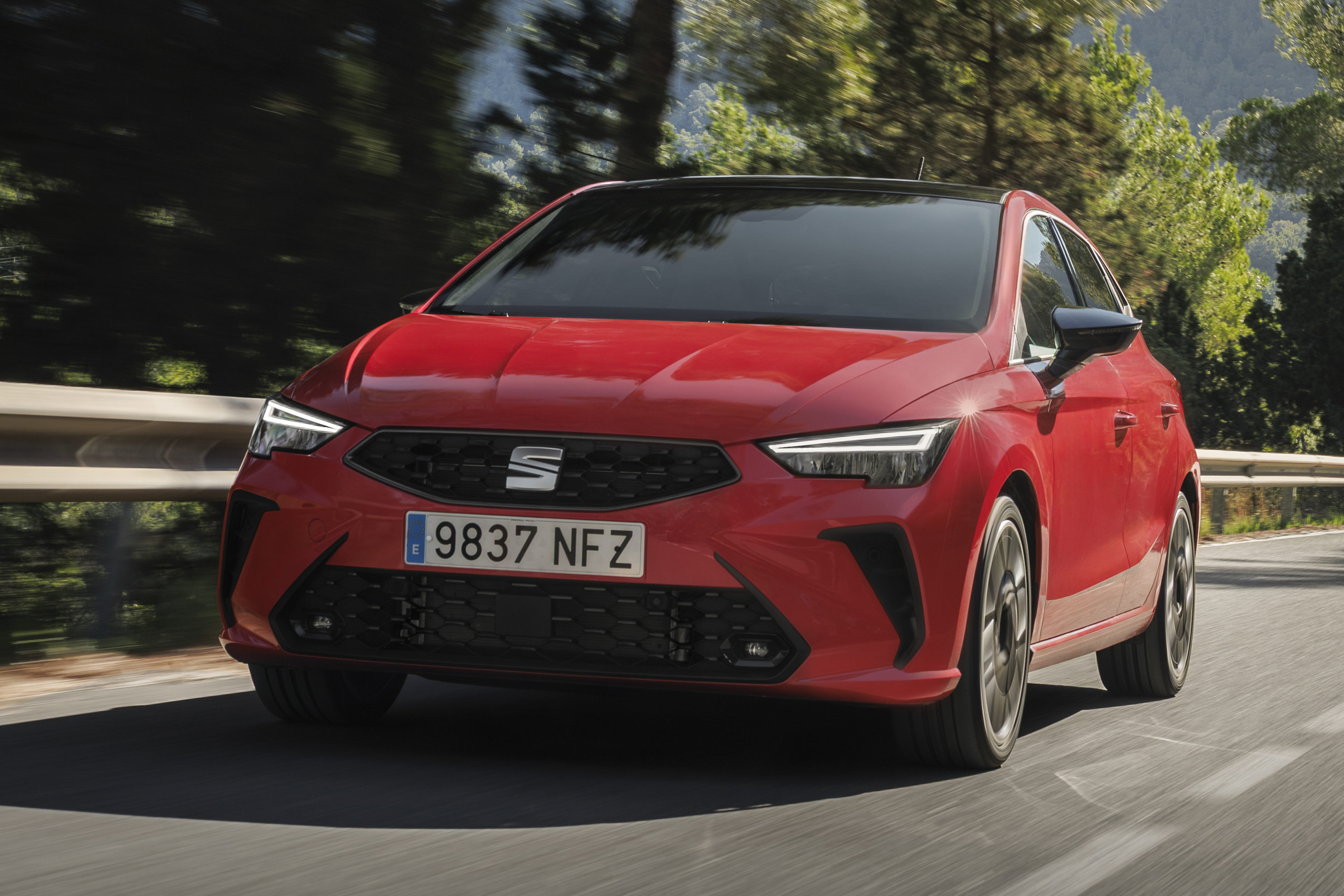
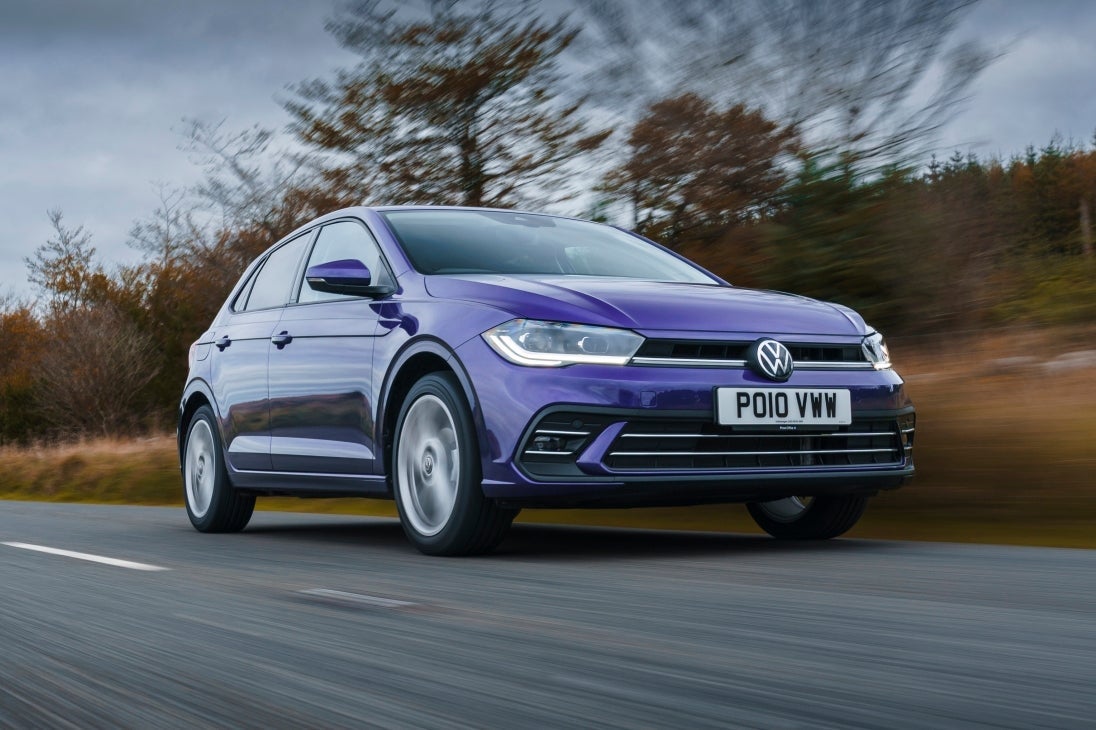
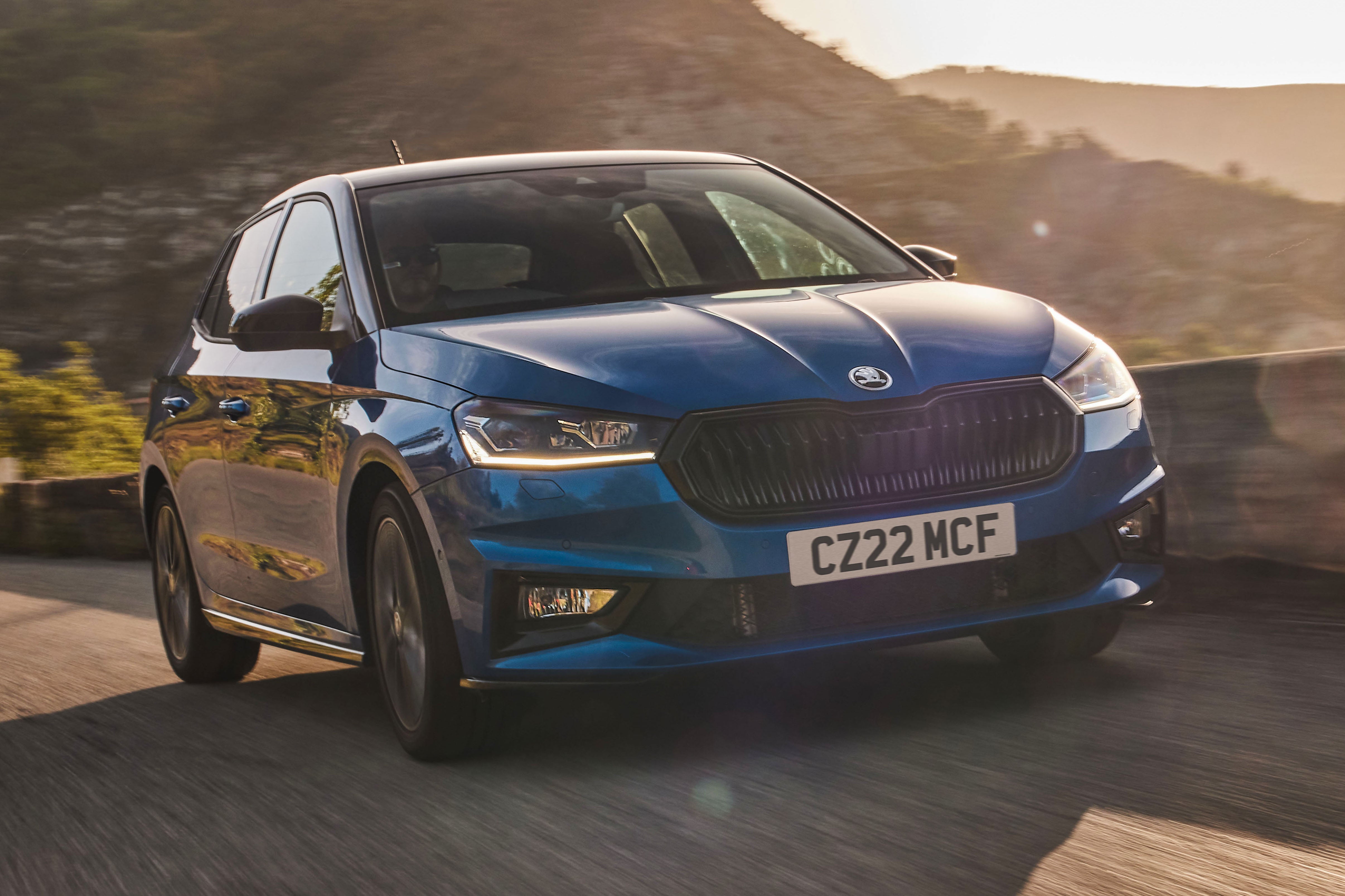
Mechanically similar to the Volkswagen Polo and Skoda Fabia, the SEAT Ibiza is the stylish one of the small car trio. It's grown up massively for this generation, though, with a longer wheelbase providing more interior space – while soft suspension means it'll be comfortable on long journeys. It’s not trying to reinvent the class; it just does the fundamentals better than most.
That matters because the small-car market is full of models that lean hard in one direction. Some are stylish but cramped. Others are practical but forgettable. Some aim for low running costs but feel underpowered or cheap inside. The SEAT Ibiza manages to avoid most of those traps. It has enough road presence to feel more grown-up than many superminis, but it's still compact enough to work well in town. It also feels mature on the motorway in a way smaller cars do not always manage.
Browse used SEAT Ibizas for sale →
The current UK range is now petrol-only, built around a 1.0-litre turbocharged three-cylinder engine with either 95PS or 115PS. That might sound limited on paper, but it works in the Ibiza’s favour because both engines suit the car well. Even the lower-powered version has enough urge for everyday use, while the 115PS cars feel notably more effortless on faster roads. There is no hybrid model to tempt company-car drivers or buyers chasing electrified efficiency, but the pay-off is a simple, easy-to-understand range.
The cabin is large enough to fit four adults and the seats provide excellent levels of back and upper leg support. Storage is also plentiful, with deep door bins and a useful scattering of cup holders. The 355-litre boot is huge for a car of this size and far superior to anything you'll find in either the Fiesta or even Focus hatch.
What's the best Seat Ibiza trim and engine option?
For most buyers, the best all-round choice is a mid-range Ibiza with the 1.0 TSI 95PS engine in SE Technology or FR trim. The 95PS engine is punchy enough for the Ibiza’s size, and it keeps both purchase and insurance costs in sensible territory. If you mostly drive in town or on shorter mixed journeys, it's the version that makes the strongest case.
The 115PS engine is the one to consider if you do more motorway mileage or simply want the car to feel more effortless when fully loaded. It gives the SEAT Ibiza a stronger turn of pace without changing its basic character.
Trim depends on what you value. SE is fine if you want to keep things simple and affordable, but SE Technology is a better place to start because it adds the sort of equipment most buyers will actually appreciate every day. FR is the more desirable option because the sportier styling suits the Ibiza well and adds a bit more visual character without spoiling the car’s comfort.
What’s the price of the Seat Ibiza?
The current SEAT Ibiza range starts at £21,350 for the SE 1.0 TSI 95PS and rises to £27,085 for the FR Sport 1.0 TSI DSG-auto 115PS. In between those sit SE Technology and FR versions, which gives buyers a clearer and more up-to-date walk up through the range. There are also plenty of used SEAT Ibizas for sale for considerably less.
That means the Ibiza still looks competitive at the lower end, especially given how polished and roomy it feels. The caution is that once you move into the better-equipped trims and automatic versions, the price begins to overlap with larger hatchbacks. In other words, the value case is strongest lower down the range or in carefully chosen mid-spec cars.
Alternatives to the Seat Ibiza
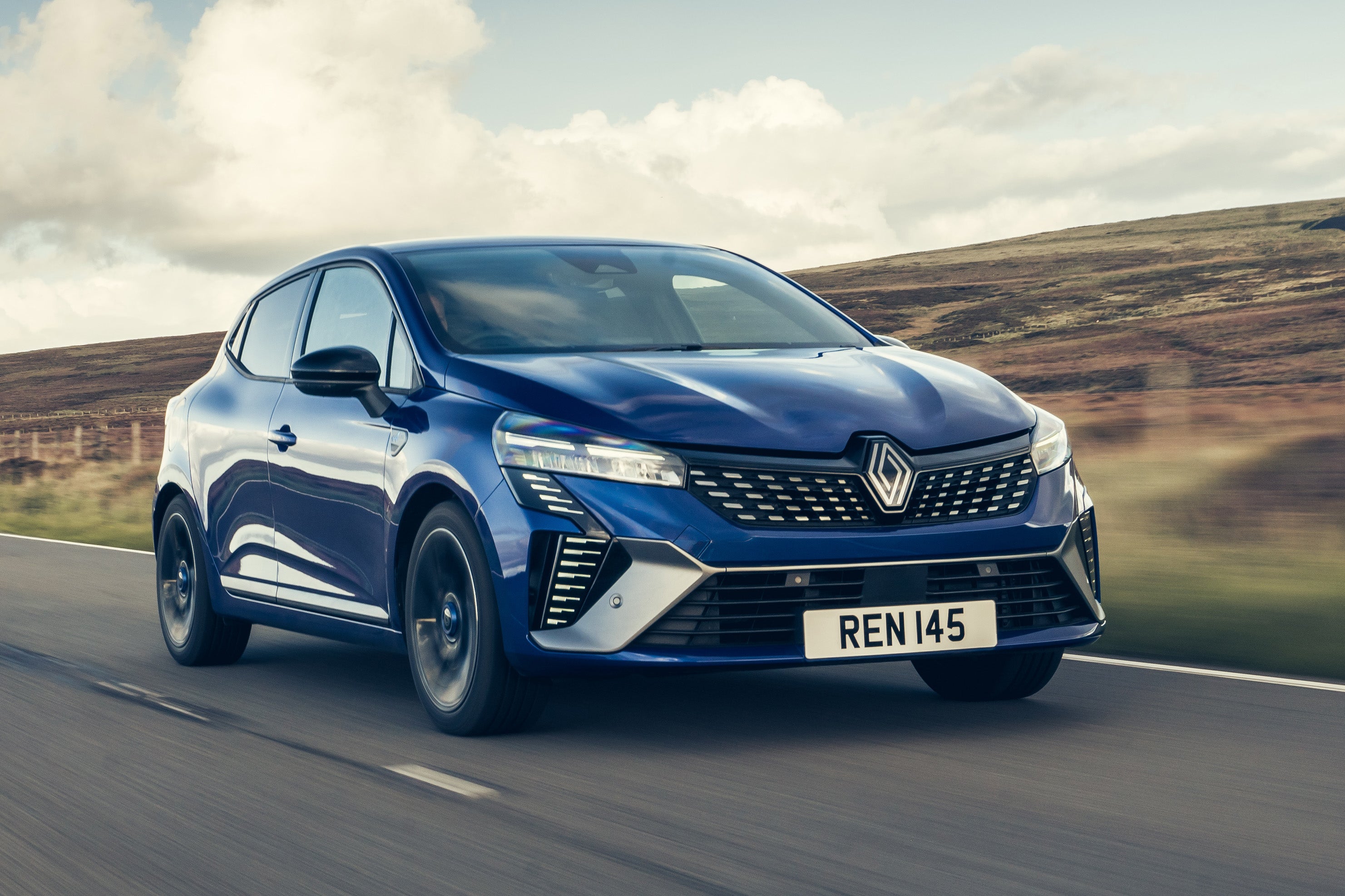
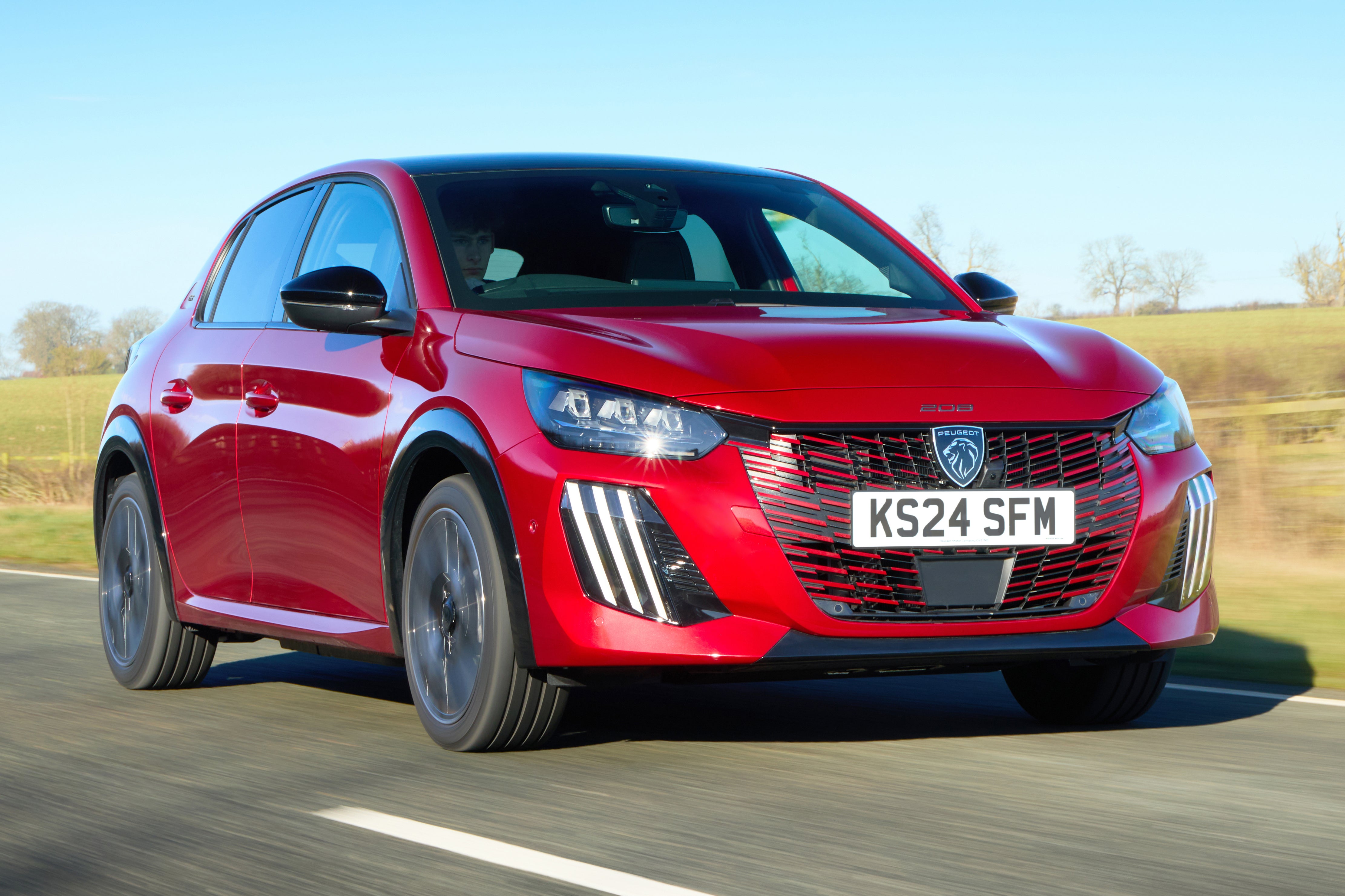
The most obvious alternatives are the closely-related Volkswagen Polo and Skoda Fabia, while other options to consider are the Renault Clio and Peugeot 208. The Polo is the polished all-rounder and feels slightly more mature inside, but it usually costs more for similar equipment. The Fabia majors on space and value, making it a smart choice if practicality matters most. The Clio offers strong efficiency and a more premium feel in some trims, while the 208 is the stylish option if design matters more than cabin usability.
The SEAT Ibiza sits neatly among those rivals because it borrows some of the Polo’s maturity, adds more visual flair and keeps the straightforward usability that people want from a small car. It's also one of the more balanced choices if you want something that’s just as on a motorway as it is round town.
What's the interior like in the Seat Ibiza?
The SEAT Ibiza’s interior feels smart and straightforward, with a cabin that is easy to get comfortable in and more spacious than many supermini rivals. It's not especially plush, but it's well laid out and makes everyday use simple.
Seat Ibiza boot space and practicality
Practicality is one of the SEAT Ibiza’s biggest strengths. The 355-litre boot is generous for a supermini and gives it a real edge over some style-led alternatives. That’s enough for a proper weekly shop, school bags or a couple of decent-sized suitcases without the car feeling overmatched.
Passenger space is good, too. The front seats offer enough adjustment to get comfortable easily and the rear seats have more room than you might expect from a car in this class. That makes the Ibiza a more convincing small family car than some rivals, which can feel tight in the back.
The rest of the cabin is sensible rather than showy. Visibility is good, the driving position is easy to settle into and the overall layout is straightforward. That matters in a car like this, because a small hatchback should be easy to live with before it tries to impress you with design tricks.
Seat Ibiza dimensions
The SEAT Ibiza is 4,070mm long, 1,780mm wide and 1,447mm high. Those dimensions help explain why it works so well. It's compact enough to thread through town and squeeze into tight parking spaces, but still large enough to feel grown-up on longer journeys and useful enough to serve as more than just a city car.
Tech and infotainment in the Seat Ibiza
The SEAT Ibiza’s infotainment offering is competitive without trying too hard to feel futuristic. Depending on trim, you get an 8.25-inch or 9.2-inch touchscreen, digital driver display options and smartphone integration including wireless Apple CarPlay and Android Auto. That gives the car the features most buyers now expect in a modern supermini.
More importantly, the system is easy enough to get on with. The Ibiza doesn't bury every function behind awkward menus and it avoids the overcomplication that can make some small cars feel more frustrating than clever. It may not be the flashiest setup in the class, but it does the job well.
Materials available on the Seat Ibiza
Material quality depends on trim. Entry cars keep things simple with cloth upholstery and a straightforward finish, while FR and FR Sport versions add more visual flair, larger digital displays and more upmarket-looking trim details.
The key point is that the cabin feels solid and smart enough for this class, even if it doesn't quite have the richer finish of the most expensive rivals. The SEAT Ibiza’s interior is about clean design and sensible usability rather than trying to feel premium for the sake of it.
What's the Seat Ibiza like to drive?
This is one of the SEAT Ibiza’s main strengths. It feels tidy, light on its feet and more enjoyable than many small hatchbacks, but it also manages to stay comfortable enough for everyday use.
Seat Ibiza range and performance
The SEAT Ibiza range is now built around a small number of petrol engines, all based on a 1.0-litre turbocharged three-cylinder unit. In current UK trim, buyers choose between 95PS and 115PS versions, with manual and DSG automatic options further up the range.
Even the 95PS cars feel lively enough for most everyday driving. The 115PS versions are the better fit if you spend more time on faster roads or simply want a little more flexibility in reserve. That extra performance doesn't turn the Ibiza into a hot hatch, but it does make it feel more relaxed and more complete.
The engine range may be narrower than it once was, but it's easy to understand and free from obvious weak links. That simplicity suits the SEAT Ibiza well.
Performance data
| Model | Engine/battery size | Power | 0-62mph | Range/MPG |
|---|---|---|---|---|
1.0 TSI 95PS | 1.0-litre | 95PS | 11.0 seconds | Up to 55.4mpg |
1.0 TSI 115PS | 1.0-litre | 115PS | 9.9 seconds | Up to 53.3mpg |
1.0 TSI DSG-auto 115PS | 1.0-litre | 115PS | 9.9 seconds | Up to 53.3mpg |
Seat Ibiza driving and refinement
The handling is safe with a bit of lean in the corners, which serves to let you know the car is getting towards the upper limit of its grip well before it’s an issue.
While the SEAT Ibiza may not have the polished driving precision of the Ford Fiesta, it has light steering that makes it easy to perform tight turns or guide the Ibiza into a narrow parking space. The small door mirrors do hinder visibility a little at the sides, but overall vision is generally fine thanks to the large windscreen and side windows.
Ride comfort is excellent, even on the larger wheels that come with some trim levels, with the suspension ironing out speed bumps and potholes into a soft yet composed thud. However, the over-assisted steering which is ideal in town begins to limit the Ibiza's ability to hustle its way through a series of challenging corners on faster roads. For sure, the wheel is accurate enough to provide safe handling at 50-60mph on country roads, but the lack of feel can make it difficult to judge grip.
Thankfully, the sportier FR trim improves things appreciably to make it the one to choose if you want some measure of enjoyment to go with the fine comfort of the SEAT Ibiza.
On the motorway, the SEAT Ibiza feels like a much larger car, with minimal buffeting from side winds. This gives the driver confidence and, in turn, it makes for a more relaxing journey as you’re not trying to anticipate the wind blast on open stretches of road or when passing lorries.
In line with its efforts to make the Ibiza feel like a larger, more cosseting car, SEAT has produced a small hatch with superlative refinement. There’s a perfectly damped feel to the suspension that’s backed up with very little noise making its way from the road and tyres into the cabin. It pushes the SEAT right to the top of its class in this respect and makes it a car ideally suited to long days behind the wheel.
Wind noise is also kept to a distant minimum, while the engine range also play their part in keeping the Ibiza’s cabin assuredly quiet and free from buzzes from under the bonnet.
The three-cylinder petrol engines can be heard when they are revved hard, but it’s more of a happy burr than anything intrusive or irritating. Even the turbodiesel engine remains very smooth and hushed at higher speeds or when pressed closer to its rev limit when pulling away sharply out of junctions.
On top of all this, the major controls of the Ibiza all work in a harmonious fashion. The pedals have well thought-through weighting to underline the sense of the Ibiza being a bigger, more comfortable car than most of its opposition.
How safe is the Seat Ibiza?
The SEAT Ibiza has a five-star rating from independent safety organisation Euro NCAP. Standard safety kit includes autonomous emergency braking, lane support, a driver-set speed limiter, seatbelt reminders for the front and rear seats and driver-fatigue detection. That gives the Ibiza a reassuringly strong safety case for a small family hatchback.
Running costs: What it's like to live with a Seat Ibiza
The SEAT Ibiza should be straightforward and relatively cheap to live with. Its small petrol engines are economical, insurance is sensible in the lower trims and the car avoids the complexity that can make some newer small cars more expensive to own.
Seat Ibiza fuel economy
Official WLTP combined fuel economy ranges from 49.6 to 55.4mpg for the 95PS cars and 48.7 to 53.3mpg for the 115PS versions, depending on trim and gearbox. Those figures are strong for a conventional petrol supermini and help explain why the Ibiza’s engines remain such a key strength.
In real-world terms, that should make the SEAT Ibiza affordable to run as long as you don’t expect hybrid-level economy. The upside is that you get straightforward petrol ownership without much compromise in day-to-day efficiency.
Seat Ibiza insurance groups
The SEAT Ibiza falls into insurance groups 11 to 16, depending on engine and trim. That is one of the reasons it makes such a strong case as a first or second car, because even the more desirable versions stay within a sensible insurance spread.
The cheapest cars to insure are the lower-powered SE and SE Technology models, while FR, FR Sport and some 115PS versions sit higher. Even so, the Ibiza remains relatively affordable by modern standards.
How much does it cost to tax a Seat Ibiza?
All SEAT Ibiza models registered under the current system will pay the standard annual VED rate of £200 after the first year.
What trims are available with the Seat Ibiza?
The Ibiza range is straightforward, which is part of its appeal. Buyers can choose from SE, SE Technology, FR and FR Sport, with each trim adding a little more equipment and a little more visual attitude as you move up the line-up.
Ibiza SE is the entry point and covers the basics well enough if you want to keep costs under control. It includes 16-inch alloy wheels, full LED headlights and metallic paint, as well as air conditioning and rear parking sensors. It makes the most sense if your priorities are straightforward small-car transport, low running costs and sensible monthly payments.
Ibiza SE Technology is the more natural place to start for most buyers. It adds the sort of equipment you are likely to appreciate every day, such as keyless entry and engine start, the larger infotainment screen and navigation. We think it’s the best-value trim in the range for many private buyers.
Ibiza FR is the one to look at if you want the Ibiza to feel a little more distinctive without going all the way to the top of the range. It gives the car a sharper visual edge with 17-inch alloy wheels and sportier bumpers, with chrome detailing and heated front seats inside. It suits the Ibiza’s slightly sporty character well.
Ibiza FR Sport sits at the top and is the most overtly style-led version. It rides on sports suspension and big 18-inch wheels and has a larger digital driver display, with a wireless phone charger inside. It makes the strongest visual statement, but it's also the point where the Ibiza starts to feel expensive for a supermini. It's the most desirable trim, but not automatically the one that makes the most financial sense.
Ask the Drive experts: common questions
Is the SEAT Ibiza a good first car?
How big is the SEAT Ibiza boot?
Does the SEAT Ibiza come as a hybrid?
What is the best SEAT Ibiza engine?
Get our latest advice, news and offers
Keep me updated by email with the latest advice, news and offers from Drive.