MINI Cooper Review

Written By Al Suttie
- 2024
- Small hatchback
- Petrol
What we love
Dexterous handling and real character
Premium cabin and excellent infotainment
Strong style appeal in three-door and five-door forms
Things to consider
Rear seats and boot are small
Ride is firm by small-car standards
No manual gearbox option
The DRIVE take on the Mini Cooper, is it the right car for you?
The petrol MINI Cooper still gets by on charm in a way very few small cars can manage. It looks the business, has a properly premium feel inside and remains one of the most entertaining hatchbacks you can buy without stepping into full hot-hatch territory. That formula has barely changed for decades, and the latest car sticks to it very deliberately. The familiar compromises remain as well. Rear-seat space is tight, the boot is small and the ride is firmer than many supermini alternatives. But that's also part of the MINI Cooper’s identity. Nobody buys one because it's the most rational small car on sale. They buy it because it has style, personality and a sense of fun that rivals still struggle to match.
The Mini Cooper in more detail
Few cars carry the same weight of expectation as a new MINI Cooper. Every generation has to nod to the original Mini, satisfy loyal MINI buyers who have grown up with the BMW-era cars, and still feel modern enough to tempt new customers away from more conventional alternatives.
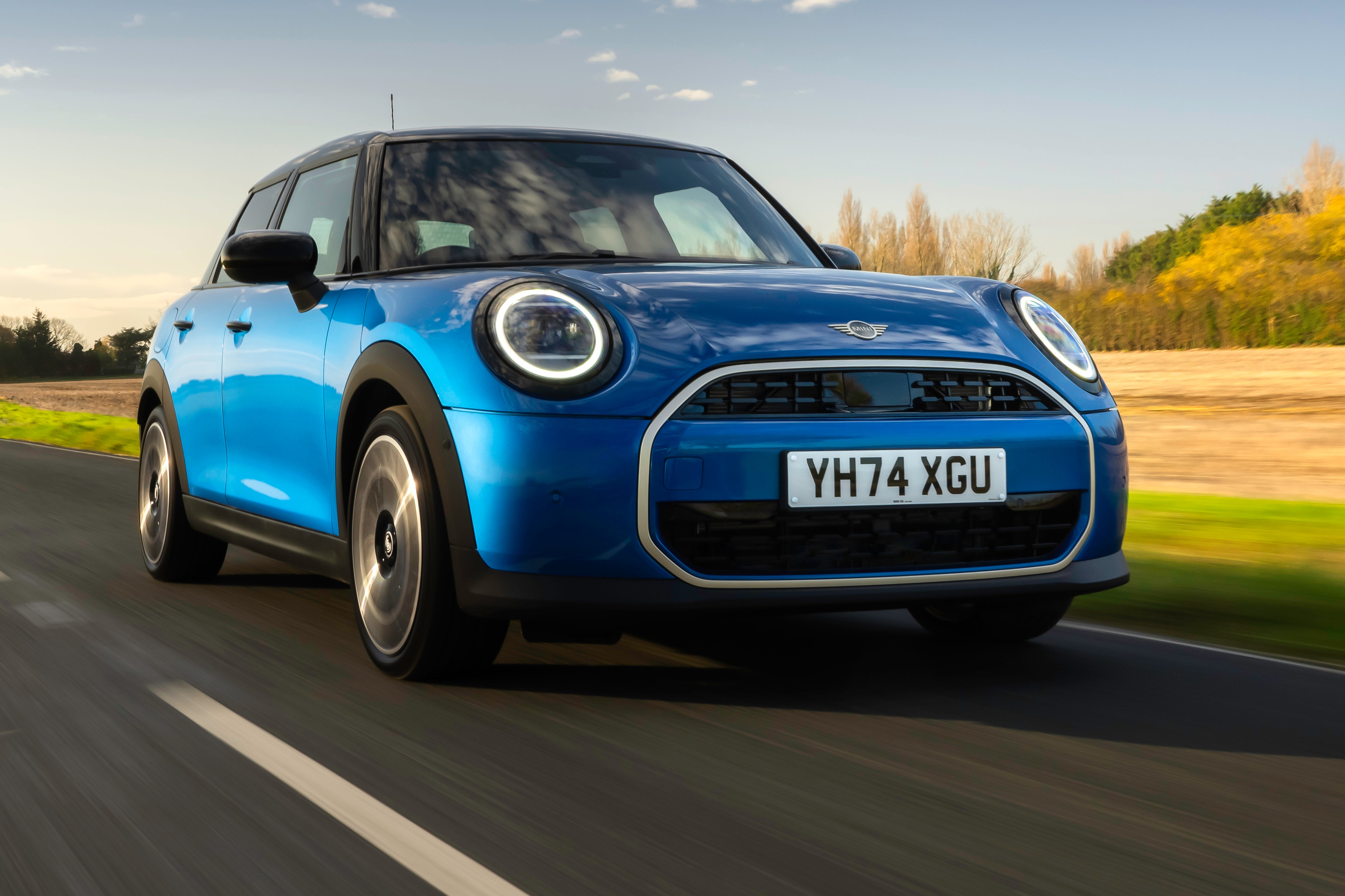
That's a difficult balancing act, yet the latest petrol-powered MINI Cooper gets most of it right. From the outside, it looks new without throwing away the design cues that matter. The lights, surfaces and detailing all move the game on, but there's never any doubt about what this car is supposed to be.
Browse used MINI Coopers for sale →
Inside, there's a much bigger change. The latest MINI cabin is cleaner, more modern and more dramatic than before, with the new circular central display doing a lot of the heavy lifting. Previous generations tried to force a square-ish screen into a circular housing. This time MINI has leaned into the concept properly, and the result is much more coherent.
The other key point is that the petrol MINI Cooper has not gone down exactly the same path as the all-electric version. Visually they are very closely related, but underneath the petrol car remains more familiar. That matters mainly because it explains why the dimensions and packaging have not changed dramatically. The latest petrol MINI Cooper is still very much a compact hatchback in the traditional mould rather than a car that has grown to chase extra family-car practicality.
That will either sound entirely sensible or mildly maddening, depending on what you want. On one hand, it means the MINI Cooper has kept its tidy footprint and eager feel. On the other, it means rear-seat room and boot space are still compromised, especially in the three-door.
There are two body styles to choose from, though, and that helps. The three-door is the purer, more iconic MINI Cooper, and it's the version most buyers will probably picture first. The five-door adds useful rear access, a bit more cabin room and a slightly bigger boot, so it's the more practical choice if you need to carry passengers regularly.
The trim structure is simple, too. Classic, Exclusive and Sport are the three main styles, and then MINI lets you add Level packs if you want more luxury, convenience or safety kit. That's a neater set-up than the old world of endless trim and option combinations, even if the packs can still make the price rise quickly.
In short, the MINI Cooper remains what it always was: a small car bought as much with the heart as the head. The clever bit is that it still has enough depth underneath the charm to justify that decision.
What's the best Mini Cooper trim and engine option?
For most buyers, the best MINI Cooper is the five-door in Exclusive trim with the Level 1 Pack. That combination gets closest to balancing the MINI’s emotional pull with some day-to-day common sense.
The reason for choosing the five-door is straightforward. It keeps all the style, the same core cabin design and the same engine, but it's easier to live with if you need to carry passengers more often than occasionally. Access to the rear is much better, knee room is less tight and the extra boot space, modest though it's, does make a difference.
If your heart is set on the iconic shape, though, the three-door remains the purer MINI Cooper. It looks cleaner, feels a little more like the classic MINI formula and is still the version many buyers will prefer on style alone.
The single 156PS 1.5-litre turbo petrol engine keeps the decision simple. It suits the MINI well, offering enough shove to make the car feel lively without overwhelming the chassis or turning it into an expensive warm hatch.
Trim-wise, Classic gives you the essentials, but Exclusive feels like the most natural fit for the MINI Cooper’s premium ambitions. Sport has visual punch and paddle shifters, but it can tip the car a little too far into style-first pricing. The Level 1 Pack is the one worth prioritising because it adds genuinely useful upgrades such as heated front seats, head-up display, adaptive headlights, wireless charging and comfort access.
What’s the price of the Mini Cooper?
The current petrol MINI Cooper range starts at £25,265 for the three-door Classic and rises to £28,765 for the three-door Sport. The five-door range starts at £26,265 and climbs higher once you start adding packs. There are also plenty of used MINI Coopers for sale for considerably less.
That means the MINI Cooper is not cheap for a small hatchback. You can buy more space, more comfort and in some cases more equipment for similar money elsewhere.
But that has always been part of the MINI equation. You are paying not just for transport, but for the design, the cabin feel, the image and the way the car drives. Whether that stacks up depends on how much those things matter to you.
The thing to watch is the options list. MINI’s Level packs and trim upgrades can make the price rise very quickly. The good news is that desirable MINIs tend to hold their value well, which softens the blow a little if you're financing or leasing.
Alternatives to the Mini Cooper
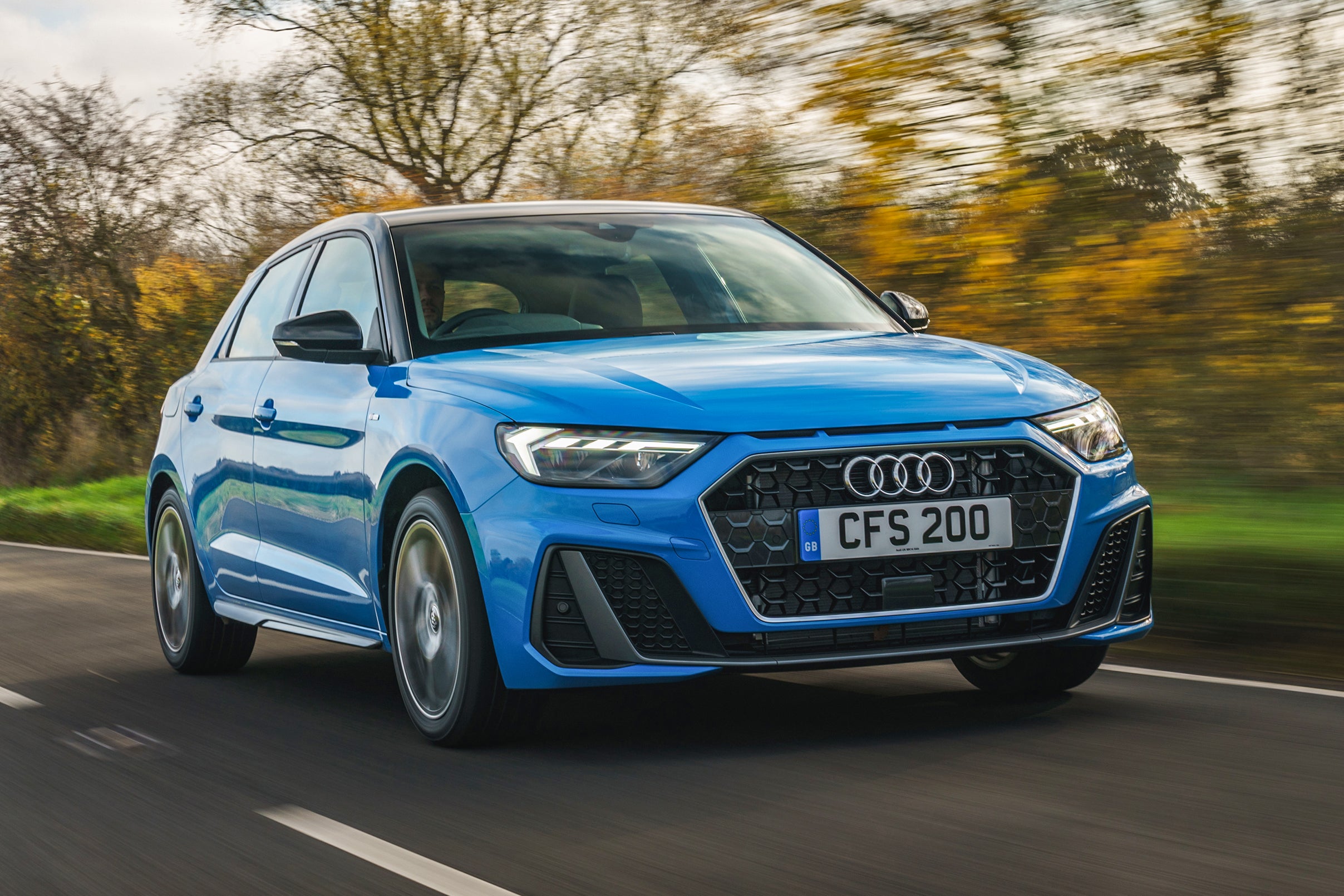
The Audi A1 is the clearest like-for-like premium alternative because it targets many of the same buyers with a similarly upmarket feel, compact dimensions and strong badge appeal. It's not as playful or characterful as the MINI Cooper, but it's a little more conventional and easier to justify on pure usability.
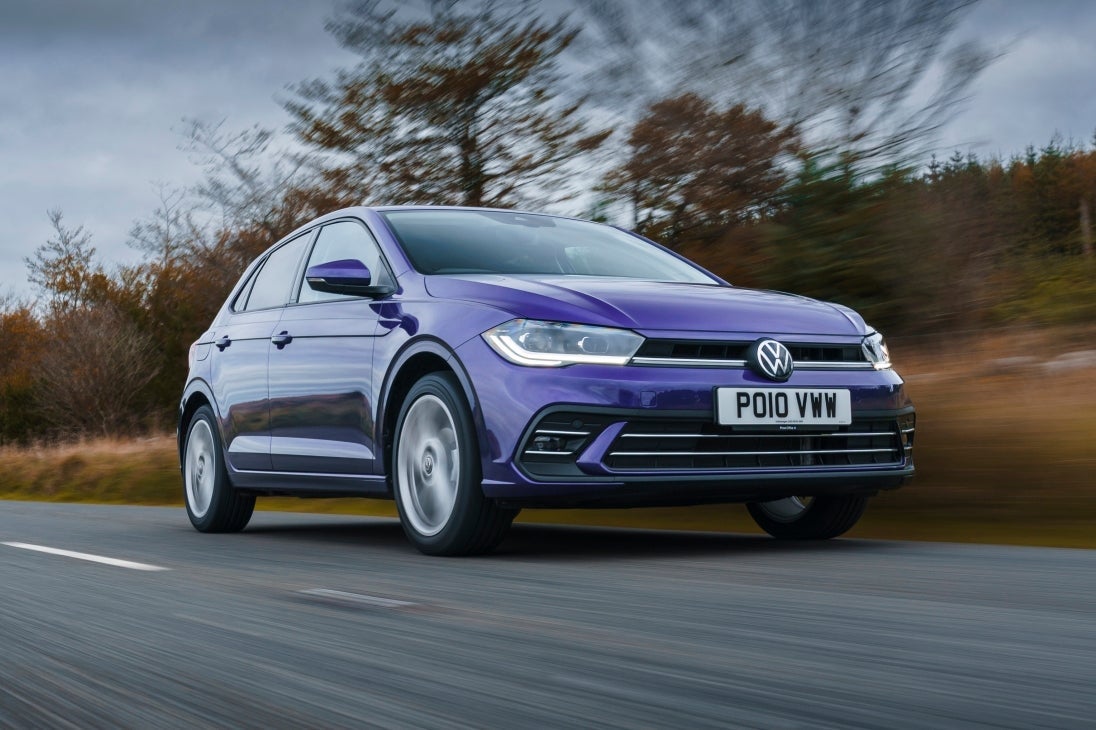
The Volkswagen Polo is the sensible all-round alternative. It's roomier, more comfortable and easier to live with if you're trying to make a rational small-car choice.
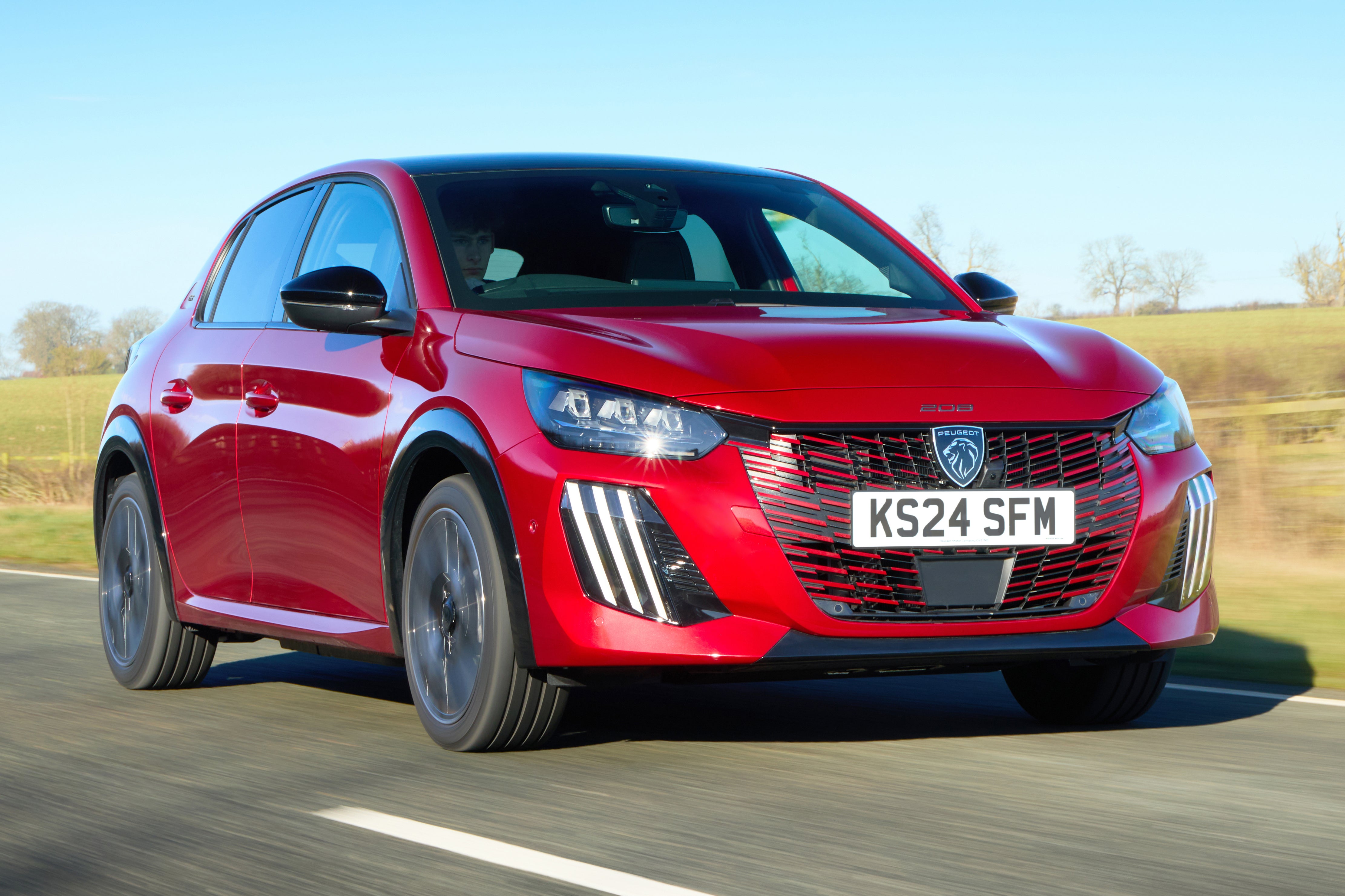
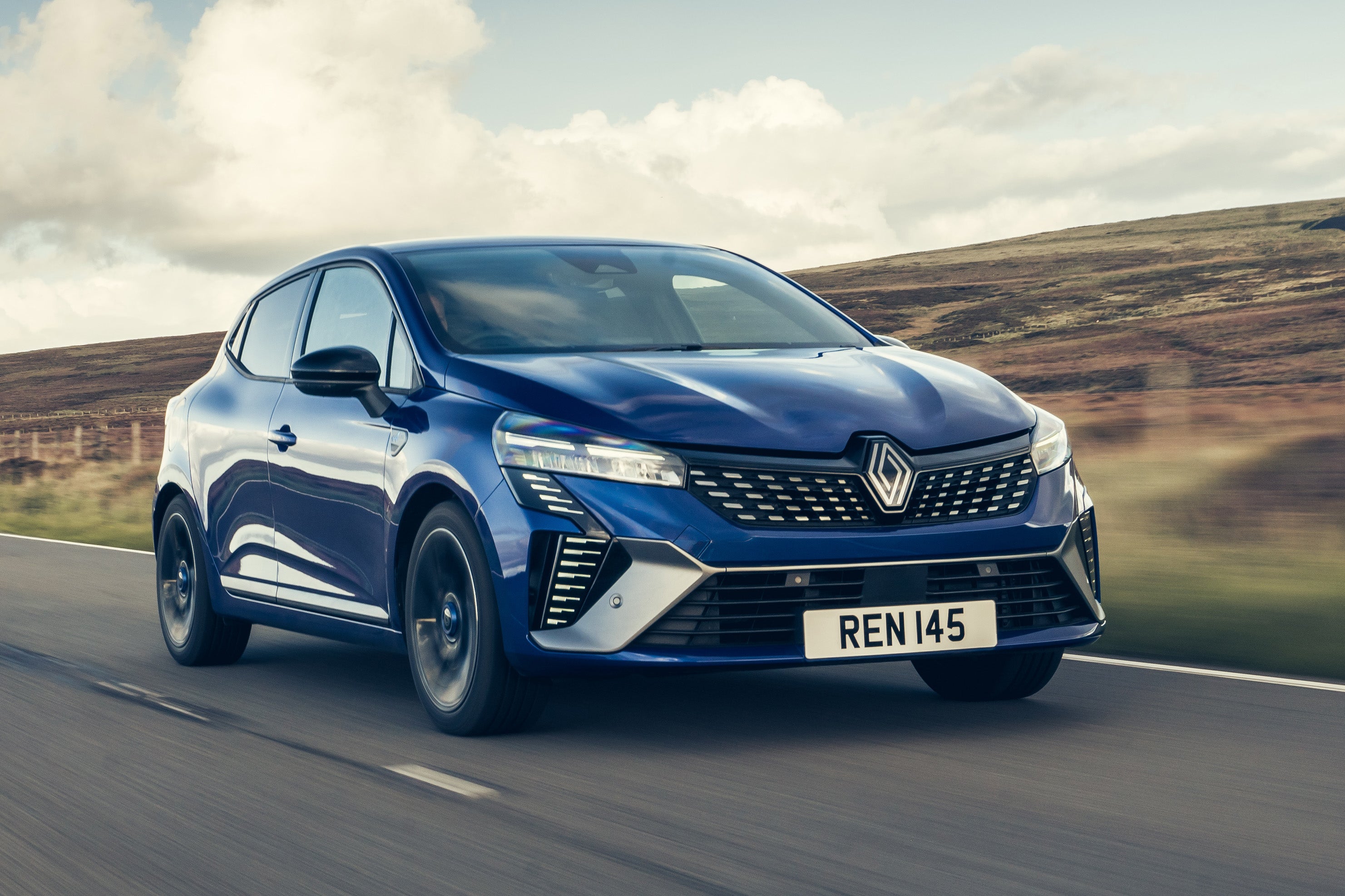
The Renault Clio, Peugeot 208 and Toyota Yaris are all strong small-car alternatives in different ways, especially if efficiency matters more than personality. A Honda Jazz is vastly more practical, though nobody ever bought one because it made them grin in the same way as a MINI.
At the style-led end, the Fiat 500 still deserves a mention, although it's smaller and less capable as a proper all-round car. If you're looking at the MINI Cooper as a slightly indulgent small hatch, that emotional alternative still matters.
What's the interior like in the Mini Cooper?
The latest MINI Cooper has one of the most distinctive interiors of any small car on sale. It feels special in a way that goes well beyond simple trim quality, and that's a huge part of its appeal.
Mini Cooper boot space and practicality
The driving position is spot on for the kind of car this is meant to be. You sit low, the steering wheel has plenty of adjustment and the whole cabin wraps around you in a way that immediately feels more engaging than most superminis.
The front seats are supportive without being too aggressive, and the overall sense of quality is strong. MINI has long been good at making its small cars feel more expensive than they really are, and that remains true here.
Storage is reasonable in the front, though not outstanding. There's space around the centre console, cupholders, a glovebox and slender door bins, but this is still a compact hatchback rather than a packaging masterclass.
Rear space depends heavily on body style. In the three-door, the back seats are best treated as occasional-use spaces for adults or regular-use spaces for children. There are only two rear seats, and access is predictably awkward. Once installed, passengers get acceptable shoulder room and enough space for shorter journeys, but nobody will confuse the three-door MINI Cooper with a practical family hatch.
The five-door makes a much stronger case if you use the rear seats regularly. The extra length and additional doors transform ease of access, and there's more knee room as well. It's still not especially spacious by class standards, but it's far more usable.
Boot space is one of the MINI Cooper’s weaker areas. The three-door offers just 210 litres, which is firmly on the small side even in this class. The five-door improves that to 275 litres, which is better but still modest next to alternatives such as the Honda Jazz or Skoda Fabia.
Fold the rear seats and carrying capacity improves, but the MINI Cooper never stops being a style-first small hatch rather than a practical one. If carrying lots of luggage or child gear is a regular part of your life, the five-door is the safer bet, and even then there are better options elsewhere.
Mini Cooper dimensions
The three-door MINI Cooper measures 3,876mm long, 1,744mm wide & 1,452mm high. The five-door grows to 4,036mm in length and 1,464mm in height, while keeping the same width.
Those dimensions explain a lot about the car’s character. The MINI Cooper remains compact, easy to place and good in tight urban spaces, but there's only so much room MINI can create within that footprint.
Tech and infotainment in the Mini Cooper
The new 9.4-inch circular OLED touchscreen is one of the MINI Cooper’s real highlights. It looks brilliant, suits the design perfectly and lifts the whole cabin above most small-car alternatives.
It's not just a visual gimmick either. The system is clear, crisp and mostly intuitive once you have spent a little time with it. The graphics are sharp, smartphone integration is included and the whole set-up feels like a genuine step forward.
Not everything is perfect. Because MINI has stripped back the dashboard so heavily, a lot of functions now live in the touchscreen. Some on-screen icons are smaller than ideal, and a few menus could be simpler to navigate on the move. But compared with many over-styled infotainment systems, this one is still impressive.
The head-up display in the Level 1 Pack is also well worth having, because it adds useful information right in the driver’s line of sight without cluttering the otherwise minimalist dashboard.
Materials available on the Mini Cooper
Material quality is very good for a small hatchback. MINI mixes fabrics, textured trims and coloured details in a way that makes the cabin feel individual rather than just expensive.
The woven-effect dash and door trims work especially well, and the slim vents and switchgear give the interior a neat, carefully designed feel. It's one of those cabins where the overall effect matters as much as the raw material quality.
Classic, Exclusive and Sport each have their own flavour. Exclusive is the most elegant of the three, while Sport leans harder into a darker, more aggressive look. All of them, though, help the MINI Cooper feel more special than an ordinary supermini.
What's the Mini Cooper like to drive?
The MINI Cooper remains one of the most entertaining small cars to drive, and that's still the main reason people put up with its compromises.
Mini Cooper range and performance
The regular petrol MINI Cooper range uses a single 1.5-litre three-cylinder turbo petrol engine with 156PS, paired with a seven-speed automatic gearbox.
That single-engine line-up keeps things simple. The 156PS unit's willing, responsive and punchy enough to make the most of the MINI Cooper’s compact footprint.
What matters more than the headline figures is the way the engine delivers its performance. It majors on low- and mid-range pull rather than chasing the red line, which suits everyday road driving well. You can make brisk progress without constantly working it hard, and the MINI still feels eager whenever the road opens up.
The downside is that this is no longer the sort of small sporty hatch you can order with a manual gearbox. Every regular MINI Cooper gets the same seven-speed automatic, and while it suits the car’s broader grown-up side, it does take away one layer of interaction that older MINIs were famous for.
Sport trim adds paddle shifters, which help a little, but this remains an automatic-only proposition unless you move into other parts of the MINI range.
Performance data
| Model | Engine/battery size | Power | 0-62mph | Range/MPG |
|---|---|---|---|---|
MINI Cooper three-door | 1.5-litre turbo petrol automatic | 156PS | 7.7 seconds | Around 47mpg |
MINI Cooper five-door | 1.5-litre turbo petrol automatic | 156PS | 8.0 seconds | Around 47mpg |
Mini Cooper driving and refinement
What the MINI Cooper still does brilliantly is make ordinary roads feel interesting. The steering is direct, the front end bites eagerly and the whole car feels nimble in a way most small hatchbacks simply do not.
That doesn't make it an out-and-out hot hatch, and it's better for that. The regular Cooper is quick enough to be fun without feeling frustrated in normal traffic. You can enjoy its responses without needing huge speeds, which is a big part of the car’s charm.
The suspension is on the firm side, as MINI buyers will expect. A Volkswagen Polo or Renault Clio feels softer and more forgiving over rough urban roads, while the MINI Cooper is more direct in the way it deals with bumps and broken surfaces.
The good news is that it rarely tips into harshness. The body stays well controlled, there's plenty of grip and the car feels composed even when the road is less than perfect. That firm-but-controlled balance is part of what makes the MINI so satisfying to drive quickly.
Braking performance is strong as well, and the car always gives the impression of being solidly engineered. On a twisty road, it still has that familiar go-kart flavour, even if the marketing phrase slightly oversells it.
Around town, the MINI Cooper is easy to thread through tight gaps and narrow streets because of its compact size and accurate steering. It feels very much at home in urban driving, even if the firm suspension means you never entirely forget what the road surface is doing underneath you.
Refinement is pretty good overall. The engine is smooth and quiet when driven gently, though it becomes more vocal at higher revs. There's some wind noise at motorway speeds because of the MINI’s upright shape, and tyre roar is not entirely absent, but the overall impression is still of a mature small car rather than a noisy toy.
How safe is the Mini Cooper?
The current MINI Cooper was awarded a maximum five-star rating from independent safety organisation Euro NCAP in 2025.
Standard safety kit includes six airbags, autonomous emergency braking, lane departure warning, traffic-sign recognition, ABS and stability control. Higher option packs also add more advanced assistance features, including adaptive cruise control with Stop and Go and additional parking assistance.
Running costs: What it's like to live with a Mini Cooper
The MINI Cooper is not the cheapest small car to buy or run, but it walks a sensible line between everyday affordability and the sort of character buyers are willing to pay for.The MINI Cooper is not the cheapest small car to buy or run, but it walks a sensible line between everyday affordability and the sort of character buyers are willing to pay for.
Mini Cooper fuel economy
The three-door MINI Cooper returns up to 47.9mpg according to official figures, while the five-door manages up to 47.1mpg.
Those are respectable figures for a small petrol hatch with this much personality, even if they are not exceptional by the standards of some hybrid rivals.
In real-world use, low-40s mpg looks realistic enough if you drive the MINI Cooper as most owners probably will. That means it's not the thriftiest option in the class, but neither is it unreasonably thirsty.
Mini Cooper warranty and servicing
MINI covers the Cooper with a three-year, unlimited-mileage warranty, which is decent enough by premium small-car standards even if it's not especially generous next to the best mainstream brands.
MINI also offers fixed-price Service Inclusive plans. For petrol models, cover can run up to the car’s fifth birthday or 62,000 miles, and there's also a shorter three-year Service Inclusive option on new petrol cars.
That makes routine servicing easier to budget for if you're buying new.
Mini Cooper insurance groups
Insurance groups are clearer than the old broad estimate suggested. Classic trim sits in group 21 of 50 in both three-door and five-door forms. Exclusive is also group 21 as a five-door, while the three-door moves into group 22. Sport follows the same pattern, with the five-door in group 21 and the three-door in group 22.
That means the regular MINI Cooper range effectively sits in groups 21 to 22, which is higher than many ordinary superminis and worth checking carefully if you're a younger driver.
How much does it cost to tax a Mini Cooper?
The current standard Vehicle Excise Duty (VED or road tax) rate from the second year onwards is £200 a year.
The MINI Cooper’s list price stays well below the Expensive Car Supplement threshold, so there's no danger of the extra annual charge that affects pricier new cars from years two to six.
What trims are available with the Mini Cooper?
The MINI Cooper range is built around Classic, Exclusive and Sport.
Classic is the entry point, but it still gets the essentials, including the 9.4-inch circular display, smartphone connectivity, climate control, heated steering wheel and alloy wheels. It doesn't feel like a stripped-out car.
Exclusive adds a more polished look inside and out, along with upgraded upholstery, different seats and extra detailing. This is the trim that best suits the MINI Cooper’s premium aspirations.
Sport is the most extrovert choice. It brings more aggressive styling details, its own alloy wheel design and, importantly, paddle shifters for the automatic gearbox.
Above that, MINI pushes buyers towards the Level packs. The Level 1 Pack is the most worthwhile, because it bundles together heated front seats, head-up display, adaptive LED headlights, wireless charging, comfort access and folding mirrors. The higher packs add more luxury and technology, but become harder to justify on value.
Ask the Drive experts: common questions
How much does the MINI Cooper cost?
Is the MINI Cooper a good everyday car?
Which MINI Cooper is best?
Is the MINI Cooper better than an Audi A1?
Get our latest advice, news and offers
Keep me updated by email with the latest advice, news and offers from Drive.