Audi Q3 (2018-2025) Review

Written By Andrew Brady
- 2018
- Small SUV
- Petrol, diesel, plug-in hybrid
What we love
Very practical for a premium small SUV
Smart interior with strong technology
Sliding rear bench adds real everyday versatility
Things to consider
Higher-spec models can command a used-price premium
Driving experience favours comfort and ease
2.0-litre petrols are notably thirstier than the 1.5s
The DRIVE take on the Audi Q3, is it the right car for you?
The previous Audi Q3 remains a very convincing used buy if you want a premium-badged family SUV that still feels smart, practical and easy to live with. It's not the most exciting car in the class, and some versions ride more firmly than you might like, but it blends quality, flexibility and everyday usability with real polish. If you want a compact SUV that feels more upmarket than the mainstream norm without becoming awkward or overly niche, the Q3 makes a very strong case.
The Audi Q3 in more detail
This second-generation Q3 was the car that really made Audi’s small SUV formula feel complete. The first Q3 had badge appeal and tidy looks, but it never felt quite spacious or rounded enough to dominate the class. This version fixed most of that. It became roomier, more versatile and much more convincing inside, while also taking a clear step forward in design and perceived quality.
This Q3 landed in a part of the market where buyers expect more than just a premium badge. A family SUV has to be easy to live with, practical enough for daily life and polished enough to justify the price jump over mainstream alternatives. The Q3’s great strength is that it managed to do all of those things without feeling dull or overly conservative.
Browse used Audi Q3s for sale →
It also came from the point at which Audi interiors were becoming much more digital and design-led, so this Q3 gained a cabin that felt like a scaled-down version of the larger Q5 and Q7. That gave it a more expensive feel than plenty of rivals and helped reinforce the sense that this was a premium SUV rather than just a posh badge on a familiar family car.
Audi’s range has now moved on to a newer Q3, making this 2018-2025 model an attractive used option. However, it still feels modern enough, remains highly usable and now makes stronger financial sense than it did when new.
What's the best Audi Q3 trim and engine option?
For most buyers, that’s the 35 TFSI in Sport or S line trim. The 1.5-litre petrol has enough performance for everyday driving, keeps running costs more sensible than the stronger petrols and suits the Q3’s relaxed family-SUV character very well.
If your annual mileage is higher, the 35 TDI is the diesel to look for. It has the sort of easy motorway ability that suits the Q3 well and should still return a strong fuel economy.
Trim matters here, too. Sport is the sensible starting point, while S line adds the sharper styling many buyers will want. Black Edition, Edition 1 and Vorsprung cars look tempting, but they also tend to bring bigger wheels and more cost.
What’s the price of the Audi Q3?
Used Audi Q3 prices now start from around £15,000 for older, higher-mileage cars, while later facelifted examples, posher trims and plug-in hybrids can sit much higher. You can find used Audi Q3s for sale here.
There's plenty of choice in the used market, which is helpful because the right combination of engine, trim and wheel size makes a noticeable difference to how convincing the Q3 feels.
For many buyers, the best value sits in the middle of the range with a well-specced 35 TFSI or 35 TDI rather than at the extremes.
Alternatives to the Audi Q3
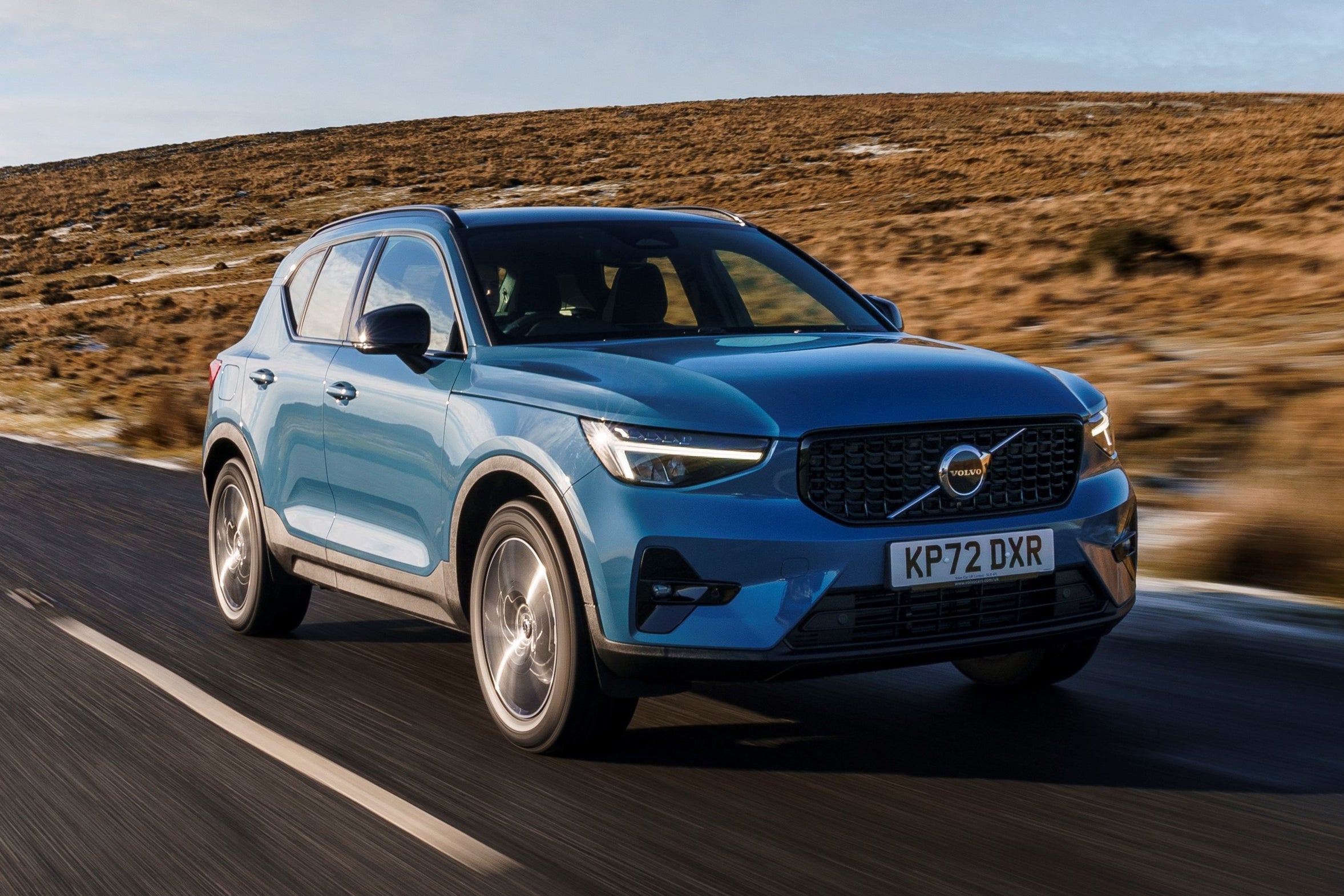
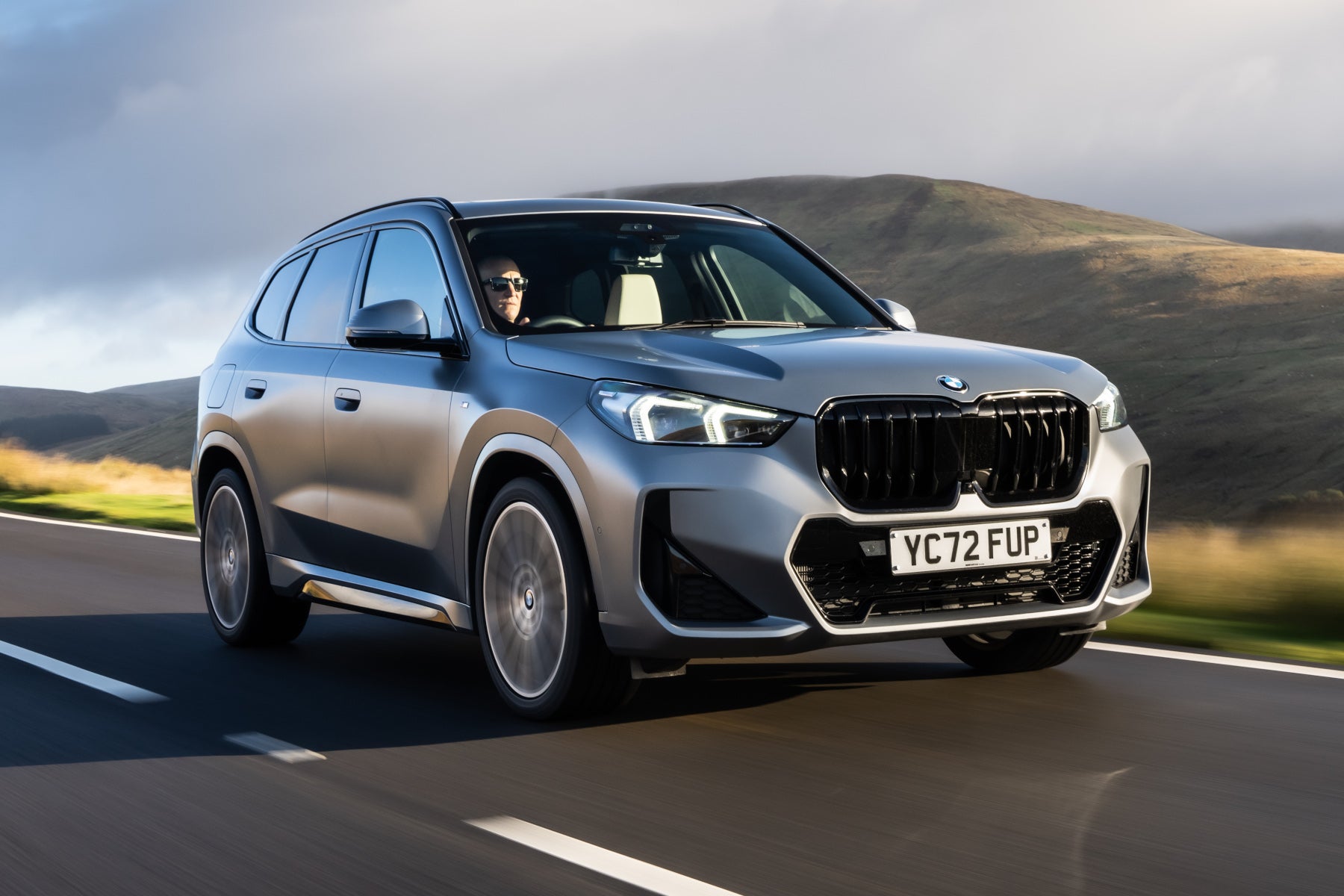
The BMW X1 is the obvious alternative if driving enjoyment matters more, while the Volvo XC40 is the one to look at if you want a more characterful cabin and a more design-led feel.
The Mercedes-Benz GLA is another key rival if badge appeal and showroom glamour are high on your list, while the Lexus NX, the MINI Countryman and the Mazda CX-30 offer slightly more left-field alternatives depending on what you value most.
The Audi Q3’s strength is that it feels like one of the most rounded cars in this class. It's not the quirkiest or most entertaining option, but it's one of the easiest to recommend without significant caveats.
What's the interior like in the Audi Q3?
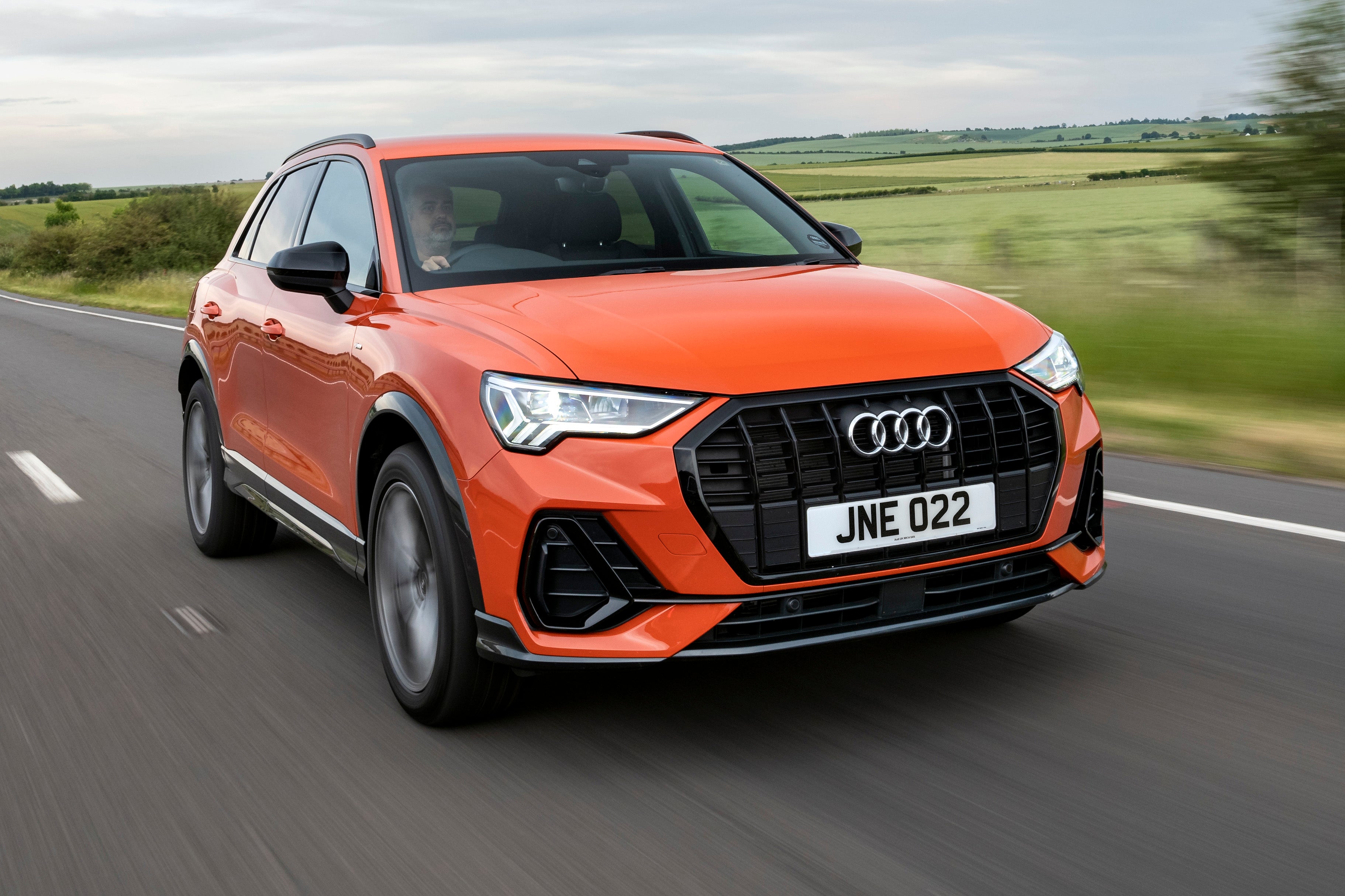
The Audi Q3’s interior remains one of its strongest selling points. It's cleanly designed, modern-looking and feels expensive enough to justify the premium badge.
Audi Q3 boot space and practicality
Practicality is one of the Q3’s strongest suits. Up front, there's loads of space, plenty of adjustment and the sort of useful cabin storage that makes family life much easier.
The rear seats are a big part of the appeal. The sliding bench lets you prioritise rear legroom or boot space depending on what you need, and the adjustable backrest angle adds another layer of flexibility. That's the sort of feature that sounds minor on paper but makes a real difference in day-to-day use.
Rear-seat space itself is very good for this class. Adults have little to complain about, children have loads of room, and the square side windows help the back of the Q3 feel airy rather than claustrophobic.
The boot is another plus point. At 530 litres in standard petrol and diesel versions, it's one of the more useful cars in this class and comfortably outguns several premium alternatives. The plug-in hybrid represents a compromise when it comes to boot space, however, because its battery packaging cuts capacity to 380 litres. If luggage space matters a lot, the regular petrol and diesel versions make far more sense.
Audi Q3 dimensions
The Audi Q3 measures 4,484mm long, 2,024mm wide and 1,585mm high, which makes it one of the larger cars in the premium small-SUV class.
In practice, that extra size helps the Q3 feel more useful and less cramped than some rivals, while still being compact enough to work well in town.
Tech and infotainment in the Audi Q3
The Q3’s tech was one of its strongest selling points when new, and it’s aged well. Every version gets a 10.1-inch central touchscreen and Audi’s Virtual Cockpit digital instruments, which still look sharp and feel intuitive by class standards.
The system is slick, the menus are logically laid out, and the graphics remain among the best in this part of the market. Audi’s older rotary-controlled systems were arguably easier to use on the move, but the touchscreen setup here holds up well.
Better-specced cars and those fitted with Audi’s various tech packs feel more luxurious again, but even standard versions bring enough digital polish to keep the Q3 feeling current.
Materials available on the Audi Q3
Audi offered a fairly broad mix of seat materials and trim combinations depending on model and interior line. The core upholstery choices included pulse cloth, leather and Alcantara, each combined with artificial leather.
There were also more distinctive interior design packs. Audi’s design selection trims added combinations such as black/amber brown and Pandora grey/steel grey, mixing leather, artificial and Alcantara accents. On later cars, the range also included microfibre and leatherette combinations, particularly on sportier versions. Decorative inlays varied too, with options including matt brushed aluminium dark, plus other metallic-look or darker trims depending on spec.
What's the Audi Q3 like to drive?
The Q3 is a very easy SUV to get on with, but it's not one for buyers chasing excitement. Its priorities are competence, security and refinement.
Audi Q3 range and performance
You’ll be choosing between the 35 TFSI, 35 TDI, 40 TDI, 40 TFSI, 45 TFSI and the 45 TFSI e plug-in hybrid, depending on year and trim. The 35 TFSI is the key engine in the range for most buyers.
It has enough power to make the Q3 feel usefully brisk without tipping into unnecessary thirst, and it suits the car’s family-SUV brief very well. The 35 TDI is the stronger long-distance option, while the 40 and 45 petrols are noticeably quicker but harder to justify for most drivers.
The 45 TFSI e is the left-field option. It offers an official electric range of up to 32 miles, but its battery eats into boot space, and it only really makes sense if you can charge regularly.
Performance data
| Model | Engine/battery size | Power | 0-62mph | Range/MPG |
|---|---|---|---|---|
Audi Q3 35 TFSI manual | 1.5-litre petrol | 150PS | 9.4 seconds | 43mpg |
Audi Q3 35 TDI S tronic | 2.0-litre diesel automatic | 150PS | 9.6 | 52mpg |
Audi Q3 45 TFSI quattro S tronic | 2.0-litre petrol automatic | 245PS | 5.8 | 32mpg |
Audi Q3 45 TFSI e S tronic | Plug-in hybrid automatic | 245PS | 7.3 seconds | 32 miles |
Audi Q3 driving and refinement
The Q3 feels competent, secure and easy to place on the road. Around town, it's straightforward to manoeuvre, the steering is light enough, and visibility is decent for an SUV of this size.
On a country road, it grips well and resists body roll neatly enough, but there's very little real entertainment to be had. A BMW X1 is more eager and more involving, while the Audi majors more on composure and predictability.
Ride comfort varies a fair bit by wheel and suspension setup. Smaller wheels generally help, while S line cars on their larger alloys can feel firmer over poor surfaces than some rivals. Adaptive suspension, where fitted, is the best setup to seek out if comfort matters most.
Refinement is strong overall. Wind and road noise are well suppressed, and even the diesels settle down nicely once up to speed. The main weak point is the S tronic automatic gearbox, which can feel hesitant and occasionally clumsy when you need a quick response.
How safe is the Audi Q3?
The Q3 scored a maximum five-star score when tested by independent safety organisation Euro NCAP in 2018, and performed strongly across the key categories, including adult and child occupant protection. This rating is now considered expired by the safety body due to its age.
Safety kit is strong, with autonomous emergency braking, lane departure warning and traffic sign recognition among the notable features, while higher-spec cars add even more assistance technology. As always, it's worth checking the exact specification of any used example.
Running costs: What it's like to live with a Audi Q3
The Q3 is not a cheap small SUV to run in absolute terms, but it's more manageable than its premium image might suggest if you choose carefully. The mainstream petrol and diesel engines are efficient enough, and the car’s strong practicality helps justify the spend.
The biggest trap is drifting into the wrong version. Larger wheels, higher trims and the stronger petrol engines all push costs up quickly, so the smartest used buys are often the simpler ones.
Audi Q3 fuel economy
Fuel economy is one of the Q3’s stronger points if you avoid the thirstier petrols. The 35 TFSI is the sensible petrol choice, managing up to around 40mpg on the most efficient models, while the 35 TDI is the clear pick if you cover bigger motorway mileages, capable of more than 50mpg.
The plug-in hybrid can look very attractive on paper with its 176.6mpg rating, but as ever, the official headline only really makes sense if you charge it regularly and use it mainly for journeys of less than 30 miles. If not, you're carrying the extra weight and losing boot space without getting the full benefit.
Audi Q3 warranty and servicing
Any remaining manufacturer warranty will depend on the age of the car, but Audi Approved Used examples remain the most reassuring place to start.
Audi Approved Used currently includes a minimum of one year of Audi Warranty, one year of roadside assistance and a 30-day exchange plan, which adds useful reassurance on a used premium SUV.
Audi servicing is generally straightforward, but on used examples it's still worth checking the history carefully, particularly on plug-in hybrid cars and early 1.5-litre petrols.
Audi Q3 insurance groups
Insurance varies quite a bit across the range, but the Q3 remains manageable enough in mainstream trims, going from groups 21 to 37. The 35 TFSI Sport manual is the easiest point of entry, while stronger petrols and richer trims climb more quickly. As always, it's worth checking quotes before you buy.
How much does it cost to tax a Audi Q3?
For most Audi Q3S, the standard annual Vehicle Excise Duty (VED or road tax) rate is £200.
If the car’s original list price was over £40,000, you’ll also have to pay the Expensive Car Supplement for five years from the second licence. That takes the annual bill to £640. Black Edition cars and heavily optioned examples are where that threshold becomes especially relevant.
What trims are available with the Audi Q3?
As a used buy, the Q3 range you’ll most often encounter centres on Sport, S line, Black Edition, Edition 1 and Vorsprung.
Q3 Sport is the trim most buyers should start with. It already gives you the equipment most owners actually want, and it usually makes the most sense on comfort grounds, too.
Q3 S line adds the sharper styling and extra visual drama many buyers will understandably want, while Black Edition pushes the look further with its dark trim details and larger wheels. Edition 1 and Vorsprung are the more lavish choices, but they also tend to be the ones where comfort and value start to slip.
In simple terms, Sport or a sensibly specified S line is where the Q3 makes the strongest used-buy case.
Ask the Drive experts: common questions
Is the Audi Q3 still on sale new in the UK?
Is the previous Audi Q3 still worth buying?
Which Audi Q3 engine is best?
Should I buy the Audi Q3 or a BMW X1?
Get our latest advice, news and offers
Keep me updated by email with the latest advice, news and offers from Drive.
.jpg)
.jpg)