Ford EcoSport (2014-2023) Review

Written By Andy Brady
- 2014
- SUV
- Petrol, diesel
What we love
Affordable used prices
Good equipment on later cars
Characterful 1.0-litre EcoBoost engine
Things to consider
Unsettled ride and poor refinement
Awkward side-hinged tailgate
Less practical than most small SUVs
The DRIVE take on the Ford Ecosport, is it the right car for you?
The Ford EcoSport is worth considering if you want an inexpensive used SUV with a high driving position, compact dimensions and plenty of equipment. Later models have a much better cabin than early examples, while the 1.0-litre EcoBoost petrol engine provides acceptable performance and suits short everyday journeys. Used prices are also low compared with those of many newer small SUVs.
Its awkward tailgate, mediocre ride and limited refinement are significant compromises, however, and alternatives such as the SEAT Arona, Renault Captur and Ford Puma are more rounded cars.
The Ford Ecosport in more detail
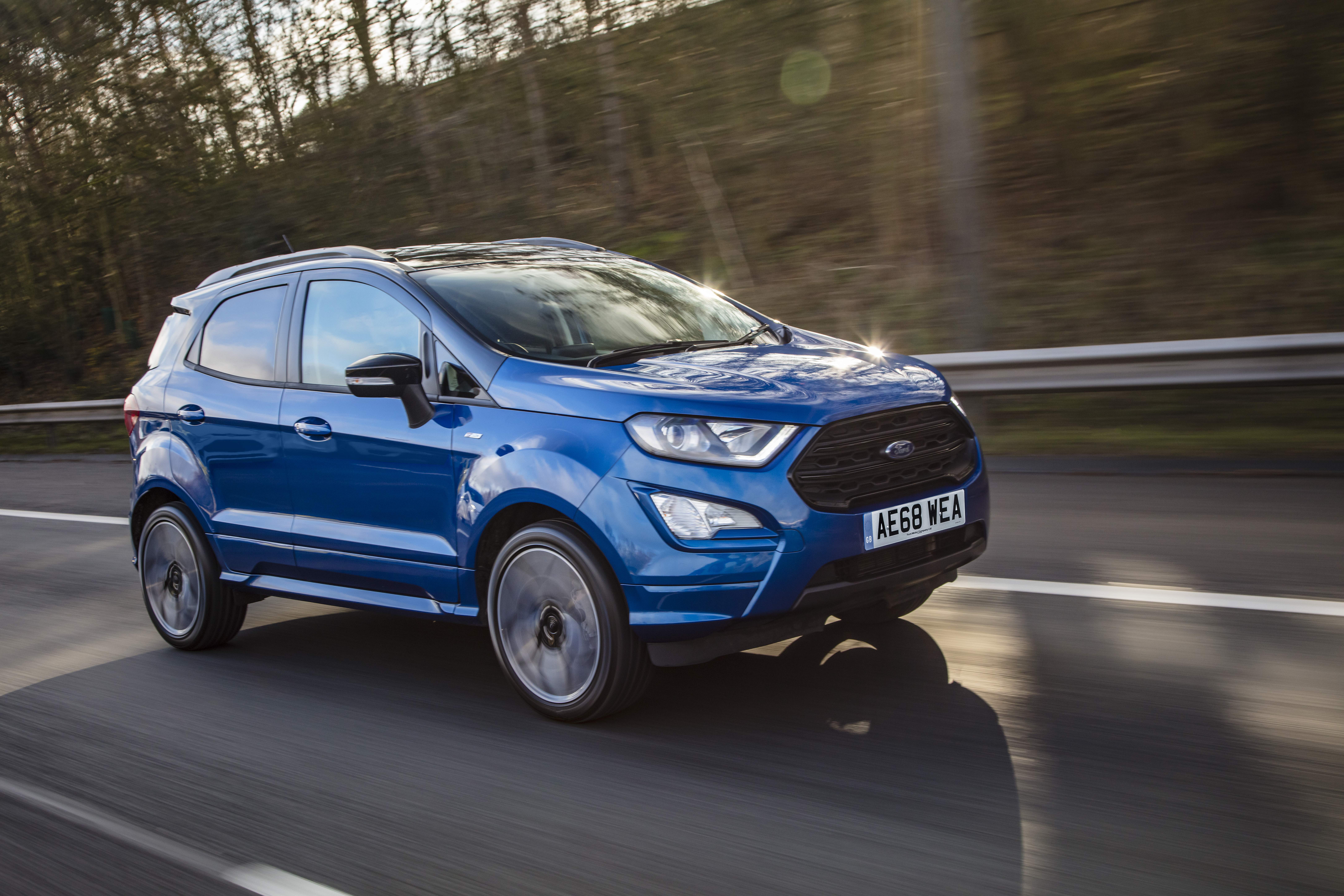
The Ford EcoSport arrived in the UK in 2014 as the company’s first serious attempt to enter the rapidly growing small SUV market.
Based partly on the previous-generation Ford Fiesta, it combined compact hatchback dimensions with a raised driving position, chunky styling and a taller body.
Early cars were developed primarily for markets outside Europe, which was evident in their basic cabin materials, limited refinement and unsettled road manners.
Ford made several improvements during the EcoSport’s life, with the most substantial update arriving for 2018. The revised car gained smarter exterior styling, a redesigned dashboard, better materials, improved seats and Ford’s SYNC touchscreen infotainment system.
These later models are considerably more appealing and should be prioritised unless the budget is especially tight.
The engine range included 1.0 and 1.5-litre petrol units, alongside several versions of Ford’s 1.5-litre diesel. Most EcoSports are front-wheel drive with a manual gearbox, although automatic petrol models were available and a small number of higher-powered diesels were sold with four-wheel drive.
Production ended in 2023, and Ford has not introduced a direct replacement. The Puma occupies a similar position in the current range but is a much more modern, refined and capable small SUV.
The EcoSport’s low used price remains its main attraction. There is a broad selection on the market, and many later cars have generous equipment, including smartphone connectivity, climate control and parking assistance.
That value needs to be balanced against the car’s weaknesses, because its side-hinged tailgate is inconvenient in tight spaces, the boot is not especially large and the suspension struggles to combine comfort with body control.
What's the best Ford Ecosport trim and engine option?
The Ford EcoSport 1.0 EcoBoost 125PS Titanium manual from 2018 onwards is the best all-round version.
The 125PS petrol engine provides a better balance of performance and running costs than the lower-powered alternatives, while the manual gearbox is preferable to the hesitant automatic.
Titanium trim adds climate control, parking sensors, a reversing camera, part-leather upholstery and useful convenience equipment without the firmer suspension fitted to ST-Line cars.
Post-2018 examples also have the improved dashboard, better cabin materials and eight-inch SYNC touchscreen.
Zetec is a sensible budget option and still includes air conditioning, alloy wheels and smartphone connectivity on later cars.
ST-Line looks sportier but its larger wheels and firmer suspension worsen the already unsettled ride, while Active adds rugged-looking trim without providing meaningful off-road ability.
Diesel models suit drivers covering regular long motorway journeys, although they are slower, noisier and less appropriate for repeated short trips.
What’s the price of the Ford Ecosport?
Used prices start from around £2,500 for early cars with high mileage.
Between £3,500 and £5,500 buys a wider choice of 2014 to 2017 examples, including many Titanium models with the 1.0-litre EcoBoost engine.
Facelifted cars from 2018 generally begin at around £5,500, while approximately £7,000 to £10,000 buys a broad selection of later Zetec, Titanium, ST-Line and Active models.
Low-mileage examples from 2021 to 2023 can cost between £9,000 and £13,000, depending on engine, trim and gearbox.
The EcoSport is not especially sought after, so buyers can afford to be selective. A well-maintained post-facelift manual petrol is a better purchase than an older high-specification automatic or diesel.
Alternatives to the Ford Ecosport
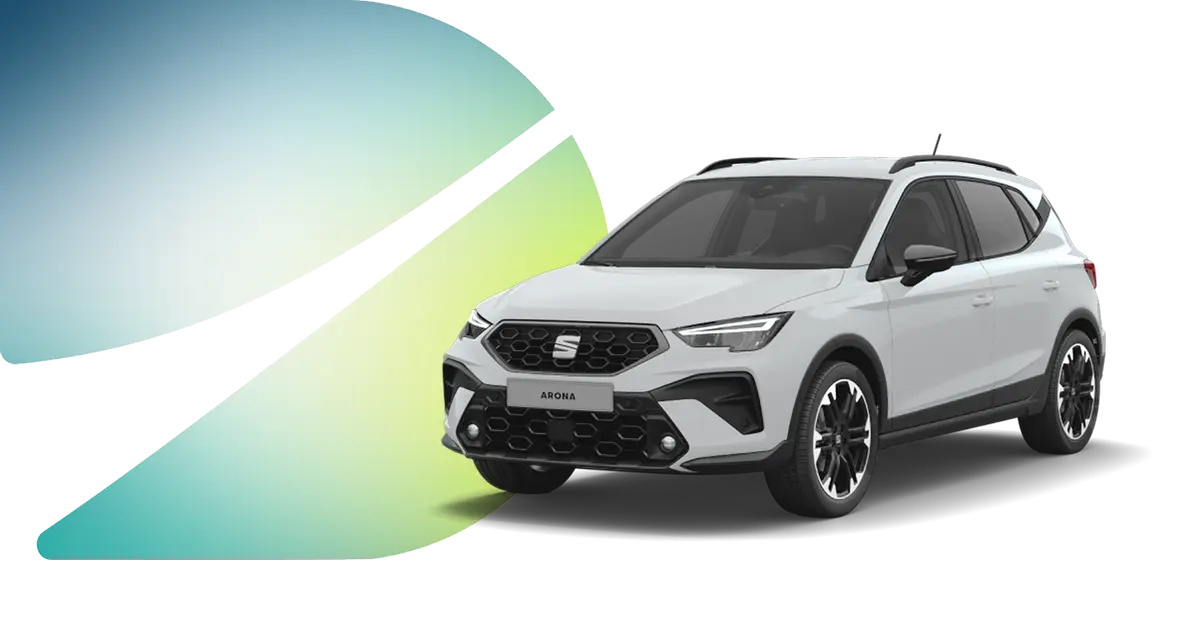
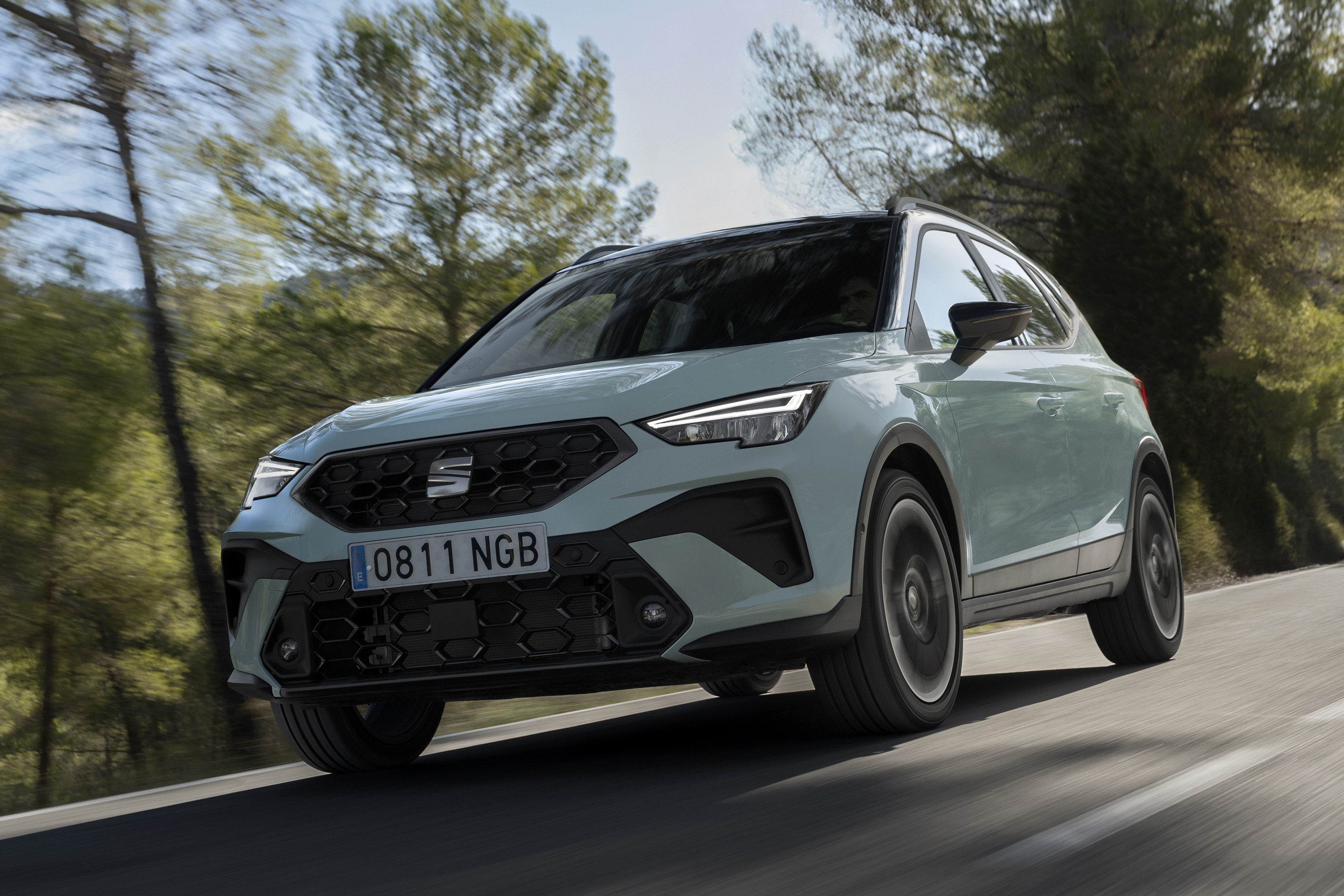
The SEAT Arona is more comfortable, practical and enjoyable to drive. It also has a larger boot and a more refined cabin.
The Renault Captur provides greater rear-seat flexibility and a more useful luggage area. Later versions feel considerably more modern inside.
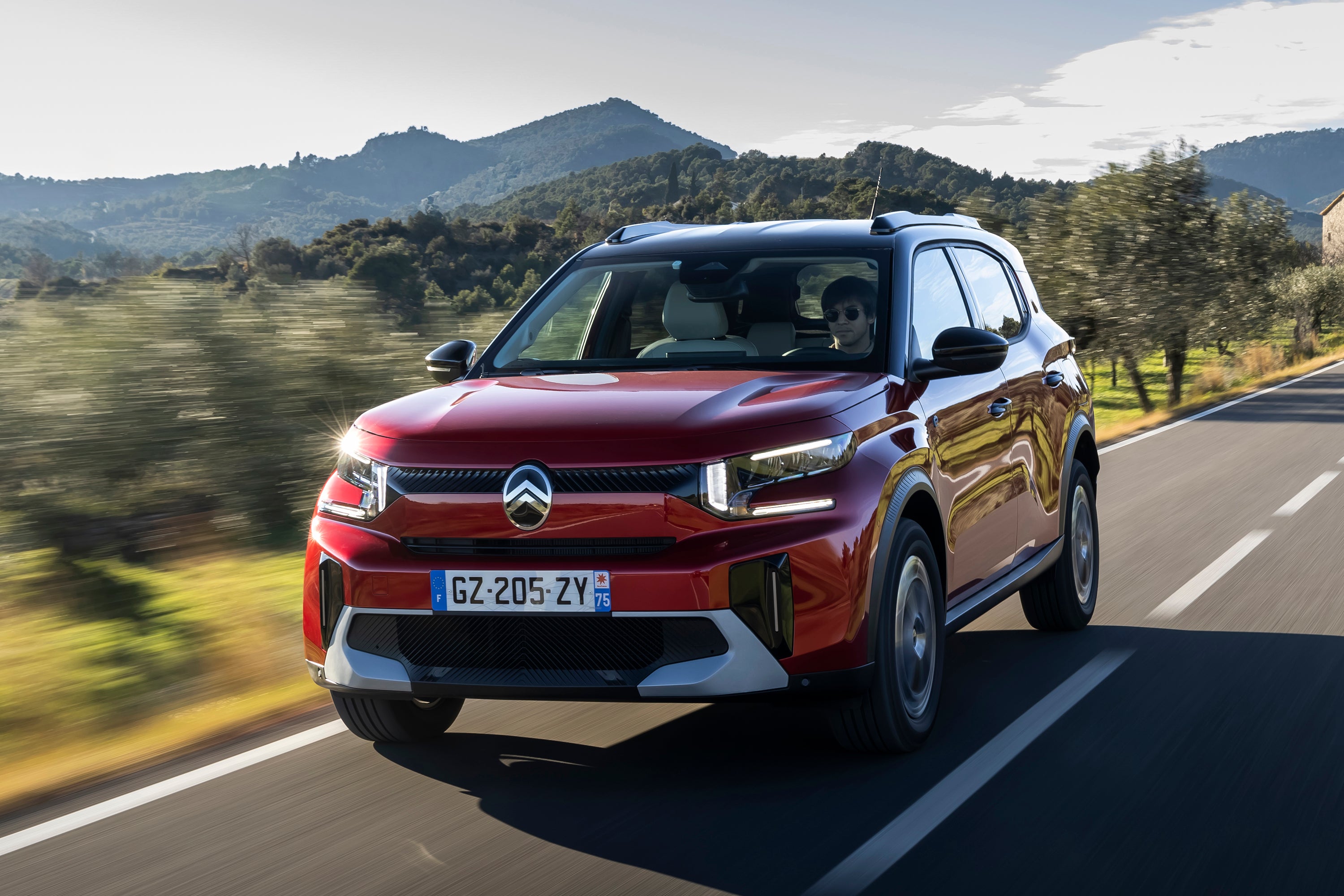
The Citroën C3 Aircross has a softer ride, a larger boot and a roomier cabin. Its handling is less composed, but it is better suited to family use.
The Dacia Duster offers much more space and stronger off-road ability for similar money. Its interior is basic, but it represents better value.
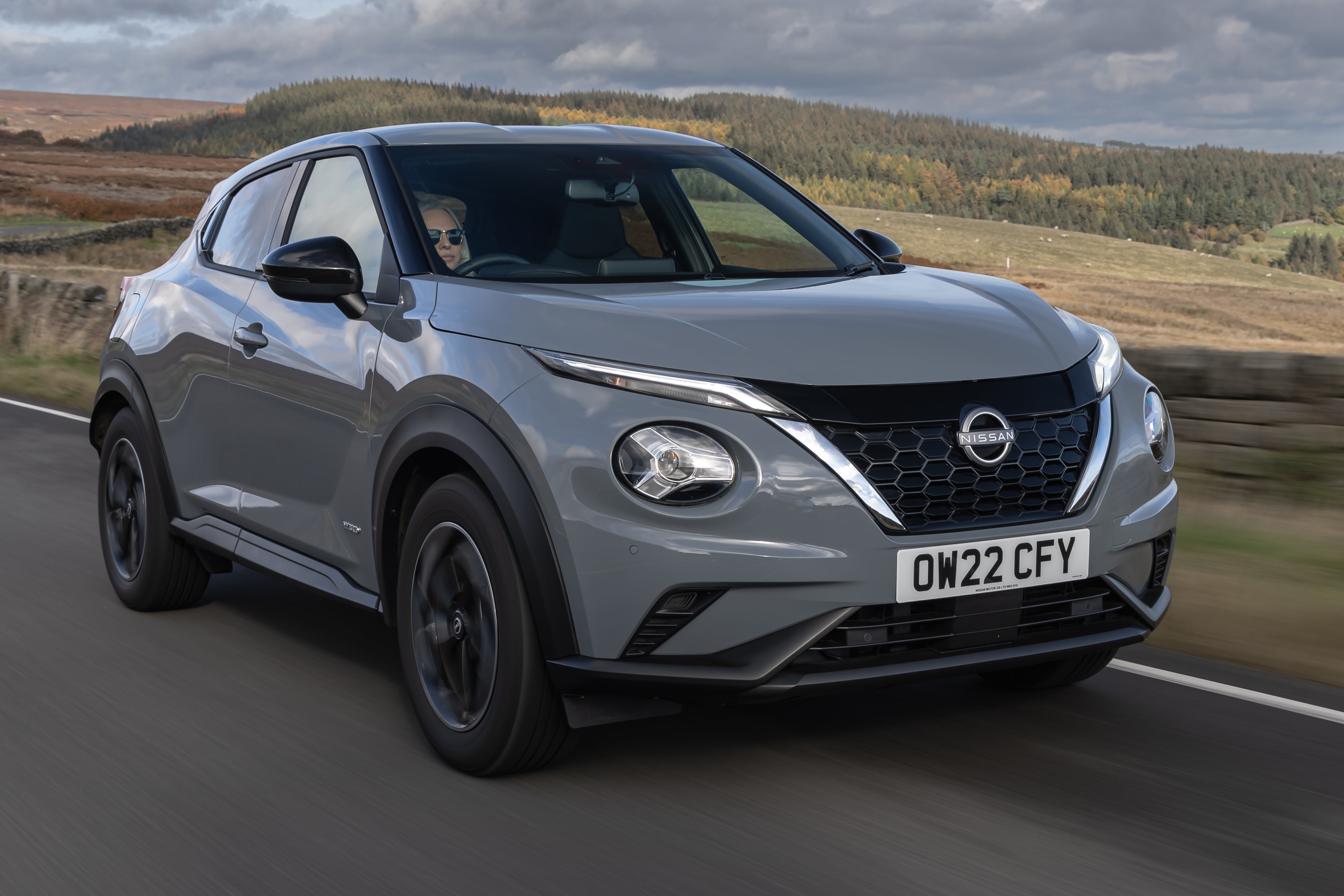
The Nissan Juke has more distinctive styling and stronger road manners, although its rear visibility and practicality are also limited.
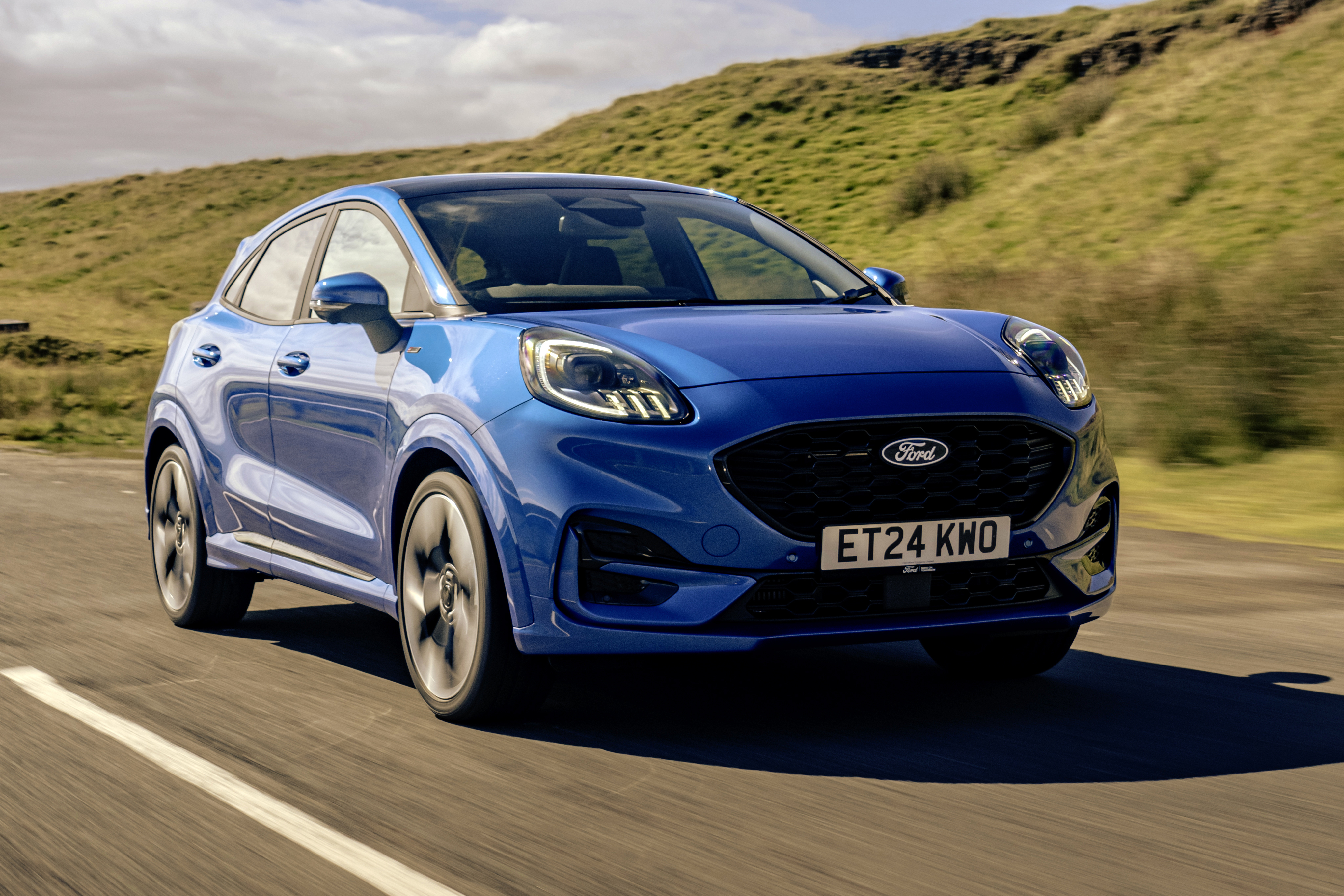
The Ford Puma is better to drive, more refined and significantly more practical. Used prices are higher, but the improvement is substantial.
What's the interior like in the Ford Ecosport?
Later EcoSports have a straightforward cabin with a high driving position and useful technology, although space and material quality remain inconsistent.
Ford Ecosport boot space and practicality
The EcoSport’s tall body gives the driver a noticeably elevated seating position, providing a better view over surrounding traffic than a conventional supermini.
Front headroom and legroom are generous enough for taller adults, although the relatively narrow cabin places the driver and passenger close together.
Early cars have limited steering-wheel adjustment, making it harder for some drivers to find a comfortable position. The 2018 update added reach adjustment and improved the seats, making later examples more suitable for longer journeys.
Driver’s lumbar adjustment is standard on many versions, although front passenger support is less generous.
The large windscreen provides good forward visibility, while the upright body and compact length make the EcoSport easy to judge around town.
Rear passenger space is less convincing, with two adults able to fit but shoulder room remaining tight and knee room becoming restricted behind a tall driver.
The centre seat is narrow and best reserved for occasional use, while the rear doors do not open particularly widely, which can make fitting a bulky child seat awkward. Isofix mounting points are provided on the two outer rear seats.
Behind them, the boot offers between 334 and 356 litres, depending on the position of the adjustable floor and the measuring method used. That is enough for a weekly shop, a compact pushchair or several smaller bags, but rivals such as the SEAT Arona and Citroën C3 Aircross offer more space.
Its main weakness is the side-hinged tailgate, which swings outwards rather than lifting upwards. Opening it fully requires a large amount of clearance behind the car, making access difficult in parallel parking spaces, garages and tightly packed car parks.
The adjustable boot floor can create separate storage sections or reduce the step when the rear seats are folded. Maximum capacity rises to approximately 1,238 litres, although the seatbacks leave an uneven extended load area.
Ford Ecosport dimensions
The Ford EcoSport measures 4,096mm long, 1,765mm wide & 1,713mm high, excluding the width added by its door mirrors.
Its short body and elevated driving position make it easy to place on urban roads, while the steering remains light enough for low-speed manoeuvres.
Rear parking sensors and a reversing camera were fitted to higher trims and became increasingly common on later cars.
Cars with the optional rear-mounted spare wheel are slightly longer and even more awkward to access in restricted spaces.
Tech and infotainment in the Ford Ecosport
Early EcoSport models have a cluttered dashboard and relatively basic infotainment, with smaller displays and less intuitive controls.
The 2018 facelift introduced a much better eight-inch SYNC touchscreen mounted high on the centre of the dashboard.
Apple CarPlay, Android Auto, DAB radio, Bluetooth and USB connectivity are standard on most later versions, allowing drivers to use familiar phone-based navigation and media apps.
The screen’s graphics are no longer cutting edge, but the menus are clear and the large icons make it straightforward to operate.
Physical buttons remain for volume, audio shortcuts and the main heating functions, reducing the need to work through touchscreen menus while driving.
Titanium and higher trims often include built-in navigation and a reversing camera, although specifications vary with age and optional equipment.
FordPass Connect was available on later cars, providing online services and the ability to create a Wi-Fi hotspot.
Materials available on the Ford Ecosport
Cabin quality depends heavily on the car’s age, with pre-2018 models using large areas of hard plastic, flimsy-feeling switches and a cluttered centre console.
Panel fit can also be inconsistent, giving the interior a noticeably budget feel.
The facelift introduced softer dashboard trim, improved fabrics, clearer instruments and a neater layout. These changes make later cars far more pleasant, although hard plastics remain lower down and around the doors.
Zetec models use cloth upholstery and straightforward trim, while Titanium adds part-leather seats and a central armrest.
ST-Line introduces red stitching, metal pedals and sportier seat trim, while Active uses part-leather upholstery with contrasting blue details.
The cabin should withstand normal family use, but buyers should listen for rattles and check the condition of frequently touched trim, particularly on early or high-mileage cars.
What's the Ford Ecosport like to drive?
The EcoSport is easy enough to use in town, but its unsettled ride and limited refinement prevent it from matching the best small SUVs.
Ford Ecosport range and performance
The engine range changed several times during production.
The 1.0-litre EcoBoost petrol is the strongest all-round choice, particularly in 125PS form.
It has a characterful three-cylinder sound and enough mid-range pull for ordinary town and motorway driving, although the heavier EcoSport feels less lively than a Fiesta using the same engine.
The 100PS model is adequate for urban use but requires more effort on faster roads, while the 140PS version provides stronger acceleration without transforming the driving experience.
Early 1.5-litre petrol models feel sluggish and use more fuel, making them difficult to recommend.
Diesel engines suit high-mileage drivers, with the later 125PS EcoBlue offering the best performance. Lower-powered diesels are slow and coarse, particularly when the car is carrying passengers or luggage.
The manual gearbox has a reasonably positive shift, although some drivers may find the clutch heavy in traffic.
Early PowerShift automatic cars have a poor reputation and should be approached cautiously. Later torque-converter automatics are more dependable but remain hesitant and less responsive than modern alternatives.
Performance data
| Model | Engine/battery size | Power | 0-62mph | Range/MPG |
|---|---|---|---|---|
1.5 petrol | 1.5-litre | 112PS | Up to 45mpg | |
1.0 EcoBoost | 1.0-litre | 100PS, 125PS or 140PS | Up to 47mpg | |
1.5 TDCi | 1.5-litre | 90PS, 95PS or 100PS | Up to 64mpg | |
1.5 EcoBlue | 1.5-litre | 100PS or 125PS | Up to 57mpg |
Ford Ecosport driving and refinement
The EcoSport’s ride is its greatest dynamic weakness, with the suspension reacting sharply to potholes, ridges and broken urban surfaces.
It can feel stiff and fidgety at lower speeds, yet body movement is not especially well controlled on faster roads, leaving the car rarely feeling properly comfortable or settled.
ST-Line versions make the problem more obvious because their larger wheels and firmer suspension transmit more impact into the cabin.
The steering has a reassuring weight and allows the driver to place the car accurately enough, while the front tyres provide reasonable grip.
Body lean is noticeable but predictable, although the EcoSport lacks the balance and agility usually associated with Ford.
Engine noise is present in most versions, with the diesels sounding particularly coarse under acceleration.
The 1.0-litre petrol is more pleasant but still becomes vocal when worked hard, while vibrations can be felt through the controls.
Wind and tyre noise also build at motorway speeds, making longer journeys tiring compared with a SEAT Arona, Renault Captur or Ford Puma.
How safe is the Ford Ecosport?
The Ford EcoSport received four stars from Euro NCAP when tested in 2013.
That result was achieved under an older assessment system and has now expired, so it should not be compared directly with the rating of a recently tested small SUV.
Adult and child protection were respectable for the period, although the car lost marks for limited safety-assistance equipment.
Autonomous emergency braking became standard on later models, while blind-spot monitoring, rear cross-traffic alert, front parking sensors and automatic high beam were available through option packs.
Safety specifications vary significantly by age and trim, so buyers should check the equipment fitted to the individual car.
Running costs: What it's like to live with a Ford Ecosport
The EcoSport is affordable to buy and insure, although petrol economy can be disappointing and careful maintenance is essential.
Ford Ecosport fuel economy
The 1.0-litre EcoBoost petrol officially returns up to approximately 47mpg, although real-world results closer to 35 to 42mpg are more realistic when the car is used in mixed traffic.
The EcoSport’s additional weight and upright shape make it less economical than a Fiesta fitted with the same engine.
Diesel models can exceed 50mpg on longer journeys, with the later EcoBlue engine providing the best balance of performance and efficiency.
Repeated short trips do not suit diesel emissions systems, making petrol the safer choice for urban drivers.
Ford Ecosport warranty and servicing
The original Ford warranty covered three years or 60,000 miles, so almost every EcoSport is now outside manufacturer cover.
A complete service history is particularly important on EcoBoost models, with evidence that the correct oil was used and maintenance completed at the required intervals.
Buyers should check the engine’s belt arrangement and any age or mileage-related replacement requirements with a Ford specialist.
Automatic cars require careful inspection, particularly early PowerShift models. The gearbox should engage promptly and change ratios without juddering, hesitation or warning lights.
Electrical equipment, parking sensors, infotainment and air conditioning should also be tested before purchase.
Ford Ecosport insurance groups
The Ford EcoSport sits broadly between insurance groups 8 and 17, with lower-powered Zetec petrol models generally at the bottom of the range and more powerful engines or higher trims towards the top.
The popular 125PS EcoBoost usually falls in the low teens, making cover broadly competitive with similar small SUVs.
How much does it cost to tax a Ford Ecosport?
EcoSports registered from 1 April 2017 pay the standard annual Vehicle Excise Duty rate of £200 from the second licence.
Earlier cars use the previous emissions-based tax system, meaning some diesel versions can have much lower annual rates.
The exact cost depends on the registration date and derivative, so buyers should check the individual vehicle.
No EcoSport was priced close to the £40,000 Expensive Car Supplement threshold.
What trims are available with the Ford Ecosport?
Zetec is the entry point and includes alloy wheels, air conditioning, cruise control and electric windows.
Facelifted Zetec models also have the eight-inch SYNC touchscreen with Apple CarPlay and Android Auto.
Titanium adds climate control, automatic lights and wipers, keyless start, parking sensors, a reversing camera and part-leather upholstery on many cars.
ST-Line brings firmer suspension, larger wheels, sportier exterior trim, metal pedals and red interior stitching.
Its appearance is more distinctive, but the poorer ride makes it less attractive for everyday use.
Active adds black exterior cladding, roof rails and contrasting interior details without providing four-wheel drive or significant off-road ability.
For most buyers, a facelifted Titanium provides the best balance of equipment, comfort and price.
Ask the Drive experts: common questions
Is the Ford EcoSport still available new?
What replaced the Ford EcoSport?
How big is the Ford EcoSport’s boot?
Which used Ford EcoSport is best?
Get our latest advice, news and offers
Keep me updated by email with the latest advice, news and offers from Drive.
.jpg)