SEAT Arona Review

Written By Andrew Brady
- 2017
- SUV
- Petrol
What we love
It’s one of the more enjoyable small SUVs to drive
The petrol engines are punchy, refined and easy to live with
The higher driving position and bigger boot make it more practical than the Ibiza
Things to consider
95PS engine is best suited to urban use
There’s no hybrid option in the current range
The DSG works best with the more powerful engines
The DRIVE take on the Seat Arona, is it the right car for you?
The SEAT Arona is a strong choice if you want a small SUV that feels a bit more interesting than the obvious alternatives without becoming awkward or expensive to live with. It’s always made sense as the higher-riding, more versatile relation of the Ibiza, and that’s still the case now. You get the benefits many buyers want from a compact crossover, including a raised driving position, easy access and a useful boot, but the SEAT Arona still feels light, tidy and rather enjoyable on the road. It's not the plushest or most adventurous small SUV in the class, and some rivals offer more rear-seat flexibility or electrified powertrains, but the SEAT Arona remains one of the best all-rounders if your priorities are petrol power, sensible proportions and everyday usability.
The Seat Arona in more detail
When the SEAT Arona arrived back in 2017, it went straight to the top of the small SUV class. Rivals like the last-generation Nissan Juke, Ford EcoSport and Vauxhall Crossland X did little to tempt buyers into showrooms – so it was a bit of an easy win for SEAT. Today, it's up against a much stronger marketplace, which explains why the Arona's been given the odd nip and tuck along the way in the hope of remaining competitive.
Sitting below the SEAT Ateca brand's SUV line-up, the SEAT Arona combines all of the desirable features of the Ibiza hatchback with an increased ride height and trendy small SUV looks. Don't make the mistake of thinking the extra ride height and SUV-like appearance mean it's an off-roader, though. You can't buy a four-wheel-drive SEAT Arona but, unless you're really expecting to venture through thick mud, that's not a bad thing.
Browse used SEAT Aronas for sale →
The current UK range is petrol-only, built around a 1.0-litre, turbocharged, three-cylinder engine with either 95PS or 115PS, and a 1.5-litre unit with 150PS. That may sound like a narrow choice, but both 1.0-litre versions suit the Arona well. The 95PS cars are perfectly adequate for everyday driving, while the 115PS versions feel more relaxed and capable on faster roads. The 150PS model adds extra pep and is only available on the sportier FR models. There’s no hybrid option to draw in buyers focused on electrified efficiency, but the payoff is a range that stays simple and easy to understand.
Inside, the SEAT Arona feels more grown-up than some rivals. The cabin design is straightforward, the driving position is easy to get comfortable in, and there’s enough room to make it a realistic small family car rather than simply a fashion-led crossover. Boot space is a useful 400 litres, which gives it a worthwhile edge over the Ibiza and enough carrying capacity for the sort of jobs for which many buyers now turn to small SUVs.
The other reason to shortlist the Arona is that it still feels good to drive. It’s not sporty in an outright sense, but it has a neatness and composure that some small crossovers lack. That helps it feel like a car you choose because it’s good, rather than just because it’s trendy.
What's the best Seat Arona trim and engine option?
For most buyers, the best all-round choice is a mid-range Arona with the 1.0 TSI 115PS engine in SE Technology or FR trim. The 115PS engine suits the Arona particularly well because it gives the car enough performance to feel easy-going on the motorway without making running costs unreasonable.
The 95PS version is fine if most of your driving is in town or on shorter trips, and it keeps the upfront price lower. But if you regularly carry passengers, use faster roads or simply want the Arona to feel more effortless, the 115PS car is the one to go for. If you want an extra level of zip, the 1.5 TSI 150PS is worth a look, too, with extra performance.
The best trim choice will depend on what you value. SE is the simpler, lower-cost starting point. SE Technology is the more natural place to begin for many private buyers because it adds the sort of everyday equipment most people actually want. FR is the better choice if you want the Arona to feel a little sharper and more distinctive, while FR Sport sits at the top with the strongest visual impact.
What’s the price of the Seat Arona?
The current SEAT Arona range starts at £23,275 for the SE and rises to £28,520 as a starting price for the FR Sport. In between those sit SE Technology and FR versions, giving buyers a clear progression. There are also plenty of used SEAT Aronas for sale for considerably less.
That means the SEAT Arona still looks competitive lower down the range, especially given how roomy and polished it feels for a small SUV. However, once you move into the higher trims, the price begins to overlap with larger family cars and some better-equipped rivals.
Alternatives to the Seat Arona
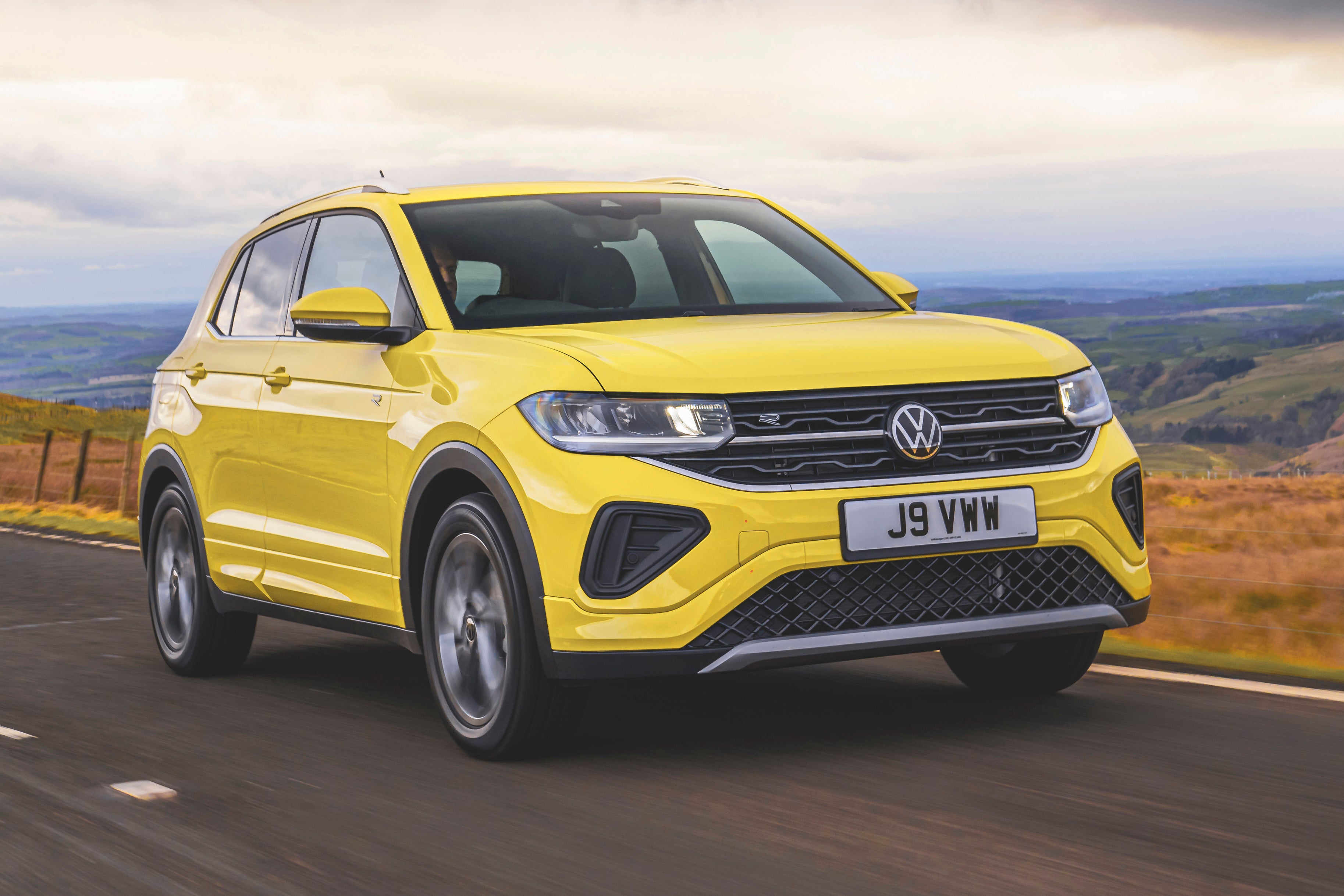
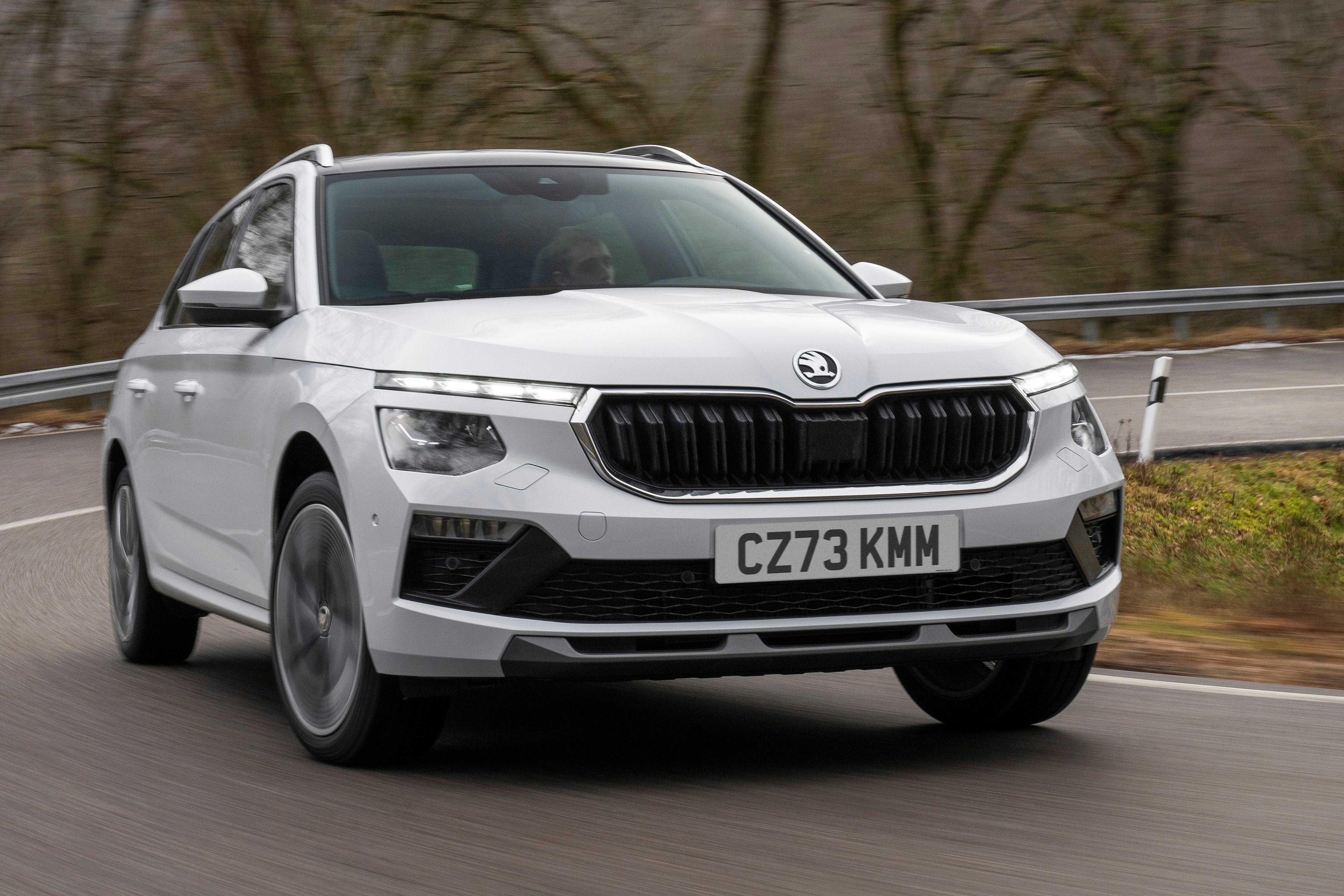
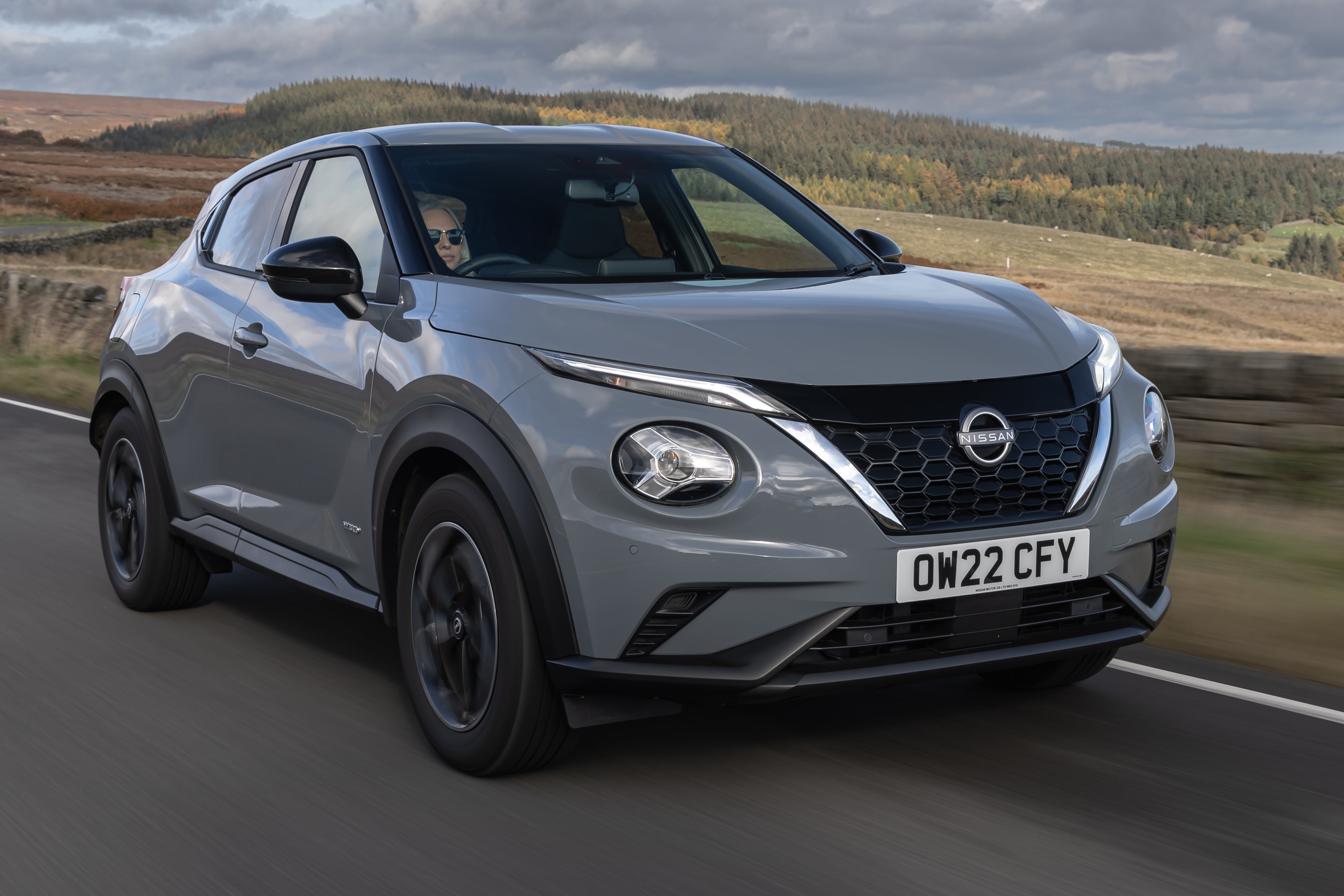
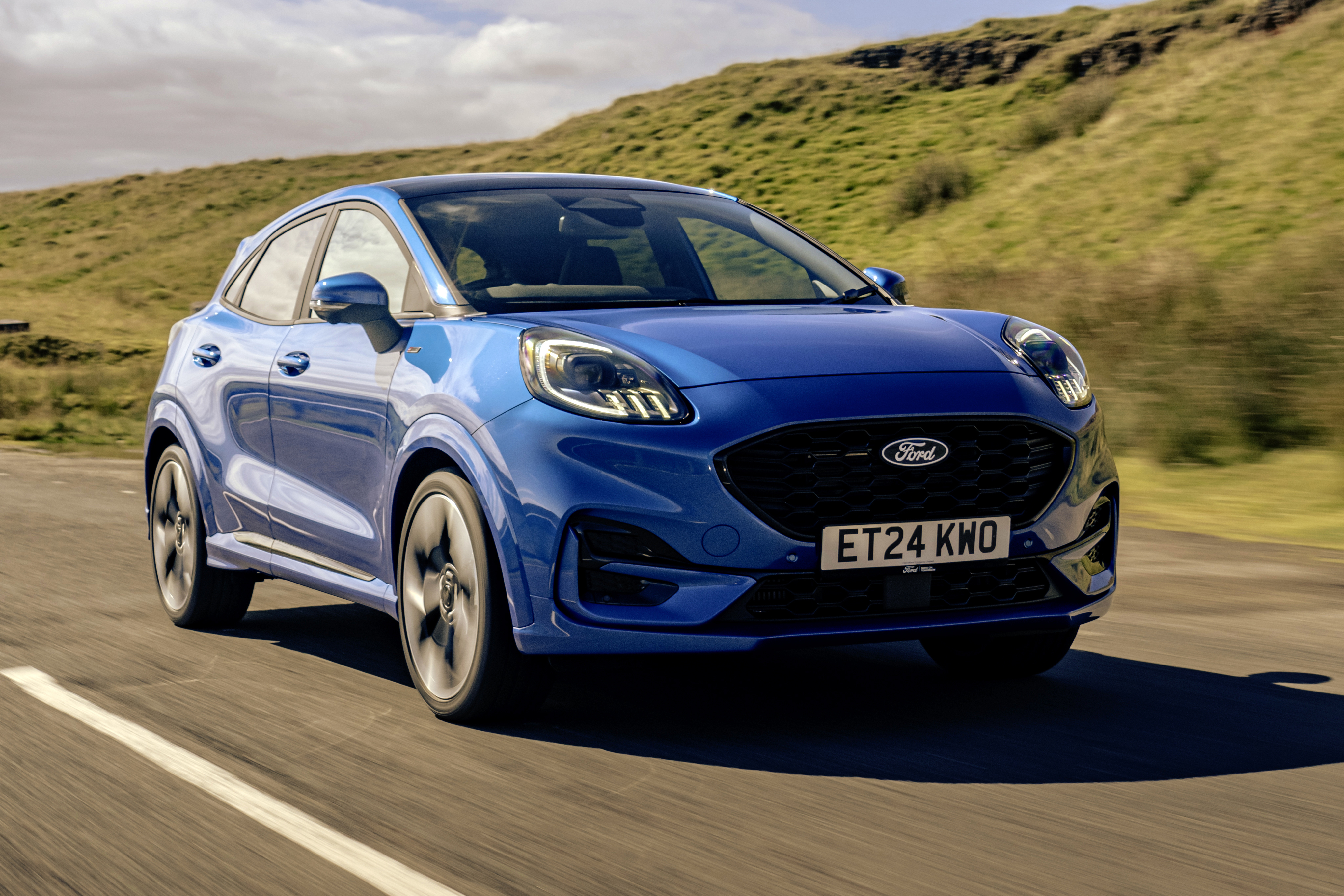
The most obvious alternatives are the Skoda Kamiq, the Volkswagen T-Cross, the Ford Puma, the Renault Captur and the Nissan Juke. The Kamiq is the practical choice if rear-seat space and an easy-going nature matter most. The T-Cross offers a flexible interior and a slightly more polished feel, but it often costs more. The Puma is the small SUV to choose if driving enjoyment is your priority, while the Captur majors on style and the Juke on design-led showroom appeal.
The SEAT Arona sits neatly among those rivals because it avoids leaning too far in any one direction. It’s more fun to drive than some, more straightforward to use than others and roomy enough to make sense as a family car. That balance is the main reason it remains worth shortlisting.
What's the interior like in the Seat Arona?
The Arona’s interior is straightforward and easy to get on with. It’s not especially plush, but it feels smart enough, the layout is clear and the raised seating position gives the cabin a more airy feel than the Ibiza.
Seat Arona boot space and practicality
Practicality is one of the SEAT Arona’s key strengths. The 400-litre boot is a useful step up from the Ibiza and gives it exactly the sort of extra carrying capacity buyers expect from a small SUV. That’s enough for a family shop, a folded buggy or a decent amount of weekend luggage without the car feeling stuffed to the gunwales.
The Arona’s shape also helps. The taller body means it’s easier to get in and out of than a regular hatchback, and the slightly higher seating position gives you a better view out that many crossover buyers like. That alone can make it feel more relaxing to drive in traffic.
Passenger space is solid, too. There's enough room up front to get comfortable easily, and the back seats offer enough space for adults or growing children without complaint. It is not the most flexible car in this class, but it is roomy enough to make a convincing case as a small family SUV.
Seat Arona dimensions
The Arona is 4,164mm long, 1,780mm wide (including side mirrors) and 1,530mm high, making it compact enough to work well in town and fit into tight parking spaces, but still tall and roomy enough to deliver the extra sense of space and usability buyers want from a crossover.
Tech and infotainment in the Seat Arona
The SEAT Arona’s technology offering is competitive without going overboard on flashy gadgetry. Depending on trim, you get an 8.25-inch or 9.2-inch touchscreen, a digital driver display, smartphone integration and the sort of driver assistance features buyers now expect in a modern small SUV.
More importantly, the system is easy enough to get on with. The Arona doesn't try too hard to feel futuristic, which is probably to its credit. It may not be the flashiest setup in the class, but it gives you the features you’re likely to want without making the car feel overcomplicated.
Materials available on the Seat Arona
Material quality depends on the trim. Lower-spec cars keep things simple with cloth upholstery and a more straightforward finish, while FR and FR Sport versions add more visual flair, sportier seat designs and a smarter overall look.
The Arona’s interior is not especially lavish, but it feels solid and well-judged in the areas that matter. The overall impression is of a cabin designed to be used every day rather than simply admired in the showroom.
What's the Seat Arona like to drive?
This is one of the Arona’s main strengths. It feels tidy, light on its feet, and nicer to drive than a lot of small SUVs, while still keeping the comfort and easy-going nature buyers in this class usually want.
Seat Arona range and performance
The SEAT Arona range is now built around a small number of petrol engines. Two are based on a 1.0-litre turbocharged three-cylinder unit, and there’s a 1.5-litre four-cylinder engine, too. In current UK trim, buyers choose between 95PS and 115PS versions from the 1.0, with manual and DSG automatic options higher up the range. The 1.5 comes only with an automatic transmission.
Even the 95PS cars are good enough for most everyday driving, but the 115PS version is the better fit if you spend more time on faster roads or simply want the Arona to feel more relaxed and flexible. It does not transform the car into anything sporty, but it makes the whole package feel more complete. If you do want an extra level of zip and faster acceleration, the 150PS 1.5 is worth looking at.
Performance data
| Model | Engine/battery size | Power | 0-62mph | Range/MPG |
|---|---|---|---|---|
1.0 TSI 95PS | 1.0-litre petrol manual | 95PS | 11.1 seconds | Up to 53.3mpg |
1.0 TSI 115PS | 1.0-litre petrol manual | 115PS | 9.9 seconds | Up to 53.3mpg |
1.0 TSI 115PS DSG | 1.0-litre petrol automatic | 115PS | 9.9 seconds | Up to 51.4mpg |
1.5 TSI 150PS DSG | 1.5-litre petrol automatic | 150PS | 8.3 seconds | Up to 50.4mpg |
Seat Arona driving and refinement
The Arona has long been one of the better small SUVs to drive, and that still rings true. Steering is accurate enough to inspire confidence, body control is tidy, and the whole car feels more settled than some taller rivals when the road starts to bend.
Around town, the Arona is easy to place, and the higher driving position helps with visibility. On the motorway, it settles down well enough to feel like a grown-up small family car rather than simply a city-friendly crossover. The slightly taller body means it’s not quite as neat or composed as the Ibiza underneath, but the trade-off in comfort and ease of use is worth it for many buyers.
Refinement is solid, too. The petrol engines are punchy without being intrusive, and road noise is kept well enough in check for a car of this size and price. That helps the Arona feel mature in a way that suits its role well.
How safe is the Seat Arona?
The SEAT Arona has a five-star rating from independent safety organisation Euro NCAP, scored both when it launched in 2017 and when it was retested in 2022. Euro NCAP’s updated Arona assessment also highlights standard safety and assistance features, including autonomous emergency braking, lane support and speed assistance, which helps keep the Arona competitive as a family-focused small SUV.
Running costs: What it's like to live with a Seat Arona
The Arona should be straightforward and relatively affordable to live with. Its small petrol engines are economical, the lower trims sit in sensible insurance groups, and the car avoids the complexity that can make some newer crossovers more expensive to own.
Seat Arona fuel economy
Official WLTP combined economy ranges from 47.9 to 53.3mpg for the 95PS cars and 47.9 to 51.4mpg for the 115PS DSG-auto versions, depending on trim and gearbox. The 1.5 TSI promises up to 49.6mpg. Those figures are strong for a conventional petrol small SUV and help explain why the Arona’s engines remain one of its biggest selling points.
In real-world terms, that should make the Arona affordable to run as long as you don’t expect hybrid-level economy. The upside is that you get straightforward petrol ownership without much compromise in day-to-day efficiency.
Seat Arona warranty and servicing
The SEAT Arona comes with a three-year vehicle warranty. That breaks down into a two-year unlimited-mileage manufacturer warranty, followed by a third year of cover up to 60,000 miles. The paintwork warranty lasts three years, and the anti-perforation warranty runs for 12 years.
If you want longer protection, SEAT also offers extended warranty options that can take cover to four years and 75,000 miles or five years and 90,000 miles, but those are only available at the time of ordering when new.
SEAT recommends that the Arona is serviced every 12 months or 10,000 miles (whichever comes sooner), while fixed-price service plans are also available.
Seat Arona insurance groups
The SEAT Arona falls into insurance groups 11 to 20, depending on engine and trim. That is a fairly typical spread for a modern small SUV and means the lower-powered versions should remain the easiest and cheapest to insure.
The more expensive FR and FR Sport models sit higher, but the Arona still avoids the sort of insurance ratings that can make some small SUVs feel harder to justify.
How much does it cost to tax a Seat Arona?
For most SEAT Arona models registered under the current system, the standard annual Vehicle Excise Duty (VED or road tax) rate is £200 after the first year, while you won’t have to worry about any premium car tax as the price of even the best spec’d Arona easily comes in under £40,000.
What trims are available with the Seat Arona?
The Arona range is built around SE, SE Technology, FR and FR Sport trims.
Arona SE is the entry point and covers the basics well enough if you want to keep costs under control. It includes 16-inch alloy wheels and full LED headlights, cruise control and air-conditioning, and smartphone integration. It makes the most sense if your priorities are straightforward, small-SUV transport, low running costs and sensible monthly payments.
Arona SE Technology is the more natural place to start for many private buyers because it adds the sort of everyday equipment you are likely to notice and use, including a larger infotainment screen and navigation, a rear-view parking camera and tinted windows. That makes it one of the strongest-value trims in the range.
Arona FR brings in a sharper visual edge and fits the Arona’s slightly sporty character well. It boasts larger 17-inch wheels and heated front seats, as well as keyless entry and engine start, with dual-zone climate control and a wireless phone charger. It’s the trim to choose if you want the car to feel a little more distinctive without going all the way to the top of the line-up.
Arona FR Sport sits at the top and makes the strongest visual statement, with 18-inch alloy wheels and bucket seats. It’s the most desirable trim in the range, but also the one where the Arona starts to feel expensive for a small SUV.
Ask the Drive experts: common questions
Is the SEAT Arona a good small SUV?
How big is the SEAT Arona boot?
Does the SEAT Arona come as a hybrid?
What is the best SEAT Arona engine?
Get our latest advice, news and offers
Keep me updated by email with the latest advice, news and offers from Drive.
.jpg)