Nissan Juke Review

Written By Andrew Brady
- 2020
- Small SUV
- Petrol, hybrid
What we love
Smart interior for the money
Plenty of standard safety kit
Hybrid suits town driving well
Things to consider
Hybrid isn't as efficient as the best rivals
Rear space is improved but still not class-leading
Entry-level cars feel quite basic compared to better-specced versions
The DRIVE take on the Nissan Juke, is it the right car for you?
The old Nissan Juke was distinctly average yet still sold very well, so it almost doesn’t matter how good the latest model is. Fortunately, however, the latest Nissan Juke is actually pretty good. The interior feels well-finished, and the cabin is more practical than ever. It’s better than the old Juke to drive, too, although neither the petrol or hybrid engines are particularly dazzling.
The Nissan Juke in more detail
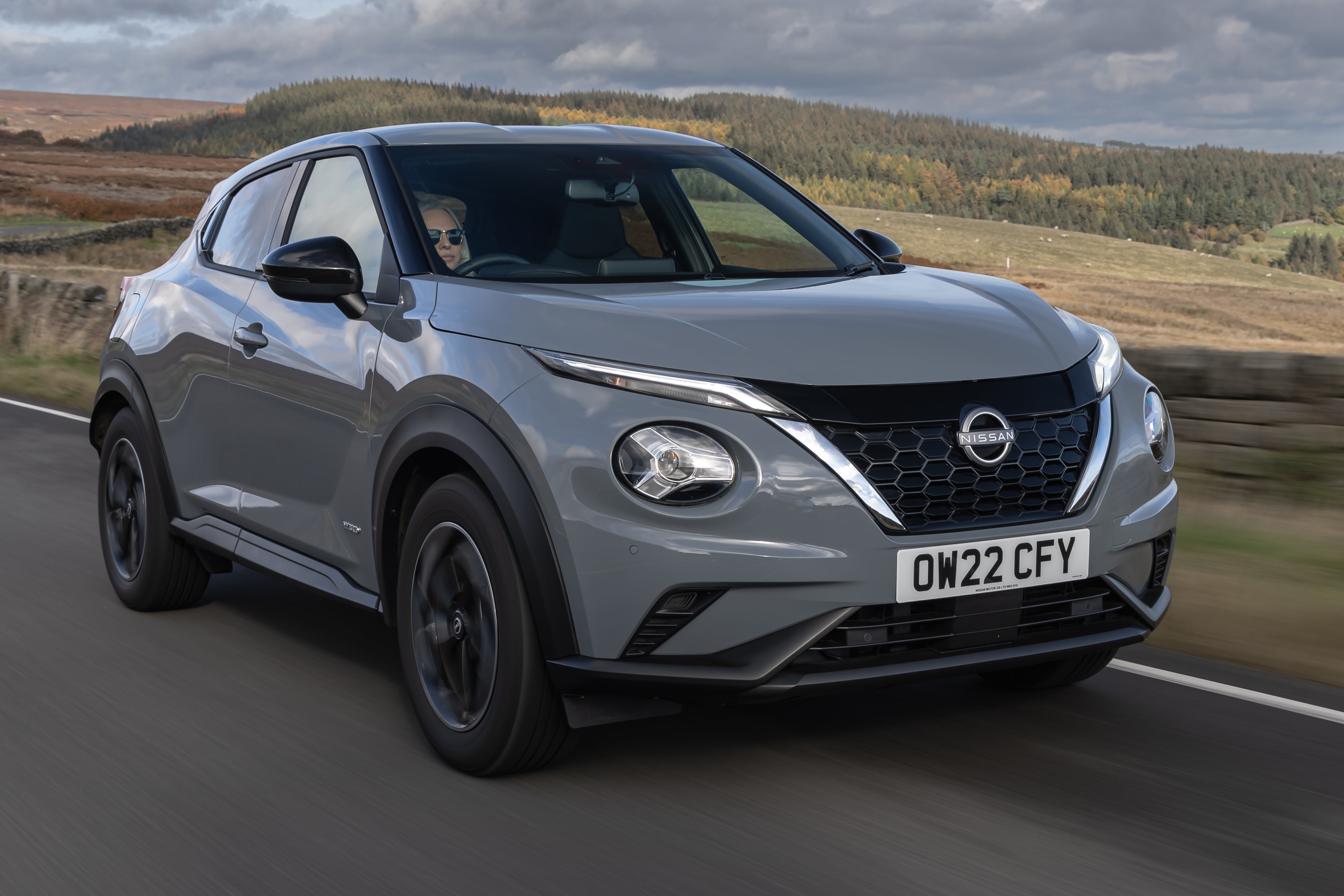
The miniature SUV market is one of the most crowded anywhere in the car industry, with every mainstream manufacturer having at least one offering, and some having more. With competition so fierce, it's no longer enough to just offer good looks and decent practicality. That's why it's a very good job that the Mk2 Nissan Juke is a vast improvement on the Mk1. Find out why in our Nissan Juke review.
Of course, those basics are there. The Mk1's slightly oddball looks have been replaced by sharper lines and more cohesive details, making it look funky rather than clunky, and with a roomier cabin, there's more room in the rear seats than before, plus a bigger boot.
Browse used Nissan Jukes for sale →
Those with experience of the Mk1 will also notice a considerable step up in interior quality with the Mk2. No more does the Juke’s cabin look woefully plasticky and clumsily designed – it now feels relatively plush and looks pretty stylish, too.
It’s also easier to get comfortable in the latest Juke. Not everyone could manage that in the old model due to a steering wheel that only moved up and down (rather than in and out). There’s now plenty of adjustment in both the wheel and driver’s seat, so most people will be able to find a driving position that suits.
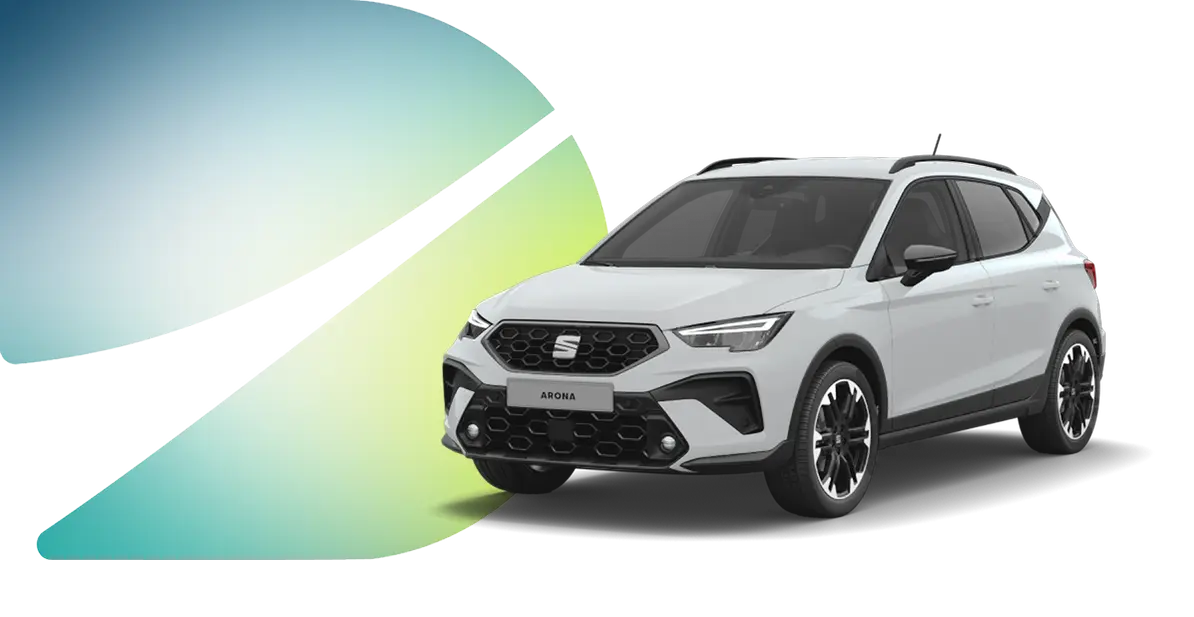
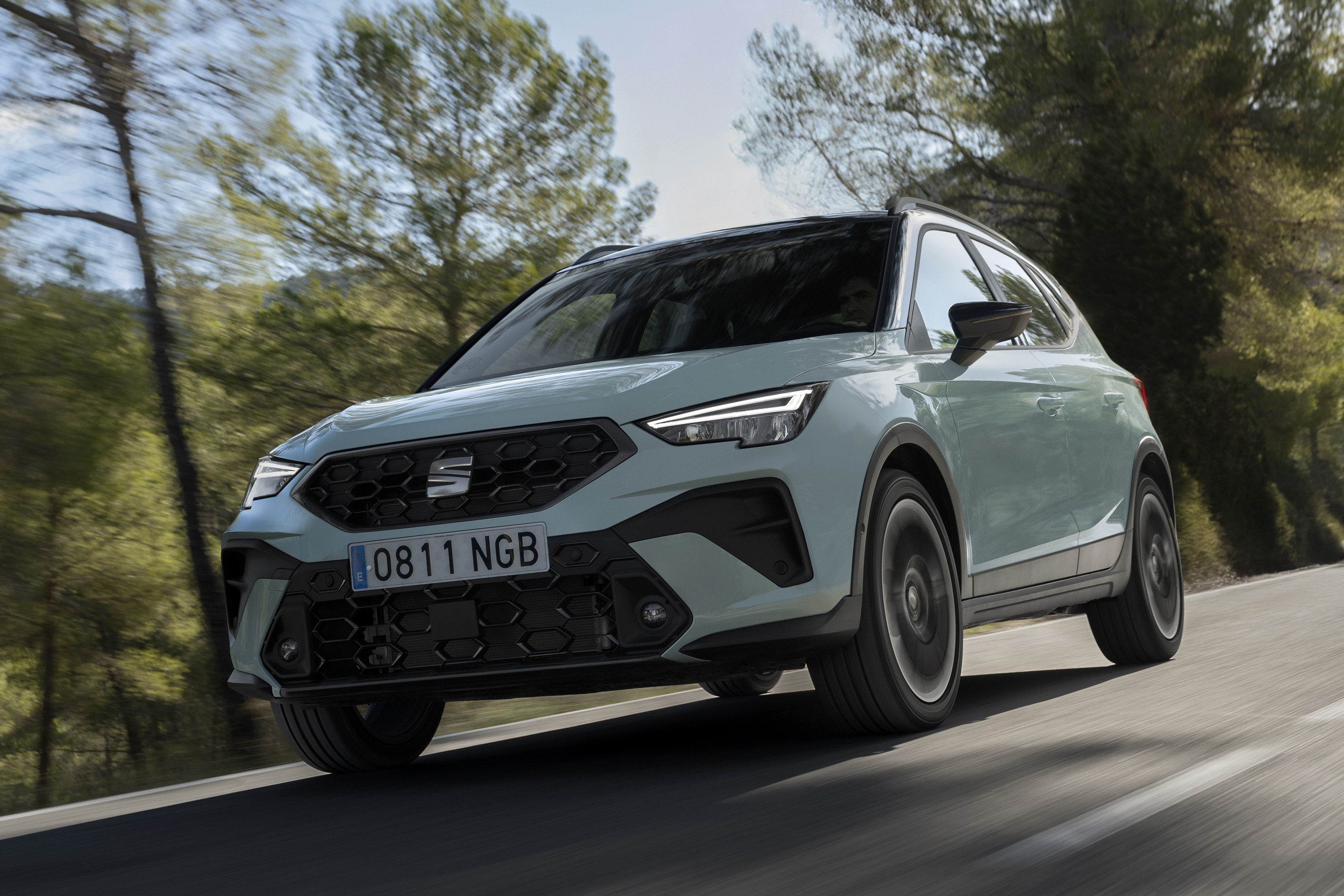
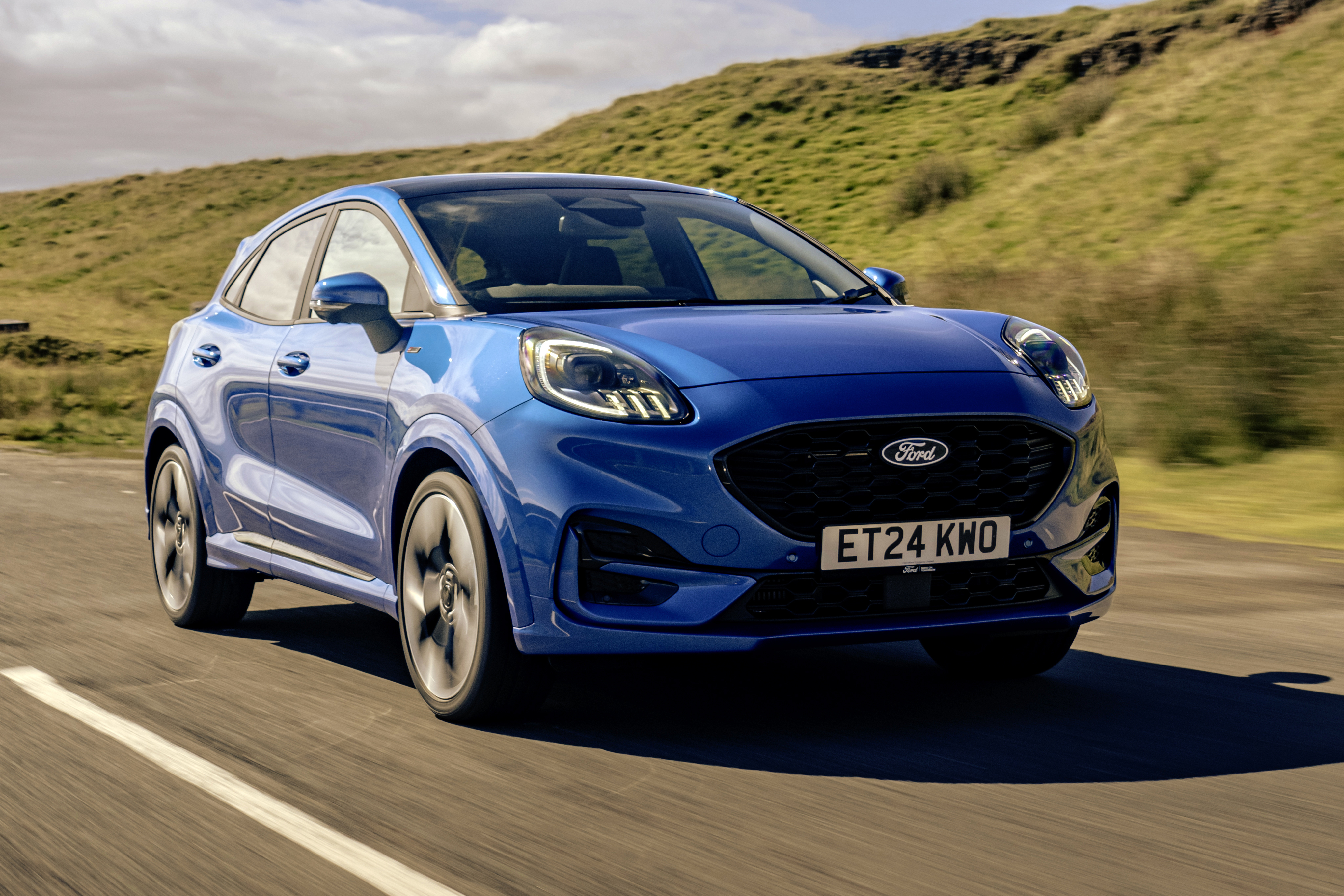
That seating position, which is a lofty one typical of an SUV, helps make the Juke an easy car to drive around town. High-spec models come with a 360-degree camera, which helps when parking, too. The ride is reasonably comfortable, especially if you avoid cars on the biggest 19-inch wheels. On the open road, though, rivals are more refined, and both the Ford Puma and SEAT Arona feel more agile.
Those looking to minimise running costs will be pleased to hear that the Juke is available in self-charging hybrid form, just like rivals such as the Toyota Yaris Cross, Honda HR-V or Hyundai Kona Hybrid.
The system combines a conventional 1.6-litre petrol engine with an electric motor, a 1.2kWh battery and an automatic gearbox. The result, Nissan says, is a 25% boost in power yet a 20% drop in fuel consumption. Officially it'll return up to 58.9mpg.
If hybrid power isn't your thing (or you just want to save cash on the purchase price), you can go for the more traditional petrol-powered Nissan Juke. This uses a little 1.0-litre turbocharged petrol unit which produces 114PS, much like similar engines used in rivals like the SEAT Arona and Ford Puma. This motor feels peppy enough around town, and is also relatively efficient, although it does start to feel out of its depth on the motorway. This engine's available with a six-speed manual gearbox or a seven-speed dual-clutch automatic gearbox, which is infinitely better than the CVT gearbox used in the old Juke.
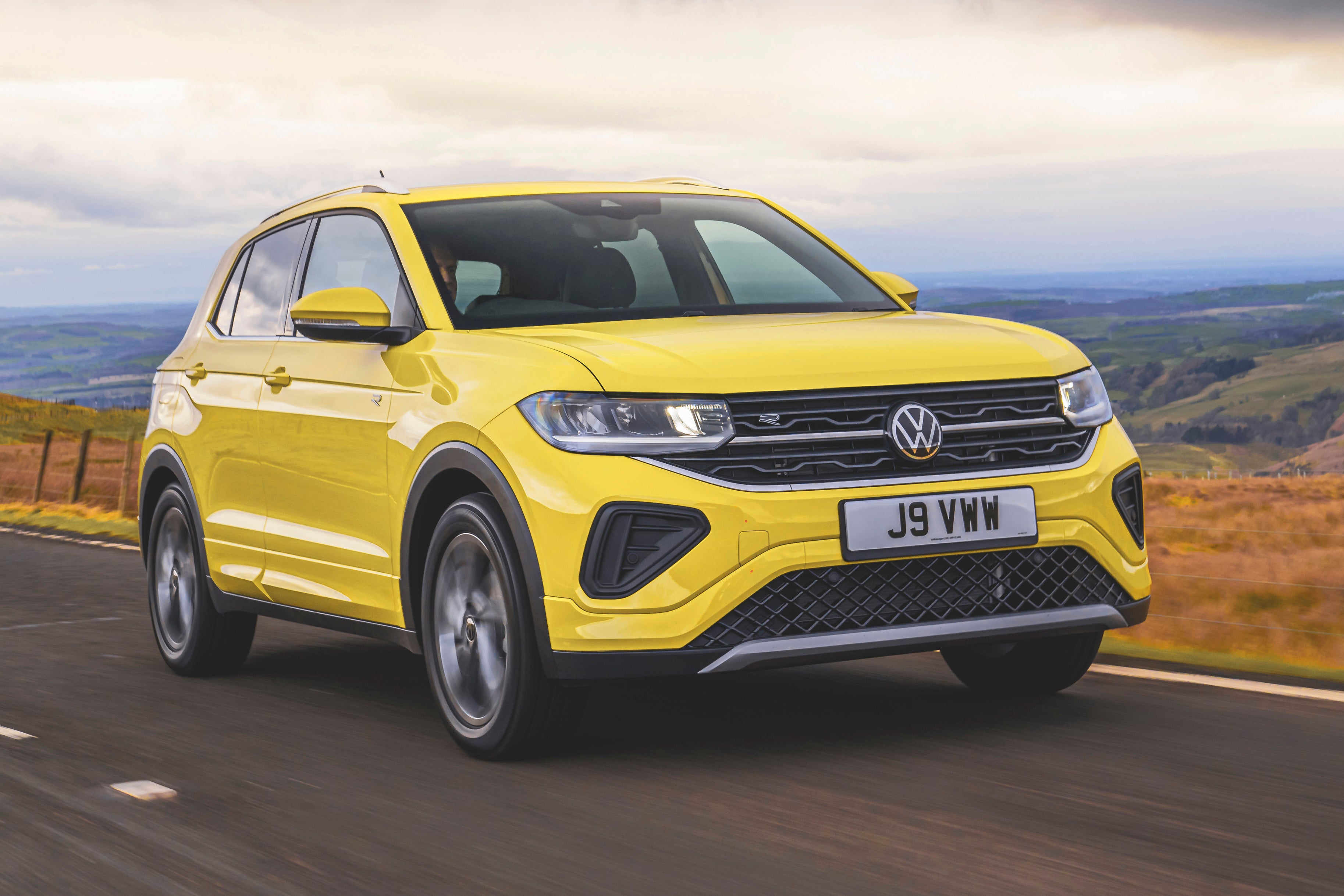
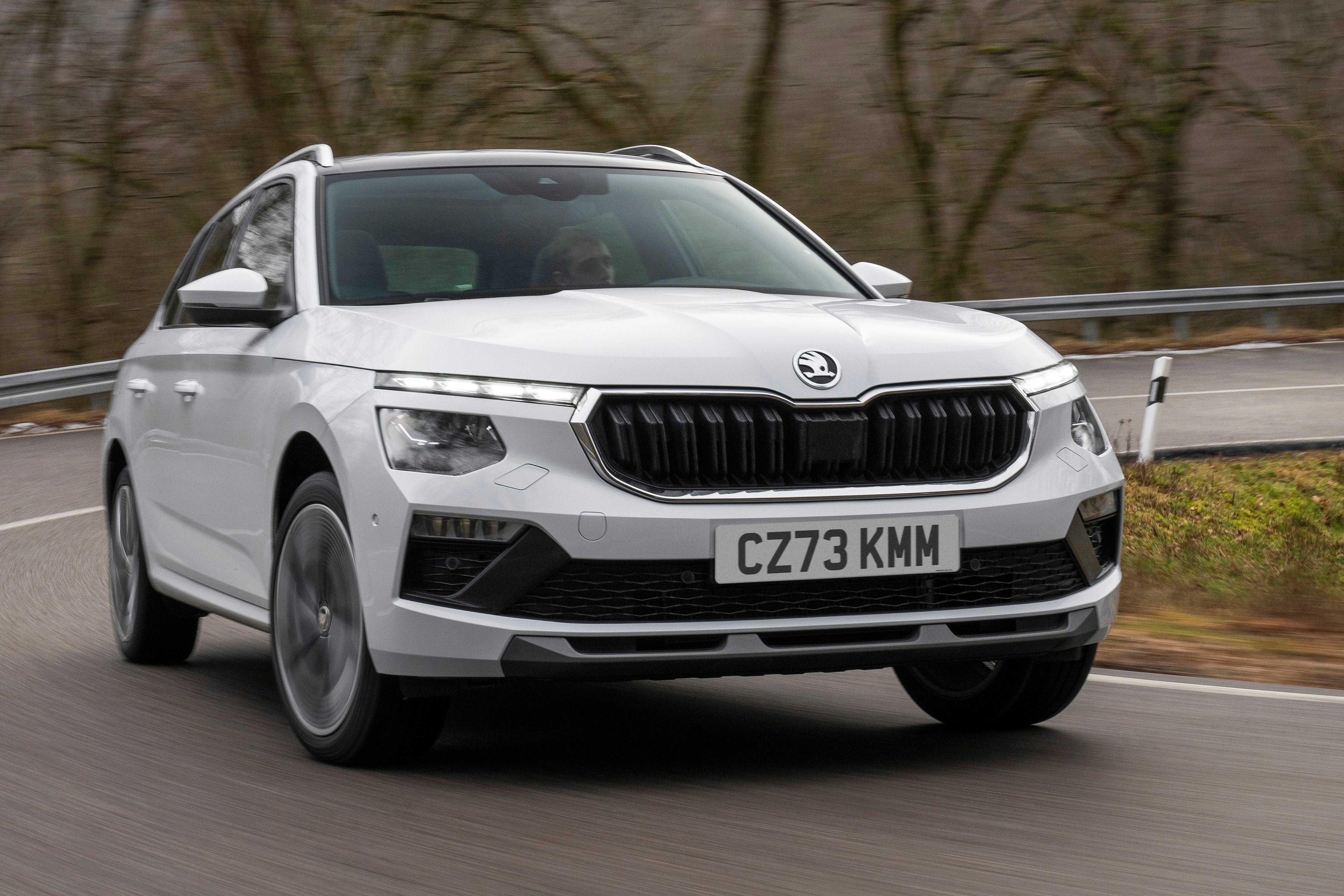
The biggest challenge the Nissan Juke faces is the quality of its rivals. We rate the Ford Puma, Skoda Kamiq and Volkswagen T-Cross highly, while there are some excellent small electric SUVs on the market if you're looking to cut your petrol bill (take a look at the Hyundai Kona Electric as an example). Still, the Nissan Juke continues to sell in huge numbers, and it's certainly a better all-rounder than the previous model.
What's the best Nissan Juke trim and engine option?
For most buyers, the best Nissan Juke is the Hybrid in N-Connecta trim. That gives you the more convincing powertrain for town and suburban driving, along with a worthwhile uplift in equipment over the entry-level car without pushing the price into the top-end territory of Tekna+.
The 1.0-litre petrol still makes sense if budget matters most. It's cheaper to buy, and in Acenta Premium trim it already gets the essentials, including the 12.3-inch touchscreen, smartphone mirroring and a reversing camera. But the little petrol engine feels more stretched on faster roads, and the automatic version is slower than the manual.
The hybrid isn't a miracle worker on fuel, and a Toyota Yaris Cross still does this job more efficiently, but it suits the Nissan Juke’s character better. It pulls away more smoothly, spends more time in electric mode around town and makes the Juke feel more modern in daily use.
As for trim, Acenta Premium is the value option, N-Connecta is the sweet spot, Tekna is the high-spec choice and Tekna+ is the indulgent one. For most people, Juke Hybrid N-Connecta is the one to have.
What’s the price of the Nissan Juke?
The Nissan Juke range starts at £24,485 for the Acenta Premium petrol. At the other end, the current Nissan Juke Tekna+ Hybrid is priced at £32,395. In between, the line-up runs through N-Connecta and Tekna trims in both petrol and hybrid forms. There are also plenty of used Nissan Jukes for sale for considerably less.
That puts the Nissan Juke right into the thick of the small SUV class. It's not unusually cheap, but it's still competitive given the amount of standard kit and the fact that the cabin now feels more polished than it once did. A Skoda Kamiq or Renault Captur may offer a little more space for similar money, while a Ford Puma is a stronger driver’s car, but the Nissan Juke no longer feels outgunned on value alone.
Used prices also look sensible, especially if you're happy with a petrol model. There's plenty of choice, which is no surprise given how popular the Juke remains.
Alternatives to the Nissan Juke
The Ford Puma is the obvious rival if driving enjoyment matters to you. It's more agile, more enjoyable on a good road and still practical enough for family use. If you want a small SUV that feels a bit more polished and spacious, the Renault Captur is worth a look, especially as it shares some underpinnings with the Juke but has a slightly calmer character.
The Skoda Kamiq is the rational alternative. It's roomier, easier to see out of and generally simpler to live with, even if it lacks the Nissan Juke’s visual punch. A Toyota Yaris Cross Hybrid makes sense if efficiency is your main priority, because its hybrid system is stronger than the Juke’s. The Volkswagen T-Cross and the SEAT Arona also remain good all-rounders if you want something a little more conventional.
The Nissan Juke makes most sense if you want a small SUV with some design flair but do not want to give up too much everyday ease to get it.
What's the interior like in the Nissan Juke?
The Nissan Juke’s cabin is one of the biggest gains over the old model. It feels smarter, better finished and easier to live with, even if some rivals still do space and practicality better.
Nissan Juke boot space and practicality
The Nissan Juke is noticeably more usable than the original. Up front, there's far more adjustability in both the seat and steering wheel, so it's much easier to find a comfortable driving position. You sit fairly high by small-SUV standards, which helps visibility in town and gives the car the SUV feel many buyers want.
Rear-seat space is better than before too. There's more legroom than in the first-generation Juke, and adults can fit in the back more comfortably than the styling might suggest. Even so, this is still not the roomiest car in the class. The sloping roofline means taller passengers may notice the headroom more than they would in a Skoda Kamiq or Renault Captur, and three adults across the rear bench will be a squeeze.
Boot space is decent in the petrol Juke at 422 litres, which is competitive for the class and enough for a pushchair, a decent family shop or a couple of suitcases. The hybrid loses some of that to its battery packaging, dropping to 354 litres. That's still usable, but it's a meaningful reduction and worth knowing if practicality is high on your list.
The boot itself has a useful adjustable floor, and the seats fold 60:40. Small-cabin storage is acceptable rather than brilliant. Front-door bins are good, but some of the other cubbies are on the small side. So the Nissan Juke is no longer cramped and compromised in the way the old one was, but it still isn't the most spacious option in the class.
Nissan Juke dimensions
The Nissan Juke measures 4,210mm long, 1,800mm wide & 1,593mm high. That puts it firmly in the small SUV class, sitting below family crossovers such as the Nissan Qashqai but still offering enough presence to feel more substantial than a supermini.
In practice, those dimensions make the Juke easy enough to thread through town and simple to park, especially if you choose a version with the better parking-camera setup. It's still a relatively compact car, which is part of its appeal, but the styling does make it feel a little tighter in the back than some boxier alternatives.
Tech and infotainment in the Nissan Juke
The Nissan Juke’s technology offering has improved over time. Current cars get a 12.3-inch touchscreen infotainment system, while higher trims also bring a 12.3-inch digital driver display. Wireless Apple CarPlay and Android Auto are standard on current Acenta Premium models and above, which matters because smartphone mirroring remains one of the easiest ways to get the best from the system.
The infotainment itself is straightforward rather than flashy. It's easy enough to use and the menus are clear, but the graphics are not as crisp or modern-looking as the best systems in the class. A Skoda Kamiq or Volkswagen T-Cross still feels slicker here.
N-Connecta adds navigation with TomTom Traffic, a wireless charger and more parking assistance, while Tekna models add Bose audio and more safety technology. Overall, the Nissan Juke gives you enough useful technology without overcomplicating things, which will suit plenty of buyers.
Materials available on the Nissan Juke
The Nissan Juke’s cabin materials are far better than the old car’s. The upper dashboard and main touchpoints feel soft enough to justify the price, and the whole interior has a smarter, more cohesive look than before.
Mid-range and upper trims do the best job of showing that off. N-Connecta adds a few extra touches that make the cabin feel less basic, while Tekna and Tekna+ bring more premium upholstery and trim combinations. Tekna+ in particular lifts the sense of occasion with leather and Alcantara-style trim.
Not every surface is plush, and there are still harder plastics lower down, but that's normal in this class. The key point is that the Nissan Juke no longer feels cheap inside. It now feels perfectly competitive.
What's the Nissan Juke like to drive?
The Nissan Juke is easy to drive and broadly well judged, but it's not the class leader for driver appeal or motorway refinement. It works best as a tidy, predictable small SUV rather than a sporty one.
Nissan Juke range and performance
The current Nissan Juke range gives you a choice of two main powertrains. The petrol model uses a 1.0-litre three-cylinder turbo engine with 114PS, available with either a six-speed manual or a seven-speed dual-clutch automatic gearbox. The manual manages 0-62mph in 10.7 seconds, while the automatic takes 11.8 seconds.
Then there's the Nissan Juke Hybrid, which pairs a 1.6-litre petrol engine with an electric motor for a combined 143PS and uses an automatic gearbox as standard. Its 0-62mph time is 10.1 seconds, so it's not fast, but the way it delivers its performance around town feels more natural than the numbers suggest.
Neither version is especially quick by class standards. The petrol is fine for urban and mixed driving, but it feels more strained on faster roads and motorway slip roads than some rivals. The hybrid is the better fit for the car because it feels smoother at lower speeds and makes the Juke more relaxed in everyday use.
For most buyers, the hybrid is the more convincing drivetrain. If you want the cheapest route into Juke ownership, the manual petrol still does the job.
Performance data
| Model | Engine/battery size | Power | 0-62mph | Range/MPG |
|---|---|---|---|---|
Nissan Juke 1.0 DIG-T Manual | 1.0-litre turbo petrol manual | 114PS | 10.7 seconds | Around 47mpg |
Nissan Juke 1.0 DIG-T DCT | 1.0-litre turbo petrol automatic | 114PS | 11.8 seconds | Around 46mpg |
Nissan Juke Hybrid | 1.6-litre petrol hybrid automatic | 143PS | 10.1 seconds | Around 60mpg |
Nissan Juke driving and refinement
Around town, the Nissan Juke makes a good impression. The raised seating position helps you feel confident in traffic, the controls are light enough for easy everyday driving and higher-spec versions have better parking assistance to offset the slightly awkward rear visibility.
The Juke is tidy and predictable through corners, but it's not especially engaging. There's not a great deal of body lean, and it feels secure enough, yet a Ford Puma is more enjoyable and more agile. The Nissan Juke’s focus is more on being easy and undemanding than entertaining.
Ride comfort is acceptable rather than outstanding. Cars on smaller wheels ride more sweetly, while 19-inch versions can feel firmer and let more tyre noise into the cabin. That makes wheel choice worth paying attention to. On the motorway, the Nissan Juke isn't the quietest small SUV either, with wind and road noise more noticeable than in the best rivals.
The hybrid is the smoother option at low speeds, especially in traffic where it can move off quietly and spend more time in EV mode. Push harder, though, and the petrol engine can make itself heard. Overall, the Nissan Juke is best when driven calmly, which is probably exactly how most owners will use it.
How safe is the Nissan Juke?
The Nissan Juke earned a full five-star rating from independent safety organisation Euro NCAP in 2019, and the hybrid variant was later added to that rating in 2022. That gives it solid credentials in a class where family buyers will expect strong safety performance.
Standard kit includes lane-departure warning, lane assist, traffic-sign recognition and emergency call functions. Higher trims add more advanced features, including adaptive cruise control, rear cross-traffic alert and Nissan’s broader safety-assistance package.
In other words, the Nissan Juke is well equipped here, and even lower trims do not feel stripped of the basics.
Running costs: What it's like to live with a Nissan Juke
The Nissan Juke should be affordable to run by small-SUV standards, especially in petrol form, while the hybrid makes most sense for buyers who spend a lot of time in stop-start traffic.
Nissan Juke fuel economy
The headline figure for the Nissan Juke Hybrid is up to 60.1mpg, which looks strong on paper and makes it the most efficient version in the range. The 1.0-litre petrol manual is quoted at up to 47.1mpg in current Nissan specs, while the automatic sits a little lower.
In the real world, the gap between petrol and hybrid will depend heavily on how you use the car. The hybrid makes the most sense in urban and suburban driving, where it can make better use of electric assistance. On faster roads, the advantage narrows, and the hybrid isn't as efficient as the best systems from Toyota.
The petrol can still be perfectly reasonable if driven gently, but like many small turbo engines it can become noticeably thirstier if you work it hard. So the hybrid is the smarter long-term choice for most people, but it's not the runaway efficiency champion of the class.
Nissan Juke warranty and servicing
Nissan covers the Juke with a three-year or 60,000-mile manufacturer warranty. That's adequate, but it's no longer especially generous by the standards of the wider market.
The Juke Hybrid doesn't bring any standout warranty advantage over the petrol model, so buyers who keep cars for a long time may want to look into Nissan’s extended cover options.
Servicing costs should be manageable, and the current Juke’s gearboxes have a better reputation than the older CVT-equipped first-generation car. As ever with used examples, a full service history matters more than badge reassurance.
Nissan Juke insurance groups
Insurance groups for the Nissan Juke are modest by modern small-SUV standards. Petrol versions generally sit around groups 11 to 14 (of 50), while the hybrid usually lands around groups 14 to 15 depending on trim.
That means no version should be painfully expensive to insure in class terms, though higher-spec cars and younger drivers will still notice a difference. Broadly speaking, the Juke remains a relatively affordable small SUV to cover.
How much does it cost to tax a Nissan Juke?
The Nissan Juke costs £200 a year in VED after year one for current petrol and hybrid versions registered under the post-April 2017 rules. None of the regular Juke models sits anywhere near the expensive-car threshold of £40,000 new, so the extra premium-car charge isn't a concern here.
That means running-cost differences between versions are more about fuel economy and insurance than tax. For company-car users, the hybrid is still not especially attractive compared with plug-in hybrid or electric alternatives, so a small EV may make more sense if Benefit-in-Kind matters.
What trims are available with the Nissan Juke?
The current Nissan Juke line-up consists of Acenta Premium, N-Connecta, Tekna and Tekna+.
Acenta Premium is the entry point, but it covers the basics well. You get 17-inch wheels, the 12.3-inch touchscreen, wireless Apple CarPlay and Android Auto, a reversing camera, LED headlights and cruise control. It's not lavish, but it doesn't feel bare either.
N-Connecta is the best-value trim. It adds navigation, a 12.3-inch digital driver display, a wireless charger, front and rear parking sensors and automatic climate control. Those are exactly the kinds of features that make a small SUV easier to live with every day, which is why this is the trim most buyers should target.
Tekna adds more comfort and safety kit, including 19-inch wheels, heated seats, a heated steering wheel, heated windscreen, Bose audio and Nissan’s more comprehensive driver-assistance package. It feels more upmarket, though the bigger wheels do little for ride comfort.
Tekna+ sits at the top with its two-tone paint, richer interior trim and more premium detailing. It looks the part, but it's more of a style-led indulgence than the sensible choice.
In simple terms, Acenta Premium covers the essentials, N-Connecta is the smartest buy, Tekna is the high-spec pick and Tekna+ is the luxury version.
Ask the Drive experts: common questions
Is the Nissan Juke a good small SUV?
Which Nissan Juke engine is best?
How economical is the Nissan Juke Hybrid?
Is the Nissan Juke practical enough for a family?
Get our latest advice, news and offers
Keep me updated by email with the latest advice, news and offers from Drive.
.jpg)