Renault Captur Review

Written By Andrew Brady
- 2020
- SUV
- Petrol, hybrid
What we love
Clever sliding rear bench
Strong value and equipment
Efficient full hybrid
Things to consider
Petrol engine is fairly slow
Not especially engaging to drive
Hybrid loses some boot space
The DRIVE take on the Renault Captur, is it the right car for you?
The Renault Captur remains one of the easiest small SUVs to recommend. It offers strong value, clever practicality and a cabin that feels much more current after the 2024 update. It isn’t the sharpest small SUV to drive, and the basic petrol engine feels underpowered, but the hybrid version in particular makes a lot of sense. The latest E-Tech 160 is both considerably quicker and more economical than the petrol, while the Captur’s sliding rear bench remains a genuinely useful feature. If you want a small family SUV that’s spacious, well equipped and competitively priced, the Renault Captur deserves to be high on your list.
The Renault Captur in more detail
The Renault Captur has long been one of the default choices in the small SUV class, and that isn’t down to image alone. It's always been about giving buyers a lot of flexibility and a lot of car for the money, rather than dazzling them with outright performance or premium-badge appeal.
The current second-generation Captur first arrived in 2019, before receiving a substantial facelift in 2024. Renault gave it a much more assertive front-end redesign, bringing it closer in style to newer models such as the Scenic, Rafale and Symbioz.
Browse used Renault Capturs for sale →
The interior improvements are just as important. Every version now has a 10.4-inch touchscreen, while Techno and Esprit Alpine get Renault’s OpenR Link system with Google built-in. The cabin still majors on everyday usability with physical climate controls, useful storage and the sliding rear bench that remains one of the Captur’s biggest selling points.
The current UK choice is between the TCe 115 petrol and full hybrid E-Tech 160. That makes the buying decision fairly simple because the two versions have very clear personalities.
The petrol car is the cheaper route in, but the hybrid is the one that best suits the Captur’s character. It’s more powerful, much quicker and more economical, while its self-charging system requires no change to the way you use the car.
The trade-off is luggage space. The hybrid’s battery reduces the boot from 484 to 348 litres when the rear bench is fully back, although the sliding seat means both versions remain impressively flexible.
What's the best Renault Captur trim and engine option?
For most buyers, the best Renault Captur is the full hybrid E-Tech 160 in Techno trim, although the TCe 115 has a place if keeping the purchase price down matters most. It costs £2,900 less than the equivalent Evolution hybrid, and its official economy is still respectable at up to 49.6mpg. But with 115PS and a 12.1-second 0–62mph time, it’s fairly leisurely.
The E-Tech 160 feels much better suited to the car. It cuts 0–62mph to 8.9 seconds and officially manages 64.2mpg, while its automatic transmission also makes it easier to live with in traffic.
As for trim, Evolution covers the essentials well, but Techno is the sweet spot. It adds an 18-inch alloy wheels, a 10.25-inch digital driver display, Google Maps and Google Assistant built into the infotainment, plus front, rear and side parking sensors.
Esprit Alpine brings more visual drama and extra comfort equipment, but Techno gives you the equipment that matters most without pushing the price unnecessarily high.
What’s the price of the Renault Captur?
The Renault Captur currently starts at £22,495 for the TCe 115 Evolution. The equivalent Full Hybrid E-Tech 160 costs £25,395. Move up to Techno and prices rise to £24,495 for the petrol and £27,395 for the hybrid. The range-topping Esprit Alpine costs £26,495 with the TCe 115 or £29,395 as a Full Hybrid E-Tech 160. There are also plenty of used Renault Capturs for sale for considerably less.
That keeps the Captur competitively priced for the class. Even the most expensive version stays comfortably below £30,000, while the lower trims offer plenty of equipment for the money.
Alternatives to the Renault Captur
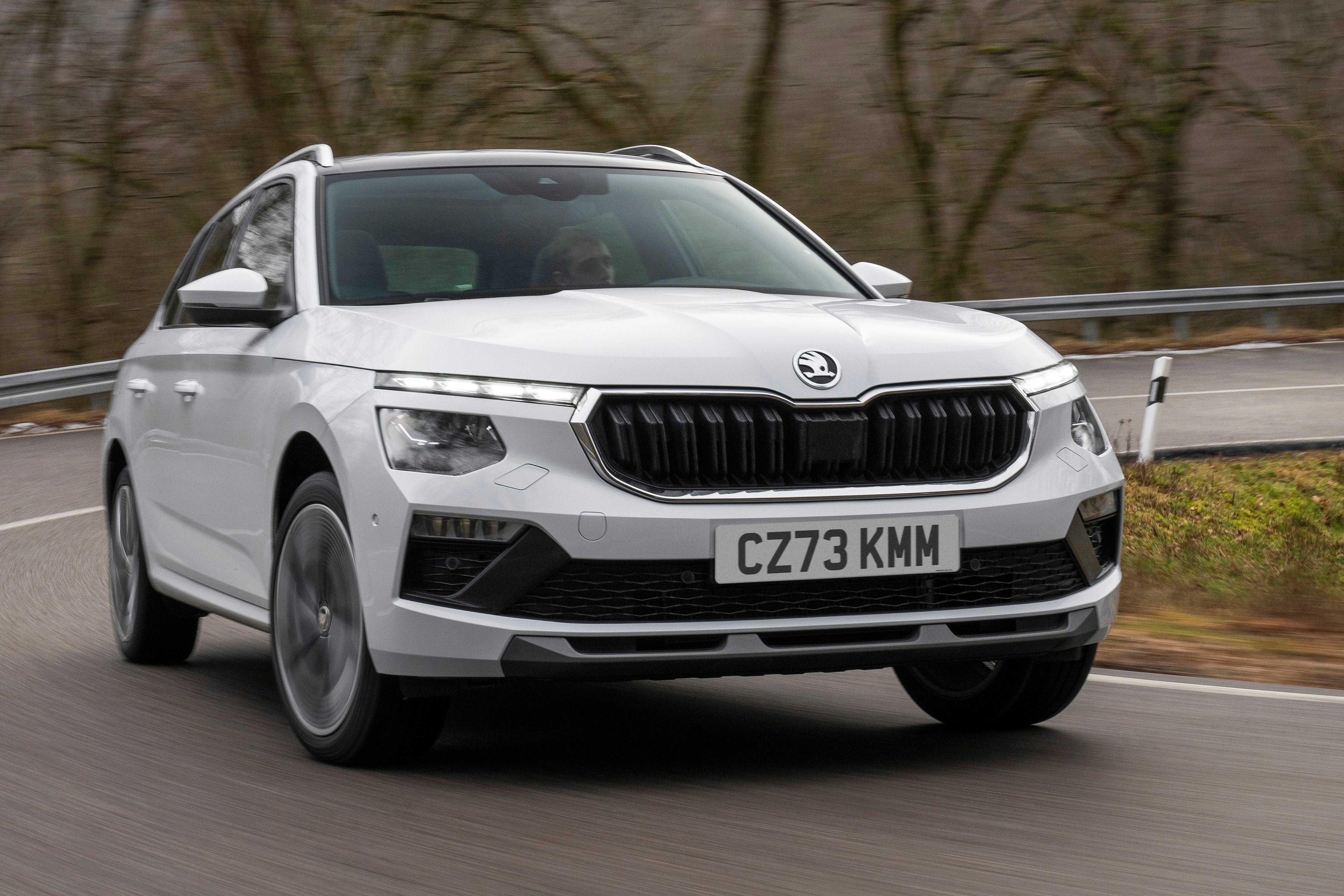
The Skoda Kamiq is one of the Captur’s strongest alternatives if straightforward practicality, cabin space and comfort are priorities. It doesn’t offer a full hybrid, but it’s exceptionally easy to live with.
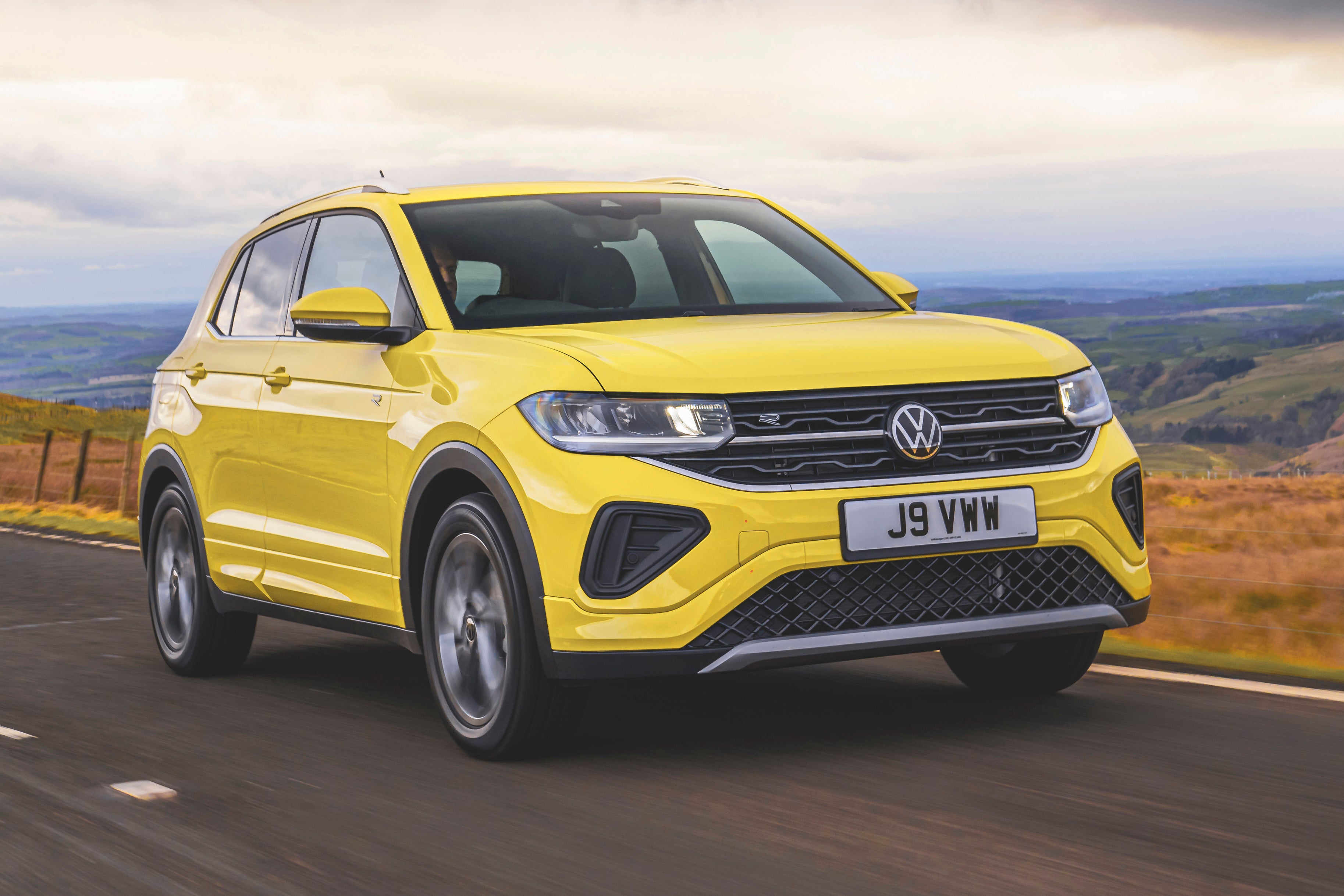
The Volkswagen T-Cross takes a similarly sensible approach and also offers a sliding rear bench, although it can get expensive as you move through the range.
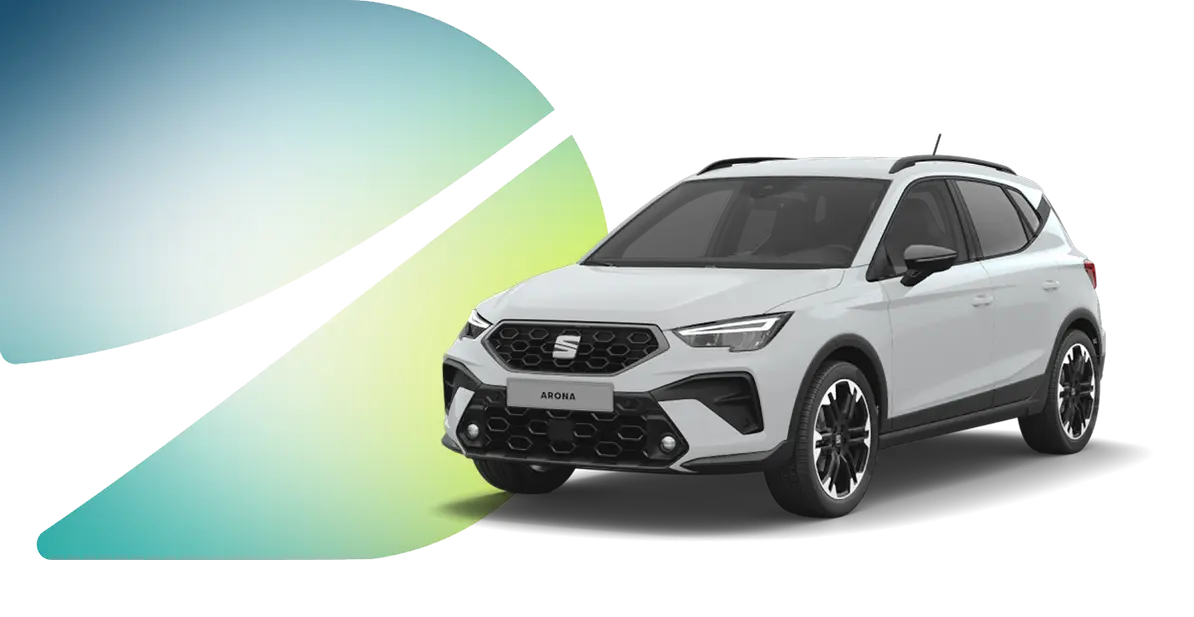
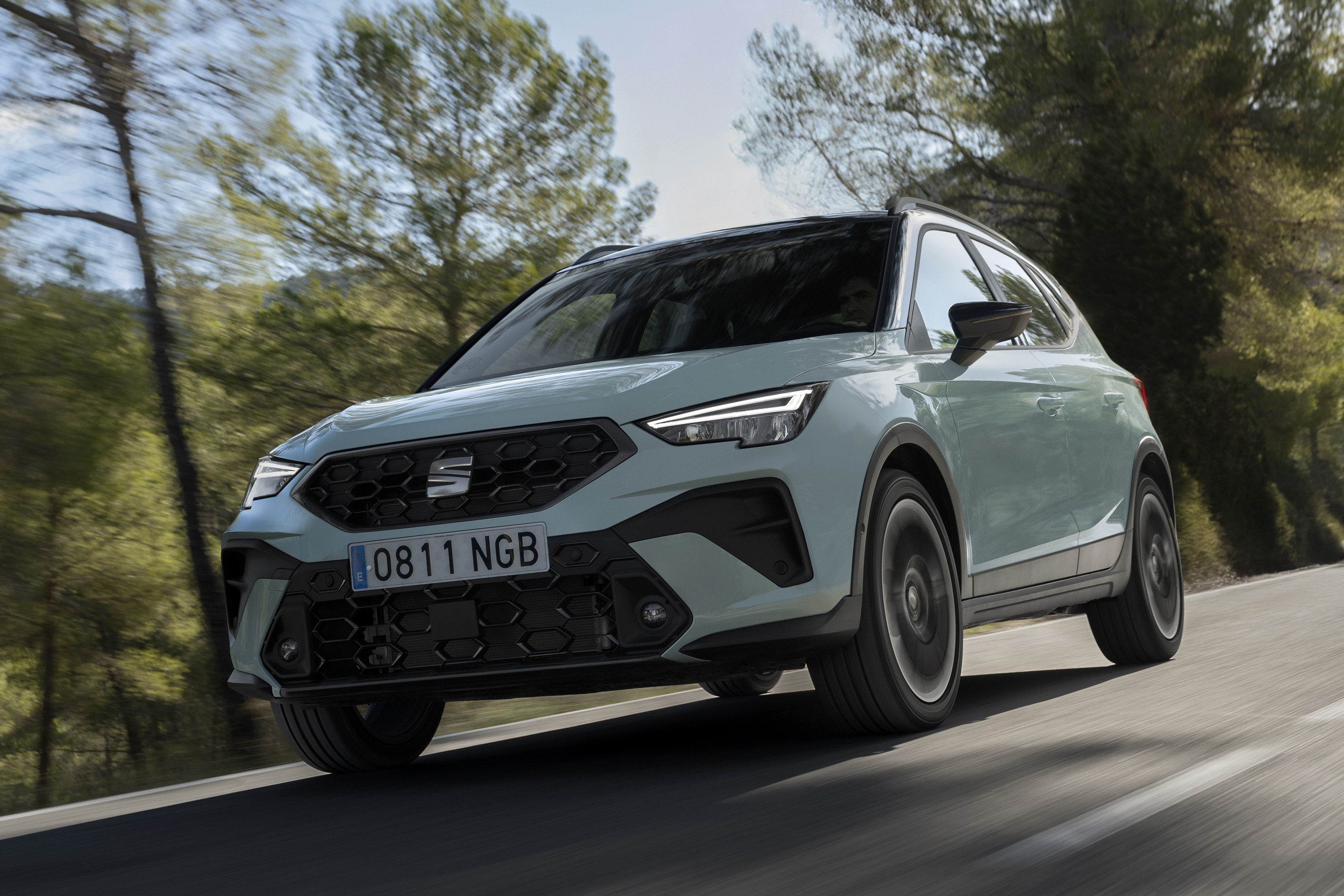
The SEAT Arona is another strong Volkswagen Group choice, combining relatively keen handling with sensible running costs and good usability.
The Ford Puma is the obvious choice if driving enjoyment matters more. Its steering and chassis are sharper, while its large and clever boot is another major strength.
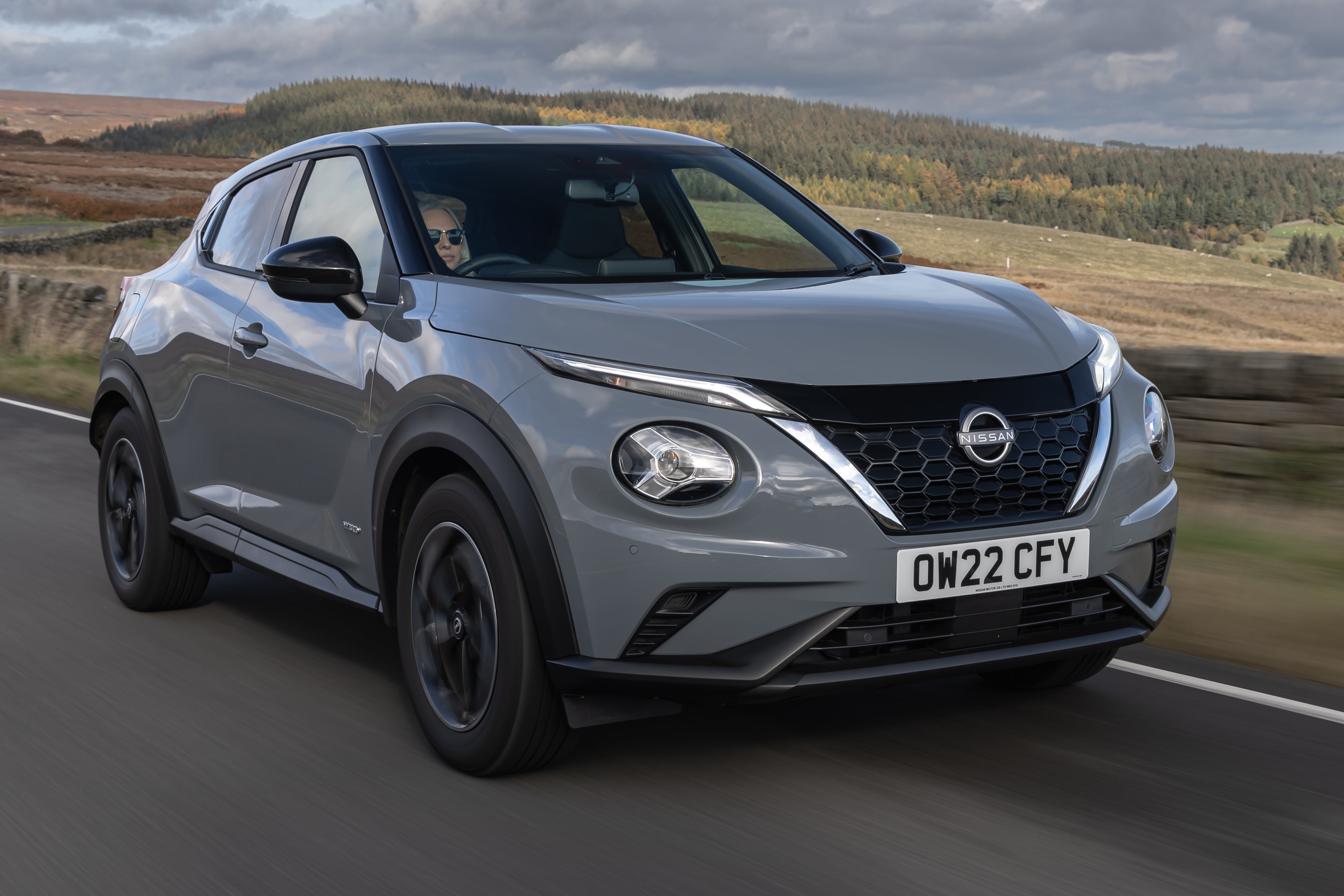
The Toyota Yaris Cross makes a particularly strong case if hybrid efficiency matters, while the Nissan Juke, the Peugeot 2008 and the Hyundai Kona are all very decent alternatives.
The Captur’s advantage is that it combines a good hybrid system with genuinely useful cabin flexibility and sensible pricing rather than excelling in only one area.
What's the interior like in the Renault Captur?
The Captur’s cabin is one of the reasons it remains so easy to recommend. It’s bright, practical and straightforward to use, while the 2024 facelift made the technology feel considerably more modern.
Every current Captur gets a 10.4-inch portrait touchscreen, while Techno and Esprit Alpine add a 10.25-inch digital instrument display and Google built-in. Renault has also retained physical controls for important climate functions, which makes the Captur less distracting to operate than some touchscreen-heavy rivals.
Material quality is respectable rather than luxurious, but the design is attractive and higher trims introduce more interesting upholstery and detailing.
Renault Captur boot space and practicality
The Captur’s party piece remains its sliding rear bench, which moves through 16cm. That allows you to trade rear legroom for luggage capacity depending on what you need on a particular journey. With the bench pushed fully backwards, the petrol Captur provides 484 litres of boot space. Slide it forwards and that rises to an impressive 616 litres, although doing so obviously reduces rear passenger room.
The hybrid’s battery and associated hardware eat into luggage space. It provides 348 litres with the rear seat fully back and 480 litres with it pushed forward. Fold the rear seats completely and capacity increases to 1,596 litres in the petrol and 1,458 litres in the Full Hybrid.
Passenger space is good for the size of the car. Adults can sit comfortably in the back with the bench rearwards, while the relatively flat floor makes the centre position more usable than in some rivals. Up front there’s plenty of storage, a comfortable driving position and good visibility. It remains one of the cleverer small SUVs from a family-practicality point of view.
Renault Captur dimensions
The Renault Captur measures 4,239mm long, 1,797mm wide (2,004mm with the mirrors extended) and 1,575mm high, with a 2,639mm wheelbase. That places it squarely in the small-SUV class. It’s compact enough to remain easy to manoeuvre in town, but its relatively long wheelbase contributes to its useful rear-seat accommodation.
Ground clearance is 169mm, so despite the SUV styling this remains very much a road-focused crossover rather than anything intended for serious off-road use.
Tech and infotainment in the Renault Captur
The 2024 update made a substantial difference to the Captur’s technology. Every current version now gets a 10.4-inch portrait OpenR Link touchscreen, replacing the smaller and increasingly dated systems fitted to earlier cars. Evolution gets Renault’s standard system with Arkamys audio, while Techno and Esprit Alpine add Google built-in, including Google Maps and access to compatible apps.
The Google integration is one of the strongest elements. Google Maps feels familiar, routing is good and Google Assistant provides useful voice control without forcing you to learn a completely new interface.
Techno and Esprit Alpine also get a 10.25-inch digital driver display, whereas Evolution uses a simpler instrument set-up.
Crucially, Renault hasn’t moved every basic control onto the touchscreen. Physical climate controls remain, making common adjustments much easier on the move.
Materials available on the Renault Captur
Material choice varies noticeably across the range. Evolution uses embossed grey and black fabric upholstery with contrasting blue stitching while Techno switches to embossed marled black fabric combined with titanium-black bio-sourced textile trim, giving the interior a slightly more sophisticated appearance. Esprit Alpine gets its own treatment, including recycled jacquard fabric, bio-sourced textile sections and Alpine blue stitching. Renault says the jacquard fabric contains 26% recycled material.
There are still plenty of hard plastics lower down in the cabin, so this isn’t a premium interior in the traditional sense. Even so, the mix of textiles, colour and the updated dashboard prevents it from feeling bargain-basement.
What's the Renault Captur like to drive?
The Captur is at its best as an easy, unintimidating family SUV rather than something designed to entertain. Its steering is light, visibility is good and the suspension is generally tuned towards comfort. That makes town driving straightforward and longer journeys relatively relaxed.
The petrol model feels fairly lethargic when worked hard, while the Full Hybrid E-Tech 160 has much stronger performance and a smoother, quieter character during gentle driving. A Ford Puma is considerably more engaging on a twisting road, but the Captur’s relaxed approach arguably suits its family-SUV brief better.
Renault Captur range and performance
The current Captur range has just two powertrains. The entry-level TCe 115 is a 1.2-litre three-cylinder turbocharged petrol engine producing 115PS and 190Nm. It drives the front wheels through a six-speed manual gearbox and will hit 0–62mph in 12.1 seconds and a top speed of 111mph. That’s noticeably slower than many small-SUV rivals, but it’s adequate if most of your driving is around town or you simply want the cheapest route into the range.
The Full Hybrid E-Tech 160 is a much newer powertrain. It uses a 1.8-litre four-cylinder petrol engine, electric assistance and Renault’s multimode automatic transmission for a combined 160PS. The latest system is a sizeable improvement over the previous E-Tech 145 – 0–62mph now takes 8.9 seconds, compared with 10.6 seconds for the old hybrid, giving it much more useful performance when joining faster roads or overtaking. Its 1.4kWh battery charges itself during driving and braking, so there’s no need to plug it in.
For most buyers, the Full Hybrid is the powertrain to have. It’s quicker, substantially more economical and better matched to the Captur’s easy-going nature.
Performance data
| Model | Engine/battery size | Power | 0-62mph | Range/MPG |
|---|---|---|---|---|
TCe 115 | 1.2-litre petrol manual | 115PS | 12.1 seconds | Up to 49.6mpg |
E-Tech 160 | 1.8-litre hybrid automatic | 160PS | 8.9 seconds | Up to 65.7mpg |
Renault Captur driving and refinement
The Renault Captur is light, easy to drive and well suited to town use. The raised seating position helps visibility, and the controls are simple enough that it feels approachable from the outset. The steering is light at parking speeds and the Captur’s compact dimensions make it easy to thread through traffic. Rear parking sensors are standard, while higher trims add front and side sensors to make manoeuvring easier still.
The suspension is tuned more for comfort than sporty involvement. That means the Captur is not as sharp or as tied down in corners as a Ford Puma, but it does make a good fist of dealing with poorer surfaces. Body movement is more noticeable if you start pushing on, although that’s unlikely to matter much to the typical Captur buyer.
The hybrid carries extra weight, but its electric assistance makes it feel significantly livelier than the petrol. It can also pull away on electric power, which makes low-speed progress quieter and more relaxed. As speed rises the petrol engine joins in automatically, with the car constantly juggling its different power sources to prioritise efficiency.
Refinement is mixed. The TCe 115 can sound coarse if worked hard, something its modest performance sometimes encourages. The hybrid is quieter and smoother in many situations, although Renault’s unusual multimode transmission can occasionally make the relationship between engine speed and road speed feel less natural than in a conventional automatic.
Neither version turns the Captur into a particularly engaging driver's car, but that isn’t really its purpose. Its strengths are accessibility, comfort and ease of use, and the Full Hybrid E-Tech 160 is the version that makes the most convincing all-round package.
How safe is the Renault Captur?
The Renault Captur earned a four-star rating from independent safety organisation Euro NCAP in 2024. Its scores included 76% for adult occupant protection, 80% for child occupant protection, 76% for vulnerable road users and 69% for safety assistance.
Standard safety equipment includes automatic emergency braking, lane-departure and emergency lane-keeping assistance, a tyre-pressure monitor and rear parking sensors. Techno adds adaptive cruise control plus front and side parking sensors, while Esprit Alpine adds features including blind-spot warning and rear cross-traffic assistance. Isofix mounting points are provided on the outer rear seats and front passenger seat, while Renault’s emergency-call system is also standard.
Running costs: What it's like to live with a Renault Captur
Running costs are one of the Captur’s stronger areas, particularly if you choose the Full Hybrid E-Tech 160. The TCe 115 is reasonably economical for a conventional petrol SUV, but the hybrid can officially return more than 60mpg while also producing less CO2. Insurance groups are modest, none of the current versions attracts the Expensive Car Supplement and servicing intervals are relatively long at 12 months or 18,000 miles.
The trade-off is purchase price: the hybrid costs £2,900 more than the equivalent petrol model, so buyers doing low mileages may take some time to recover that through fuel savings alone. For higher-mileage or predominantly urban use, the hybrid makes a much stronger financial case.
Renault Captur fuel economy
The Full Hybrid E-Tech 160 is the efficiency champion of the current range, with official WLTP economy of up to 64.2mpg. The TCe 115 officially manages 48.7–49.6mpg, depending on version. Those are respectable numbers for a conventional petrol small SUV, but the hybrid has a clear advantage, particularly in stop-start driving where it can make greater use of electric assistance and regenerative braking.
As ever, real-world economy will vary according to driving style, temperature, traffic and journey type, but buyers prioritising fuel costs should find the Full Hybrid considerably more attractive.
Renault Captur warranty and servicing
Renault covers the Captur with a three-year/60,000-mile manufacturer warranty, although the mileage is unlimited during the first two years. The 60,000-mile limit then applies by the end of year three.
Extended warranty cover is available, with Renault currently offering extensions of up to three additional years and 100,000 miles. Routine servicing is scheduled every 12 months or 18,000 miles, whichever comes first.
Renault Captur insurance groups
Current Renault Captur models sit in insurance groups 14 to 16 of 50. The TCe 115 sits at the lower end of that range, while the more powerful Full Hybrid E-Tech 160 reaches group 16. That’s still relatively modest for a modern small SUV and should help keep premiums manageable.
How much does it cost to tax a Renault Captur?
The Renault Captur now costs £200 a year in VED after year one, which is the current standard annual rate for petrol and hybrid cars. The Expensive Car Supplement applies only to petrol and hybrid cars with a list price above £40,000, and no current Captur comes close to that. So there is no extra premium-car charge to worry about here.
What trims are available with the Renault Captur?
The Renault Captur range consists of Evolution, Techno and Esprit Alpine. Evolution already covers the essentials well, while Techno makes the strongest all-round case. Esprit Alpine is the more style-focused range-topper.
Evolution comes with 17-inch alloy wheels, a 10.4-inch OpenR Link touchscreen, a seven-inch digital driver display, wireless Apple CarPlay and Android Auto, wireless phone charging, automatic climate control and Renault’s hands-free keycard. Rear parking sensors, a reversing camera and LED headlights are also standard.
Techno is the sweet spot for most buyers. It adds 18-inch alloy wheels, a larger 10.25-inch digital driver display and Google Maps, Google Assistant and Google Play built in. Front and side parking sensors, adaptive cruise control, electrically folding mirrors and Renault’s Multi-Sense driving modes also make it feel more complete.
Esprit Alpine sits at the top of the range and focuses more on design and comfort. It adds 19-inch alloy wheels, distinctive Alpine exterior and interior detailing, a two-tone exterior finish, heated front seats and steering wheel, an electrically height-adjustable driver’s seat and additional driver-assistance features including blind-spot warning.
For most buyers, Techno offers the best balance of equipment, technology and value. Evolution is a strong entry point, while Esprit Alpine makes most sense if styling and extra comfort matter more.
Ask the Drive experts: common questions
Is the Renault Captur a good small SUV?
Which Renault Captur is best?
Is the Renault Captur hybrid worth it?
Does the Renault Captur get the Expensive Car Supplement?
Get our latest advice, news and offers
Keep me updated by email with the latest advice, news and offers from Drive.
.jpg)
.jpg)