Kia XCeed Review

Written By Lawrence Allan
- 2019
- Small SUV
- Petrol mild-hybrid
What we love
Smart design despite its age
Comfortable ride and tidy handling
Generous standard kit for the money
Things to consider
Not much more practical than a Ceed hatchback
Current UK range is very limited
A proper small SUV offers a higher driving position and more rear space
The DRIVE take on the Kia Xceed, is it the right car for you?
The Kia XCeed makes sense if you like the idea of a small SUV but do not need the full size, extra weight or extra cost that usually comes with one. It gives you a touch more style and road presence than a standard Ceed, while keeping the same easy-going nature and sensible running costs.
The catch is that it's still closer to a raised hatchback than a true crossover. If you want maximum rear-seat space or a genuinely bigger boot, there are better options. But if you want a comfortable, well-equipped family car with a slightly different look, the XCeed remains an appealing middle ground.
The Kia Xceed in more detail
The XCeed has always been a slightly clever car. Kia saw that plenty of buyers liked the idea of crossovers and small SUVs but did not necessarily need the extra size or weight. So rather than create something entirely separate, it took the Ceed hatchback, raised it a little, gave it more distinctive bodywork and positioned it as a sort of coupe-crossover alternative.
That formula still makes sense. The XCeed looks more interesting than the standard Ceed, feels a little more fashionable and offers a slightly higher hip point without pushing too far into chunky-SUV territory.
What helped it in the first place was that Kia did more than simply bolt on plastic cladding. The XCeed got bespoke suspension tuning, a unique body and a slightly softer, more comfort-focused feel than the Ceed. That means it drives with enough distinction to justify its existence.
The 2022 facelift did not reinvent the car, but it kept it current enough. The changes were mostly visual and tech-focused, with revised lighting, styling tweaks and some connectivity improvements. Since then, the bigger change has been to the engine and trim line-up rather than to the car itself.
The current UK XCeed is much simpler than the older review suggests. Rather than a sprawling mix of petrols, diesels and plug-in hybrid options, the public line-up is now effectively built around the 1.0-litre mild-hybrid petrol engine in Pure or GT-Line trim, with either a six-speed manual or seven-speed DCT automatic depending on version. That makes the range easier to understand, even if it does remove some breadth.
That simplicity changes the way the XCeed should be viewed. Earlier versions invited buyers to compare engines and decide how much performance, efficiency or equipment they wanted. The current car is more focused than that. It's essentially a single idea offered in a couple of different flavours, and your decision is really about whether you like the XCeed’s particular take on the family crossover brief.
That brief still has some real merit. The XCeed is more comfortable than the regular Ceed, a little more distinctive to look at and better suited to buyers who want a family car with a slightly more relaxed feel than a conventional hatchback. It's not transformative, but it's enough to give the car its own identity.
The trade-off is that the XCeed has not suddenly become a practical class leader. The slightly raised ride height and crossover styling do not unlock a dramatically roomier rear cabin or SUV-grade versatility. That means its appeal remains quite specific: it's for buyers who value the look and the feel of this kind of car more than outright practicality.
In other words, the XCeed is now less about choice and more about a single, tidy proposition. If that proposition suits you, it still makes a decent amount of sense.
What's the best Kia Xceed trim and engine option?
For most buyers of a new XCeed, the best choice is the Kia XCeed GT-Line 1.0 T-GDi mild hybrid manual.
The current engine line-up is simple enough that trim matters more than drivetrain nuance. GT-Line adds the sportier styling, heated seats and steering wheel, upgraded trim and extra visual appeal that help the XCeed feel more special than the standard Ceed.
Pure is still decent value, and in truth it already comes with enough equipment that you would not feel short-changed. But the XCeed is a car bought partly with the eyes, and GT-Line leans into that better.
As for the gearbox, the manual and DCT are both viable. The DCT is useful in traffic and suits the XCeed’s relaxed character, but the manual keeps the price down and feels more natural in this modestly powered engine.
What’s the price of the Kia Xceed?
The current Kia XCeed range starts at £26,165 for the Pure 1.0 T-GDi 48V manual. The same car with the seven-speed DCT automatic costs £27,265.
GT-Line starts at £27,565 for the manual and rises to £28,665 for the DCT.
That pricing keeps the XCeed competitive against many small SUVs and style-led family hatchbacks. It's not bargain-basement cheap, but it's well equipped and still undercuts plenty of rivals once you compare like for like.
The key thing is that the XCeed feels like a slightly dressed-up family hatch rather than a cut-price premium crossover. If you approach it on those terms, the prices make sense.
Alternatives to the Kia Xceed
The Ford Focus Active is the most obvious like-for-like alternative because it follows a similar formula of hatchback first, crossover second. It's still one of the better drives in this part of the market, though it's getting on a bit now and is only available from existing stock.
The Mazda CX-30 is another strong rival if you want a slightly raised family car with a more premium ambience inside. It feels richer than the Kia, though it's not as roomy in the back.
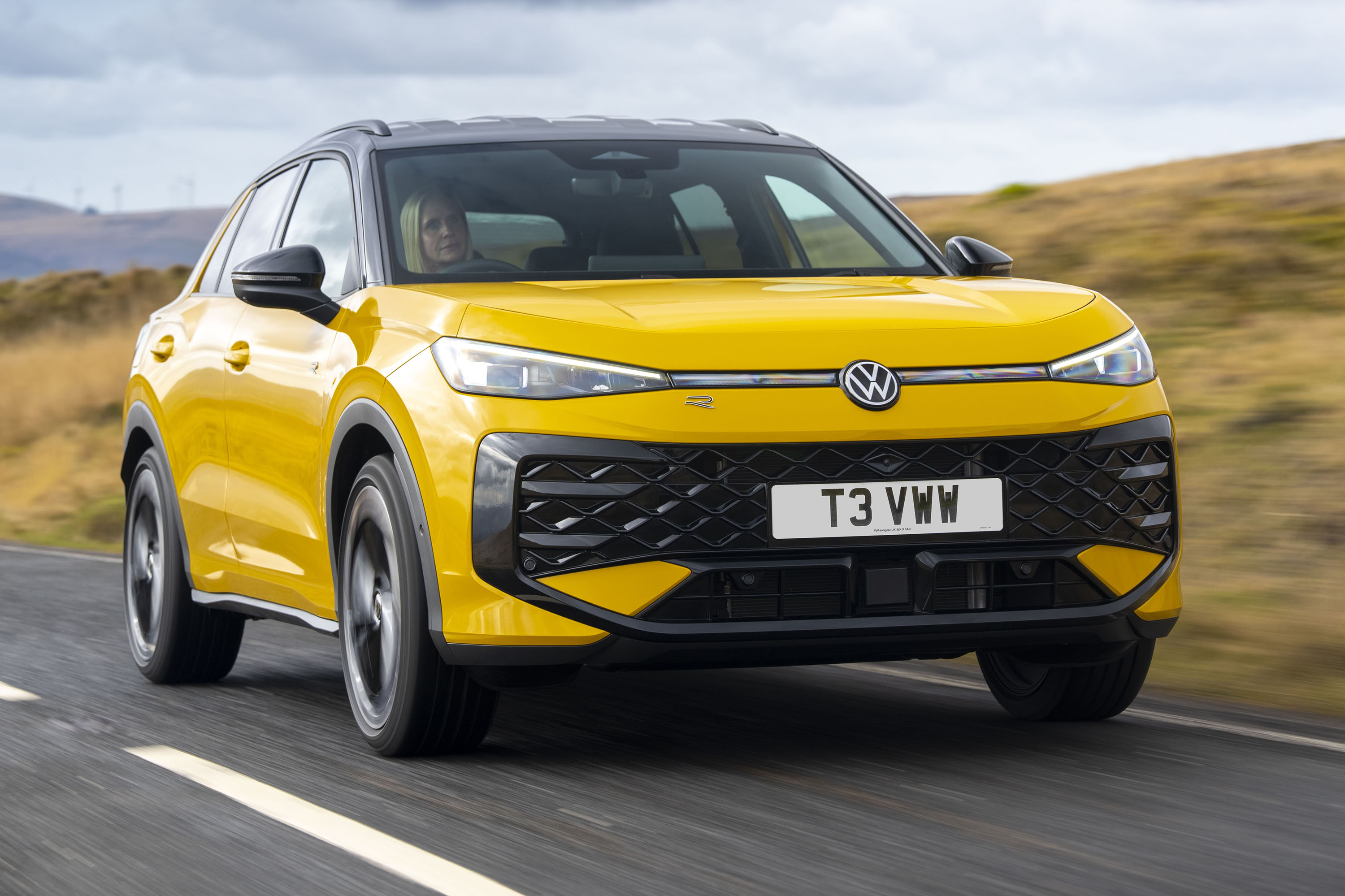
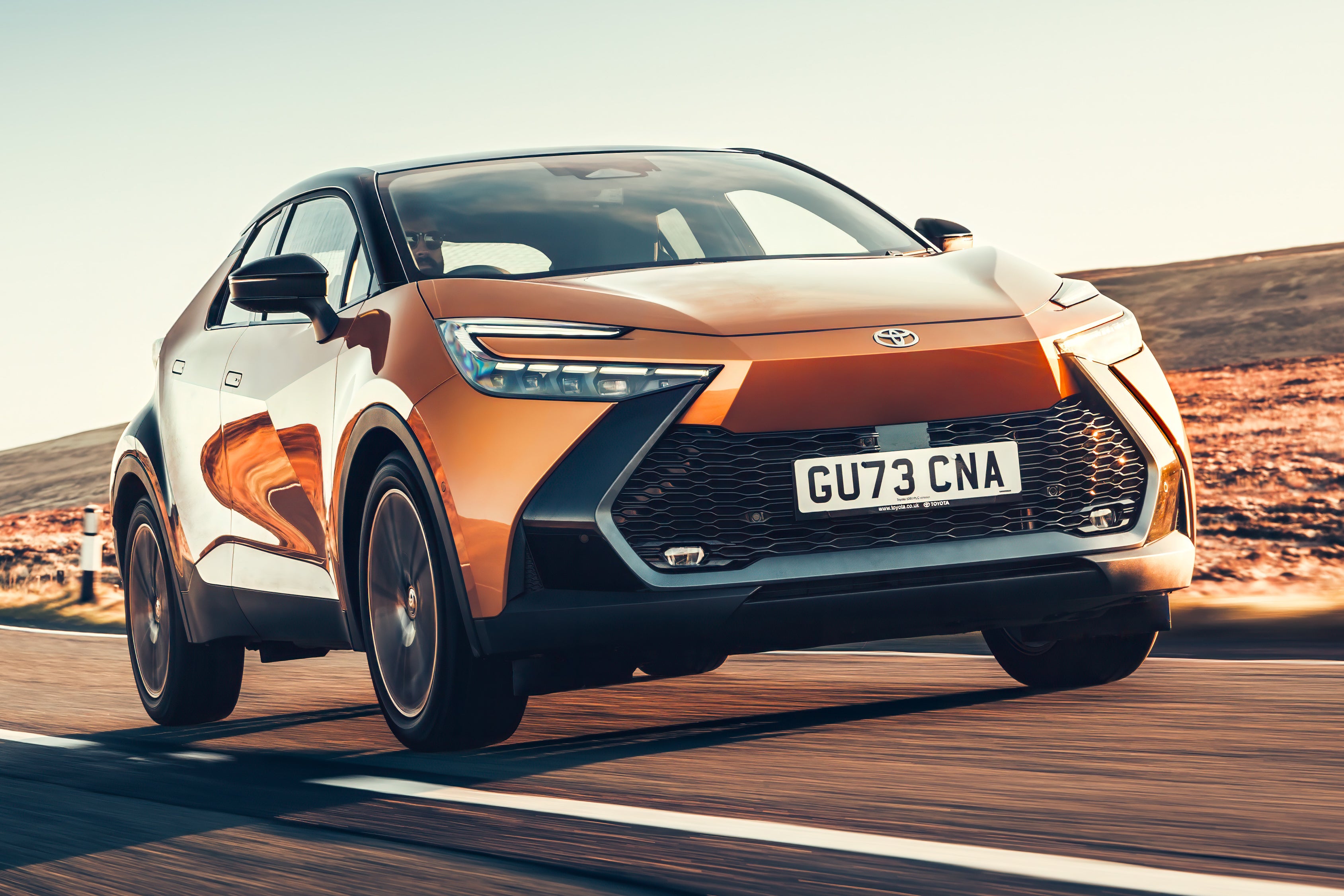
The Volkswagen T-Roc is the more conventional crossover option if you want a stronger SUV identity, while the Toyota C-HR is worth a look if hybrid power is high on your wish list.
You should also ask yourself whether the regular Kia Ceed would do the job just as well. In many cases it probably would. If you're mainly drawn to the XCeed for styling, fair enough. But if you're after practical gains, the step over the hatchback is smaller than the looks suggest.
What's the interior like in the Kia Xceed?
The Kia XCeed's cabin isn't much different than a Ceed's, but that's no bad thing. It's smart enough not to be dull yet has a sensible, logical design. It's starting to look a bit old compared to the newer Sportage, however.
Kia Xceed boot space and practicality
One of the XCeed’s better tricks is that it feels a little more spacious from the front seats than you might expect. There's plenty of room for two adults up front, lots of useful storage and a seating position that gives a modestly elevated feel without turning the car into a mini-SUV.
In the back, things are more mixed. Space is acceptable, but not generous. Taller adults will notice that rear headroom is tighter than in some proper SUVs, especially if the car has a sunroof, and legroom is merely average.
That means the XCeed is fine as a family car, but not a class leader for rear-seat accommodation. It's best thought of as a stylish hatchback alternative rather than a genuinely roomy crossover.
Boot space stands at 380 litres in current petrol mild-hybrid form, with up to 1,332 litres available with the rear seats folded. That's usable enough, but again it underlines the same point: the XCeed isn't a packaging miracle. If you want truly big-cabin practicality, a Sportage or a Ceed Sportswagon makes a stronger case.
The bright side is that access is easy, the driving position helps with child-seat loading and the doors open wide enough to make family life fairly painless.
Kia Xceed dimensions
The Kia XCeed measures 4,395mm long, 1,826mm wide & 1,495mm high. That makes it a touch larger than a typical family hatch, but still comfortably manageable in town.
Those dimensions are part of the XCeed’s appeal. It's easy to park, easy to thread through urban streets and never feels cumbersome in the way some small SUVs can.
Tech and infotainment in the Kia Xceed
All current XCeed models now get a 10.25-inch touchscreen navigation system as standard, which is a useful upgrade over the older split between smaller and larger screens.
It's functional rather than flashy, but that's not really a criticism. The menus are laid out sensibly, response times are decent and the system is straightforward to use once you're on the move.
There are still enough physical controls around the cabin to stop it feeling over-digitised, and that matters in everyday driving. The XCeed may not look as high-tech inside as Kia’s latest EVs, but it's easier to get along with than some of the more touchscreen-heavy alternatives in this class.
Wireless Apple CarPlay and Android Auto are not a universal given in this part of the market, so it's good to see Kia keeping smartphone connectivity central. The available digital driver display on older high-spec models looked smart, but in the current simplified range the emphasis is more on sensible core functionality than on showy extras.
Materials available on the Kia Xceed
The XCeed feels well made rather than luxurious. There are enough soft-touch surfaces and tidy trim details to stop it feeling cheap, and Kia’s cabins generally have a reputation for wearing well.
Pure trim is honest and sensible, while GT-Line does a better job of making the cabin feel special with its trim upgrades, sportier detailing and heated comfort features.
It doesn't have the rich atmosphere of a Mazda CX-30, nor the modern wow factor of a newer Kia Sportage, but it still comes across as solid and thoughtfully finished.
What's the Kia Xceed like to drive?
The XCeed drives much as you'd hope: competently, comfortably and with enough polish to make it a pleasant everyday companion.
Kia Xceed range and performance
The current UK XCeed line-up centres on a 1.0-litre T-GDi 48V mild-hybrid petrol engine producing 115PS and 200Nm of torque.
In manual form, 0-62mph takes 11.9 seconds. The DCT automatic stretches that slightly to 12.2 seconds. Top speed is 113mph in either case.
Those figures make clear that the XCeed isn't a fast car. It's brisk enough for normal use, but buyers who regularly carry a full load or spend lots of time on fast roads may wish for more performance than the current range offers.
Used buyers will find a broader choice of older 1.4, 1.5 diesel and plug-in hybrid versions, but for a current new-car review the story is much simpler than it used to be.
Performance data
| Model | Engine/battery size | Power | 0-62mph | Range/MPG |
|---|---|---|---|---|
Kia XCeed 1.0 T-GDi 48V Manual | 1.0-litre mild-hybrid petrol | 115PS | 11.9 seconds | Around 47mpg |
Kia XCeed 1.0 T-GDi 48V DCT | 1.0-litre mild-hybrid petrol | 115PS | 12.2 seconds | Around 46mpg |
Kia Xceed driving and refinement
The XCeed’s suspension remains one of its better points. Compared with the regular Ceed, the slightly raised ride height and softer setup help it deal with poor surfaces more effectively, which gives it a more relaxed feel on rough urban roads.
It's still tidy enough in corners, and while it's not as sharp as a Ford Focus Active, it never feels sloppy or awkward. Most buyers will be perfectly happy with the balance between comfort and control.
The steering is accurate enough, if not especially full of feel, and the overall sense is of a car designed to be easy rather than exciting. That's exactly right for the target market.
Refinement is respectable too. The 1.0-litre engine makes itself heard when worked hard, but once you settle into a cruise the XCeed becomes a comfortable, competent long-distance companion.
How safe is the Kia Xceed?
The XCeed itself has not been tested separately by independent safety organisation Euro NCAP, but the related Ceed’s four-star result out of five provides useful context.
Standard safety equipment on current cars is strong enough, including forward collision avoidance, intelligent speed limit assist, lane-keeping support and cruise control. GT-Line DCT and higher-spec older models add more advanced driver assistance.
So while the XCeed isn't the standout class leader on safety-test headline numbers, it still offers the sort of active safety package buyers now expect.
Running costs: What it's like to live with a Kia Xceed
Running costs should be one of the XCeed’s stronger suits. The engine is modest, the insurance groups are low and Kia’s long warranty remains a useful ownership advantage.
Kia Xceed fuel economy
Official combined economy is up to 47.0mpg for the manual and 46.3mpg for the DCT. Those are strong enough figures for a petrol crossover of this sort.
In the real world, the XCeed should be affordable to run as long as you accept that it's more about sensible efficiency than hybrid-style fuel saving.
Kia Xceed warranty and servicing
Kia’s seven-year or 100,000-mile warranty remains one of the XCeed’s biggest selling points. It helps the car stand out in both new and used markets, because any remaining cover transfers with the car.
Servicing should also be reasonable, and Kia has a solid reputation for dependability. The XCeed may not feel especially glamorous, but it has the kind of ownership story that makes sense for family buyers.
Kia Xceed insurance groups
Current UK XCeed models sit in insurance group 11E of 50, which is notably affordable for a family crossover.
That helps strengthen its case as a sensible all-round buy. It should be relatively cheap to cover compared with many small SUVs and even some conventional family hatchbacks.
How much does it cost to tax a Kia Xceed?
After year one, the Kia XCeed pays the standard annual VED rate for non-EV cars, which is currently £200.
Because the current XCeed range sits comfortably below the £40,000 Expensive Car Supplement threshold for petrol, diesel and hybrid cars, there's no additional annual charge to worry about.
What trims are available with the Kia Xceed?
The current Kia XCeed range is built around Pure and GT-Line.
Pure already comes with 16-inch alloy wheels, LED headlights, 10.25-inch touchscreen navigation, automatic air conditioning, a seven-speaker audio system, electric driver’s-seat lumbar support, cruise control and a good spread of core safety kit. It's a strong entry point.
GT-Line adds 18-inch alloys, GT-Line styling inside and out, privacy glass, black cloth and artificial leather upholstery, alloy pedals, heated front seats, a heated steering wheel and extra visual appeal. It's the trim that best suits the XCeed’s slightly more style-led character.
Ask the Drive experts: common questions
How much does the Kia XCeed cost?
Is the Kia XCeed practical?
What engine does the Kia XCeed use?
What is the best Kia XCeed version?
Get our latest advice, news and offers
Keep me updated by email with the latest advice, news and offers from Drive.
.jpg)
.jpg)
.jpg)