Toyota C-HR Review

Written By Rob Clymo
- 2024
- SUV
- Full hybrid, plug-in hybrid
What we love
Standout exterior design
Comfortable and composed on the move
Efficient hybrid powertrains
Things to consider
Rear-seat space is tight
Engines can sound strained if pushed
Boot space is modest for the class
The DRIVE take on the Toyota C Hr, is it the right car for you?
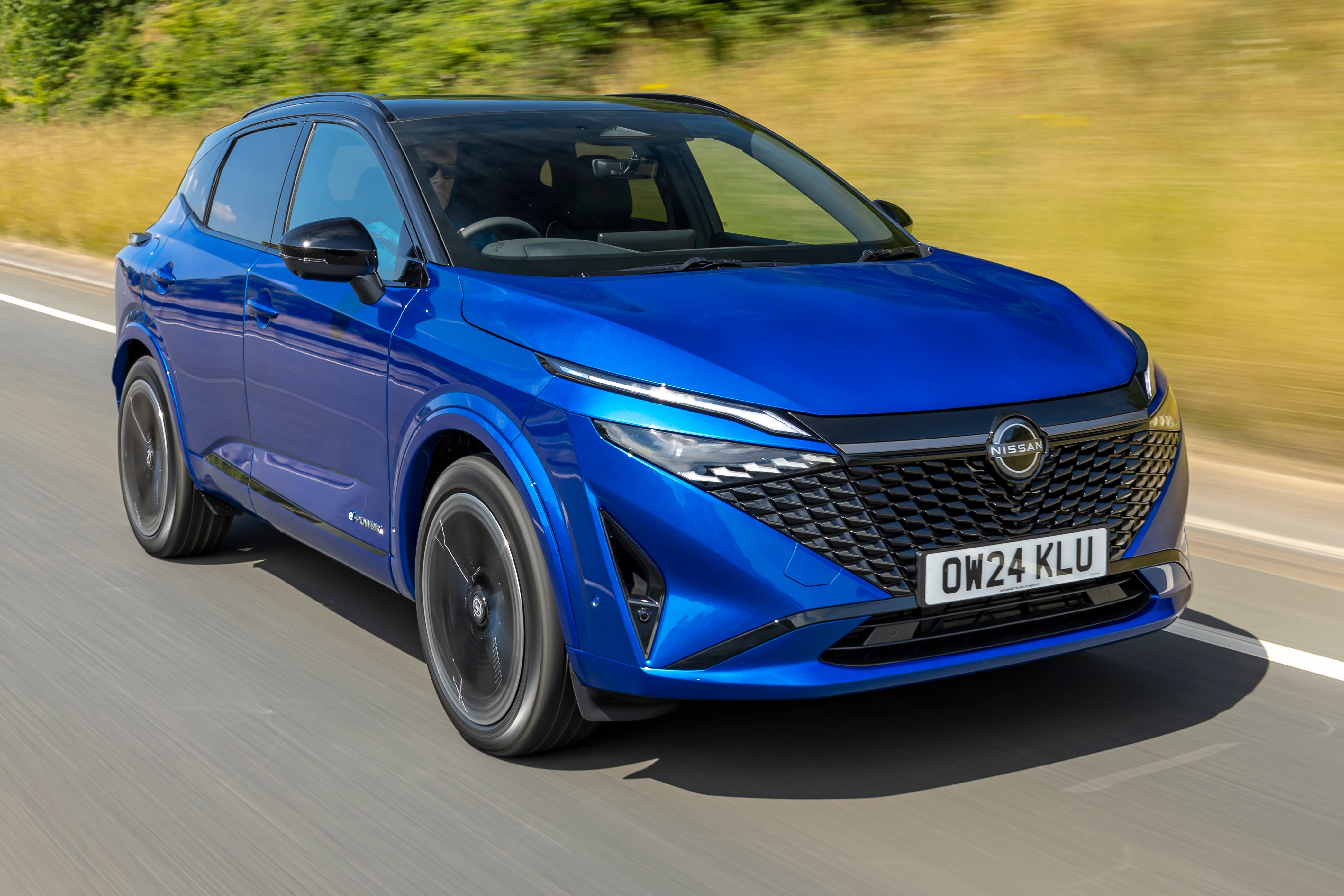
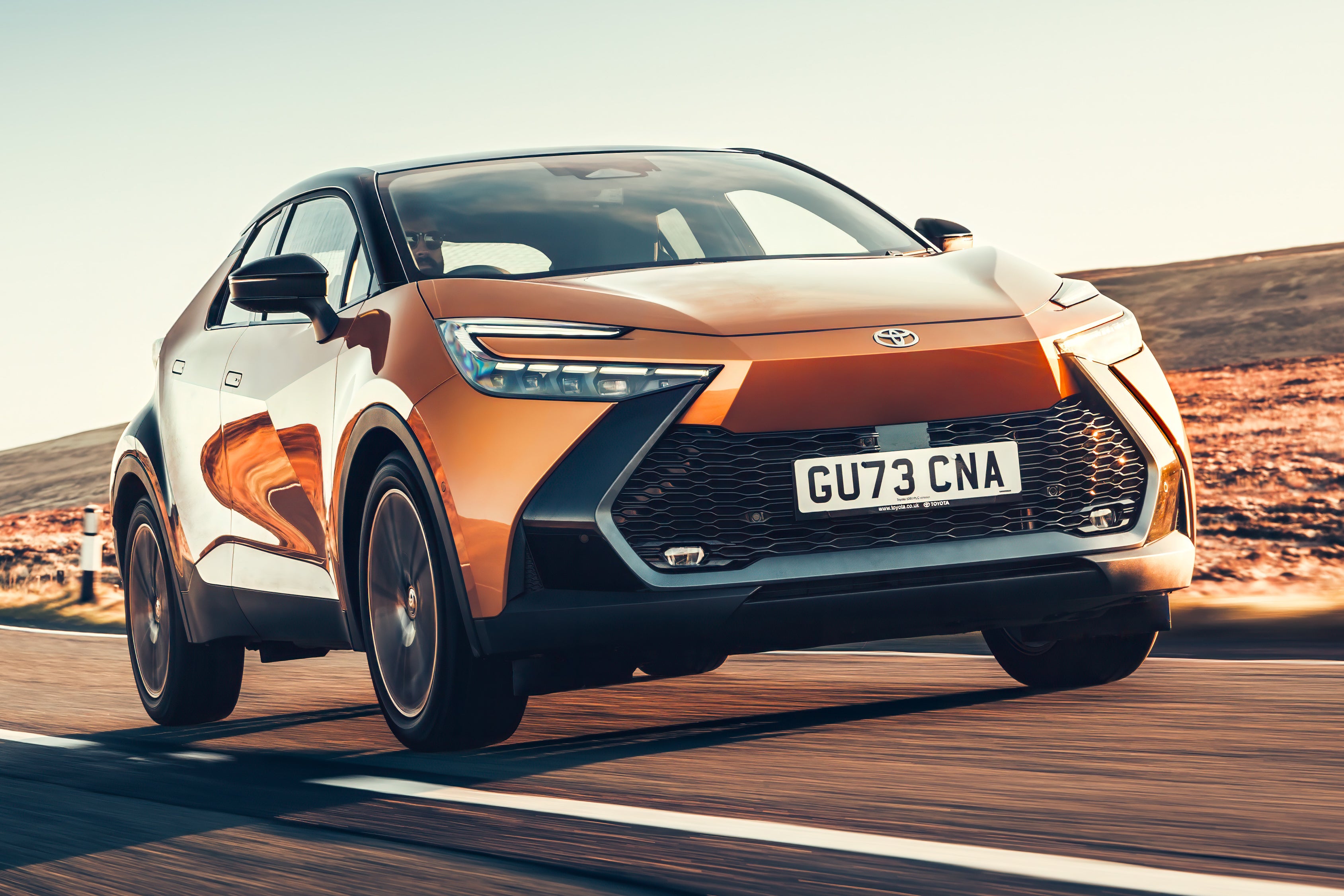
The Toyota C-HR remains one of the easiest small SUVs to recognise and one of the hardest to confuse with anything else. Toyota has doubled down on the bold coupe-crossover look that made the first car such a sales success, but this second-generation model is more polished, more efficient and better resolved underneath. It is still not the most practical choice in the class, because rear space and boot capacity both trail the best rivals, but if style matters as much as efficiency and reliability, the C-HR makes a very strong case for itself.
The Toyota C Hr in more detail
Toyota sold the original C-HR in huge numbers, and it is not hard to see why. It looked different, it arrived at just the right moment for coupe-SUV fashion and it wrapped Toyota’s increasingly familiar hybrid know-how in a package that felt more emotional than the brand’s usual output.
The new C-HR had a relatively simple brief: keep the visual drama, improve the substance and make sure loyal buyers have a reason to trade up rather than wander off into the arms of a Peugeot 3008 or Nissan Qashqai.
Browse used Toyota C-HRs for sale →
In broad terms, Toyota has succeeded. This version still leans heavily into design, with a more angular and more dramatic look than before, but it is also a more convincing all-rounder. The chassis is tidier, the cabin is more modern and the line-up makes more sense than the older launch-era coverage sometimes suggests.
The key thing to understand is that the C-HR still is not trying to be the roomiest or most rational family SUV in its class. That is not its role. Toyota already sells other cars that cover those bases more convincingly. The C-HR is the style-led option in the line-up, the one bought by people who want a crossover but do not want it to look or feel anonymous.
That positioning means some compromises remain. Rear passengers still get a darker, tighter-feeling environment than in a Qashqai or Karoq, and the boot is not as generous as many rivals. But if you are prepared to accept those trade-offs, the C-HR gives you one of the more distinctive and efficient choices in the class.
What's the best Toyota C Hr trim and engine option?
For most buyers, the best Toyota C-HR is the Design with the 1.8-litre full-hybrid powertrain. It sits in the middle of the range, brings the larger digital displays and key convenience upgrades over the entry car, and keeps running costs keen.
The 1.8-litre hybrid is still the sensible choice if you want to maximise economy and keep the price at a level that feels just about reasonable in this class. It may not be especially quick, but it suits the C-HR’s calm, efficient character.
The 2.0-litre full hybrid does feel smoother and a little more muscular, but it is limited to pricier trims, which makes it harder to justify. The plug-in hybrid is the one for buyers who can charge regularly and want the lowest day-to-day fuel use, but it comes with a much higher asking price and slightly tighter boot packaging.
As for trim, Icon is well equipped, but Design is where the C-HR starts to feel properly complete. Excel adds more luxury touches and the panoramic roof, while GR Sport is the style-led flagship with the bigger hybrid engine and more visual attitude.
In simple terms, Design 1.8 Hybrid is the sweet spot, Excel is the plush one and GR Sport 2.0 Hybrid is the image-led one.
What’s the price of the Toyota C Hr?
The Toyota C-HR currently starts at £31,695 for the Icon 1.8 Hybrid. The Design 1.8 Hybrid is £35,095, while Excel rises to £39,740.
At the top of the full-hybrid range, the GR Sport 2.0 Hybrid comes in at £41,555. Plug-in hybrid versions start from £39,295 in Design trim and rise to £44,405 in GR Sport form. There are also plenty of used Toyota C-HRs for sale for considerably less.
That means the C-HR is not a bargain-basement crossover. Toyota is asking proper money for it now, especially once you move into higher trims or the plug-in hybrid. On the other hand, it does feel more upmarket than the old car and still brings Toyota’s strong reputation for reliability and low running costs to the table.
Alternatives to the Toyota C Hr
The Nissan Qashqai remains one of the C-HR’s clearest rivals because it is one of the default choices in this class. It is roomier, a little more family friendly and still one of the benchmarks for overall breadth of ability, though it lacks the Toyota’s visual drama.
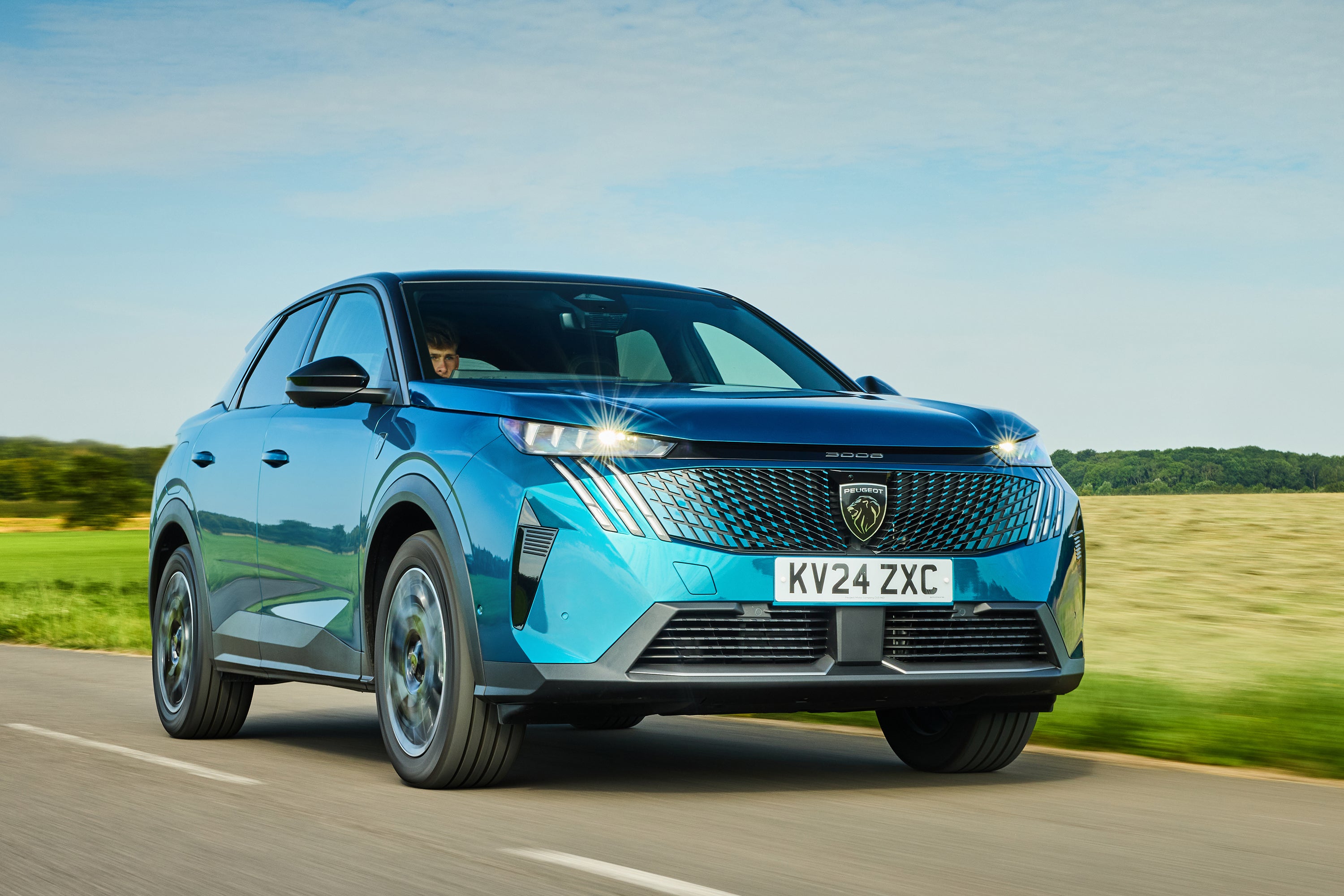
The Peugeot 3008 is another obvious alternative if you want a crossover with more design flair than the norm. It feels more overtly stylish and a little more premium in places, though Toyota’s hybrid know-how remains a major draw.
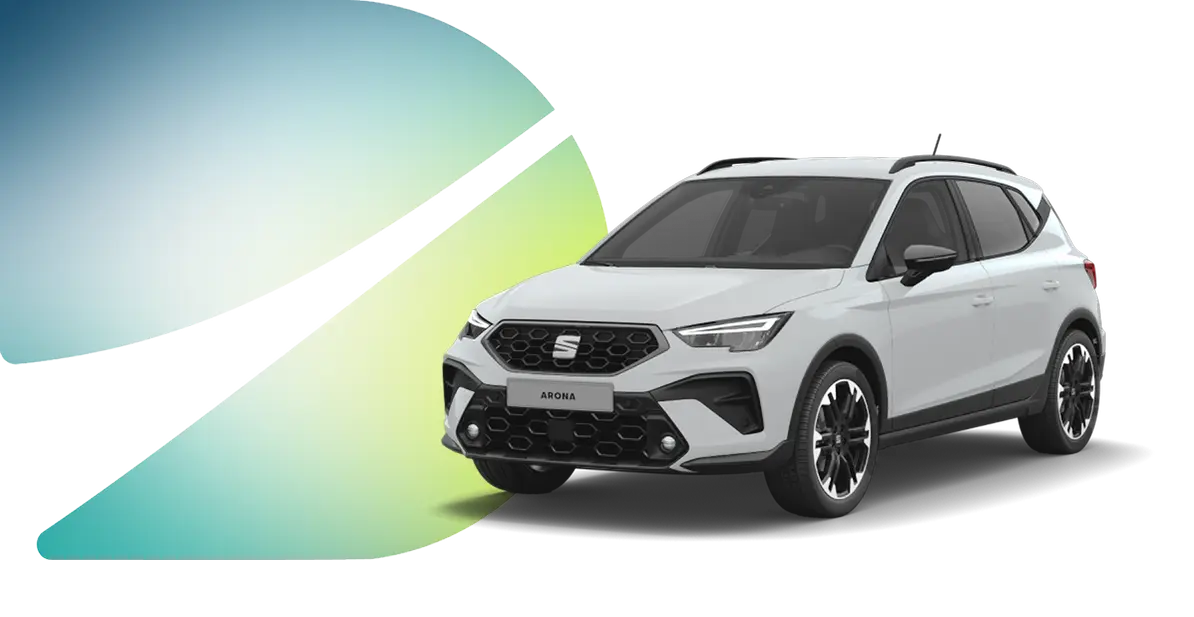
The Skoda Karoq is the sensible option. It is less interesting to look at, but it majors on space, usability and clarity of purpose in a way the C-HR never quite does.
Beyond those three, the Honda HR-V, Kia Niro and Hyundai Kona all deserve a look. The Toyota C-HR makes most sense if you want one of the most distinctive crossovers in the class and can live with the fact it is not one of the biggest inside.
What's the interior like in the Toyota C Hr?
The cabin is more modern and more cohesive than before, but the Toyota C-HR still prioritises style over outright spaciousness.
Toyota C Hr boot space and practicality
Practicality has never been the Toyota C-HR’s strongest suit and that remains true here. Up front the car feels snug rather than genuinely spacious, with the high centre console and wraparound dashboard layout making the cockpit feel quite cocooning.
That design-led approach looks good, but it will not suit everyone. Broader drivers may find the front section of the cabin a little confining, and passengers in the rear still get a darker, tighter-feeling environment than in the best rivals.
Rear legroom is the main limitation. Children will be fine, but taller teenagers or adults will find the second row a bit mean, especially if those in front have pushed their seats back.
Boot space also reflects the Toyota C-HR’s priorities. Full-hybrid models offer up to 388 litres, while the plug-in hybrid drops to around 310 litres because of the extra battery packaging. That is serviceable rather than generous for a family crossover and lags behind rivals such as the Qashqai and Karoq.
Toyota C Hr dimensions
The Toyota C-HR measures 4,362mm long, 1,832mm wide & 1,564mm high. That makes it relatively compact for a family crossover and helps explain why it feels easy to place and park compared with some larger alternatives.
Those dimensions suit the car’s brief. It feels slightly more substantial than a small hatchback on stilts, but it does not have the sheer bulk of some family SUVs. That helps it remain a good fit for urban buyers who want crossover style without crossover heft.
Tech and infotainment in the Toyota C Hr
Toyota has moved the cabin on noticeably here. Entry-level Icon cars get an 8-inch touchscreen and a 7-inch digital driver display, but Design and above are the versions to aim for if technology matters to you.
Those trims get the much better 12.3-inch digital instrument display and a 12.3-inch infotainment touchscreen with Toyota Smart Connect+, navigation, wireless smartphone integration and extra connected features.
The system is a big step on from older Toyota efforts. It looks cleaner, feels faster and generally does the things drivers now expect without too much fuss. Wireless charging and front and rear USB-C ports on the better trims also help make the C-HR feel current.
Materials available on the Toyota C Hr
Material quality is strong. Toyota has done a good job of making the C-HR feel expensive enough to justify its asking price, especially once you move into the upper trims.
The wraparound dashboard design, ambient lighting and mix of upholstery and trim materials all help create a smart, slightly moody interior. It is not an especially bright cabin, but it does feel cohesive and well finished.
Top trims go further with suede-effect upholstery, more dramatic trim treatments and a generally richer feel. This is one of the areas where the C-HR does a good job of feeling a cut above some mainstream rivals.
What's the Toyota C Hr like to drive?
The C-HR still is not a crossover you would call genuinely exciting, but it is a better and more polished car to drive than the first-generation model.
Toyota C Hr range and performance
The Toyota C-HR line-up consists of three electrified powertrains. The entry engine is a 1.8-litre full hybrid with 140PS, followed by a 2.0-litre full hybrid with 197PS. At the top sits the 2.0-litre plug-in hybrid with 223PS.
Performance is respectable rather than thrilling. Toyota quotes 0-62mph in 10.2 seconds for the 1.8 Hybrid, 8.1 seconds for the 2.0 Hybrid and 7.2 seconds for the plug-in hybrid.
For most buyers, the 1.8 Hybrid remains the sensible option. The 2.0 Hybrid is smoother and quicker, but it is much harder to justify once you factor in the trim walk-up needed to get it.
Performance data
| Model | Engine/battery size | Power | 0-62mph | Range/MPG |
|---|---|---|---|---|
1.8 Hybrid | 1.8-litre | 140PS | 10.2 seconds | Up to 60.1mpg |
2.0 Hybrid | 2.0-litre | 197PS | 8.1 seconds | Up to 57.7mpg |
Plug-in Hybrid | 2.0-litre | 223PS | 7.2 seconds | Up to 41 miles EV range |
Toyota C Hr driving and refinement
Toyota has done a good job with the way the C-HR handles. There is less body roll than you might expect, the steering is tidy enough and the car feels confidence inspiring through corners.
It is not what you would call playful, but it is composed and neatly controlled. That makes it feel more polished than plenty of crossovers in this class.
On the motorway it settles into a very easy cruise. Ride comfort is well judged and the car generally feels like a comfortable long-distance companion.
The weak point remains the hybrid powertrain when pushed. Under gentle use the C-HR feels quiet and smooth enough, but hard acceleration still brings the familiar Toyota hybrid effect of rising revs and some droning from the engine and e-CVT. It is less intrusive than it used to be, but it has not disappeared entirely.
How safe is the Toyota C Hr?
The new Toyota C-HR has now been tested by Euro NCAP and earned a full five-star safety rating in 2024. That updates older draft wording that suggested it had not yet been assessed.
Toyota Safety Sense remains one of the car’s stronger points. Standard kit includes adaptive cruise control, lane trace assist, road sign assist, automatic high beam and autonomous emergency braking.
Higher trims add further assistance systems such as lane change assist, front cross-traffic alert and Toyota’s more advanced camera-based parking and monitoring features.
Running costs: What it's like to live with a Toyota C Hr
Running costs should be one of the Toyota C-HR’s main strengths, whether you choose the standard hybrid or the plug-in.
Toyota C Hr fuel economy
The 1.8 Hybrid is the economy champion of the regular range, with official figures of up to 60.1mpg. The 2.0 Hybrid drops only slightly to up to 57.7mpg, which means even the more powerful car should still be relatively economical by class standards.
The plug-in hybrid is harder to summarise with one number, because its official fuel consumption depends heavily on how often you charge it and how you use its battery. The more relevant figure is its electric range of up to 41 miles, because that is what gives it the potential to slash fuel use on shorter trips.
Toyota C Hr warranty and servicing
Every new Toyota C-HR comes with a three-year manufacturer warranty, and Toyota extends that by 12 months or 10,000 miles after each qualifying service at an approved dealer, up to 10 years or 100,000 miles.
For servicing, Toyota recommends that the C-HR should be serviced every 12 months or 10,000 miles, whichever comes first.
Toyota C Hr insurance groups
Insurance groups run from 20 to 29 across the range. That means the C-HR is not outrageously expensive to insure, but it is also not especially cheap once you move into higher trims and more powerful versions.
For comparison, key family-SUV rivals can start a little lower, but the spread here is reasonable enough given the car’s price, performance and level of safety equipment.
How much does it cost to tax a Toyota C Hr?
The Toyota C-HR now costs £200 a year in VED after year one, which is the current standard annual rate for petrol and hybrid cars.
The Expensive Car Supplement applies to petrol and hybrid cars with a list price above £40,000. That means some higher-spec C-HRs, particularly the GR Sport and certain plug-in hybrid versions, do edge into that territory and should be checked carefully. Go above £40,000 and you'll be paying an extra £440 currently from years two to six.
What trims are available with the Toyota C Hr?
The Toyota C-HR line-up consists of Icon, Design, Excel and GR Sport, along with the Orange Edition special version.
C-HR Icon starts the range and already includes plenty. Standard kit covers 17-inch alloy wheels, smart entry, automatic wipers, Toyota Safety Sense, the 8-inch touchscreen and the digital driver display.
C-HR Design is the trim that makes the strongest overall case. It adds the larger 12.3-inch displays, wireless charging, extra USB-C ports, parking sensors with automatic brake function, a power tailgate and a generally more complete equipment set.
C-HR Excel is the luxury-focused version. It brings 19-inch machined alloys, bi-tone paintwork, suede-effect trim, ambient lighting, the panoramic roof and the wider suite of assistance features.
C-HR GR Sport is the visual flagship. It adds the more aggressive Gazoo Racing styling touches, larger wheels, JBL audio and head-up display, along with further options packs if you want to push the price even higher.
In simple terms, Icon is well equipped, Design is the sweet spot, Excel is the plush one and GR Sport is the style statement.
Ask the Drive experts: common questions
Is the Toyota C-HR a good small SUV?
Which Toyota C-HR is best?
Is the Toyota C-HR plug-in hybrid worth it?
Does the Toyota C-HR get the Expensive Car Supplement?
Get our latest advice, news and offers
Keep me updated by email with the latest advice, news and offers from Drive.
.jpg)
.jpg)
.jpg)