Kia Ceed Review

Written By Lawrence Allan
- 2018
- Family hatch
- Petrol, diesel
What we love
Strong standard equipment levels
Easy-to-use, un-fussy cabin
Transferable seven-year warranty
Things to consider
Not as refined as a Volkswagen Golf
Automatic gearbox is a bit frustrating
Manual's clutch is a bit abrupt
The DRIVE take on the Kia Ceed, is it the right car for you?
The Kia Ceed makes a lot of sense if you want a family hatchback that majors on solidity, usability and low-stress ownership. It is one of those cars that rarely dominates any single category, but consistently makes itself easy to recommend once you look at the full package. That package still stacks up well as a used buy. The Ceed has a good cabin, sensible running costs, decent practicality and a long manufacturer warranty that transfers to later owners. It is not the last word in refinement or driver appeal, but if you want a dependable, straightforward hatchback without any unnecessary fuss, the Ceed remains a very smart choice.
The Kia Ceed in more detail
Early generations of the Kia Ceed were like buying a tin of supermarket own-brand baked beans, whereas the Ford Focus and Volkswagen Golf were the familiar name brands. You got more for your money, but something was missing.
Nowadays, things are different. Kia hasn't considered itself a 'budget brand' for several years now, which is reflected in the Ceed's pricing, lining up pretty squarely with key hatchback rivals such as the Vauxhall Astra, SEAT Leon and Ford Focus.
Browse used Kia Ceeds for sale →
It’s loaded with kit, with even the most affordable models featuring a decent infotainment system, a reversing camera and proper safety assist tech. Chuck in a transferable seven-year warranty and suddenly the Ceed makes a very strong case for itself as a used bargain. Late in 2021, a facelifted version of the Kia Ceed was launched with a lightly tweaked design (including neat new LED tail-lights on GT-Line trim), the brand's new badging, fresh cabin trim, improved infotainment on higher trims and new safety equipment.
One of the Ceed’s best features is its smart and practical interior. It’s mostly devoid of cheap plastics and genuinely comparable to a Volkswagen Golf’s for quality, even if it's not as plush as the cabin of a Mazda 3. Most models even come with a slick 10.25-inch touchscreen navigation system with Apple CarPlay and Android Auto. This has a logical layout and sharp graphics, while handy physical shortcut buttons make it slightly easier to use on the move.
The interior is fairly spacious, especially for front-seat passengers, although taller adults in the back might get a bit grumpy after a few hours. There are plenty of useful storage compartments and the boot is slightly bigger than that of a Ford Focus or Volkswagen Golf, although you’d probably have to park the cars alongside each other to notice.
To drive, the Kia Ceed is pretty unremarkable as family cars go, but most will see that as a good thing. You don’t really want a car like this to be remarkable to drive. The steering steers, the tyres grip and the brakes stop. It doesn’t lean too much in the corners, while the supple suspension does a pretty good job of soaking up lumps and bumps. You’ll notice a bit of road- and wind noise at high speed - certainly more than in a Volkswagen Golf - but not enough to really irritate.
Anyone looking for something a bit sportier is catered for by the Ceed GT, which comes with a powerful 1.6-litre petrol engine. It's not quite a hot hatchback, either in terms of its pace or its driver engagement. It’s noisier, thirstier and less comfortable than a standard Ceed, without being as good to drive as a Volkswagen Golf GTI or Ford Focus ST.
More importantly, the Kia Ceed is a safe purchase, with a five-star Euro NCAP safety rating and a long list of techy safety features as standard. Isofix points in the back will help when fitting child seats, too.
What's the best Kia Ceed trim and engine option?
For most buyers, the sweet spot is a facelifted Kia Ceed 1.5 T-GDi in 3 trim.
That engine is the best all-round petrol in the range. It replaced the older 1.4-litre turbo in 2021 and brought a little more punch without a meaningful downside in economy. It is not especially exciting, but it is strong enough to suit the Ceed’s relaxed family-hatch brief much better than the smaller 1.0-litre if you spend much time out of town.
3 trim is also where the Ceed starts to feel properly rounded. It adds the sort of comfort and convenience equipment most buyers will appreciate without tipping over into the pricier and more image-led end of the range. GT-Line is tempting if you like the sportier look, and GT-Line S does bring some genuinely nice extras, but 3 remains the most sensible used buy.
If you cover big motorway mileage, one of the 1.6 CRDi diesels still makes a lot of sense, particularly the later mild-hybrid 136PS version. For everyone else, the 1.5 T-GDi is the easy recommendation.
What’s the price of the Kia Ceed?
Used Kia Ceed prices start from around £11,000 for earlier 2018 or 2019 cars with around 50,000 miles, which typically puts you into a 1.0-litre petrol or lower-powered diesel in 2 or 3 trim. There plenty of used Kia Ceeds for sale on the secondhand market although it's not as widely available as rivals like the Ford Focus.
Facelifted cars and better-equipped models cost more, while late 1.5 T-GDi cars and GT-Line models sit higher again. Even so, the Ceed still looks competitive as a used buy because you get a lot of equipment for the money and, depending on age and mileage, there can still be a useful chunk of the original seven-year warranty remaining. Kia’s warranty terms in the UK remain seven years or 100,000 miles.
That is one of the biggest reasons the Ceed still makes so much sense. It does not need to be the cheapest car in the class if it still feels modern enough and comes with stronger aftercare reassurance than many rivals.
Alternatives to the Kia Ceed
The most obvious alternatives are the Ford Focus, Volkswagen Golf, SEAT Leon, Vauxhall Astra and Mazda 3. The Golf is still the refinement benchmark, while the Focus is more enjoyable to drive and the Mazda 3 feels more special inside.
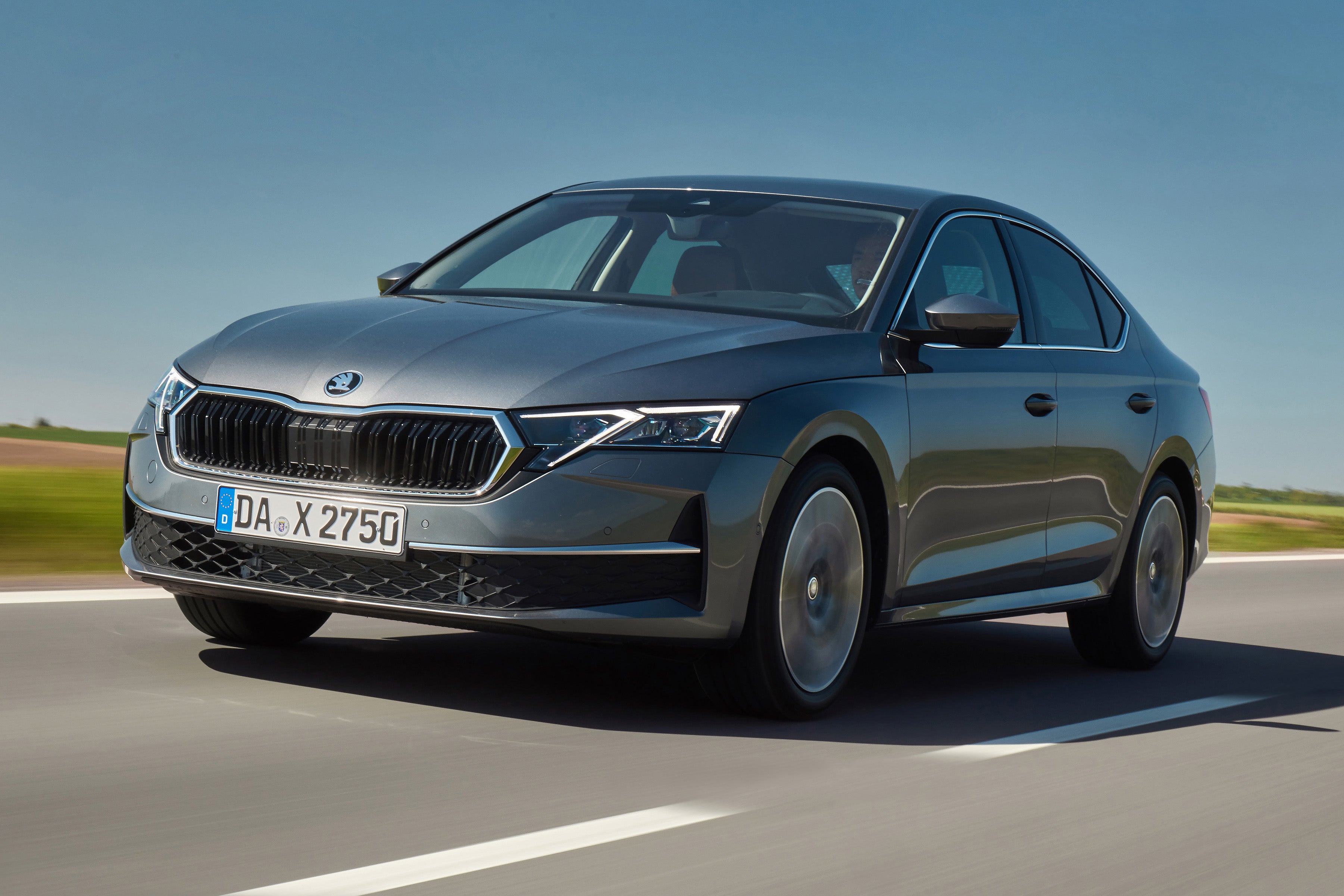
The Skoda Octavia is also worth a look if practicality matters more than outright hatchback neatness, while the Hyundai i30 is closely related to the Ceed and covers much the same ground in a slightly different style. Newer rivals such as the Honda Civic and Peugeot 308 also deserve a mention, but they tend to sit a little differently on price.
What the Ceed offers is balance. It might not dominate any one category, but it gets enough right across the board to stay consistently appealing.
What's the interior like in the Kia Ceed?
The Ceed’s cabin is one of its strongest assets. It is simple, sensible and easy to use, with none of the gimmickry that can make some newer interiors feel more frustrating than impressive.
It may not have the visual polish of a Mazda 3 or the design cool of a Peugeot 308, but it is logically laid out, feels solidly assembled and has enough soft-touch material in the right places to stop it feeling low-rent. That gives it a quietly classy feel, even if it is not especially showy.
Kia Ceed boot space and practicality
Provided you’re not the BFG, you should be able to get comfortable up front fairly easily. You can drop the seats nice and low to prioritise headroom, should you wish, and there’s plenty of elbow room to prevent those awkward clashes with passengers.
There’s plenty of space for storing odds and ends, including fairly big door bins, a useful cubby box under the front armrest and a pair of usefully large cupholders.
If you plan to regularly carry passengers in the back, you might be better off looking at a family SUV like the Kia Sportage. Rear space isn't overly generous, but you’ll fit a pair of tall adults in at a push. There’s room for someone in the middle seat - if they don’t mind rubbing shoulders - and a lack of a noticeable lump in the floor (usually for the transmission tunnel) means rear-seat passengers won’t be vying for foot room.
The Kia Ceed's boot can hold 395 litres of luggage, which means it’s slightly bigger than a Volkswagen Golf or Ford Focus. There’s a useful split-level boot floor and not much in the way of a lip for lifting bulky items over. If you need more space, the rear bench splits 60:40, dropping to provide up to 1291 litres of luggage capacity.
Oddly, the only Kia Ceed available with a space-saver spare wheel is the GT-Line Lunar Edition. It’s not even offered elsewhere in the range, with drivers having to make do with a puncture repair kit in the case of a flat tyre. A dealer should be able to help if this is a deal-breaker for you, though.
If you (or your regular passengers) are an unusual size or suffer from backache, you might wish to avoid the 2 or 2 Nav versions of the Kia Ceed. These do without a height-adjustable passenger seat or electric lumbar support, both of which are standard across the rest of the range.
For the fanciest seat adjustment, look for a GT-Line S model. This features a 10-way power adjustable driver’s memory seat, which is particularly useful if more than one person is going to regularly drive your car. It’s a shame this isn’t offered on lesser trim levels, even as an optional extra.
Still, all the seats are fairly comfortable and supportive, and heated front seats across GT-Line models and above are a desirable feature.
Comfort aside, it’s a classy, well-designed cabin. It’s pleasing to see actual buttons for operating things like the climate control and even skipping music tracks or accessing the navigation. All too often in other modern cars, you have to navigate a myriad of menus in the infotainment to perform simple tasks, and that can be distracting on the move. The Ceed manages to sidestep that.
Kia Ceed dimensions
The Kia Ceed measures 4,310mm long, 1,800mm wide and 1,447mm high.
Those are tidy dimensions for a family hatchback and help explain the Ceed’s overall character. It is small enough to feel easy in town, but big enough inside to handle everyday family duties without complaint.
Tech and infotainment in the Kia Ceed
In early examples of the Ceed, the entry-level 2 version had a simple 7.0-inch colour infotainment screen without navigation, while the rest of the range got a slightly larger 8.0-inch screen with nav included. During a facelift in 2020, the 7.0-inch screen in the 2 was swapped for an 8.0-inch one (still without nav), while the rest of the range was upgraded to a larger 10.25-inch screen with route guidance.
We never encountered the 7.0-inch item, but the 8.0-inch one was fine. It was easy enough to use and Apple CarPlay and Android Auto meant you didn’t actually miss navigation that much (you can mirror Google Maps from your phone instead).
The 10.25-inch navigation system looks like its tacked onto the dashboard as an afterthought (Kia describes it as ‘floating’). The location of this looks a little odd - some rivals do a better job of incorporating the media system into the dash - but it’s actually really well located for glancing at while driving.
Our biggest gripe is that it’s touchscreen-only. That’s pretty normal for a car in this class, but we find the rotary controller in the Mazda 3 is easier to use on the move.
Still, it’s a quick and easy system to use, with logical menus and clear graphics. You can split the display into three, showing things like navigation and radio information at the same time. It’s also not entirely button-less: there are physical shortcuts to things like the radio and navigation underneath the main screen, meaning it’s not too much of a faff to navigate while driving.
Other nice-to-have tech features include a wireless phone charger (only offered on GT-Line S models) and a premium eight-speaker JBL sound system (again, only offered on GT-Line S models). There’s a fancy 12.3-inch digital instrument cluster available, too, but only on (you guessed it), GT-Line S models.
Materials available on the Kia Ceed
It might not look as upmarket as a Volkswagen Golf or Mazda 3, but the Kia Ceed’s cabin feels generally well finished. There are plenty of squishy materials and all of the switchgear feels of decent qualilty.
You’ll notice a marked difference in high-spec models compared to the more affordable Ceeds on the market. The part-faux-leather seats on pricier cars do a good job of lifting the interior, as does the faux-leather door trim and chrome dashboard trim.
While Kia might have a reputation as a budget brand amongst those who haven't moved with times, it’s changed quite a lot since the days of the Kia Pride of the 1990s. We have no doubt that the interior will remain rattle-free for a number of years, and it’s certainly not going to start falling apart any sooner than a Vauxhall Astra’s.
What's the Kia Ceed like to drive?
Kia Ceed range and performance
The number of Kia Ceeds on the used market is split roughly equally between petrol and diesel power. You need to decide which suits your needs best. If you cover more than 12,000 miles a year, including lots of long motorway journeys, a diesel might be the best option. For lower mileages, including lots of short journeys or driving around town, you’d be better with a petrol.
The most affordable engine is a buzzy little 1.0-litre three-cylinder turbocharged petrol which we rate highly. Don’t dismiss it for being a small engine. It packs a punch, with 120PS, accelerating to 60mph in 10.7 seconds. It’s at its best around town where it’ll dart in and out of traffic, with a decent shove in the mid-range thanks to its turbocharger.
If you cover more miles out of town, look for one with the 140PS 1.4-litre T-GDI petrol engine. This’ll reach 60mph in a moderately quick 8.6 seconds, making joining motorways that little bit easier and meaning overtakes require less planning. This is also available with a seven-speed dual-clutch automatic gearbox, with which it takes 8.9 seconds to reach 60mph.
You won’t notice the drop in performance in the real world, although you might get a little frustrated by the auto transmission’s slightly hesitant changes at times. It’s not a bad gearbox but it is easily caught out when you need a burst of forward momentum. The manual, on the other hand, has a reasonably smooth shift, but the clutch is a bit abrupt and springy. It can be tricky to feel the biting point, meaning if you're not used to it, you'll almost certainly stall it the first few times.
In early 2021 the 1.4-litre turbo petrol engine was replaced by the 1.5 T-GDI. With 160PS it feels a bit faster than the old 1.4, although the 0-62mph time is similar. It's an engine that needs revving to get the best out of it, as below 3,000rpm it's not the most gutsy unit around. But it's refined enough low-down and makes a pretty pleasant noise (if vocal) when you do rev it out.
The Kia Ceed GT gets a 1.6 turbo engine with 204PS, allowing it to cover 0-60mph in 7.2 seconds. That's not all that fast, plus it’s expensive, thirsty, and just not as fun as a proper hot hatch like the Volkswagen Golf GTI or Ford Focus ST.
Diesel offerings are made up of a 1.6 CRDi engine available with 116PS or 134PS. The lower-powered engine is aimed at the most frugal-minded and is only available with a manual gearbox, while the latter and can be paired with manual or automatic transmissions.
The diesels are fine if you absolutely must have a diesel, with plenty of low-down torque meaning they’re relaxing to drive with enough poke when required. Later in the diesel's life it was offered with mild hybrid technology and a clever shift-by-wire manual gearbox, which allowed engine-off coasting and an improved stop-start system for better fuel economy.
Performance data
| Model | Engine/battery size | Power | 0-62mph | Range/MPG |
|---|---|---|---|---|
1.0 T-GDi | 1.0-litre petrol manual | 120PS | 10.7 seconds | Up to 50.4mpg |
1.5 T-GDi | 1.5-litre petrol manual | 160PS | 8.6 seconds | Up to 49.6mpg |
1.5 T-GDi DCT | 1.5-litre petrol auto | 160PS | 8.9 seconds | Up to 47.9mpg |
1.6 CRDi MHEV | 1.6-litre diesel auto | 136PS | 10 seconds | Up to 62.8mpg |
Kia Ceed driving and refinement
Anyone should be able to jump into the Ceed and find it easy to drive from the off. The steering is light - great for manoeuvring through town - while forward visibility is very good, thanks to thin windscreen pillars. Rear visibility isn’t quite so impressive but a very good reversing camera system is standard across the range, while most models also get rear parking sensors.
Out of town, quick steering means the Ceed feels quite agile, and there’s plenty of grip on hand. The Ceed is a popular choice with high-mileage company car drivers, and that’s reflected in its big-car feel on the motorway.
The ride quality is generally very good and isn’t ruined by the 18-inch alloy wheels fitted to top GT-Line S and GT models. It’ll get flustered sooner than a Volkswagen Golf or Toyota Corolla, passing shudders through the cabin when you a hit a bump in the road, but most of the time it’s perfectly acceptable.
It’s refinement levels that let the Kia Ceed down against more established rivals like the Ford Focus and Volkswagen Golf. It’s not a particularly uncivilised car to drive every day, but a little more noise and vibration makes its way into the cabin than we’d like.
While characterful, the 1.0-litre petrol engine is fairly vocal, especially if you work it hard to keep up with traffic. There’s quite a lot of noticeable vibration through the pedals, too. The 1.4’s better but we’re still surprised by how gruff it can sound. Neither are bad, but by modern standards they could definitely be smoother and quieter. The 1.5-litre petrol engine isn't really any more refined than the older 1.4, although it doesn't need revving quite as much to get up to speed.
The diesels have the usual grumble, particularly on start-up, although this settles down when up to temperature and running at low revs on a gentle motorway cruise.
The Ceed is good at isolating you from wind noise, but road noise is more noticeable than it is in a VW Golf, or a good few other newer rivals. It means that on poor surfaces you'll need to turn up the radio quite loud to drown out the din from the tyres.
If you want a relaxing choice, don’t go for the Ceed GT. This uses a sound actuator to pump fake noise into the cabin and make it sound sportier than it is. It’s just annoying, frankly.
This is all sounding pretty negative but, in truth, most buyers will be perfectly happy with the Ceed’s refinement levels. But, drive one back-to-back with the Volkswagen Golf (a benchmark in this segment), and you’ll notice the difference.
Refinement is where the Ceed loses a few points. The 1.0-litre petrol is quite vocal and sends noticeable vibration through the controls, while the other engines are also a little gruffer than the class best. Road noise is more noticeable than in a Golf, especially on poor surfaces.
How safe is the Kia Ceed?
There’s a whole heap of clever safety equipment available on the Kia Ceed, although not all of it is included on the more affordable models.
The entry-level Kia Ceed 2 has features like the Forward Collision-Avoidance Assist (City), which uses a camera and sensors to detect an impending low-speed collision with another car and alert the driver. If you don’t respond, it can apply the brakes automatically to mitigate the impact.
As standard, this doesn’t look out for cyclists and pedestrians, although this feature was offered as an option when new (it’s standard on 3 trim levels and up with the manual transmission). If you're looking at a model after the 2021 facelift, the system has been upgraded to be able to detect cyclists and pedestrians across the range.
It also gets Hill-start Assist Control - which will prevent you from clumsily rolling backwards during a hill start - and a Driver Attention Warning, which will tell you off if you’re showing signs of drowsiness or inattentiveness. Lane Keep Assist will nudge you back into your lane if you stray, while Lane Following Assist - standard on GT-Line S models only - can use vehicles ahead to control acceleration, braking and steering when you’re in stop/start traffic.
The 2021 facelift also upgraded the blind spot monitoring system, which can not only warn you if you're about to steer towards a car in your blind spot but also steer you away from a collision. The rear-cross traffic alert system can also slam on the brakes if it thinks you're going to reverse out of a space into the path of a moving car.
Plenty of airbags will help keep your family safe in the case of a crash, as will Isofix points (standard across the range) on the outer rear seats to help secure a child seat.
When Euro NCAP crash tested the Kia Ceed in 2019, it scored an impressive five-star rating when fitted with the safety pack (which is standard on all Ceeds sold in the UK).
Running costs: What it's like to live with a Kia Ceed
Running costs are another Ceed strength. No engine in the range is especially thirsty, and the diesels in particular are still impressively efficient. The 1.0 petrol is also modest enough on fuel if your mileage is not too high.
Kia Ceed fuel economy
The Kia Ceed's 1.6 CRDi diesel engine in 116PS guise is the most efficient of the bunch. This returns up to 60.1mpg in official WLTP combined fuel economy tests and, with some steady motorway driving you may well exceed that (no pun intended).
In 2021 the lower-powered diesel engine was dropped, but the new 136PS version gained mild hybrid technology. This makes it capable of up to 62.8mpg combined, even more than the earlier lower powered version.
The 1.0-litre T-GDI petrol is slightly more efficient than the 1.4, although neither are particularly thirsty. The smaller engine officially returns up to 50.4mpg, while the 1.4 is good for 45.6mpg. With a 50-litre fuel tank, you’ll pay around £70 to fill it from near-empty, and that’ll be good for 350 to 400 miles.
The later 1.5-litre petrol engine is even more efficient than the 1.4, and very close to the official fuel economy of the 1.0-litre. It'll return 49.6mpg combined, and our experience suggests that is realistic.
The warm Ceed GT model is the thirstiest, officially seeing 38.2mpg. Drive it hard and you’ll see considerably less than that.
Kia Ceed warranty and servicing
Kia’s seven-year or 100,000-mile warranty remains one of the strongest ownership arguments for the Ceed, and it transfers to subsequent owners.
That gives the Ceed a reassurance factor many rivals struggle to match, especially if you are buying a newer used example. It also helps explain why Ceed values have held up reasonably well in the used market.
Servicing costs should also be manageable enough by class standards, and there is nothing especially exotic or intimidating about the Ceed’s mechanical package.
Kia Ceed insurance groups
Unless you’re a particularly young driver or opt for the sporty GT model, the Kia Ceed should be very reasonable to insure. The cheapest will be the affordable 2 trim level with the 1.0-litre T-GDI engine, as this falls into insurance group 8. The Kia Ceed GT is classified in insurance group 22.
How much does it cost to tax a Kia Ceed?
For post-April 2017 petrol and diesel Ceeds, the annual standard VED rate applies. In the pasted review, that is listed as £190, but that rate has since risen. The current annual standard rate for cars registered on or after 1 April 2017 is £200.
That keeps the Ceed in line with most mainstream petrol and diesel rivals. The key point is that there is no special tax sting here beyond the normal flat-rate system.
What trims are available with the Kia Ceed?
The entry-level Kia Ceed 2 might be the most affordable model in the range, but it’s still pretty well-equipped as standard. Highlights include 16-inch alloy wheels, a basic media system with Apple CarPlay and Android Auto, and DAB radio. A reversing camera helps when parking while the Forward Collision-Avoidance Assist feature could prevent you from having minor bumps or scrapes in slow-moving traffic.
As its name suggests, the Kia Ceed 2 Nav builds on this with a bigger touchscreen media system including navigation, as well as a USB fast charger.
Mid-range Kia Ceed 3 models start to feel a bit flashier with 17-inch alloy wheels, tinted windows and rain-sensing windscreen wipers. Black cloth seat trim with faux-leather bolsters look a bit swisher than the standard seats, while adjustable lumbar support helps comfort levels.
The Kia Ceed GT-Line gets a sporty look, with unique 17-inch wheels, a black and satin chrome radiator grille, high gloss black door mirrors and side sill mouldings, a dual exhaust system and a small rear spoiler. The exterior door handles are illuminated (fancy…), while the interior gets black cloth and light grey faux leather seats (heated in the front), and a heated flat-bottomed steering wheel with grey stitching. It also gets sporty aluminium pedals and an engine start/stop button.
Moving up to the Kia Ceed GT-Line S specification, you get 18-inch wheels as well as LED headlights. There’s a wide sunroof with an electric sunblind, while the driver’s seat features 10-way power adjustment with memory functionality. The upholstery is upgraded to black leather and faux suede with grey stitching, with heated outer rear seats. A premium JBL sound system is standard with a pair of additional speakers, as well as wireless phone charging.
There’s also smart cruise control with stop and go included, as well as the Smart Park Assist System which will park the car automatically for you. This also brings with it front parking sensors while additional safety features include a Blind-Sport Collision Warning, Lane Following Assist, Forward Collision-Avoidance Assist with city and pedestrian detection.
The range-topping Ceed GT builds on this with various red trim highlights (including centre caps for the 18-inch alloy wheels and a grille insert) as well as LED bi-function headlights. The cabin is uprated with black leather and faux suede upholstery and faux leather door centre trim with red accents.
The seats, door cards and steering wheel all feature red contrasting stitching, while a GT Performance mode has been added to the 4.2-inch colour supervision cluster display. Completing the list of additional equipment is a Smart Park Assist System (SPAS).
Ask the Drive experts: common questions
Is the Kia Ceed a good car?
Is the Kia Ceed reliable?
How big is the boot on the Kia Ceed?
Get our latest advice, news and offers
Keep me updated by email with the latest advice, news and offers from Drive.
.jpg)
.jpg)
.jpg)
.jpg)
.jpg)