Land Rover Defender Review

Written By Andrew Brady
- 2020
- SUV
- Diesel mild hybrid, plug-in hybrid, petrol
What we love
Brilliant blend of on-road comfort and off-road ability
Loads of character inside and out
Strong choice of diesel, plug-in hybrid and V8 power
Things to consider
Very expensive to buy new
Running costs will be heavy
Some buyers will not want the image
The DRIVE take on the Land Rover Defender, is it the right car for you?
If you're looking for a premium SUV with genuine off-road credentials, you're not going to beat the Land Rover Defender. Sure, it's an expensive choice, but it feels special and is enormously capable off-road. Not everyone will care about that - but, if you're in the market for a versatile family vehicle, the latest Land Rover Defender is comfortable, modern and extremely practical. Sure, there are cars that can perform all the same tricks for less money - but none have the same cache as that Defender badge.
The Land Rover Defender in more detail
Unmistakably a Defender, the latest Land Rover Defender is a premium take on an off-road vehicle. It's intended to rival SUVs like the Mercedes G-Class and Jeep Wrangler, with a price tag that pitches it alongside premium competitors such as the BMW X5 and Mercedes GLE.
There are three disctint models available, each slightly longer in size: the Defender 90, Defender 110 and Defender 130. With a distinctive silhouette, a boxy outline and a spare wheel on the rear door, the Defender will turn more heads than much fancier SUVs. It’s more modern than before - much more modern than before - with high-spec models getting matrix LED headlights, huge alloy wheels and a panoramic sunroof.
The interior is dominated by a crossbeam running across the width of the car, while an 11.4-inch infotainment screen sits on the centre console. The Land Rover Defender much is more technologically advanced than the old model (which is a bit like saying the BYD Seal is more technologically advanced than a Morris Minor).
Land Rover says its new Pivi Pro infotainment system is more intuitive and user-friendly than previous versions, with instant responses and requiring fewer inputs to perform frequently used tasks. A fancy 12.3-inch interactive driver display is now standard across the range, sitting behind the steering wheel and allowing the driver to switch between navigation and conventional dials or a combination of the two. Meanwhile, over-the-air updates will ensure the latest Land Rover Defender is always kept up-to-date.
Traditionalists may complain that the Land Rover Defender has lost some of its character in the way that it drives, but we think most will appreciate the extra comfort on offer compared to the old model. It feels like a big, chunky SUV (particularly in the case of 110 and 130 models), but there's a whole heap of technology on hand to make life easier for the driver (on road and off road).
Most buyers will go for diesel power in the new Defender which - a 3.0-litre six-cylinder unit available with 250PS or 350PS. Each represents a marked improvement over the 2.0-litre four-cylinder diesel engine that was initially offered in the Land Rover Defender, while the standard-fit eight-speed automatic gearbox is hard to fault. Other engine choices include an expensive plug-in hybrid or thirsty (but fun) petrols, including a range-topping 525PS 5.0-litre V8 that can shift the Defender 90 to 62mph in just 5.2 seconds.
While the Land Rover Defender has moved upmarket, it remains one of the world's best off-roaders. It's just as capable as the old model at plowing through mud or wading through deep water, yet it's also surprisingly refined and comfortable on the road, too. The new Defender is also such a versatile SUV - available in a wide variety of shapes and bodystyles, with an engine to suit every buyer.
What's the best Land Rover Defender trim and engine option?
For most buyers, the best choice is the Defender 110 D250 S or X-Dynamic SE.
The reason is simple. The 110 is the most versatile body style, and the D250 diesel gives you the low-down muscle, motorway ease and towing friendliness that suit the Defender so well. You do not really need the extra shove of the D350 unless you particularly want it, and while the plug-in hybrid looks tempting on paper, the diesel is still the easier, more natural fit for how most Defenders will actually be used.
As for trim, S already gives you a healthy amount of kit, but X-Dynamic SE feels like the sweet spot if your budget stretches to it. It adds enough visual and equipment upgrades to make the Defender feel properly special without pushing too far into the more indulgent HSE and X territory.
The Defender 90 makes a strong case if you value style and manoeuvrability above outright practicality, but for most households the 110 is the one that best combines character with everyday usefulness.
What’s the price of the Land Rover Defender?
Current UK pricing starts at £57,255 for the Defender 90 S, while the Defender 110 S starts at £62,915. That puts the entry point much higher than the Defender’s image as a rugged workhorse might suggest, but that old idea no longer applies. This is now an expensive premium 4x4, and it is priced accordingly.
From there, prices rise quickly. The Defender 90 X-Dynamic SE is well into the £60,000 bracket, while the equivalent Defender 110 sits comfortably beyond that. Higher trims such as X-Dynamic HSE and X push the Defender much deeper into luxury-SUV territory, and the V8 versions move into properly lavish spending.
That makes the Defender a difficult car to call good value in the conventional sense. It is costly, and Land Rover knows buyers will pay for the badge, the image and the capability. The saving grace is that it does at least feel expensive in the right ways. The cabin has real presence, the engineering breadth is impressive and the Defender’s character is not easy to replicate elsewhere.
Alternatives to the Land Rover Defender
The most obvious direct alternatives depend on what exactly you want from it. If genuine off-road credibility matters as much as image, the Mercedes-Benz G-Class and Jeep Wrangler sit closest in spirit, while the Ineos Grenadier is the most obvious heir to the old-school utilitarian 4x4 idea.
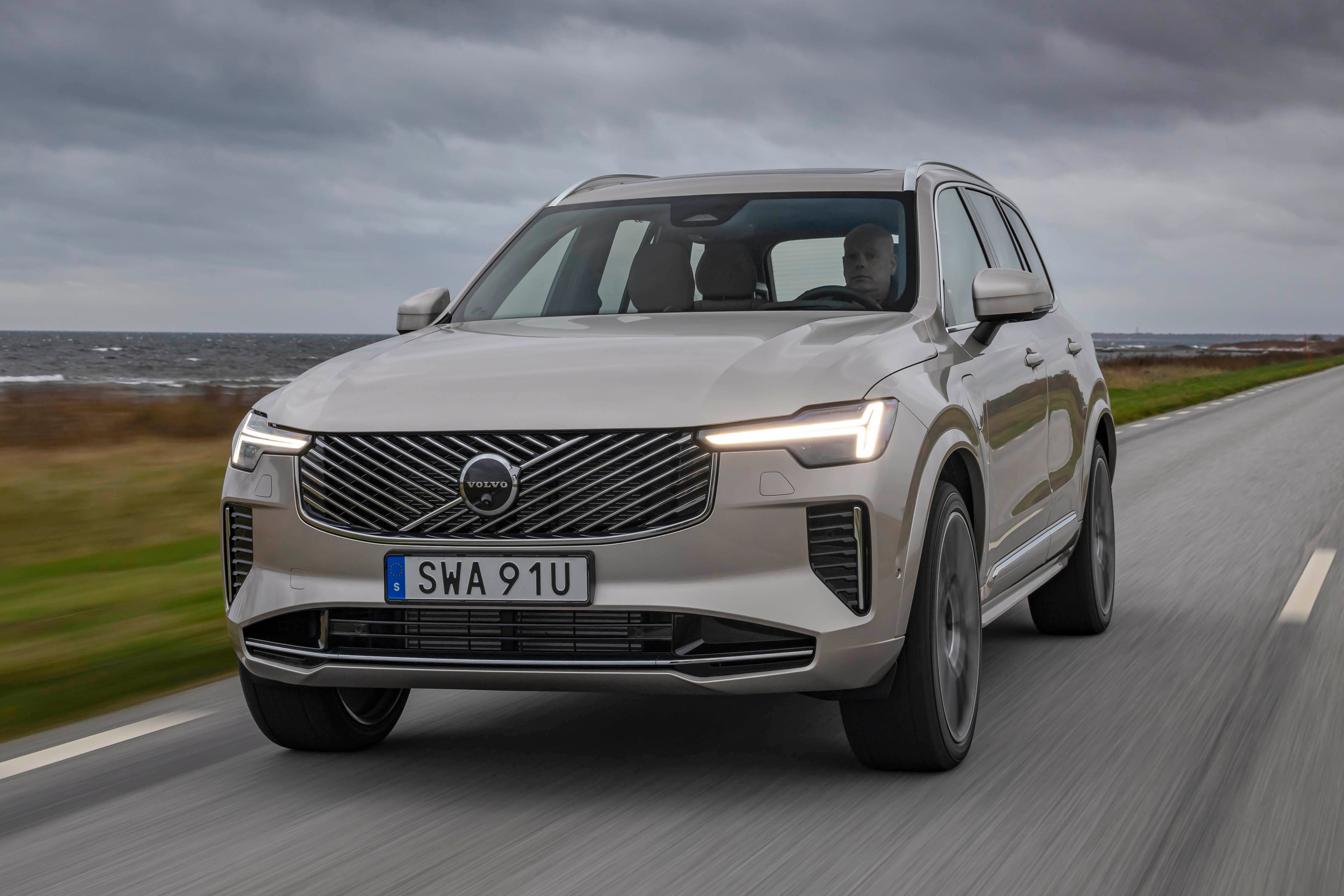
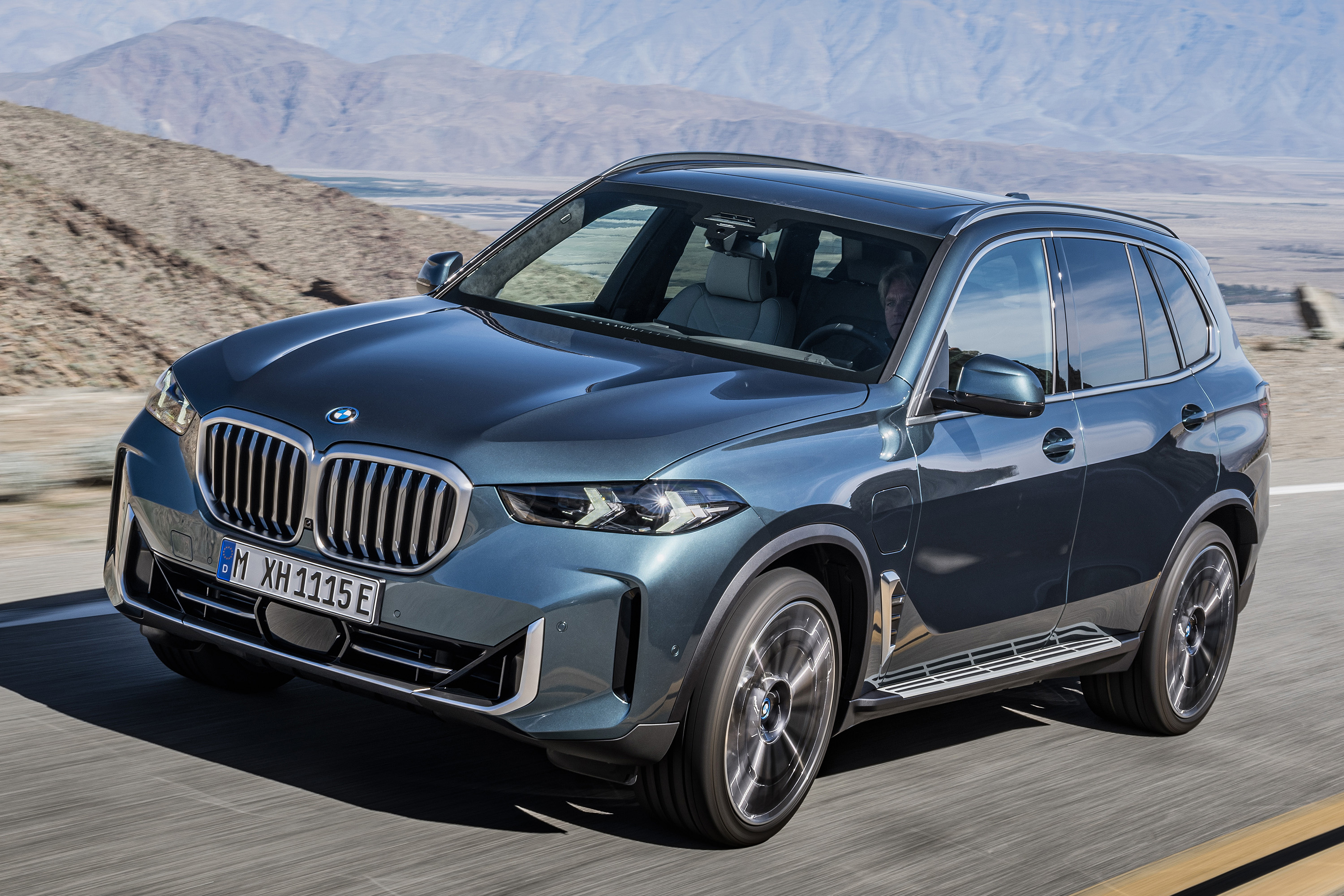
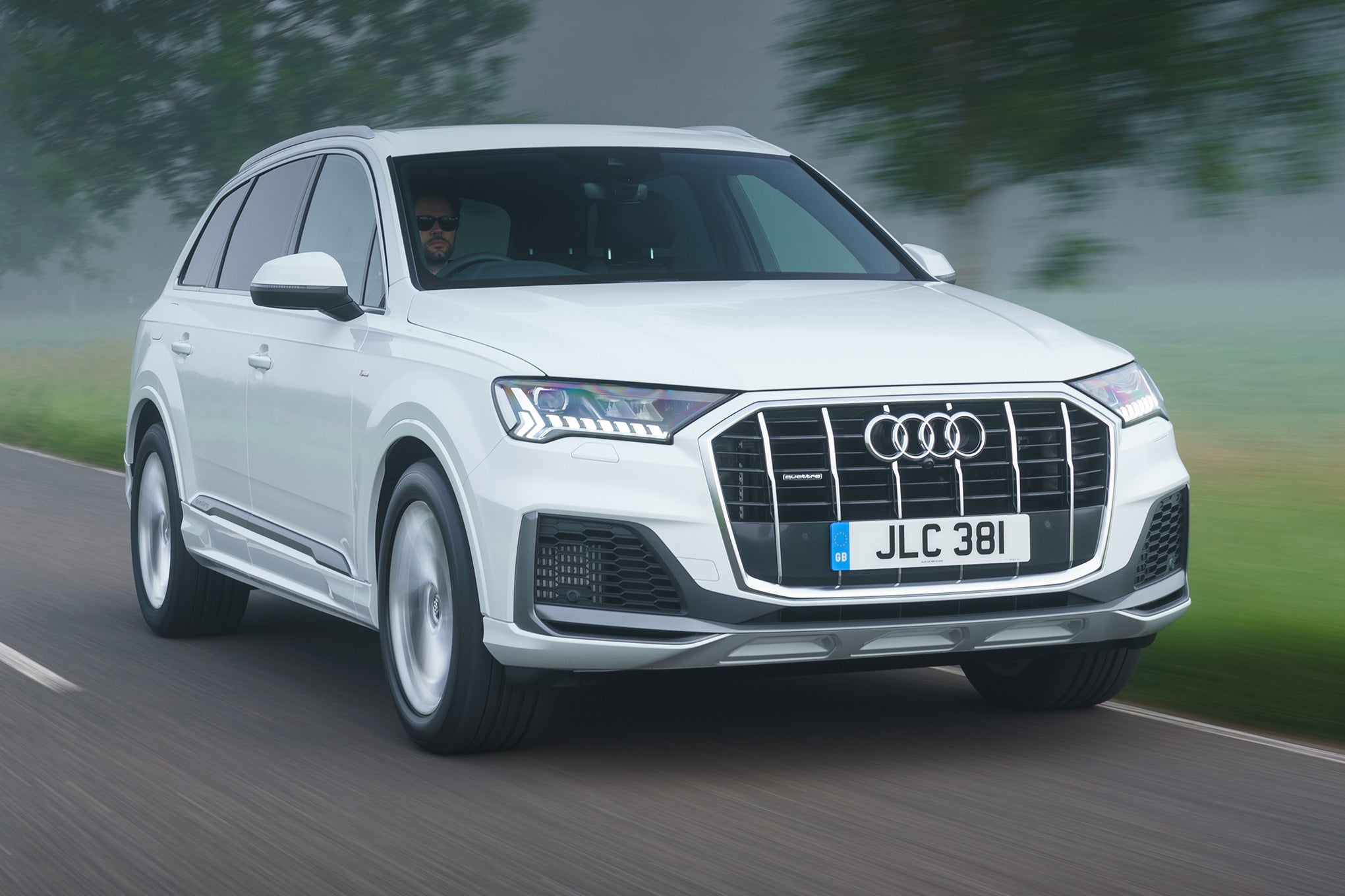
If you are buying a Defender more as a premium family SUV, then cars such as the BMW X5, Mercedes-Benz GLE, Audi Q7 and Volvo XC90 come into play. They are all more conventional choices, and several are more practical or more polished on road, but none has the same mix of style, presence and genuine rough-terrain ability.
The Land Rover Discovery also deserves mention, because it is more family-focused and in some ways more sensible. But the Defender is the one people want. It has the stronger image, the more interesting design and the greater sense of occasion.
What's the interior like in the Land Rover Defender?
The Defender’s cabin is one of its most impressive achievements. It feels modern, well made and unmistakably premium, yet it still retains the toughness and visual honesty that suit the name.
Land Rover Defender boot space and practicality
In terms of comfort, the new Land Rover Defender is a country mile away from the old car. It's as accomodating and quiet in here as similar-sized premium SUVs, and the driving position is lofty to give you the commanding view that makes them such a popular choice.
It's also a little more straightforward inside compared to conventional rivals. That's not to say it isn't loaded with technology, but the touchscreen and the major controls are all grouped high up on the dashboard and the centre console is designed to carry stuff rather than housing a lot of buttons. Despite this, the Defender is no longer the kind of car you'd clean out using a hosepipe.
The smallest is the Land Rover Defender 90, which is essentially a three-door short-wheelbase model. This measures 4583mm long, 2105mm wide (including door mirrors) and 1969mm tall, so it's not exactly a small SUV. The Land Rover Defender 110 is longer, measuring up to 5018mm in length (including the spare wheel), while the Defender 130 is longer still - with a maximum length of 5358mm. That's longer than a BMW X7, if size is important to you.
Those sizeable exterior proportions translate into excellent interior space, helped by the relatively boxy design. Those in the front have all the head, leg and shoulder room they could reasonably wish for, with an excellent view out to boot. Go for the optional 'jump seat' in the middle of the front row and you can seat six and still have all the boot space, but it's an occasional seat at best.
It's a similar story in the second row, where three adults can sit comfortably without bashing elbows all the time. Go for the Defender 110 with the 5+2 seating option and you have two seats in the third row that fold into the floor. Even those chairs offer good headroom, although legroom isn't as generous as the second row. There are better seven seat options if that's what you're looking for.
Defender 90 buyers will lose out in overall luggage space compared to the bigger models. The short-wheelbase model can carry up to 397 litres of luggage, compared to an impressive 972 litres for the Defender 110. The Defender 130 has a huge 1329 litres of luggage space when used as a five-seater.
Land Rover Defender dimensions
The Defender 90 measures 4,583mm long, 2,105mm wide & 1,969mm high. The Defender 110 stretches to 5,018mm in length while keeping the same broad, upright feel.
Those dimensions tell only part of the story, because the Defender always feels big on the road. It is tall, square-sided and deliberately substantial. The 90 is noticeably easier to place and park, while the 110 demands more concentration in tighter urban settings.
Still, visibility is good for something so bluff, and Land Rover’s camera systems help take some of the stress out of manoeuvring.
Tech and infotainment in the Land Rover Defender
The Defender uses Land Rover’s 11.4-inch Pivi Pro infotainment system, and it remains one of the stronger setups in the class. The display is clear, the menus are not overcomplicated and the system responds quickly enough that it does not feel like an expensive SUV being let down by laggy software.
Wireless Apple CarPlay and Android Auto are standard, as is the 12.3-inch digital driver display. Together they help the Defender feel thoroughly modern, even if the broader design deliberately avoids the kind of minimalist tech-first aesthetic some rivals chase.
That is no criticism. In fact, the Defender benefits from not trying too hard. The controls are sensibly placed, the main functions are easy to reach and there is enough physicality to the layout that it still feels like something designed for gloves, mud and actual use.
Materials available on the Land Rover Defender
The Defender’s cabin finish walks a clever line between luxury and utility. You get exposed structural elements, chunky switchgear and practical surfaces, but all executed with a level of quality that now puts the Defender firmly in premium-SUV territory.
Even lower trims feel expensive enough, while the upper versions add richer leather, upgraded audio, more elaborate seating and extra trim flourishes. The key point is that the Defender does not feel try-hard. It feels robust first and premium second, which suits it perfectly.
What's the Land Rover Defender like to drive?
The good news is that the Defender no longer asks you to suffer just because it is good off road. It now drives like a thoroughly modern SUV, which means it is comfortable, refined and surprisingly easy to get along with.
Land Rover Defender range and performance
The core diesel line-up centres on Land Rover’s 3.0-litre straight-six mild-hybrid engines. The D250 is the one most buyers will want, producing 249PS, while the D350 raises that to 350PS and adds a useful extra layer of shove.
The Defender 110 is also available as a plug-in hybrid, the P300e, pairing a petrol engine with electric power for a combined 300PS. It is quicker than the D250 and can make a lot of sense for short daily trips if you can charge regularly, but it is not the most natural Defender drivetrain once the road opens up or towing enters the picture.
Then there are the V8s. These are great fun, make a magnificent noise and transform the Defender into something genuinely rapid, but they are more indulgence than necessity.
Those figures underline the breadth of the Defender’s appeal. It can be a hard-working diesel 4x4, a plug-in hybrid lifestyle SUV or a ludicrously fast V8 toy, depending on how you spec it.
Performance data
| Model | Engine/battery size | Power | 0-62mph | Range/MPG |
|---|---|---|---|---|
D250 | 3.0-litre diesel | 249PS | 8.3 seconds | Up to 32mpg |
D350 | 3.0-litre diesel | 350PS | 5.9 seconds | Up to 33.8mpg |
P380 | 3.0-litre petrol | 380PS | 5.7 seconds | Up to 26.4mpg |
P300e | 2.0-litre plug-in hybrid | 300PS | 7.4 seconds | Up to 30 miles EV range |
P540 | 5.0-litre petrol | 537PS | 4.2 seconds | Up to 21.3mpg |
Land Rover Defender driving and refinement
On road, the Defender is vastly better than the old car and much more civilised than its image suggests. The 110, especially with air suspension, rides with real composure and does a fine job of smoothing over poor surfaces.
The 90 feels a little firmer on its standard coil springs, but it is still comfortable enough and easier to manoeuvre in town. In fact, the 90 is arguably the sweeter Defender to drive if you are not regularly using the extra space the 110 provides.
Neither version is especially agile by normal SUV standards, and the Defender still feels tall and heavy if you hustle it. But the steering is accurate enough, body control is decent and the overall sense is of a big, confident machine rather than a clumsy one.
Off road, the Defender is still sensational. Terrain Response, strong approach and departure angles, low-range gearing and a wading depth of up to 900mm mean it can do things that would stop most luxury SUVs in their tracks.
How safe is the Land Rover Defender?
The Defender has a five-star Euro NCAP safety rating, which is exactly what you would want in a premium family SUV of this type.
Standard safety kit is generous too, including lane-keeping assistance, autonomous emergency braking, traffic-sign recognition, a 3D surround camera and adaptive speed limiter. Higher trims add even more, including blind-spot assistance and rear traffic monitoring.
Running costs: What it's like to live with a Land Rover Defender
There is no avoiding the fact that the Defender is expensive to run. Purchase prices are high, insurance is not cheap and fuel economy is never going to be a strong point unless you are making very disciplined use of the plug-in hybrid.
Land Rover Defender fuel economy
The diesels are the obvious choice if you want a Defender that makes any sort of financial sense, returning roughly 32 to 33mpg depending on body style and specification.
The plug-in hybrid can look very efficient on paper, but as ever its real-world economy depends entirely on whether you keep it charged and whether your journeys fit within its electric range.
The V8s are, predictably, thirsty. Officially they return less than 20mpg, and in reality they can dip lower still if used with enthusiasm.
Land Rover Defender warranty and servicing
Land Rover’s standard warranty is not especially generous by premium-brand standards, and the brand’s long-term reliability reputation remains a concern.
That does not mean the Defender is a guaranteed problem car, but it does mean buyers should go in with their eyes open. A strong dealer relationship and good warranty cover are well worth having here.
Land Rover Defender insurance groups
Insurance groups start in the low-30s for the more modest diesel models and rise into the high-40s for the plug-in hybrid and V8 versions.
That is expensive enough, but hardly surprising for a premium 4x4 with this much technology and this much kerbside presence.
How much does it cost to tax a Land Rover Defender?
After year one, the Defender pays the standard annual VED rate, currently £200.
Because every mainstream Defender 90 and 110 sits well above the £40,000 Expensive Car Supplement threshold for petrol, diesel and hybrid cars, they also attract the additional annual charge of from years two to six. At current rates, that takes the annual total to £640 during that period.
What trims are available with the Land Rover Defender?
Standard equipment across the Land Rover Defender range includes all-season tyres, a heated rear window, Isofix child seat mounting points on the outer second-row seats, keyless entry and auto high beam assist. An 11.4-inch Pivi Pro media system is standard (including Android Auto and Apple CarPlay), as well as an interactive driver display and wireless phone charging. Driver-assistance tech highlights include a 3D surround camera, emergency braking, traffic sign recognition and lane keep assist.
The Land The current Defender 90 and 110 range is built around S, X-Dynamic SE, X-Dynamic HSE and X, with V8 and special editions sitting further up the ladder.
S is the entry point, but it still comes with a solid amount of equipment, including the Pivi Pro infotainment system, digital driver display, heated seats, Meridian audio and Terrain Response.
X-Dynamic SE is the sweet spot because it adds the tougher visual treatment and the extra equipment that make the Defender feel properly premium without becoming excessive. X-Dynamic HSE brings matrix lights, richer upholstery and more comfort features, while X pushes deeper into luxury territory.
Ask the Drive experts: common questions
How much does the Land Rover Defender cost?
Which Land Rover Defender is best, 90 or 110?
Is the Land Rover Defender practical?
What is the best Land Rover Defender engine?
Get our latest advice, news and offers
Keep me updated by email with the latest advice, news and offers from Drive.
.jpg)
.jpg)
.jpg)