Land Rover Discovery Sport Review

Written By Andrew Brady
- 2015
- SUV
- Diesel mild hybrid, plug-in hybrid
What we love
Generously equipped as standard
Still one of the most capable premium SUVs off road
Useful seven-seat flexibility on diesel models
Things to consider
No six-cylinder engines
Poor real-world fuel economy compared with the best rivals
Reliability remains a concern
The DRIVE take on the Land Rover Discovery Sport, is it the right car for you?
The Land Rover Discovery Sport still makes sense if you want a premium SUV with more substance than most. It offers genuine off-road ability, a high-quality cabin, useful seven-seat flexibility on diesel versions and a relaxed, easy-going character that suits family life well. It is not the sharpest SUV on road, and it does not have the fuel economy or reliability record to match the best alternatives. But if you need a compact premium SUV that can cope with muddy tracks, towing duties and family life more convincingly than most rivals, the Discovery Sport remains easy to understand.
The Land Rover Discovery Sport in more detail
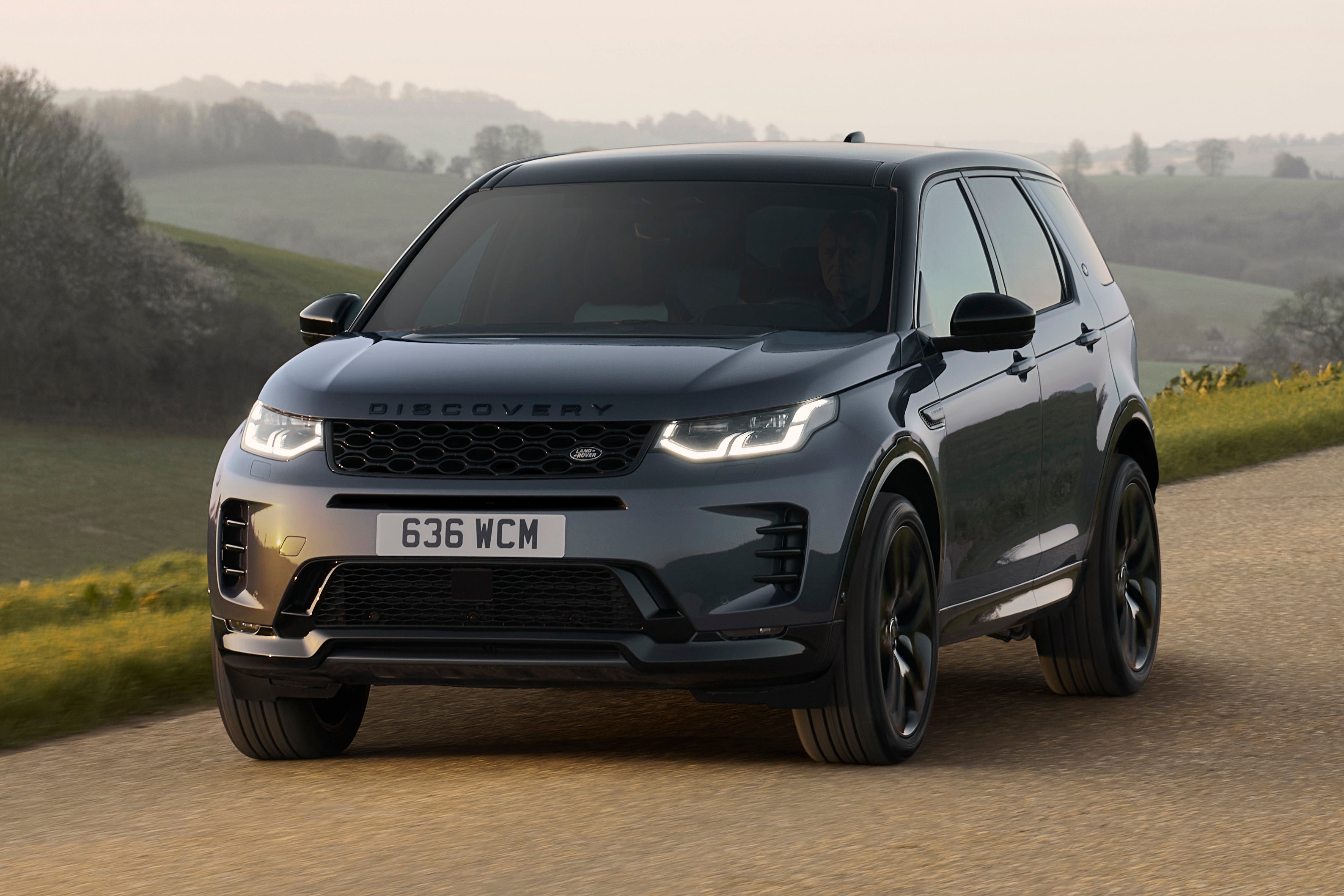
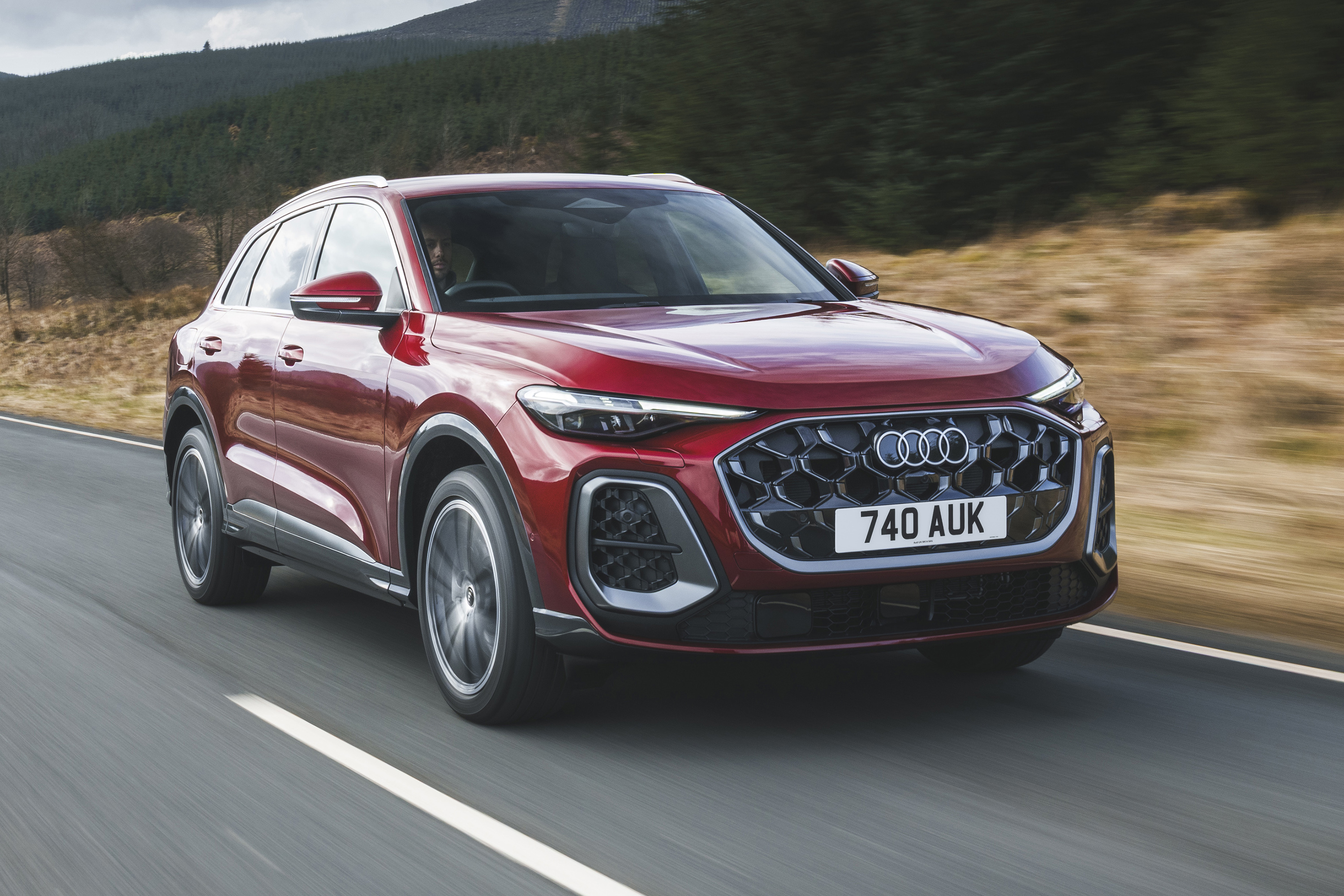
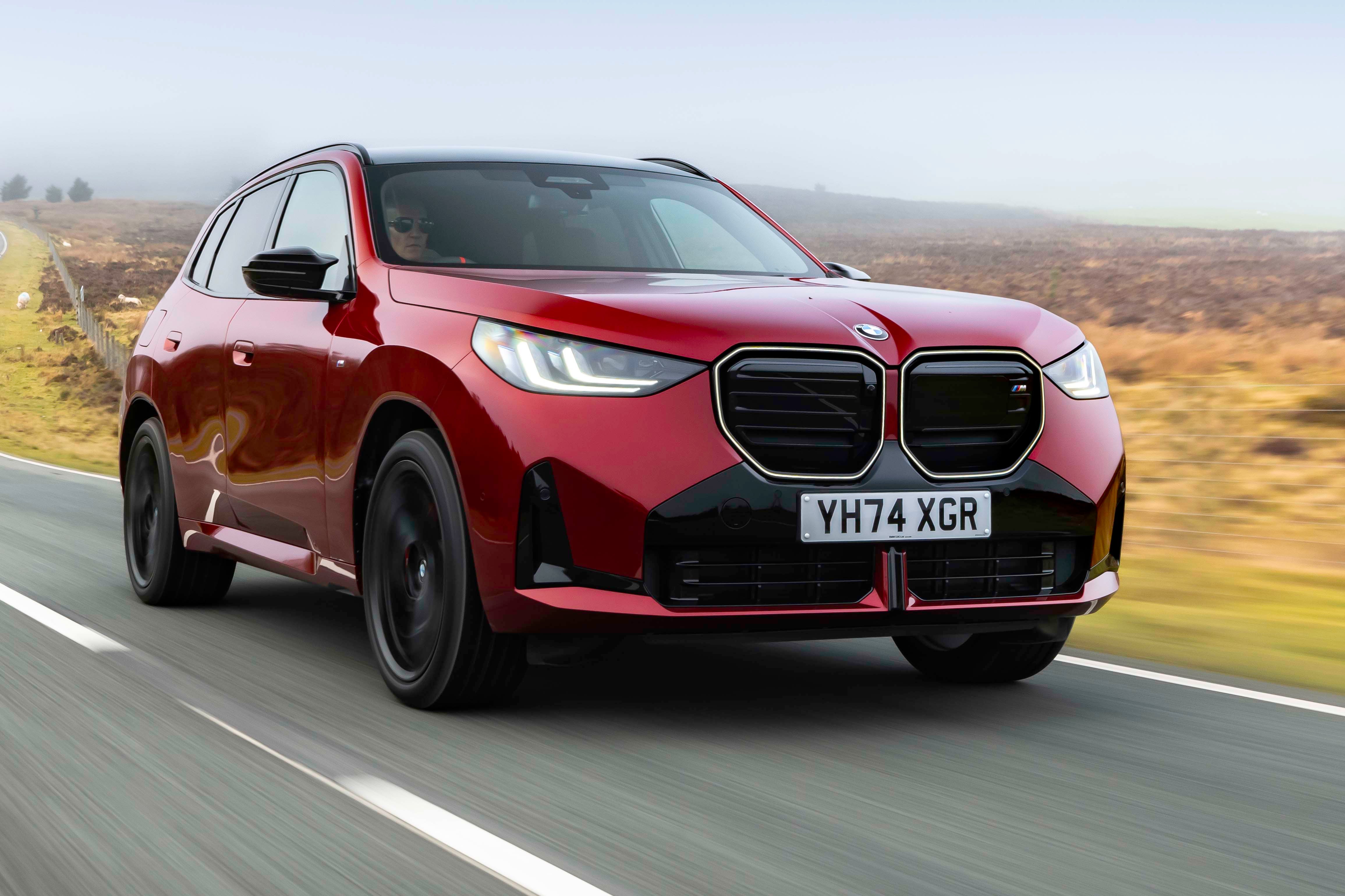
The Discovery Sport occupies a useful niche in the premium-SUV market because it still does things many rivals have largely given up on. While competitors such as the Audi Q5 and BMW X3 focus ever more heavily on on-road polish and showroom gloss, the Land Rover keeps a more practical, more rugged brief in mind.
That matters because the Discovery Sport is not just another posh family SUV with four-wheel drive added for reassurance. It has genuine off-road capability, a lofty driving position, a more upright cabin than many rivals and, crucially, the option of seven seats on the diesel models. That immediately gives it a different role from most of the cars it competes with.
Browse used Land Rover Discovery Sports for sale →
Its age does show in places. The Discovery Sport has been around for a long time, and although the 2019 overhaul improved the cabin and technology significantly, it no longer feels especially fresh next to the newest premium SUVs. Nor does it feel as plush or as polished as the class best on road.
Even so, the Discovery Sport remains appealing because its strengths are so tangible. It feels robust, it is thoughtfully packaged and it has an easy, relaxed character that suits long trips and family duties very well. If you actually value those qualities, it still has something distinctive to offer.
The current UK range is simpler than before. Buyers now choose between the D165 and D200 diesel mild hybrids, plus the P270e plug-in hybrid, with Dynamic S, Landmark and Metropolitan trims making up the line-up. That means there is no confusing sea of power outputs any more, just a clear spread from sensible diesel to pricier plug-in hybrid.
What's the best Land Rover Discovery Sport trim and engine option?
Our pick would have to be the Discovery Sport D200 Landmark.
The reason is simple. The D200 has enough extra muscle over the D165 to make the Discovery Sport feel more relaxed and more effortless, especially when fully loaded, towing or travelling at motorway speeds. It is the engine that best suits the car’s size and weight.
Landmark is the trim we would target because it adds the panoramic roof, Meridian audio, powered tailgate, 3D Surround Camera and some useful visual and practical upgrades over Dynamic S, without pushing fully into Metropolitan money.
The P270e plug-in hybrid is tempting if you can charge regularly and do a lot of short journeys, but the loss of the 5+2 layout means it gives up one of the Discovery Sport’s key tricks. For that reason, the diesel still makes the better all-round recommendation.
What’s the price of the Land Rover Discovery Sport?
The current Discovery Sport range starts at £45,520 for the Dynamic S D165. The Discovery Sport Landmark starts at £49,180, while the Metropolitan starts at £55,965. There are also plenty of used Land Rover Discovery Sports for sale for considerably less.
That means the Discovery Sport still sits firmly in premium-SUV territory, even if it undercuts some larger luxury alternatives. The pricing also reflects how generously equipped it is. Even the entry-level Dynamic S comes with a lot of the kit that rivals often reserve for pricier trims.
The challenge is that the Discovery Sport no longer has the showroom freshness or the class-leading on-road polish to make that money feel effortlessly justified. The case for it rests on its breadth of ability rather than on pure luxury or driving finesse.
Alternatives to the Land Rover Discovery Sport
The Audi Q5 and BMW X3 are the most obvious rivals if your priorities are on-road refinement, interior polish and everyday usability. Both feel more sophisticated behind the wheel and more modern in some areas.
The Mercedes-Benz GLB is the most natural seven-seat premium alternative, although its third row is still very much occasional-use only and it cannot get close to the Land Rover once the road ends.
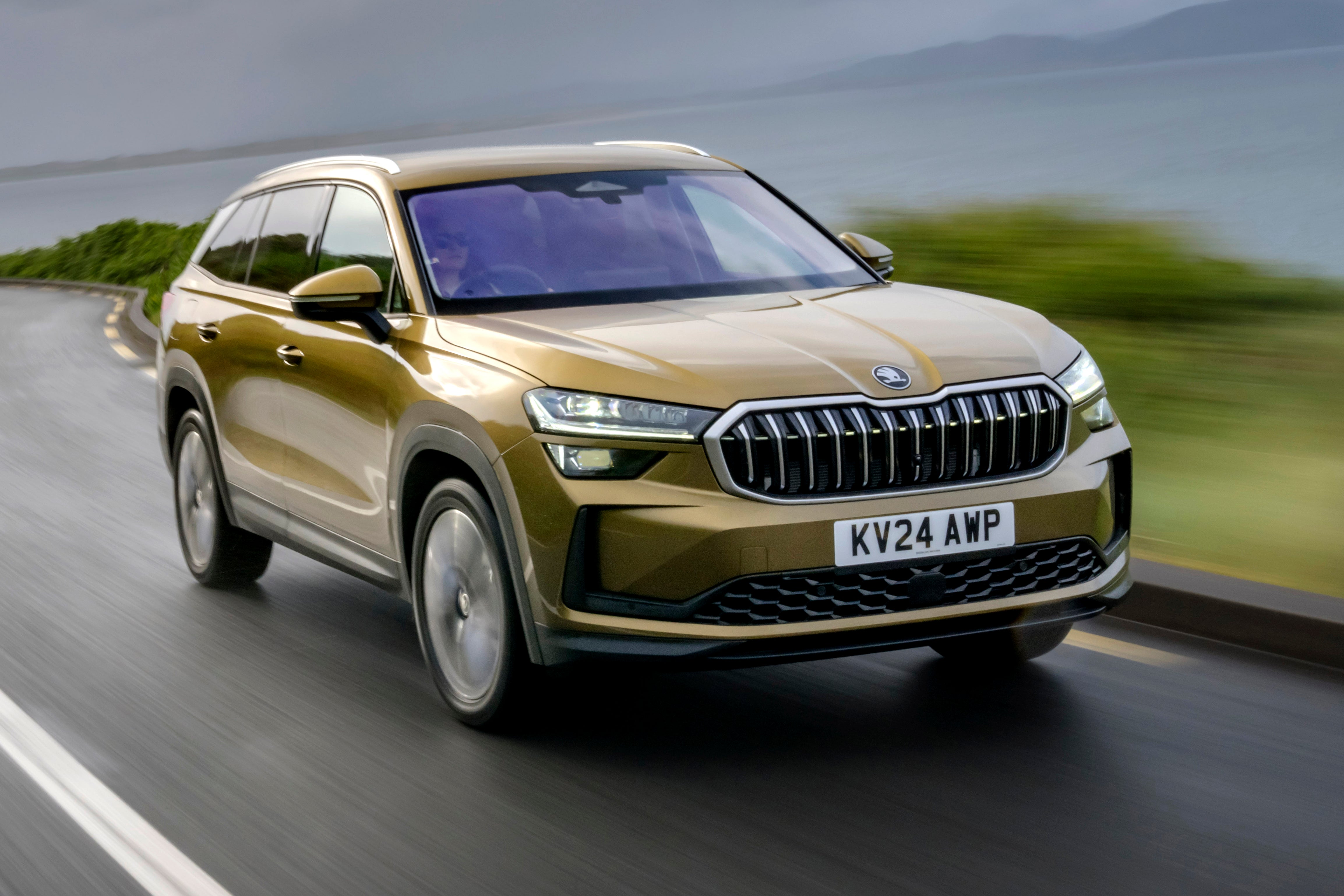
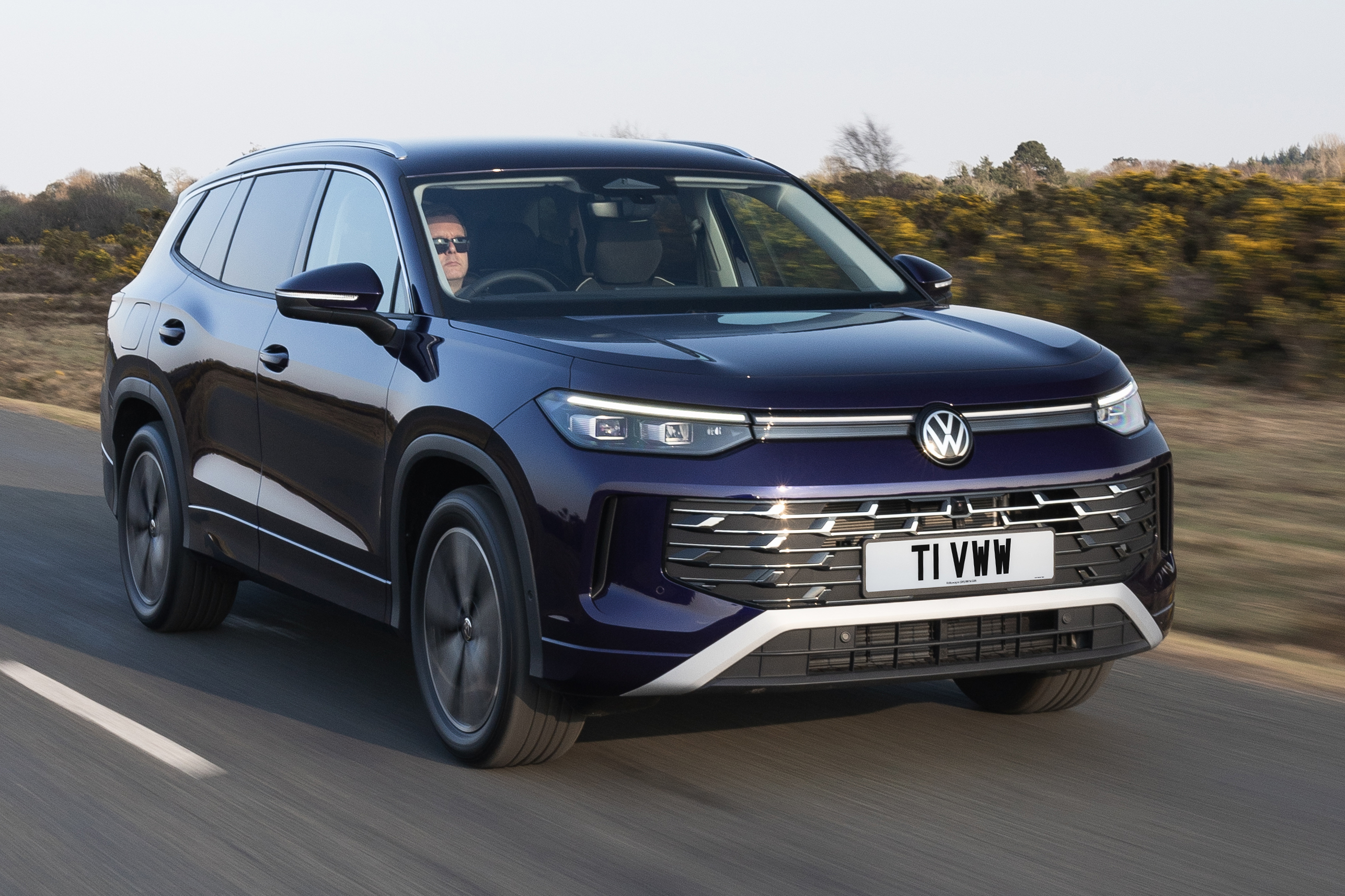
If you are happy to step away from premium-badge politics, the Hyundai Santa Fe, Volkswagen Tayron and Skoda Kodiaq all offer more outright practicality and generally stronger value. But none combines compact-ish dimensions, premium branding, seven-seat flexibility and serious off-road talent in quite the same way.
What's the interior like in the Land Rover Discovery Sport?
The Discovery Sport’s cabin is much improved over the earliest versions and still feels suitably premium, even if it is not the last word in richness or ergonomic clarity.
Land Rover Discovery Sport boot space and practicality
One of the Discovery Sport’s best qualities is that it feels more useful than many similarly sized premium SUVs. The front seats offer loads of room, the view out is excellent and there are big storage areas everywhere.
The second row is roomy too, with plenty of headroom and enough width to make carrying three across more realistic than in many rivals. The bench also slides and reclines, which helps you balance passenger room and luggage space depending on what the day demands.
On diesel models, the Discovery Sport also offers the 5+2 seating layout that remains one of its strongest selling points. The third row is really for children or occasional use, but it still adds a layer of flexibility most premium rivals cannot match.
Boot space depends heavily on configuration. In seven-seat diesel form, there is only 115 litres behind the third row, so with all seats in use it is more shopping trolley than holiday wagon. Fold those rearmost seats and the Discovery Sport offers 657 litres in 5+2 form, or 780 litres in five-seat versions. Fold the rear seats and total capacity rises to 1,451 litres in 5+2 models and 1,574 litres in five-seat form.
Land Rover Discovery Sport dimensions
The Land Rover Discovery Sport measures 4,597mm long, 2,069mm wide & 1,727mm high.
Those dimensions make it a sizeable medium SUV, and you feel the width on tighter roads, but they are also a big part of the reason the car offers such useful cabin space.
Tech and infotainment in the Land Rover Discovery Sport
All current Discovery Sport models now get Land Rover’s 11.4-inch Pivi Pro infotainment system, and that is a significant improvement over the older setup.
The graphics are clear, the responses are quick enough and the menus are logical. Wireless charging is standard, while smartphone connectivity is covered by Apple CarPlay and Android Auto.
Dynamic S already gets a strong core equipment count, while Landmark and Metropolitan lift the experience with upgraded audio and extra convenience features. The main weakness is that the Discovery Sport still has a few odd ergonomic touches elsewhere in the cabin, so it does not feel quite as intuitive overall as the best German rivals.
Materials available on the Land Rover Discovery Sport
This is one of the areas where the 2019 update helped most. The Discovery Sport now feels much more convincingly premium than the older car, with better materials, cleaner design and more visual cohesion.
That said, it is not an Audi Q5 for perceived richness. Some lower-down plastics and a few controls still feel less expensive than they might in the class best.
Even so, the overall impression is good. It feels solid, robust and nicely finished, which suits the Discovery Sport’s more adventurous image.
What's the Land Rover Discovery Sport like to drive?
The Discovery Sport is not a sporty SUV despite the name. It majors on comfort, confidence and all-terrain ability instead.
Land Rover Discovery Sport range and performance
The current Discovery Sport range gives buyers a choice of two diesel mild hybrids and one plug-in hybrid. The D165 produces 163PS, the D200 produces 204PS and the P270e plug-in hybrid delivers 269PS combined.
The D165 covers 0-62mph in 10.2 seconds in five-seat form and 10.6 seconds as a 5+2. The D200 improves that to 8.6 seconds as a five-seater and 8.9 seconds in 5+2 form. The P270e is the quickest of the lot, managing 0-62mph in 7.4 seconds.
For most buyers, the D200 remains the most convincing choice because it offers enough urge to make the Discovery Sport feel easy and relaxed without forcing you into plug-in-hybrid compromises.
Performance data
| Model | Engine/battery size | Power | 0-62mph | Range/MPG |
|---|---|---|---|---|
Discovery Sport D165 | 2.0-litre | 163PS | 10.2 seconds | Up to 43.1mpg |
Discovery Sport D200 | 2.0-litre | 204PS | 8.6 seconds | Up to 43.2mpg |
Discovery Sport P270e | 1.5-litre | 269PS | 7.4 seconds | Up to 38 miles EV range |
Land Rover Discovery Sport driving and refinement
The Discovery Sport still drives with a laid-back, relaxed character that feels quite unusual in a market now full of SUVs trying to feel sporty. That is mostly a good thing.
The high driving position and steady, progressive steering make it easy to place, and on faster roads it settles into a composed, confidence-inspiring cruise. It is not as supple at low speed as the very best rivals, especially on larger wheels, but overall comfort is still good.
Push on and the Discovery Sport leans more than something like a BMW X3, and it never feels especially eager to change direction. But it remains secure and predictable, and that fits its brief.
Off road, the Land Rover’s advantages are obvious. It has the ground clearance, traction systems and underlying hardware to go much further than most premium rivals, while the diesel versions can wade up to 900mm. The P270e plug-in hybrid’s maximum wading depth is lower at 600mm.
How safe is the Land Rover Discovery Sport?
The pre-facelift Discovery Sport received a full five-star rating from crash testing body Euro NCAP in 2015. It gained particularly high scores for protecting adults and its safety assistance. However, the tests are much stricter now, and the Discovery Sport's rating has long since expired as these ratings only apply for five years.
Rivals such as the Mercedes-Benz GLC and Volvo XC60 both eclipse it for safeguarding adults and children in an accident, although only by fine margins, and the Land Rover is impressively kitted out to help prevent one.
Every model in the range comes with a lane keep assistant to stop you from drifting over the road lines, a driver monitor that will warn you if you start to drive in a tired or erratic fashion, and auto-emergency braking (AEB). The latter uses a camera to scan the road, sense potential collisions, and intervene if it senses a collision. If you fail to spot a cyclist or pedestrian or hear the warning, the car will slam on the brakes to help avoid a hit. That's on top of a plethora of passive gear that should come into its own if the worst does happen, such as nine airbags, complicated on- and off-road stability controls to help prevent wheel slip, and anti-lock brakes.
All but the lowest models get traffic sign recognition, which displays the local speed limit on the dash, while the priciest versions benefit from blind spot monitors, adaptive cruise control, and a high-speed AEB system. This is a big car, but avoiding parking scrapes is made easier by a standard set of acoustic parking sensors, and a reversing camera. You can pay extra for a clever parking assistant, and a 360-degree surround view setup.
Running costs: What it's like to live with a Land Rover Discovery Sport
Running costs are one of the Discovery Sport’s weaker areas. It is heavier and less efficient than the best five-seat rivals, and Land Rover’s patchy reliability reputation still needs to be taken seriously.
Land Rover Discovery Sport fuel economy
Official combined economy for the current diesel range runs from 40.4mpg to 43.2mpg depending on engine, seating configuration and wheel choice. The D165 is fractionally more efficient in the right spec, but there is not much in it.
The P270e plug-in hybrid can officially return 192.2 - 174.4mpg and travel up to 38 miles on electric power alone, but as ever with a plug-in hybrid, that is only realistic if you charge it regularly and use it in the right way.
Land Rover Discovery Sport warranty and servicing
Land Rover’s standard warranty is not especially generous by premium-SUV standards, and the brand’s reliability reputation remains the biggest caveat hanging over Discovery Sport ownership.
That does not mean every car will be troublesome, but it does mean a strong warranty and full service history matter more here than they might on some rivals.
Land Rover Discovery Sport insurance groups
Finding insurance cover for your shiny new Discovery Sport will have you reaching deeper into your pockets than with mainstream alternatives such as the Skoda Kodiaq and Kia Sorento, but groupings are in-line with those of premium rivals.
The yawning gulf in price between the front-wheel drive diesels and the rest of the range means that (in this spec at least) it should be relatively affordable. The D150 sits in group 27, where most rivals start at over 30.
That's exactly where the D180 four-wheel drive model starts (31), while the most expensive option - and therefore one to avoid if you've had a few recent claims or tickets - will be the P300e, as this one goes up as high as group 45. When group 50 is the most expensive group it's possible to get, you can expect fairly astronomical premiums.
How much does it cost to tax a Land Rover Discovery Sport?
After year one, the Discovery Sport pays the standard annual VED rate, currently £200.
Because every current Discovery Sport sits above the £40,000 Expensive Car Supplement threshold for petrol, diesel and hybrid cars, the line-up also attracts the additional annual charge from years two to six. At current rates, that takes the annual total to £640 during that period.
What trims are available with the Land Rover Discovery Sport?
The current Discovery Sport line-up is built around Dynamic S, Landmark and Metropolitan.
Dynamic S already comes with a lot of equipment, including the 11.4-inch touchscreen, digital driver display, DuoLeather seats, heated electric front seats, wireless charging and keyless entry. It is not a stripped-out base car.
Landmark adds a panoramic roof, Meridian audio, powered tailgate, 3D Surround Camera and some extra trim detailing, which is why it looks like the sweet spot.
Metropolitan sits at the top with Matrix LED headlights, Meridian Surround Sound, Windsor leather, heated and cooled front seats, head-up display and a richer overall feel. It is appealing, but expensive enough that the value case weakens noticeably.
Ask the Drive experts: common questions
How much does the Land Rover Discovery Sport cost?
Is the Land Rover Discovery Sport available as a seven-seater?
Is the Land Rover Discovery Sport practical?
What is the best Land Rover Discovery Sport version?
Get our latest advice, news and offers
Keep me updated by email with the latest advice, news and offers from Drive.
.jpg)