Volkswagen Tayron Review

Written By Richard Aucock
- 2025
- SUV
- Petrol, diesel, plug-in hybrid
What we love
Brilliant practicality and versatility
Broad range of engine choices
Feels upmarket and is smooth to drive
Things to consider
Plug-in hybrid is five-seat only
1.5 eTSI is better suited to lighter-duty use
R-Line models have a more style-focused setup
The DRIVE take on the Volkswagen Tayron, is it the right car for you?
It will be if you’re the right sort of buyer, but what is that type of buyer? Well, we can see it appealing most to two types. First off, there will be the family car drivers who need seven seats and effortless interior flexibility, but who want a little more classiness and brand appeal than you get with a Skoda Kodiaq (to which the Tayron is closely related), but don’t want to spend what it costs to upgrade into proper premium-car territory. It fulfils that brief well, with a plush-feeling interior and crisp design.
The other type of buyer the Tayron will attract is one that wants a roomy, posh and sophisticated five-seater with a plug-in hybrid powertrain, meaning that commutes can be dispatched on electric-only power for lower running costs. That’s because PHEV models only come with five seats due to the extra space needed for the battery.
The Volkswagen Tayron in more detail
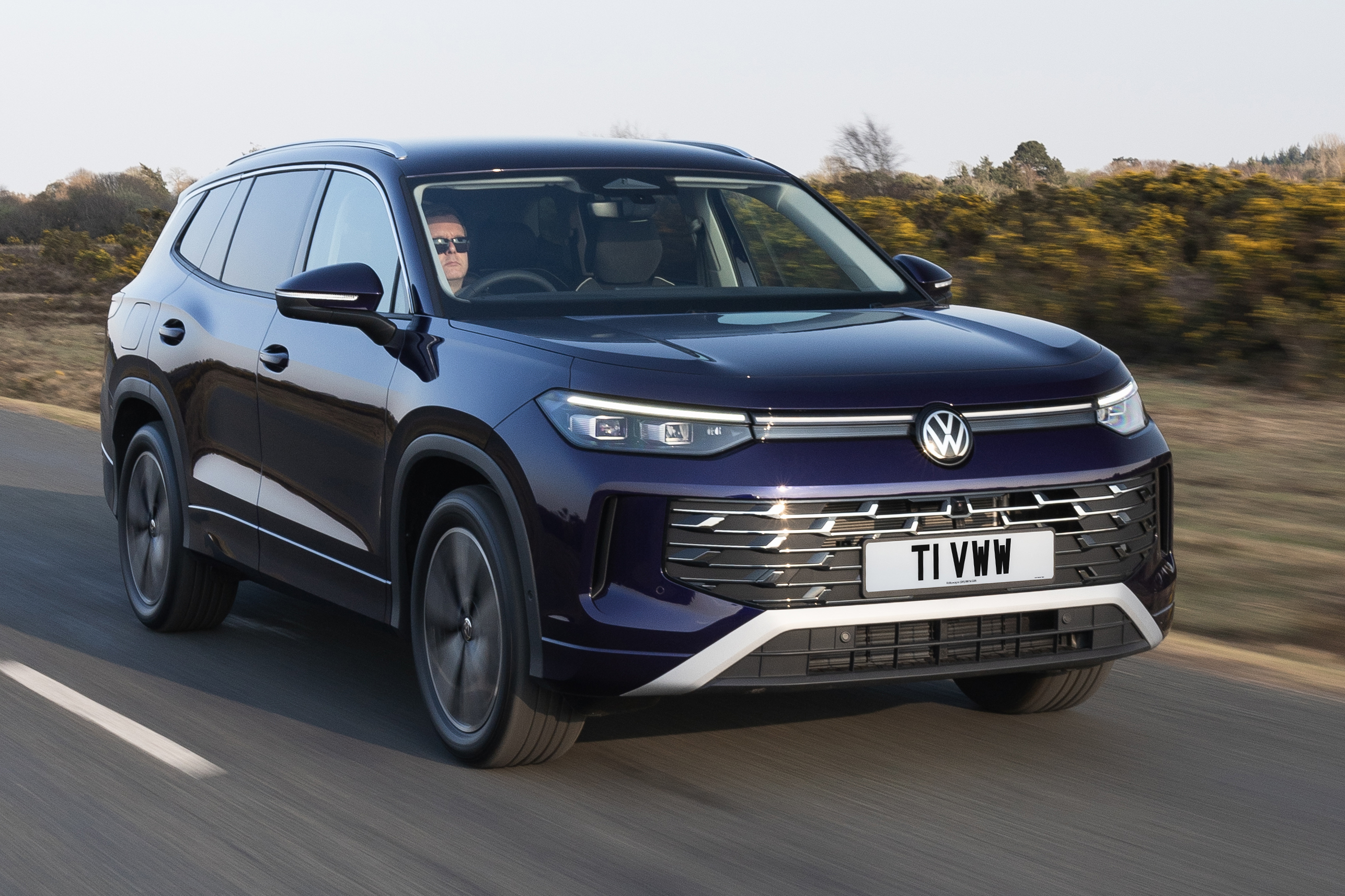
The Volkswagen Tayron is a large family SUV that replaces the old Tiguan Allspace, and it fills the gap in Volkswagen’s SUV range between the regular Tiguan and the Touareg. It’s available with up to seven seats, making it appealing for those with large families of active lifestyles.
Despite no longer sharing the Tiguan’s name, the Tayron does share its MQB Evo platform. The Tayron is longer, though, both in the wheelbase (the bit between the front and rear wheels) and the rear overhang, which gives it the space needed for the extra chairs. The third-row chairs are best kept for children, but they will take an adult at a push, and even tall adults will travel very comfortably indeed in the middle row. Importantly, the cabin feels as smart and sophisticated as you’d expect from a modern Volkswagen, too.
Bear in mind, though, that you’ll only get five seats if you go for one of the plug-in hybrid versions. These combine a 1.5-litre petrol engine with an electric motor and a large 19.7kWh battery, giving an electric-only range of up to 74 miles. Power output for these versions stands at either 204PS or 272PS.
Go for one of the petrol or diesel options, meanwhile, and you’ll get the full seven seats. These include a 150PS 1.5 petrol with 48-volt mild hybrid tech, a 2.0-litre diesel with the same power output, and a couple of 2.0-litre petrol units with either 204PS or 265PS.
The driving experience is broadly what you expect from a large Volkswagen SUV. It’s quiet and comfortable on the road, the steering is light and precise, and the wide range of powertrain options means there should be something to suit most types of buyer.
What's the best Volkswagen Tayron trim and engine option?
For most buyers, the best Volkswagen Tayron is the 1.5 eTSI Life or, if you want a bit more kit, the Match.
The 1.5 eTSI 150 is the cheapest way into the Tayron range. It comes with the DSG automatic gearbox as standard (as all Tayrons do) and gives you the seven-seat practicality many buyers will want. It is not especially exciting, but it's smooth enough, refined enough and priced sensibly enough.
Alternatively, the 2.0 TDI 150 diesel is likely to suit long-distance family drivers and anyone who tows. It also offers a more relaxed, more effortless character, and it retains seven seats.
The eHybrid plug-in hybrid is very appealing on paper, especially in the Match trim, because it has a long electric-only range and low running costs if you charge regularly. But it is five-seat only, which means it doesn’t have the practicality and flexibility of the other options.
Trim-wise, entry-level Life will have enough kit for most, but Match offers quite a few more goodies for hardly any more money.
What’s the price of the Volkswagen Tayron?
The Volkswagen Tayron range currently starts at £41,635 for the 1.5 eTSI Life. At the other end of the spectrum, the most expensive versions now stretch to £54,460, which shows how quickly the Tayron can move from sensible family SUV into fairly expensive territory once you start moving up the range of engines and trim levels.
That makes the Tayron a bit more expensive than some mainstream rivals. However, the Tayron looks and feels expensive enough to justify the cost. Even so, buyers looking primarily for value will find alternatives that give them seven seats for less money. The Tayron is pitched as a more polished, more premium-feeling answer than those cars, not as the cheapest route into a large family SUV.
Alternatives to the Volkswagen Tayron
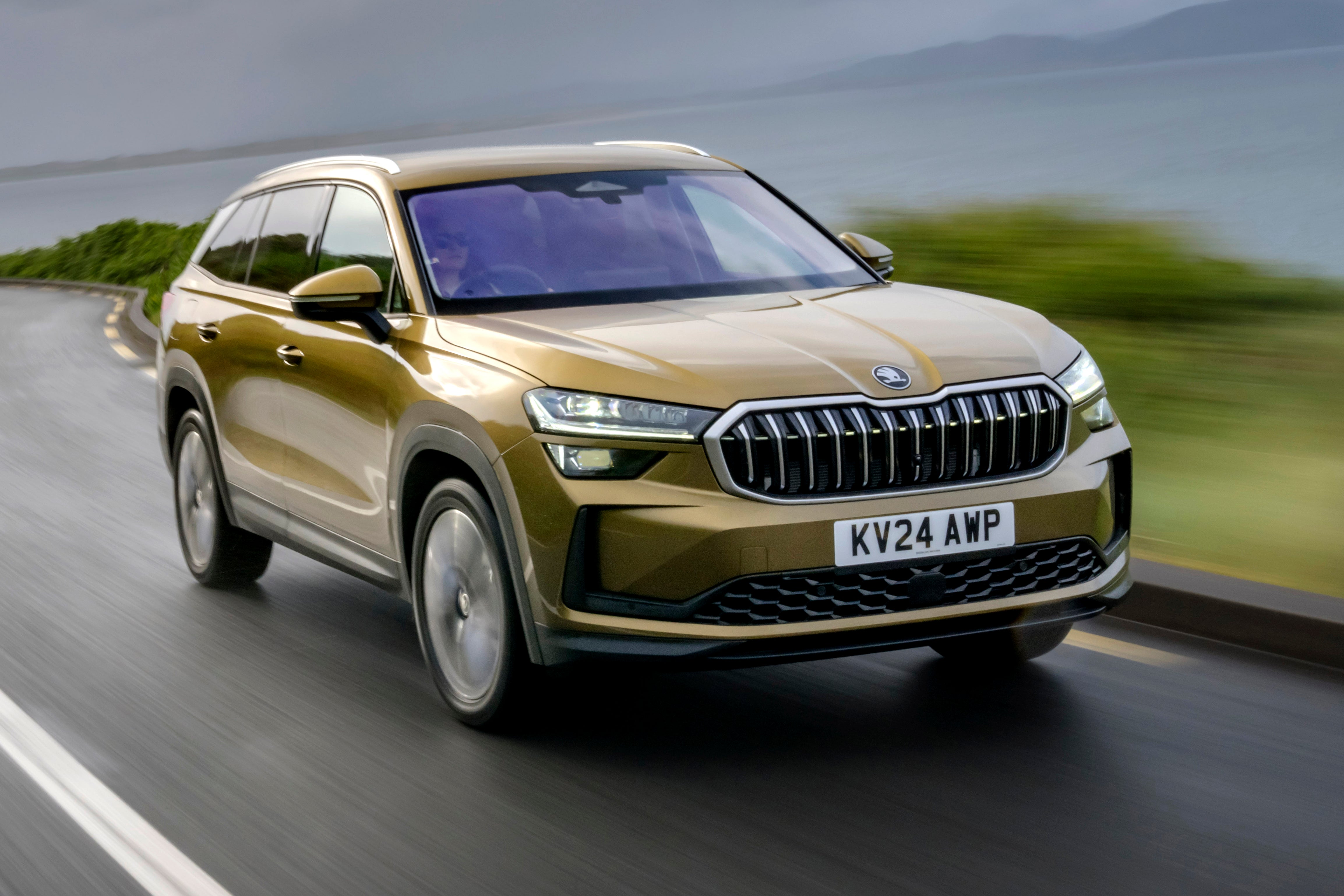
The Skoda Kodiaq is one of the Tayron’s closest alternatives because it shares so much of the same Volkswagen Group engineering and tech, not to mention a near-identical amount of family practicality. It is roomy, high in quality, good to drive and very easy to recommend.
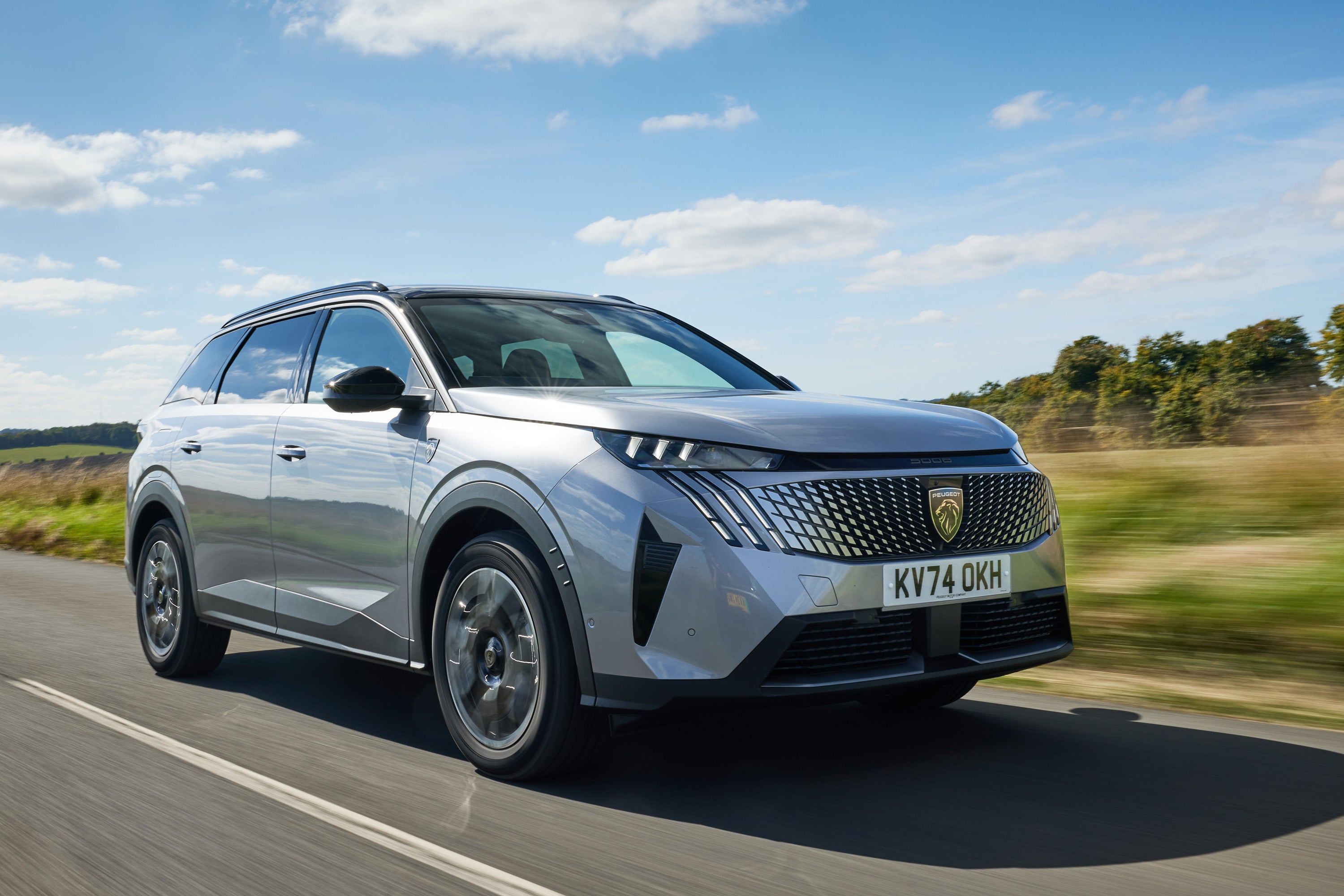
The Peugeot 5008 is another obvious rival, especially if you want something with a more distinctive cabin and exterior design. It is a spacious and stylish seven-seater, although it does not feel quite as polished or as broadly accomplished as the Volkswagen. Its plug-in hybrid version keeps all seven seats, though.
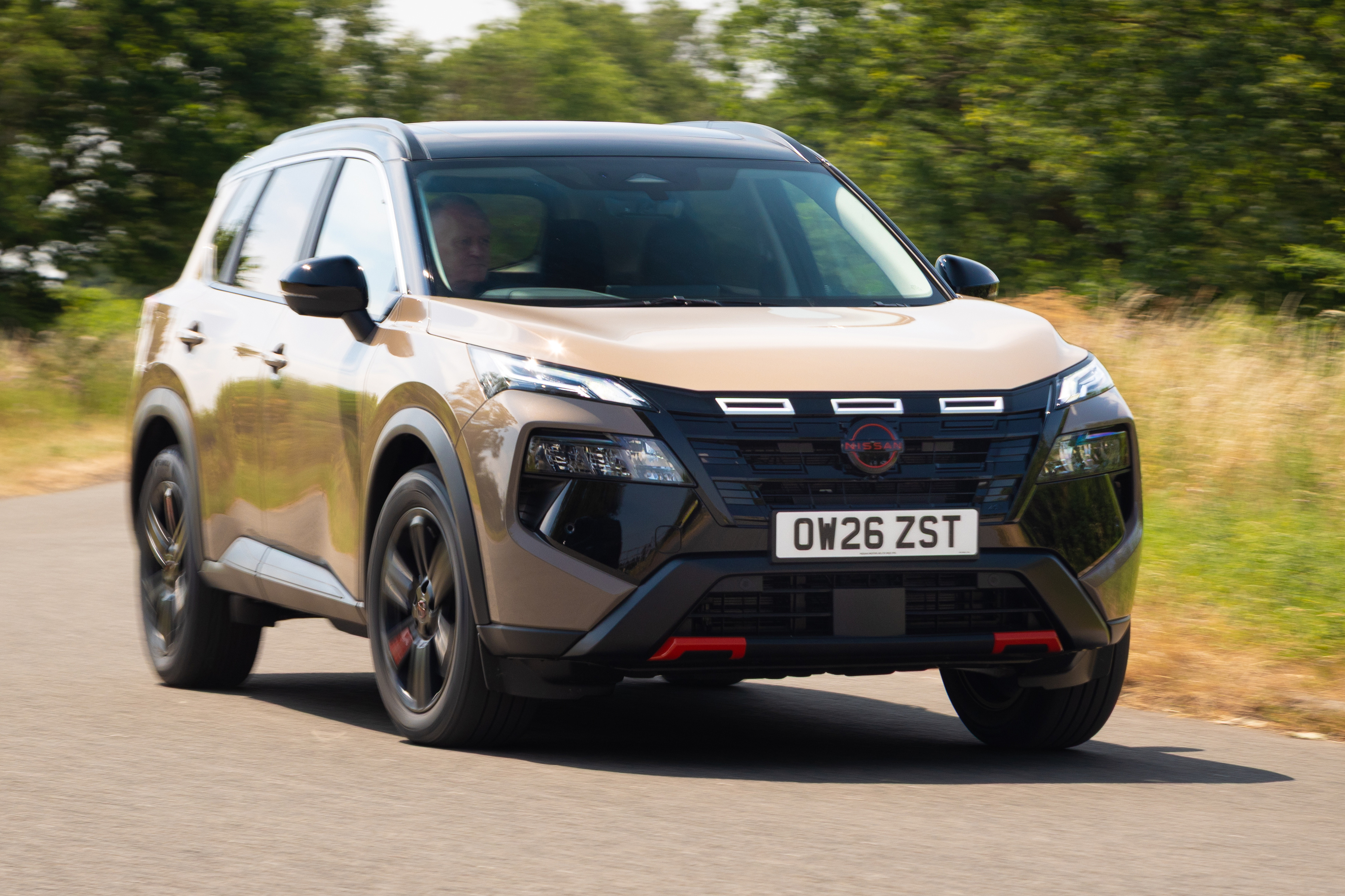
The Nissan X-Trail also sits within Tayron territory. It offers seven seats in some versions, and offers decent practicality, even if the interior and technology do not feel quite as premium as the Volkswagen’s.
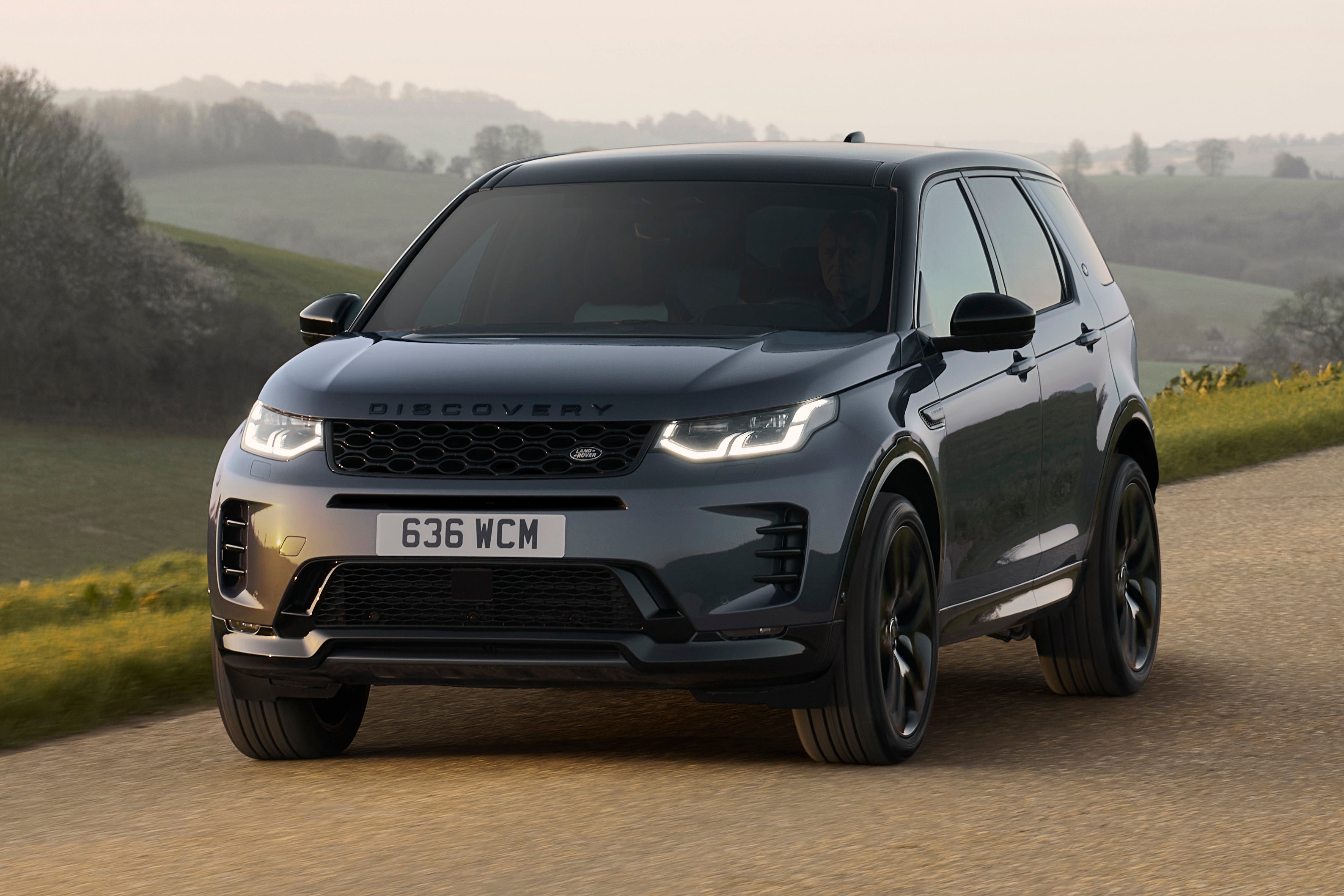
Beyond those three, the Hyundai Santa Fe and Kia Sorento are larger alternatives that bring a more substantial feel and very strong family credentials, while the Land Rover Discovery Sport is a more premium option for buyers tempted by a posher badge.
What's the interior like in the Volkswagen Tayron?
The VW Tayron has the sort of cabin that feels immediately easy to get along with. It's roomy, smartly designed and upmarket enough to justify the car’s price. It's practical, too, with plenty of boot space however the seats are configured.
Volkswagen Tayron boot space and practicality
Practicality is the Tayron’s defining strength. This is a large SUV built around the needs of busy family life, and it delivers the kind of flexibility buyers in this class are after.
In seven-seat petrol and diesel versions, boot space stands at 345 litres with all three rows of seats in place. That’s enough for a weekly shop or a few smaller bags, which is more than can be said for some seven-seat SUVs.
Drop the third row and capacity rises to around 850 litres in seven-seat models. That puts the Tayron right in the thick of the class for outright carrying ability. A seven-seat Skoda Kodiaq offers 340 litres with all seats in place and 845 litres in five-seat mode, while the Peugeot 5008 manages 259 litres with seven seats in use and 748 litres in five-seat mode.
The plug-in hybrid versions are five-seat only because of the battery packaging, but they still offer a very generous 705 litres of boot space. That's less than the regular Tayron manages, but still enough to keep it genuinely useful as a family SUV.
Fold the middle row, and the available space expands to around 1,900 litres, which gives the Tayron proper carrying capacity for occasional big loads.
Passenger space in the middle row is very impressive, with lots of headroom and legroom, and the wide door openings make it very easy to get in and out. The middle-row seats slide back and forth, too, allowing you more flexibility. The third-row seats are best left to children, as is usually the way with such cars, but an adult will fit if those in the middle row donate some of their plentiful legroom by sliding their chair forward a bit. The wide-opening doors also help when clambering in and out of the third-row seats, although the gap you have to squeeze through is still pretty small.
Volkswagen Tayron dimensions
The Volkswagen Tayron measures 4,792mm long, 1,853mm wide & 1,668mm high. There are a few millimetres of variation with R-Line models, but certainly nothing you’ll notice.
That means it has the sort of footprint you’d expect of a seven-seater family SUV at the more compact end of the scale: it’s not as truly massive as some rivals. As a result, it doesn’t feel especially cumbersome from behind the wheel, helped by light steering, good visibility and plenty of parking assistance.
Tech and infotainment in the Volkswagen Tayron
The Tayron uses Volkswagen’s latest infotainment system, which is a step forward compared with some of the brand’s more frustrating earlier systems. A 12.9-inch touchscreen is standard, joined by a 10.25-inch digital driver display, and it all looks modern without feeling needlessly showy.
The graphics are sharp, the home screen is colourful, and there are shortcut icons along the top and bottom edges of the screen. It’s not perfect, because some of these icons are rather ambiguously designed, so it’s not immediately obvious what they’re for, but you do get to know the operating system better with time and practice.
There are other annoyances, such as the touch-sensitive slider controls for stereo volume and cabin temperature that Volkswagen persists with: these are distracting and imprecise to use, although at least they’re backlit so you can see and use them at night, which they weren’t in some older VW models. It’s also good that Volkswagen has finally abandoned its touch-sensitive steering wheel controls, and these have been replaced in the Tayron by physical buttons that are much easier to use.
Wireless smartphone charging, native navigation and wireless Apple CarPlay and Android Auto are standard, as is the IDA voice assistant with ChatGPT integration. The standard eight-speaker stereo gives really good sound quality for a standard system, but if you really want to blow your socks off, higher-spec cars can be optioned with an upgraded Harman Kardon system that, strangely, also comes with a space-saver spare wheel.
A larger 15.0-inch screen is available as part of an optional pack that also includes a head-up display. It looks a little more razzmatazz, but it’s no easier to use.
Materials available on the Volkswagen Tayron
The Tayron feels well-made in the way you would expect of a large Volkswagen. There are plenty of soft-touch materials up front, the seats are firm and supportive, and the overall impression is of solidity, tactility and attention to detail.
Higher-level trims add some genuinely appealing finishes, including the open-pore wood-effect trim in Style models and more interesting upholstery choices. There's still more piano black panelling than we'd, which shows up marks and fingerprints very quickly, but the overall quality level is good. This is not the plushest SUV in the class, but while it doesn’t quite feel premium-level, it feels a level above the mainstream.
What's the Volkswagen Tayron like to drive?
The Volkswagen Tayron is a sophisticated car to drive, with an easy-going character and a smooth ride. The choice of engines is comprehensive, so there should be something to suit most needs.
Volkswagen Tayron range and performance
The VW Tayron is offered with a broad range of engine choices. The entry-level one is the 1.5 eTSI mild-hybrid petrol, which produces 150PS and sends it to the front wheels via a DSG automatic gearbox. Thus-specced, the Tayron covers 0-62mph in 9.7 seconds.
It’s not that quick, then, and that's just how the performance feels on the road. It feels like the engine has to work pretty hard to get the car up to speed, making it sound a little coarse, and it can feel a little underpowered when you’re loaded up with people and their stuff. That said, it’ll be quick enough for most people if they’re happy not to be in a hurry, and both the engine and gearbox operate smoothly.
Then there’s the 2.0-litre diesel, which has an identical power output to the petrol engine we’ve just mentioned, and an identical 0-62mph sprint time as well. However, it does feel a little more muscular in the lower and middle parts of the rev range, so it feels a shade more relaxed in getting up to speed, and copes better when there’s lots of weight on board. It’ll be the engine to go for if most of your journeys are long, motorway-based ones.
Next come the plug-in hybrids, which team the same 1.5-litre petrol engine found in the entry-level car with an electric motor and a 19.7kWh battery, giving an electric-only range of up to 74 miles depending on trim level. This is offered with either 204PS, giving a 0-62mph time of 8.6 seconds, or with 272PS in R-Line trim, chopping the 0-62mph dash down to 7.3 seconds. Both feel brisker than the entry-level engines we've already talked about, but their acceleration levels remain at a moderate and easy-going level, rather than feeling properly brisk.
Above that sit the 2.0 TSI petrol engines with 204PS and 265PS, both paired with 4Motion four-wheel drive. The lower-powered version will do 0-62mph in 7.3 seconds, while the range-topping 265PS version is the raciest of the lot with a 0-62mph time of 6.1 seconds. We haven’t tried the former yet, so we can’t tell you how it feels. We haven’t yet tried the Tayron with the latter, either, but we have tried the exact same powertrain in the Skoda Kodiaq vRS, which is extremely similar in size and weight. That car, while feeling brisk and muscular, still stops short of feeling properly quick. Assuming that it’s the same case in the Tayron, we don’t see that being a problem, given the car’s easy-going nature.
Performance data
| Model | Engine/battery size | Power | 0-62mph | Range/MPG |
|---|---|---|---|---|
1.5 eTSI | 1.5-litre petrol automatic | 150PS | 9.7 seconds | Up to 45.2mpg |
2.0 TDI | 2.0-litre diesel automatic | 150PS | 9.4 seconds | Up to 50.9mpg |
eHybrid 204PS | 1.5-litre petrol plug-in hybrid automatic | 204PS | 8.6 seconds | Up to 185.7mpg |
eHybrid 272PS | 1.5-litre plug-in hybrid automatic | 272PS | 7.3 seconds | Up to 166.7mpg |
2.0 TSI 4Motion 204PS | 2.0-litre petrol automatic AWD | 204PS | 7.3 seconds | Up to 36.0mpg |
2.0 TSI 4Motion 265PS | 2.0-litre petrol automatic AWD | 265PS | 6.1 seconds | Up to 32.7mpg |
Volkswagen Tayron driving and refinement
The VW Tayron is available with two types of suspension. Most versions have a regular steel-spring passive suspension, while the PHEV versions and the 2.0-litre petrol versions have Dynamic Chassis Control adaptive suspension.
Even with the more basic passive arrangement, the Volkswagen Tayron is an easy-going and relaxed car to drive. The ride is impressively comfortable in the vast majority of situations, taking the sting out of most bumps and ruts really effectively.
The handling, meanwhile, is utterly competent, with strong grip levels, a not-unreasonable amount of body roll, and responsive steering. The steering doesn’t offer much feedback, and the Tayron never manages to shrug off its considerable size and weight, so it’s not a car for keen drivers, but how many of those will really be considering a seven-seater SUV anyway? For everyone else, it’ll be a car that goes about its business in an assured, stable and relaxed way, which is precisely what a good family SUV should do. And that relaxed nature is further hammered home by excellent all-round refinement.
Cars fitted with the adaptive suspension aren’t much different in character, but are a little more polished. With the adaptive dampers set to their firmest mode, the Tayron still isn’t a car that relishes being chucked about, but changes of direction do become a fraction crisper. Select one of the softer modes, and the ride becomes properly cosseting, cementing the Tayron’s easy-going and relaxed nature even further. The adaptive suspension isn’t worth upgrading your engine choice for on its own, but if your driving behaviour best suits an engine choice with it fitted, it’s very much a nice-to-have.
How safe is the Volkswagen Tayron?
The Volkswagen Tayron earned a five-star Euro NCAP safety rating in 2025. The safety body awarded it 87% for adult occupant protection, 85% for child occupant protection and 83% for vulnerable road user protection.
Standard safety equipment is generous: it includes adaptive cruise control, autonomous emergency braking, various levels of lane support, driver monitoring, and dynamic road sign display as standard. You also get an extensive collection of airbags and three Isofix child seat mounting points.
Running costs: What it's like to live with a Volkswagen Tayron
The Tayron is not a cheap SUV to buy, but running costs should be reasonable if you pick the right powertrain for your needs.
Volkswagen Tayron fuel economy
The entry-level 1.5 eTSI mild-hybrid petrol returns up to 45.2mpg, which is a respectable figure for a large seven-seater family SUV of this type. The 2.0 TDI has the best efficiency figure among the conventional engines, with up to 50.9mpg, but you’ll get the best returns - and the best reliability - out of this engine if you’re a driver that regularly bangs in interstellar motorway mileages.
Predictably, the 2.0 TSI petrol versions are the thirstiest version, with official returns of up to 36.0mpg for the 204PS version and up to 32.7mpg for the 265PS version.
The eHybrid versions are the headline-grabbers. Officially, the 205PS version can deliver up to 187.7mpg, while the 272PS equivalent’s figure stands at up to 166.7mpg. Of course, those official figures are rather pie-in-the-sky, because real-world results will rarely echo those of laboratory tests. However, a very generous electric-only range (upwards of 70 miles on all versions) gives you a fighting chance of completing as many journeys as possible on electric-only power, which you’ll need to do for best results. Just make sure you remember to plug it in regularly.
Volkswagen Tayron warranty and servicing
Volkswagen covers the Tayron with a three-year or 60,000-mile warranty, with the first two years having an unlimited mileage. Most combustion-engined Volkswagens need to be serviced every year or 9,300 miles, although if your driving habits allow, you can have a flexible servicing that can allow up to two years between services: a dashboard light comes on when work is needed.
Volkswagen Tayron insurance groups
While there’s a broad spread of engines in the Volkswagen Tayron range, the spread of power outputs isn’t that broad, so there’s comparatively little variation in the insurance groupings of the various versions. Groupings run between 24 and 34 (of 50, with group 50 cars getting the most expensive premiums) depending on the engine and trim of your car.
How much does it cost to tax a Volkswagen Tayron?
All versions of the Tayron cost more than £40,000 when brand new. That means all will be liable for higher-rate VED road tax. So, on top of the standard flat rate you’ll pay each and every year (currently charged at £200), you’ll pay an additional surcharge (known as the ‘Expensive Car Supplement’, and currently charged at £440) on top between years two and six of the car’s life.
What trims are available with the Volkswagen Tayron?
The Volkswagen Tayron has a good amount of standard equipment. The Tayron Life alloy wheels, three-zone climate control air conditioning, a 12.9-inch touchscreen, wireless smartphone charging and 10-colour ambient lighting for the cabin. LED headlights with automatic main beam – called Light Assist – is also included.
Safety tech featured to all Volkswagen Tayron includes adaptive cruise control (called ACC), a lane-keeping system and lane change assist, and automatic emergency braking that also detects pedestrians and cyclists. The tech will automatically brake if you turn into a junction when there’s another vehicle approaching.
The Volkswagen Tayron has a rear-view parking camera combined with the Park Assist Plus system, a dynamic road sign display and even an exit warning system. This prevents the doors being opened if it detects a car or cyclist approaching from behind.
All Volkswagen Tayrons get illuminated ‘VW’ logos front and rear – the first time a non-EV Volkswagen has featured them. There’s also a full-width LED light bar at the front, and distinctive rear tail lights.
The Volkswagen Tayron Match adds an alternative design of 18-inch alloy wheel, a tilt and slide panoramic sunroof, silver roof rails, keyless entry, dark-tint rear glass and an electric tailgate. The panoramic glass roof that’s standard on Match is a £1385 option on other models.
The Volkswagen Tayron Elegance has larger 18-inch alloy wheels, soft ArtVelours upholstery, heated front seats with a massage function, 30-colour interior ambient lighting, an enhanced rear parking camera and LED headlamps with LED separate signature running light. The doorhandles are illuminated too.
Sporty R-Line is a popular trim in the UK. This includes 20-inch alloy wheels along with R-Line sports-style bumpers featuring enlarged side air intakes. There are front sports seats as well. There’s also an R-Line Edition with an alternative 20-inch alloy wheel design and a panoramic glass roof.
Ask the Drive experts: common questions
Is the Volkswagen Tayron a good car?
What is the Volkswagen Tayron Match?
Does the Volkswagen Tayron have seven seats?
Is the Volkswagen Tayron replacing the Tiguan?
Get our latest advice, news and offers
Keep me updated by email with the latest advice, news and offers from Drive.
.jpg)