Skoda Kodiaq Review

Written By Andrew Brady
- 2024
- SUV
- Petrol, petrol mild hybrid, petrol plug-in hybrid, diesel
What we love
Huge cabin and excellent boot space
Strong selection of engines, including a genuinely useful plug-in hybrid
Smart, thoughtful cabin design with physical shortcut controls
Things to consider
Third-row seats are best for children rather than adults
Higher trims and bigger engines carry a price premium
Plug-in hybrid can't be had with seven seats
The DRIVE take on the Skoda Kodiaq, is it the right car for you?
The Skoda Kodiaq remains one of the easiest large SUVs to recommend if you need serious space for the family without spending premium-badge money. It majors on the things that matter most in daily life: comfort, easy access, a huge boot, a flexible cabin, sensible standard kit, and an engine range that covers everything from a company-car-friendly plug-in hybrid to diesels for long-distance work. The third row is more appropriate for occasional use rather than full-time use, and the nicest trims can get expensive, but as an all-round family SUV, the Kodiaq is one of the best options you can find right now.
The Skoda Kodiaq in more detail
The Skoda Kodiaq has, for many years, been a byword for versatility and value for money. The latest model builds on that winning formula, with more space, fresh technology and a more upmarket cabin. We think the plug-in hybrid powertrain is an interesting proposition for many buyers, although the regular petrols and diesels are more than up to the job of shifting this large SUV. While the new Skoda Kodiaq is slightly more expensive to buy than the old model, it still represents decent value for money, and ought to be fairly cheap to run.
The original Skoda Kodiaq went on sale in 2017, and since then, more than 55,000 have found homes with UK customers, making it one of the most successful family SUVs on the market. Replacing such a popular model is a tricky business, but we're pleased to report that the new Skoda Kodiaq is one of the most practical and easy-to-live-with cars you can buy. Find out why in our 2025 Skoda Kodiaq review.
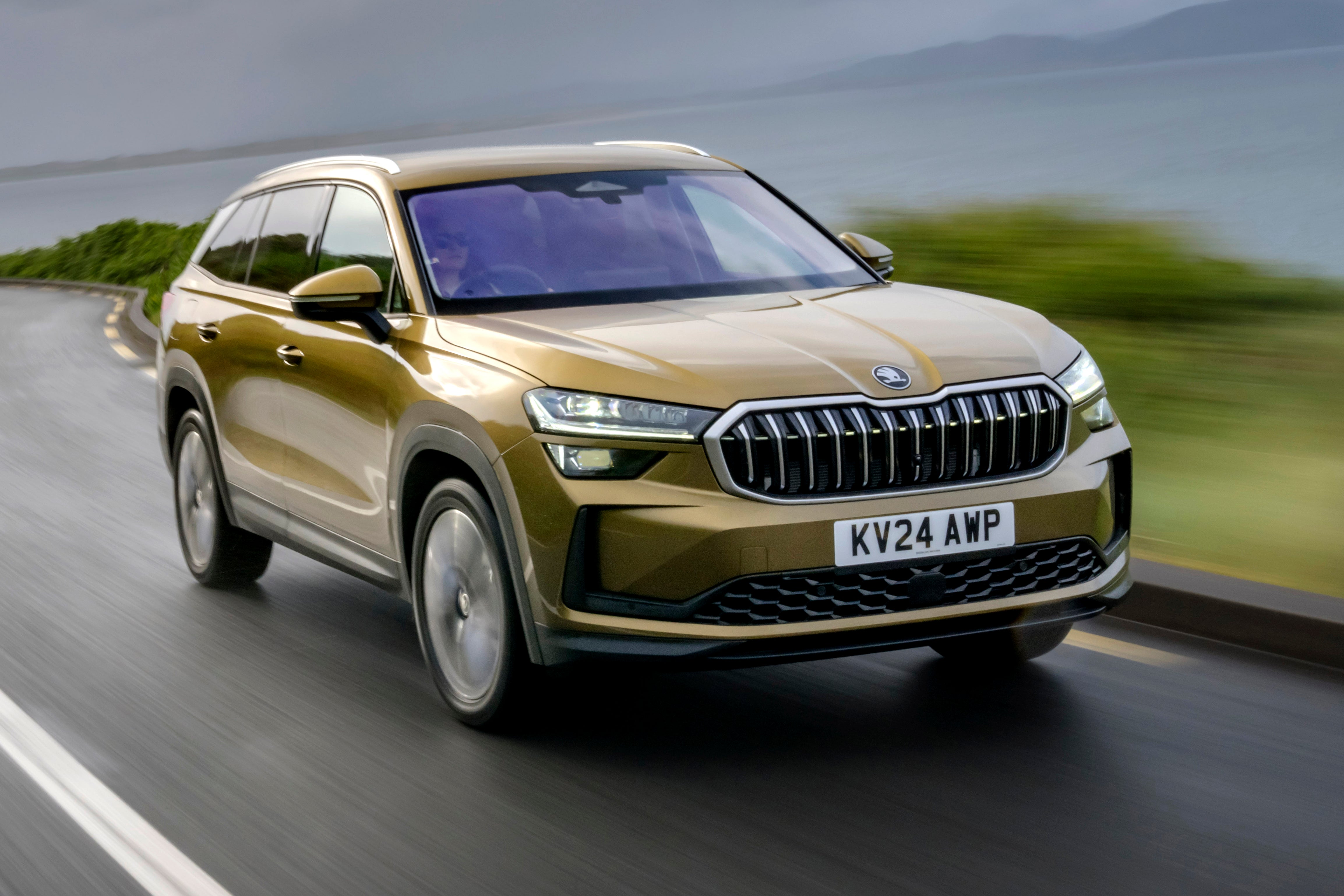
So what's new? Well, pretty much everything. The design - while clearly an evolution of the old model - is intended to be rugged and functional without being flashy. Apparently, it emphasises the practicality on offer while also enhancing aerodynamics, thus improving efficiency. You'll notice a lack of chrome on offer - sustainability is key, here - but the optional light strip in the front grille will stop the Kodiaq from passing unnoticed.
Browse used Škoda Kodiaqs for sale →
It's inside where the new Skoda Kodiaq impresses the most. It's slightly bigger than before, meaning more interior space, while buyers can choose between five- and seven-seat models. Skoda really sweats the small stuff with this car: the gear selector has been moved behind the steering wheel, for example, meaning there's more storage space in the centre console. There's an easy-to-use central infotainment display on the dashboard as well as a digital instrument cluster. Our favourite feature, though, is the row of Smart Dials - just like in the latest Skoda Superb Estate - which can be customised to act as shortcuts to a range of different features.
There are a variety of trim levels on offer. All are well-equipped, with even the most affordable Skoda Kodiaq SE fitted with the 13.0-inch navigation system, heated front seats and a range of driver-assistance safety features. At the upper end of the range, you'll find the Skoda Kodiaq SportLine and luxury-oriented L&K models, available with a variety of engines, while at the very top sits the standalone Skoda Kodiaq vRS, with its powerful 265PS petrol engine. If you want to find out more about that specifically, then take a look at our Skoda Kodiaq vRS review.
The Skoda Kodiaq is sold with a wide range of petrol and diesel engines - especially by the standards of today, when many carmakers have decided to slim down their powertrain offerings - as well as a choice of two- or four-wheel drive. You can no longer get the Skoda Kodiaq with a manual gearbox; a DSG automatic transmission is now standard across the range. This is a good thing in our book, as the auto gearbox suits the Kodiaq's relaxed nature.
While you can't get an electric Skoda Kodiaq (look at the Skoda Enyaq iV if that's what you're after), there is a plug-in hybrid model capable of travelling up to 76 miles under electric power alone. That's a significant distance and ideal for buyers with a short commute, but who are looking to travel further afield at weekends.
What's the best Skoda Kodiaq trim and engine option?
Our pick would is the Skoda Kodiaq SE L, because it adds a few very desirable features over the entry-level SE (which is itself still very reasonably equipped, by the way), but without taking the price too high. These desirable features include 19-inch alloy wheels, privacy glass, LED Matrix headlights, keyless entry and start, a powered driver’s seat, a powered tailgate and leather upholstery, all of which give the Kodiaq the sense of luxury that the SE model doesn’t quite have.
Which engine makes the most sense depends entirely on how you use the car. If you mostly do shorter trips and can charge regularly, the 1.5 TSI iV plug-in hybrid could be a great option. A claimed electric range of up to 76 miles means a lot of school runs, commuting and local errands can be covered without using the petrol engine at all. That makes it the smartest option for many company-car drivers and private buyers who want lower running costs without going fully electric, but do bear in mind that the PHEV is only available in five-seater form, not with seven seats.
If you do big motorway mileage, tow regularly, or simply want the easiest long-distance choice, the 2.0 TDI is still the one to have. The 150PS version is likely enough for most, while the 193PS four-wheel-drive diesel is the better fit if you regularly load the car heavily or pull a caravan or trailer. The 1.5 e-TEC mild hybrid is adequate if you just want a budget-friendly option, but it is not the most compelling engine option in such a big car.
What’s the price of the Skoda Kodiaq?
The current Skoda Kodiaq range starts at £39,045 OTR for the five-seat SE 1.5 TSI e-TEC, and rises to £54,655 OTR for the Kodiaq vRS. The plug-in hybrid starts from £42,140 in SE trim, while the cheapest seven-seat Kodiaq (the SE 1.5 TSI e-TEC 7-seater) is £39,925. In other words, the range stretches from very sensible family-SUV money into territory where, if you don’t absolutely need seven seats, then you might be considering premium alternatives. There are also plenty of used Škoda Kodiaqs for sale for considerably less.
But while the Skoda Kodiaq is no longer the cheap offering it once was, it still represents really good value for money if you choose carefully and pick the right version for you, usually providing more space and flexibility than similarly priced - or even more expensive - rivals. If you want something a little more premium in look and feel, the Volkswagen Tayron is an obvious alternative, but the Kodiaq remains the more pragmatic buy.
Alternatives to the Skoda Kodiaq
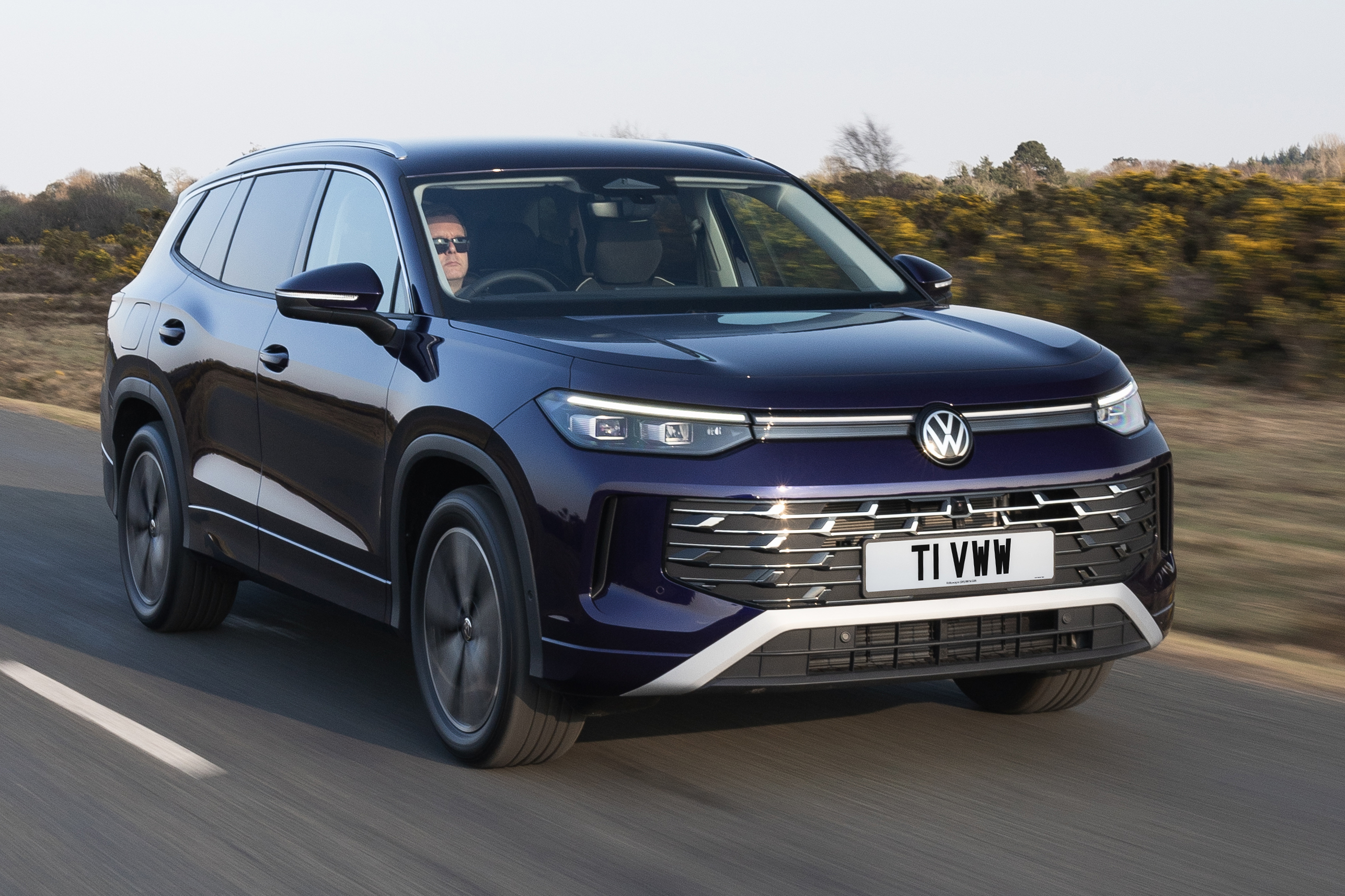
The Volkswagen Tayron is probably the most obvious alternative, because it shares much, including its platform, engines and technology, with the Skoda Kodiaq. It fulfils a similar brief, with five- or seven seats, petrol-, diesel- and plug-in hybrid power, but it leans a little more towards a premium look and feel. For some buyers, that'll be enough to justify the extra outlay, but the Kodiaq still has the edge for straightforward family value.
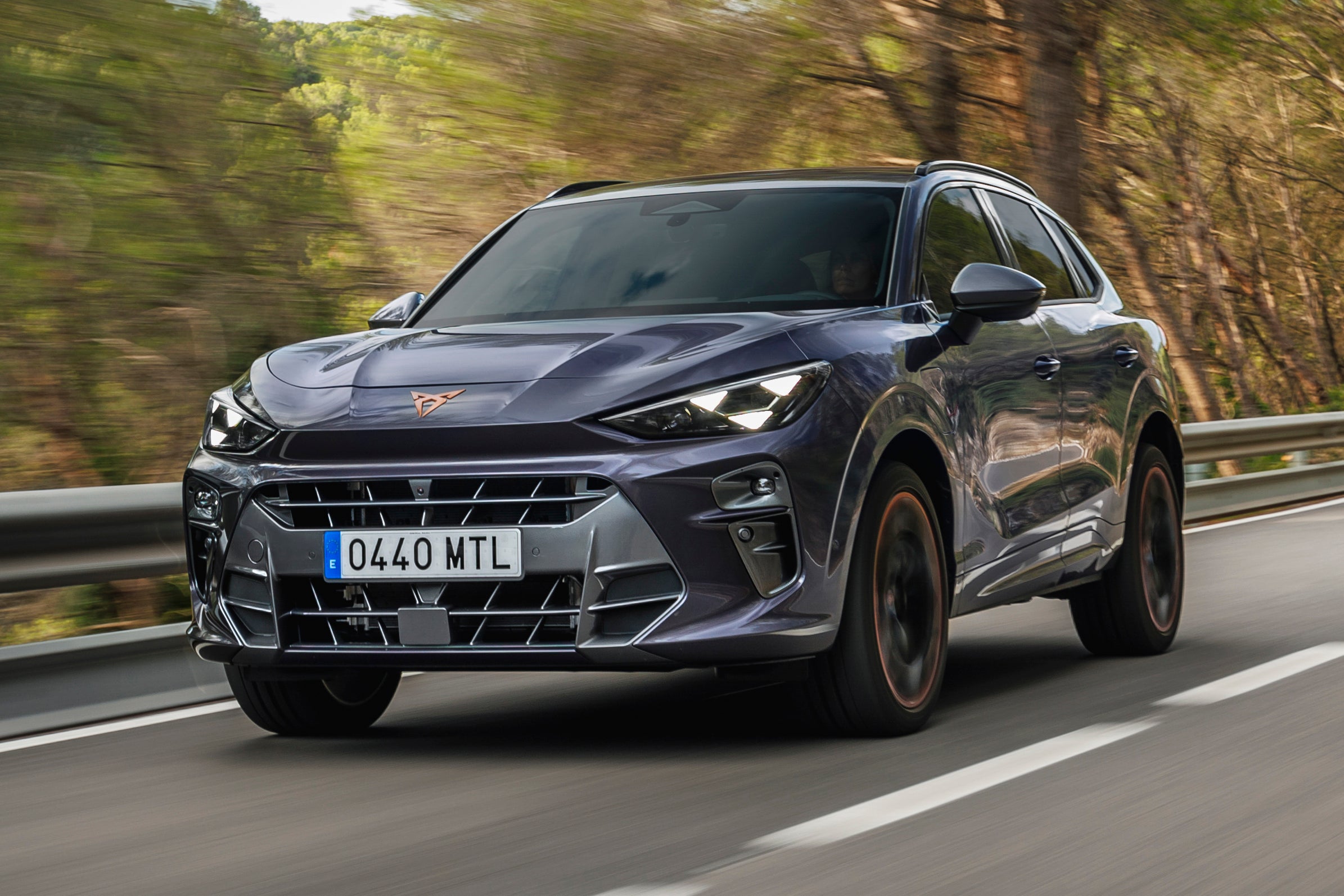
The Cupra Terramar is another mechanically related family SUV worth considering if you do not need seven seats. It is more style-led and more driver-focused in feel, with strong plug-in hybrid options, but it doesn’t do quite the same all-things-to-all-families job as the Kodaiq and Tayron. The same goes for the now-defunct seven-seat SEAT Tarraco, which is now a used-only choice.
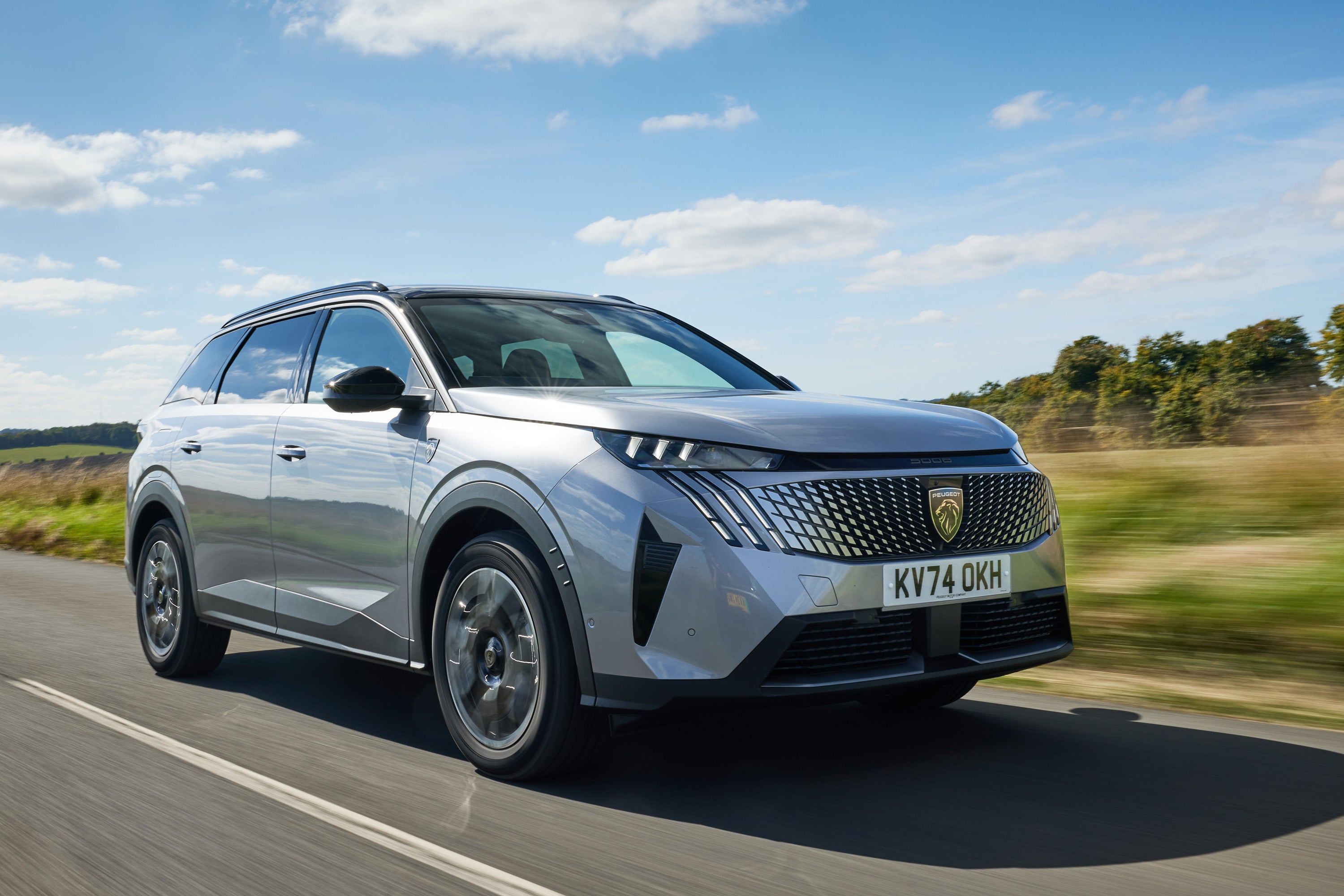
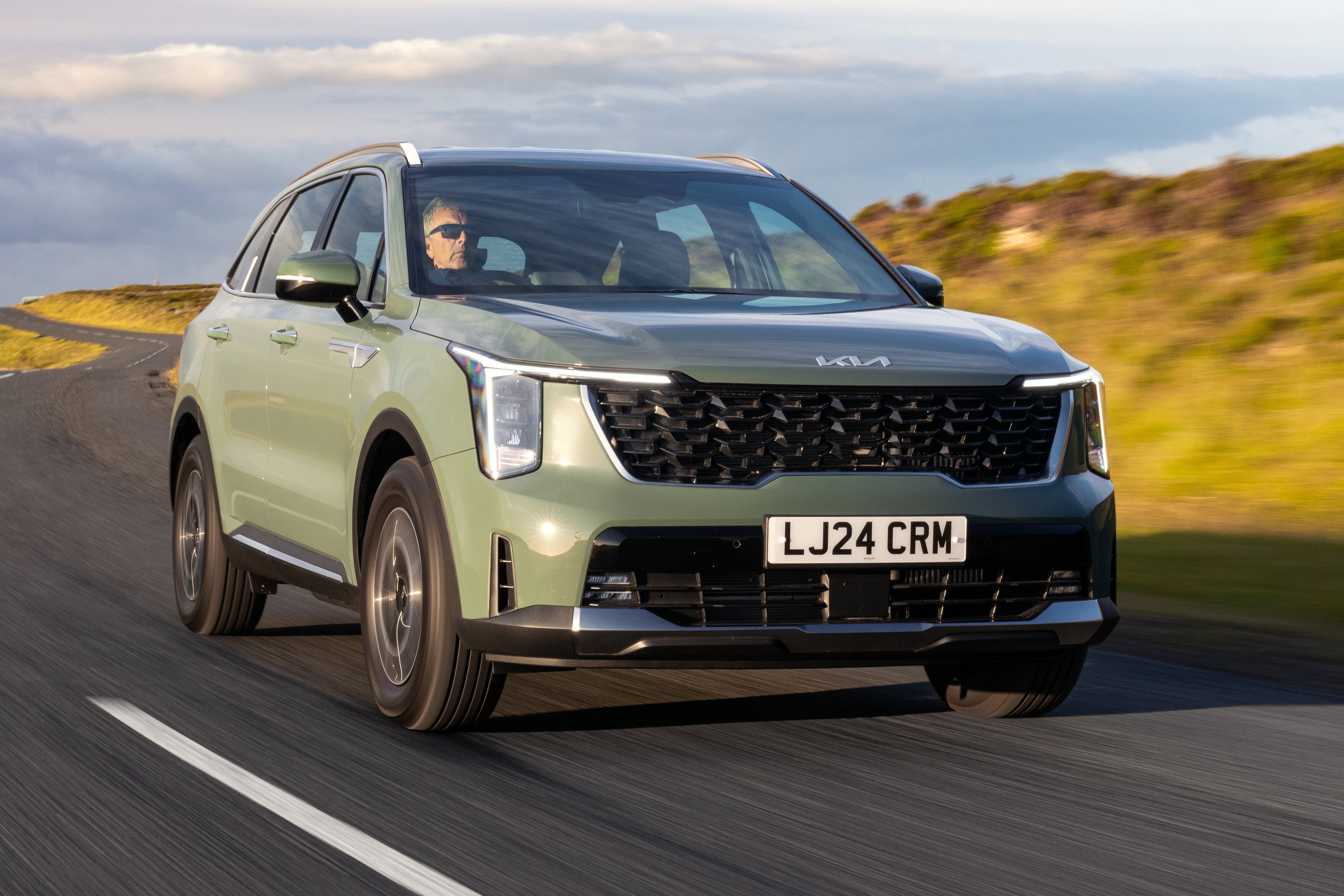
Rivals such as the Hyundai Santa Fe, Peugeot 5008 and Kia Sorento all deserve a look depending on your priorities, between them offering generous space, compelling equipment, good quality, and long warranties.
What's the interior like in the Skoda Kodiaq?
This is one of the Skoda Kodiaq’s strongest areas. The cabin feels roomier and more polished than in its predecessor, but it has not lost the simple, practical design that made the old car so easy to recommend. There's a good driving position, lots of storage, family-friendly access and a layout that is more intuitive than many rivals that rely too heavily on a touchscreen.
Skoda Kodiaq boot space and practicality
The Skoda Kodiaq has always been about practicality, and the latest one is no different. In standard five-seat form, it offers 910 litres of boot space, which is excellent for this class. The seven-seat version gives you 340 litres even with all the seats in place, rising to 845 litres with the third row folded. The plug-in hybrid loses some luggage room because of its battery, as well as the ability to have seven seats (the battery lives where the extra seats would otherwise go), but 745 litres in the five-seater-only iV is still very good.
The seven-seater remains one of the more convincing cars of its type, but it’s still best used as a five-seater most of the time, with the third row there for emergencies such as taking children’s friends home after football practice or designated-driver duties as a post-pub shuttle for your mates. That latter journey will have to be short, though, because space is sufficiently tight in the third row that even a partially plastered pal won’t be able to stick it for long. Children will be able to sit there for longer journeys, however.
Up front and in the second row, headroom and legroom are generous, and three passengers will squeeze across the middle row in relative comfort compared to many cars. Visibility is good, door openings are wide, and the cabin is full of the sort of clever, thoughtful touches Skoda has become famous for, such as umbrellas in doors and a wiper to remove the fingerprints from your touchscreen. This is still one of the smartest family cabins in the segment, and even better, it’s designed to be lived with, not just admired.
Skoda Kodiaq dimensions
The standard Kodiaq measures 4,758mm long, 1,864mm wide (not including door mirrors), and has a wheelbase of 2,791mm. It stands between 1,678mm and 1,682mm tall, depending on the model. It's a sizeable SUV, then, but not so huge that it becomes awkward to place on the road or in a car park. The Skoda Kodiaq vRS is fractionally longer at 4,761mm, although you won’t notice it.
Tech and infotainment in the Skoda Kodiaq
All versions of the Skoda Kodiaq get the same basic infotainment system (although the L&K and vRS also get a higher-grade Canton sound system on top), which consists of a 13.0-inch touchscreen and a 10.25-inch Virtual Cockpit. The cabin feels much more up to date than the previous Kodiaq as a result. Importantly, though, this is not one of those interiors where every basic function has to be operated through a touchscreen (something some Skoda models are guilty of, it has to be said). That’s because the Kodiaq has Smart Dials, which are essentially a set of three rotary dials on the dashboard that can be configured to perform a variety of functions without bothering with the screen. They’re excellent, and one of our favourite features of the car.
On those occasions where you do need to use the touchscreen, you’ll find that it’s not the most intuitive system in the world, but it’s certainly not the least, either. The home screen is a little cluttered with on-screen icons, and some of them have a rather ambiguous design, making it more difficult still to pick out the one you want at a glance. The system does become easier the more familiar you get with it, though, because the layout of the menus is actually pretty logical.
Wireless smartphone integration via Apple CarPlay and Android Auto is included as standard across the range, as is wireless charging for two phones. Other devices are taken care of by four USB-C ports (two in the front, two in the back), and there’s a fifth in the rearview mirror for powering a dashcam. DAB radio, Bluetooth native navigation and voice control are also provided as standard.
Materials available on the Skoda Kodiaq
Depending on the trim grade of your Skoda Kodiaq, you get a different ‘design selection’, which is to say, a different interior treatment. Entry-level SE uses the Loft design selection with fabric trim, while SE L brings the ecoSuite Black design selection, with a mixture of real leather and artificial leather. L&K trim uses the ecoSuite Cognac design selection, which is the same leather mixture, but in a deep brown colour, while SportLine trim uses the imaginatively named SportLine design selection, with leather and microsuede upholstery. There’s just as much imagination with the name of the vRS design selection, which again has a mix of microsuede and leather, this time with red stitching.
What's the Skoda Kodiaq like to drive?
The Skoda Kodiaq is comfortable and refined above all else, making it a composed and relaxed way of getting about. Those who are after excitement might want to look elsewhere, but let’s be honest, that’s rarely a priority for those considering a large seven-seater family SUV.
Skoda Kodiaq range and performance
There is a broad line-up of powertrain options on offer in the Skoda Kodiaq, and that is a real strength. All of them come with a DSG automatic gearbox as standard, and it’s not possible to specify a manual in the Kodiaq.
The range opens with a 1.5 TSI e-TEC mild hybrid with 150hp, which takes between 9.7 and 9.9 seconds to get from 0-62mph, depending on whether you choose five or seven seats. That’s not especially quick, and it translates to very middling performance in the real world. It’s just about sufficient for those who want their Kodiaq to be as cheap as can be, but plenty of drivers will crave a bit more get-up-and-go, not for the sake of speed, but for the sake of a more relaxing driving experience.
You get it from the entry-level diesel, the 2.0 TDI 150, which again has 150PS. It’s actually no faster, either against the stopwatch or in terms of sensation, but the extra low-down shove it has gives you the impression that you’re getting up to speed in a slightly more relaxed way. It’s nice and relaxed at a motorway cruise, too, making it an excellent long-distance car.
There are pokier petrol and diesel options, both with four-wheel drive. There’s a 2.0 TSI petrol with 204hp and a 2.0 TDI diesel with 193hp, and they do the 0-62mph dash in 7.5 seconds and 8.0 seconds, respectively. Both have quite a bit more urgency than the entry-level engines, with the sort of brawny mid-range pull that suits a large SUV well. They make the Kodiaq a bit expensive, though.
Perhaps the most interesting powertrain option is the 1.5 TSI iV plug-in hybrid. This produces a total of 204hp and sees off the 0-62mph dash in 8.4 seconds for performance that feels modestly brisk, but more importantly, it brings the ability to do a large chunk of everyday driving on electric power alone. That brings big tax benefits for company car drivers, and low running costs for those who can charge at home and do mostly short journeys. Do bear in mind, though, that the PHEV powertrain is only available in five-seater form.
At the top of the range, the vRS gets a 2.0 TSI turbo petrol engine with 265hp, and it’s capable of reaching 62mph from a standstill in 6.4 seconds. It feels quick enough, (you probably wouldn’t want a car the size of the Kodiaq to be much quicker, in fact), and it always feels effortlessly muscular, but it still doesn’t quite feel like the firecracker performance levels you might expect from a car wearing the vRS badge. Take a look at our Skoda Kodiaq vRS review for more details.
Performance data
| Model | Engine/battery size | Power | 0-62mph | Range/MPG |
|---|---|---|---|---|
1.5 TSI 150PS e-TEC DSG | 1.5-litre petrol automatic | 150PS | 9.7 seconds | Up to 47.1mpg |
2.0 TSI 204PS DSG 4x4 | 2.0-litre petrol automatic | 204PS | 7.5 seconds | Up to 37.0mpg |
1.5 TSI iV 204PS DSG | 1.5-litre plug-in hybrid automatic | 204PS | 8.4 seconds | Up to 1,013.2mpg |
2.0 TDI 150PS DSG | 2.0-litre diesel automatic | 140PS | 9.6 seconds | Up to 53.4mpg |
2.0 TDI 193PS | 2.0-litre diesel automatic | 193PS | 8.0 seconds | Up to 45.5mpg |
2.0 TSI 265PS vRS | 2.0-litre petrol automatic | 265PS | 6.4 seconds | Up to 33.8mpg |
Skoda Kodiaq driving and refinement
The most impressive thing about how the Skoda Kodiaq drives is how comfortable it is over bumpy road surfaces. It’s uncanny ability to iron out potholes and glide over broken tarmac means it has the perfect dynamic makeup for a family car. It’s a relaxed and sophisticated way of ferrying you and your brood around, whatever type of road you’re on.
Even in town, the Skoda Kodiaq is easy to drive, especially for such a large car. The steering is light enough, the all-round visibility is good, and the reaction to your inputs is prompt and predictable. On faster routes, the car feels tidy and controlled in the corners, although there's no disguising the sheer size and weight of the car as it changes direction.
It’s great on standard suspension, then, but you can also specify Dynamic Chassis Control adaptive suspension. It’s Standard on SportLine and vRS models, or optional on SE L and L&K cars. This will stiffen or soften the Kodiaq's suspension according to which driving mode you select. It does add a wee bit of extra plushness in the softer settings, but to be honest, we think it's a bit pointless when the standard setup does such a good job, and so this shouldn't be your sole reason for spending the extra on one of the loftier trim levels.
Despite its bluff shape, there isn't a great deal of wind noise at motorway speeds, and nor will you notice a huge amount of road noise in most versions, although the 20-inch wheels and wide tyres of the vRS do kick up a little bit more. The diesels have a noticeable rumble - particularly when you're first setting off - but no more so than in competitors. For maximum refinement, go for the plug-in hybrid Skoda Kodiaq iV and keep the battery topped up. If you don't, and the battery depletes fully, the petrol engine is left to fend for itself, and it can get a little rowdy when trying to maintain a decent pace.
How safe is the Skoda Kodiaq?
Euro NCAP gave the latest Skoda Kodiaq a five-star rating in 2024, with strong scores in each area. It achieved 89% in Adult Occupant tests, 83% in Child Occupant tests, 82% for its protection of Vulnerable Road Users, and 78% in the Safety Assist category.
Standard safety kit includes features such as autonomous emergency braking, front cross traffic alert, lane assist, blind-spot detection, emergency e-call, driver fatigue monitoring, traffic sign recognition and three Isofix child seat mounting points. L&K, SportLine and vRS trims also get adaptive cruise control.
Running costs: What it's like to live with a Skoda Kodiaq
The Skoda Kodiaq’s running costs depend on which version you choose and how you use it. The plug-in hybrid should be the cheapest to run if you remember to actually charge it and do mainly short journeys, while the diesels still make the most sense for long motorway mileage. The mild hybrid petrol is the option for minimising purchase price.
Skoda Kodiaq fuel economy
For non-plug-in versions, the most efficient Kodiaqs are the diesels. According to official WLTP combined figures, the 150PS 2.0 TDI returns up to 53.4mpg in five-seat form or 51.9mpg in seven-seat form, while the 193PS 4x4 diesel manages up to 45.5mpg. The 1.5 e-TEC mild hybrid returns up to 47.1mpg in five-seat form or 46.0mpg as a seven-seater, while the 204PS 2.0-litre petrol can only manage a maximum of 37.0mpg. That’s still better than the range-topping vRS, however, which will only return a maximum of 33.8mpg, according to the official figures.
Where the iV plug-in hybrid is concerned, those official figures are so ludicrous that they’re absolutely useless. On the SE L version, for instance, you can apparently look forward to fuel returns of between 731.7mpg and 1013.2mpg (nope, that’s not a typo). You’ll never get that, of course, because the official tests are unrealistically flattering to plug-in hybrids. What you do get will depend entirely on how you use the car. Charge up every night, and keep your regular journeys short enough that they can be done on electric-only power, and you could conceivably go weeks without using a single drop of fuel. Remember, however, that as soon as that petrol engine fires up, your car is going to be thirstier than the entry-level petrol version because the 1.5-litre engine is hauling around the considerable weight of the battery, as well as the rest of the car.
Skoda Kodiaq warranty and servicing
Skoda’s new-car warranty is three years as standard, made up of two years with unlimited mileage, and a third year capped at 60,000 miles. That’s bare-minimum stuff, and a number of rival manufacturers offer far longer cover, and that number is growing all the time due to fierce competition in the market.
There are two options for servicing your Kodiaq. There’s a fixed regime of a service every one year or 10,000 miles, whichever happens first, and this is recommended for those who drive less than 10,000 miles annually, and who mainly operate in low-speed urban environments, or those who tow regularly.
Alternatively, there’s the flexible servicing regime, where the car lets you know when it needs maintenance. This can happen anywhere between 9,000 miles and 20,000 miles, up to a maximum of two years between services. This regime is recommended for those whose regular driving is at a more constant speed and who do more than 25 miles per day.
Skoda Kodiaq insurance groups
The current Kodiaq range spans insurance groups 18 to 31. The cheapest versions to insure are the 150PS mild hybrid models, predictably, while the vRS sits at the top end of the scale. Most versions sit in the low-to-mid-20s, so they shouldn’t be ruinous on premiums.
How much does it cost to tax a Skoda Kodiaq?
Only a handful of Kodiaqs have a list price of less than £40,000, which is the point at which combustion-engined cars become liable for higher-rate VED car tax. Most Kodiaq owners will be stung for the higher rate, then, which adds another £440 per year to your tax bill - on top of the standard flat rate of £200 - for a five-year period between years two and six of the car’s life, taking your annual outlay to £640.
Cars that cost less than the threshold will escape the extra charge and pay just the flat rate, but beware that the price is inclusive of options, and that the Kodiaqs that manage to beat the threshold don’t do so by much, so even a couple of modest-sounding options or packs could be enough to tip your car over. Be careful when speccing your car, or when buying used, make sure you check the specification of any potential purchase to ensure what you’ll be liable for.
What trims are available with the Skoda Kodiaq?
The Kodiaq line-up currently runs from SE through SE L, L&K, SportLine and vRS, although do bear in mind that not every trim is available with every engine or seating configuration.
The Kodiaq SE is the entry point, but it feels far from sparse. The specification includes 18-inch alloy wheels, heated front seats, three-zone climate control, cruise control, front- and rear parking sensors, rear-view camera, a 13.0-inch infotainment display, a 10.25-inch Virtual Cockpit, Smart Dials, and wireless phone charging.
The upgrade to Kodiaq SE L earns you 19-inch alloys, a plusher interior finish, a powered driver’s seat, a variable boot floor, keyless entry and start, and a powered tailgate. The upgraded interior alone makes it feel a sight plusher than the SE.
Kodiaq L&K is even more of a luxurious choice. You get 20-inch alloys, metallic paint, Cognac leather upholstery, heated rear seats, powered front seats with ventilation and massaging, a head-up display, adaptive cruise control, an upgraded Canton sound system, 360-degree cameras, remote parking and a heated windscreen.
Kodiaq SportLine trim sits on a par with L&K, but as the name suggests, there’s a sporty focus rather than a luxurious one. On top of what you get with the SEL, Sportline adds 20-inch alloys, sporty body styling, sporty interior treatment, sports seats, adaptive cruise control, and Dynamic Chassis Control.
The vRS car gets most of the same stuff as Sportline, but with its own exterior and interior styling treatments. You also get that upgraded Canton sound system, powered front seats and a hands-free powered bootlid.
Ask the Drive experts: common questions
How much does the Skoda Kodiaq cost?
Is the Skoda Kodiaq available as a plug-in hybrid?
How big is the Skoda Kodiaq’s boot?
Is the Skoda Kodiaq a seven-seater?
Get our latest advice, news and offers
Keep me updated by email with the latest advice, news and offers from Drive.
.jpg)